Leadership, personal development, choosing to care, and emotional pain
Devoting yourself to something means emotions can get attached. This happens as much in professional leadership as in personal lives. In professional environments you can choose to care deeply about your work or not. Entrepreneurs can devote themselves so much as to lose everything in a project. Athletes and teams that come in second often seem more crushed, despite being the second best in the world, than those who merely qualified to compete and finished far behind. And who among us doesn’t know the pain of a relationship ending?
Success means you will fail along the way. Nobody wins every game they play. No relationship lasts forever (this isn’t news to you, but at the very least one of you will die first). All companies have competition. Maybe I’ve bought into a belief I don’t need to, but you will feel pain.
The higher level you lead or compete at, the deeper a relationship you commit to, the greater the emotional pain. If you’ve had success in your life I don’t have to tell you how much the pain hurts.
A great challenge of life is that the best way to avoid intense pain is not to try. I suspect you can avoid intense pain by having a job that doesn’t challenge you and to sit on the couch watching tv eating cookies, or some equivalent. You may have a dull aching that you aren’t reaching your potential, but I think you won’t feel intense pain. Yet you will get tons of physical pleasure.
Reading this web page suggests you’ve chosen against a comfy-chair-and-cookies path in life. Personally I couldn’t do it.
Choosing to care means every time you choose to dive into something, to devote yourself to something, to commit yourself, you are choosing to feel pain later. You may not feel pain from every endeavor or commitment, but it will come.
As best I can tell, the openness and choice to care that creates emotional intensity that inevitably leads to that pain is also the best route out. When you’re there, you have to remember that you got there by making choices you wanted to. You’d probably choose the same if you could go back.
Whether you consider the above a great tragedy of life or one of its beauties is your choice too.
Read my weekly newsletter
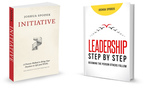
On initiative, leadership, the environment, and burpees
Pingback: Lessons in freedom from Charles Barkley » Joshua Spodek
Pingback: Personal development, achievement, and freedom » Joshua Spodek
Pingback: I’d rather be rejected for who I am than accepted for who I’m not | Joshua Spodek