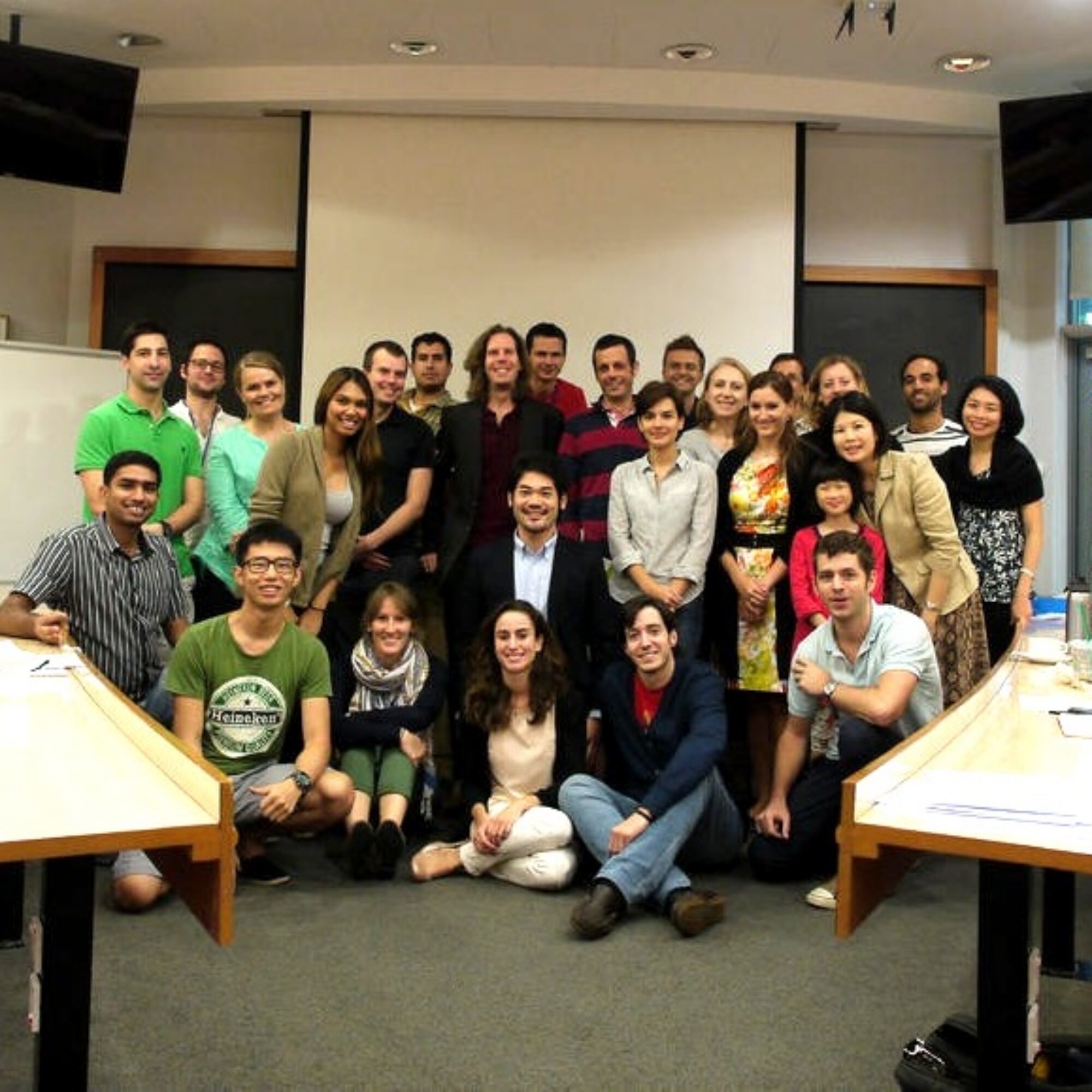
This weekend’s leadership development seminar in Shanghai sold out

I just heard that this weekend's leadership development seminar in Shanghai sold out the last seat. If you wanted to attend but can't now, there is a good chance I'll do another in March. Please email me if you would like to be contacted about it. Thanks to everyone with the Columbia community here for making this happen and all the work behind the scenes. I look forward to seeing people there.

0 Comments

See Michael Feiner in New York, February 19

I am helping organize a talk by my former Professor and leadership guru Michael Feiner February 19, 6-8pm in Manhattan. I'm helping organize it with the Distinguished Leaders Committee of the Columbia Business School Alumni Club of New York (you don't have to be a member to attend). Plans may change, but I think I'm going to introduce him. I'll copy the announcement below (here is a link to the original). His course was one of my best at Columbia Business School. Actually, I think it was one of the best of almost everyone who took it, since it was always one of the top one or two hardest to get into. The Pillars of Leadership: A Three-Part Series on Leadership Development Part 1: The…

0 Comments

Joshua Spodek on Leadership Development in Shanghai

EDIT: this event is sold out. There is a good chance I'll offer it again in March. Please email me if you would like to be contacted about it. Are you reading this from Shanghai or nearby? Then you probably like leadership, want to improve, and can attend my next seminar, brought to you by Columbia University's Alumni Association in Shanghai. Columbia Alumni Association in Shanghai proudly invites you to our Leadership Development Event In a two-day seminar, learn how to develop your personal leadership skills, self-awareness and emotional intelligence using the latest advances in cognitive behavioral science, evolutionary psychology, and positive psychology. The course is open to all area business school students, alumni, and colleagues. Class is limited to 80, so be sure to sign up early.…

0 Comments

What is leadership?

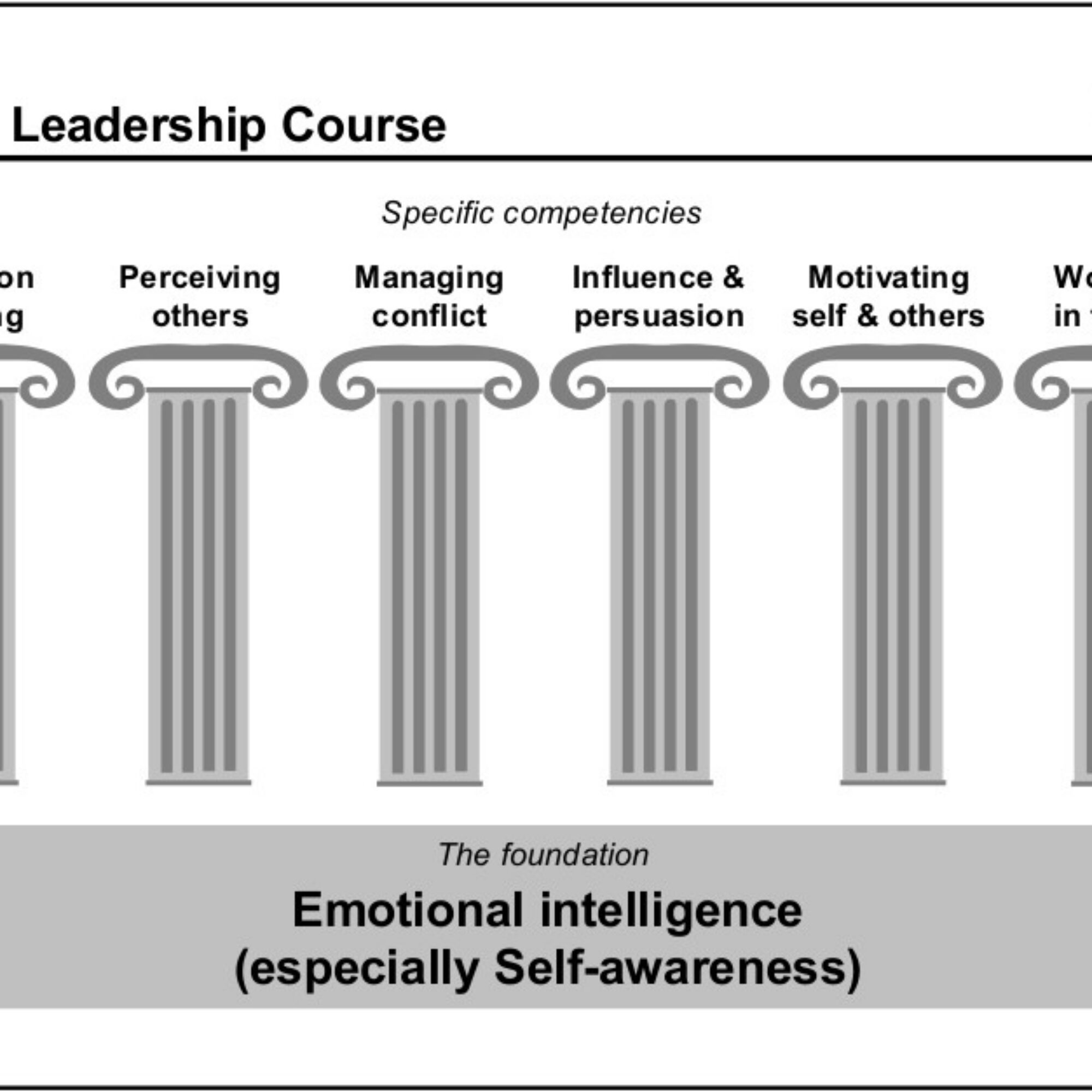
Next on the list of concepts under my name at the top of this page is leadership. See earlier posts for values, meaning, purpose, importance, and passion. Unlike the other concepts, leadership intrinsically involves other people. At first that complexity makes it seem harder to understand, but I think it gets simpler in the end. I start my "Leadership through emotional intelligence and self-awareness" seminars by asking what leadership is, following how my core Leadership course began at Columbia Business School. Since understanding an apparently broad concept like leadership on its own can be hard Columbia's course talks about "six pillars" of leadership, each of which you can understand and learn more easily than leadership in general. You can break down leadership in different ways.…

0 Comments

See Rufus Seder’s talk on “Magic, Art, and Motion Pictures” featuring my work in Boston November 29

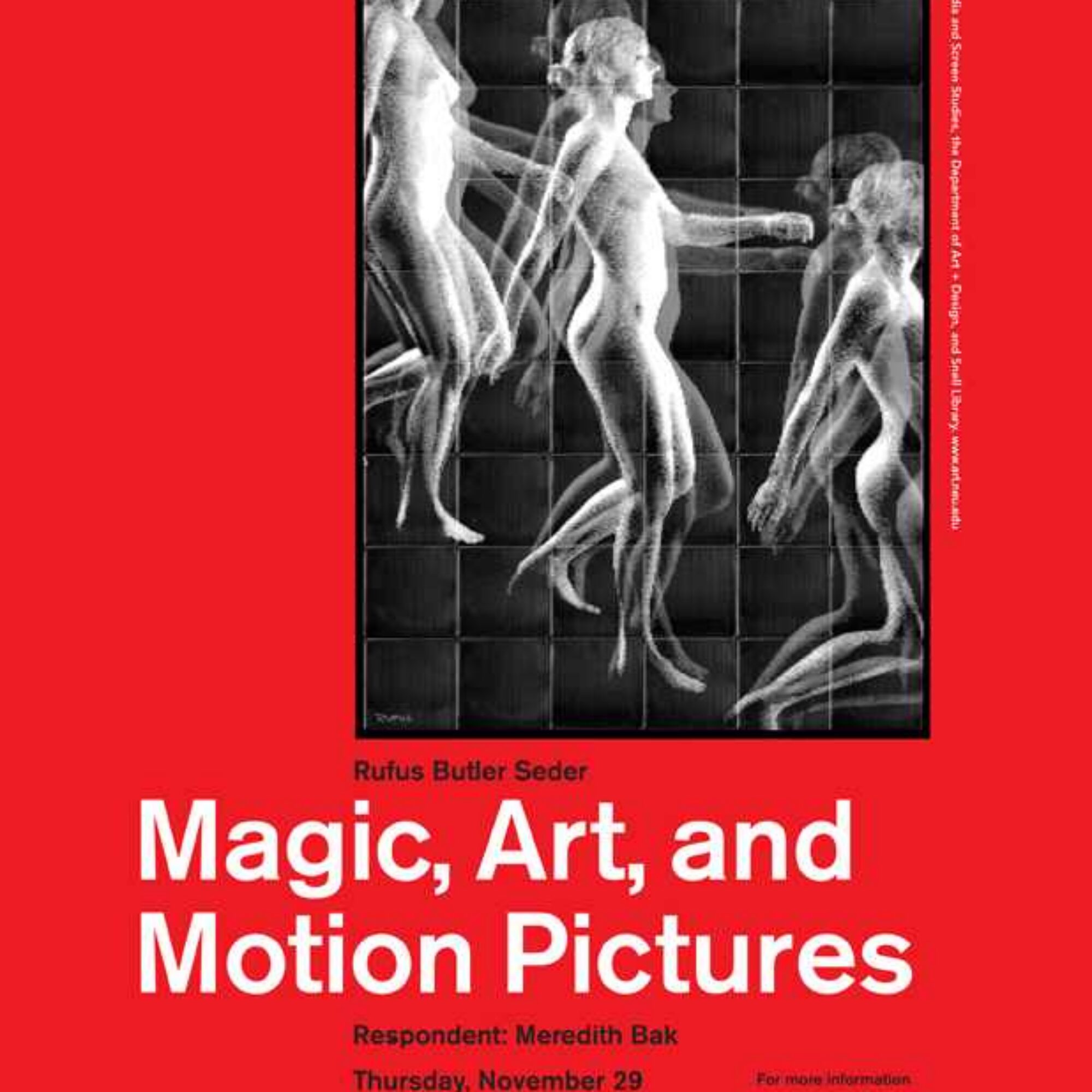
If you like art like mine -- motion pictures created by your motion, without computers or motion picture projectors -- you know Rufus Seder. He has created, among other things, series of books, cards, and other hands-on physical animation devices. Friends and family constantly bring me his fascinating work, books, toys, and such. On Thursday, November 29, Rufus will speak at Northeastern University in Boston on our type of art; more specifically how and why he does what he does, touching on the history of motion picture devices and toys, his own award-winning independent films, the optically animated art of others, and his ongoing exploration into new ways of making pictures move. He told me he'll feature a piece or two of my work in…

1 Comment

Protected: Starting a leadership school

The project I am starting a school for leadership. I have a business plan and early seed funding. My first goal is to create an online presence. I have started other successful businesses before. The project is driven by the large demand for leaders and lack of supply. The main institutions teaching leadership are business schools, military schools, and corporations (only to their employees). While successful and effective, they focus on areas useful only to large corporations and the military. This leadership school will teach aspects of leadership common to all applications, without focusing on banking, finance, consulting, war, etc. I see parallels to how acting is taught since, like leadership, actors must know their emotions and how to create them in themselves in order…

Enter your password to view comments.

Coaching highlights from coaching Columbia Business School students: Review

I'm sure I'll continue it with other thoughts soon, but for now I'm wrapping up the series on highlights from coaching Columbia Business School students with a review of the major point from it, particularly on 360-degree feedback reports. First, I commend Columbia for offering coaching to all MBA candidates. When I went there we got the reports and reviewed them overall in class but didn't get personalized coaching. Giving them coaching adds tremendously to understanding the feedback process, how to read the reports, and how to use them to improve their leadership skills. Especially for students who don't choose the big corporate route, many students have few other opportunities to get such reports or coaching. Overall understanding The structure alone of the 360-degree feedback…

0 Comments

Coaching highlights from coaching Columbia Business School students: Shortcomings of 360-degree feedback reports

[This post is part of a series on Coaching Highlights from coaching Columbia Business School students. If you don't see a Table of Contents to the left, click here to view the series, where you'll get more value than reading just this post.] In the context of the lessons from coaching Columbia Business School students in leadership, I've mostly written about the value of 360-degree feedback processes and reports and how to use them. Their shortcomings, costs, and problems are mostly obvious, but I'll cover them anyway since I've covered so much about them. I'll include ones that don't apply to MBA candidates, despite the context here. I'll try to mention how to avoid or work around problems too. Costs First, 360-feedback reports cost a…

0 Comments

Coaching highlights from coaching Columbia Business School students: Weaknesses are often strengths misapplied

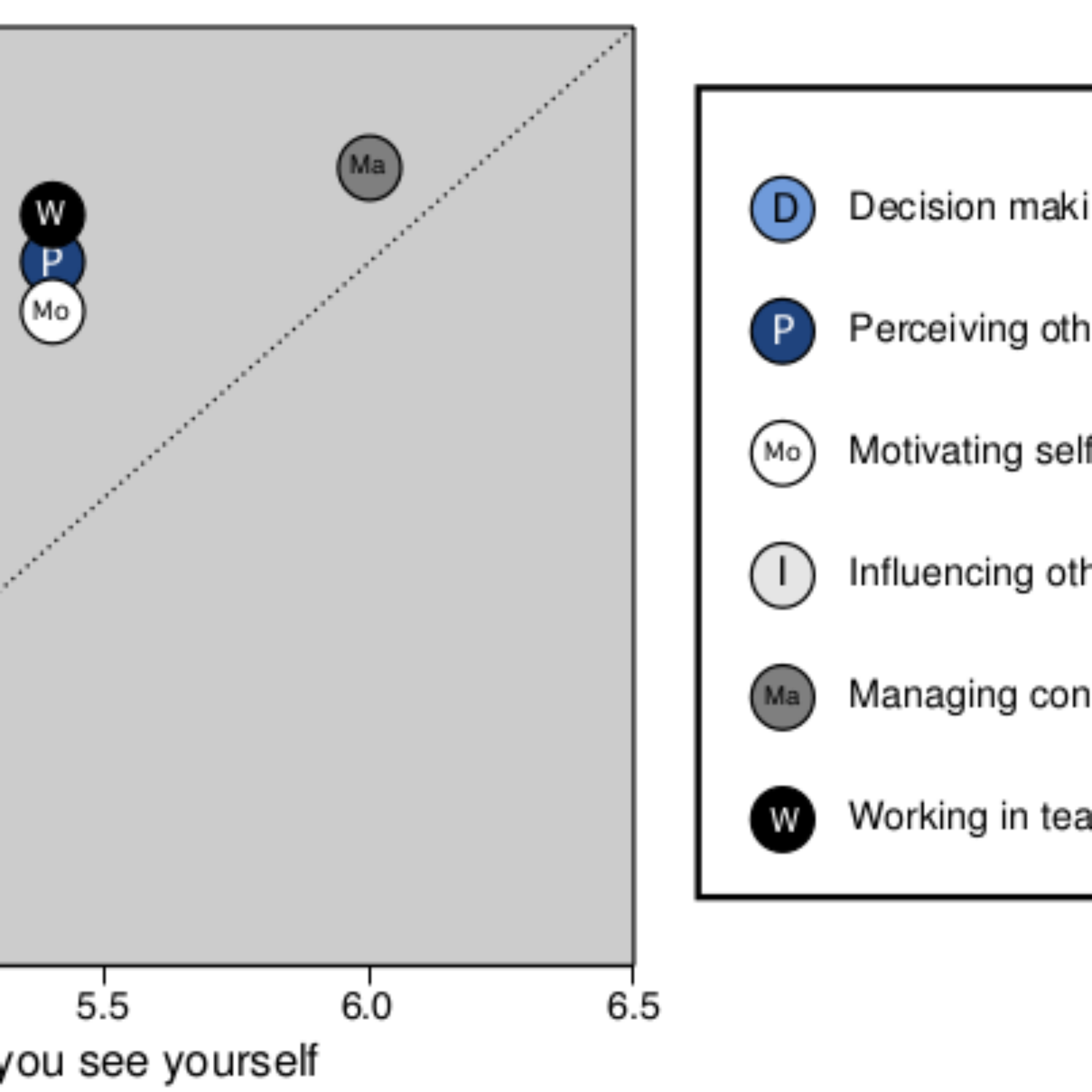
[This post is part of a series on Coaching Highlights from coaching Columbia Business School students. If you don't see a Table of Contents to the left, click here to view the series, where you'll get more value than reading just this post.] Today I'll cover one of the most encouraging perspectives for many students and clients whose reports show they underperform in a few areas. For example, this student's ability to influence appears low (see my earlier post on these charts can help you understand them) ... in both perspectives ... Anybody would say this chart says this person has a weakness influencing others, right? Maybe not, and it could be a strength. You may imagine you have an outlying weakness too that may…

0 Comments

Coaching highlights from coaching Columbia Business School students: foreseeing challenges

[This post is part of a series on Coaching Highlights from coaching Columbia Business School students. If you don't see a Table of Contents to the left, click here to view the series, where you'll get more value than reading just this post.] Learning leadership and developing leadership skills isn't like learning history or any other academic subject. Learning leadership and developing leadership skills means learning about yourself and other people, understanding your and their motivations, changing how you view the world, for starters. Well, you can learn to lead without those things, but you'll limit yourself without them. While learning math or a new language may teach you new knowledge and skills, it's hard to say they change you as a person. I learned…

0 Comments

Coaching highlights from coaching Columbia Business School students: Focus on the client

[This post is part of a series on Coaching Highlights from coaching Columbia Business School students. If you don't see a Table of Contents to the left, click here to view the series, where you'll get more value than reading just this post.] Effective coaching means focusing on the client's interests and progress, not the coach's. I like working with clients, especially students where I used to go to school, so it's easy to think about my interests. But I know that in the long term, a client telling me they got out of our interaction everything they wanted and more is my greatest reward. To do that my focus has to be on them. Use the meeting structure to focus on the client This…

0 Comments

Coaching highlights from coaching Columbia Business School students: Use Feedforward

[This post is part of a series on Coaching Highlights from coaching Columbia Business School students. If you don't see a Table of Contents to the left, click here to view the series, where you'll get more value than reading just this post.] If I talk about coaching, especially in limited times with very talented people, I have to talk about Feedforward. I refer to my previous post on it for a thorough description of it. It's one of the best tools for finding out what about yourself to improve and how. If you don't have access to a 360-degree feedback (almost no one does and even people who do only get them less than once per year), you can use Feedforward anyway. I'll mention…

0 Comments

Coaching highlights from coaching Columbia Business School students: Create accountability for yourself

[This post is part of a series on Coaching Highlights from coaching Columbia Business School students. If you don't see a Table of Contents to the left, click here to view the series, where you'll get more value than reading just this post.] Adding accountability to your transformation increases its chances of working and the quality of your work. I hope I've written this idea in many other posts. I say it to nearly every Columbia Business School student I coach. It's a fundamental part of my role with coaching clients. We all know we get done what we're accountable for. What we aren't accountable for we don't focus on nearly as much. So when you create a plan to improve your leadership style, your…

0 Comments

Coaching highlights from coaching Columbia Business School students: find a relevant exercise

[This post is part of a series on Coaching Highlights from coaching Columbia Business School students. If you don't see a Table of Contents to the left, click here to view the series, where you'll get more value than reading just this post.] No matter what you want to improve about yourself, no matter how important the insight of feedback, and no matter how much you can learn from books, ultimately you have to practice to improve meaningfully. Find an exercise I think one of the greatest values a coach can add, especially in a short session, is to give someone who has identified an area to improve and indicated wanting to improve an exercise to have them experience improving in their desired area. A…

0 Comments

Coaching highlights from coaching Columbia Business School students: figuring out what to start with

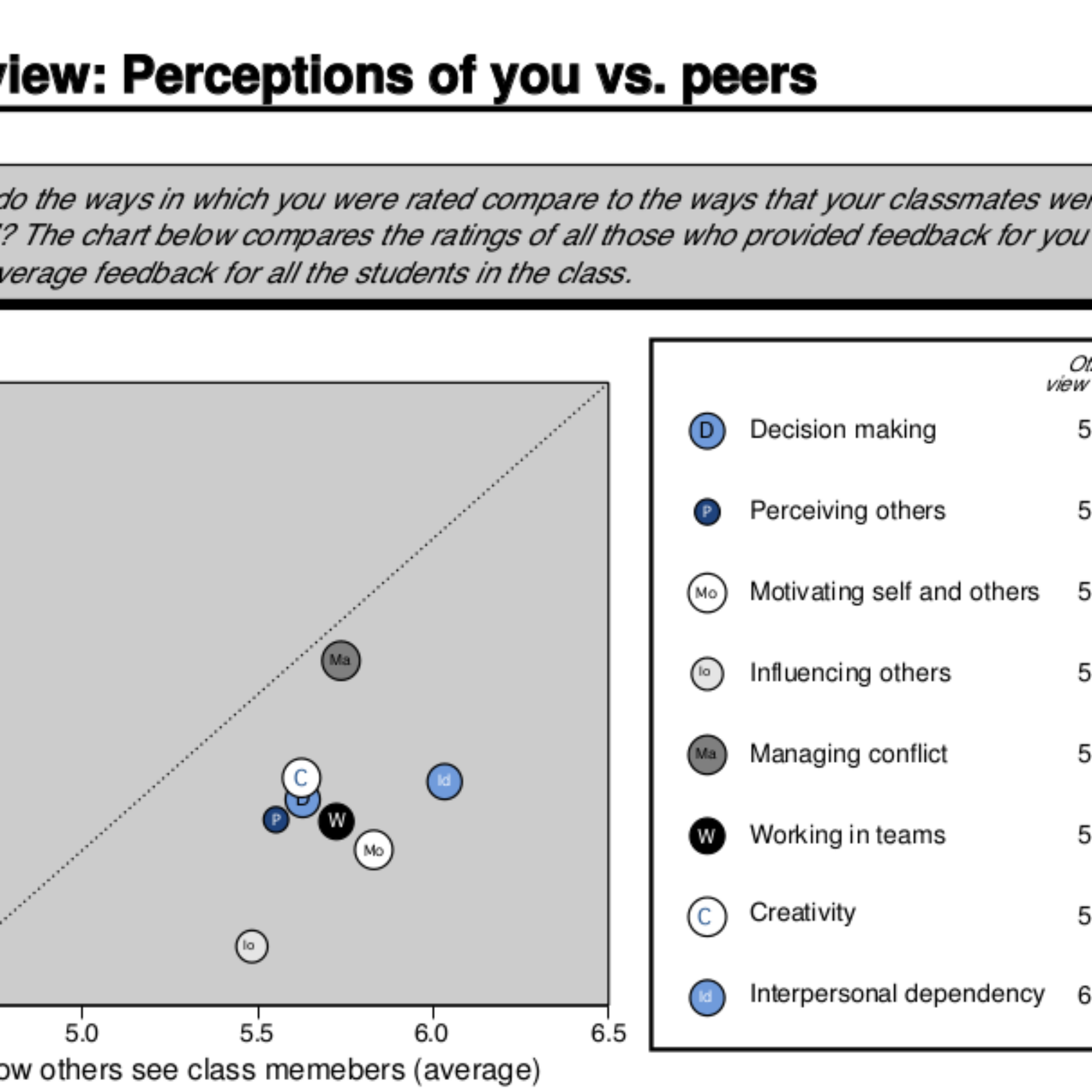
[This post is part of a series on Coaching Highlights from coaching Columbia Business School students. If you don't see a Table of Contents to the left, click here to view the series, where you'll get more value than reading just this post.] When your 360-degree feedback report features this chart and you want to start improving something, what do you start with? Keep in mind, you don't need a 360-degree feedback report to have to decide what to work on. Today's post applies to any time you want to pick something to improve yourself. You know from two days ago to focus on one meaningful thing at a time, but which? Nearly all the students I work with pick the farthest down dot, in…

0 Comments

Coaching highlights from coaching Columbia Business School students: Personal development skills

[This post is part of a series on Coaching Highlights from coaching Columbia Business School students. If you don't see a Table of Contents to the left, click here to view the series, where you'll get more value than reading just this post.] Leaders learn and push themselves to develop personally constantly and consistently. They don't see it as a burden, just something they do. Nor do they feel compelled from outside to do it. They enjoy learning. Nor do they feel like they need to accomplish some goal. They just enjoy doing things better. At least that's what I've seen and experienced. One of the reasons stems from an effect of yesterday's post that working on one complex, long-term thing at a time --…

0 Comments

Coaching highlights from coaching Columbia Business School students: Improve one thing at a time

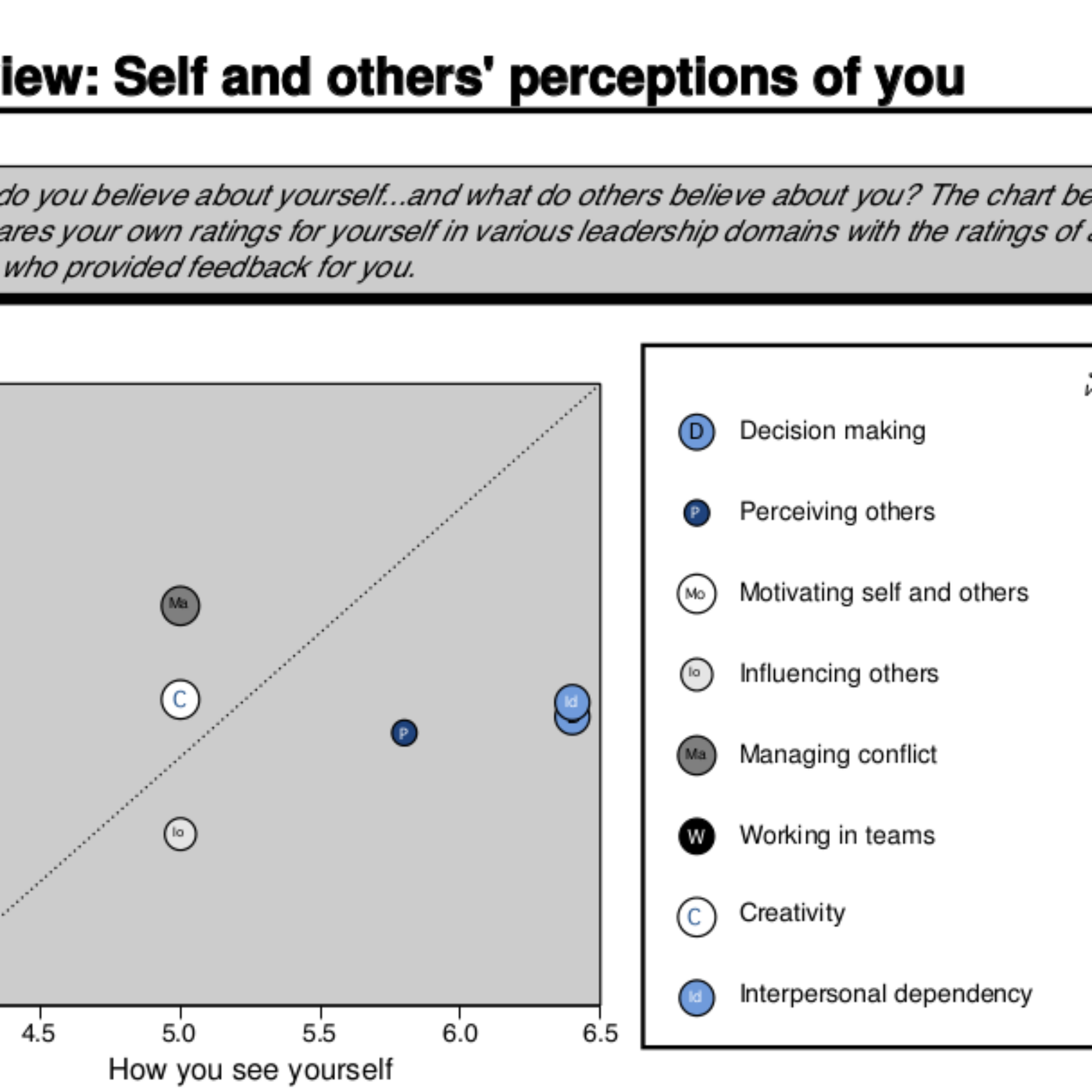
[This post is part of a series on Coaching Highlights from coaching Columbia Business School students. If you don't see a Table of Contents to the left, click here to view the series, where you'll get more value than reading just this post.] A lot of students see the dots on the charts in their reports and decide they want to improve a few. In this chart, for example, they'll look at all the dots below the line, think "Uh oh, I'm behind my peers in everything," and decide to work on everything at once, or at least a few things. Most coaches I've talked to about it agree working on one area at a time makes the best progress not just in the area…

0 Comments

INSEAD leadership seminar

When I met Jose Gaztelu, my business school classmate and friend who did the bulk of the organizing for this weekend's INSEAD leadership seminar in Singapore, at the hotel Friday, he asked how many people I thought were signed up. When my flight had taken off that morning from Shanghai it was ten or twelve so I guessed about a dozen. "Thirty-two" So the attendees filled the room -- a great group. They were attentive, asked great questions, and started applying the material before the seminar ended. When I mentioned burpees, they wanted to get me to do a few and all started clapping to force me to do it. I said I would if they would. So about half the room did five burpees…

0 Comments

A sample 360-degree feedback report: qualitative feedback

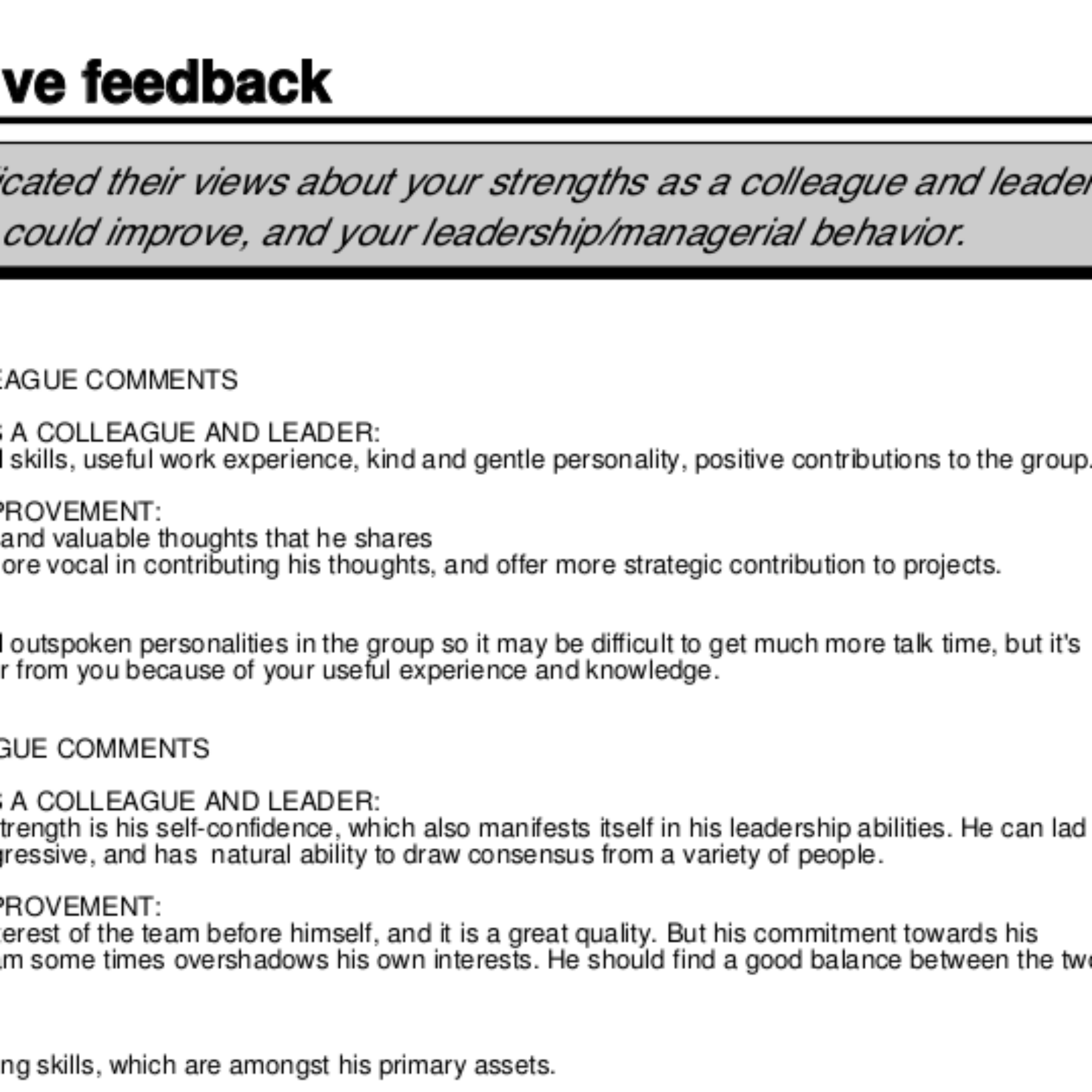
[This post is part of a series on Coaching Highlights from coaching Columbia Business School students. If you don't see a Table of Contents to the left, click here to view the series, where you'll get more value than reading just this post.] Any feedback report has to include qualitative feedback -- that is, free form feedback that describes how the subject performs and how to improve. In my experience the feedback I've seen hasn't been as useful as feedforward. It's been more feedback, which generally means evaluation of an unchangeable u, but feedback can still be useful. In any case, here are examples of qualitative feedback. It can't b e combined with other quantified results, but can give you some of your most useful…

0 Comments

A sample 360-degree feedback report: more detail

[This post is part of a series on Coaching Highlights from coaching Columbia Business School students. If you don't see a Table of Contents to the left, click here to view the series, where you'll get more value than reading just this post.] Yesterday's post covered what for most people are the highlights of a 360-degree review -- charts comparing how your leadership skills compare to others'. Those charts summarize most of the information in a 360-degree feedback report. One should always remember they summarize. They don't present all the information. Sometimes details tell a different story but get lost in the summary. Also, details may show how to improve better than a mere summary. Most 360-degree feedback reports include more detailed numbers. Here is…

0 Comments

Leadership lessons from 360-degree feedback charts

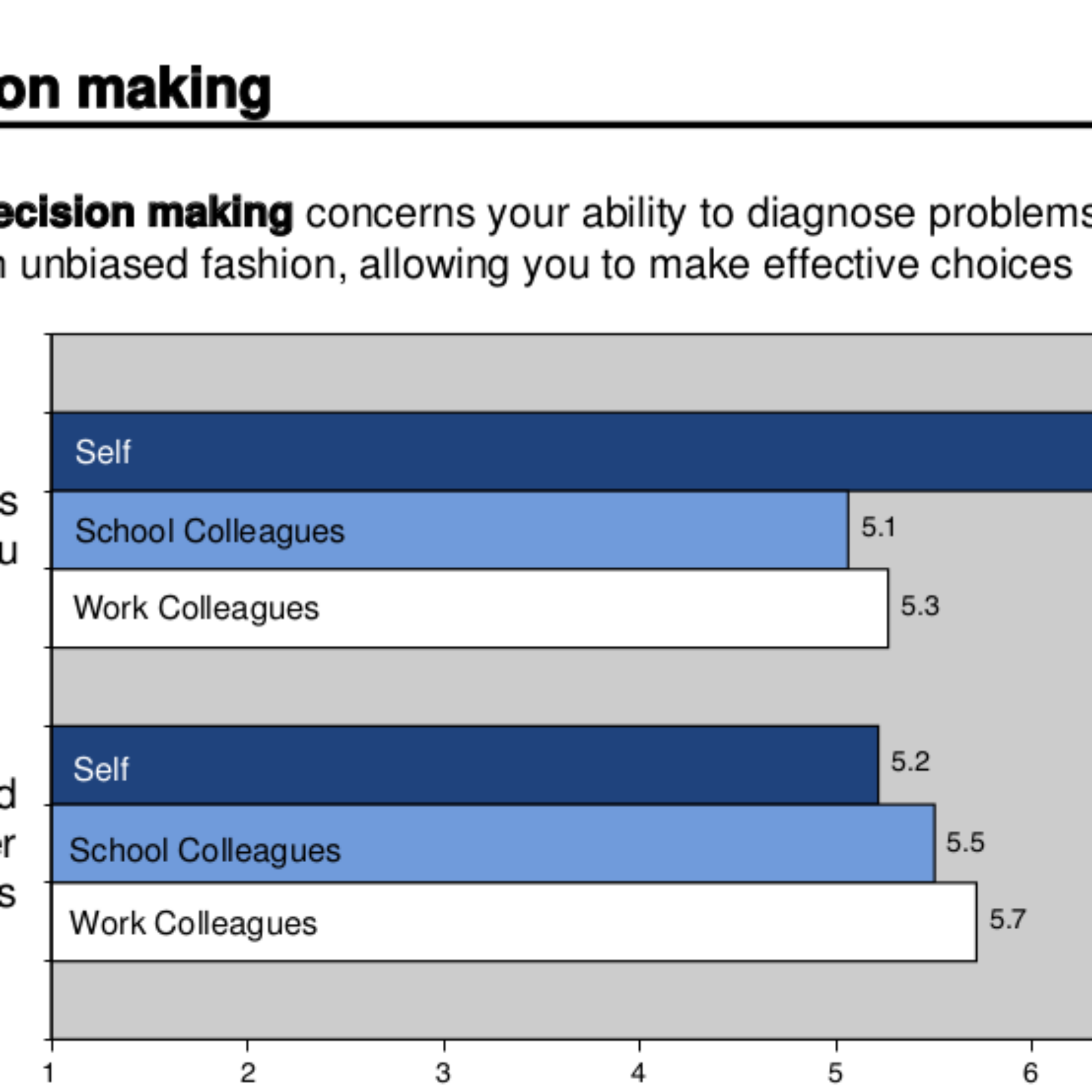
[This post is part of a series on Coaching Highlights from coaching Columbia Business School students. If you don't see a Table of Contents to the left, click here to view the series, where you'll get more value than reading just this post.] Just the structure of yesterday's charts teaches a lot about leadership. They emerged as main tools for communicating leadership ability and guiding improvement so even if you're never the subject of one, you can still benefit from knowing about them. Let's see a few reasons why. Let's look at one again. The chart breaks leadership into sub-skills My Core Leadership class at Columbia began with asking the professor asking us to define leadership. It's notoriously difficult to define. So instead of trying…

0 Comments

A sample 360-degree feedback: Overview charts

[This post is part of a series on Coaching Highlights from coaching Columbia Business School students. If you don't see a Table of Contents to the left, click here to view the series, where you'll get more value than reading just this post.] Let's look at part of a sample 360-degree feedback report. Today I'll show the highlights -- the summary of all the questions. Even if you've never had a 360-feedback for yourself, just knowing how they work can help you. Understanding their structure alone can help you figure out how to improve your leadership skills. First I'll explain what you're about to see. Each person responding to the survey about the person receiving the feedback gets asked to rate the person in several…

0 Comments

Coaching highlights from coaching Columbia Business School students: 360-degree feedbacks

[This post is part of a series on Coaching Highlights from coaching Columbia Business School students. If you don't see a Table of Contents to the left, click here to view the series, where you'll get more value than reading just this post.] Before going into the details of looking at a 360-degree feedback report, I want to talk about the structure of the 360-degree feedback process and what it tells you about leadership. What is a 360-degree feedback? 360-degree feedbacks are usually done in corporate and bureaucratic environments as review processes, both to help evaluate performance and to help people improve their performance. The process is that you or someone (typically in the Human Resources department) gets feedback from all sides -- people above,…

0 Comments

Coaching highlights from coaching Columbia Business School students

[This post is part of a series on Coaching Highlights from coaching Columbia Business School students. If you don't see a Table of Contents to the left, click here to view the series, where you'll get more value than reading just this post.] I've been posting a lot on personal development, so I'm going to focus on specific leadership and leadership development issues for several posts. I've had the privilege and responsibility of coaching leadership to many Columbia Business School students, both in the regular and Executive MBA programs. For the next several posts I'll cover a few of my observations in coaching leadership in that environment -- usually tips on improving business leadership, but also leadership, leadership development, and personal development in general. The…

0 Comments

Amazing essays by amazing writers and thinkers

I stumbled on this more-than-a-decade-old amazing trove of essays. Just reading the authors' names is impressive. They are essays written by great thinkers, writers, etc on "best" things of the past thousand years. I'll cut and paste most of the essay titles and links here. I've only read a few so far, but I've loved each. Sorry I haven't reformatted much, but you can always go to the original site for the full treatment. Eyes Wide Open By Richard Powers Every Dictator's Nightmare By Wole Soyinka When Tristram Met Isolde By Joyce Carol Oates Best Magic Trick By Teller Video Best Feat of Engineering By David Macaulay Best Nuisance By Penelope Fitzgerald Best Innovation in Painting By Michael Kimmelman Slide Show Best Vision By James…

0 Comments

End of content

No more pages to load