Might I Be Wrong About Artificial Intelligence? How Wrong Could I Be?

I've written about AI, mainly problems. In Extreme Thoughts on Artificial Intelligence I explored the idea that AI offers no benefit, only the jolt of the feeling of accomplishment like the jolt of euphoria of opiates and solving problems created by the system and philosophy that created it. Let's say I'm wrong. Let's say AI offers many benefits I'm missing. How wrong might I be? What difference to us would we see if we stopped using AI compared to if we kept using it? Would we miss it? Would we think, "Darn, my life suffers for lack of AI"? If we stopped using eyeglasses or pressure cookers, I'd miss them. They represent technologies that seem to benefit people without harming others. You could argue that…

0 Comments

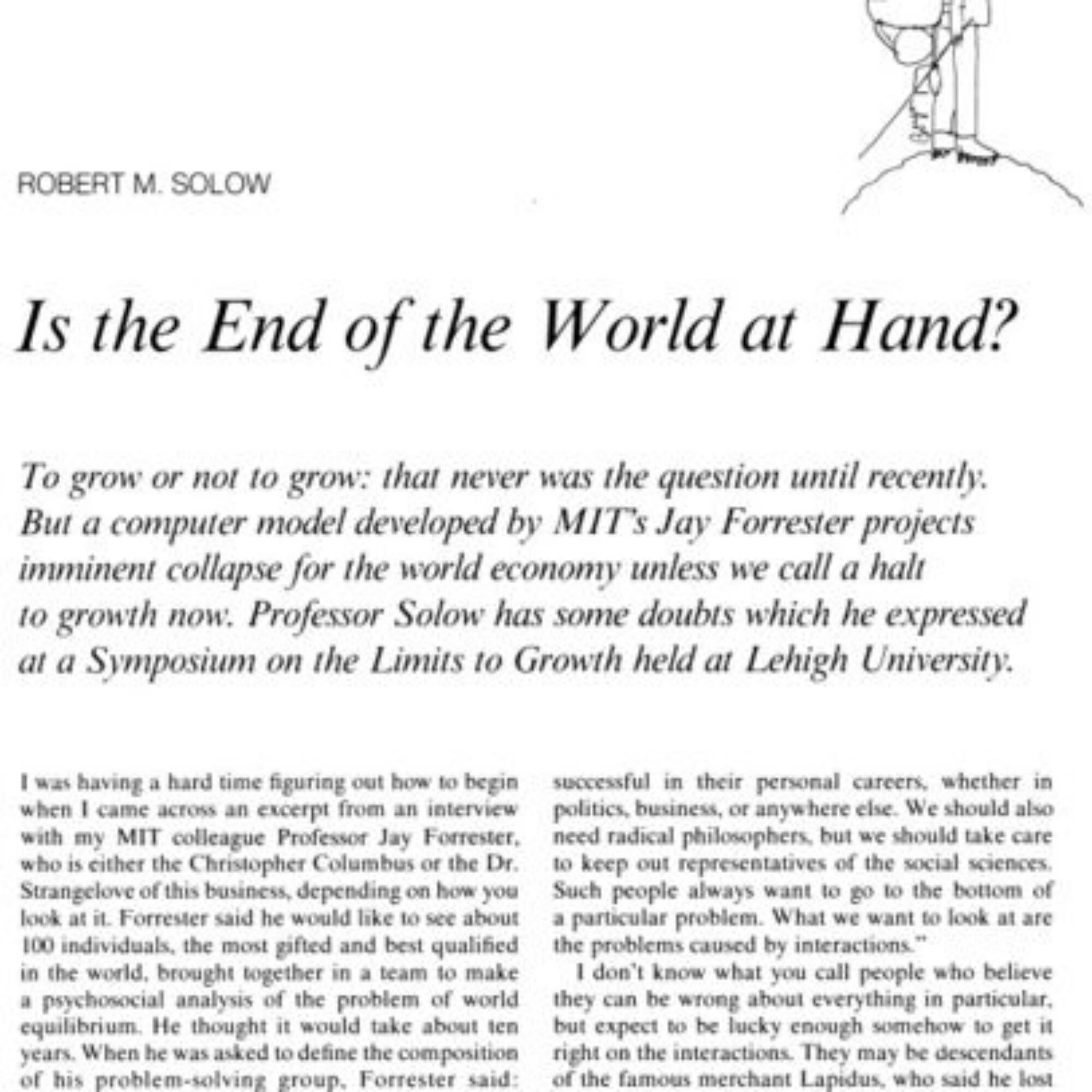
Finally, a critic of Limits to Growth who may have actually read the book

I've called Limits to Growth the science book of the decade 2000-2009, in particular the 30-year update. From what I learned in math and science in college and graduate school, it approached our environmental situation how I would, and they followed through. Having an idea in principle of what to do in this case was a tiny fraction of implementation. They had to refine the algorithms, code them, look up the numbers to put in for all the physical measurements, determine what numbers they'd have to assume, justify their assumptions, debug, interpret their results, figure out how to present them, write, edit, publish, and more. Since reading it, I've read many more books on the environment and talked to many people. Some of those books and…

0 Comments
This week’s selected media, May 31, 2026: Gulag, American Citizenship and Its Decline, Live Avant Garde music
Version 1.0.0

This week’s selected media, May 31, 2026: Gulag, American Citizenship and Its Decline, Live Avant Garde music

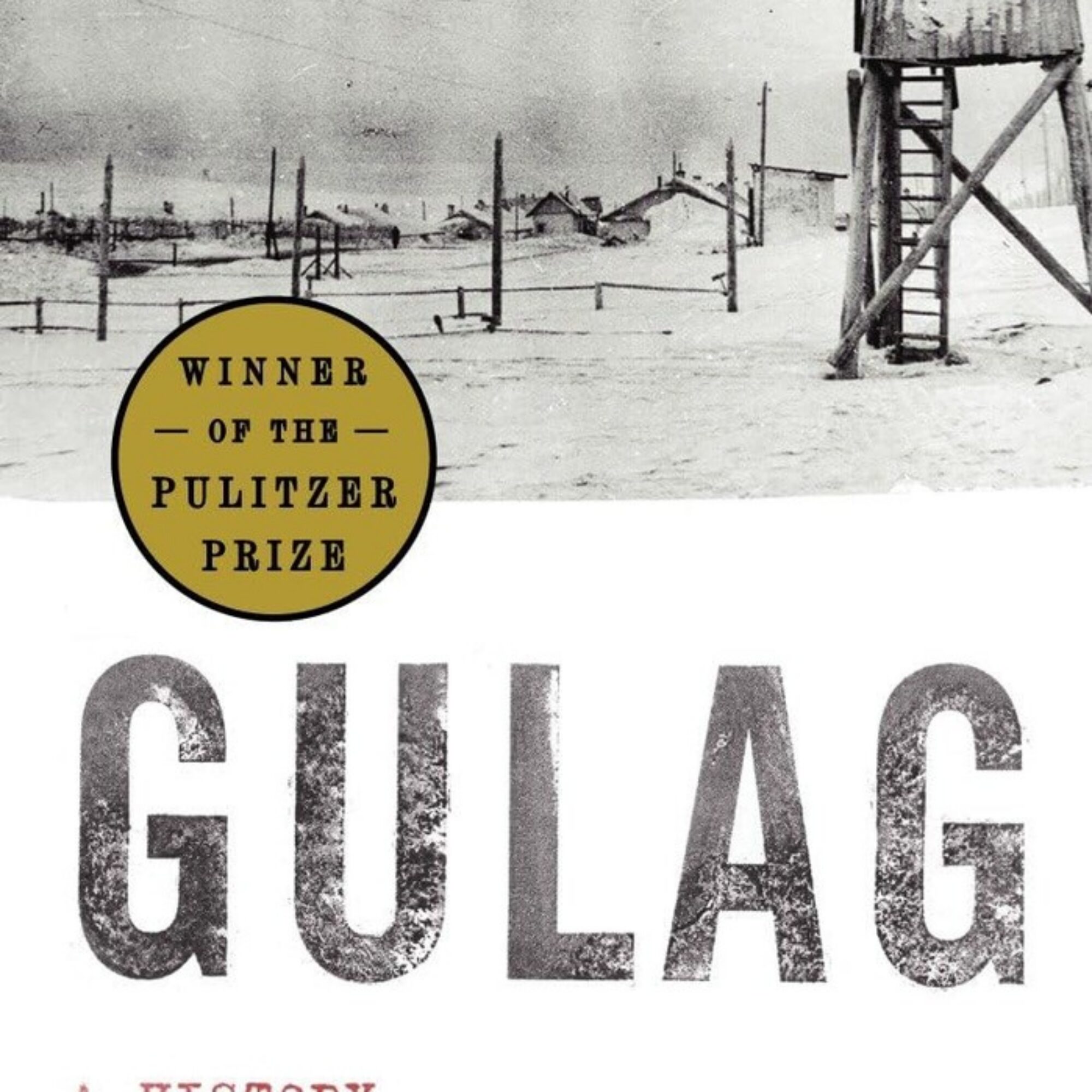
This week I finished: Gulag: A History, by Anne Applebaum: I read, listened, and watched a lot on the gulag system while reading Solzhenitsyn's Gulag Archipelago. This book came up a lot, after all it won a Pulitzer. Compared to Solzhenitsyn, it's more scholarly and researched, less personal and biting. I think only survivors could include humor like his. Applebaum said she was prompted to write this book in part based on seeing USSR memorabilia sold to tourists in Eastern Europe, noting that no one would consider buying and wearing Nazi memorabilia. She commented what many have and what these works have led me to conclude: Americans don't know or understand enough about what happened in the USSR. Many people consider The Gulag Archipelago essential…

0 Comments

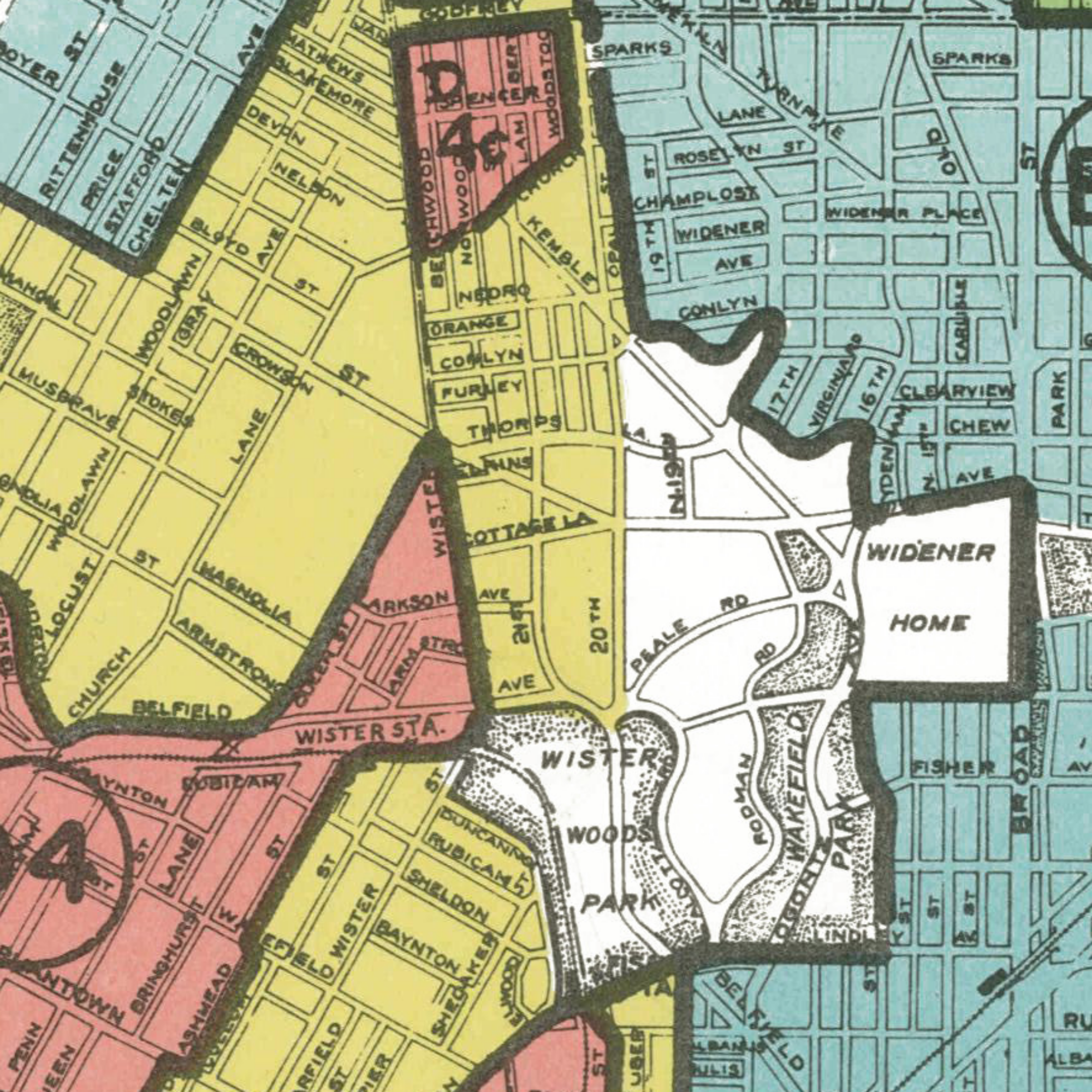
The Hanford Nuclear Site

Hosting a top-ranked podcast with the word "sustainable" in the title means being sent pre-releases of books, documentaries, and other media. Most don't match with my focus, but some do. Often a book or author looks interesting and I research them. Lately I was sent a pre-release of Bad Energy: The AI Hucksters, Rogue Lithium Extractors, and Wind Industrialists Who Are Selling Off Our Future, by Joshua Frank. I didn't know the author so I looked him up and found his book Atomic Days: The Untold Story of the Most Toxic Place in America, about the Hanford nuclear site in Washington State. Have you heard of Hanford? I hadn't, so I looked it up. I'll quote what seems a source without a strong bias on…

2 Comments

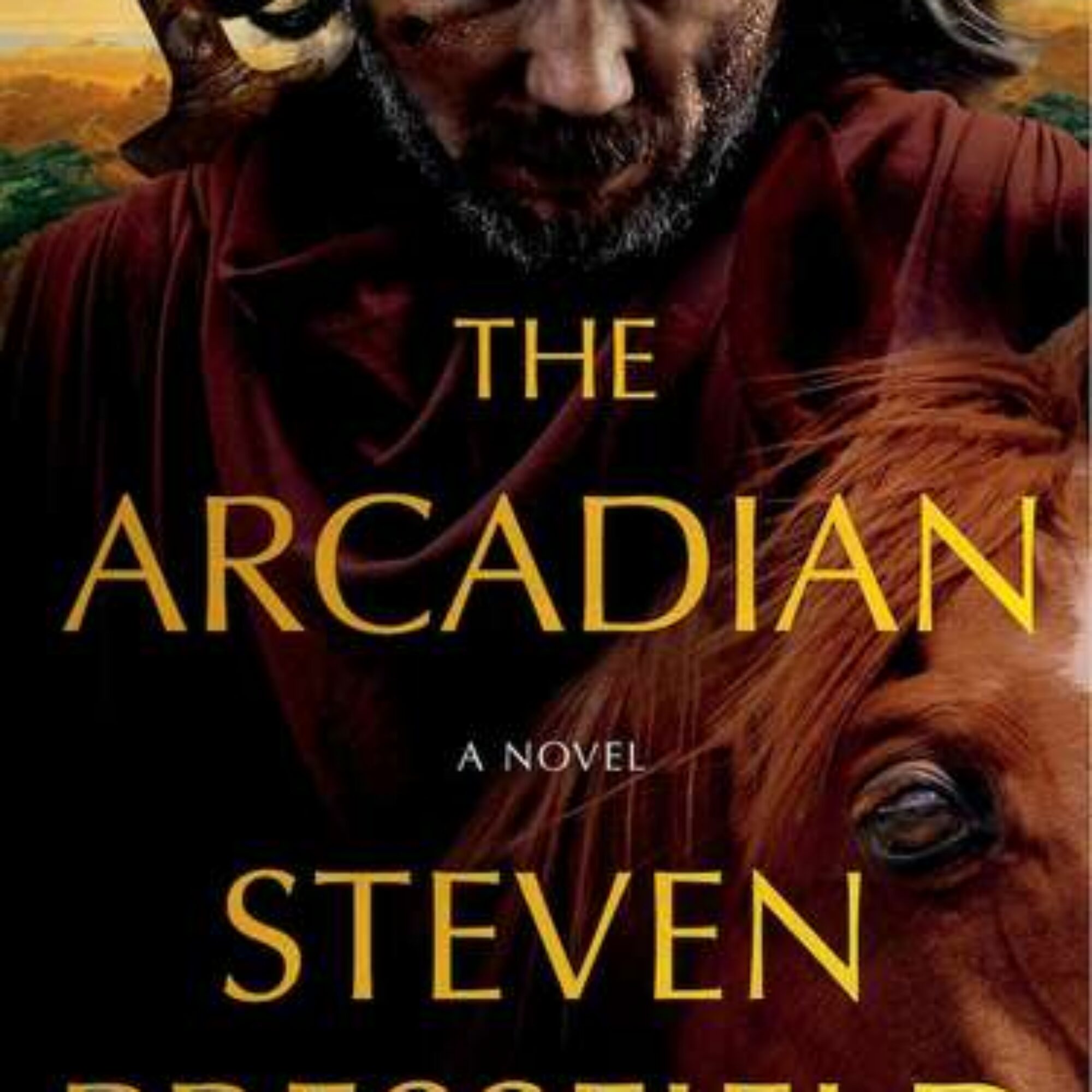
852: Steven Pressfield, conversation 2: His new book, The Arcadian (and A Man at Arms)

It turns out Steven's readers split into two camps with little overlap. I figure most listeners belong to the War of Art camp. If you haven't read the book and want to live a better life, I recommend it, in the top few percent of recommendations. It's powerful, engaging, memorable, and short. The other camp reads his fiction books. His latest is The Arcadian, which stands alone but connects with his last book A Man at Arms. I read both and now belong to both camps, proudly. One goal of this conversation is to entice listeners to join both Pressfield camps too. This podcast is about leadership applied to sustainability, not just personal leadership and art. Just because I like his books doesn't mean his fiction is relevant…

0 Comments

About the comments to yesterday’s NY Post article about not using air conditioning

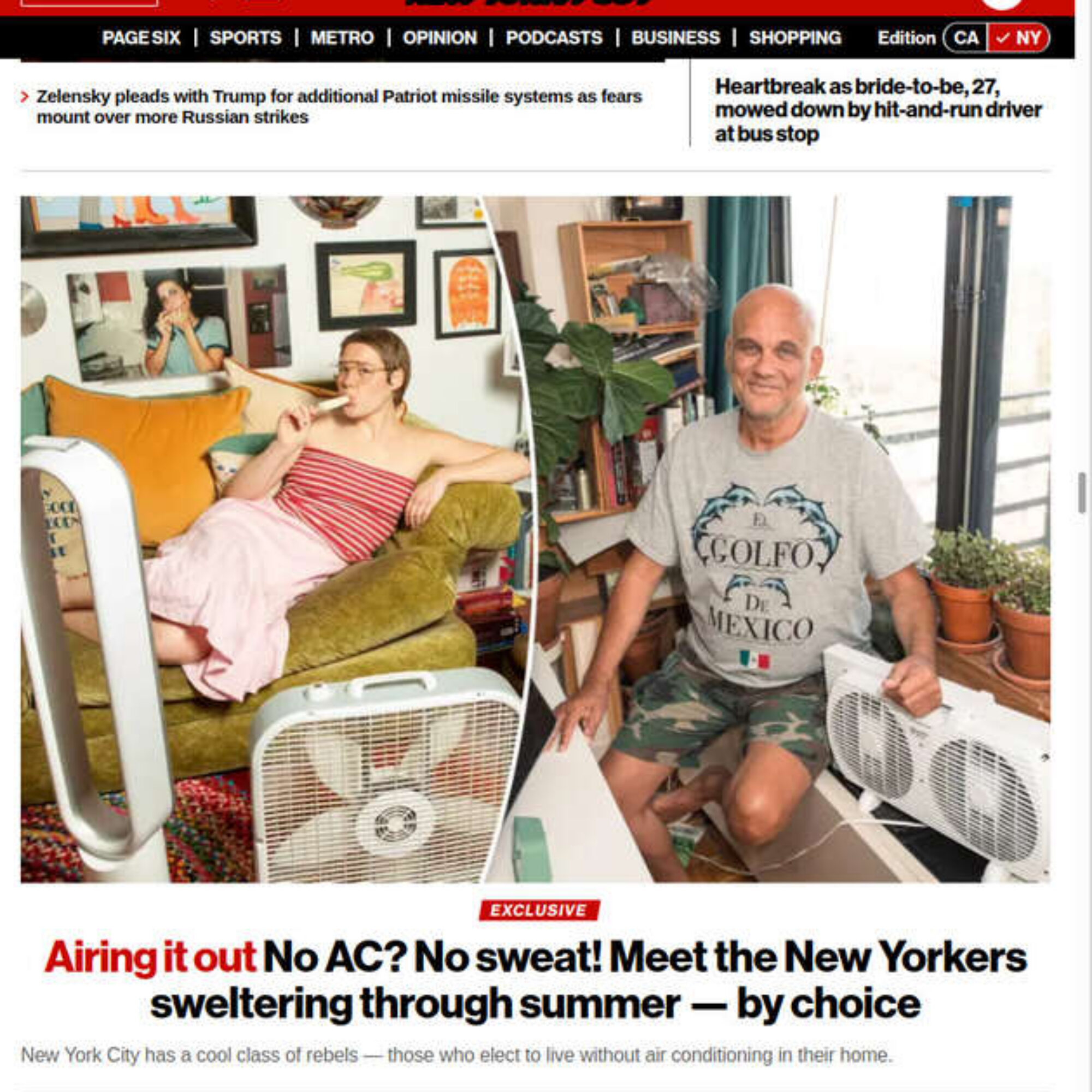
The article I posted about yesterday in Read about me in today’s NY Post: “No AC? No sweat! Meet the New Yorkers sweltering through summer — by choice” has been up less than 24 hours, but it's trending enough to get a big picture on the front page, though featuring the other two people profiled. I guess I wasn't as photogenic. I included the scroll bar in the image below to show that while it earned a big picture, it wasn't near the top. Still it got plenty of comments, which showed trends typical of comments, though the Post tends to conservative politically and aggressive, which I enjoy. Let's start with the unsupportive comments Here are two common responses that liberal and progressive environmentalists have…

2 Comments

Read about me in today’s NY Post: “No AC? No sweat! Meet the New Yorkers sweltering through summer — by choice”

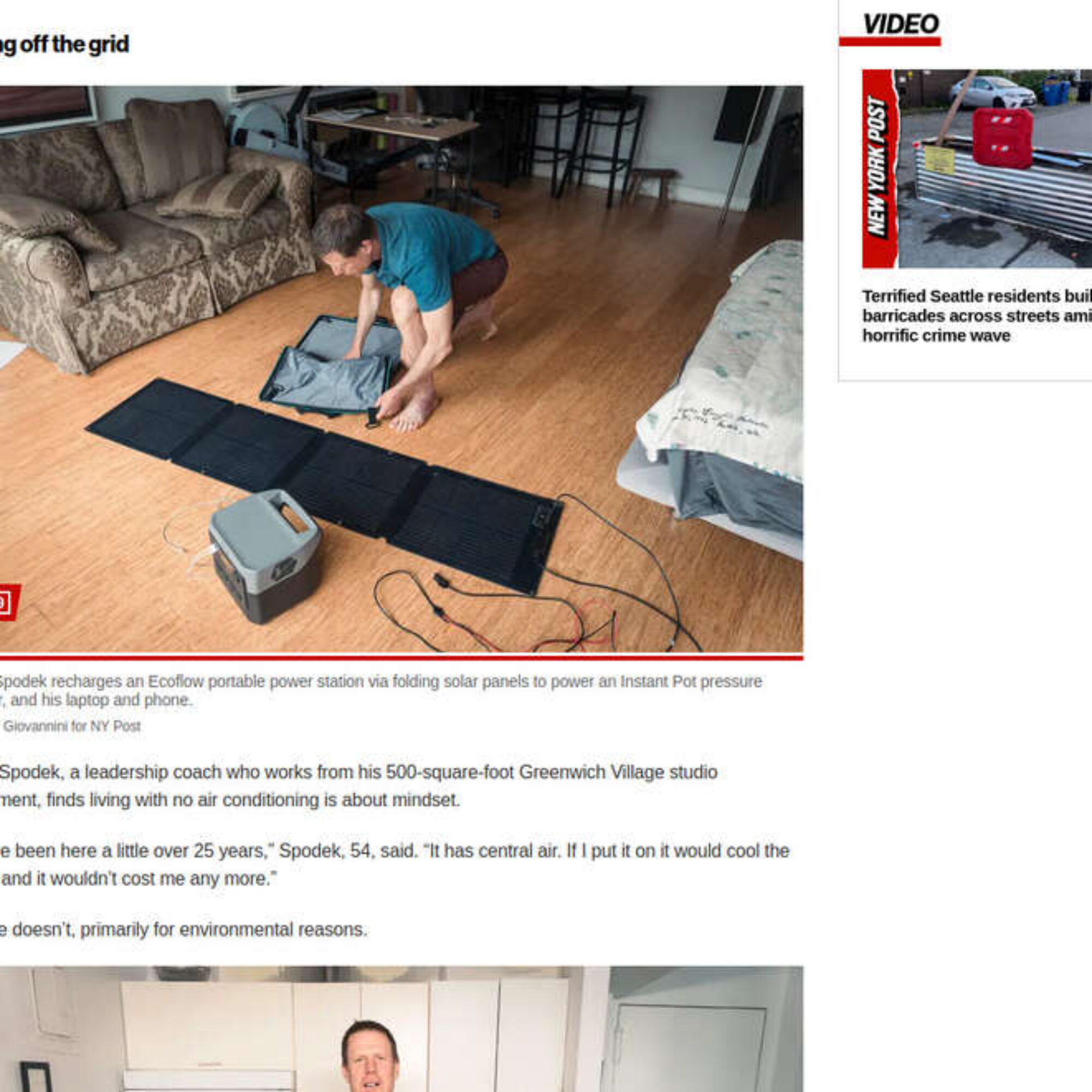
The New York Post interviewed and photographed me for a story on New Yorkers who don't use air conditioning: No AC? No sweat! Meet the New Yorkers sweltering through summer — by choice, written by Lauren Elkies Schram, photographed by Stefano Giovannini. [EDIT, after reading the article, read About the comments to yesterday’s NY Post article about not using air conditioning] The story begins: New York City has a cool class of rebels — those who elect to brave the crushing summer heat without air conditioning at home. It is a small, but mighty group that opts to use fans, take cold showers and work in cool alternate locations during the hot months. Now, following a dreary holiday weekend, temperatures are back on the rise…

0 Comments

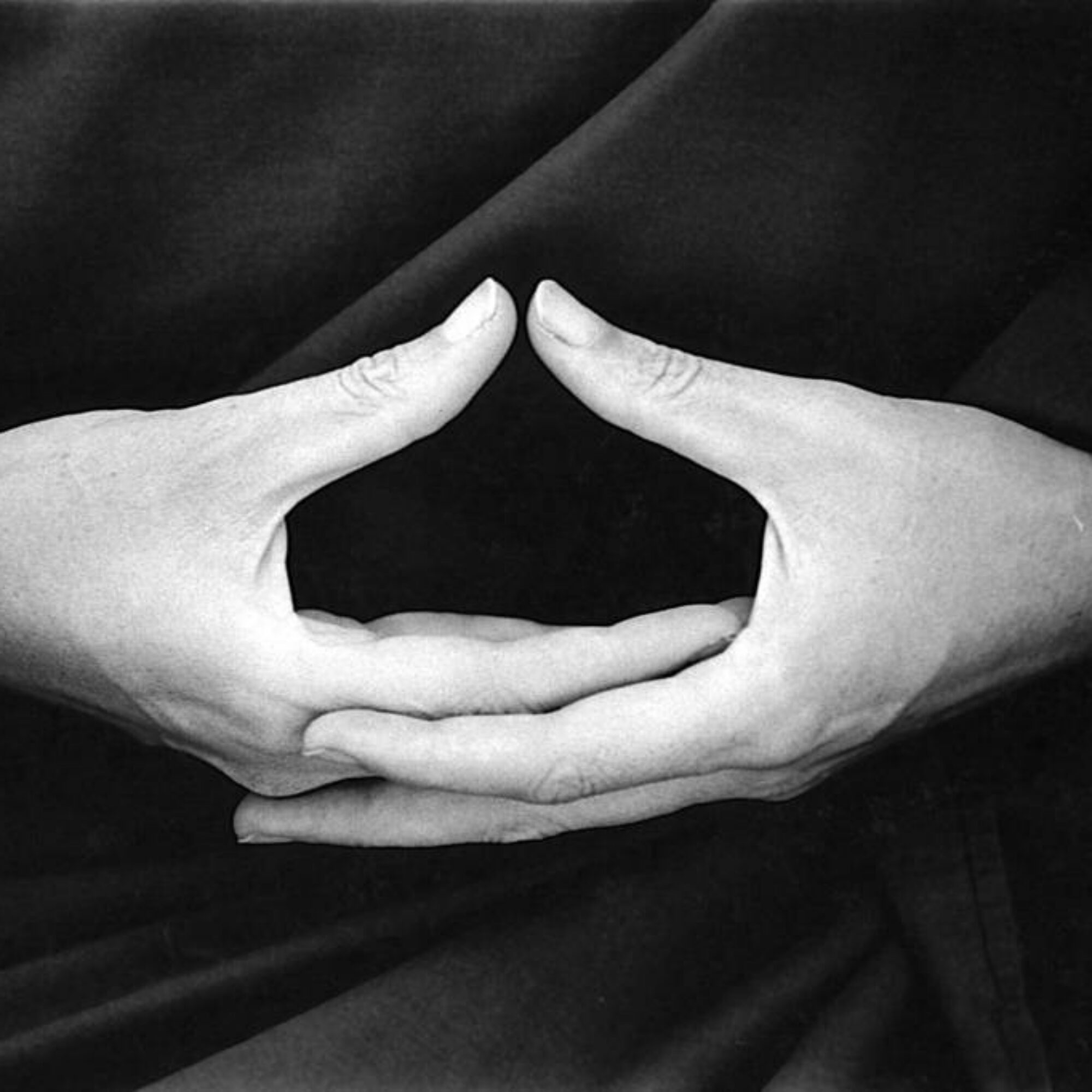
There are many ways to meditate

I meditate for 31 minutes every morning. It's one of my sidchas. I've learned several ways to meditate, not that I consider myself to have mastered any: zen, vipassana, and mindfulness, for example. I've heard of many other styles. I also hear people distinguish dual from non-dual. Buddhist meditation comes in many forms, if you're Theravada, Mahayana, Chinese, Tibetan, etc. I've read Meditations by Marcus Aurelius. I also read Essays by Michel de Montaigne, which I understand were based on meditations. When I write, I often step away from the paper or computer I'm writing on to think, reflect, and let ideas come. I distinguish that reflection from meditations, but when I tell some people about it, they call it meditation. Which of these techniques…

0 Comments

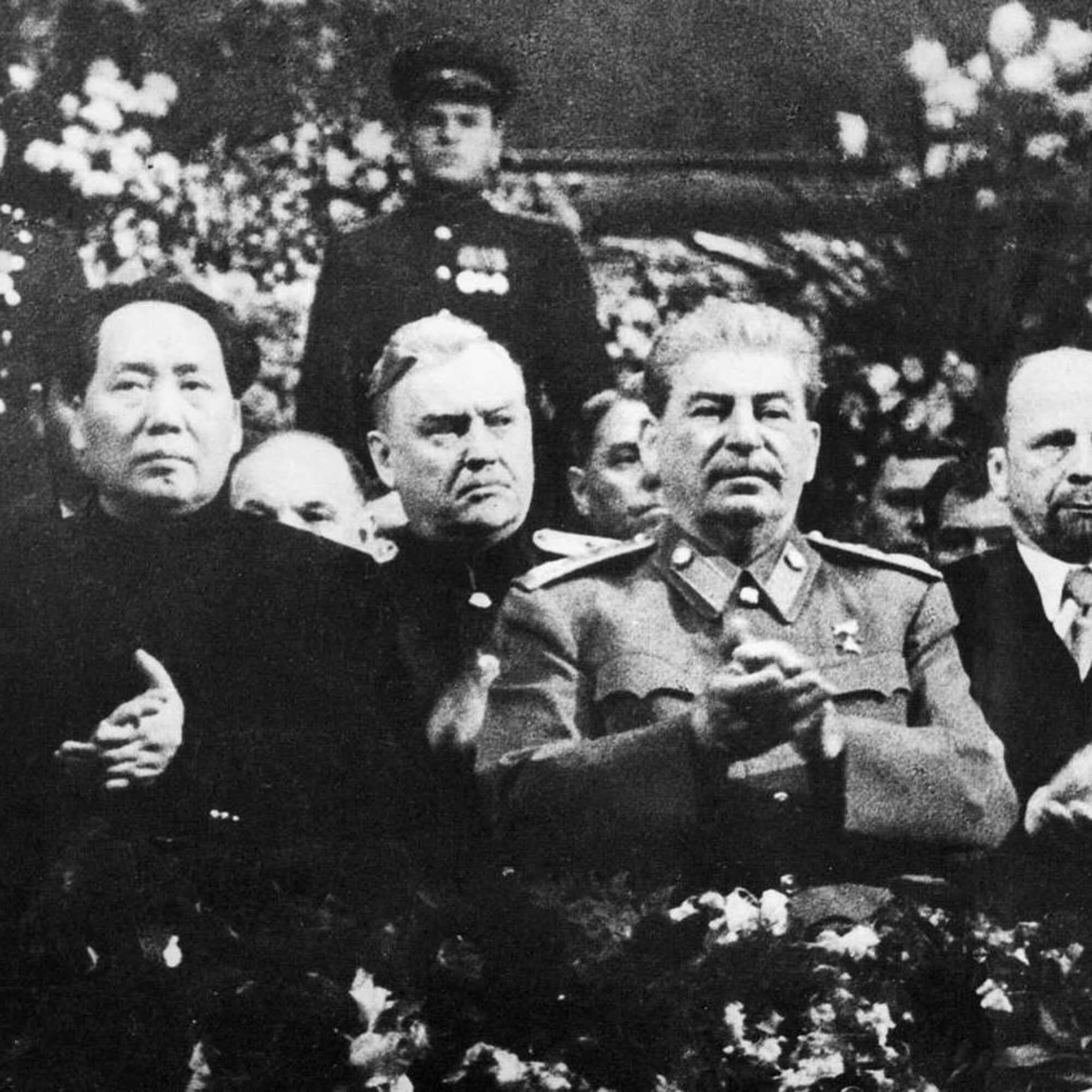
Did you know Stalin was Asian? As were other historic figures including Jesus, Abraham, and Muhammad.

In the last book of Gulag Archipelago, Solzhenitsyn wrote about Stalin's death, "This was the moment my friends and I had looked forward to even in our student days. The moment for which every zek in Gulag (except the orthodox Communists) had prayed! He’s dead, the Asiatic dictator is dead! The villain has curled up and died!" I was curious about the term 'Asiatic.' I also just finished the book Fetishized, which talked about a lack of Asians in media. Was Stalin an example? He may not be a role model, but he gets plenty of coverage. Presumably you want accurate representation, not preferential. I looked up where Stalin was born: Gori, now part of Georgia. In the process I also learned that Stalin himself…

0 Comments

This week’s selected media, May 24, 2026: The Gulag Archipelago volume 3, All the Vermeers in New York, Fetishized

This week I finished: The Gulag Archipelago, volume 3 by Aleksandr Solzhenitsyn: This book changed me---the full three volumes. I grew up learning about Hitler and Nazis. I knew something about Stalin and the USSR, but not how much they would put the Nazis in perspective as less deadly. I recommend this book to anyone and everyone. It's long and the subject horrific, but necessary if you want to know what humanity is capable of, tragically. TIME Magazine called it "the best nonfiction book of the twentieth century." Solzhenitsyn won the Nobel prize before this book, especially for One Day in the Life of Ivan Denisovich, but he considered Gulag Archipelago his greatest work. I finished it because my upcoming book covers what happens when…

0 Comments

This Sustainable Life again named one of the top environmental leadership podcasts

Not that I'm trying to win awards, but who doesn't like being recognized for one's work? The Million Podcasts compiled the Best 40 Environmental Leadership Podcasts in the US, and This Sustainable Life came in at number 18. More honor in other categories This Sustainable Life is also #22 in Stewardship podcasts. #22 in Earth podcasts. #25 in Sustainable Leadership podcasts. #41 in Sustainability podcasts. #47 in Sustainable Living podcasts. #51 in Global Warming podcasts. #56 in Environmental Stewardship podcasts. #82 in Climate Change podcasts. #92 in Environmental podcasts. #98 in Visionary Leadership podcasts. If you haven't listened lately, what are you waiting for? Coming soon is Steven Pressfield's second episode, author of The War of Art, Gates of Fire, and The Legend of Bagger…

0 Comments

Year 5, Day 1 with my apartment disconnected from the electric grid

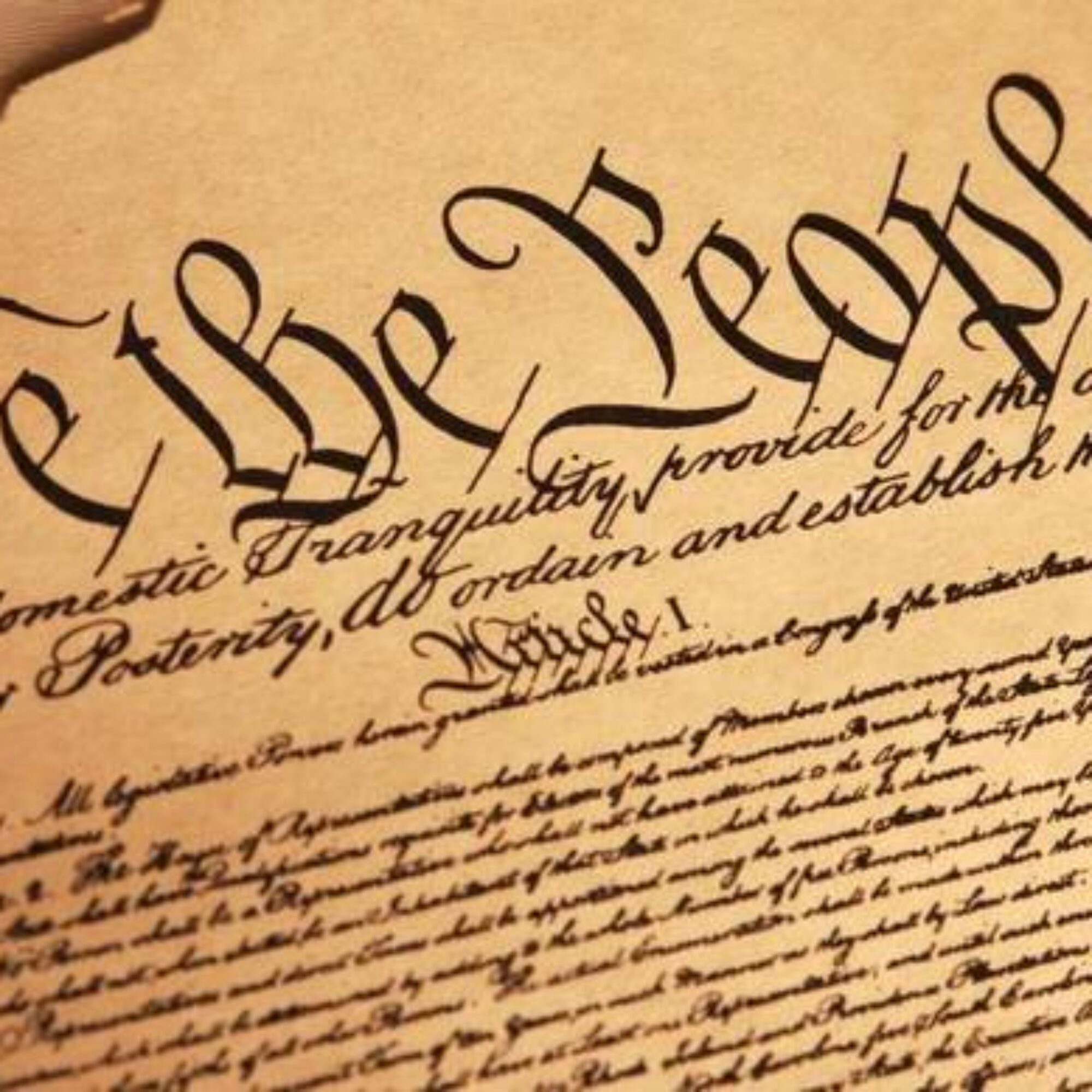
I only wish I’d disconnected sooner. Not needing something means more freedom, especially not needing something that Violates the Declaration of Independence (for a government to be just requires the consent of the governed, which pollution and depletion violate) Violates the Constitution (pollution and depletion deprive people of life, liberty, and property without due process of law) Violates property rights as understood by the framers, ratifiers, and public (pollution and depletion do not leave enough as good in common for others) Good luck maintaining democracy without enforcing the minimum requirements for it. Good luck leaving at peace with yourself violating your values. I take for granted you value living in a democracy, not descending into civic disorder leading to tyranny, civil war (remember last time…

0 Comments

What artificial intelligence does to our minds

Say you want to run a marathon. Someone says they developed an amazing exoskeleton. They tell you that when you wear it, it can help you run. You'll be able to finish a marathon in one hour. In fact, it helps you so much, you won't even break a sweat. Running a marathon with an exoskeleton doing the work for you achieves the opposite of the point of running a marathon. Crossing the finish line faster isn't the point. Likewise if you used an exoskeleton to lift weights and could bench a thousand pounds or to play tennis so could beat Federer, etc. Using the exoskeleton transforms an activity designed to build coordination, fitness, and strength achieves the opposite. While "lifting" heavier weights, your muscles…

0 Comments

Most people don’t realize how much stupid stuff they do every day that they consider critical

The title says it all, but it bears repeating: "Most people don't realize how much stupid stuff they do every day that they consider critical" I've been meaning to write this post for a while. People constantly say how busy they are, often as an excuse not to do something meaningful. As best I can tell, most people today don't know their values enough to know how to choose to act on their values and create meaning in their lives over acting in ways to entertain them and deliver short-term reward but nothing or less-than-nothing in the long term. Coaching clients and workshop participants find that the exercises bring them more free time and save them money, even though those results aren't the main goal.…

0 Comments

Should I fear posting concerns about artificial intelligence?

I'm posting more about artificial intelligence, maybe enough to make a category for it. I posted that I hesitated to post my last one with this explanation: "I held back on posting it because of the question in the last paragraph. I’m finishing the third volume of The Gulag Archipelago and studying the effects of dominance hierarchy, which artificial intelligence is forming. People who criticized Stalin didn’t fare well. Should we worry about criticizing the people and machines who may be at the top of a steepening dominance hierarchy?" I doubt I have to worry, but reflecting on something thoughtfully and calmly isn't worrying. Besides AI, I also post a lot about dominance hierarchies. They form when there is a necessary resource that can be…

0 Comments

851: J. Eric Oliver: How to Know Yourself

This podcast is about leadership first and foremost, applied to sustainability. Most of the time when people hear or read "sustainability," that concept overrides everything else. They forget or don't notice else, but here, in this podcast it comes second. If you haven't developed the social and emotional skills to lead based on intrinsic motivation, if you try to convince, cajole, coerce, or seek compliance, you'll probably influence people to resist and oppose you and what you're promoting. I see Eric's book, How to Know Your Self (note the two words: "your" and "self") is a book on self awareness based on an interactive course on self awareness. I've never heard an experience leader suggest that lower self awareness helps and I've heard plenty say it…

0 Comments

This week’s selected media, May 17, 2026: Thoughts on Government, Winning the Story Wars

This week I finished: Thoughts on Government, Applicable to the Present State of the American Colonies, by John Adams: This pamphlet is shorter than some blog posts, but covers a major part of what became the Constitution. Adams wrote it in the spring of 1776, after Common Sense and before the Declaration of Independence, which Adams helped write. I understand that Adams was mailing people his ideas of how a republic could work and endure. He wasn't the first. Colonists up and down the coast were taking on that challenge. He promoted three branches with two legislative bodies, checks and balances, limited terms, and more that found its way into the Constitution. If you're curious how the Constitution formed, this document shows how people thought…

0 Comments

Do you want to deprive others of free speech?

Do you want to live in a society where you can deprive others of free speech or freedom of the press? I wouldn't. I presume you value that your government protects your freedom of speech and the freedom of the press for that media you agree with. Can you imagine living under a government that didn't? I'm in the middle of The Gulag Archipelago. It gives some of the picture and it doesn't like desirable. It's tempting, is it not, to think sometimes, "As much as I value my freedom of speech, sometimes people say things I dislike so much that I'd like to be able to restrict theirs. Not always, of course, but sometimes." Or you learn what the other side's media tells them:…

0 Comments

If you can’t walk away, you aren’t free. Freedom requires not depleting nonrenewable resources.

If someone orders you to do something but you can walk away without risk or loss and they can't coerce or force you to do what they order, you're free and their orders are just words. Freedom means you can walk away. What if your life depends on resources others control, so that the only way you can access them is if they let you? Then you can't walk away. Are you then free? It doesn't look like it to me. What if a nation depends on resources others control, so that the only way it can access them is if those other let it? Then it can't walk away. Is it then free? It doesn't look like it to me. A post What We…

0 Comments

Why the government not enforcing the Constitution and Declaration makes avoiding polluting and depleting hard

Regular readers know how I bring my portable solar equipment to my building's roof or to the nearby park to charge. Since my sole apartment window faces nearly due south, I can charge through my window most of the year, however limited and blocked the view, but near the summer solstice the sun goes too high. Even though the hemisphere sees more direct sunlight for more hours each day, my apartment sees less. If I could just stick a small panel out my window facing up, I'd get all the power I need without the work of carrying my equipment up the stairs or out to the park. Countless apartments in the city and around the world already have air conditioners sticking out their windows.…

0 Comments

Parents just don’t understand

George Washington, Andrew Jackson, and Jesus Christ didn't have kids, but JD Vance said about "people without children," that "How does it make any sense that we’ve turned our country over to people who don’t really have a direct stake in it?" I guess Vance isn't a fan of Washington or Christ, though he was referring at the time to Kamala Harris, Pete Buttigieg, and AOC as leaders of the Democrat party. If he disagrees with their politics, that's his prerogative, but why the venom against people without children? Why the claim that people without children are less connected to humanity's future? [EDIT: I had the idea to write this post months, maybe years ago. I kept not writing it because I wasn't sure it…

0 Comments

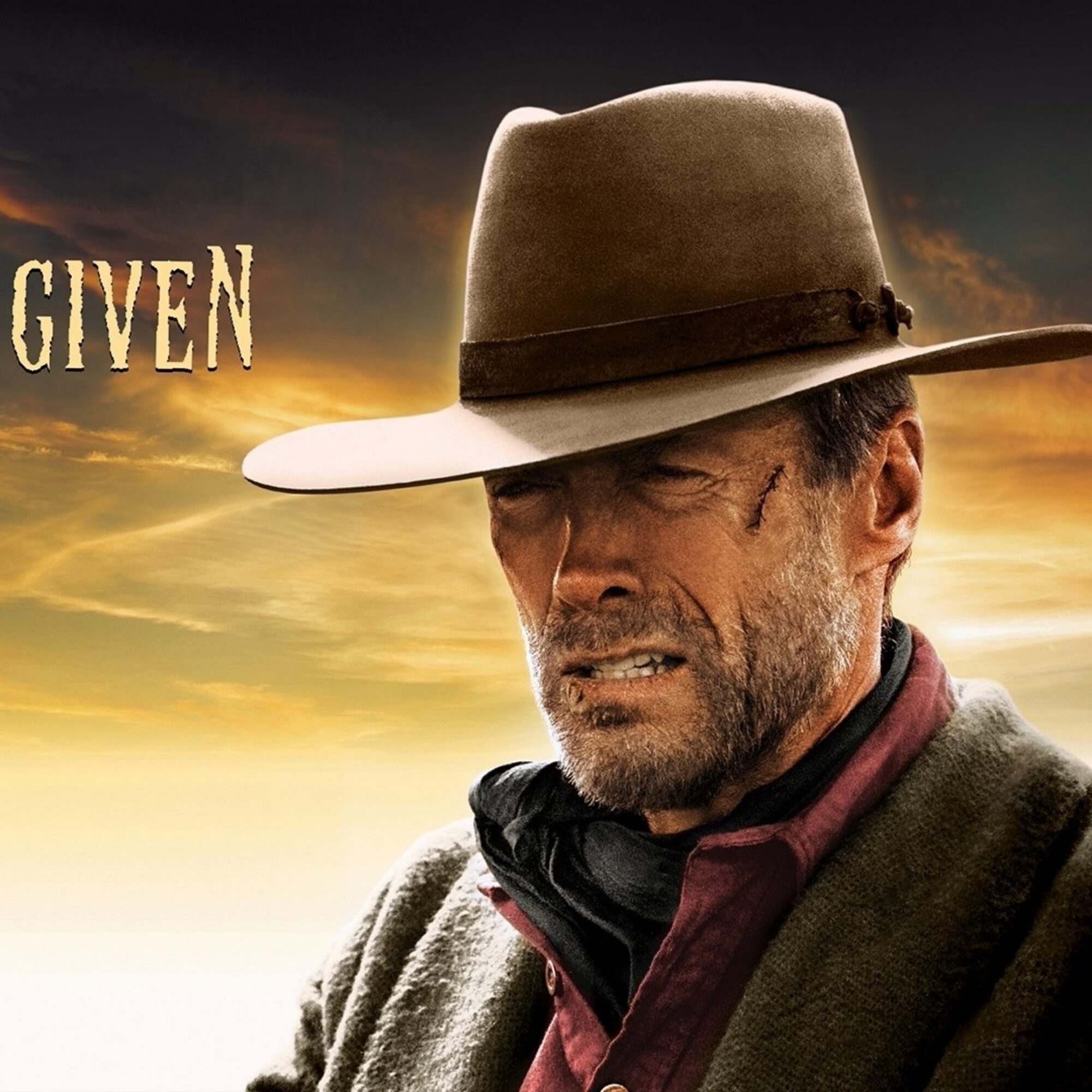
Wounded warriors, by Clint Eastwood, and us

Yesterday I posted a passage from Steven Pressfield's new book The Arcadian about how being induced to act against our values---being corrupted from our values---affects us, in Wounded Warriors, by Steven Pressfield, and Ourselves. Yesterday I quoted a scene from Steven's book where three warriors share the effects on their minds of their heroism. It began with what happened to their bodies, which seems the visible counterpart of what happens to their minds, not counting those who were killed and aren’t there to be seen or heard. The passage built up to the last paragraph, which described pissing, pickling, and kicking corpses to try to diminish what they'd done. The actions show what people do when we are corrupted from our values. Steven describes warriors…

0 Comments

Wounded Warriors, by Steven Pressfield, and Ourselves

I finished The Arcadian by podcast guest Steven Pressfield yesterday. I found the whole book gripping, but one passage stood out as relevant to my work and upcoming book. A big part of my upcoming book is what happens to us when we are induced to act against our values---that is, when we are corrupted from our values. We didn't ask to be born into a culture that makes it impossible to get past eating breakfast without hurting people---for example through plastic packaging and transporting food across continents when our ancestors just walked to it---and causing more of it---for example, by funding future extraction and lobbying for more---but we were. The result: we tell ourselves multiple times per day every day for decades whatever it…

0 Comments

This week’s selected media, May 10, 2026: The Arcadian

This week I finished: The Arcadian, by podcast guest Steven Pressfield: The book's cover describes it as genre-bending and it is. I'm scheduled to record a second episode with Steven this week, so look for the recording soon. I found it hard to put down. Steven makes the details vivid---of one character's toes gripping the grass or the size of the splinters of a piece of wood being broken. I kept imagining how to make it visual if made into a movie. After a while, it becomes clear that the main characters are in a cycle of rebirth. That concept would seem to me Hindu or Buddhist, but it's western: Christian, Roman, Pagan, a bit of Jewish. I'm not sure the meaning or value of…

0 Comments

End of content

No more pages to load