
Carl Erik Fisher
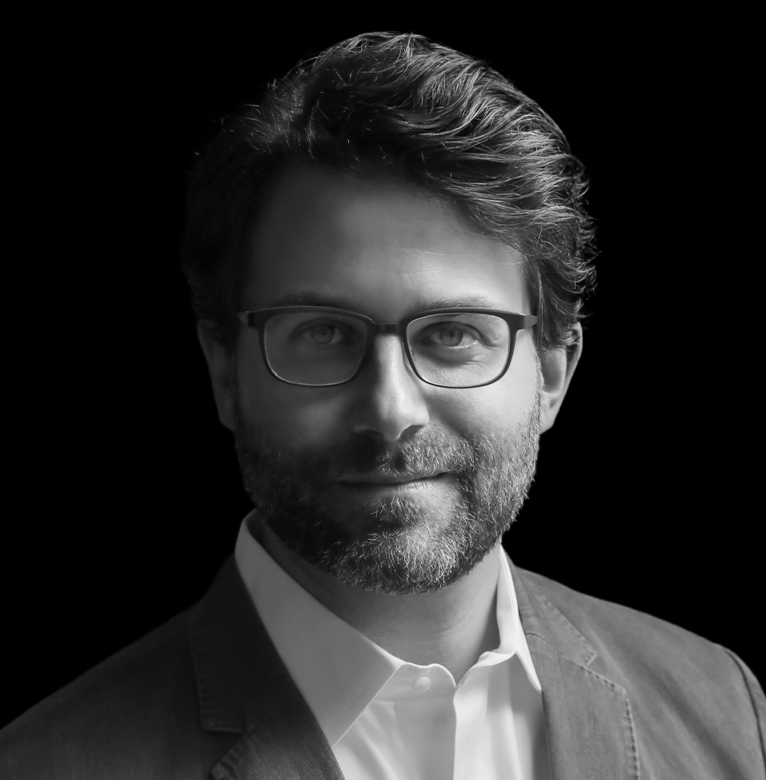
Carl Erik Fisher, M.D., is an addiction psychiatrist, bioethics scholar, and author. He is an assistant professor of clinical psychiatry at Columbia University, where he studies and teaches law, ethics, and policy relating to psychiatry and neuroscience, especially issues related to substance use disorders and other addictive behaviors.
He is the author of the nonfiction book The Urge: Our History of Addiction, an intellectual and cultural history of addiction, interwoven with his own experiences as an addiction psychiatrist at Columbia and as someone in recovery himself. His writing has been supported by the Alfred P. Sloan Foundation’s program in the Public Understanding of Science and Technology, the Kavli Foundation’s Scientist-Writer Workshop at New York University, and the Jentel Artist Residency Program. His other writing for the general public has appeared in The New York Times, The Washington Post, The Guardian, Slate, Scientific American MIND, and elsewhere. He belongs to NeuWrite, Columbia University’s science writing collective, and he has worked as a screenwriting consultant to the American Film Institute as a Sloan Science Mentor. He is also the host of the podcast Flourishing After Addiction, an interview series focused on addiction and recovery.
Carl received his B.A. in Music (vocal performance) and Biology from the University of North Carolina, then sang opera and studied neuroscience in Seoul, South Korea, for one year as a Henry Luce Foundation Scholar. He received his M.D. from the Columbia University College of Physicians and Surgeons, where he was a Doris Duke Clinical Research Fellow in the Division of Brain Stimulation and Therapeutic Modulation. He completed psychiatric residency at Columbia University, where he was named a Laughlin Fellow and a New York State Office of Mental Health Policy Scholar, among several other local and national awards. He then completed fellowship training in forensic psychiatry in the Columbia/Cornell Residency in Psychiatry and the Law.
Carl’s scholarly work addresses the role of neuroscience and psychiatry in society, primarily as reflected in ethics, law, and policy. His academic writing has been published in JAMA; The American Journal of Bioethics; The Journal of Medical Ethics; and The Journal of Law, Medicine, and Ethics, among others. (For a complete list, see his Google Scholar page). He is a fellow of the American Psychiatric Association and of the American Society of Addiction Medicine, and he is an appointed member of the American Psychiatric Association’s Council on Psychiatry and Law.
His clinical work focus on applications of meditation and mindfulness, especially techniques arising from the Buddhist and Yogic traditions. He is a Zen practitioner, completed yoga teacher training with Maty Ezraty, and is a past attendee of the Mind and Life Institute’s Summer Research Institute.
Born and raised in New Jersey, he currently lives between Brooklyn, New York, and Lisbon, Portugal, with his partner and son. He can be found (sometimes) on Twitter, LinkedIn, and Instagram.
652: Carl Erik Fisher: The Urge: Our History of Addiction
I almost couldn’t believe someone could write a book like Carl Erik Fisher’s The Urge: Our History of Addiction. It tells the histories of addiction in human society since antiquity and of him, addicted, including in medical school, jail, and recovery. I don’t know how many people could have shared such vulnerability or connected his experience to the reader’s so we feel empathy.
Regular listeners and readers of my blog have witnessed my increasing focus on addiction. We live in a culture of addiction. We see it in alcohol, cigarettes, doof, social media, binge TV, gambling, drugs, and so on. We also see it in what pollution brings, I believe: comfort, convenience, and travel, for instance. Medical professionals may not yet recognize these latter addictions in their literature, but it seems clear to me they will.
Solving our environmental problems requires each of billions of people overcoming their addictions. Carl shared some of what recovery takes, and it’s not just talk or plans. It takes listening, empathy, and support, among other things.
You’ll hear me in this episode realize I haven’t yet figured out how to extend compassion to addicted people, the people I want to help most, as there are billions of us and our addicted behavior is lowering Earth’s ability to sustain life.