
David Pogue
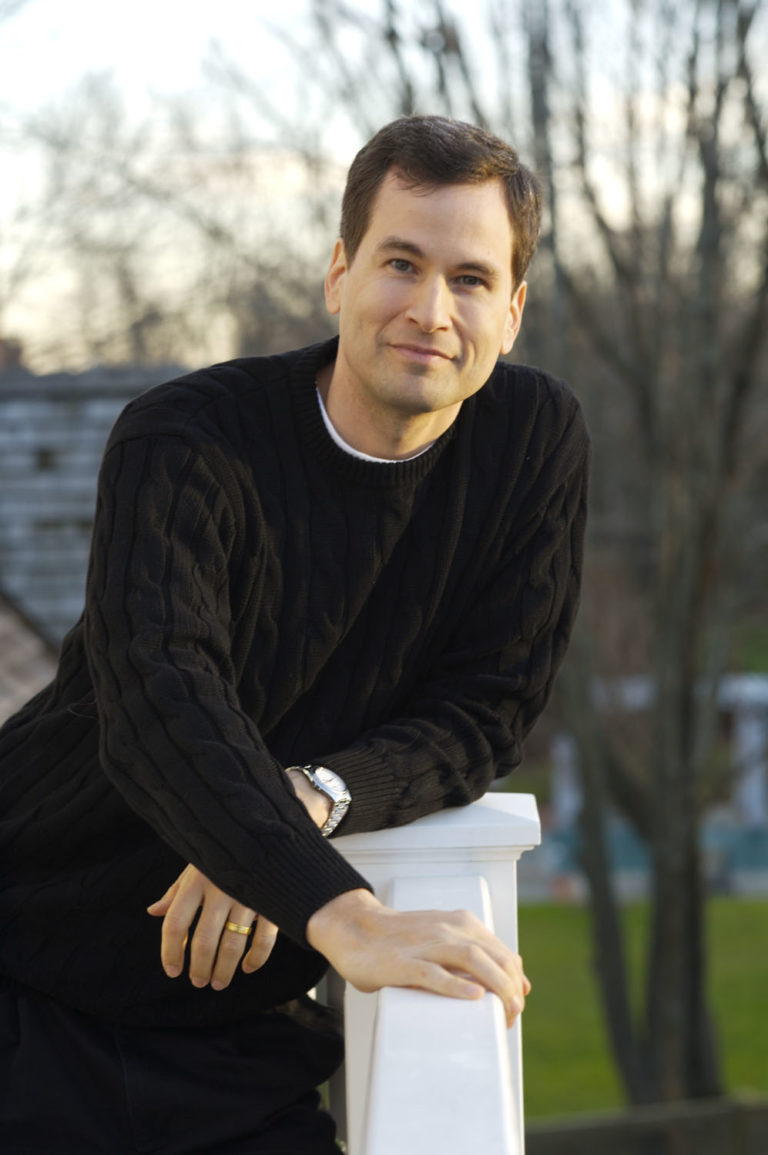
David Pogue was the New York Times weekly tech columnist from 2000 to 2013. He’s a five-time Emmy winner for his stories on CBS News Sunday Morning, a New York Times bestselling author, a five-time TED speaker, and host of 20 NOVA science specials on PBS.
He’s written or cowritten more than 120 books, including dozens in the Missing Manual tech series, which he created in 1999; six books in the For Dummies line (including Macs, Magic, Opera, and Classical Music); two novels (one for middle-schoolers); his three bestselling Pogue’s Basics books of tips and shortcuts (on Tech, Money, and Life); his new how-to guides, iPhone Unlocked and Mac Unlocked; and his 2021 magnum opus, How to Prepare for Climate Change.
After graduating summa cum laude from Yale in 1985 with distinction in music, Pogue spent ten years conducting and arranging Broadway musicals in New York. He has won a Loeb Award for journalism, two Webby awards, and an honorary doctorate in music. He lives with his wife Nicki and their blended brood of five spectacular children in Connecticut and San Francisco.
For a complete list of Pogue’s columns and videos, and to sign up to get them by email, click here. On Twitter, he’s @pogue; on the web, he’s at www.davidpogue.com. He welcomes civil email exchanges at david@pogueman.com.
536: David Pogue: How to Prepare for Climate Change: A Practical Guide to Surviving the Chaos
Two great reasons to listen to this episode. First, David is a tremendous science communicator. He’s experienced, thoughtful, funny, and communicates simply without dumbing down. He’s worked with some of the most important sources, like NOVA, the New York Times, TED, CBS Sunday Morning, and more. He’s accurate and fun, a rare combination. I think it comes from his passion for knowledge and people.
Second, his book fills an important role. As we start our conversation, neither of us could believe no one had written such an important book. On my side, I focus and changing culture. Most focus on lowering emissions. He agrees on the importance of these things. We also have to respond to the changes we can’t stop. We can’t change the past. Even if we stop polluting today, we’ll feel effects of past behavior for decades, centuries, even millennia.
His book tackles what to do just to continue with life. Losing composure or panicking doesn’t help your life or society. How readable is it? I read the over-600-page book in two sittings, though I skipped the parts not relevant to me, like for homeowners, since I live in an apartment building.
I find most books on the environment rehashing what we know already or taking a perspective I disagree with (techno- and market-optimists, for example, though I always hope to be shown something I’m missing). His is a rare book I find valuable and can’t believe I didn’t think of. I think you’ll find the book valuable.
Start with this episode.