
Karen Shragg, E.D.D.
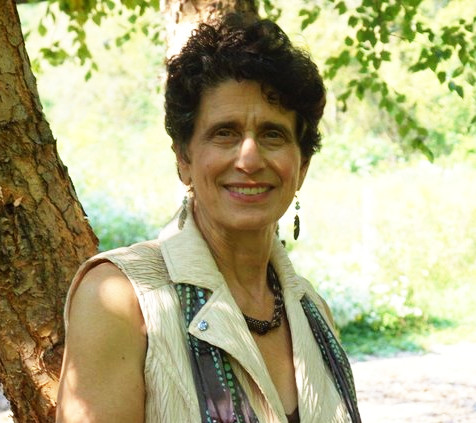
Karen is a lifelong environmentalist, naturalist, educator, poet, author and overpopulation activist. She received her doctorate from the University of St. Thomas in 2002, following two other degrees in education. She retired as a long-time naturalist and nature center director to start the LLC, Move Upstream Environmental Consulting (MUSEC).
As a member of the advisory board of the non-profit “Earth Overshoot”, she has become increasingly alarmed by the lack of discourse surrounding the overpopulation crisis. In 2015, her book Move Upstream, A Call for Overpopulation, was published by Freethought House Press. Her newest book moves the discussion further upstream, Change Our Stories Change our World.
Karen is a new board member of SEPS, (Scientists and Environmentalists for Population Stabilization). She was on the advisory board of World Population Balance (1992-2021).
She writes children’s books, the most well known of which is the Nature’s Yucky series, co-written by Lee Ann Landstrom by Mountain Press. Her books for adults are Grieving Outside the Box, Stories of Hope and Resilience and The Wolf Within, Poems to Awaken and Inspire in Times Like these and Organic Dreams and Pickled Nightmares, a Pocketful of Political Poems for the Resistance. She also conducts lectures on topics ranging from, “How to Write Children’s Books,” to “Vegetarian Wild Edible Cooking.”
Karen has had op-ed pieces published in papers from all over the country. She lectures about her books to groups around the Twin Cities and has accepted invitations to speak in China and England.
490: Karen Shragg, part 2: Reducing birth rate and raising tomatoes
Don’t you feel gypped that some of the most amazing potential parts of our lives were stripped away by people overindulging in polluting behavior? Or by automation that removed working the land from consideration as noble action?
Karen and I talk about overpopulation that will soon return to mainstream and the values of wholesomeness of activities connected to the cycles of life. Besides sharing observations from a life of conservation, she shares her big success growing tomatoes, spending quality time with her family.
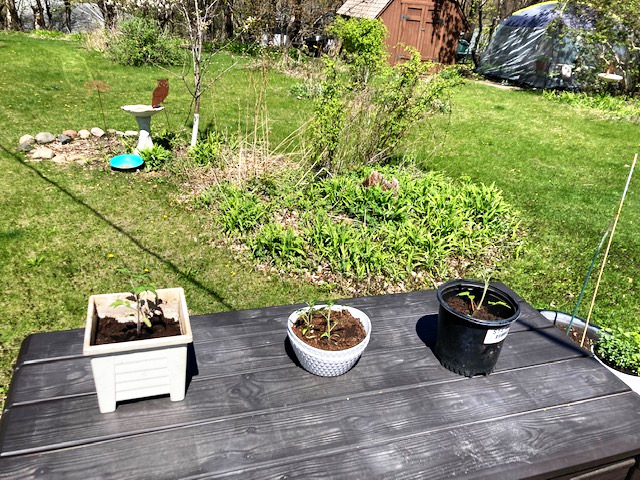
Here are some early results of her planting tomatoes, which she’s since reported have grown beyond her expectations, leading her to see things she had been mission, connecting with family, and otherwise engaging with the world.
Stewardship isn’t deprivation
Karen’s stories of her experience will remind you that life without craving and always wanting more brings reflection, connection, calm, and more reward.
Karen’s stories of her experience will remind you that life without craving and always wanting more brings reflection, connection, calm, and more reward. Whatever you’re doing now, acting more in stewardship and sustainability will lead you to wish you had acted more, earlier.
487: Karen Shragg E.D.D., part 1: At last, simple, reasonably talk on (over)population
We can dance around our environmental problems all we want. Understand them enough and we eventually reach overconsumption and overpopulation. These overshoots contribute to everything.
We at least talk about overconsumption, even if few are acting. Decades ago, the public talked about population, but didn’t act. Today we don’t talk about it. All the numbers I see suggest the Earth can sustain two or three billion people with roughly western European consumption levels. I’d love to live in a world with two billion people, like what produced Mozart and Einstein.
Karen has been working on helping society face our problem of too many people being alive at once longer than I have. I’ve only been able to talk about it since learning from (TSL guest) Alan Weisman’s Countdown about (TSL guest) Mechai Viravaidya helping solve the problem. She’s been treating it a lot longer. She also knows I think all the podcast guests I talked to about population. She also knows many environmentalists who never acted on population.
Karen shares her decades of working on (over)population. The U.S. doesn’t talk about it publicly these days, but Karen shows how to talk about it. As I recognized that our overpopulation contributes to every environmental problems, I realized we had at least to talk about it. Karen does this.