
Kevin Edwards Cahill
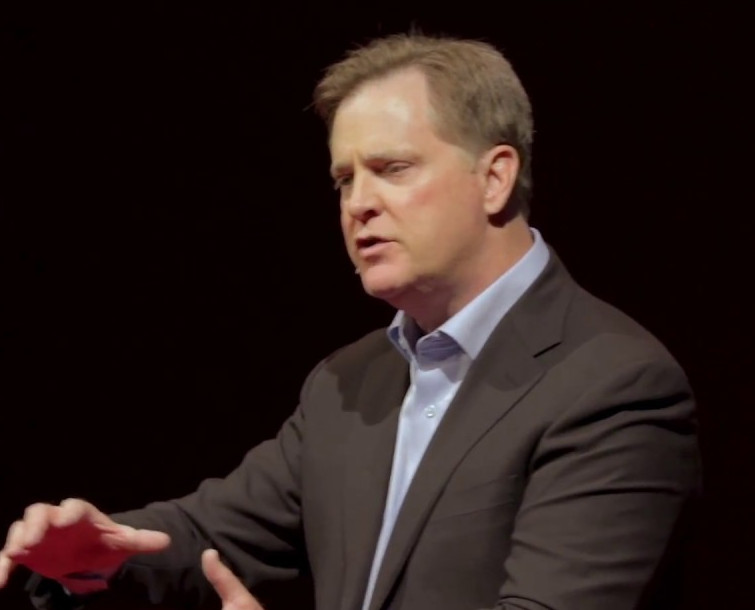
Kevin Edwards Cahill is Dr. W. Edwards Deming’s grandson and currently volunteers full-time as the executive director of The W. Edwards Deming Institute. He also serves on the Board of Trustees, where he is president and a successor founding trustee.
Kevin is responsible for guiding the global efforts to achieve the aim of The Deming Institute and leads their strategic planning, management, operations, marketing and communications efforts. He travels, speaks, writes and presents on behalf of The Deming Institute and in support of his grandfather’s message. Kevin is a member of the ASQ Deming Medal Committee.
Previously, Kevin was co-founder and CEO of ViewBridge, Inc. The company was founded in 1999 and through its operating division, AdConnections, launched the first large-scale web-based sales system application for the broadcast television industry in 2001. AdConnections’ technology and approach helped streamline existing business practices, communications and negotiations in the US broadcast business.
Prior to that, Kevin was vice president regional sales manager for media rep firm, Katz Communications. His study and application of Dr. Deming’s philosophy led to his 1988 selection as a founding member of the Katz Kosmic Committee, a group tasked with providing guidance and leadership in the transformation to a new sales system. As chairman of the committee from 1995-1998 he helped guide the design and implementation of various sales, technology, and management systems.
Kevin was born and raised in Washington DC and graduated from UCLA with a B.A. in history. He currently resides in Ketchum, Idaho with his wife Judy, who volunteers full-time for The Deming Institute and serves on their Advisory Council.
409: Kevin Cahill, part 2: Systems change, fast and effective
Everyone gets we have to change system, which means global economy. They think we have to start huge. If it’s not big enough, it’s not worth doing.
History suggests otherwise, in particular Edwards Deming’s results transforming Japan in the 50s, or the U.S. war efforts before that, or several American companies since.
Kevin runs the Deming Institute, which trains people in the Deming philosophy and practice. Kevin speaks from experience as the grandson of Dr. Deming. They didn’t start by doing big huge things. They started with a systemic perspective, understanding where and how to act. Kevin’s personal project of changing light bulbs in his house illustrates how leading this way leads to results beyond what we see with just going big from the start.
I won’t like that I often felt slack-jawed at Kevin saying exactly what I’ve tried to share with others but they never get, but Kevin speaks with decades of experience. Actually generations. I also can’t wait to start working with leaders and people in organizations who have approached and solved problems systemically, and who saw that they had to change industries and a nation for their personal benefit.
What we need to to to reverse our environmental course!
Call me crazy, but I see combining my sustainability experience and perspective with Deming company and leadership experience getting results like Japan did in the 50s and beyond.
If Japan Can Why Can’t We? is the name of the show that restarted Deming’s influence in the US. I see the question as poignant today. I believe we can turn around as fast as they did, this time on sustainability.
Let’s do this.
381: Kevin Edwards Cahill, part 1: The Deming Legacy
Kevin Cahill’s grandfather, W. Edwards Deming, changed nations. An emperor awarded him a medal. If you don’t know either, listen to the first few minutes when I describe him. Deming has become one of my top role models.
He transformed nations in a few years—the time scale that climate scientists say we have, not that climate is our only problem. He shows what one person can do—the opposite of what everyone who doesn’t act justifies their inaction with: “What one person does doesn’t matter.”
W. Edwards Deming saw and acted on systems, what many people talk about but not many get. This episode will illuminate them and, I hope, give hope and direction for what we can do.