
Sam Quinones
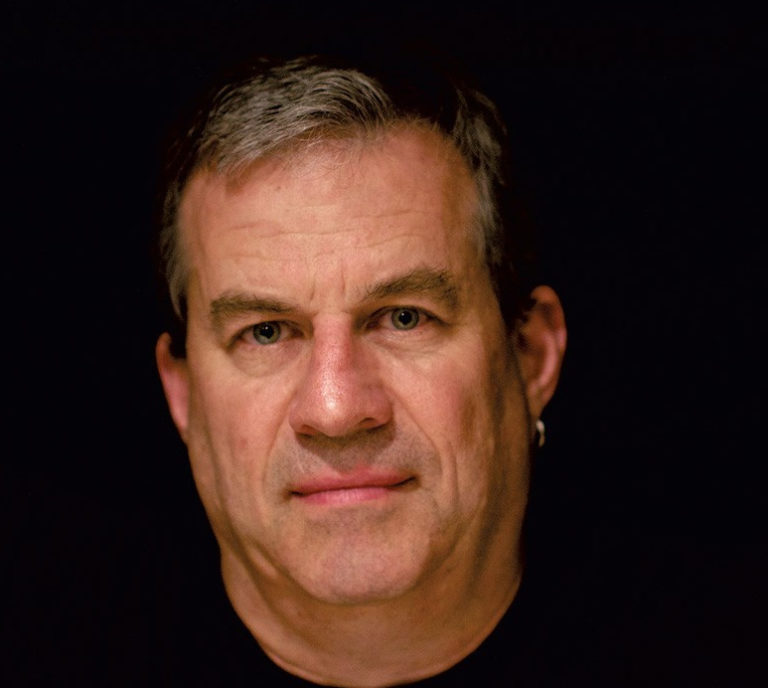
Sam Quinones is a journalist, former LA Times reporter, author and storyteller.
His most recent book, The Least of Us, focuses on the devastation caused by methamphetamine and fentanyl, the latest evolution of innovation in the supply of mind-altering drugs in the United States. The latest versions of meth, he argues, are more emotionally damaging than before and have played a central role in the expansion of the homeless in tent encampments in American cities. The book explores the rising number of overdose deaths in the United States and what role community and other institutions might play in reducing the death toll.
His 2015 book of narrative nonfiction, Dreamland: The True Tale of America’s Opiate Epidemic, received rave reviews from Salon.com, Christian Science Monitor, Kirkus Reviews, and a bunch of Amazon.com readers.
Dreamland recounts twin tales of drug marketing: A pharmaceutical corporation flogs its legal new opiate painkiller as nonaddictive; immigrants from a small town in Nayarit, Mexico devise a method for retailing black-tar heroin like pizza and take that system nationwide riding a wave of pill addiction.
The result is our current scourge of opiate addiction: pain pills and heroin.
A reporter for almost 30 years, Quinones lived and worked as a freelance writer in Mexico from 1994 to 2004. He spent time with gang members and governors, taco vendors and Los Tigres del Norte. He wrote about soap operas, and he lived briefly in a drug-rehabilitation clinic in Zamora, while hanging out with a street gang. He did the same with a colony of transvestites in Mazatlan, with the merchants in the Mexico City neighborhood of Tepito, and with the relegated PRI congressmen known as the Bronx. He hung out with the promoters of Tijuana’s opera scene and with the makers of plaster statues of Mickey Mouse and Spiderman in that city’s Colonia Libertad.
His previous two acclaimed books of narrative nonfiction about Mexico and Mexican immigration made him, according to the SF Chronicle Book Review, “the most original writer on Mexico and the border.”
His first book, True Tales From Another Mexico: The Lynch Mob, the Popsicle Kings, Chalino and the Bronx, is a collection of nonfiction stories about contemporary Mexico.
His second, Antonio’s Gun and Delfino’s Dream: True Tales of Mexican Migration, was called “genuinely original work, what great fiction and nonfiction aspire to be, these are the stories that stop time and remind us how great reading is.” (S.F. Chronicle).
In 1998, he received a Alicia Patterson Fellowship, and Columbia University’s Maria Moors Cabot Prize in 2008, for a career of excellence in reporting about Latin America.
He returned to the United States in 2004 to take a job with the LA Times, where for 10 years he wrote stories about immigrants, street gangs, drug trafficking, and marijuana growers in Northern California.
565: Sam Quinones, part 2: Fentanyl feels worse but addicts more (like Facebook, McDonald’s, flying, etc)
In one of the highlights (lowlights?) of our second conversation, Sam shares that fentanyl users don’t like its experience as much as heroin’s. On the contrary, it’s worse. It pops them out faster from the euphoria, which makes them want to take more. It’s a worse experience that addicts them more.
Their suppliers don’t care about the experience. They care that it sells more, which makes them more money. It’s cheap to make, so they make huge amounts and flood the market, not caring about the waste that they consider someone else’s problem (as if a crumbling society didn’t hurt them too) nor the health of their customers, as long as they keep returning. They will, doing whatever it takes to get the money, laying waste to society and their lives.
I could have just described any number of addictions: sugar, fat, doof in general, gambling, social media, flying, etc. I would have also described our society, increasingly built around supplying products and services that addict, resulting from our valuing innovation, technological efficiency, and such.
Sam and I approach addiction from several views. He shares the inside views he’s seen and assembled in his latest book The Least of Us and his earlier Dreamland of America’s addiction problem. As we discuss, though he focuses on what many of us consider the most extreme substance-based addictions, their poignancy comes from their relevance to increasingly more of our lives and culture. We are addicted to Facebook, Amazon Prime, Netflix, McDonald’s, H&M, Delta, Starbucks, and so on.
Unless we acknowledge our problem, for starters, and act.
562: Sam Quinones, part 1: America’s addiction: opioids, meth, fentanyl (and fossil fuels)
You’ll hear why Sam’s books win so many awards: he deeply, personally explores fascinating, critical, current topics, then tells rich, detailed stories that get to their heart. He cares about the people he writes about and our tragic era as you the listener and reader.
Meth and fentanyl, you can look in any small town, rural area, or big city—that is, everywhere—to see them sweeping and devastating the United States. Sam shares first his background and interest in learning where it comes from historically and geographically, why it takes root, and what people are doing to stop them.
Regular listeners to this podcast and my blog readers know I cover addiction a lot. I focus on it partly because it permeates my neighborhood and twenty-first century culture, not just the illegal addictions like meth, fentanyl, crack, opiates, cocaine, and the list goes on. Also the legal ones that kill the most people, like sugar, fat, and behaviors that burn fossil fuels. But mainly because our loss of self-control amid unawareness and denial are causing our environmental problems.
Our community and environmental problems that Sam describes are the physical manifestation of our values, implemented by our behaviors. Addiction changes our values from community-based, compassion, and other forms of altruism to neediness and selfishness.
I think you’ll find this episode fascinating.