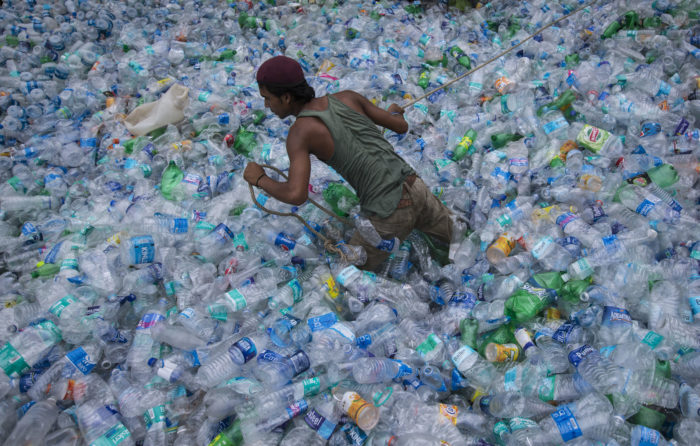
People tell me that they don’t know that when they buy coffee in disposable cups that their plastic cups end up in the ocean or that when they turn on the lights or air conditioner that they cause pollution or depletion.
As if clutching their pearls, “Really? My plastic cups? The ocean? Really?? It harms wildlife? I had no idea. I really just didn’t know. What? It hurts people? How can anybody know?” they say.
Even giving them the benefit of the doubt, the difference between them knowing or not is ten seconds of looking online. If they haven’t looked, it’s because they know what they’ll find. Willful ignorance isn’t ignorance, it’s farce.
Rarely do they deserve the benefit of the doubt, though. I suspect they know enough outright and are outright lying, knowing that no one else can directly access what’s in their minds. Still, in practice I give them that benefit. They know when they know.
A response
You can claim ignorance or disbelief, but your thoughts don’t affect people’s suffering, your behavior does. As for your claimed, feigned ignorance, future generations will see your rationalizations and justifications as we see those of loyalists who preferred tyranny over independence, like Benedict Arnold become, and those of slaveholders and people who did business with them.
They all had their rationalizations and justifications for choosing to do things to benefit themselves that hurt innocent people, but we know they knew. Your words today may differ from their specific words, but they come from the similar psychological processes responding to similar situations.
You don’t have to choose to do things to benefit yourself that hurt innocent people