Podcast


445: Rabbi Yonatan Neril, part 2: Religion, Interpreting the Torah, and Nature

We got into territory I'd wanted to talk to a religious scholar about. I would have expected being recorded would make us more tentative, but I found the opposite. I didn't keep track, but several times I said feel free not to answer. Instead he answered more, sharing what he'd thought and researched about in depth. We cover Joseph, Isaac, the Arch Bishop of Burundi, population, contraception, consumption, and more, both in principle and in our personal lives. We also cover his personal experience in the woods near his home, his family, his work, and how they all interplayed. Family is the number one reason people give about not being able to act. "Josh, you don't have kids, you don't understand how it's impossible." Well,…

0 Comments

444: Dar-Lon Chang, part 1: The engineer who made headlines for quitting ExxonMobil

Do you know anyone whose company pollutes more than they'd like, who wants to change things, but whose company keeps not acting? I think that situation describes almost everyone. Even the most sustainably companies aren't close to sustainable. They just pollute a bit less than everyone else, from Patagonia to Greenpeace. Maybe it describes you. Maybe it fits your elected officials, school administration, church leaders, etc as much as your employer. Today's guest worked at Exxon for 16 years. If any place qualifies as the poster child for contributing to climate change, well Dar-Lon Chang can tell us the view from the inside. If you'd like to change but feel frustrated, Dar-Lon probably faced bigger hurdles, with more to lose. After 16 years, with wife…

0 Comments

443: Nobody understands what’s so bad with climate change

Here are my notes I read from for this episode It hit me recently that nearly nobody knows what's so bad about climate change. I've started asking people and nobody knows. Actually, of the dozens I've asked, one knew, though it took prompting for her to say it. Everyone gets sea level rise, biodiversity, loss of coral reefs. I'll grant we have to move cities. But I'll respond that after some loss, we'd rebuild, which could create meaning. I'll grant more and bigger hurricanes, but I'll respond that we'll learn to build hurricane-proof buildings. Katrina's losses in lives and property, while tragic, are nothing compared to the material gains. Most people see fossil fuels brought billions out of poverty, longevity, prosperity. That trade seems worth…

0 Comments

442: Jonathan Hardesty, part 1: The Journey from Absolute Rookie to Mastery

Longtime listeners and readers of my books and podcast know I draw the analogy to learning and mastering a skill to learning to play piano or a sport. You start by playing scales or practicing groundstrokes. Likewise with leadership or taking initiative, acting entrepreneurially, both performance arts you can master. Also acting in stewardship. People don't get that learning to cook without producing tons of garbage took training from when I started, producing a bag a week. Maybe I should explain better. Some listeners my have heard how I once found but lost a web page of a guy who sketched every day for a year and posted each day's sketch. Chicken scratches for 300 days, then a month of interesting stuff, then beauty. Anyone…

0 Comments

441: John Sargent, part 1: The CEO who reduced a Big Five publisher’s footprint

I learned of John's work through his statement at Macmillan's Sustainability page while researching Ray Anderson: In 2009, after reading Ray Anderson's "Confessions of a Radical Industrialist," I decided it was Macmillan's responsibility to lessen our impact on the earth, and in particular, to lower our carbon emissions. We created a senior position in the company and spent well over a year measuring our carbon footprint. We then set ourselves the daunting goal of reducing our scope one, two, and "major" three carbon emissions by 65%, and we gave ourselves a decade to get it done. Over the course of the last nine years, we have made sustainability a major component of all our decisions at the company. In 2010 we instituted a carbon offset…

0 Comments

440: Andrés Reséndez: The Other Slavery

About six months ago the parallels started forming for me between our global economic system today that creates great suffering on the scale of hundreds of millions of people with nightmarish cruelty, but also people benefiting from it looking the other way or saying "what I do doesn't matter" or "the youth will solve it". . . And the systems of slavery. Also looking for role models who changed systems of that scale. My historical knowledge of abolition and slavery was limited. You've heard guests Adam Hochschild, Manisha Sinha, Eric Metaxas, and others sharing historical background on the systems of slavery and abolition, as well as individual abolitionists. I believe we can learn from them and honor them by learning from them. Our situation is…

0 Comments

Hear my second conversation on This Sustainable Life: Solve for Nature

I wrote about Eugene launching This Sustainable Life: Solve for Nature with me as his first guest. As the guest on his podcast, he led me to commit to an environmental activity based on my environmental values. I committed to planting some edible plants in my windowsill. Listen to hear my results, how Joe DeSena and Spartan Race get involved, and more. Click here to listen at Eugene's site and subscribe. Here it is inline: Thank you Eugene for a wonderful conversation! More places to find Eugene This Sustainable Life: Solve For Nature PodcastBlogYouTubeTwitterFacebookInstagram

0 Comments

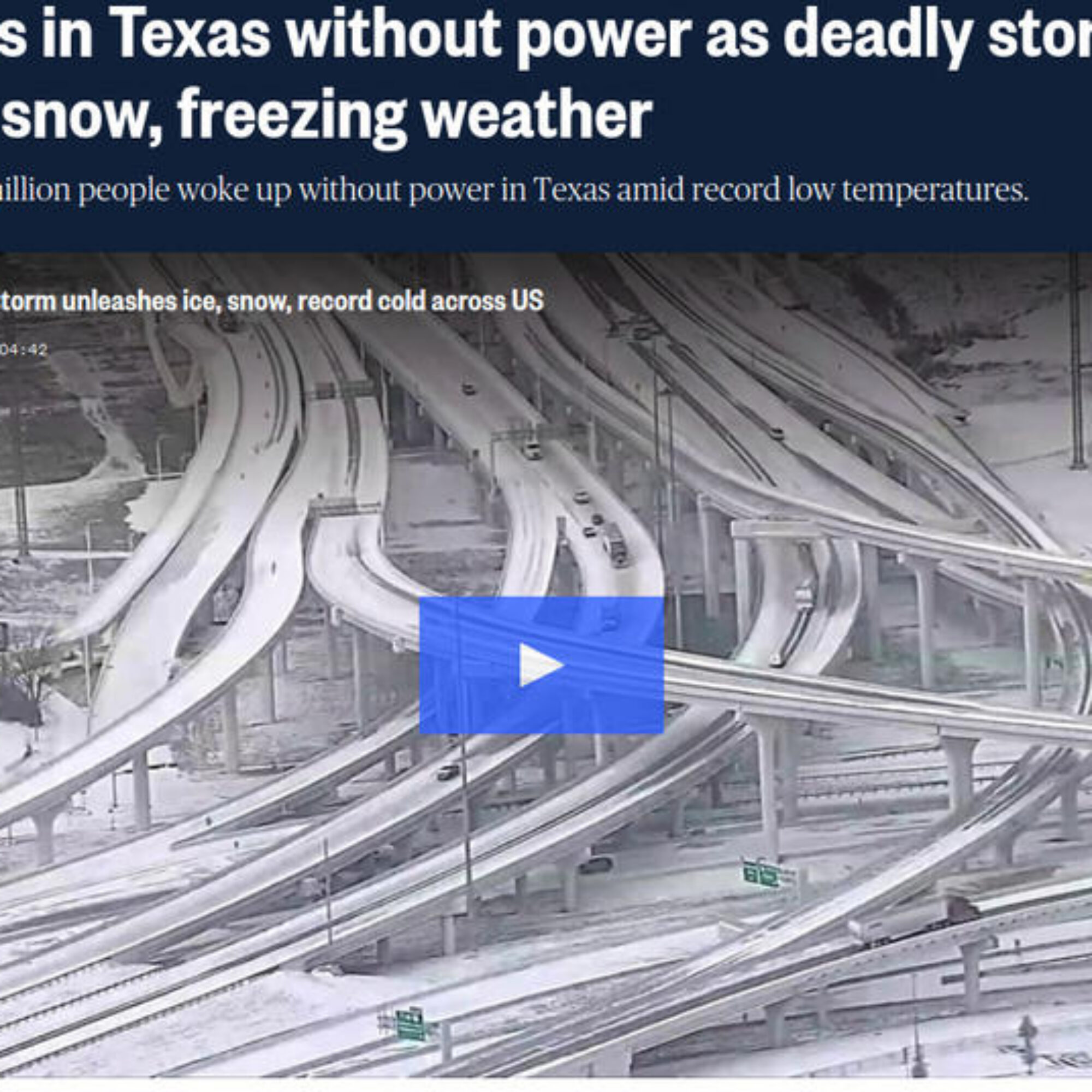
439: How to Fix Texas

Here are the notes I read from for this episode How to fix Texas Just got off conference call a Texas attendee couldn't attend because her power was out.There are helpless people suffering. I empathize with them and feel compassion. I support helping them.If we want to prevent future suffering, we have to look at systems. That's not ignoring present pain or loss. It's preventing future pain and loss.In that call, one person had been in touch with the Texas person. She told us of ice forming inside her house and other problems.The present attendees lamented each mention of a problem as if she were suffering some horrible hardship. For tens of thousands of years, humans have lived without power including in the cold, including…

0 Comments

438: Avoiding Creating Garbage, Advanced Edition

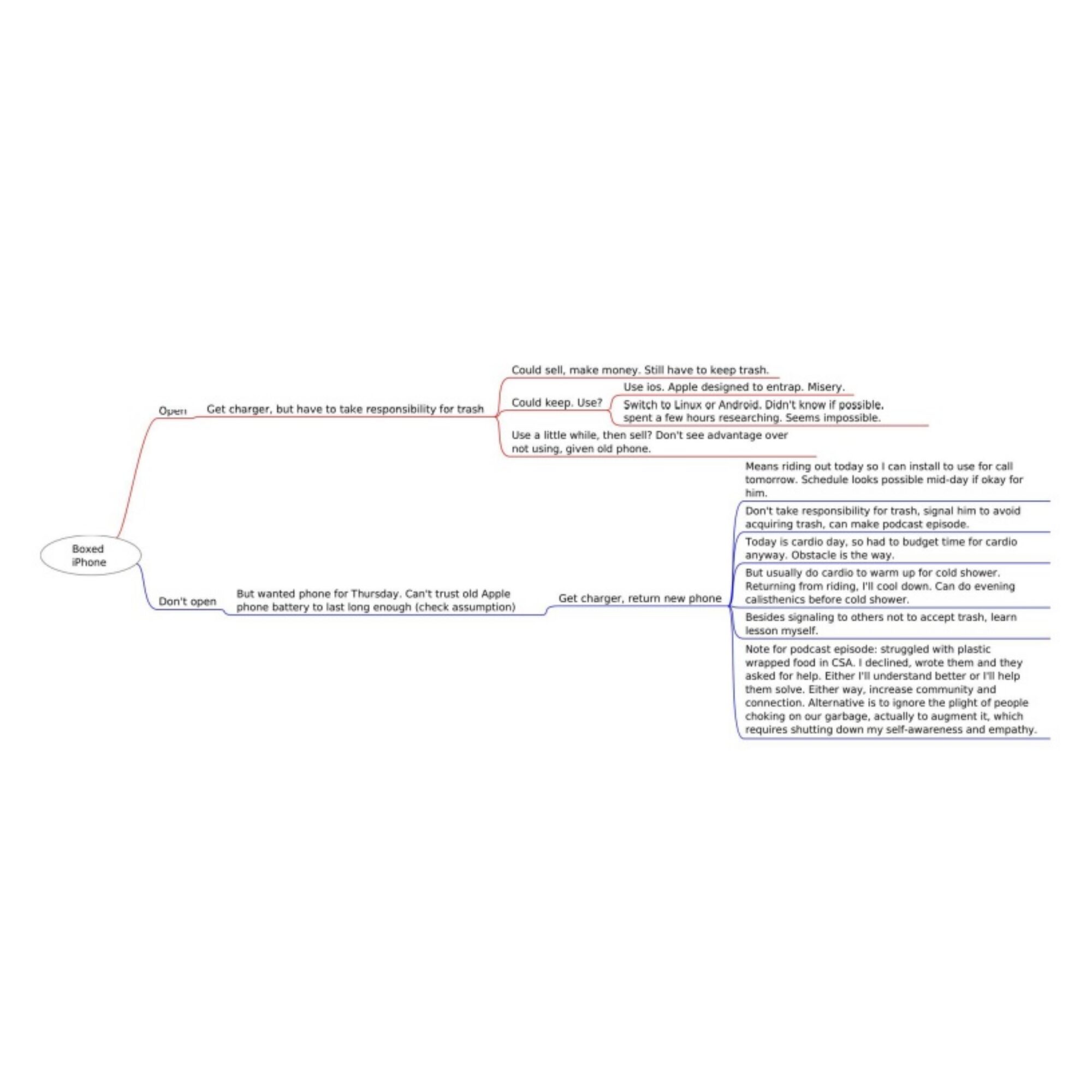
When they hear I take two years to fill a load of trash, people ask how I do it, what's in my trash. In this episode I share a couple stories from last week of facing things entering my life that would result in my having to take responsibility for trash---acquiring a new cell phone and acquiring bagged food. I've done things like these processes enough to know that they result in joy, community, and connection. It may sound like too much effort or annoying. Regarding too much effort, I put the stories in context of how much people put effort and time into TV and gyms, which my practiced lead to saving time and money, resulting in plenty to spare. Regarding annoying, I used…

0 Comments

437: Bill Ryerson, part 1: Population matters

No matter what you think we should do, everyone gets that there is some connection between population and sustainability. Everyone knows our population is increasing. We're consuming more than ever. How do we talk about this issue? I think most people shy away from it. I know I did, until recently feeling "what's the point in talking about something we can't do anything about?" I saw problems with overpopulation but the only cures I knew of seemed worse than the disease. Today's guest, Bill Ryerson, has been working on these issues with tremendous effects increasing prosperity, stability, freedom, and things everyone prefers---think the opposite of the One Child policy. He shares what he does, his sources of inspiration, why what he does works, and how…

0 Comments

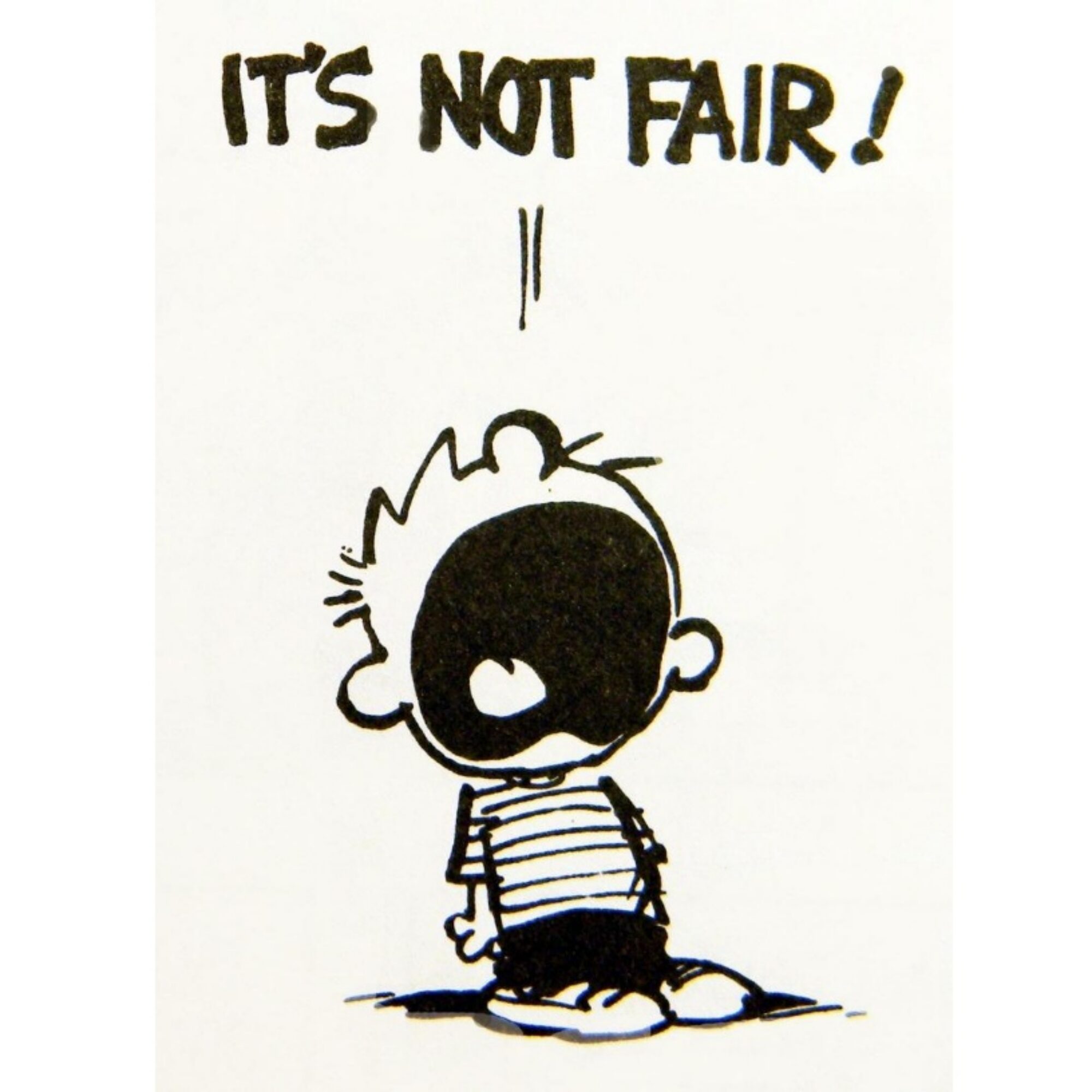
436: You’re right, it’s not fair!

The notes I read from for this episode: It's not fair! Back from picking up litterForecast, a few inches of snowJust want coffee, not to dispose. Ancestors couldJust want to travel, not pollute.Don't want to think about others all the timeJust want to relaxTons of trash from last snowAsked cafe to ask people not to litter around trashNot our responsibility, city, customersSomeone else, some other time, never me, never nowYet improves lifeSo no, it's not fair. Others got to do without thinking what if we do, we hurt others, people far awayBut any parent knows responsibility improves, stewardshipIf we live by their values, tragicIf we live by values of cultures that have endured, joy, community, connectionSo no, it's not fair, but what will you do…

0 Comments

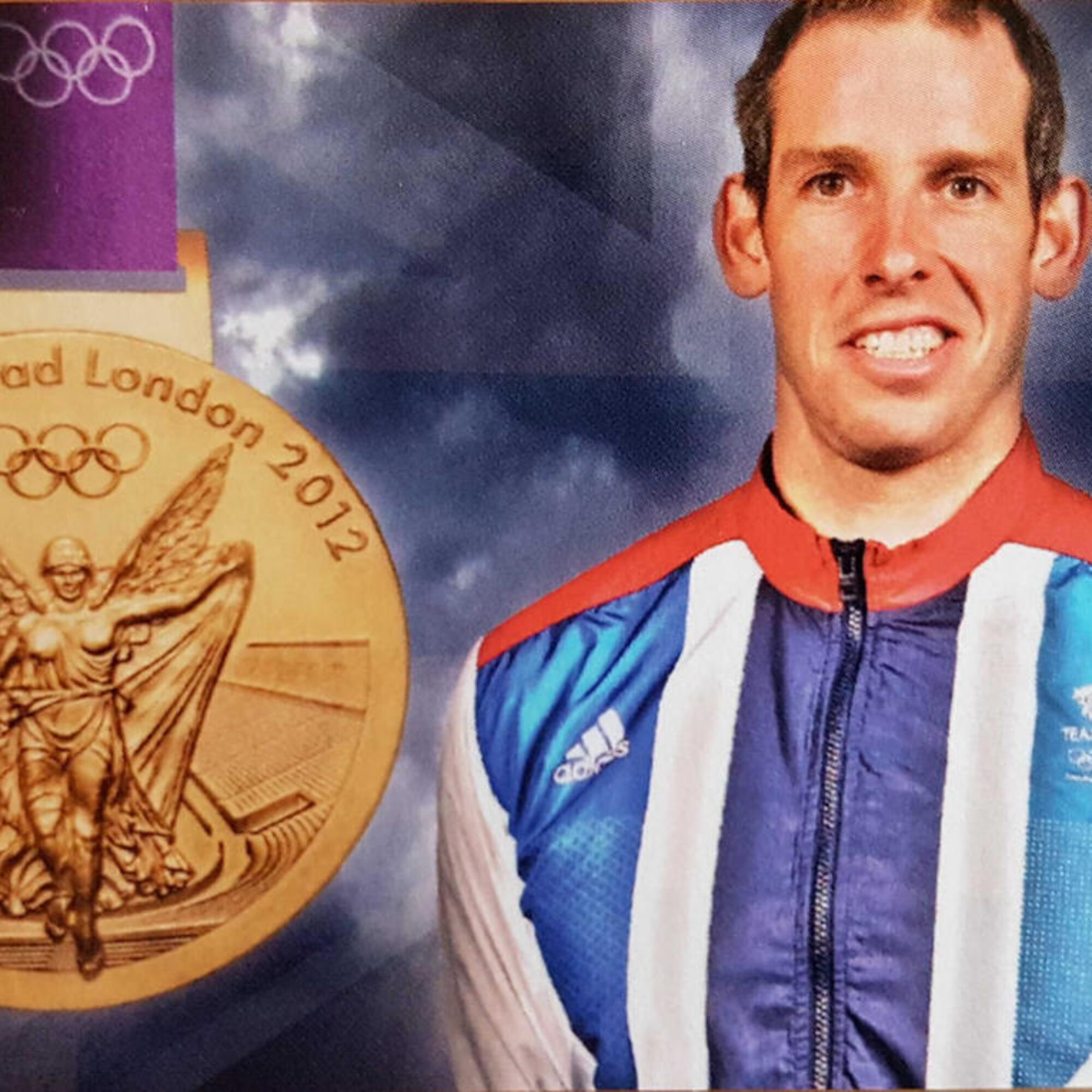
435: Etienne Stott MBE, part 1: Olympic gold medalist climate activist

I met Etienne on a holiday conference call of Flight Free UK, which celebrates what life brings when we enjoy people, culture, cuisine, and so forth around us, not flying all over. The concept would have sounded crazy to me before trying, but the attendees had made that transition. Etienne spoke joyfully about his working with Extinction Rebellion in the UK, a wonderful contrast with two things. First, his Olympic gold medal, which he overcame a huge deficit to win in front of a home crowd, after an injury months before that left the tiniest window to recover and retrain from. Second, the joy he spoke of getting arrested in civil disobedience acting with XR. I saw a role model---someone with a prominent voice who…

0 Comments

434: Manisha Sinha: The Slave’s Cause: A History of Abolition

You've heard me speak and bring guests who are experts in the history of abolition and slavery, particularly in England. I learned about well-known abolitionists like Thomas Clarkson and William Wilberforce. Manisha Sinha, today's guest, goes into more depth and nuance to movements in North America and beyond. She is the Chair in American History at the University of Connecticut and a leading authority on the history of slavery and abolition and the Civil War and Reconstruction. She was born in India and received her Ph.D from Columbia University where her dissertation was nominated for the Bancroft prize. I met her then as a student, around 1989 or 90. She wrote The Counterrevolution of Slavery: Politics and Ideology in Antebellum South Carolina, which was named…

0 Comments

433: Adam Hochschild, part 2: Abolition then, pollution today

If you've followed my development on how to view acting on sustainability, you've seen a marked change when I learned about the British abolition movement of the late 1700s and early 1800s. Today's guest, Adam Hochschild, wrote about that period comprehensively in his book Bury the Chains. We talked about it in our first episode and in more depth this time. Until I learned about this movement and this group of people, not unique but important actors, I saw few to no role models of what Adam points out is rare: people devoting themselves to helping other people become free. We present ourselves as potentially suffering from environmental problems, but we are benefiting from ignoring how others suffer for our way of life. You are…

0 Comments

This Sustainable Life: Solve for Nature launches from Japan, hosted by Eugene Bible

The latest offshoot of This Sustainable Life launched today from Kyoto, Japan, This Sustainable Life: Solve for Nature, following branches coming from Andreas in Sweden, Alison in England, Nicola in Italy, and more soon. The host, Eugene Bible, already hosts a blog, Verdant Growth, and a video channel, both on sustainability. As an engineer, he focuses on solving our environmental problems through science and engineering. I subscribed. I recommend you do too! If you want to start a branch too, contact me and let's talk about training. Eugene's podcast notes From the podcast page: On TSL: Solve For Nature, our guests are the heroes using science, engineering, and technology to save our world from climate change, pollution, and the environment. We hear their stories and…

0 Comments

432: Matthew Stevenson, part 2: What can environmentalists learn from disarming racism?

Many people talk about responding to threats or people they disagree with with empathy, compassion, treating everyone with respect. In practice, I see people doing the opposite. They don't feel, "I'm right, you're wrong." They feel "I understand reality, you don't. I have to teach you." or often they feel they have to force them. Likewise, on the environment, nearly all environments try to convince people who disagree with them through lecture, facts, figures, and charts. When that doesn't work, they resort to shame, guilt, eventually disengaging and trying to outpower them through legislation. Matthew Stevenson did the opposite. He practiced what many preach and it worked. In our first episode, which I recommend first, he shared how he worked and his mindset. The more…

0 Comments

431: I sang every day for two months, unplugged (still going)

What do you do if you use less power? No social media? No listening to music? No TV? Sound like a fate worse than death? Inspired by guests on my podcast who find amazing activities to live by their environmental values, I committed to turning off all my electronics to sing every day. I've almost never sung in my life beyond Happy Birthday and The Star Spangled Banner so I'm mortified to play my remedial results live, but I love it. I know I'll keep going so today's recording isn't the end. I recorded singing a couple songs at the beginning. to record I opened the laptop, all other times I sang with the power off. At night I had to open the door to…

0 Comments

430: Rabbi Yonatan Neril, part 1: The Eco Bible

In the midst of several episodes on religious approaches to sustainability I learned of today's guest, Rabbi Yonatan Neril's book The Eco Bible: An Ecological Commentary on Genesis and Exodus. He founded and directs the international Interfaith Center for Sustainable Development, including its Jewish Eco Seminars branch. He wrote the book to shine new light on how the Hebrew Bible and great religious thinkers have urged human care and stewardship of nature for thousands of years as a central message of spiritual wisdom. He has spoken internationally on religion and the environment, including at the UN Environment Assembly, the Fez Climate Conscience Summit, the Parliament of World Religions, and the Pontifical Urban University. He co-organized twelve interfaith environmental conferences in Jerusalem, New York City, Washington…

0 Comments

429: What about jobs?

"What about jobs?" people often ask to counter proposals to constrain some activity. Today's episode answers. Here are the notes I read from: What about jobs?People out of work drain on society, not so happyStore near me that sells trinketsOf any value?I'd prefer a hug, shoulder rub, or make me dinnerMany stages to make: plastic from oil, factory to make, transportation, store clerkFactory, put near landfillWhat about trucks and boats?Better to drive and sail around in circlesAbsurd, but actually better world paying to do worthless work with more hugs, shoulder rubs, and home-made dinners, oil in ground, people not displaced, skies clearerClassic historical case of buggy whipsIf legislated, people wouldn't die.People out of work now clamor to work. People love to serve.I don't know where…

0 Comments

428: Vanessa Friedman: The New York Times Fashion Director and Chief Fashion Critic

Vanessa Friedman sees the fashion world from a vantage point few others can as the Fashion Director and Chief Fashion Critic at the New York Times. She arrived there after pioneering roles covering fashion at Financial Times in a first-ever role there, InStyle, Vogue, Vanity Fair, the New Yorker, and Elle. She shares the industry's forays into sustainability---or responsible fashion in her terms---as well as sharing her thoughts on it. Right off the bat she talked about reducing consumption, which I differentiate from reusing and recycling, which most people jump to, but I consider tactical. Reducing is strategic. Harder to get at first, but leads to easier life and work. I was awkward, as I don't know the fashion world, but you can hear from…

0 Comments

427: Behind the Mic: Attraction and leadership

Former guest and founder of the most popular men's dating advice website Chase Amante guest-hosted me to continue the conversation I started with Dov Baron on learning attraction, dating, and seduction and applying it to leadership. My conversations with Dov are in earlier Behind the Mic episodes. I start by sharing why I broached this topic at first with Dov, despite it not obviously connecting to sustainability. The short answer is that leadership for me means sharing relevant parts of yourself candidly and openly. While business school leadership classes opened the door for my learning social and emotions skills of leadership, practicing in the world of learning attraction gave me practice on many social and emotional skills for leadership. After mastering them, I honed how…

0 Comments

426: Why unplug?

I'm in my second month since I unplugged my fridge. Why unplug it? Not because I think its power makes anything more than a negligible difference. This episode describes why. Here are my notes I read from: The other two reasons I unplug the fridge. The first was after reading Vietnam and much of the world ferments, I was curious to learn fermentation. Second is reading how much backup power a grid needs to maintain perfect uptime. Resilience. Each bit after 99% costs a lot more. Alternatively, 95% requires almost no backup. Third is to learn and grow myself. Neediness and entitlement, especially to things that hurt others and nobody needed for hundreds of thousands of years, doesn't make me better person. Do you know…

0 Comments

“Philosophy of Shrinking Footprints” and “Shrinking Your Travel Footprint”, hear me on 2 Growthbusters episodes

One of the few podcasts I listen to every episodes of is Growthbusters. Hosts Dave and Erika invited me for third and fourth appearances, which went live the other day. I list Dave as one of my environmental role models. Here are past times I've mentioned him or Growthbusters in my blog. The Philosophy of Shrinking Footprints Show notes We set out to make this the second of a series of episodes about shrinking our travel footprint, but the conversation ended up being a broader exploration of philosophical issues related to all kinds of footprint-shrinking actions. Erika and Dave are joined by recurring guest, Joshua Spodek, host of the This Sustainable Life podcast. The conversation includes: The joy of not flyingGenerating a lot less wasteIs…

0 Comments

Conversazioni Sostenibili (the Italian This Sustainable Life) hosts me

Nicola Pirulli hosts the Conversazioni Sostenibili podcast, which is the Italian offshoot of This Sustainable Life, launched last month. His episodes so far have been in Italian, but this one is in English. Besides talking about my life and work, he leads me through the This Sustainable Life process of sharing an environmental value and committing to act on it. Want to hear my commitment? Should I share it here or leave it as a teaser for you to listen? I'll leave it to you to listen, knowing you'll like it. Preview: it was inspired by my previous guest Vincent Stanley's commitment to turn off his electronics and connections half a day each week. His commitment led to him writing a book of poetry. Can…

0 Comments

425: General William “Kip” Ward, part 1: Security, Stability, and Sustainability Start with People

Kip Ward is a retired General who, among other things, was the first leader of the Africa Command. He shares his background so you can hear it from him. It's extensive, having served at every level of the army. I met him through previous guest Frances Hesselbein and watched a few videos in which he spoke of leadership, which I linked to below. He spoke of things I don't see in sustainability and environmental stewardship but work. I took away from those talks Addressing the conditions that led to a situationGood, effective governance through sustained efforts, which he contrasts with technology or authorityAuthority and force being the last option, despite it being what he was trained in to reach that levelUnderstanding the society and people…

0 Comments

End of content

No more pages to load