Podcast


469: Podcast episode: The Science Book of the Decade: Energy and Human Ambitions on a Finite Planet

I didn't think of how small my building's elevators were when I bought a sofa after moving into my current apartment. It didn't fit. The deliverymen tried to bring it up the stairs too. They made the first landing, but couldn't make the turn to go up the next flight. They had to take it back. I ended up paying a $300 restocking fee plus big tips for the deliverymen's extra efforts. Plus I lost weeks with no sofa. Now I know my home's limits. Living within them is no problem when I know them, only when I didn't. A few minutes of measurement and geometry could have saved me that trouble and improved my life. Can homo sapiens' elevator, also known as Earth, fit…

0 Comments

468: Alexandra Paul, part 2: How to Reduce Something (Wasteful) You Enjoy, to Improve Your Life

Alexandra's commitment illustrates a result I keep finding. People who have acted to live sustainably the most already find new ways to act more than people who haven't. People who haven't done much, or acted for extrinsic reasons like an article suggested "one little thing you can do for the environment" instead of intrinsic, say they can't think of anything. I conclude that reducing polluting is skills you learn, not a target you reach. As with all skills, mastery brings joy, self-awareness, satisfaction, and expectation of more success through more practice. Alexandra has been mastering these skills for decades and shows mastery in this episode. How does mastery show in sustainability? In this case, I heard her having fun, connecting with people, learning, and enjoying…

0 Comments

467: Frederick Lane, part 1: The Rise of the Digital Mob

A topic making among the most headlines these days are digital mobs and their justice reacting to what people say. I've touched on it somewhat in this podcast and on my blog and I feel the risk teaching at NYU, which has kept me from expressing myself as openly as I could in the past. Another way of looking at this phenomenon is that we have become more vigilant about respecting groups that society hasn't stood up to before. We all see it. We all have opinions. Frederick approaches the phenomenon from a less partial, legal standpoint: what is going on? What risks are there? Who faces them? How can we respond? How should we respond for what reasons? How is technology changing our discourse?…

0 Comments

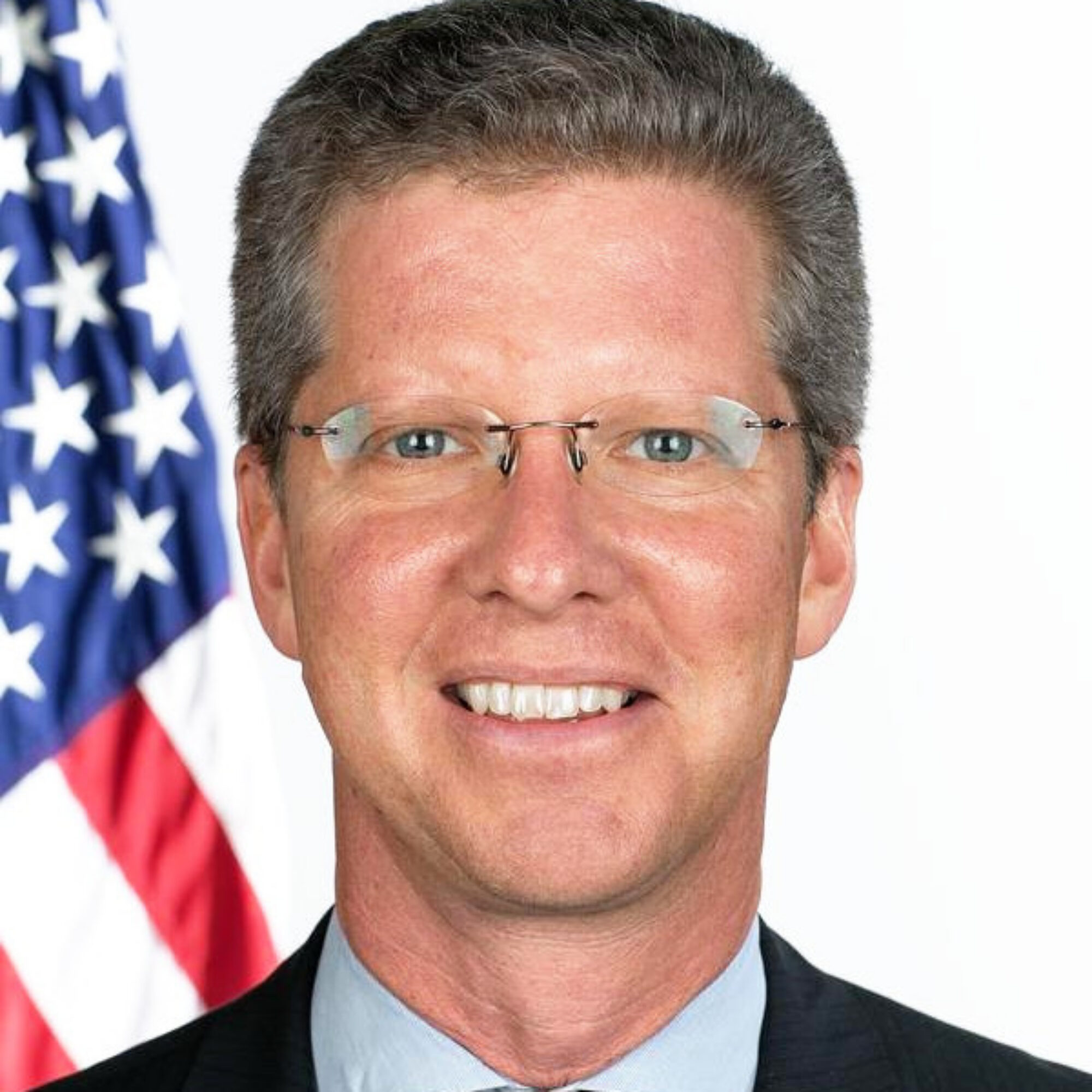
466: Shaun Donovan: New York City Mayoral Candidate

Shaun Donovan is running for Mayor of New York City. Technically not a national or global position, but in practice it is. Many call it the second hardest job in America. Most New York City mayors affect the nation and world. With a city this size, there are many issues. I focus on two: leadership, which means character and social and emotional skills, and sustainability. Regarding leadership, character, and what motivated him, I heard Shaun share vulnerability. I'm impressed, considering his experience in the White House and beyond, and how many politicians share prepared messages more than themselves. I'll share his bio and then our conversation. Regarding sustainability, I asked him about litter, biking, farmers markets, and more.

0 Comments

465: Markus Pukonen, part 1: Around the World With No Motors

My friend bought a sailboat, I mentioned to him my goal of sailing off North America, he told me about this guy posting weekly videos of circumnavigating the planet without using motors. I watched a bunch of videos. I had to learn more. He's "traveling in one consecutive journey around the world by as many motor less means as possible, including rowing, swimming, kayaking, standup paddleboarding, sailing, running, biking, skiing, skateboarding, velomobiling, walking backwards, and pogosticking. Friends and fellow adventurers join for support throughout the journey and help to create change through communication, education, and entertainment." I caught him in India soon to sail to Africa. People describe my behavior as extreme. Extremely fun! Actually, it's more like most humans. Most westerners are extreme in…

0 Comments

464: Resilience: Six months with the fridge unplugged

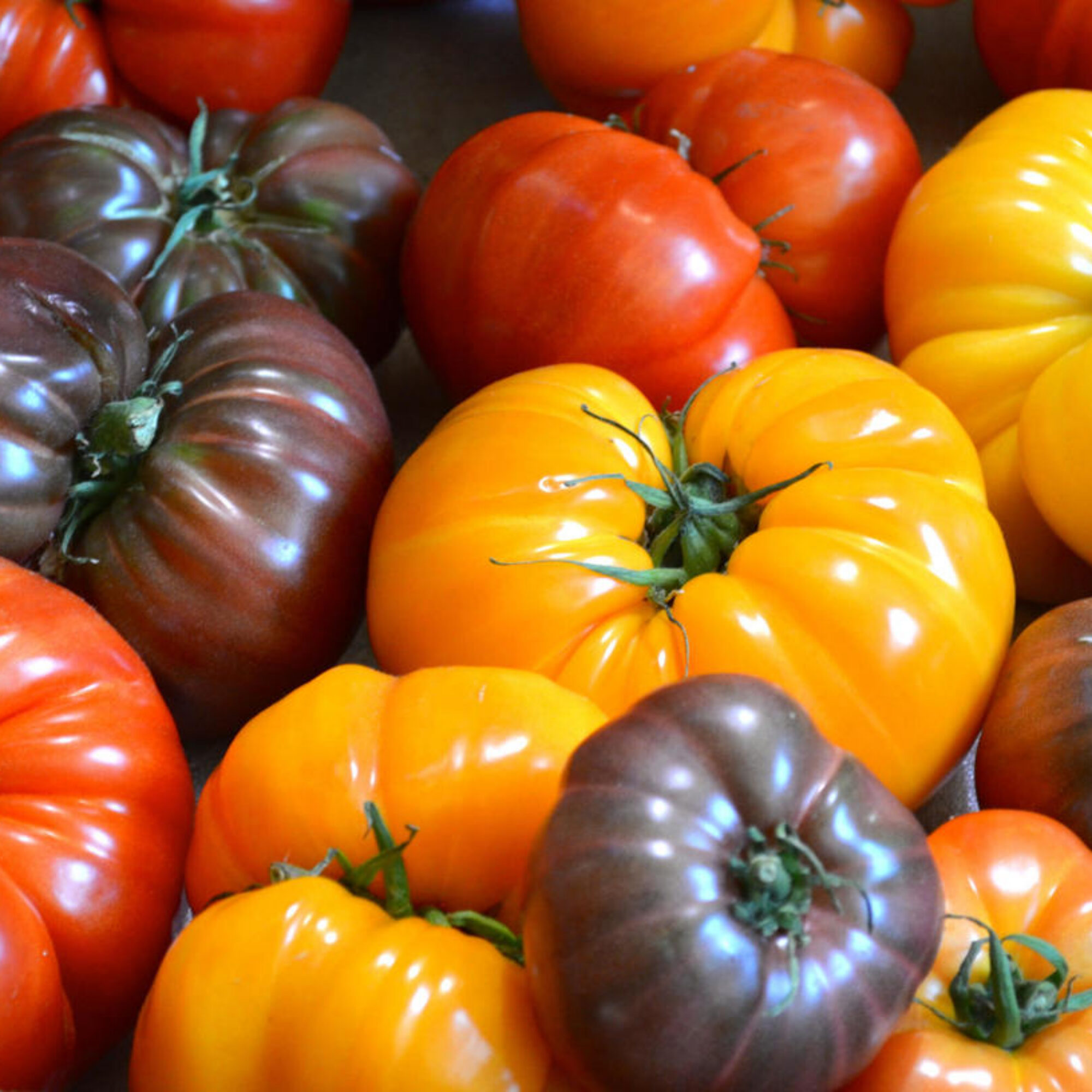
Here are the notes I read from for this episode: 6 months with fridge unpluggedMom's advice, her fridge2 articles: Vietnam and power grid safetyExtreme? Extreme fun200,000 years"Heirloom tomatoes" used to be "tomatoes"Connect with peopleOff grid in Manhattan?Solar batteryWhy LeBron practices free throwsTo become world class you have to practice the basicsOtherwise you don't know what you're talking about and lose credibility

0 Comments

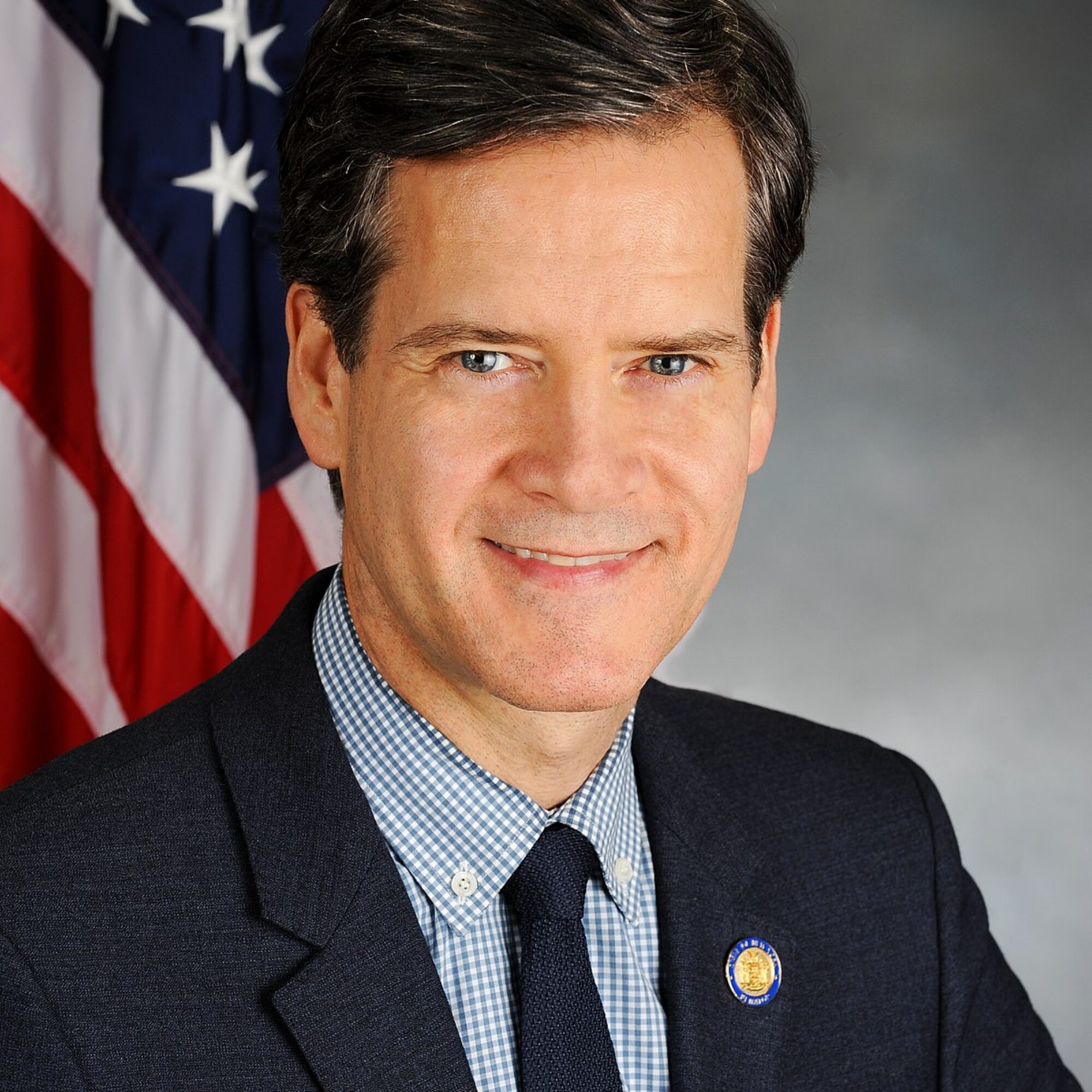
463: Brad Hoylman, part 1: From New York Senator to Manhattan Borough President

Brad isn't just a longtime elected legislator, he's also a neighbor who represents me. Most campaigning politicians speak in talking points. Maybe for being neighbors, maybe just out of his personality, I heard him opening up and sharing about the man behind the campaign. We spoke about what motivates him, his vision, New York City, Greenwich Village, and government leadership. He spoke thoughtfully, with reflection on political topics but also other personal ones, like the environment, drugs, and drug dealers and use in our "back yard,"---that is, Washington Square Park. I would have expected a politician to dodge some of those questions. Here is Brad Hoylman, the person behind the campaign. I hope our conversation helps lead to New York City legislating decreasing the supply…

0 Comments

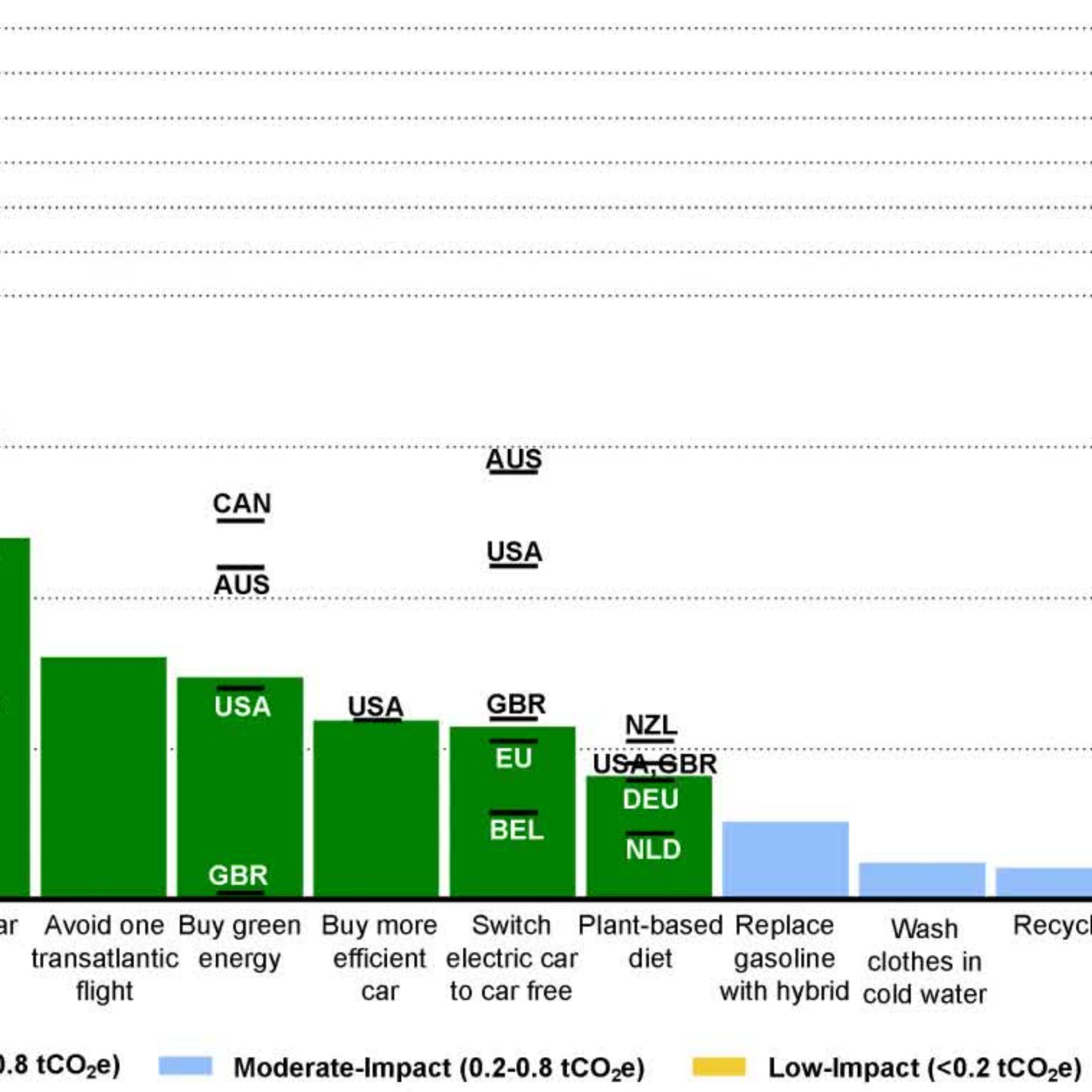
462: Bill Ryerson, part 3: The biggest impact you can make

Heartwarming is the best word to describe Bill's experience that I can think of. In today's episode, Bill and I start by talking about the incomparably larger impact of having fewer kids, especially in a country that pollutes as heavily as the U.S. Then we talked about Bill exploring his snowy yard with his grandson. The opportunity to do so was there for years, but he didn't act. You'll hear how he loved it. What natural experience might be sitting waiting for you to discover and enjoy?

0 Comments

461: 24 Hours With No Electrical Power (After)

My notes I read from: What I did Kathryn Garcia in Washington Square ParkFarmers market (compost, oregano)Ride to BrooklynGrain de Sail sail boatVisit with friendCalisthenics by candlelightWake up, no clockThink, reflect, calmMeet to pick up garbage Notes on no power 29 to 30 hours since recording last episode, 26 with circuit breaker for apartment disconnectedLess of a big deal than I expected, though the fridge already being off probably lessened effectTemptationTimeDarknessLightOutdoorsEatingCalm, relaxedMy values

0 Comments

460: 24 Hours With No Electrical Power (Before)

Here are the notes I read from for this post: I posted the other day an exercise to think about going twenty-four hours without using electrical power. To clarify, that exercise was to think about it. I don't think many people would do it. Even orthodox Jews leave their refrigerators plugged in, as well as clocks. The meters to their homes would register power being used. I'm talking about the meter reading zero. They often leave lights on. Personal choices may mean some don't use any power. I don't know Amish, who might do it, or people in societies without power. I spoke to someone who lives where her power drops for days at a time, but she says everyone gets in their cars, which…

0 Comments

459: Jonathan Hardesty, part 3: How to Continue a Sustainability Podcast

Jonathan and I have a good rapport. We joke around. I love his expressiveness as an artist. I think he values stewardship more than he's behaved so far in life, so I hear him enjoying aligning his behavior with his values. In this episode we review his leading his kids and wife in The Spodek Method from last time. You'll hear touching family interactions. The I teach the second interaction with guests---how to lead  that conversation.

0 Comments

457: Jon Levy, part 1: The Art and Science of Cultivating Influence

Jon is famous for bringing people together and creating community, see the New York Times article on him below. He invited me to a few of his events before the pandemic and they lived up to the reputation. His latest book, You're Invited: The Art and Science of Cultivating Influence comes out the day I'm posting this conversation, May 11. We talk about how the book came to be. We're both geeky and prone to talking theory, but neither of us would stop there. He shares how he put theory into practice. At first he makes it sound simple, but he also talks about the challenges and struggles he went through and how far back he had to start from. For our common interests in…

0 Comments

456: Jonathan Hardesty, part 2: How to Start a Sustainability Podcast

This episode is really two. Remember that he started art late in life, so the first two-thirds talks about art. Also his experience with his kids and family picking up trash. You'll enjoy hearing his and his family's joy doing it. I imagine you'll also feel sober about his unpleasant surprise at how much trash there was to pick up. I hope you'll feel inspired to pick up trash too. I think you'll find yourself surprised at how much more trash you'll find when you pick it up than you expect from just looking. The second part, I walk him through how to lead someone in my technique for this podcast. He's considering starting a branch in the This Sustainable Life family, specifically to reach…

0 Comments

455: J. B. MacKinnon, part 2: What happens when you pay for quality?

Our world values cheap and disposable---in food and doof packaging, furniture, cars, and near the top of the list, clothes, especially fast fashion. The world is paying for it in the sense of overfilled landfills, plastic disrupting endocrine systems of animals including us, oil wells everywhere, garbage patches in the ocean, and so on. I see us paying the price. We're always craving. Stuff always breaks. We feel compelled to buy new phones when the old ones should have kept working. We're obese from snacking. We're twisted up inside polluting while trying to convince ourselves we're not. J. B. MacKinnon's new book The Day the World Stops Shopping examines this part of our culture and for this podcast he committed to go against that trend…

0 Comments

454: Richard Rothstein: Racial segregation in generations of U.S. law

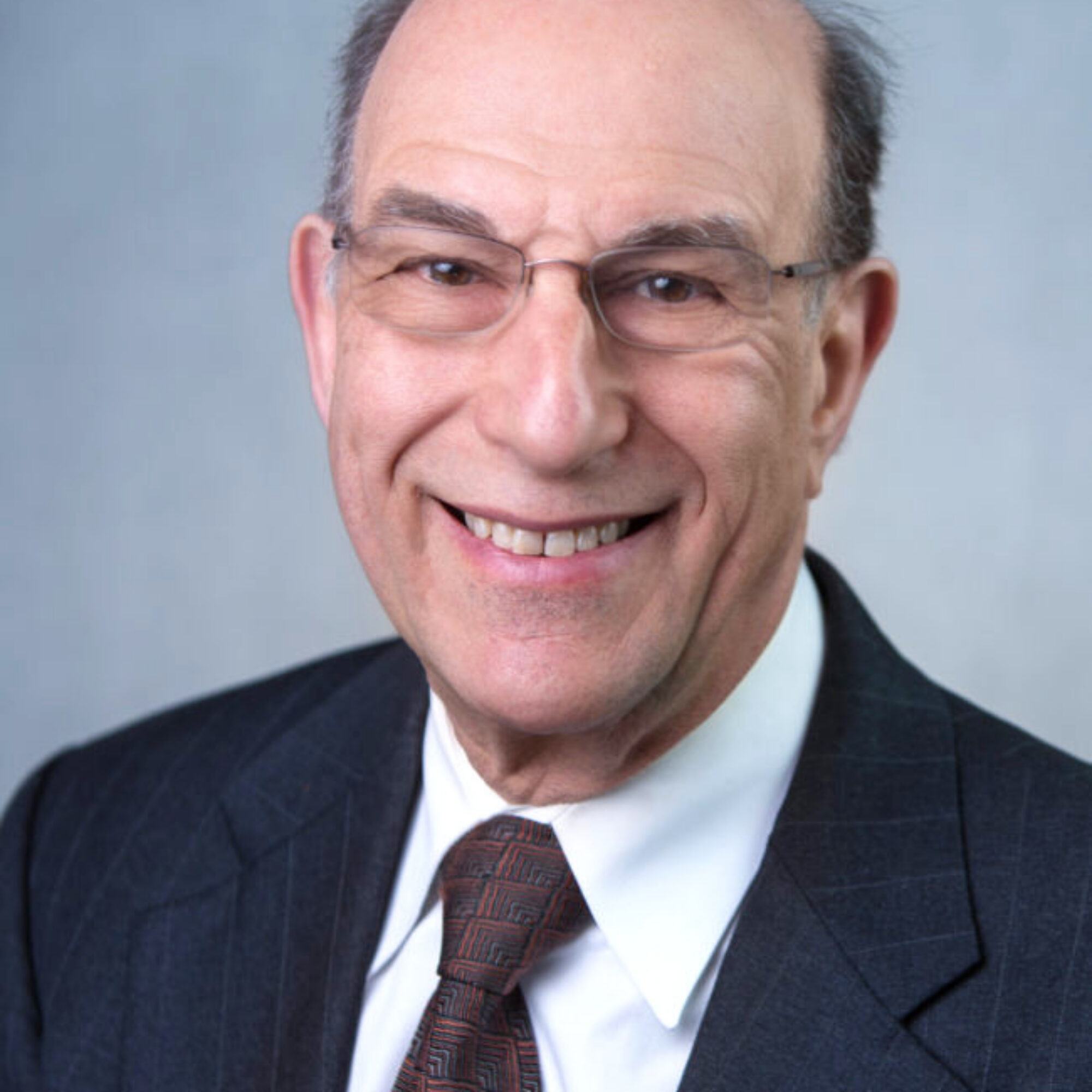
Today's guest, Richard Rothstein, is one of the experts on how the law has clearly and explicitly kept freedom, prosperity, longevity, opportunity, and more from people based on their skin color. This is no hard-to-believe conspiracy, tenuous claim, or cancel culture labeling. He shows laws in black and white the law says you can't rent to blacks. Across the country in many spheres of life for generations. No secret. Plus he traces the repercussions that occur when one group can do things another can't and how they ripple throughout society. Is his material valuable? Here's one measure. I'm happy that my book Leadership Step by Step has over 100 reviews, averaging close to five stars. I know a lot of authors, editors, and book marketers.…

0 Comments

453: Bill Ryerson, part 2: How can we talk about population? What can we do?

What's the Earth's carrying capacity? If we're above it and we choose to lower it, what happens to the economy? I've wondered these questions. I know the mainstream view gets it wrong because humans have lived sustainably. Their models say it's impossible, so they're wrong. They must be missing something, at least. Rapid population growth leads to poverty. It might be a party on the way up, but it's unsustainable. We can celebrate lowering population. Other cultures have. We can too. Bill starts by talking about how we can tell we're over the Earth's capacity, the dangers of relying on nonrenewable resources like oil. How do we achieve a soft landing if things collapse? Bill works on these things and speaks with experience and thoughtfulness,…

0 Comments

452: Book Update #1

Here are the notes I read this episode from: Started thinking of book when I worked on initiative but put in background, expecting podcast to improveThat's been the case.Started getting serious about a year ago.You may have noticed a lot of guests with backgrounds in abolition: Eric Metaxas, Adam Hochschild, Manisha Sinha, Andres Resendez, Richard Rothstein (more on racial injustice)That's because abolition became major issue, then George Floyd amplified issueSo spent months talking with people and figuring out approach. Everyone said, "Josh, you could cure cancer, but if it touches on these things people will think you're trying to use someone else's issue." or they'd say "You couldn't possibly understand, or at least people will think you can't" or they'd say "Some things you just…

0 Comments

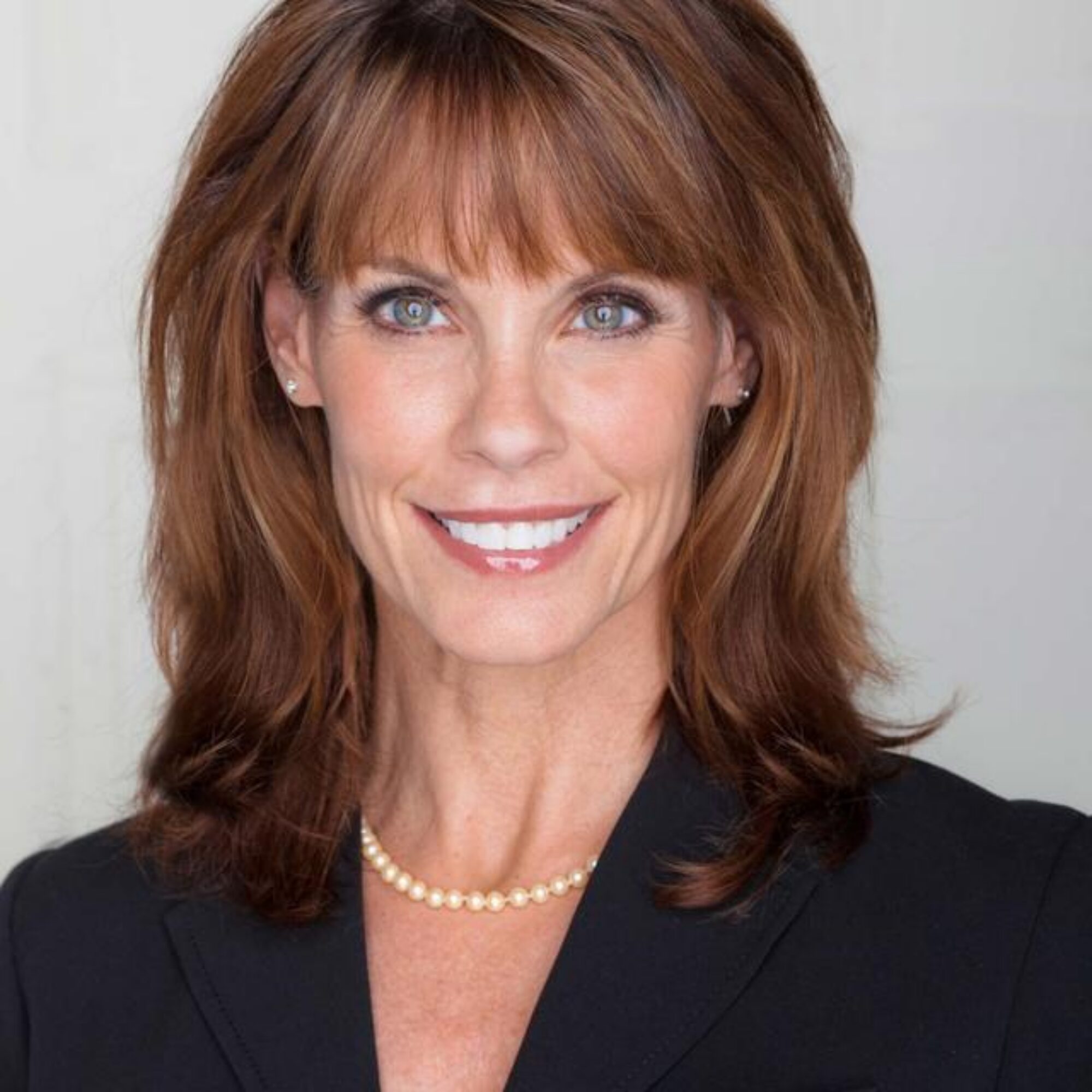
451: Alexandra Paul, part 1: A Genuine Celebrity Role Model

I saw a TEDx talk on population where the speaker spoke thoughtfully and persuasively on overpopulation. I consider the topic among the most important on the environment, yet nearly no one talks about it, so I had to find out who she was and invite her to the podcast. She turned out to be a huge celebrity. Most people who talk about population are academics, at least in my experience. They know the facts but tend to present them abstractly. Who was this Alexandra Paul? You could see from her bio that she's acted in movies and television. She cohosts the Switch4Good podcast on veganism with an Olympic athlete. She's also finished Iron Man triathlons and been arrested for non-violent civil disobedience. She's genuine, authentic,…

0 Comments

450: Brian Keating, Losing the Nobel Prize

Though I haven't actively practiced physics since defending my thesis in 1999, it felt great to talk science with the author of a book named one of the best non-fiction books of all time. The conversation stayed where nonscientists could understand, but we spoke, I think, how physicists do, though I'm out of practice. We talked about values, the difference between theory and experiment, the beauty of experiment, running experiments by the South Pole and tops of mountains, Einstein, Feynman, and technology. Of course, sustainability too. He shared about the writing of his book, the life that led to it, and the life it led to of becoming a spokesman for science. We also closed with him asking me questions for his podcast.

0 Comments

Wisdom in short audio clips, part 2

Following yesterday's post following up last month appearing on the Cybertraps podcast. They created clips of meaningful moments for promoting on social media. Maybe I'm biased, but I think they pulled some choice nuggets of wisdom so I'm sharing them here. Here are the second five of ten, all closed captioned, all 18 to 50 seconds. Get ready for some wisdom. Adversity Reveals You The Cause of Our Environmental Problems, Not Carbon Dioxide Why daily habits are so important and how to make them easier Discipline doesn't enable habits. Habits build discipline Is technology good or bad?

0 Comments

Wisdom in short audio clips, part 1

Last month I appeared on the Cybertraps podcast. Here's the audio from that podcast conversation. They created clips of meaningful moments for promoting on social media. Maybe I'm biased, but I think they pulled some choice nuggets of wisdom so I'm sharing them here. Here are the first five of ten, all closed captioned, all 18 seconds to 74 seconds. Get ready for some wisdom. Addiction and the environment 18 seconds My Definition of Leadership The Addiction Speaking Craving and addiction Handling lockdown like a champ

0 Comments

449: Chad E. Foster: How Do You Handle Huge Challenges? Not Big. Huge.

How do you face challenges? Not little ones like a pandemic lockdown for a year. Big ones. Regular listeners hear me talk about role models like Viktor Frankl and Nelson Mandela in the context of handling life challenges. During the pandemic, for example, I recognize there was suffering before, there will be suffering after, and there's suffering now. Our challenge is not to take on things outside our control since we can't, but to figure out how to respond, not just to the world but within our hearts and minds. We're locked down. Nelson Mandela was locked down for 27 years. If he could create meaning forced to break rocks, I can find meaning in my home, able to go out every day, with access…

0 Comments

448: Robert Bilott: The Lawyer Who Became DuPont’s Worst Nightmare

Your blood contains PFOA, also known as forever chemicals. They cause cancer of several types, birth defects, and more. Dupont and other companies produced this stuff after learning it caused harm and dumped it into our environment. As best we can tell, they chose enormous profits over the health of their employees at first, and eventually all Americans and all humans because this stuff takes millions of years to break down and accumulates in our bodies. We know because Robert Bilott, today's guest, took on a small farmer's case. His cows were dying, we now know from water poisoned from Dupont dumping these chemicals. They pulled on the thread and the whole sweater unraveled. Robert's story became on par with those in the movies Erin…

0 Comments

447: Kathryn Garcia, part 1: Candidate for New York City Mayor

Kathryn Garcia, candidate for Mayor of New York City joined. No matter where you live, the mayor here matters. Many national trends in politics, business, culture, education, sports, and more start here. Our output in entertainment, culture, but also pollution and population affect the U.S. and world. I wanted to treat two issues: sustainability and leadership. Also hear Kathryn Garcia as a person, not just a candidate. Talk about a welcome change from all-too-common American politics! You'll hear a public servant speaking with experience, knowledge, and heat. There are more issues than a mayoral candidate could talk about in one episode with the city in the midst of a pandemic, ethnic and racial strife, a cultural scene that's been shut down, disparities in wealth greater…

0 Comments

446: Wondering how you can make a difference? Action begets action.

I noticed a trend among podcast guests that the people who have already acted the most on sustainability find new things fastest. By contrast, people who do less say they're already doing all they can, or at least all they can think of. That's backward, or would be if you thought there were a limited number of things you could do. The so-called experts who themselves haven't acted promote big, Earth-saving projects which of course I support, but they end up knowing only big, complex things. Most people can't think of what to do when they want to. That the people doing the most find more to do fastest suggests the more we act the more we want to act, the more we know what…

0 Comments

End of content

No more pages to load