Podcast


494: How Is Addiction to Fossil Fuels Different From Addiction to Heroin and Crack?

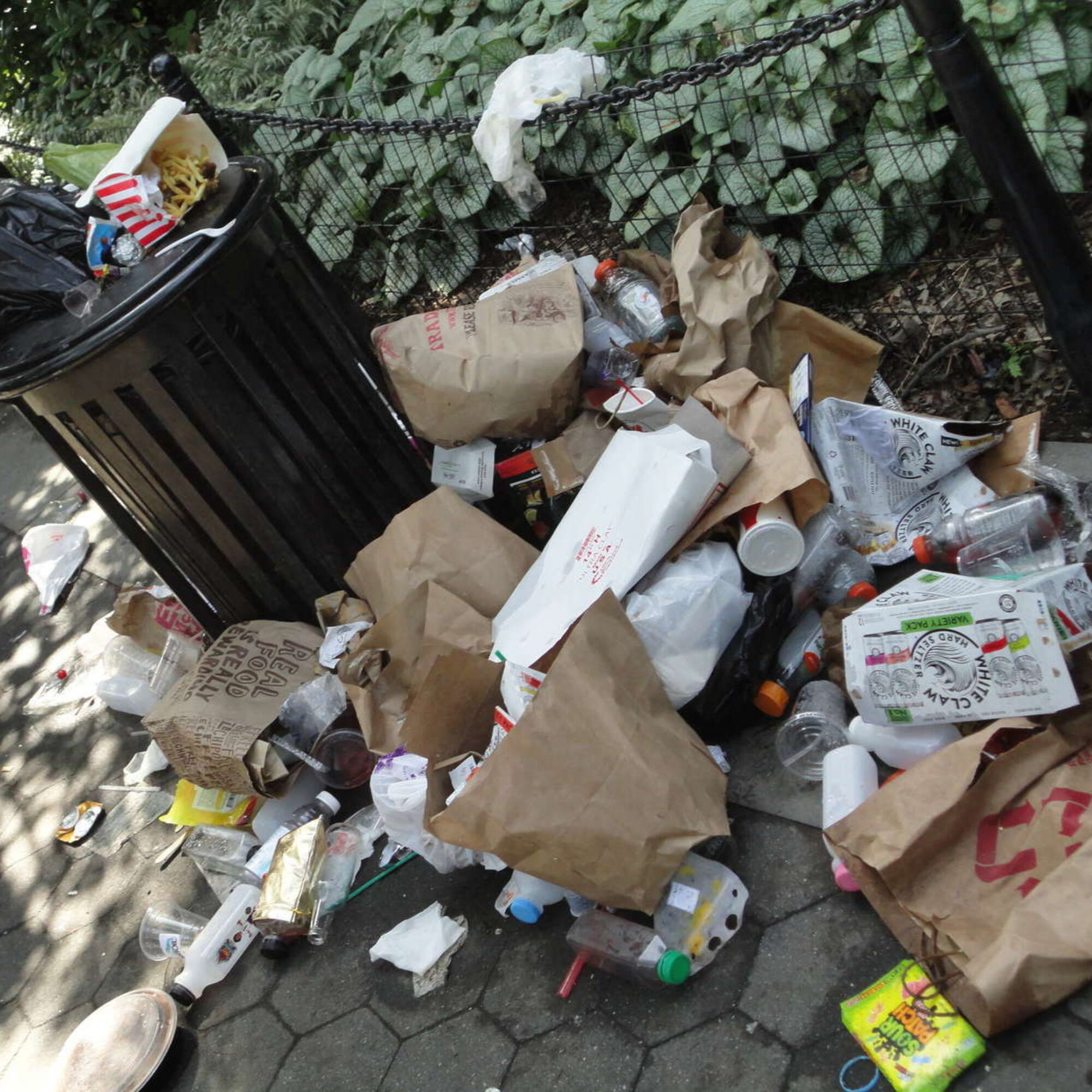
Here are the notes I introduced this episode with: You'll hear me talking about my local park, one of the most drug-ridden in New York CityBecause it's my back yard and I refuse to retreat from the degradation, you'll hear my passion. This was all extemporaneous, so you can tell the time I spend in my neighborhood, talking to neighbors and politicians to help.But please translate in your mind the addicts giving up and trashing common land to all of us as addicts to a/c, flying, twenty-minute showers, SUVs, meat, big families, and so on. At 80 percent overweight and obese, we're addicted to refined sugar and fat.I mention in the recording how the crack and heroin's pollution is small compared to rich people's, but…

0 Comments

493: Sarah Wilson: Living Joyfully Sustainably (more fun than excuses)

Strolling, not scrolling! Sarah acts sustainably and loves it. She shares that love. I loved this conversation, a relief from everyone making stewardship a burden and chore. She knows the science but leads with emotion based on experience. The conversation was half love-fest of common experience, half sharing our frustration at people not acting for reasons we don't get anymore since they don't realize how fun living in harmony with nature and people is. We shared about being called extreme, which feels crazy to two people who are just having fun. Who ever heard of someone enjoying life, nature, and people too much? We lamented feeling misunderstood of not having fun. We shared our confusion about people not acting since for us it's fun. We…

0 Comments

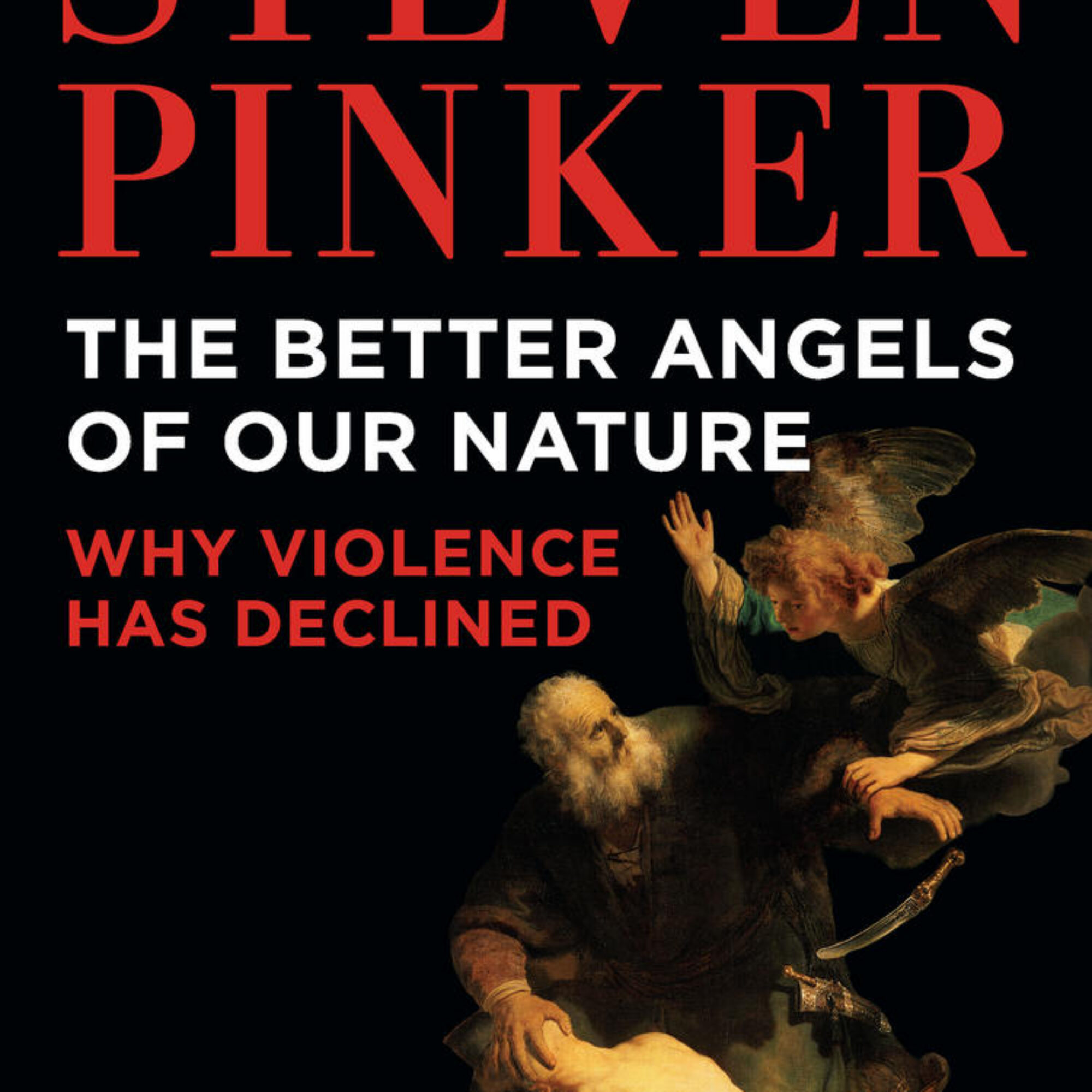
492: Did Steven Pinker’s Better Angels of our Nature miss why we’re less violent?

Here are the notes I read from: Comments on Better Angels of Our Nature I finally finished Steven Pinker's Better Angels of Our Nature. I started it more than skeptical of its main thesis. The book is 800 pages long, so I'm sure I'll oversimplify and not do it justice, but I recommend it so you can get his full message. He says that we are living in the least violent time in history and it was due to enlightenment values of classical liberalism. I was sure he'd missed some important issue or discounted the risk of nuclear war or pandemic. I'd find some flaw in his analysis. On the contrary, the more I read, or listened to to be precise, the more compelling I…

0 Comments

491: Nevcan Gungor, part 1: Surviving Myanmar’s military coup

Myanmar's military coup beginning February 1, 2021 made front-page news around the globe and remains there six months later. In Yangon, As Chief Investment Officer of one of the nation's largest conglomerates, Nevcan witnessed firsthand and lived through the events. She shares what happened, how citizens and foreigners responded, the issues from an insider view, and the scant hope of near-term resolution. Hearing how hours before the coup began, nobody outside the military knew it would happen, combined with the resulting deadlock and violence, one can't help but wonder how close any society is to slipping into chaos without a way out. I've known Nevcan since meeting her in business school a decade ago, so we speak openly. We also talk about her starting her…

0 Comments

490: Karen Shragg, part 2: Lowering birth rate and raising tomato rate

Don't you feel gypped that some of the most amazing potential parts of our lives were stripped away by people overindulging in polluting behavior? Or by automation that removed working the land from consideration as noble action? Karen and I talk about overpopulation---talk that will soon return to mainstream and the values of wholesomeness of activities connected to the cycles of life. Besides sharing observations from a life of conservation, she shares her success growing tomatoes as her podcast commitment, spending quality time with her family. Here are some early results of her planting tomatoes, which she's since reported have grown beyond her expectations, leading her to see things she had been mission, connecting with family, and otherwise engaging with the world. Stewardship isn't deprivation…

0 Comments

489: Martin Puris, part 2: All big ideas begin in the mind of one person thinking creatively

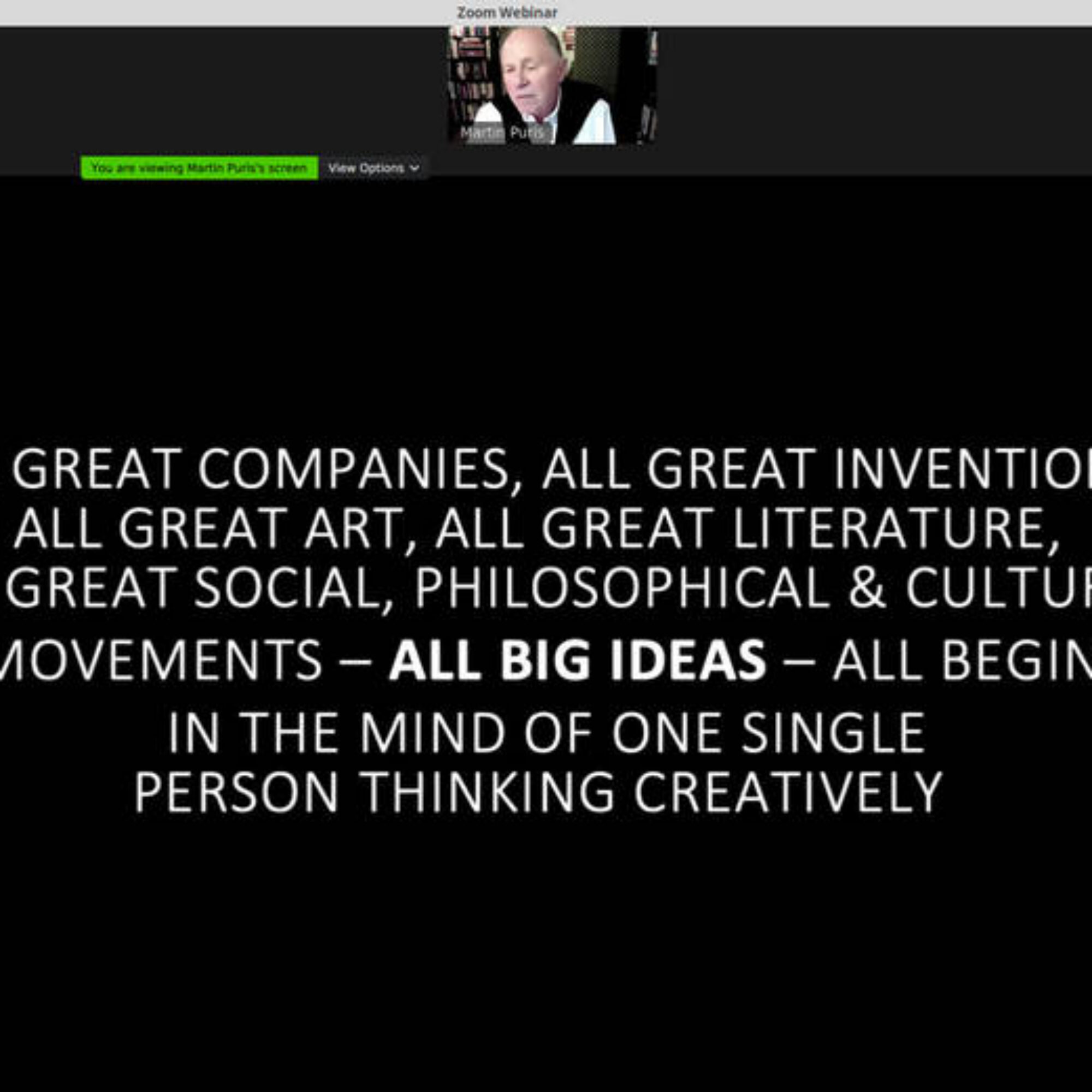
Martin and I continued our conversation about America, its problems, and what we can do about it. I misread him that he had a specific plan, but that didn't stop him from clarifying and continuing more of what we spoke about last time. We talked about education, arts, voting, government, the future, the past, competition, and more. Listen for reflections from a master communicator who has worked with people at the forefront of American business for decades. I mentioned before that I was prompted to reconnect with Martin after almost two decades while seeing him give a webinar online. I took the liberty of capturing the screen when he showed this slide. I hope you can tell why it made me connect. Creativity is up…

0 Comments

488: Maxine Bédat, part 1: Everything You’ve Always Wanted to Know About Fashion’s Sustainability (or lack thereof)

Maxine's book, Unraveled: The Life and Death of a Garment, traces how a pair of jeans comes into existence from it's raw beginnings and where it ends up at the end of its life. The book has been covered in the top levels of fashion media, for example Elle: Maxine Bédat Unravels The Lies of GreenwashingVogue: Maxine Bédat Urges the Fashion Industry to Make a Change Now, Not in 2030Financial Times: Unraveled by Maxine Bédat—cutting the cloth In our conversation, she shares the story behind the book: her history and motivation to write it, the story of her visiting people and places actually doing the work, the shocking sights the industry doesn't want us to know about. As she puts it, "the chemical industry is…

0 Comments

Personal action: Nobody said act once and stop. Act, learn, act more, lead others.

People who don't want to act on the environment will create and believe any rationalization to justify not acting. A common one is to say what they do doesn't matter. Or that their results wouldn't make a difference. I kept myself from acting for years for "reasons" like these. Nobody said to act once and stop. Any one individual action divided by the results of billions of others rounds to zero. But you don't have to stop with one act. If you find yourself judging someone's first actions by what he or she did at first, you're off the mark. In fact, you're likely discouraging themselves and yourself. Want someone not to try something new? Tell them you'll watch and judge how they do it.…

0 Comments

487: Karen Shragg E.D.D., part 1: At last, simple, reasonably talk on (over)population

We can dance around our environmental problems all we want. Understand them enough and we eventually reach overconsumption and overpopulation. These overshoots contribute to everything. We at least talk about overconsumption, even if few are acting. Decades ago, the public talked about population, but didn't act. Today we don't talk about it. All the numbers I see suggest the Earth can sustain two or three billion people with roughly western European consumption levels. I'd love to live in a world with two billion people, like what produced Mozart and Einstein. Karen has been working on helping society face our problem of too many people being alive at once longer than I have. I've only been able to talk about it since learning from (TSL guest)…

0 Comments

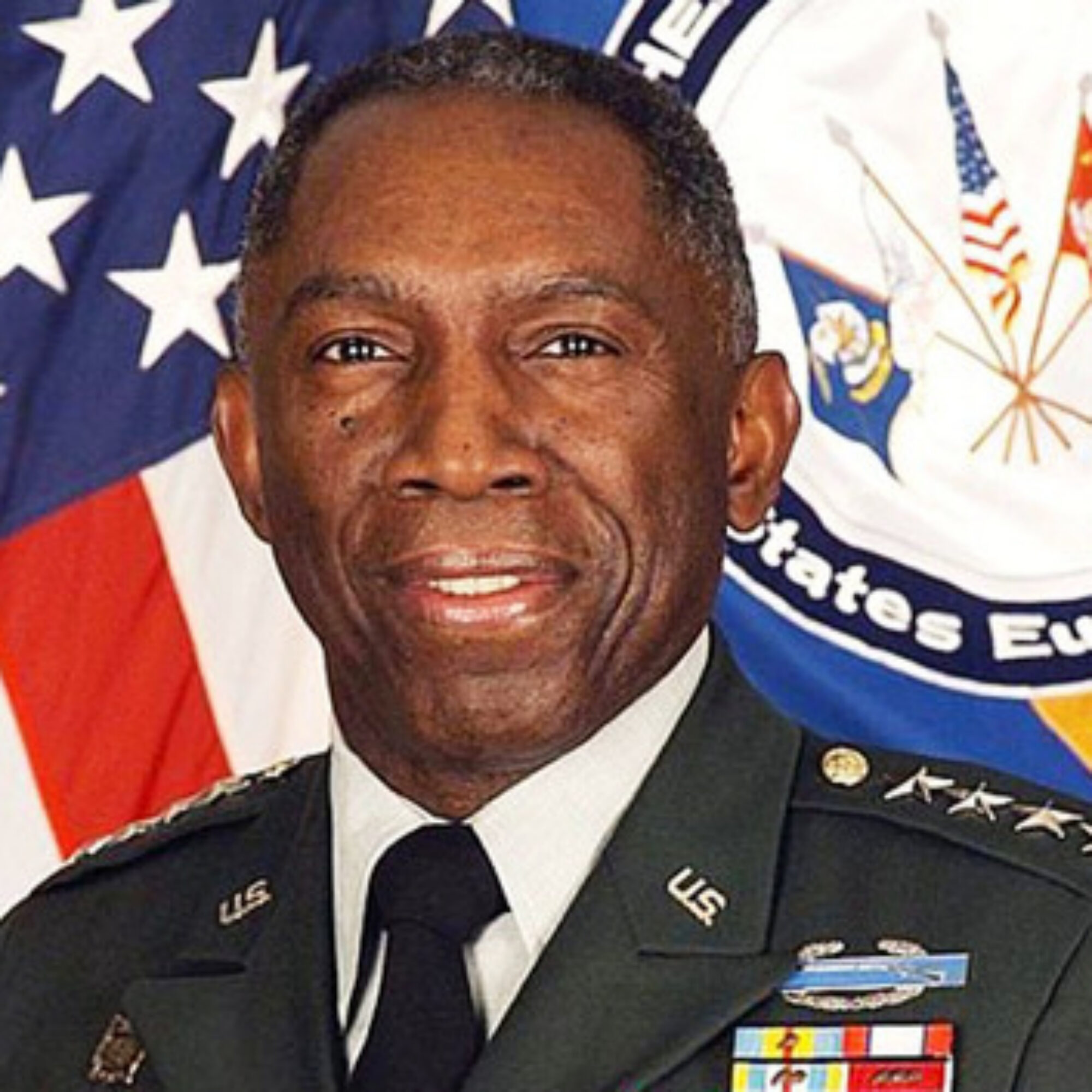
486: General Kip Ward, part 2: Not flying by choice, and smiling about it

A retired General doesn't have to do anything he doesn't want to. What he does, he's going to do for his reasons, not for trends or as a dilettante. Kip committed to a challenge many consider unreasonable and impossible (I know because they tell me): avoiding flying. As a General, he's held the fates of a nation and hundreds of thousands of troops in his hands. When he speaks about his experience, I hear him speaking at a life level. He spoke about his many opportunities to fly for business and pleasure, but not taking them. He could have. Besides his choice based on his motivation, he could have flown. He didn't. Yet he shares the opposite of complaints or feeling left out. How is…

0 Comments

485: Jonathan Hardesty, part 4: How to Lead Someone to Stewardship: The Spodek Method

Jonathan and I continue practicing how to lead oneself and others to love acting in stewardship. Everyone thinks sustainability means deprivation and sacrifice. We started this conversation for him to review how his first time doing The Spodek Method with his kids. You'll hear that he did it slightly differently and didn't get the results. Very educational! Few people master challenging things the first time. We switched to restarting The Spodek Method with him and the value of practicing by the book before improvising. This episode will teach you how to lead someone to love and enjoy acting in stewardship.

0 Comments

484: John Sargent, part 2: Fun Transforming MacMillan, a Big 5 Publisher

Everyone treat changing corporate culture like a horror show, but John did it. How? Through making it fun. The way most people talk about it, only dictators can change cultures, I'll trust his experience over their speculation. This episode begins with his reviewing some of how he implemented that change. My biggest takeaway was his focus on people before technology, what they want, and what makes them tick. The result is their engaged participation. He also shares the result of his commitment. As usual with experienced leaders, if things don't go perfectly, they don't pretend. They share what didn't work too, I believe from experience finding that exposing vulnerabilities doesn't make them weak. It connects people. If you want to change yourself and your organization,…

0 Comments

483: Jane O’Sullivan: Debunking the “Aging Problem” Scam

What happens when populations age? Can you envision a world with a sustainable population, well below Earth's capacity, therefore living resiliently in abundance per person? I can. Governments and media are petrified at populations shrinking and aging. It turns out they are motivated by reasons that sound plausible. Jane looked at the numbers and found the fears unfounded. She also found industries seeding and promoting the fears, making them scams. Allowing the scams to affect us exacerbates the risk of a collapse in Earth's ability to sustain life and society. She treats more unfounded fears about population size that lead people to baselessly fear what seems to me one of the top elements of retaining Earth's ability to sustain life---lowering our birth rate through the…

0 Comments

482: Florida’s Condo Collapse, Doom Psychology, and Our Environment

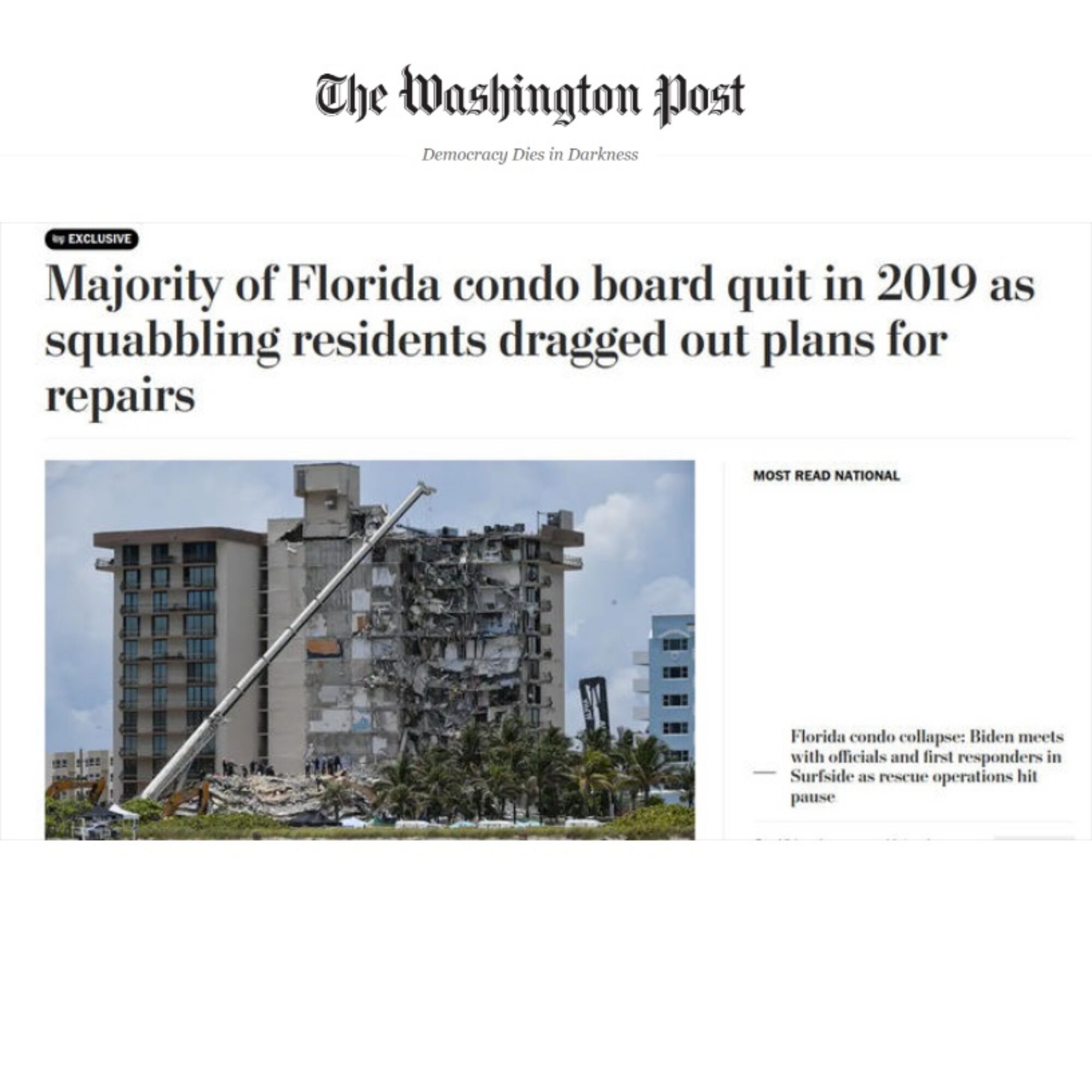
Here is the article prompting this episode: Majority of Florida condo board quit in 2019 as squabbling residents dragged out plans for repairs Here are the notes I read from: Read article about collapse and will read some parts.Everyone has long viewed Titanic as metaphor for man's hubris over nature. But long enough ago we dismiss. Scale is off. We believe we're passed those problems from another age.Listen to these quotes.Opening: "The president of the board of the Florida condominium that collapsed last week resigned in 2019, partly in frustration over what she saw as the sluggish response to an engineer's report that identified major structural damage the previous year.""Despite increasingly dire warnings from the board, many condo owners balked at paying for the extensive…

0 Comments

481: Joe Collins, part 1: From a gang to Congress?

I met Joe when we spoke together on an online panel hosted by Magamedia.org. I knew he was running for office and anticipated conservative politics, but on the panel, I couldn't tell, despite the conservative context. I was curious so looked him up more and found an intriguing background and passion. Joe emerged from youth involving gangs to join the Navy, now running for office. He considers the incumbent insensitive to his district's needs, but he grew up there. He knows its problems. You'll hear in our conversation a passion as great as his frustration with the situation he wants to change. Environment factors in some to his campaign and platform, but not its top priority. Still, he shares his caring with us and takes…

0 Comments

480: Scott Hardin-Nieri: part 1: Scripture to Mobilize Climate Action

I contacted Scott after reading a profile of his work in The Guardian, 'Within minutes I was weeping': the US pastor using scripture to mobilize climate action. The story spoke of someone leading by creating meaning and purpose: He's not alone: across the US, there is a growing movement of religious leaders who are trying to deploy faith as a vehicle for climate action. And Hardin-Nieri's own journey toward climate activism began when he lived in Monteverde, Costa Rica, and witnessed how different faith communities — from Catholics to Quakers — came together to fight climate change."It wasn't a Republican or Democrat issue," he says. "It was a life issue." Longtime readers know I'm increasingly working with evangelicals, conservatives, and Trump supporters. Go far enough…

0 Comments

479: Martin Puris, part 1: What’s Wrong With America?

Martin is a legend. How many people craft phrases that become part of everyday language like "The Ultimate Driving Machine," "The Antidote For Civilization," and "The Tightest Ship In The Shipping Business"? He comes from a different time in advertising and communication, as he describes in our conversation. I met him nearly twenty years ago. He was considering investing in the company I cofounded, Submedia, based on the medium I invented. He didn't invest, but he came to my first solo gallery show in Manhattan. We lost touch. Then I saw him speak recently. I confess a slight disposition to expect corporate writers not to engage in depth, which I recognize as a flaw in myself. He spoke about creativity, what it can be, how…

0 Comments

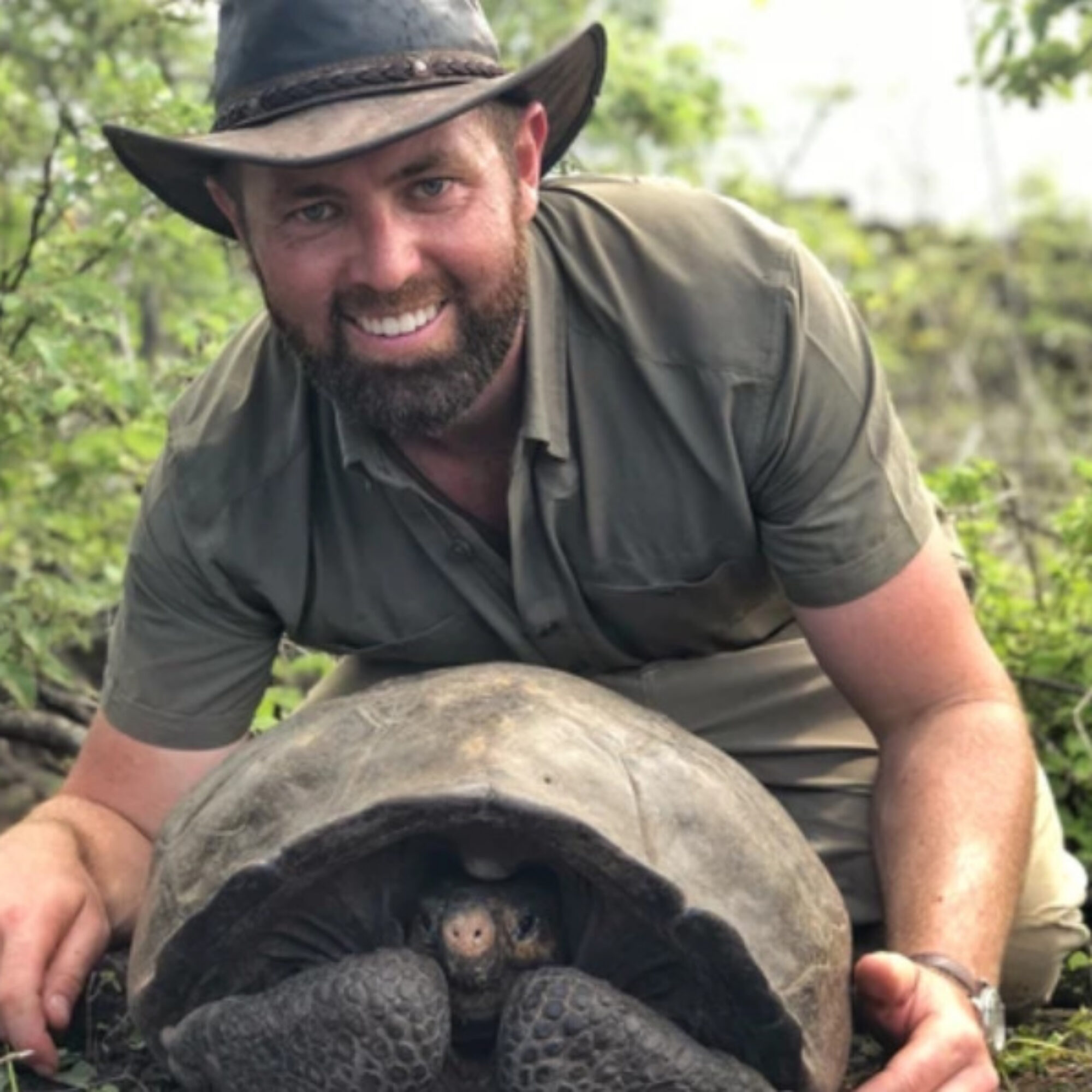
478: Forrest Galante, part 1: Saving Zanzibar Leopards and Other Not Yet Extinct Species

Most of you probably know Forrest for his television shows. He combines the most intriguing parts of being a biologist, an adventurer, and a television star. His passion for each is infectious. Most of all, he loves wildlife. I learned from him first through his new book, Still Alive: A Wild Life of Rediscovery, which gives depth and origins to that passion and love. I can imagine seeing him on TV without knowing that background, you'd wonder where it all came from. You know me. Even with the background, I'm curious about the story behind the story behind the story, which Forrest shares in our conversation. He also shared a meaningful moment of new reflection when I asked what the environment meant to him. Despite…

0 Comments

477: Mechai Viravaidya: My #1 Top Role Model in the World

I consider Mechai Viravaidya my top role model for sustainability leadership. As I described in a recent episode, We Can Dance Around Environmental Problems All We Want. We Eventually Reach Overpopulation and Overconsumption. Before learning of Mechai Viravaidya, I knew only of China's One Child Policy and eugenics. I couldn't talk about population when I thought the cure was worse than the disease. Learning of Mechai changed everything. As his biography's back cover, states. In Thailand, a condom is called a "Mechai". Mechai Viravaidya, Thailand's condom King, has used this most anatomically suggestive contraceptive device to turn the conventional family planning establishment on its head. First came condom-blowing contests, then T-shirts with condom shrouded anthropomorphic penises. Then condom key rings followed by a Cabbages and…

0 Comments

476: Tom Murphy, part 3: The Science Book of the Decade

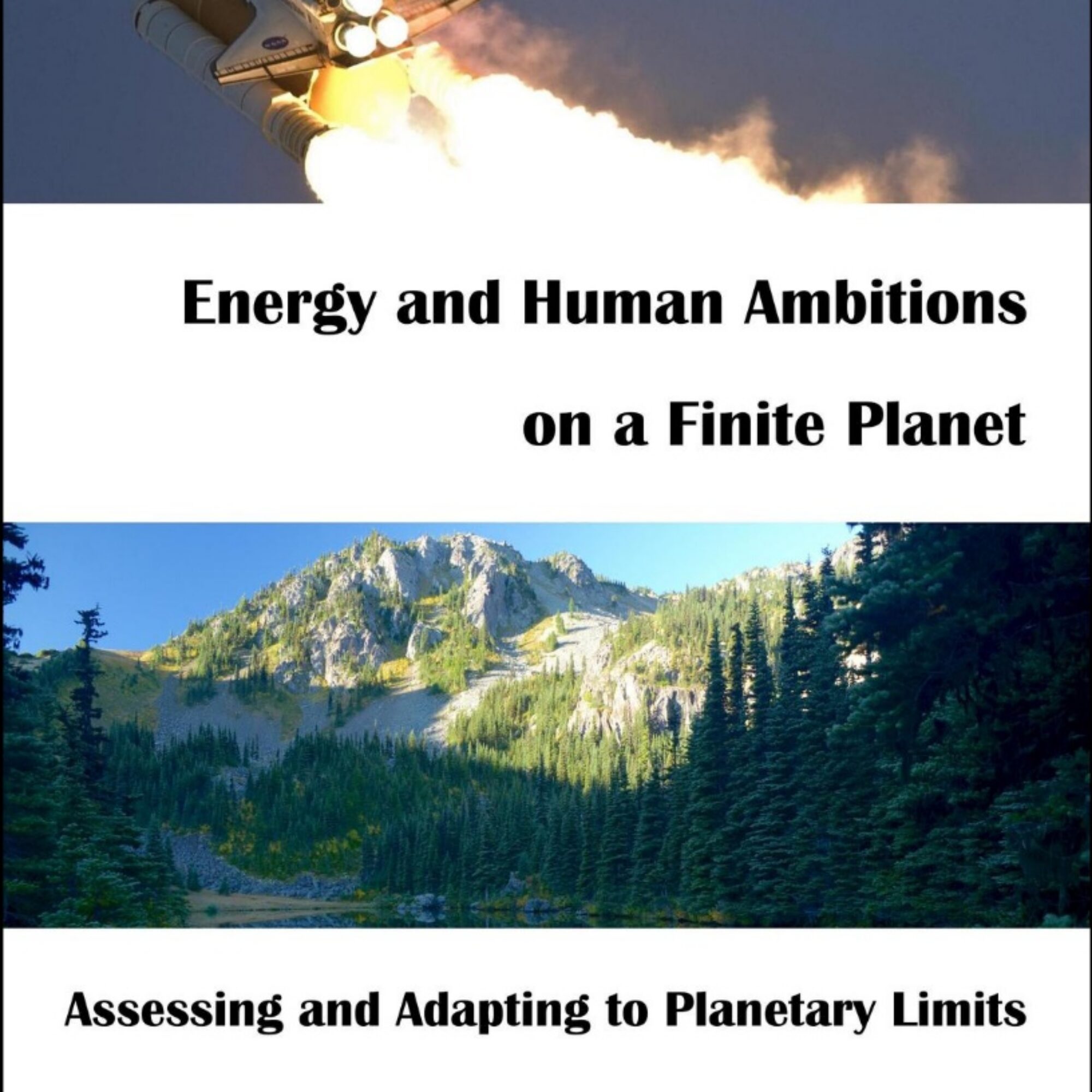
When I read Tom's book on sustainability, Energy and Human Ambitions on a Finite Planet, I couldn't believe the book didn't exist already. I consider it the science book of the decade so invited him back. He shares about his motivation and goals in writing it. You might read my review of the book first, but you can jump into this conversation too. Here is an excerpt from my review: He taught a course to non-science undergraduates on the subject, called Energy and the Environment. He used the course to compile his posts, polish them, and make a self-contained comprehensive book. As far as I know, the only one like it, possibly because mathematics is the language of nature, so equations abound, but he explains…

0 Comments

475: We Can Dance Around Environmental Problems All We Want. We Eventually Reach Overpopulation and Overconsumption

Have you ever tasted an heirloom tomato so delicious it was almost a religious experience? I used to think people who complained about supermarket tomatoes sounded full of themselves. How different can they taste? Then I tasted heirloom tomatoes with so much flavor, I couldn't believe my taste buds. The next time I ate a mainstream tomato it felt like eating wet cotton. Do you know what they used to call heirloom tomatoes? They used to call heirloom tomatoes tomatoes. Our post-industrial values of growth, efficiency, externalizing costs, comfort, convenience, and extraction turned something divine into something available year-round at an affordable price but a fall from grace to say the least. In the way that my rare sips of scotch today give me more…

0 Comments

474: Frederick Lane, part 2: Intrinsic Versus Extrinsic Motivation

Frederick was a great sport in allowing me to explore working on a patterns that happens sometimes but that I had let slide before. We started talking about nature, then his commitment. About halfway through I noticed that his motivation to the commitment from his first episode didn't seem to come from inside, which I believe led to him doing the task for extrinsic, not intrinsic, reasons, resulting in him doing his task perfunctorily. Then came the part that may be uncomfortable to listen to---or may be intriguing or fun. I can't tell because I was in the conversation. I tried to find a new sledding hill of his to ground a new activity. From then on we had a cordial conversation, but at cross-purposes.…

0 Comments

473: James Suzman: What We Can Learn From 300,000 Years of Human History

Longtime readers of my blog know how much James Suzman's first book influenced my thinking and views of possessions, community, ownership, modernity, and a range of similar topics. A top question I've asked anyone who might know is how populations that didn't grow despite sharing our biology that has grown exponentially for centuries. If knowing history is wise and knowing history farther back wiser, James's living with the San Bushmen of southern Africa gave him a few hundred thousand years to know. We can't know exactly how their lives today resemble their ancestors, but the overlap is greater than zero and suggests a huge alternative to the knee-jerk dichotomy people can't see past today of capitalism versus communism. Human beings lived for two hundred thousand…

0 Comments

472: Big City Andrew, part 1: Traditional Conservative values and stewardship

Andrew co-hosted me on MAGAMedia with past guest Rob Harper, so we've spoken there several times, but this conversation is our first one-on-one. We start by talking about our meeting and how talking to each other means talking about issues we normally don't in our usual circles, but that we enjoy learning from each other, not getting angry despite different viewpoints. We both want to increase meaningful communication as opposed to the more prevalent mutual provocation and dismissal in American political conversation between people who vote differently, to the extent they communicate. Andrew shares his growing up in a Democratic household and what transitioned him to appreciating and supporting candidate and then President Trump, as well as meeting Rob, partnering, and starting their show together.…

0 Comments

470: Sustainable Activities: I’m learning singing (my mortifying “before” recording)

The average American watches 5 hours of TV per day. Many fly or drive around for fun. If we want to pollute less, will we lose the ability to enjoy ourselves? I've written before how Vincent Stanley's commitment to turn off his computer Friday mornings and Nicola Pirulli's walking me through The Spodek Method led to me turning off all my electronics and practicing singing daily. Since starting, I've missed a couple days, but have loved the results. Until recently I only sang. Now I'm moving to voice exercises. I resisted doing them partly because I need to use my computer to play the recordings so decided to relax that constraint the days I practice my exercises. I expect that doing them enough will improve…

0 Comments

End of content

No more pages to load