
Albert Garcia-Romeu
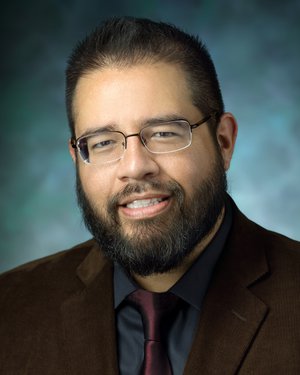
Albert Garcia-Romeu, Ph.D. is an Assistant Professor of Psychiatry and Behavioral Sciences at the Johns Hopkins University School of Medicine. His research examines the effects of psychedelics in humans, with a focus on psilocybin as an aid in the treatment of addiction. His current research interests include clinical applications of psychedelics, real-world drug use patterns, diversity in science, and the role of spirituality in mental health. He is a founding member of the Johns Hopkins Center for Psychedelic and Consciousness Research.
From https://hopkinspsychedelic.org:
Our Vision: To advance the scientific understanding of psychedelics and their potential for treating mental health disorders, enhancing well-being, and expanding our understanding of consciousness.
Scientists today are entering a new era of studying a truly unique class of pharmacological compounds known as psychedelics. Although research with these compounds was first started in the 1950s and ‘60s, it abruptly ended in the early 1970s in response to unfavorable media coverage, resulting in misperceptions of risk and highly restrictive regulations.
After a decades-long hiatus, in 2000 our research group at Johns Hopkins was the first to obtain regulatory approval in the United States to reinitiate research with psychedelics in healthy, psychedelic-naive volunteers. Our 2006 publication on the safety and enduring positive effects of a single dose of psilocybin is widely considered the landmark study that sparked a renewal of psychedelic research world-wide.
718: Albert Garcia-Romeu, part 2: Psychedelics and Appreciating Nature Where You Are
I couldn’t help asking question about the field of psychedelics research beyond our last conversation. He’s a professional at the top of the field and well-connected. I started by asking him about comedy and psychedelics, after reading a funny piece in The Onion about it. He responded seriously, after all, there’s a lot of humor in psychedelics.
Then he shared about the growing communities of professionals and non-professionals. We both talked about trends in tourism, psychedelics, and sustainability. A lot of people are flying around and doing other things that lower Earth’s ability to sustain life in the name of helping. They’re achieving the opposite of what the marketers sold them on. Others are homogenizing and assimilating cultures in the name of promoting and protecting them.
We talked about his experiences with his commitment from last time, including appreciating nature where we are, not feeling we have to drive or travel to find it.
681: Albert Garcia-Romeu, part 1: Psychedelics and Time in Nature
Regular listeners know I’ve been asking people what the environment means to them as part of the Spodek Method. Many people respond with touching answers that I would call something close to life-altering. Maybe more like life-guiding, life-enhancing, or giving meaning and purpose.
I’ve heard of increasing research into psychedelics recently. Reading reports of people who took psylocibin in clinical settings with guides for the experience, I was struck by how similar their effects to those of quintessential moments in the environment. Both talked about oneness, awe, humility, understanding, feeling understood, connectedness, and similar things, though, of course, each experience was unique. Many said that the effects of their experiences lasted sometimes years, potentially permanently. Many could stop addictions overnight without relapsing. Some improved relationships with loved ones.
I hypothesized that some of the experience of psychedelics might have been a regular part of the lives of our ancestors who lived in the 250,000 years or so before civilization, as well as those who live outside it today. Might the drugs just be achieving something remedial that had long been part of our lives?
Might we who live in human-built environments be missing deeply meaningful parts of our lives that were regular for nearly all our ancestors? Might that lack be contributing to our not knowing what we’re missing when we capitulate, abdicate, and resign to choose comfort and convenience over alleviating suffering and caring for our neighbors?
I emailed with Roland Griffiths, the head of the Johns Hopkins Center for Psychedelic Research, which I understand to be the premier research center in the field. He put me in touch with Albert. I couldn’t wait to compare the effects and potential of psychedelics with the effects and potential of simply spending time in nature.