
David Loy
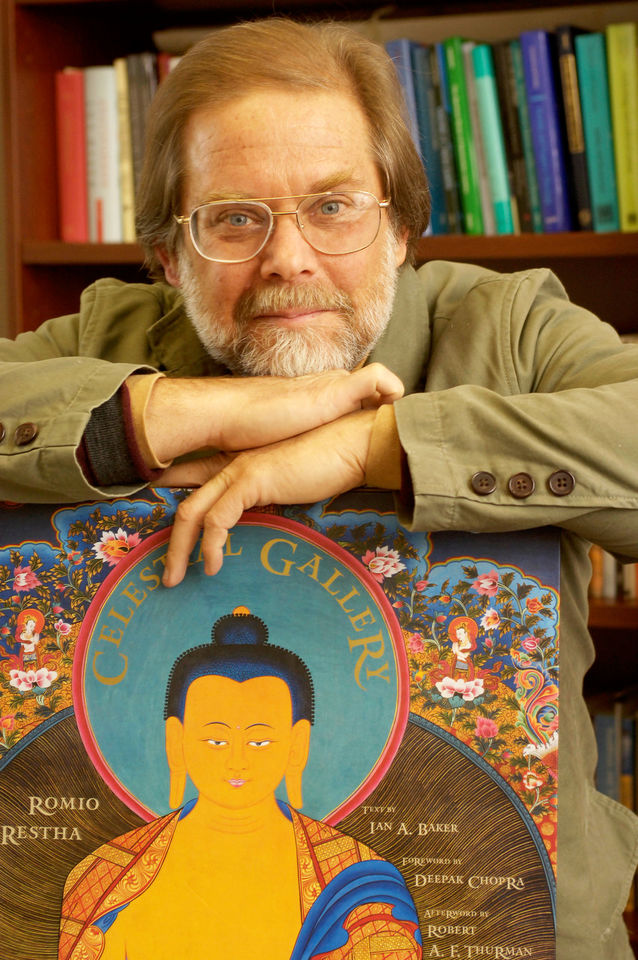
David Robert Loy is a professor, writer, and Zen teacher in the Sanbo Zen tradition of Japanese Zen Buddhism.
He is a prolific author, whose essays and books have been translated into many languages. His articles appear regularly in the pages of major journals such as Tikkun and Buddhist magazines including Tricycle, Lion’s Roar, and Buddhadharma, as well as in a variety of scholarly journals. Many of his writings, as well as audio and video talks and interviews, are available on the web. He is on the advisory boards of Buddhist Global Relief, the Clear View Project, Zen Peacemakers, and the Ernest Becker Foundation.
David lectures nationally and internationally on various topics, focusing primarily on the encounter between Buddhism and modernity: what each can learn from the other. He is especially concerned about social and ecological issues. A popular recent lecture is “Healing Ecology: A Buddhist Perspective on the Eco-crisis”, which argues that there is an important parallel between what Buddhism says about our personal predicament and our collective predicament today in relation to the rest of the biosphere.
Unless he is traveling, every Friday morning David leads an online meditation [35 minutes] followed by a “dharmette” [brief dharma talk] starting at 8:00am Colorado [mountain] time. It’s free and everyone is welcome.
669: David Loy: Ecodharma: Zen Buddhism and Sustainability
What can we learn from Buddhism to understand and respond to our ecological crisis? This question is the heart of David’s focus, as I understand it.
We started by describing his journey from a more mainstream American childhood to Zen Buddhism and forming the Rocky Mountain Ecodharma Retreat Center near Boulder, Colorado. Then we talk about humanity’s disconnect from nature and his work to restore it, in the context of his Buddhist path. We also talk about reconnecting with nature, letting go of the cultural forces to disconnect.
He shares his work to help people handle these problems and their grief. We talked about how we handle what we humans are doing to our world and what we’re doing about it, including from a Buddhist perspective, using Buddhist practice.