
Derek Marshall
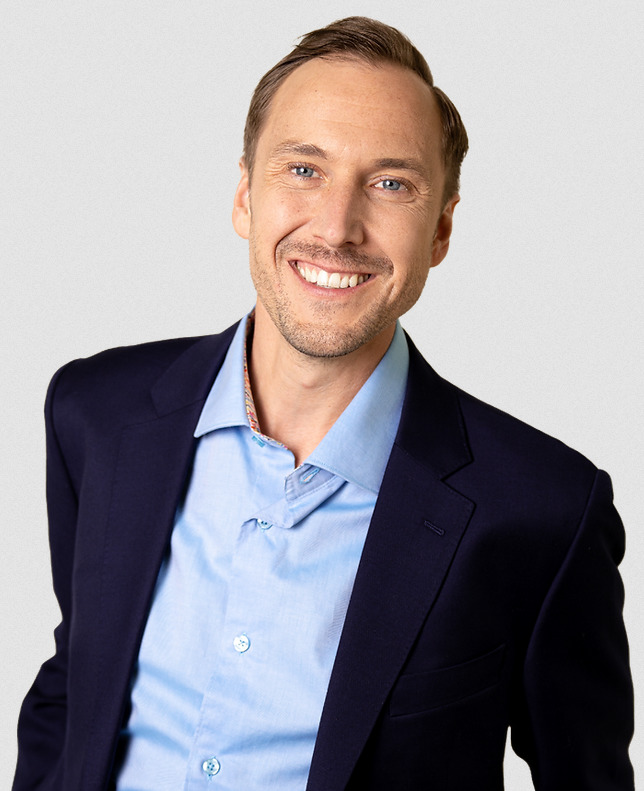
Derek Marshall is running as a Democrat for election to the U.S. House to represent California’s 23rd Congressional District.
He was born in Boston, Massachusetts. He earned bachelor’s and graduate degrees from American University in 2005 and 2006, respectively. His career experience includes working as a community organizer with the Bernie 2020 campaign, a director of internationalization for web-based travel company Kayak, and in international relations.
From his campaign page:
I’m running for California’s 23rd Congressional District because I want to bring the folks of the high desert and the mountains together to demand and achieve a more livable life.
By trade, I’m a community organizer, and in my view, public service shouldn’t be about political parties and division. It should be about leading by listening, leading by serving, and leading by doing the work.
This campaign is rooted in love and driven by a belief in the power of a broad, diverse spectrum of united individuals coming together. When we transcend our differences to collectively fight for the things that directly affect our quality of life, we all win.
Derek Marshall is the oldest of three, and was raised by their parents in a small town. The Marshall family was active in the Church, where Derek was instilled with the importance of public service and community outreach from a young age. His family also ran a weekly homeless outreach program called Soup to Go. While Fridays were for X-Files, Saturdays were for making chili and feeding those in need.
Derek is also a proud and openly gay man, although he did not fully and publicly come out until his late twenties due to the social pressures so many in the LGBTQ+ community face to conform.
579: Derek Marshall, part 2: Running for Congress, sharing honest personal experiences
You’ve heard every politician pay lip service on the environment. They talk abstractly about carbon dioxide levels, solutions to spend more money, and something about a future improved by electric cars and solar panels (conveniently missing how these “solutions” pollute). How many share their personal experiences? How many share their vulnerabilities we know they have?
Derek shares his personal experience honestly facing environmental challenges himself. What does it feel like to see a plastic bag roll by in the wind like a tumbleweed in what was supposed to be in the middle of nowhere, untouched by people? How does it feel when humans’ predominant effect on once-beautiful nature is poison? Do we face our feelings of helplessness, thereby enabling ourselves to do something about it, or deny and suppress them, claiming “solutions” that pollute actually clean, not because they do but because claiming they do mollifies our feelings?
How do you run a campaign polluting less? What if your volunteers want pizza, but its disposable packaging pollutes? Will activating them to make preparing food part of the event engage them more? Will they enjoy local fruits and vegetables more? Can campaigning clean, boldly and honestly become a competitive advantage? If a campaigns ignores its personal impact, can you expect it will stop not caring after getting elected or will you expect it will find ways to excuse polluting after elected? Can Derek run his campaign clean to win loyalty and votes?
Hear Derek face these challenges, the only way I see anyone can solve them.
563: Derek Marshall, part 1: Candidate for California’s 23rd Congressional District
Derek is looking to flip a district that has been moving more Democratic through demographic shifts and redistricting. Can he pull it off?
He reached out to me partly to share and explore environmental and sustainability issues. After we cover more of his background, he shared the environmental situation of a potentially stunningly beautiful region, including Joshua Tree and Death Valley, but exurban growth threatens it.
Many people claim the environment should not be political. Can politicians act on sustainability coming from one party and attract people from another party? I chose to act outside politics because I saw cultural change as the main issue and the people I saw in history who changed culture started without holding office: Martin Luther King, Nelson Mandela, Henry David Thoreau. Derek wants to do it through politics. In today’s situation, I see an uphill battle.
He shared some of his views and plans. He also responded strongly to the Spodek Method. Listen to hear his commitment. I predict the experience will lead his views and plans to evolve. I believe he’ll consider those changes improvements.
I can’t believe all politicians aren’t using sustainability as a winning platform. I mean, I can because they haven’t tried to live sustainably so don’t know it brings joy, fun, freedom, community, connection, meaning, and purpose, not the deprivation and sacrifice people expect.
Note to politicians: be a guest on this podcast to learn to act on sustainability through authentic, intrinsic motivation and you will learn how to make sustainability a winning issue.