
Dr. Warren Farrell
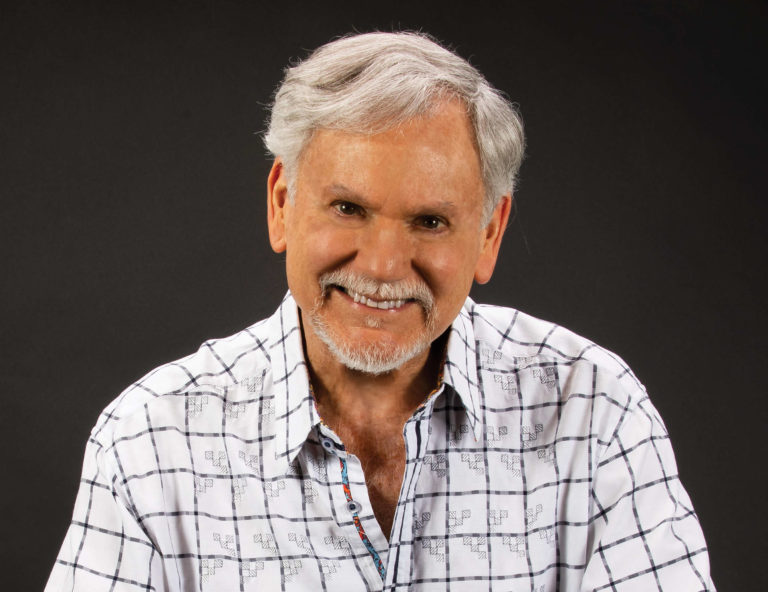
Dr. Warren Farrell has been chosen by the Financial Times as one of the world’s top 100 thought leaders. His books are published in over 50 countries, and in 19 languages. They include The New York Times best-seller, Why Men Are the Way They Are, plus the international best-seller, The Myth of Male Power. His most recent is The Boy Crisis (2018, co-authored with John Gray). The Boy Crisis was chosen as a finalist for the Foreword Indies award (the independent publishers’ award).
Dr. Farrell has been a pioneer in both the women’s movement (elected three times to the Board of N.O.W. in NYC) and the men’s movement (called by GQ Magazine “The Martin Luther King of the men’s movement”). He conducts couples’ communication workshops nationwide. He has appeared on over 1000 TV shows and been interviewed by Oprah, Barbara Walters, Peter Jennings, Katie Couric, Larry King, Tucker Carlson, Regis Philbin and Charlie Rose. He has frequently written for and been featured in The New York Times and publications worldwide. Dr. Farrell has two daughters, lives with his wife in Mill Valley, California, and virtually at www.warrenfarrell.com.
578: Warren Farrell, part 2: Sex, race, and intimacy: How to listen and communicate
This episode is available on video.
Before our conversations, I tended to see Warren as mainly focused on issues where men and boys suffer that society doesn’t see, downplays, or ignores. I still see him as a rare luminary on such issues. As he mentions, many people, up to the White House, seem unable or unwilling to consider the possibility.
But I’m seeing him focusing on solutions, both systemic and individual. We start this conversation on communication, especially about listening, especially in conflict. We transition to communication tips, especially for men and boys, using ourselves and our challenges as examples. I hear passion in him for helping couples, especially from a man’s perspective. Not just passion, effectiveness.
He shares about the origins of the Boy Crisis in society and the importance of effective communication, often lacking. We focus on suicide and rates between males and females versus between people of different races, children raised deprived of fathers, fathers whose responsibilities imposed by society force them to show their love by sacrificing time with family, which sounds heartbreaking for them, yet more so for their children. He explores the consequences to society.
He describes how people exclude men and boys and our problems from considering helping us, even (especially) from groups promoting inclusion.
I predict you’ll find this episode evokes compassion and opens your eyes.
523: Dr. Warren Farrell, part 1: Listening to men, what they keep to themselves
If I measure a book’s quality by how much it changes my perspective and enables me to improve my life, Dr. Farrell’s The Myth of Male Power (1993) is one of the best books I’ve read. He’s written valuable book after valuable books since, up to and including The Boy Crisis: Why Our Boys Are Struggling and What We Can Do About It (2018).
I grew up believing in equality between the sexes and believe so now more than ever. Dr. Farrell’s insight helped illuminate and clarify ways I and society don’t empathize with men or realize how men are trapped and suffer. I’ve written about the chip on my shoulder about how people respond to my sharing my suffering to say my suffering isn’t suffering and that I’m actually causing others to suffer or that the best I can do is to shut up and listen. I knew something was missing. His work helped make things fall into place.
If I measure someone’s leadership by how much that person influences others through inspiration, not coercion or authoritarian means, Dr. Farrell is a great leader. My mentor, Frances Hesselbein, also says the role of a leader is to see what others don’t, which he does too.
Bringing things back our environment, his leadership in seeing and clearly describing what others don’t resembles what I find mission in sustainability. I’ll always welcome more science and reporting, but we lack leadership. We lack people who inspire by connecting with their intrinsic motivations. I believe we can learn from him and apply what he’s achieved in sustainability.