
EJ Perry
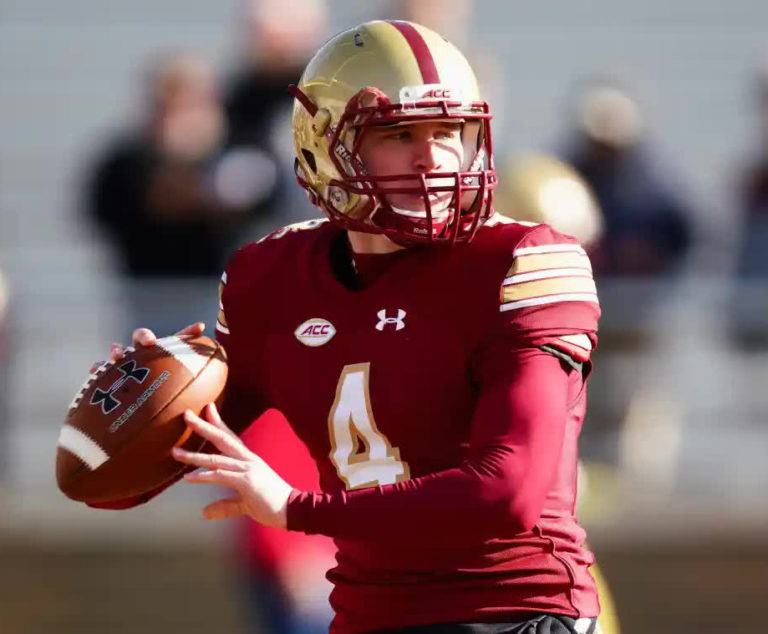
EJ Perry is Brown University’s quarterback. He recently accepted an invitation to play in February’s East-West Shrine Bowl, one of the most prestigious college showcase games, where top players spend a week in Las Vegas conducting interviews with and practicing in front of all 32 NFL teams. By the time you read this page, he may be playing in the NFL.
“It’s just so obvious he has the arm talent, the athletic ability to be a really intriguing prospect, at the very least,” said Eric Galko, the director of football operations for the Shrine Bowl. “We think he’s one of the best senior quarterbacks in the entire country.” He continued, “make no mistake, he’s arguably the most athletic quarterback in the entire draft class.”
One NFL scout compared Perry to Washington quarterback Taylor Heinecke, with “some magician-like qualities to his game.” Listed at 6-2 and 210 pounds, Perry threw for almost 6,000 yards and rushed for more than 1,100 yards in his two seasons at Brown.
“He’s fun to watch,” the scout added. “I could see some NFL coaches falling in love with the way E.J. plays the game and taking a shot on him in the mid- to late-rounds.”
Perry’s 114 career touchdowns and 8,712 passing yards are second-most in Massachusetts history.
555: EJ Perry, part 1: Brown’s quarterback on clutch performance
Who doesn’t love knowing about something big before everyone else?
EJ Perry is something big, a very talented quarterback being scouted by the NFL, coming from the Ivy League. Rarely do people reach pinnacles in multiple areas of life so young. (I’m posting early so you can know to see him play in the Shrine Bowl next week, February 3 at 8pm eastern on the NFL network.)
Regular listeners know I like bringing top athletes to the podcast because they’ve faced challenges, victories, losses, and adversity and had to return to the game and life. We didn’t ask to be born into a polluted world, but we did. I believe we can learn from athletes and other leaders.
I indulge in asking EJ about playing in clutch situations. He describes preparation, teamwork, mindset, and the types of things we need to face our environmental problems beyond facts, numbers, and instruction. Then we talk about what the environment means to him. He responds with humility and evolves from a mainstream response of what can I do?? to I know what I can do, connecting him more to family, giving him energy.