
Leah Rothstein
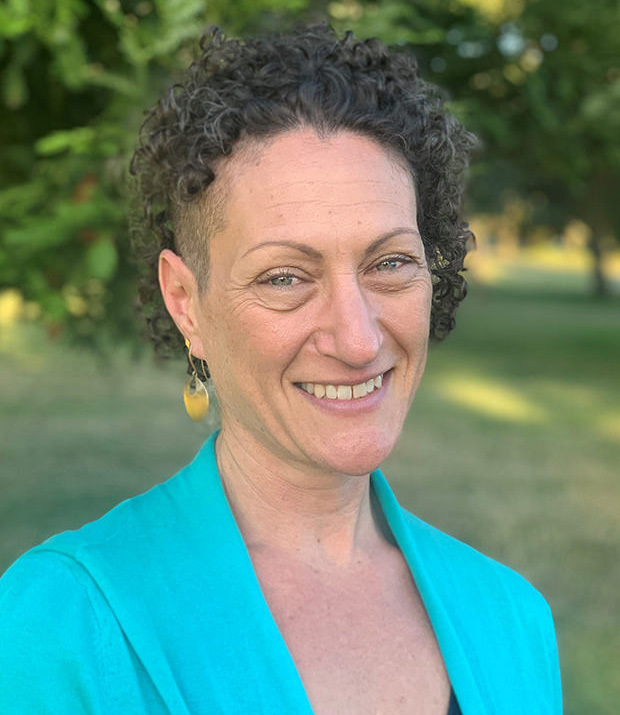
Leah Rothstein has worked on public policy and community change, from the grassroots to the halls of government. She led the Alameda County and San Francisco probation departments’ research on reforming community corrections policy and practice to be focused on rehabilitation, not punishment. She has been a consultant to nonprofit housing developers, cities and counties, redevelopment agencies, and private firms on community development and affordable housing policy, practice, and finance.
Her policy work is informed by her years as a community organizer with PUEBLO and Californians for Justice, working on housing, public safety, environmental justice, and youth leadership, and as a labor organizer with the Union of Needletrades, Industrial, and Textile Employees (UNITE).
Daughter and coauthor with podcast guest Richard Rothstein, author of The Color of Law: A Forgotten History of How Our Government Segregated America. A Distinguished Fellow of the Economic Policy Institute, the Thurgood Marshall Institute of the NAACP Legal Defense Fund, and of the Haas Institute at the University of California (Berkeley).
Leah followed up The Color of Law with a book on what to do: Just Action: How to Challenge Segregation Enacted Under the Color of Law: a blueprint for action for concerned citizens and community leaders alike. The book describes dozens of activities that readers and supporters can undertake in their own communities to make their commitment real, producing victories that might finally challenge residential segregation and help remedy America’s profoundly unconstitutional past.
690: Leah Rothstein: Just Action, a blueprint for concerned citizens and community leaders
This podcast and my mission are about changing culture. The Color of Law compiled our culture’s practices that I can only see as cruel and unfair. As long as they’re hidden, we can’t do much about them. Listen to my episode with Richard and read that book if you aren’t on top of America’s history of cruel and unfair housing policy.
Once you’re outraged, then what? In this episode, Leah answers that question. She shares at a high level what people can do in their communities.
You’ll hear a couple extra notes of interest from me. One is to see what techniques in the culture she’s changing can apply in changing our culture in sustainability. The other is that my episodes with my mom talking about the racially integrated neighborhood she and my father chose to raise us in, as well as the neighborhood itself, Mount Airy, Philadelphia, factored into her research.
You’ll also hear me recognizing a new element in how a cultural practice could start for one reason, say racism, then even after people in that system oppose racism, that system can continue and perpetuate the racism. At a certain level, I knew it already, but it hit me more viscerally when Leah explained it. You’ll hear.