
Sandra Pérez
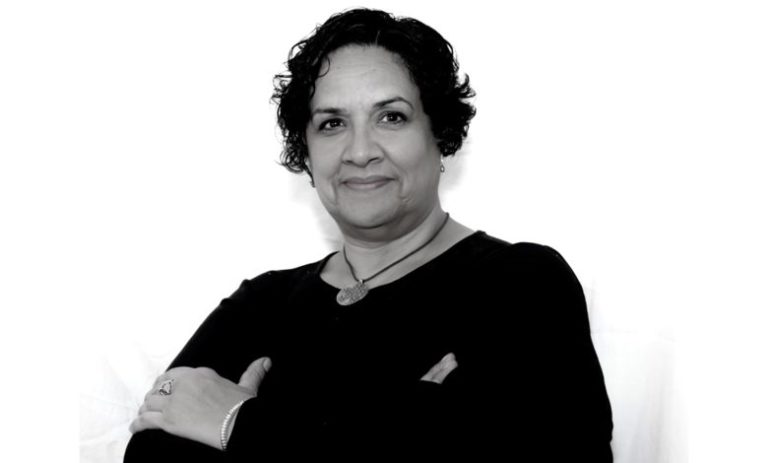
Sandra Pérez is the Executive Director of NYC Pride, who hosts New York City’s annual Pride March, which goes almost right by my front door.
She is a non-profit executive with experience in non-profit management, resource development and special events. A native New Yorker grounded in the Bronx and Puerto Rico, Sandra brings a wealth of lived experience to the work of NYC Pride.
In prior roles, she has served as an advocate for Latino/e arts and culture and has deep roots in the philanthropic sector, serving in multiple development roles for the Ms. Foundation for Women and as a consultant to the public and the private sector.
Sandra has also served as a program auditor and grant panelist for a variety of entities in the arts and social justice sectors such as the National Endowment for the Arts and the National Council on the Humanities. As a volunteer, Sandra brings an intersectional lens to her work and has proudly served on the LGBTQ+ Giving Circle with the Chicago Foundation for Women and the YMCA Young Achievers Program, where her efforts centered support to and training of BIPOC youth and leaders.
As she begins her journey as executive director for NYC Pride Sandra looks forward to collaborating creatively with other advocates on the issues confronting our diverse communities and mentoring the next generation of young leaders.
596: Sandra Pérez, part 1: Keeping New York’s LGBTQIA+ Pride March clean
Sandra took responsibility when she didn’t have to, as the Executive Director of NYC Pride, to respond to my requests to talk to an organizer. Longtime listeners and readers of my blog know that last year, I was disgusted by the garbage covering Washington Square Park the morning after New York City’s 2021 Pride March. I posted pictures and video with the quote from another person in the park I saw that morning, “Pride destroyed the park.”
It turns there are two Pride Marches and the other one ended in Washington Square Park, not the one Sandra organized, but she knew not everyone would know to distinguish them, the public could associate the mess with the whole community, and, in any case, both polluted too much.
Beyond responding, we met in their headquarters with about a month before the March. They were very busy. We talked about what they could do this year and for the future.
We also did the Spodek Method you are all used to hearing me do with leaders as guests on this podcast. We didn’t record that first conversation, but agree to record the second—that is, this one—where we’d cover what we didn’t record and she would share the results of that commitment.
She also put me in touch with other staff to incorporate sustainability more in their efforts. It remains to be seen how much happens. Can they follow in my footsteps to improve participants’ experiences by reducing their pollution ninety percent in under three years? I hope to help them do it. Everyone benefits.