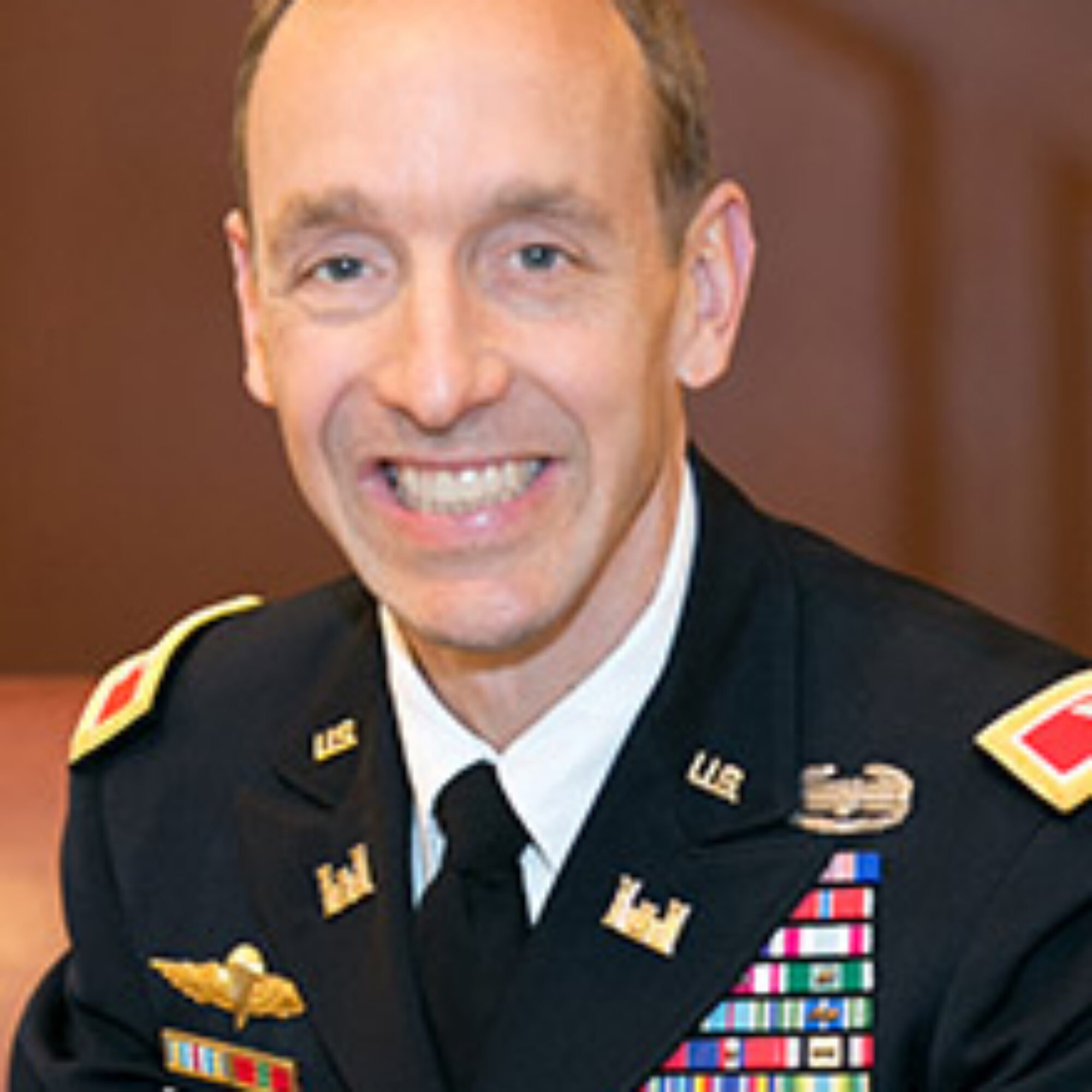
Success through values, meaning, purpose, importance, and passion
Before acting on my environmental values, I felt guilty and helpless. I didn't like those feelings. All the analyzing, raising awareness, and planning, I now look back and see that I was occupying my mind, making busy work for it, to distract myself from those feelings. I could feel I was doing something even when I wasn't. I kept trying to ascribe the cause of the guilt and helplessness to others, but it didn't go away. It couldn't, because they were purely internal: my behavior was inconsistent with my values. No blaming others or waiting for awareness or planning or analysis would change that conflict. On the contrary, they kept me from addressing it. Today's episode tells my emotional journey liberating me from guilt, blame,…
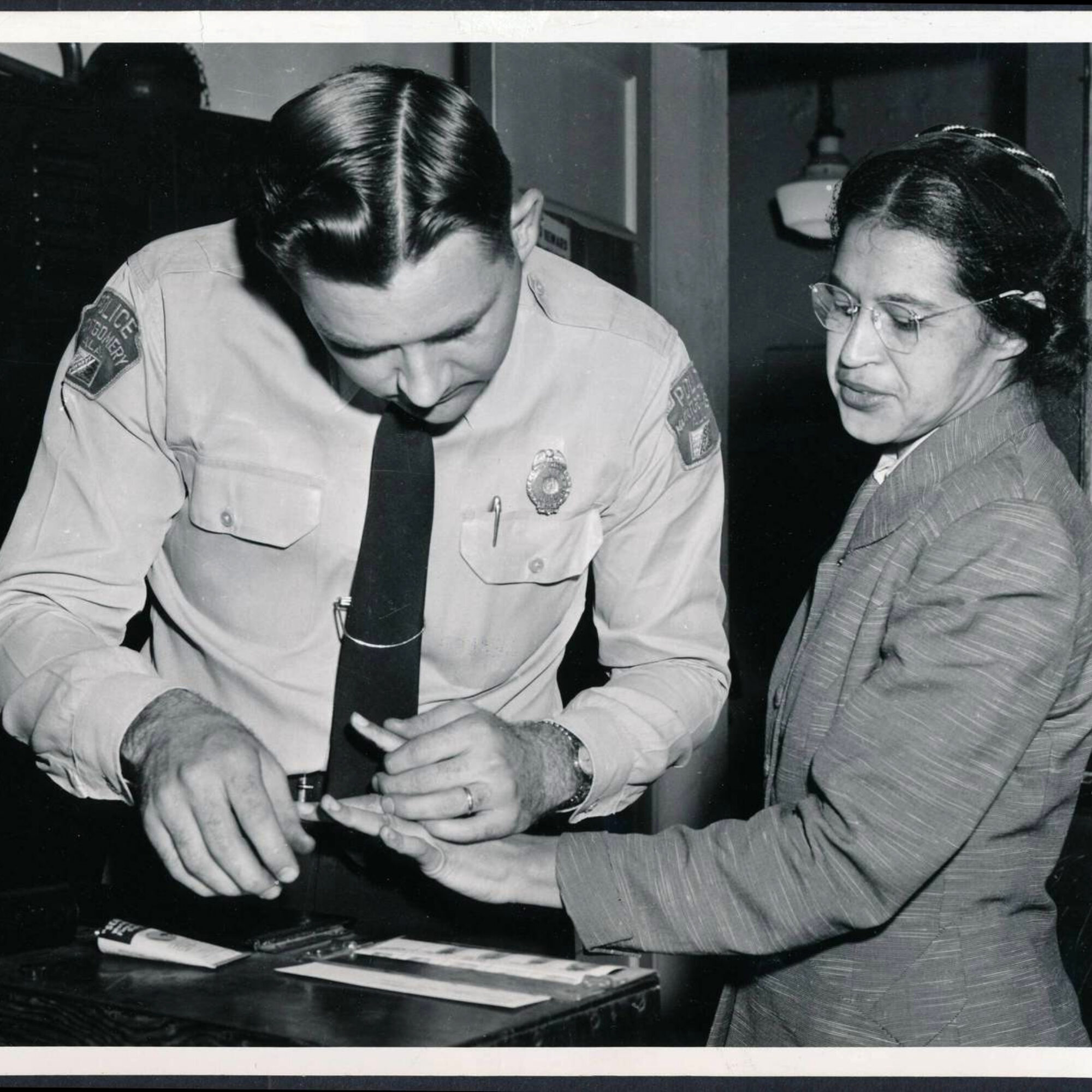
Lately, I've thought of people who say they can't avoid plastic bags, bottles, flying. I suggest just declining, but they say they can't. Saying no reminds me of Rosa Parks. She said no. She didn't just act on her own as the campaign was planned and strategized, but she did it. She was arrested, which no one will be for declining a water bottle. Why do we honor someone if not to follow when the chips are down? Why remember her if when we feel it's right to say no, we don't? Her actions also suggest that even when many people agree and want to act, a spark helps. It seems everyone wants cleaner air, land, and water. As long as everyone thinks, "If I…
Join me at brunchwork in Manhattan to connect with industry leaders and meet brilliant peers over a farm-to-table meal (I'll talk to them about minimizing packaging). My friend told me about brunchwork. I attended an event (with podcast guest Joanne Wilson, her episode is being edited). The community is friendly, welcoming, open, and enthusiastic. You'll be glad you came. Logistics On Sunday, January 27, I'll be chatting about leadership and more over brunch with Maggie Lu, SVP of Strategy at Peloton Interactive, the fitness startup that is revolutionizing digital at-home workouts. Everyone I know who does Peloton loves it, so I'm interested to hear from Maggie too. You know how I feel about fitness. RSVP HERE and use code JS for 25% off. Location: General…
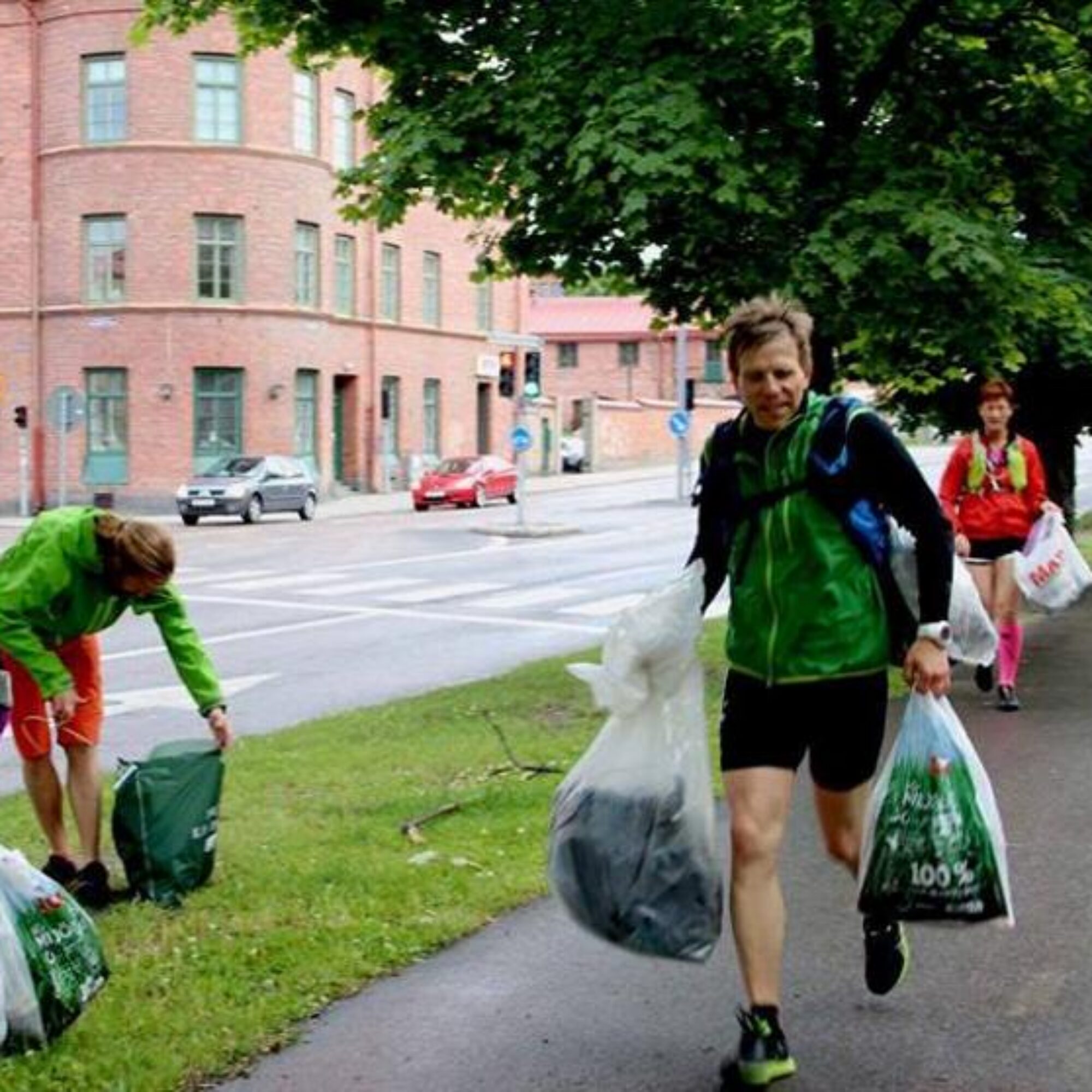
If you haven't started plogging, I recommend it. What's plogging? It's a term the Swedish created for picking up garbage when you run. I've picked up at least one piece of trash per day for a few years. In fact, this podcast began from a former student who, when he heard of my practice, committed to picking up 10 pieces of trash per day for a month. Most people do it by bringing a bag to collect the garbage with. I wasn't sure how to start plogging in New York because there's so much garbage. If I picked up everything I passed I might not make a block. Also, I don't want to run with a bag. Listen to my second conversation with John Lee…
We are swimming in low-hanging fruit Politicians, scientists, journalists, and everyone wonders how to bring third-world communities to first-world standards of living without destroying the environment. It's 22 F (-5 C) outside. I just closed a window in one place in this building. In another I turned off an air conditioner. I turned off an air conditioner when it's 22 degrees outside and we're wondering how to bring others to this way of living? A backward view In An Inconvenient Sequel, India's government says you used coal to get where you are, we want to get there so we'll use coal. History should have told us to respond, "we will use less---a lot less." Gore couldn't because he personally doesn't use less, nor does anyone…
Search how can you tell if you're a good leader and you'll get a lot of answers, nearly all vague, like you are approachable or you're comfortable reflecting on your strengths and weaknesses. Lots of non-leaders reflect on their strengths and weaknesses. Here's how you can measure your effectiveness as a leader: People thank you for getting them to work hard Someone thanking you when you get them to work? For people who don't get leadership, it sounds backward. If they do something for me, shouldn't I thank them? On the contrary, when you see leadership as helping others do what they want but haven't figured out how, you see that leadership means helping people find meaning and purpose in what they do. Meaning and…
If you're like me, you've heard of Bulletproof coffee. Since I don't drink coffee I didn't think much of it, but since I heard about it, I figured the guy behind it was good at internet marketing. I'd come to hear Dave name. Also I kept hearing about people losing weight on it and saying they had tons of energy. Still, I didn't pay too much attention? Was it keto? When I found out he was speaking at the coworking space where I was hosting one of my famous no-packaging vegetable stew and sustainability events, Assemblage, I decided to go and learn more. I was surprised several times over. First, the place was more packed than any event there that I'd seen. Second, everyone was…
My series answering the New York Times' Ethicist column with an active, leadership approach instead of an analytical, philosophical perspective continues with "Was I Wrong to Facebook-Friend My Nephew's Girlfriend?". I'm a 60-something-year-old man with a social-media problem. Like so many others, I use Facebook. Facebook regularly presents users with images of "People You May Know," and the opportunity to send them a friend request. One of the people so presented to me was the longtime girlfriend of my nephew, both of whom live abroad. When she popped up in my feed, I thought it would be a friendly gesture to add her, and, without much thought, I sent her a friend request. Not long after, I got an email from my nephew saying he…
Entrepreneurs and other creators want to innovate, to create meaningful new things that people love. Once in a while someone delivers at an extraordinary level, devoting themselves to expressing themselves so personally and authentically that they inspire us to seek greatness in ourselves to share. I was fortunate enough to experience such a leap forward--unexpectedly and contrary to my expectations, as I'll explain. I'm not a restaurant critic, nor a musician, but an evening at an innovative dining establishment in Culver City, California, has me convinced that its proprietor, Jordan Kahn, may be a Mozart of food. Stay with me. My goal is not to praise Kahn or his establishment, Vespertine, whose name is derived from the Latin vesper, "of the evening" or "evening star."…
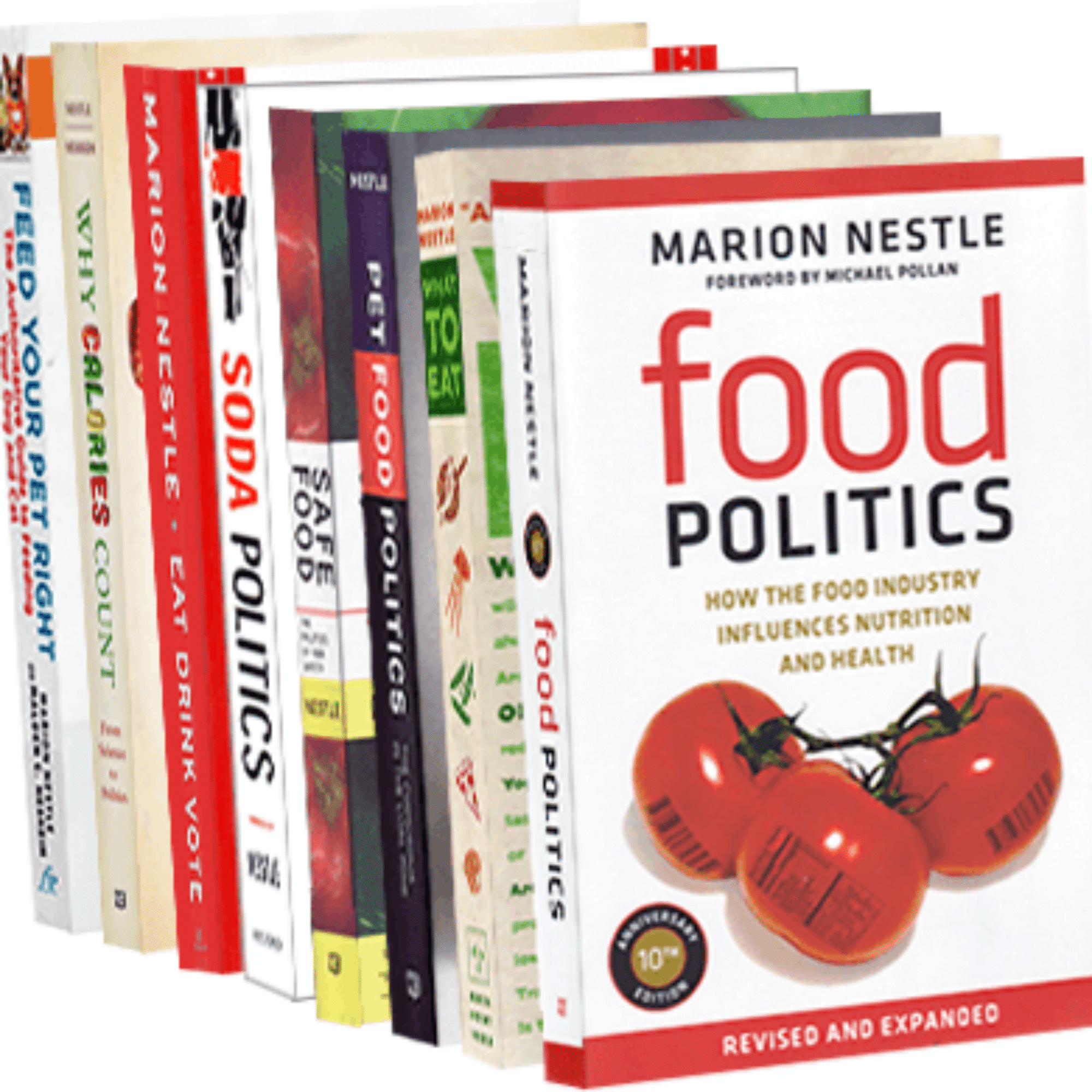
Marion Nestle is a hero for me. Food may be the greatest interest that got me into acting on my environmental action. Avoiding packaged food emerged from avoiding fiber-removed foods, which emerged from reading Diet for a Small Planet in the 80s, which also motivated her. She, her books, and blog, Food Politics, are voices of sense in a crowded field. Her most recent book is The Unsavory Truth: How the Food Companies Skew the Science of What We Eat. I've read most of it and seeing her present on it led to meeting her in person. I recommend it. Her other books include What to Eat, Food Politics, Why Calories Count, Soda Politics: Taking on Big Soda, and Safe Food. I've read about half…
My third conversation with Geoff covers using his research to figure out what to do. I start with a few questions on how to create a vision for the future based on his research. Can we change our growth trajectory, currently leading to ever-accelerating growth, without sacrificing the superlinear growth that makes cities and presumably culture stable? Recall that sublinear growth leads to companies' and animals' limited lifetimes. Without leadership, it seems inevitable to me that we'll reach collapse. Leadership—changing cultural beliefs—seems our best hope. Creating new technology keeps us on the same track. We'd have to work hard to stay off the track we're on. He talks about how futurists from generations ago predicted technology would free up so much time we wouldn't know…
First, I thought Christmas was supposed to be about peace and goodwill. I didn't come up with the concept of a "war" on Christmas. I heard it most from Christians. Snopes traces it to Henry Ford, who attacked Jews with it: "Last Christmas most people had a hard time finding Christmas cards that indicated in any way that Christmas commemorated Someone's Birth," wrote Henry Ford in 1921, more than 80 years before Bill O'Reilly would utter similar complaints on Fox News. The iconic American business tycoon and anti-Semite issued a series of pamphlets in the 1920s (collected under the title The International Jew: The World's Foremost Problem) accusing American Jews of, among countless other crimes, engaging in a conspiracy to "abolish" Christmas celebrations in public…
I can't stand our nanny state that coddles corporations and gives them welfare without requiring they do anything to help society in return. They've manipulated the government to redistribute money from people who work for a living, like me, to corporations that get handouts. It's like socialism for corporations. What made me think of it was a passage from Marion Nestle's Food Politics. Since interviewing her, I've been reading and rereading her books and blog. Here's a relevant passage: "A more important reason for low food prices is that the government subsidizes food production in ways that are rarely evident. The most visible subsidies are price supports for sugar and milk, but taxpayers also support production quotas, market quotas, import restrictions, deï¬ciency payments, lower tax…
My series answering the New York Times' Ethicist column with an active, leadership approach instead of an analytical, philosophical perspective continues with "Should Kids Whose Parents Could Earn Higher Salaries Get Financial Aid?". I have a friend with school-age children who is a professional in a fairly lucrative field. The spouse is in a nonlucrative field. My friend chose to work fewer hours to spend time with their growing children, greatly reducing the family's take-home pay in the process. This friend wanted the kids to go to an expensive private school that has a scholarship program with income requirements to qualify for student aid. Aid was applied for and received. I feel that it is inappropriate to use scholarship funds when the lack of income…
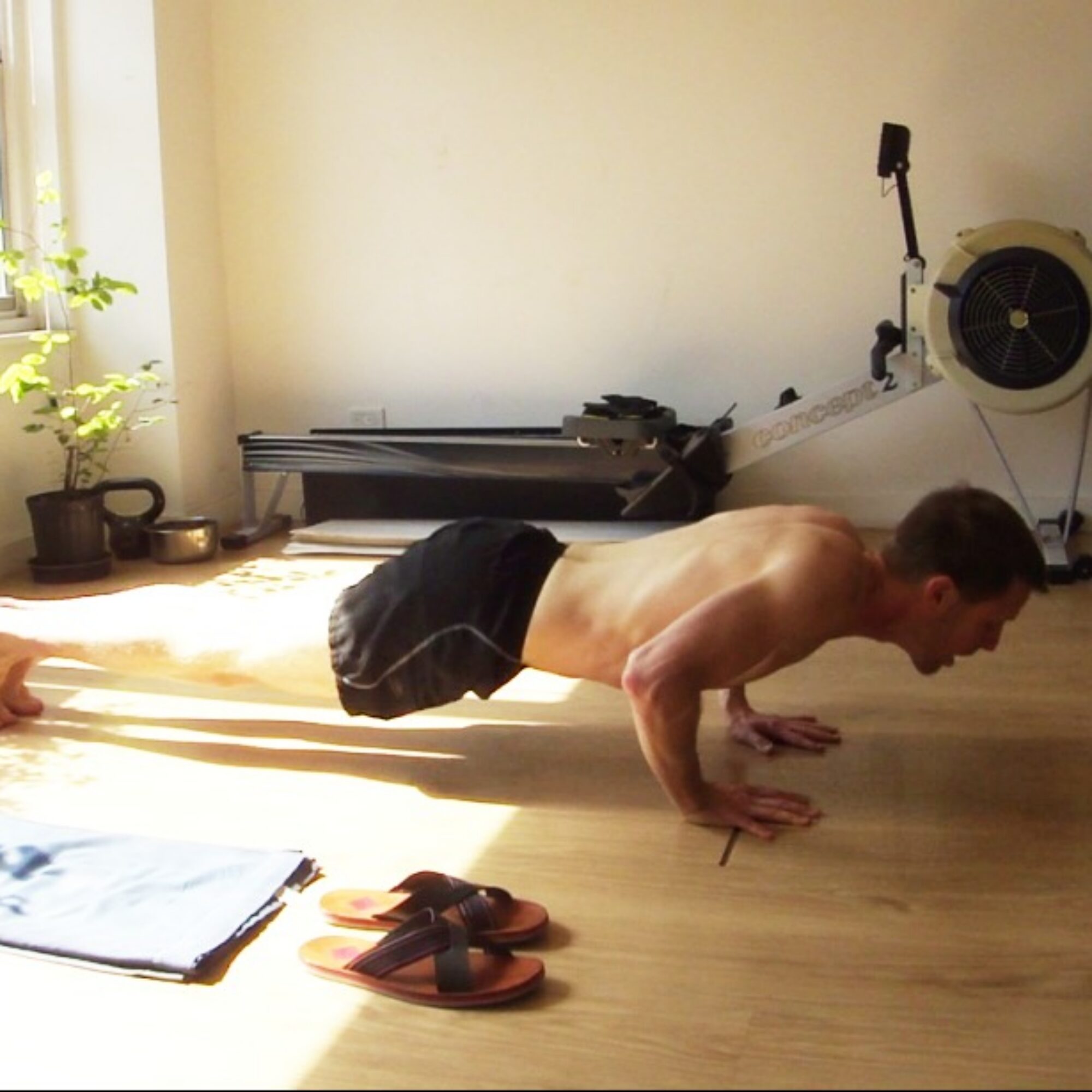
A recent morning burpee
On December 22, 2011, I did ten burpees, planning with a friend to do ten a day for thirty days. A recent morning burpee Origins A friend asked me in my senior year of high school how I had lost my chubbiness from 9th grade, since he and I started with the same body type but I got more fit. My joining the cross country team probably helped. I also played ultimate frisbee with friends when we could on the school's north lawn, organized by ourselves, not the school. In any case, running cross country in high school was my first voluntary regular exercise. My grade school didn't organize sports, though I remember running around a lot during recess, which schools restrict kids from more…
The nation and world have seen a lot of sexism and inequality. I don't like it. I work to end it. I don't believe that the counter to sexism hurting one sex is sexism hurting another group, I believe it's to stop hurting either and to promote equality. Not everyone agrees, it seems, as some like to judge others by their sex. Naomi Fry wrote in the New Yorker, "This year, like the year before it, was a rough one for the reputation of the American male." You might think of fields with mostly men in them: metal workerswelderscentral heating installerscar mechanicsconstruction carpenterselectricianstruck driversbrick layersand so on Are they doing a bad job? These are difficult, dangerous jobs. Maybe their reputations are contributing to men…
This episode is for people who detest Trump. I'll speak to people who love him in future episodes. If you pollute and emit greenhouse emissions beyond the IPCC recommendations, which one round-trip cross country coach flight will nearly do, you personally pulled out of the Paris Agreement so many people criticized Trump for pulling out of. If you defend your flying and other pollution as necessary for your job, congratulations, you used the same excuse behind killing every piece of environmental legislation that's lost. Beyond your actions' effects on the environment, when you tell others to sacrifice for things you don't, you motivate people to vote against you. If you care about issues you differ with Trump on—abortion, gun rights, Supreme Court justices, how the…
I talk to a lot of people who aren't acting on their environmental values. They explain their inaction in many ways, but one of the top ones is that they claim they first have to raise their awareness or become more conscious. To claim unawareness of an issue making global front page news monthly, maybe weekly, when anyone who has ordered takeout or considered eating less meat or driving fewer miles, everyone is plenty aware of the situation and things they can do about it. Action leads to awareness more than the other way around. People will deny it, but nearly everyone uses the specious, fatuous, self-serving pursuit of awareness as a delay tactic, a smokescreen to distract from action. Sadly, beyond delaying awareness, delaying…
Beth personifies whom this podcast is designed to showcase: someone whose hard work, risk-taking, and personal challenge brought her to the pinnacle of her craft, which she is willing to share. That is, someone who did what leaders in the environment have to---to work hard before you can see the light at the end of the tunnel, having faith in yourself. She shares inside views of cultural change toward environmental stewardship at General Electric, with over 300,000 employees, a world of suppliers and clients, a century of history including major environmental damage. To this day, when I mention swimming across the Hudson, people ask about GE, PCBs, and carcinogens. She didn't shy from the challenges. She took them on. As I saw it, she worked…
Many people believe that technology will save many of our environmental problems. I've written and spoken on how making a polluting system more efficient will lead to it polluting more efficiently. My recent cross-country trip by Amtrak, which prompted me to wonder what it would take to transform Amtrak into a first-world train system, illustrated the challenges of systemic change and how pushing on one lever won't do it. Do you think just putting faster trains on Amtrak's tracks would create a system with trains running at first-world speeds, which are double Amtrak's current maximum speeds? Not a chance. This episode considers what goes into systemic change. I close with a reminder that despite its difficulties, the first steps are obvious: you and me, here…
My series answering the New York Times' Ethicist column with an active, leadership approach instead of an analytical, philosophical perspective continues with "Do I Have to Repay a Loan to an Ex-Lover?". I recently ended a long relationship (we were engaged for several years). The split was tumultuous but ultimately amicable. While we were together, my fiancé gave me a loan to help with rent while I was on a low-paid work assignment as part of a graduate program. The sum was not small, but also not cripplingly large — about what you would pay for a used car, and he could afford it. He asked me to sign a contract — a template he pulled offline. As part of this deal, he stipulated that…
Mainstream economists and nearly everyone else promotes growth---economic growth, which means population growth. They specifically want a minimum percentage growth per year, which means exponential, which, contrary to popular conception, means a specific pattern more than just a lot. Exponential growth can't last forever on a finite planet. Even if you think reaching other planets will help, it won't help the people on this planet after others leave, and we'll run out of galaxy to populate, even if we could reach other planets, in less time than has elapsed since ancient Egypt, assuming a modest 2% growth. What growth means More to the point, what does requiring growth mean? It's not that subtle a concept. Wanting growth means wanting more. It means needing more, which…
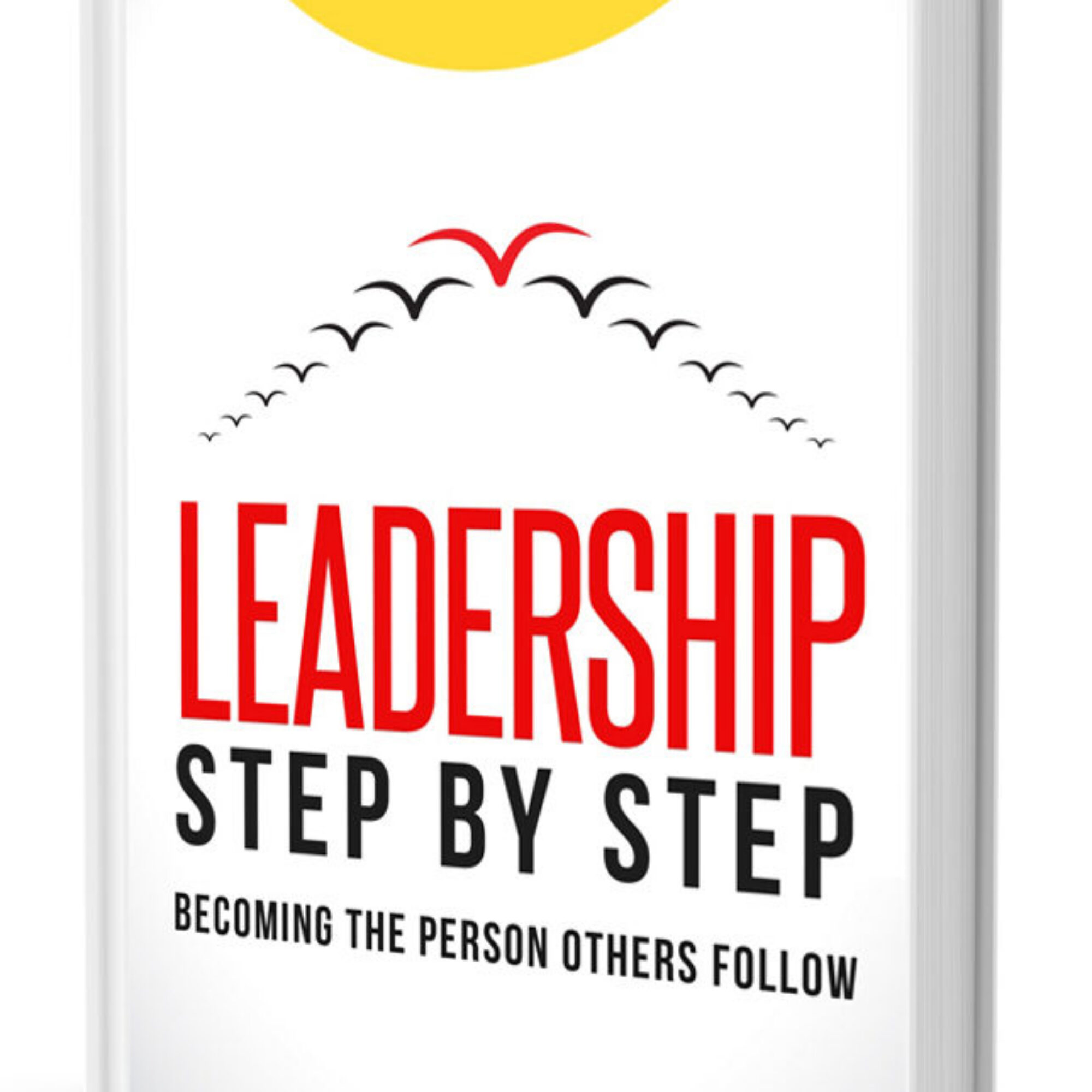
First, for attendees interested in the slides so you can practice the exercise, here they are. Here is the post I mentioned with videos of me doing the exercise with Marshall Goldsmith and a link to the chapter in my book. The attendees asked great questions in today's workshop with Columbia's alumni. I wanted to follow up with one: "What other resources do I recommend?" While I mentioned my book, Leadership Step by Step, I downplayed it. I want to deliver value to attendees and don't want to sound conflicted in promoting something I make money from. Downplaying my book was a mistake. I wrote it for a reason. For years I searched for a resource that taught leadership the way I considered most effective:…
A friend recently distinguished between happiness in the moment and, her words, "true happiness." I asked her the difference. She said that true happiness endured, whereas the other kind was fleeting. I asked if she could give an example of true happiness. She thought and realized she couldn't, because any happiness, however deep, she felt, would eventually give way to other emotions. Friends, food, and wine bring happiness I used to distinguish between levels of happiness. I also used to point out that no matter your emotions before, if you get together with friends you like to eat food and drink wine you like, it may take time, but you'll eventually feel happy. Maybe for you the happiness comes from other activities, but with the…
Many who serve in the military become leaders in business, politics, entrepreneurship sports and many other places. Why? What does the military teach so well in leadership? I believe that lack of effective leadership is the greatest impediment to effective environmental action. That's why I have this podcast Leadership and the Environment. If you want to improve your leadership, this conversation will tell you all you have to do. You'll have to listen to it many times. Implementing it may take a long time but I'm not aware of any short cuts to leadership. My guest today is Colonel Everett Spain of the U.S. Army. He's a professor at the U.S. Military Academy, that's West Point and he's the head of the Department of Behavioral…