Success through values, meaning, purpose, importance, and passion
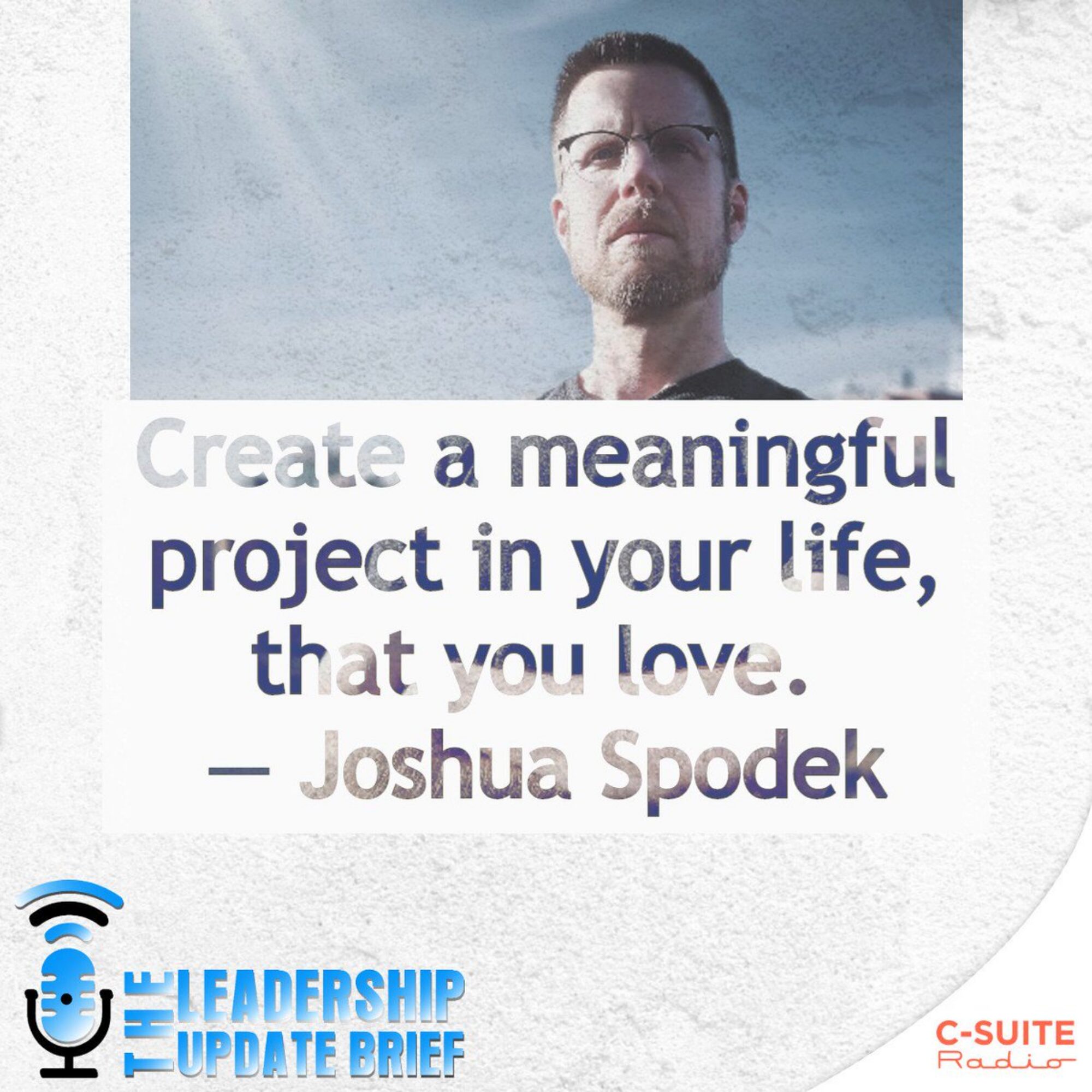
Get the inside scoop! The first radio interview on my new book, Initiative, launching May 21, went up today with Ed Brzychcy's Leadership Update Brief. Listen for sneak previews and behind-the-scenes motivation and origin stories. The book's full title is INITIATIVE: A Proven Method to Bring Your Passions to Life (and Work) Even (Especially) If You Don't Know Yours Yet Stay tuned. Over the next couple weeks, until launch, I'll share more sneak previews, early reviews, excerpts, pictures of the cover, and more. In the meantime, listen to my conversation with Ed for the first inside views.
We're living in a world of people who are judging parenting from the view of a partier, which makes sense when you don't have a child -- something to take responsibility for. But we have such a thing, the environment. The joy you wish you could get from exploring nature you can get from protecting it, even if that means picking up other people's garbage. I know people who used to party a lot. When they have kids they take on responsibility far greater than bringing reusable bags to the store, giving up their old fun lifestyle. I have yet to meet a parent who regretted that responsibility. We can learn from that perspective and apply it to what has effectively been a few centuries…
The challenge for habits isn't starting them. It's not stopping them. I've started many. Actually, I've probably started fewer than most. I've stopped fewer. Mistakes: focusing on starting, wondering the value of it to you, they're mostly valuable, the problem isn't that they aren't valuable, it's that they are and that there are too many, asking how to start. To start is simple. Floss your teeth. The problem is that one day you won't and if you miss one day you can miss two. If you miss two, it's all over. Aristotle's quote on excellence Excellence is an art won by training and habituation. We do not act rightly because we have virtue or excellence, but we rather have those because we have acted rightly.…

A Watt Steam Engine
A Watt Steam Engine Silicon Valley, governments, and lots of people are pushing for efficiency. I do too, but only after changing systemic beliefs and goals. The greatest cause of global warming would have looked like the greenest clean energy innovation ever: the Watt steam engine. It led to our environmental problems today more than anything else. We'd be fools to think today's green clean energy will do any different. Changing beliefs and goals will create results, not ignorantly continuing the patterns that got us here, thinking we're different. Efficiency is different than reducing total waste. An LED will never compete with simply turning off the light. If you thought, but the light enables things, that belief, especially if you reflexively believe that the alternative…
In this part of the conversation, Chase and I spoke about the environment. He's very thoughtful about it, though hasn't acted on it, for reasons he eloquently explains. I take the liberty of persisting politely, so if you haven't acted or want to influence others, you'll hear a lot of resistance that many feel but rarely express. If you're interested in developing your environmental leadership skills, this episode will show you a major problem you'll face: people hearing what they want or expect to hear more than what you say.
Chase runs GirlsChase, one of the most trafficked sites for dating coaching, which recently celebrated 10 years in business. It sets itself apart from its peers, besides its longevity with basic material, not gimmicks, for men to improve their lives, still getting about 40% traffic from women. The episode is long because Chase shared in depth what I consider valuable for someone wanting to lead in the area of the environment -- an area people want to act in but most put off. He had to marshal his passion for most of those 10 years, developing community, listening, and motivating himself You'll hear the reward, in how he changes his customers' lives. First we talk about the dating education world, often misunderstood.
Focusing on nonjudgment and support has taught me a lot. People like responding to judgment. Want clicks? Put judgment in a headline. "The right way to X," "The best Y," "What's wrong with Z." Want long-term attention? Invent a word or concept that sounds objective but is subjective, sound authoritative, and throw in some judgment. Think "orthorexia nervosa." Someone made up a term to imply people focus too much on eating healthy. Some guy based on a hunch. The term sounds medical. For improving the human condition, making the term up doesn't help. It just confuses. But for generating attention, brilliant. Devoid of solid grounding, people will go back and forth forever. For example: boxers or briefs in men's underwear. There's no right or wrong,…
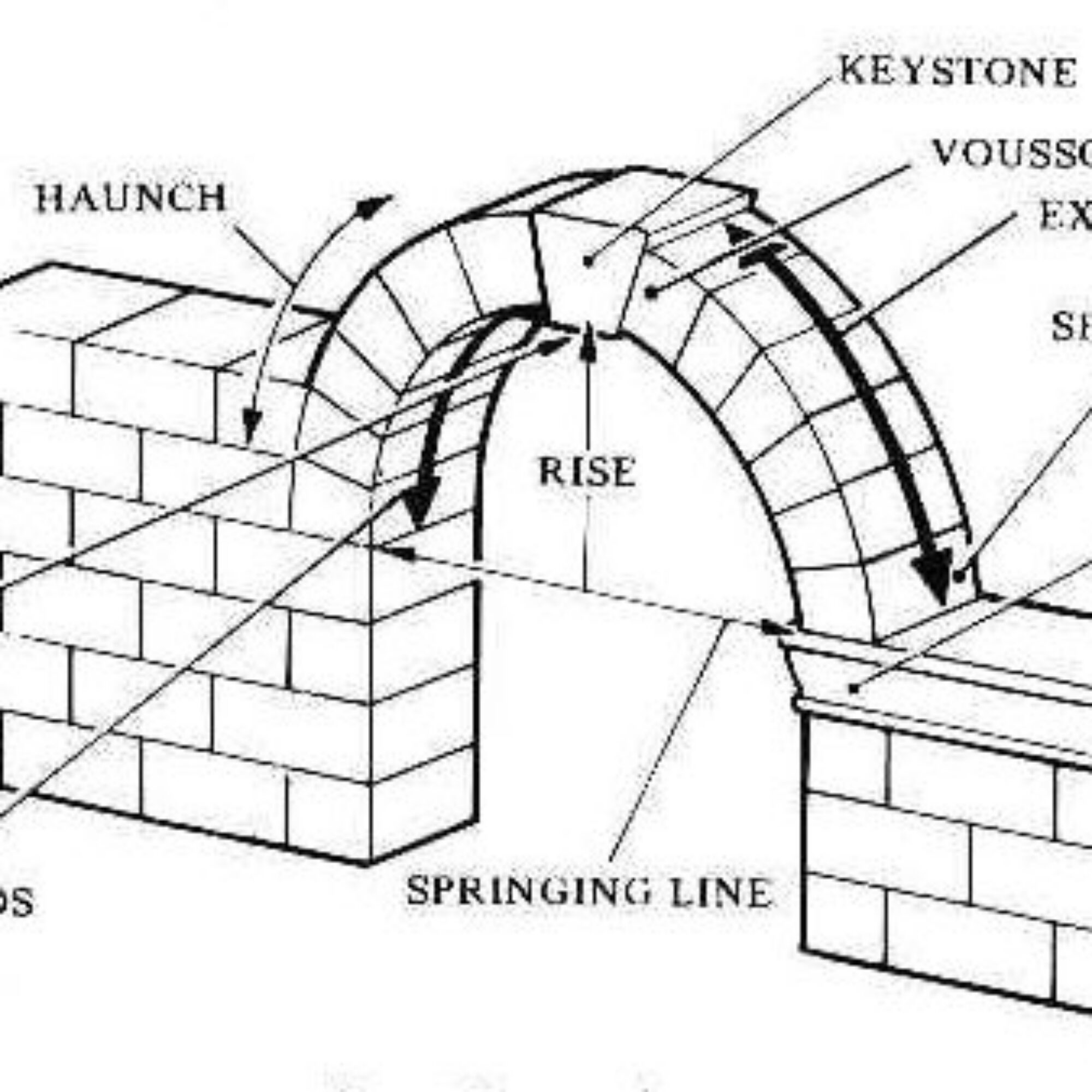
I've meant to write this pattern: behavior that causes the problems that the behavior is supposed to solve. Trying to strengthen an arch by supporting it from below. Arches derive their strength from the pressure its elements put on each other. Supporting its elements from below reduces the pressure between elements and weakens the arch. I think shoe makers love this effect. They sell shoes that purport to support your foot's arch, which weakens it, which leads you to seek more support, which sell more shoes. You can avoid this death spiral by strengthening your foot arch muscles instead of atrophying them. Holding teachings responsible for student results in high stakes testing. This practice comes from believing that more accountability of teachers motivates them to…
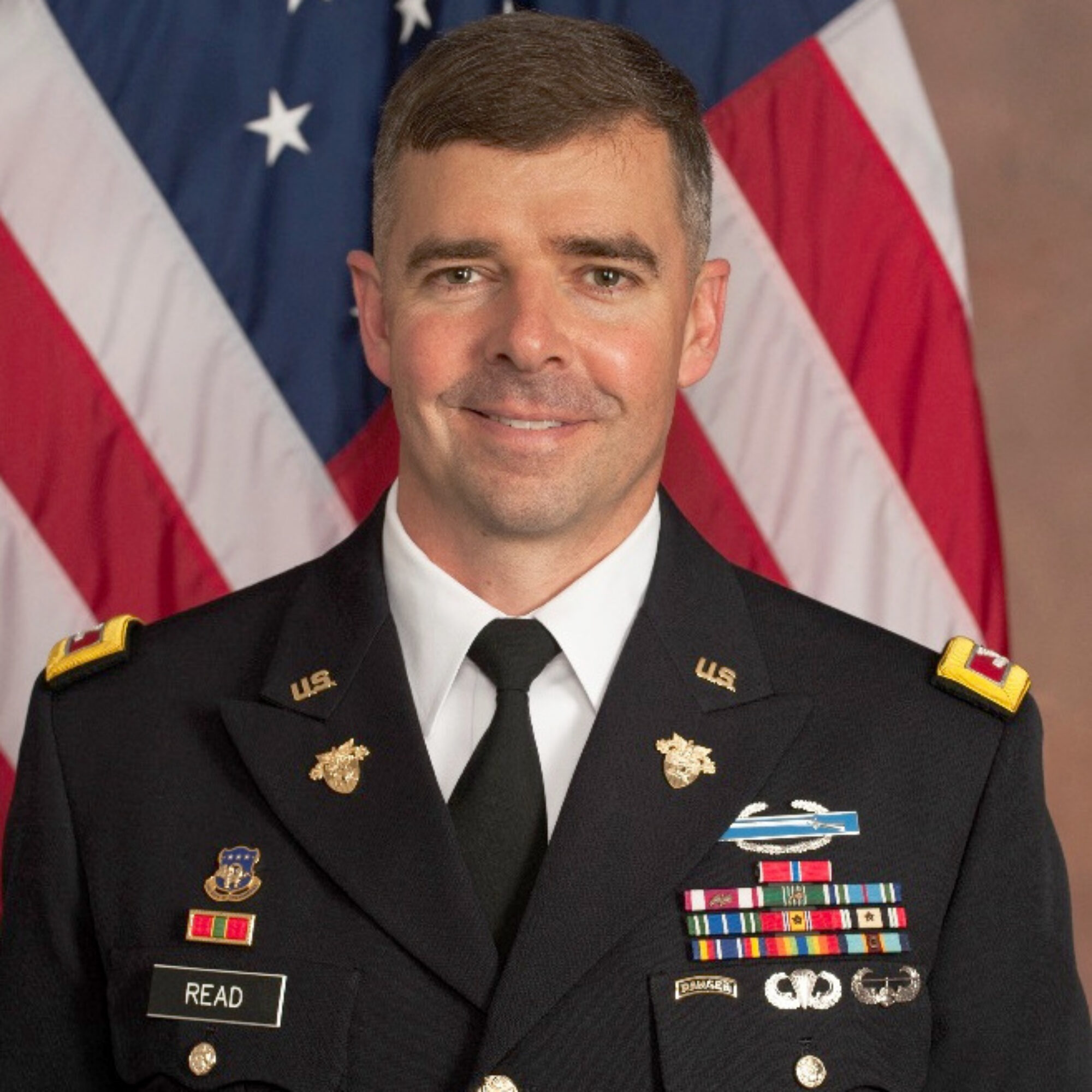
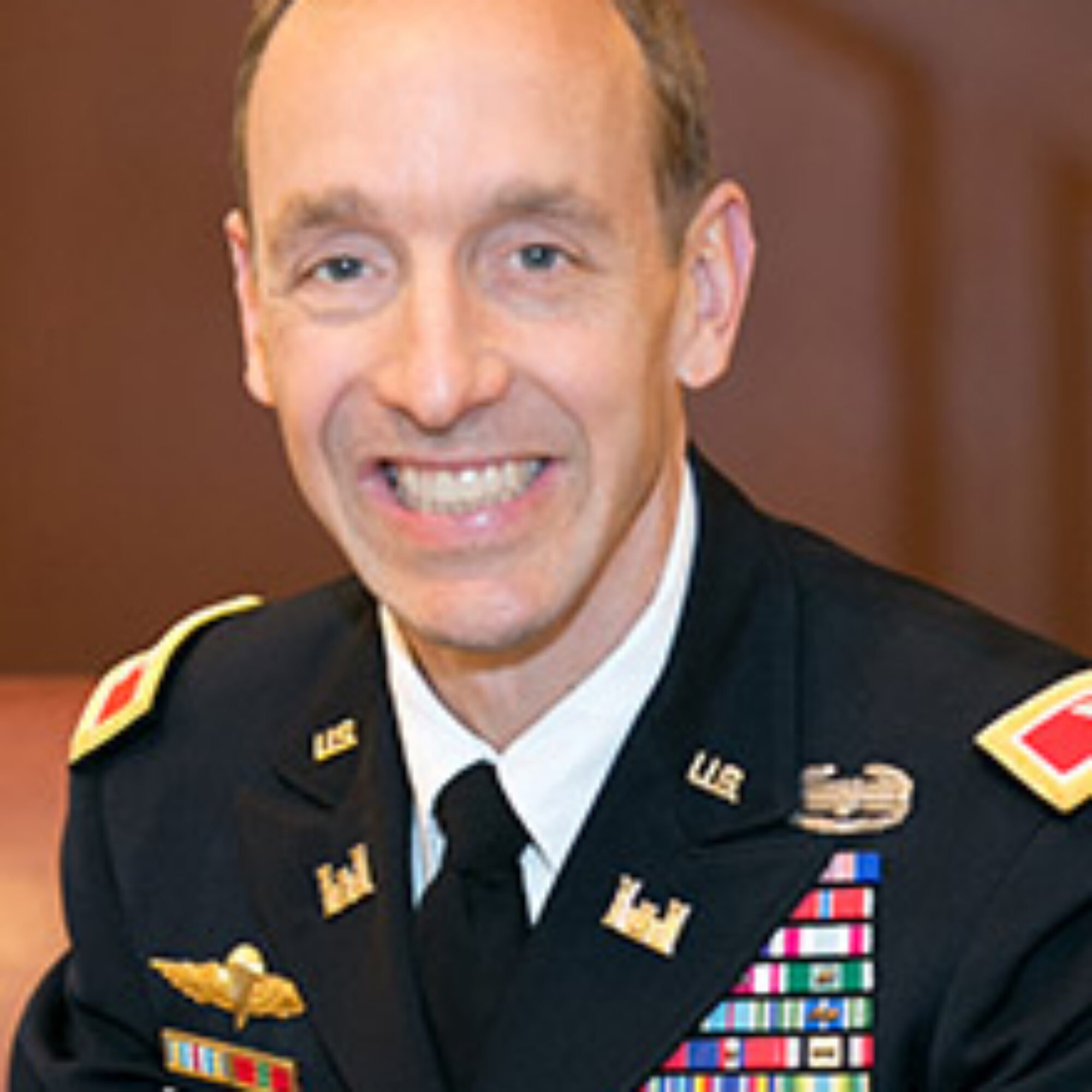
A lot of people say, "Josh, easy for you to act on the environment. You don't have kids." First, I could point to former guest Bea Johnson, who with her husband and 2 sons, produce less than a mason jar of trash per year, whom I see as role models to aspire to. I could point out former guest Jim Harshaw, who involved his four children and wife in his personal challenge. They loved the process and he used it to bring them together. Now I can point out Colonel Mark Read, whom you're about to hear talking joy, fun, bringing family together and not in small ways. Acting on their environmental values connects them across generations, which he then brings to West Point cadets.…
As a professor of leadership, host of this podcast, and constant student of acting by my environmental values, I live and work in the intersection of leadership, education, and the environment. Ken Robinson does too, but with a big difference: he's been here for decades longer, actively practicing in each. This episode approaches each of education, leadership, and the environment from several perspectives. I can't say anything better than his voice carries the wisdom and vitality of someone who has worked here for longer and with greater passion than maybe anyone I've met and I'm in this world. I'll keep this writing brief. Let's listen to Ken Robinson. One last caveat: our schedules meant recording by phone, meaning the audio quality isn't like being in…
I read the news---more specifically, pages that refresh daily or more frequently---a couple times a month and usually regret it. It usually reminds me that their main goal is to keep people reading, which it achieves by prompting outrage or some other emotion that keeps bringing you back but doesn't necessarily improve your life. That is, news is more "want more" than "tastes good." Anyway, since I read some news, I'll comment on some stories. Sex On the sex front, Rather than wrestle a girl in the state championship, this high schooler forfeited. The headline doesn't specify that the wrestler who chose to forfeit is male. Assuming he would be seems to perpetuate that wrestlers are male. What gets me is the number of commenters…
My series answering the New York Times' Ethicist column with an active, leadership approach instead of an analytical, philosophical perspective continues with "Can I Turn Down Family Requests for Money?". My family splits into two camps: people who have money and people who don't. We didn't start in different places; we evolved into them. My father, my brother and I are savers and planners. My sister, my aunt and my mother received the same inheritances, the same educational opportunities and the same career options, but they have spent everything they have and more. My mother and sister each filed for bankruptcy (my mother passed away with more than $1 million in debt). My aunt is hanging by a thread. The question is how to deal…
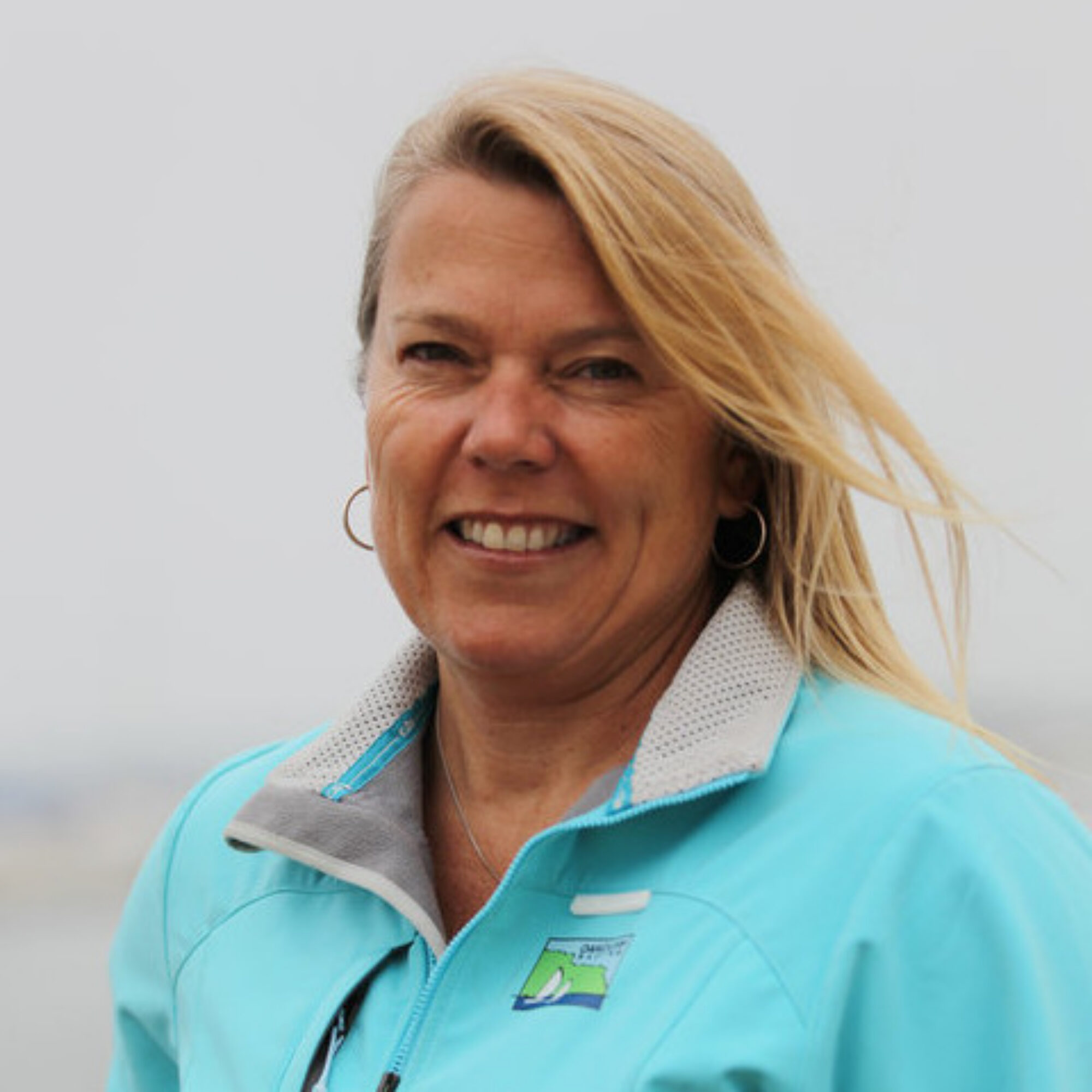
Right off the bat, we talk about Olympians, Americas cup winners, and a Crossfit games champion. The places Dawn brought me to were elite -- this time a fundraiser on Wall Street, the first time the New York Yacht Club, the next time her sailing facility for world-class athletes, Oak Cliff. Yet Dawn is as down to earth as anyone I've met -- scrappy, as she put it. She makes pickles for world-class athletes. She already reduces waste and tours composting facilities. So hear how someone like her, probably busier than you and I and responsible for people's hopes and dreams, takes on environmental challenges many people consider distracting. She makes it fun. On another note, I recommend learning to to sail. You meet people like…
The following aren't all my nutrition rules, but they've served me well. I'll probably add to them over time. If food advice comes from an American, probably best to ignore it or do the opposite. Avoid talking about protein, carbohydrates, and other scientific concept that you can't sense. Talk about broccoli, cabbage, and spaghetti squash---things that you can hold in your hand or pick up with your fork and eat. A restaurant that asks, "what protein would you like?", thereby categorizing beans with chicken, will likely serve mostly unfit people. Ignore "latest findings" until they've endured five years without another latest finding contradicting it. (They never do.)
My series answering the New York Times' Ethicist column with an active, leadership approach instead of an analytical, philosophical perspective continues with "Can a Doctor Refuse to Treat a Patient Who Takes Cannabis?". A friend was recently diagnosed with multiple myeloma, a cancer of a type of white blood cell called plasma cells. There is often significant pain associated with this condition, and my friend has been treated with high doses of different opioid combinations, in addition to chemotherapy. My friend lives in Colorado, where he has easy access to medical marijuana, and he asked his oncologist if he could add this to his regimen in hopes of decreasing his dependence on opioids. The oncologist told him that he would refuse to treat my friend…
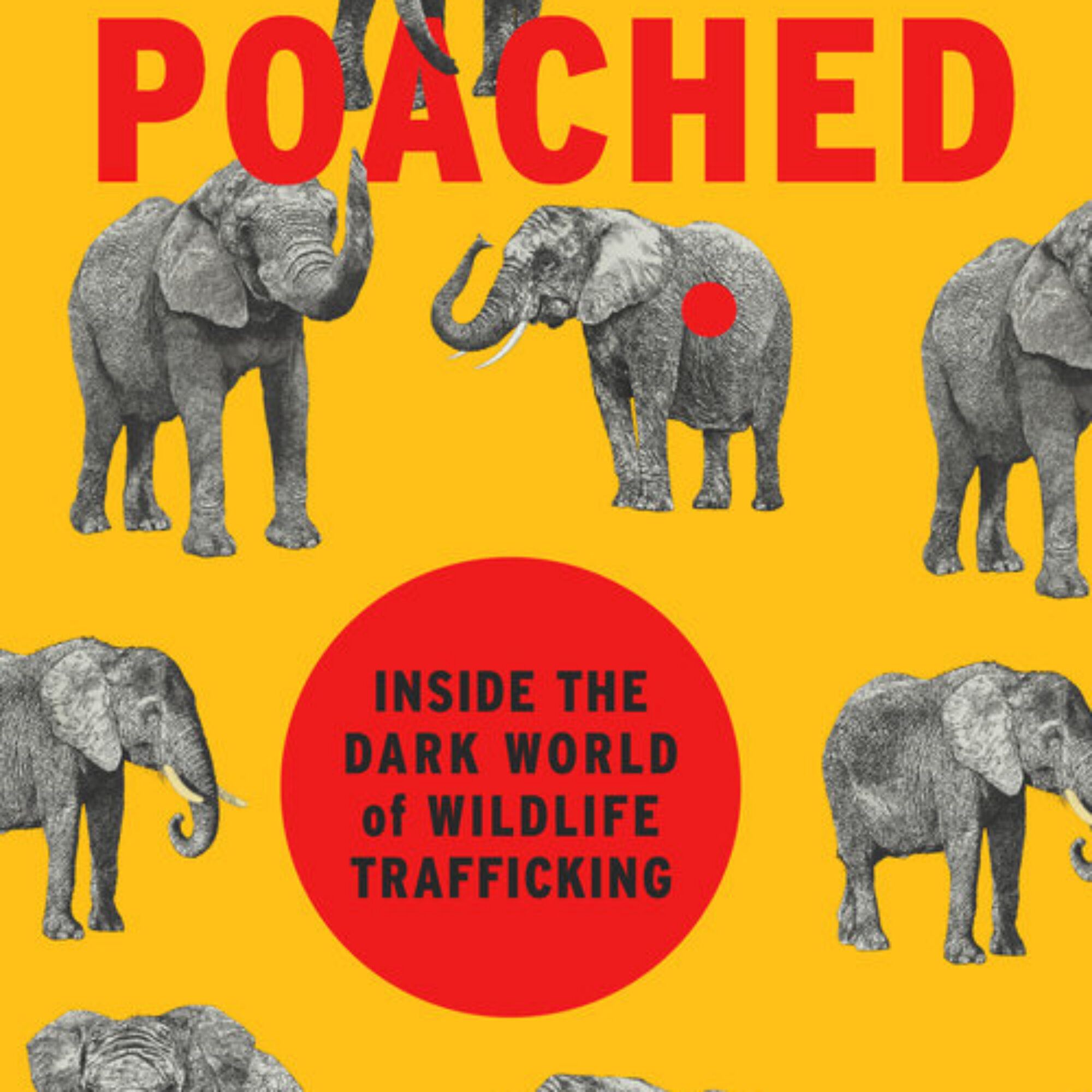
I put off reading Poached: Inside the Dark World of Wildlife Trafficking for a long time and I didn't have to. I should have read it earlier. A book on animal trade by a New York Times and National Geographic writer who went undercover and traveled the world to visited prisons, secret breeding facilities, poachers, and every corner of the trafficking trade might make me cringe with reports of cruelty and gore. Out of fear, I waited but didn't need to. While trafficking is cruel and seems near hopeless, we care. Most of the world supports and honors laws protecting species from extinction, pain, and violence. We don't want needless suffering whether by humans or not. If it happens, though, we want to know, to…
This episode is longer, but full of inside views at a leverage point of leadership and the environment. Consulting firms and business schools wish they had access to global corporate leaders at the frontier of change like Lorna. We spoke in-person about multinationals she's led across the globe. And she takes on one of the longest personal challenges of any guest so far. Lest you think the conversation was all about mega-corporations, we also talked about vegetables and leaders reduced to tears on seeing what environmental values they could have acted on but had put off too long and felt the consequences. Lorna has influenced big, global business, helping shift Danone USA to become a B-corp, working directly with the CEO of the company that…
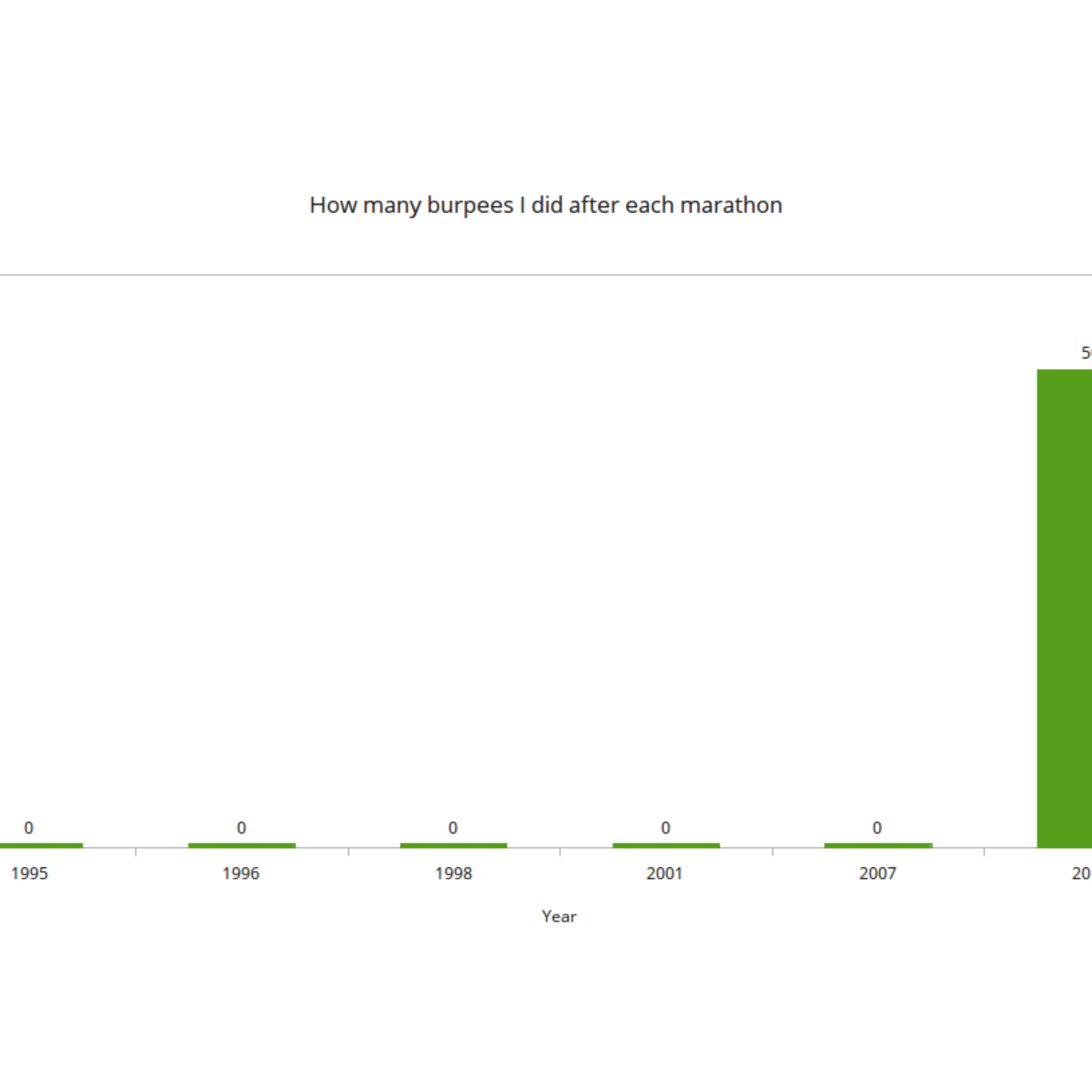
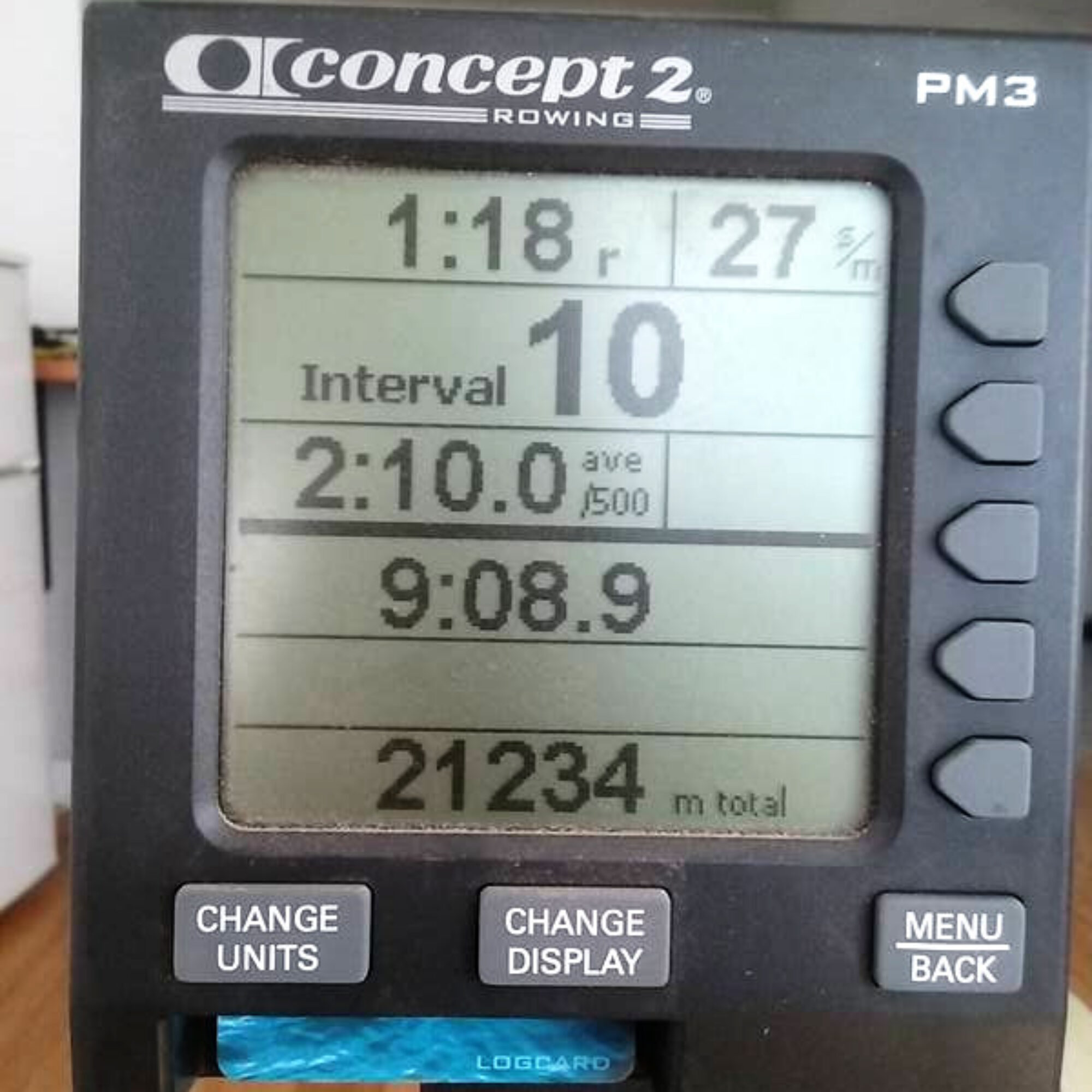
I recently interviewed Olympic gold medalist and Crossfit Games champion Anna Tunnicliffe Tobias, whom I met through America's Cup winner and podcast guest Dawn Riley. Given Anna's achievements, she's remarkably down to Earth (as is Dawn). In researching her, I found that last year's Crossfit Games included a rowing marathon---that is, rowing 42,195 meters. The athletes learn what events they'll do only hours before competing, so they just had to do it. Why not? I figured if they can, I can. I decided to try rowing a marathon. I made a couple concessions. I'd never rowed more than 45 minutes or about 7,500 meters at once before, which may have been five years ago. For a 47-year-old, five years means meaningful aging. So I decided…
I met another NYU professor and talked to her about leadership. I told her how many people tell me they want to lead, but when opportunities arrive, they see risk, not opportunity, and fold. Leadership opportunities almost always mean doing what hasn't been done before, or what people don't know how to do. If they did, they wouldn't need a leader. In the abstract, people want to lead. They want to take charge. They want admiration and trust. In practice, they cave. They choose what they think will pay the bills. They jettison their passion. They follow There are a few related terms: leadership, followership, and teamwork, for example. Schools say they teach leadership, but when they assign reading papers, writing papers, discussing case studies,…
David and I could have talked about growth and how many people think growth is sustainable and non-growth isn't, which seems based on a system hurtling toward collapse, whereas a steady-state economy and population can be sustainable. Instead we just talked about the fun of riding more and getting outside. He lives in Colorado with hills. What looked like a challenge before starting became part of the joy. The natural environment is like that. I see it over and over with guests. We talk about how one joyful thing leads to another when you shift from making excuses to avoid acting to acting. David's stronger than before, finding things about his neighborhood and himself. One of my life's great experiences was riding my bike from…
I began posting daily to this blog on January 29, 2011, so today marks day 1 of year 9. Now That's 3,328 posts over 2,922 days (I double posted on many days, plus transcripts for the podcast get their own posts). Daily posting led to the development of the sidcha concept, which I consider (possibly) my greatest discovery so far, as well as my burpee, cold shower, picking up trash, and other sidchas. Screen capture from Archive.org, November 16, 2012 Several times in the past eight years, I've had no internet access, including two 2-week North Korea trips and several 10-day meditation retreats with no reading, writing, or internet access. I scheduled posts ahead of time to deliver. I can't begin to describe the value…
Would you expect the army to change sooner or later than other institutions---say business, traditional education, or non-profits? Col. Spain committed to using less plastic bottled water for 30 days. He reduced his typical use from 40 bottles to 1. At what cost? It sounds to me like the "cost" was of practicing discipline and selflessness, which sounds positive to me, what leads to long-term change. I suggest listening for the emotional timbre of his change. Would you say he considers his life better or worse? He practiced personal leadership. He affected his family in a way I think he'd call positive. I heard him sounding satisfied for leaving the world better for his new behavior. I heard him want to continue. For those looking…
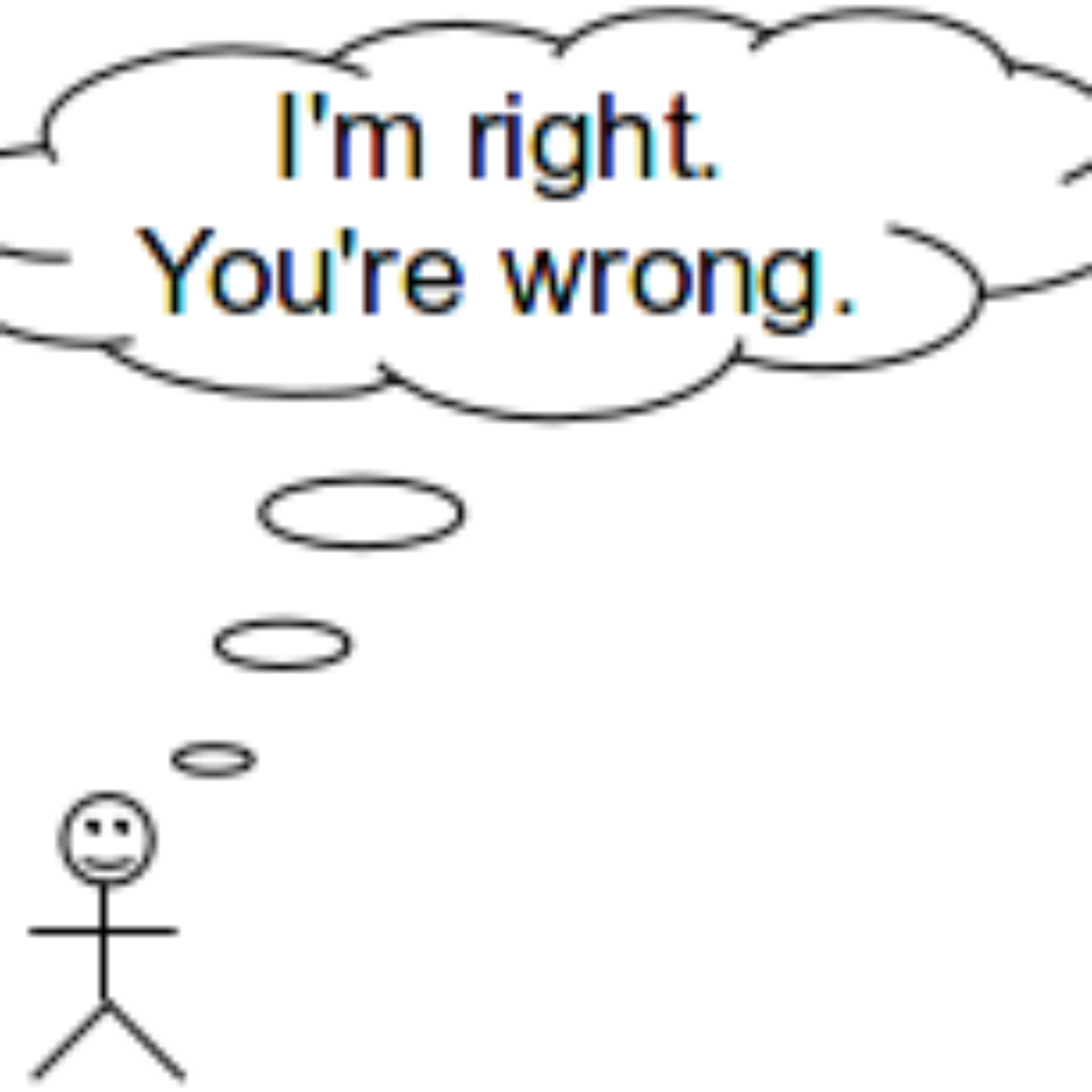
I learned a lot in this conversation. That's a euphemism for it being challenging for me, since my measure of working was different than Ann-Marie's. You'll probably hear me struggling to listen and learn her experience and perspective without disagreeing. Part of why I invited her and value our friendship is our different values. Different values mean we balance them differently. Leadership means listening, making people feel understood, and supporting them as people, even when you disagree, at least my style of leadership. Listening now, I don't think I listened as much as I could have. I could have learned more about a different perspective that many people share. This conversation led to several monologue posts I put up on awareness often leading to inaction,…
"How do you plan to convince him of that?" "I want to convince them to help." People talk about convincing a lot. Maybe I hear it more since I teach leadership and people link leadership with convincing. I see convincing as nearly the opposite of leadership. I've written before how when I hear the word convince, I substitute "provoke debate" for it and find the sentence more accurate. The emotions and motivation the act of convincing provokes are about debate. Trying to convince motivates people to debate you, often leading them to hold positions more strongly. You lead them, but the opposite direction you meant. The Root of Convincing The English language backs me up. Here are the roots of the word: Latin convincere, to…
Some things I speed through---doing the dishes, some emails. I think a lot of people speed through as much as they can. Some things it makes no sense to speed through. A museum with great works of art. I can't see them all, so I might as well maximally experience and enjoy what pieces I can see. I might speed through for fun or novelty, but those times are the exception and I accept that I'm sacrificing depth for fun. Most art falls in this category. I speed the playback of podcasts but not music. The point isn't to listen to more songs but to enjoy each. Art I don't like, I don't mind speeding through. Galleries, for example, don't all have art I like…