Success through values, meaning, purpose, importance, and passion
This week I finished: The Gulag Archipelago, volume 3 by Aleksandr Solzhenitsyn: This book changed me---the full three volumes. I grew up learning about Hitler and Nazis. I knew something about Stalin and the USSR, but not how much they would put the Nazis in perspective as less deadly. I recommend this book to anyone and everyone. It's long and the subject horrific, but necessary if you want to know what humanity is capable of, tragically. TIME Magazine called it "the best nonfiction book of the twentieth century." Solzhenitsyn won the Nobel prize before this book, especially for One Day in the Life of Ivan Denisovich, but he considered Gulag Archipelago his greatest work. I finished it because my upcoming book covers what happens when…
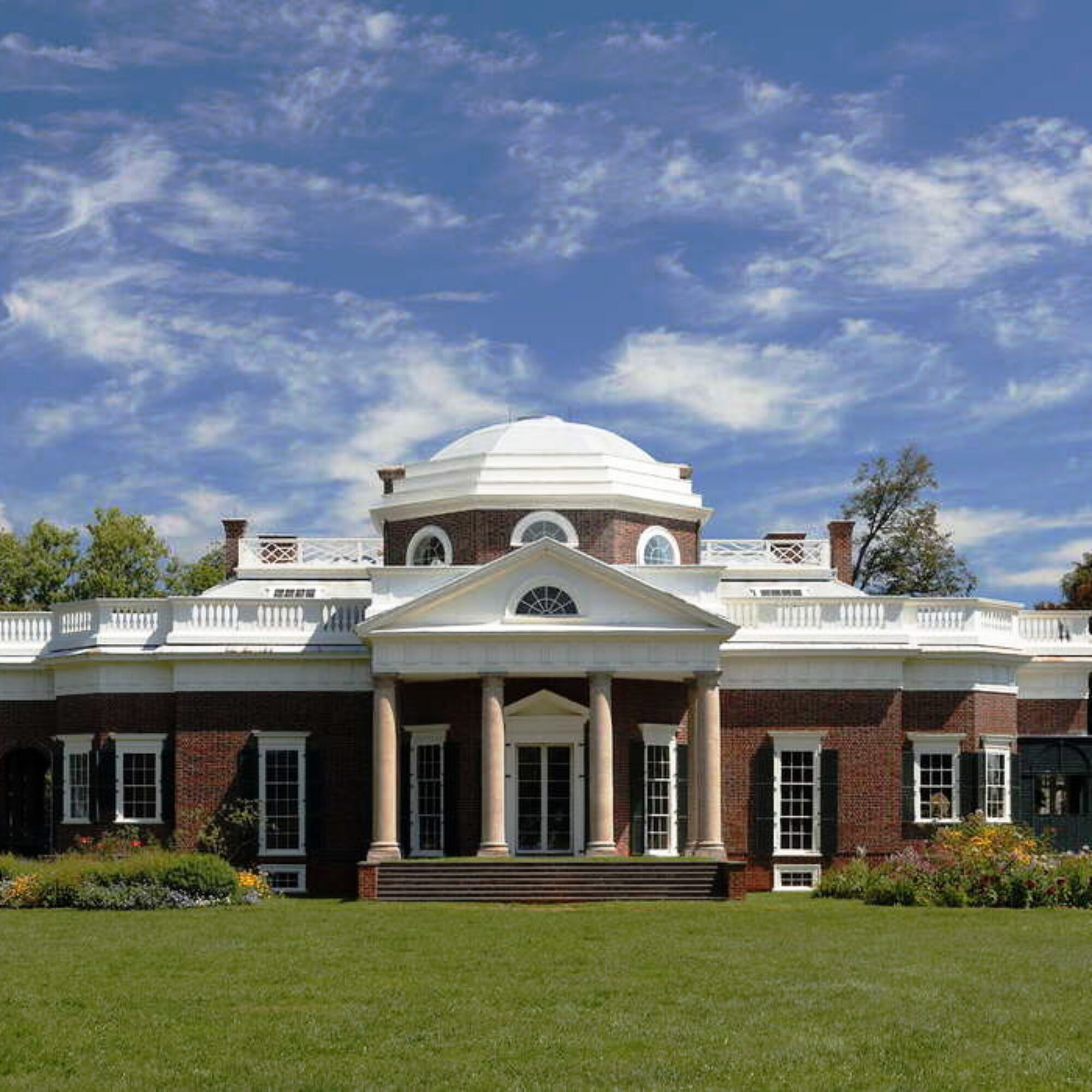
I just wrote a post Clarifying what people get when they pollute and deplete less since everyone views polluting and depleting less the way a heroin addict views using heroin less. They think it means deprivation and sacrifice. On the contrary, it bring liberation and freedom. Also health, safety, and security. You get more. Another person who couldn't see his way to stopping depriving others of life, liberty, and property without due process of law was Thomas Jefferson. We know he valued life, liberty, property, and the pursuit of happiness, but he only worked to attain them for himself and his peers. He didn't extend those values to his slaves. Like us today, he saw freeing his slaves as deprivation, sacrifice, and risk, despite his…
Understanding the plots in my post Why I work on sustainability leadership here and now despite other things I could do instead clarifies how to see our culture. We live in a culture that causes more death and suffering than any other, including the greatest historical atrocities. People today often suggest that people today who don't descend from or look like people who suffered and died can't understand or empathize with them, implying that their voices shouldn't count as much. They also imply that people who descended from or look like people who caused suffering and death bear some responsibility by dint of that relation or similarity, or benefited from it. These views miss our complicity by polluting and depleting in causing suffering and death…
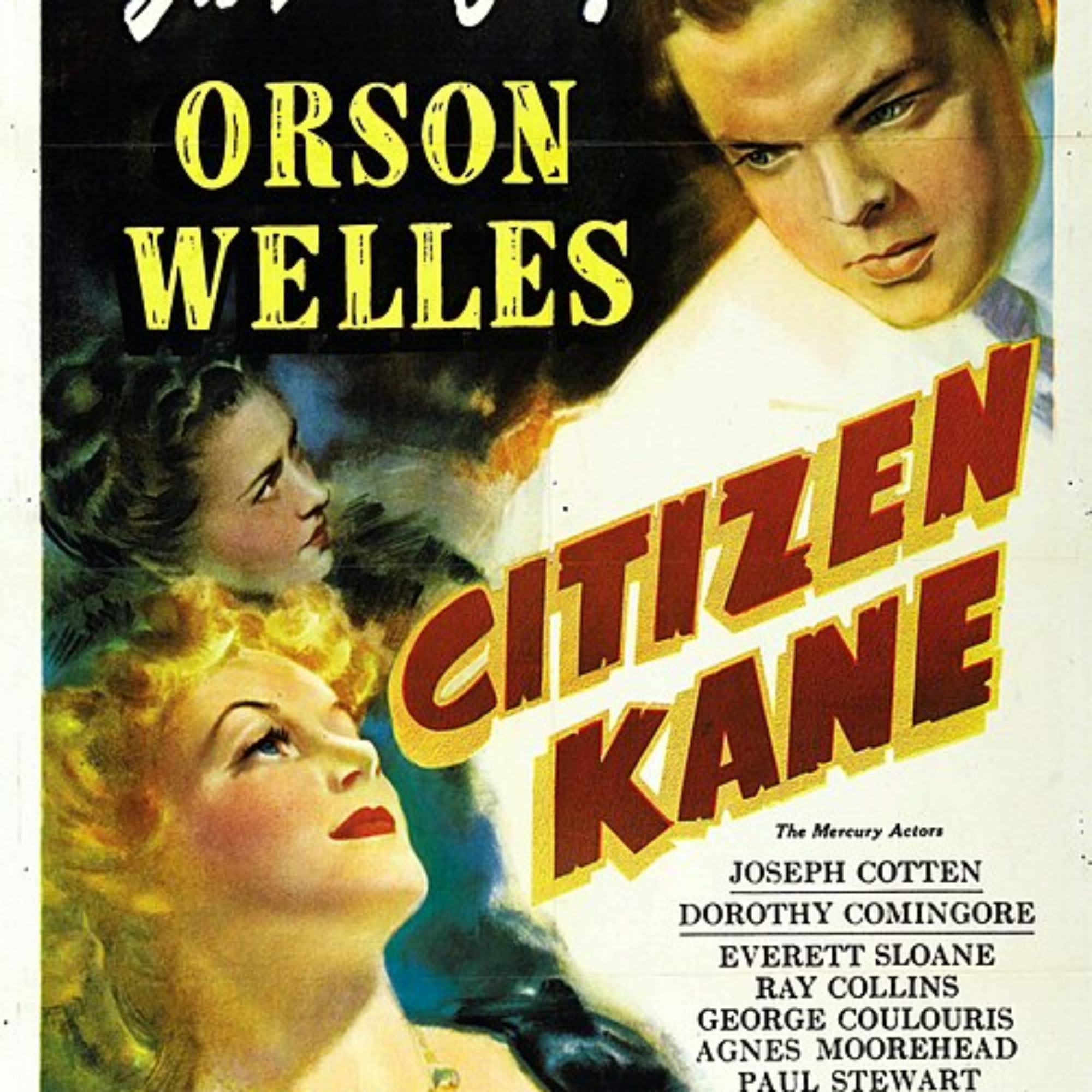
This week I finished: Citizen Kane, starring Orson Welles: Regular readers of my Sunday posts know that since a few movies led me to find art and expression in the medium that I had missed before. Mainly I enjoyed the subtlety, nuance, and complexity that got me thinking about life, society, myself, and art in general. Besides Yi Yi and A Brighter Summer Day, I found movies I considered masterpieces, like Tokyo Story. I watched Grand Illusion again and it held up, though not as much. Not everything people recommended measured up, like Mulholland Drive and Parasite. Eventually I had to watch Citizen Kane again. I watched it once before, but probably decades ago, long before I started appreciating movies more. I knew what "Rosebud"…
I read Julian Simon's book The Ultimate Resource 2. I share his belief in the capacity for people to improve the world, both each other's quality of life and the natural world. I think he misses some important points. I know of his bet with Paul Ehrlich, who may be a talented scientist, but I don't think a talented or effective leader. I'll comment on some quotes of Simon. I think the following is one of his big ones: "Adding more people causes problems. But people are also the means to solve these problems. The main fuel to speed the world’s progress is our stock of knowledge; the brakes are our lack of imagination and unsound social regulations of these activities. The ultimate resource is…
On this day in 2011, I wrote the first post of a streak that continues to today of posting to this blog daily. I didn't know that it would lead to discovering the freedom and calm of discovering deep values and living by them daily. Discovering the sidcha concept helped bring about self-awareness, health, stewardship, self-expression, patience, humility, independence, and more. Now I have several sidchas and standard operating procedures. As far as I can tell, I'm as healthy as ever, spending approximately zero dollars per month on fitness. I recommend learning the sidcha concept, developing one, learning the values it exposes, and then a few others for your other deepest values.
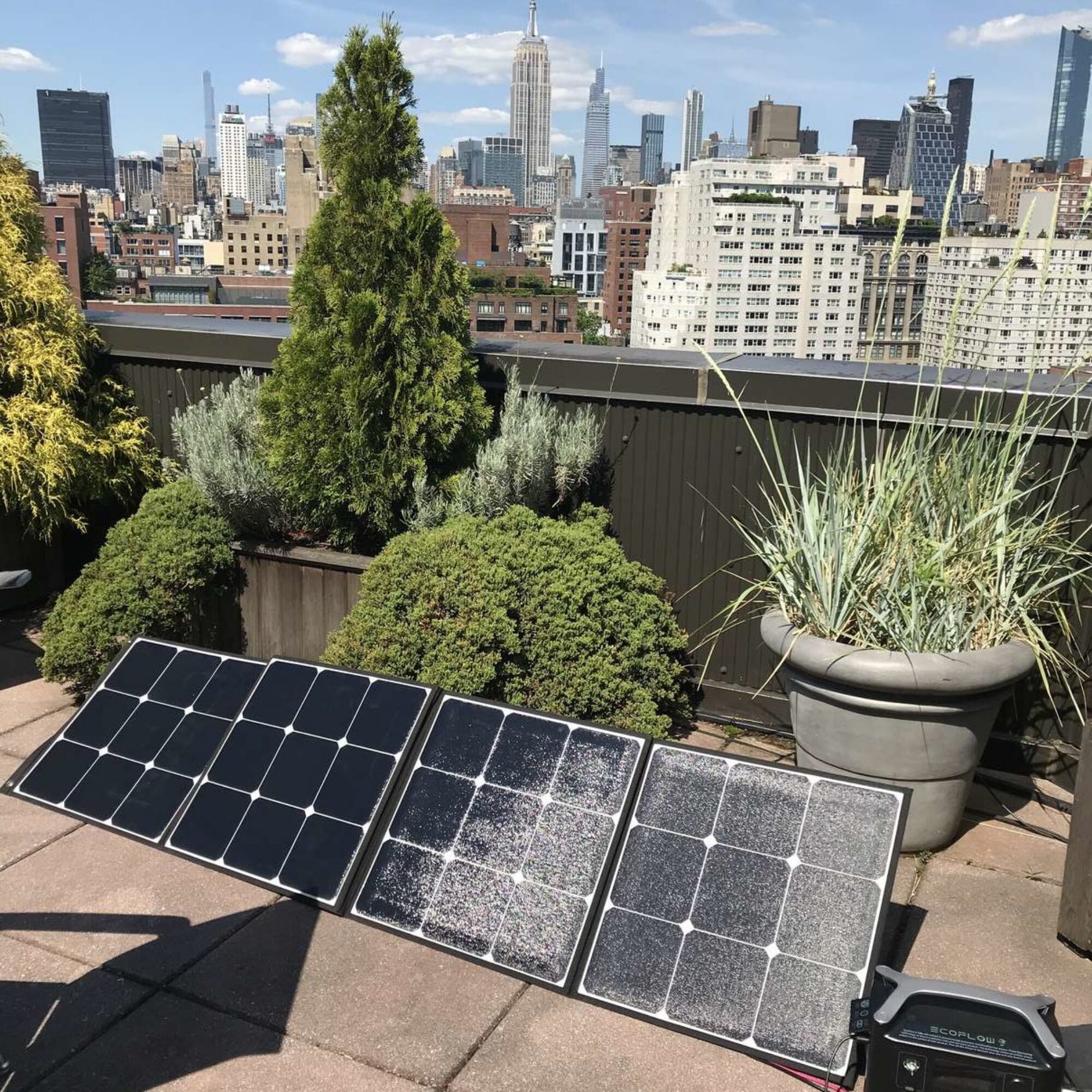
My building's routine maintenance project that began keeping residents from roof access last March is now extended to this March, as my building manager informed residents earlier this month. The delays mean I have to keep walking ten or fifteen minutes each way to Washington Square Park to charge. Argh. The building manager wrote me in early December, "The plan is for the work to be completed in December." So she knew at the time it they wouldn't finish that month, but didn't communicate openly with me. I don't like when people are slippery and deceptive like that. I don't see an alternative to keeping charging in the park. I could reconnect, start using grid power, and pay to hurt innocent people, but I prefer…
This week I finished: Land Power: Who Has It, Who Doesn’t, and How That Determines the Fate of Societies, by Michael Albertus: As a podcast host, I receive many promotions of books, companies, etc from publishers and others. This book came to me in one of them. It comes out next month. In my book I explore how our culture came to be how it is, in particular, how we feel so helpless to stop polluting and depleting. I found the answer in the conditions that led to unsustainability, which led to imperialism, which led to colonialism, slavery, racism, and other manifestations of dominance hierarchy resulting from those conditions. I hoped this book would reveal new insights into that process. It was interesting, but didn't…
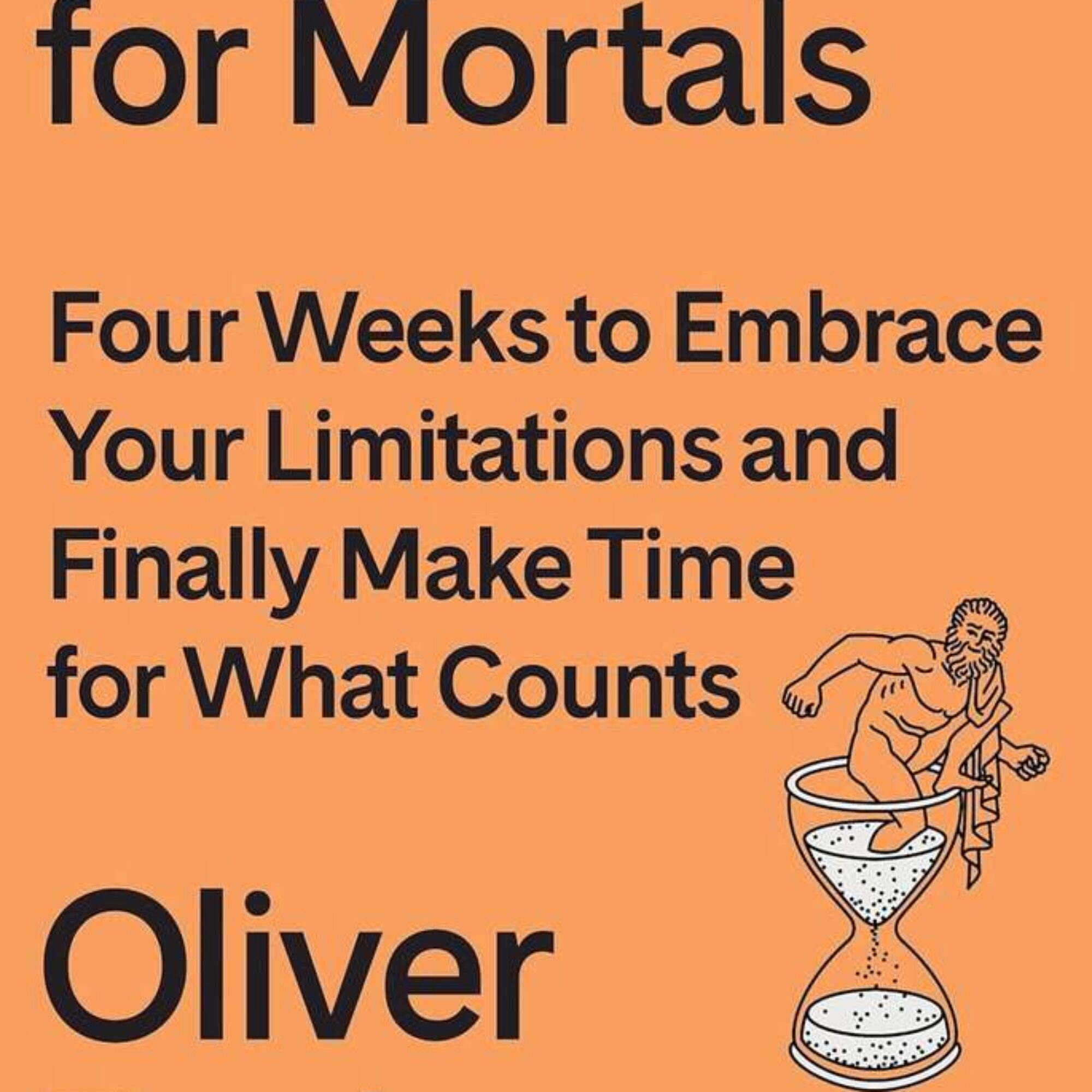
This week I finished: Meditation for Mortals: Four Weeks to Embrace Your Limitations and Make Time for What Counts, by podcast guest Oliver Burkeman: I loved his book Four Thousand Weeks and I loved this book. I see it describing how to look at and respond to our culture and my life without getting caught up in its pressure to make me feel like I'm not enough, that I don't have enough time, that a better life, or real life, is in the future. We're living now. We can't do everything, see everyone, visit every place, solve every problem, and so on. We never could. On the contrary, those limitations are part of reality. Acknowledging them isn't admitting defeat. It increases self-awareness. Deciding to choose…
People erroneously contrast individual action with systemic change, like doing one hampers you from doing the other. Do they think musicians practicing their instruments prevent the orchestra from practicing together? Systemic change is not the opposite of individual action. If you rationalize and justify living against your values because in some way you're doing what culture around you does, you've been corrupted. If you don't live by your values, you've been corrupted. The opposite of individual action is individual corruption, at least in a culture with values that conflict with yours. If you live against your values, you can blame culture all you want, but you've been corrupted. I'm not trying to be mean or accusatory. Just pointing out the consequences of our actions.
I don't think I've seen a sign with this phrase: "Pollution makes me sick," but I think it would work. The most popular one seems to be "There Is No Planet B." I just thought the words and realized they carried more meaning than just their immediate meaning. Then I started thinking of alternative phrasings. I think they all work to some degree: Pollution makes me sick Pollution is sickening Pollution is killing me Jet exhaust makes me sick Plastic makes me sick Plastic makes me sick Plastic is killing me Pollution makes us all sick Pollution makes us all sick Jet exhaust makes us all sick You get the idea. I think I'll express them more.
I haven't heard anyone in medicine question the effects of pollution from our medical system on people outside the care facility. What about people harmed by plastic, emissions, and other pollution? They may be affected for centuries and all over the world. I don't know anyone who calls America's medical system unwasteful. Every time I walk into a doctor's office I expect to see each care-person use half a dozen gloves. Many things are disposable that could be cleaned more sustainably. Talk to anyone and they say policies are for safety, but few question if their practices are safer. In my experience, people in medicine are happy to complain how procedures waste and that "the system is broken" or "the decision-makers just say 'it's safer…
Yesterday I listed sustainability tactics based on extrinsic motivation that fail sustainability and drive unsustainability. Today, I'll list emotions about nature I often hear doing the Spodek Method that, when acted on, lead to people doing more than they said they would, expressing gratitude, and being happy to share. Wonder Awe Serenity Connectedness Oneness Curiosity Calmness Peacefulness Joy Appreciation Purposefulness Childlike Excitement Thrilled Fun Happiness Smallness compared to the universe, yet belonging Understanding Completeness Determination Contentedness Desire to protect Love Grandness I just wrote those items in ten or twenty minutes. I'll add to the list as I come up with more.
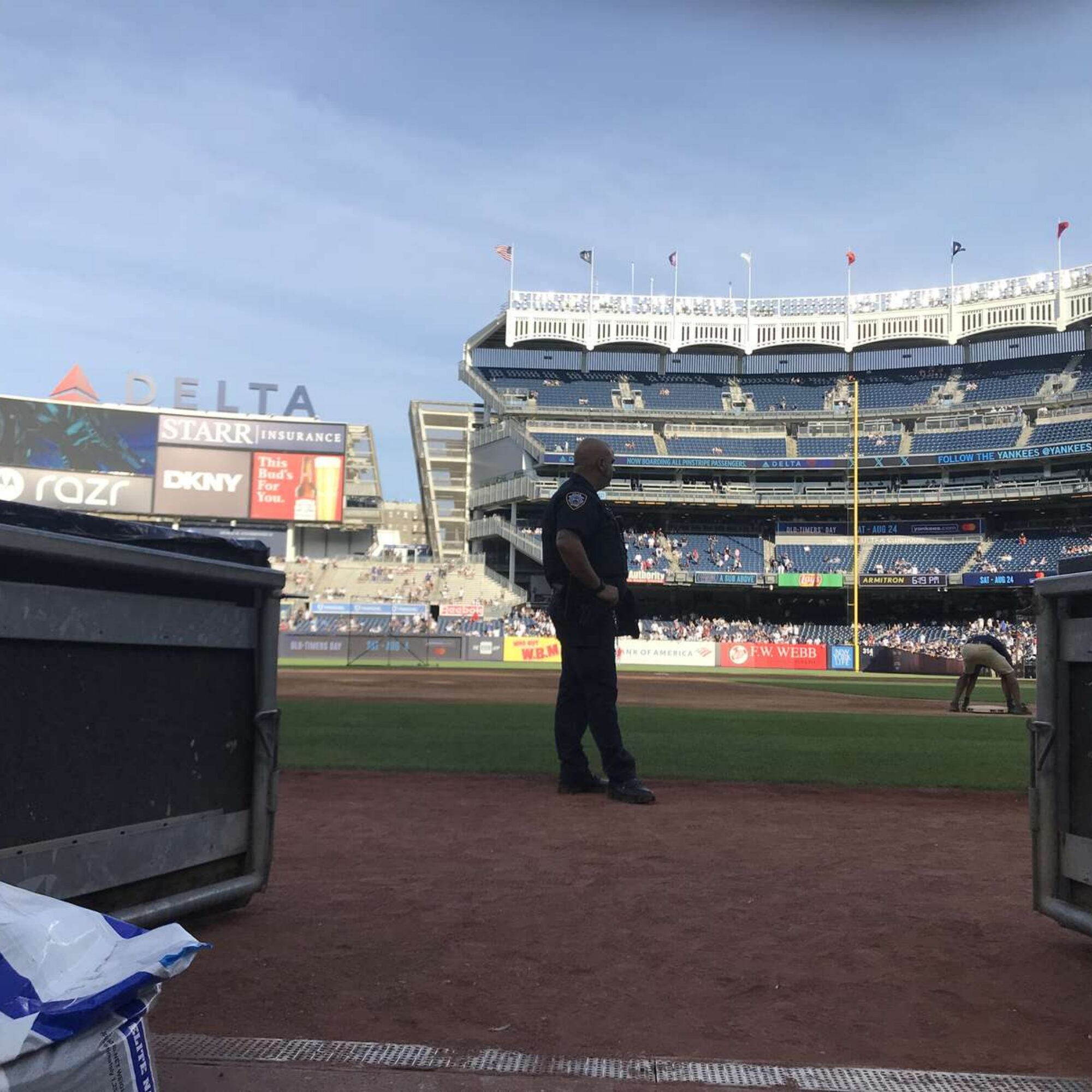
Podcast guest Brent Suter plays for his hometown team the Cincinnati Reds and the Reds played the Yankees last night in Yankee Stadium. Brent and I have recorded three episodes so far. We've kept in touch since recording too. I asked him if I could see him at the game. He arranged for me and some family members to meet him on the field at Yankee Stadium for batting practice before the game started. You can tell from our conversations what a great guy Brent is. In person he's as friendly, humble, and salt-of-the-earth as they come. Genuinely interested in you and taking care of you. No wonder he was nominated for the Roberto Clemente award, the highest award in baseball outside competition. As usual,…
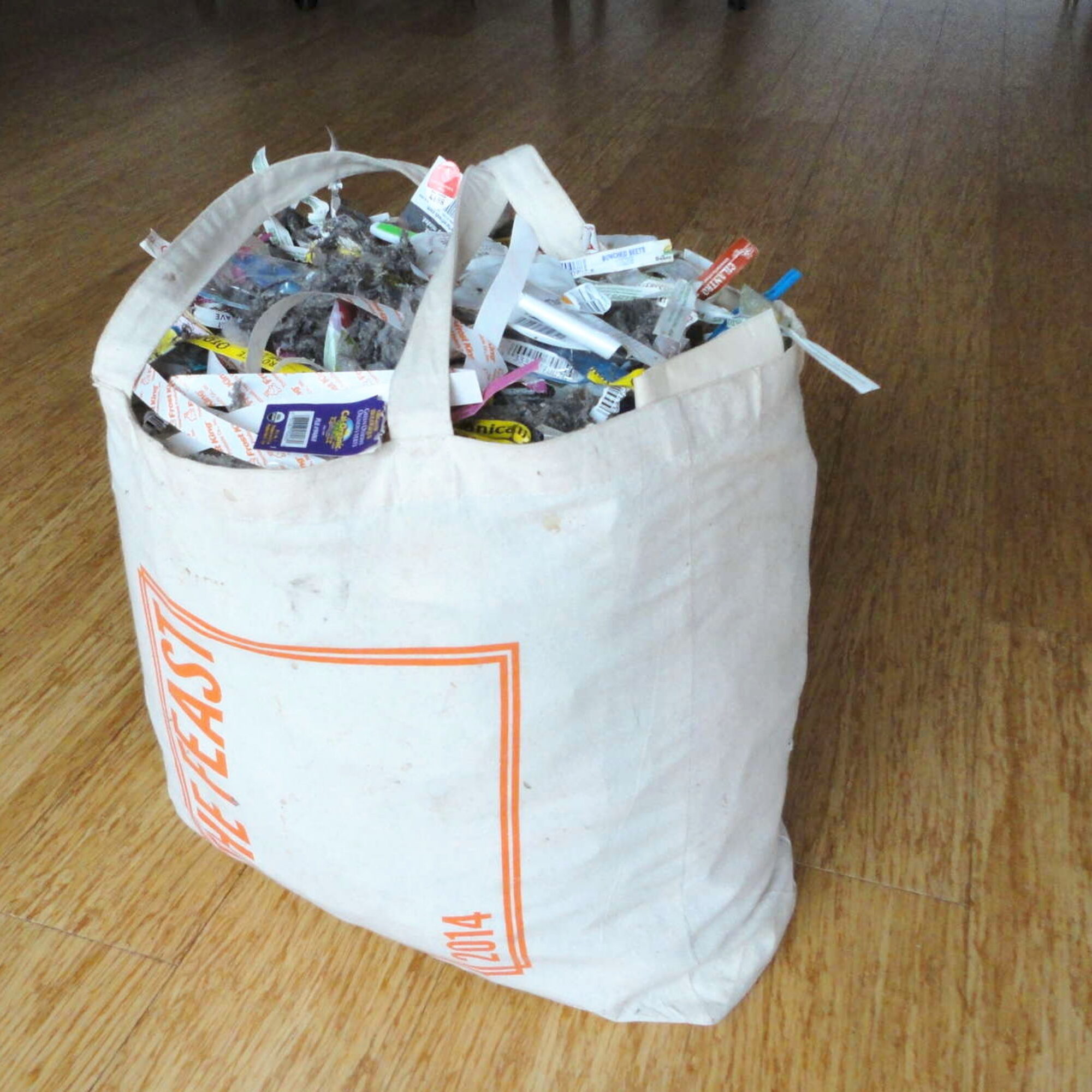
When I tell people I haven't filled a load of trash since 2019, before the pandemic, they often ask what's in my trash. Instead of looking in my trash, I think it would help them more to look at their own and ask what they could not have bought. Just cutting out doof would lower their garbage by a lot. Also not buying things they don't need or that are disposable. Just cut those things and you improve your life and save money. However much people think they need from Amazon or Walmart, they could probably improve their lives by not buying ninety percent of what comes from those stores Dollar stores, bodegas, and their peers. However much people like to lecture on things everyone…
It hit me the other day while working in an NYU library. About 80 to 90 percent of students bring disposable food, doof, and beverage containers. I'd guess more than half the students are not American, meaning many of them fly home a couple times a year. In other words, they pollute more than nearly anyone who has ever lived. They act as if they don't notice it or aren't doing it. The university supports this insouciance. I'd say it even cultivates it since the people with authority say the university ranks among the leaders of colleges while they pollute and support polluting activities for themselves and the university. So I see all these people who probably know the consequences of their actions reinforcing behavior…
I visited with a friend recently. He had just come from working at a cafe. I asked, "If you sat down and drank coffee there, you used a mug, right? . . . not a disposable cup? He replied sheepishly, "No, I used a disposable cup. Sorry." People keep apologizing to me for polluting. I said, "Don't apologize to me. It barely affects me. It does, but other people more." My questions to you, the reader, especially if you've felt apologetic about polluting: Why apologize to me? I'm barely affected. Should someone apologize? Do people apologizing to me believe they've done something meriting apologizing? If so, why don't they not do it? Why do something you believe is wrong when you can not do that…
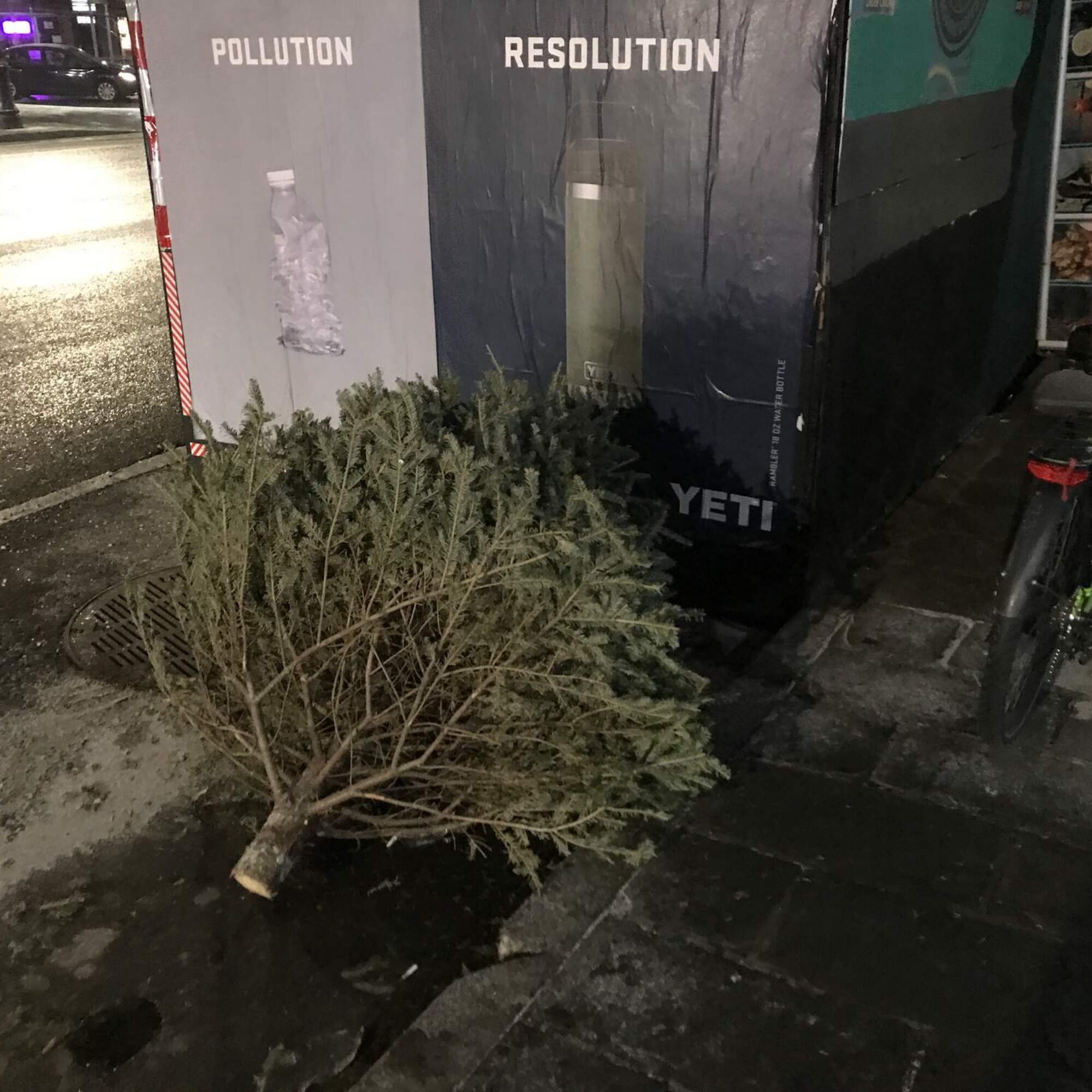
I don't go out of my way to take these pictures. I just take them while walking along, doing my regular business. Each picture takes a second or two to take, so maybe a few minutes collectively for all the pictures I've taken this season. That's how much we fill our world with garbage, or rather turn lovely trees into waste. Meanwhile, about 98 percent of old-growth forests are gone.
A new way I'm communicating that systemic change begins with personal change: To cross the finish line of the marathon of changing a system, you first have to cross the starting line of changing yourself. Otherwise you aren't in the race. In the case of sustainability, the starting line is to find joy and intrinsic motivation in acting more sustainably, so you look forward to the steps of continual improvement. I hope this formulation helps people stop acting like when I talk about one, I'm implying not to do the other. They're annoying. Now, to indulge myself in memories from ten years ago, here are pictures of me running in a marathon: And my rowing machine readout after my second time rowing a marathon, three…
I'm trying to remember all the material things I bought last year besides food. I paid for many services and non-material things like train rides and web hosting. I also caused pollution that hurt people (and wildlife) in other ways, but I see paying for material things as a useful proxy for polluting. What I remember: One thermal shirt from a thrift store One tank top from a thrift store A wide-brimmed hat from a thrift store to block the sun without sun screen while charging on the roof Razor blades from a reseller on Craigslist (though I'm giving them away, see below) A DC cable to charge my computer from the batteries I charge from solar An envelope at the post office to mail…
A reader wrote with a message on doof. Or rather on enjoying food instead. It resonated so much I asked permission to share it. Here it is: Hi Josh Season's greetings! I hope you enjoyed a delicious, doof-free Christmas feast. Some time ago I watched your TED talk "Don't Call Doof Food" and was delighted to discover a fellow human being who truly loves the taste of genuine food. With the exception of the occasional tin of fish in olive oil, my husband and I have been buying only single-ingredient foods for about seven years. We have dispensed with condiments, sugars and flours and eat only wholefoods. The longer we've been consuming minimally processed food, the more flavoursome it becomes and the more we enjoy…
This week I finished: Dopamine Nation, by Anna Lembke, MD: I've read a lot of books on addiction and like this one. It describes how widespread addiction has become. Chemicals, cell phones, behaviors like gambling, social media, and pornography for women (called erotica, as if more classy) and men. I listened to the book and translated a lot of what she said about other addictions to flying, air conditioning, and other activities that pollute. The connection is near perfect, which illuminates a lot about how addicted we are to those activities. Also how hard it is for those addicted to see and accept it, let alone stop. I recommend it, especially if you live unsustainably and want to stop, or even just see that you…
Many people opposed slavery. Even slaveholders acknowledged their feelings of guilt, but nearly everyone within our polluting, depleting, imperialist, addictive culture supports it even as we suffer from its growing damages. We blind ourselves to the downsides of polluting and depleting. Even residents of Cancer Alley fly and drive, funding their own cancer. Japan built a nuclear reactor forty miles from Hiroshima. We cover parks with plastic AstroTurf and still call them “green spaces.” Amid growing headlines of credible predictions of population collapse, we keep taking resources from and committing genocide of Sustainable, Free, Abundant cultures—the best examples of humans living sustainably. Instead of learning from them with humility, we call them Stone Age, impose on them our polluting, depleting, imperialist, addictive ways, and congratulate…
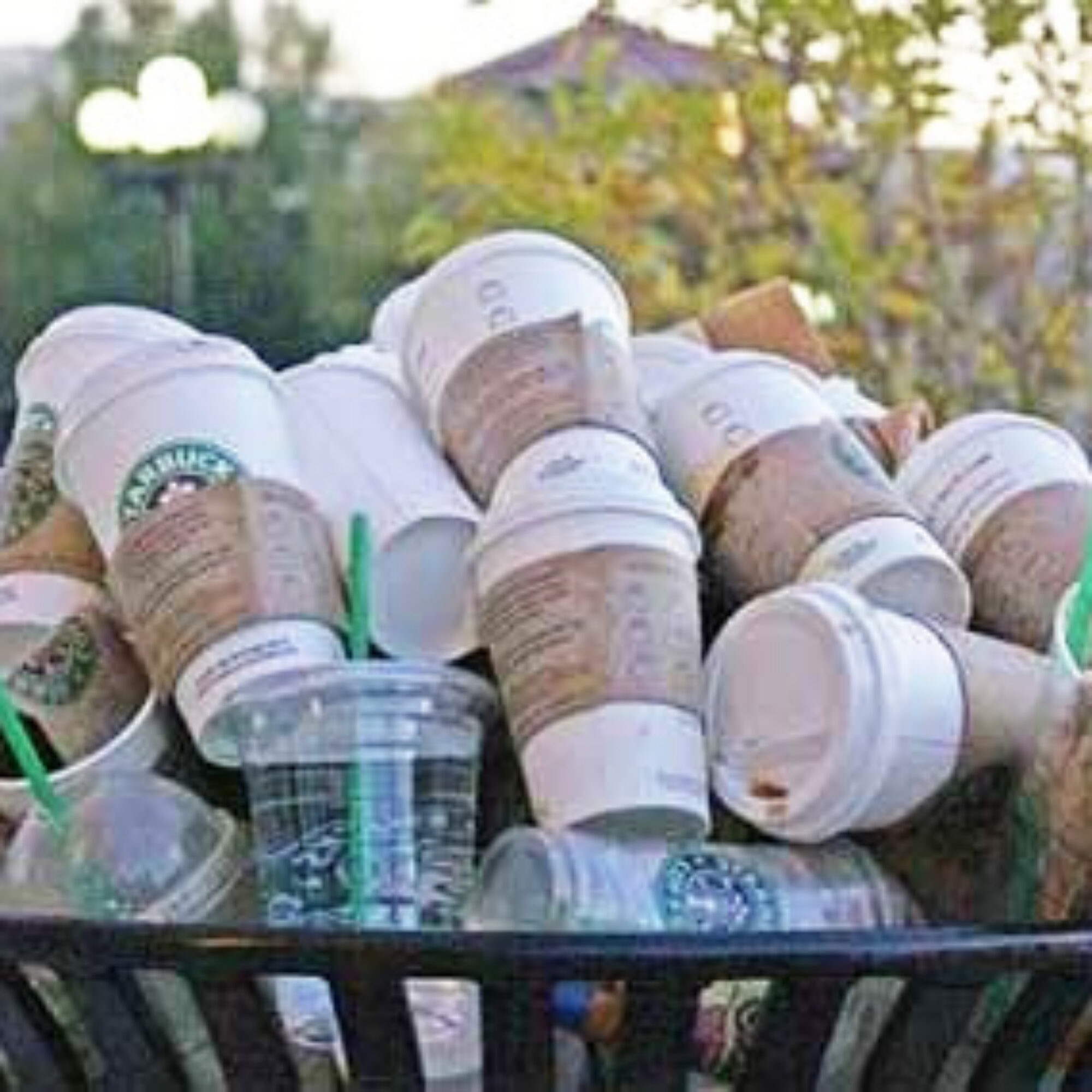
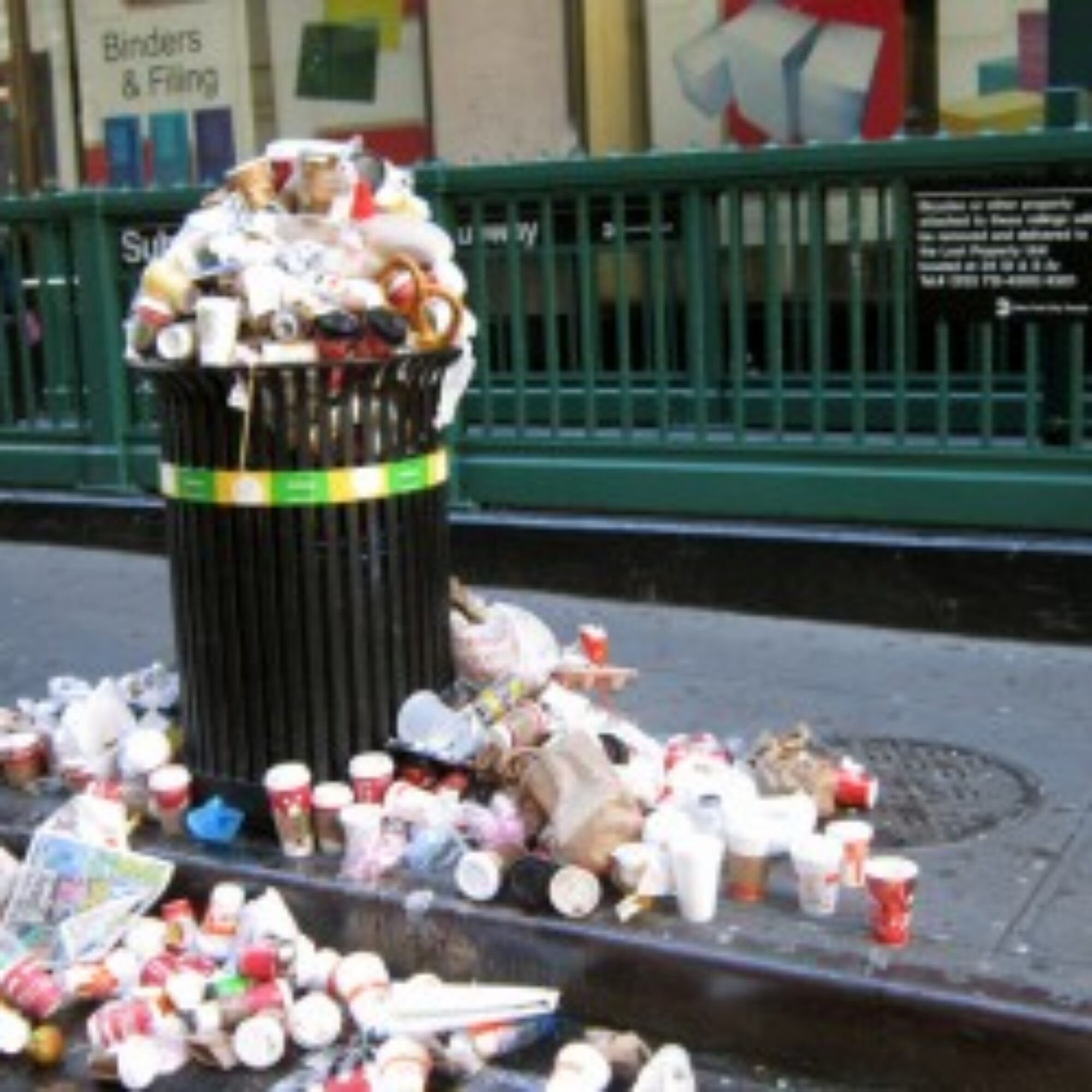
Starbucks garbage: it's what they make
I wouldn’t mention the folly of putting growth and efficiency before values if I didn’t have an alternative, which is to put values first—that is, to create a strategy based on values and honestly verifying results, then use efficiency when it helps. I verify results to avoid stepping on the gas, thinking it’s the brake, wanting congratulations. Amsterdam’s citizens organizing based on their values over those promoting razing its downtown for highways is one example. Abolitionists valuing human rights over the profits and growth of slavery is another. Farmers returning from industrial practices that resulted from the Green Revolution to regenerative is another. In each case, living by deeper values led to higher quality of life for everyone, except possibly a few plantation owners owning…
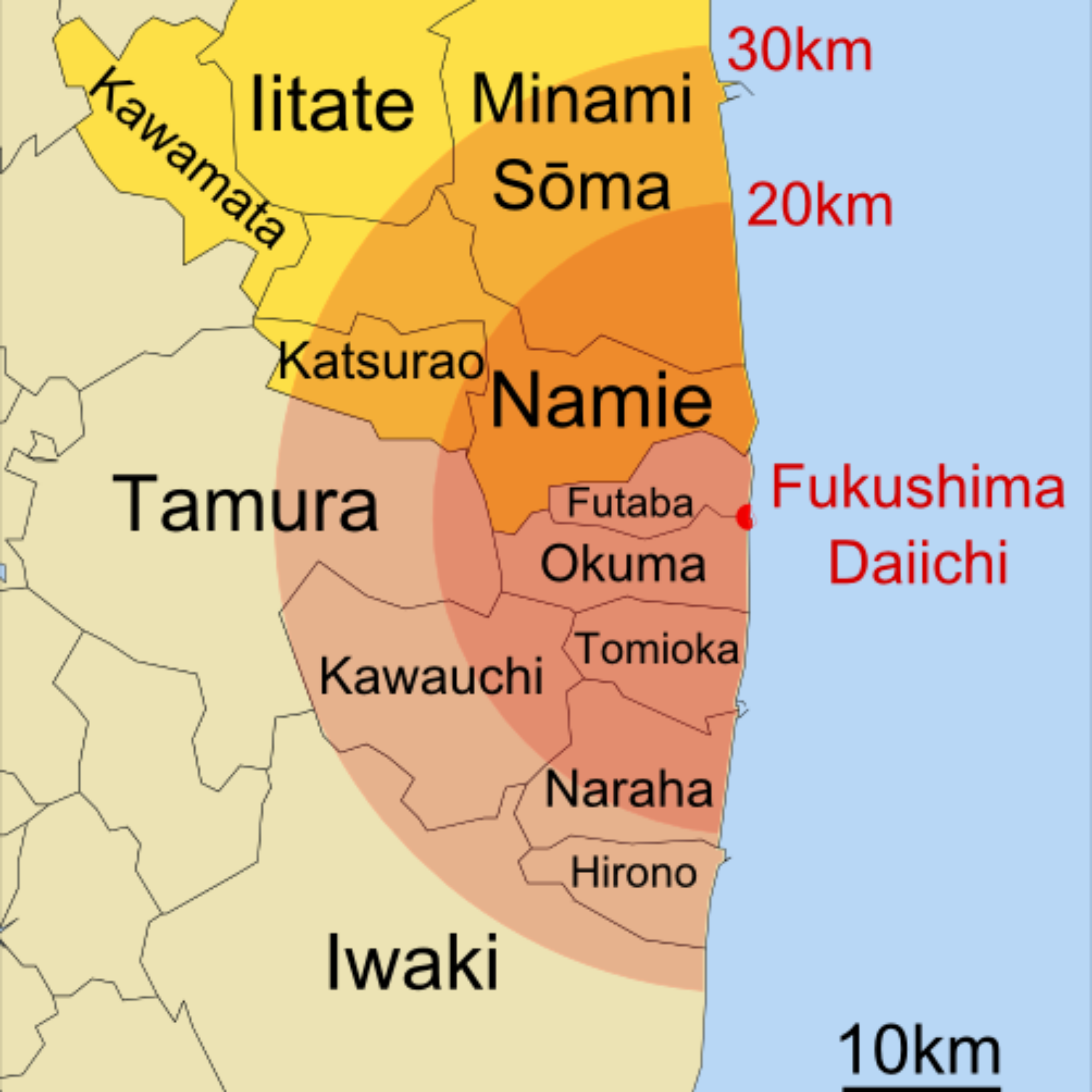
It’s tempting to dream that fusion will save us. It’s the most common power source in the universe, including our Sun’s. Many believe it could produce power without radioactivity or greenhouse emissions and could be made safe. Fukushima is a nuclear fission plant, not fusion, but have you ever wondered why it was built where a tsunami could hit it? The word tsunami comes from Japanese, so they knew it could happen and everyone knows Japanese engineering is world class. The nation of Hiroshima and Nagasaki knows more than any about the dangers of atomic energy. They built it by the ocean for the reason all nuclear power plants are built near water, as are nearly all power plants of any sort and many factories.…