Freedom


Disconnecting from the Electric Grid in Manhattan: Ars Technica Reader Questions Answered
Ars Technica Josh Spodek Disconnected In Manhattan

Disconnecting from the Electric Grid in Manhattan: Ars Technica Reader Questions Answered

My story I disconnected from the electric grid for 8 months—in Manhattan became Ars Technica's top story the day it posted and the next. It also generated many questions and comments. I can’t answer them all, but I wanted to address the big ones, such as How much solar power did I generate and use? Didn’t I just transfer my power use to NYU “cheat”? How much power did I use there? What did I do for heating and air conditioning? Wasn’t I just leeching off my neighbors’ heating and air conditioning? Did going out at night mean I was passing my power costs to restaurants? How did I keep food from spoiling? Did I have to shop for food every day, or nearly so?…

0 Comments

The Ruling Race: Quotes on those who improve their lives on the suffering of others, corrupting them

Podcast guest James Oakes's book The Ruling Race describes the demographics, beliefs, and views of slaveholders in the U.S. south. They are no more or less human than you. The book reveals how being on the dominant side of a dominance hierarchy corrupts one's values. Following the What is Politics? podcast by podcast guest Daniel, I've learned that dominance hierarchies emerge when two conditions apply: one person or group can control access to a needed resource and others have no alternative. When you see a hierarchy giving one group dominance over another, look for the necessary resource that group can control to and how the group subjugated lacks alternatives. Want to remove the hierarchy? Work on that control and lack of alternatives. Today, I see…

0 Comments

The 160th Anniversary of the Emancipation Proclamation Is Today

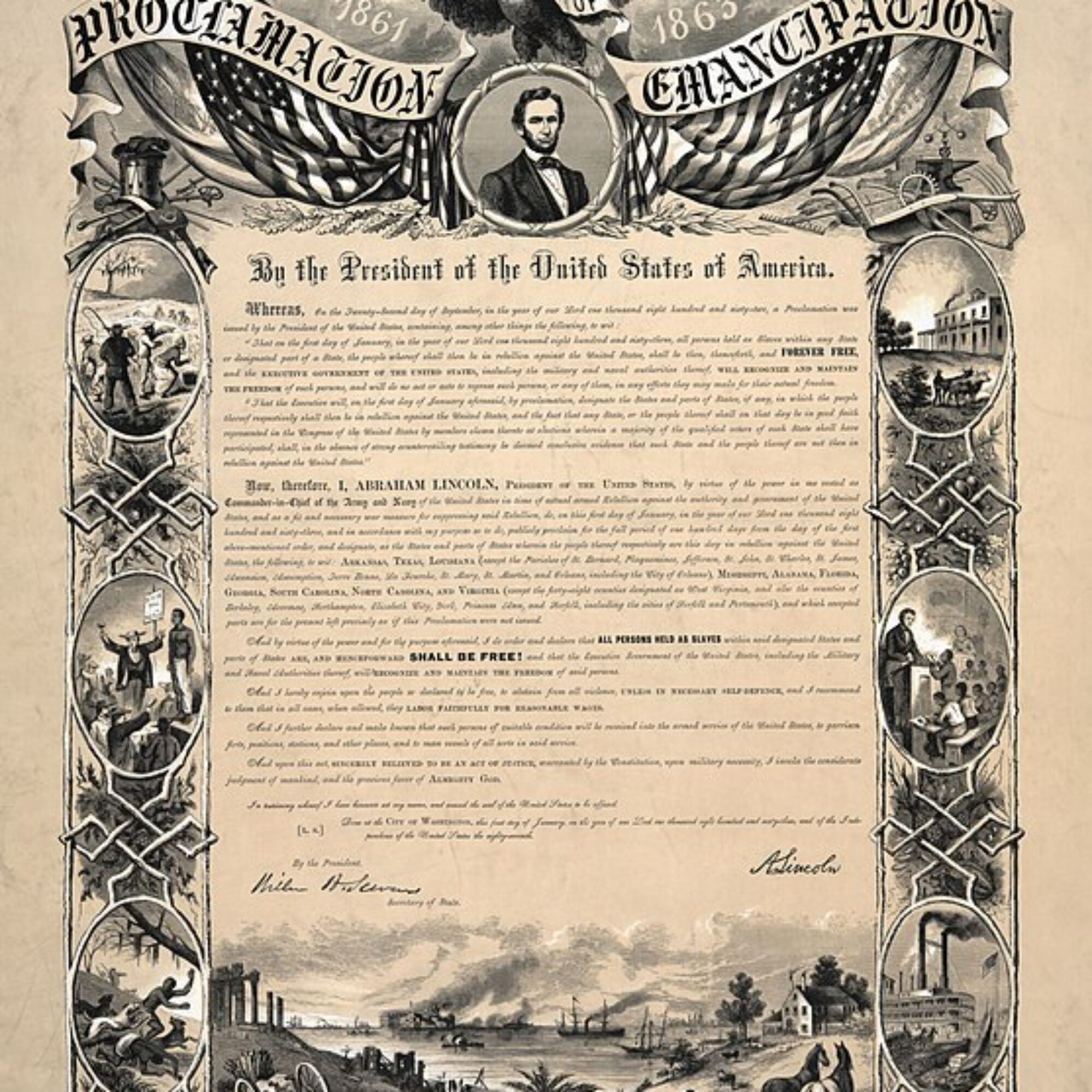
160 years ago today, Abraham Lincoln signed the Emancipation Proclamation. The Union army had been freeing slaves in seceding slave states for over a year and the proclamation didn't free all slaves, nor did it end slavery, so to say, as I've heard, that one stroke of the pen freed all the slaves overstates the case. Still, it was a major step forward. Beside freeing many slaves, it pressured slave states to abolish slavery. Since enough did and became free states, the Thirteenth Amendment became possible. I'll add that it evolved in part from the 1688 Germantown Quaker Petition Against Slavery, which I mention since I grew up in Germantown. From Wikipedia: it "was the first protest against enslavement of Africans made by a religious…

0 Comments

Another reason why an amendment banning pollution will pass and change culture

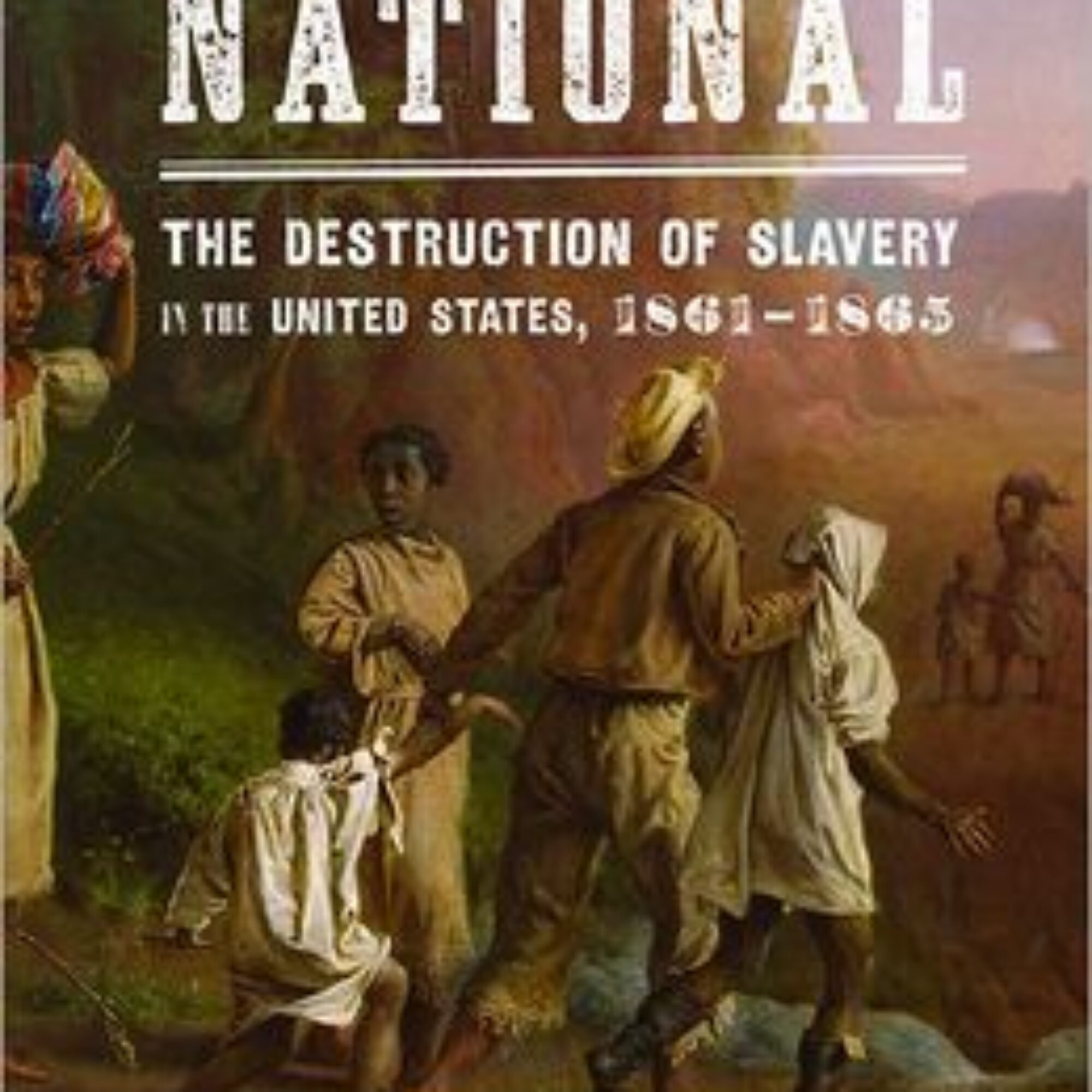
Regular readers know I'm learning about slavery and abolition as models for changing global culture. I'm reading a wonderful book Freedom National, by James Oakes, who gave me a copy after we recorded a podcast episode in person at his office. It's being edited and will go live in January. The book describes an argument against abolition before the Civil War: after blacks were freed they would be able to vote. Today we see the right to vote as a reason to free people, not enslave them. Likewise, one day we will see all the consequences people fear of banning pollution as reasons for it. As long as I'm mentioning the book, which I recommend, I'll share a few words on it: Freedom National won…

0 Comments

Meditation: Thoughts aren’t just ideas that arise and pass away. Each wants to hook you.

Meditation instructors often talk about thoughts arising and passing away in consciousness, as if they just come out of nowhere and go to nowhere. I've found otherwise. No part of your mind is superfluous. The human brain uses up too much energy for evolution to allow unnecessary parts to persist. Each part does something that helped your ancestors survive and pass their genes on to you. For example, some part of your brain interprets things that could look like faces to be faces, whether you want it to or not. So when face-like things enter your field of vision, that part of the brain puts a face into your consciousness. All parts of your brain, when activated, speak up into your consciousness when prompted that…

0 Comments

Six Months Off the Grid in Manhattan: Admit It, You’re Living a Lie

You can imagine all sorts of reasons that made it more possible for me to live with my apartment disconnected from the electric grid than you, but admit it: if you didn't know I did it, you'd believe it was impossible. Yet today began my seventh month. I'm not saying because I could do it, you can. I learned that because all human beings did it for 300,000 years, I could. I didn't think it would be possible and I'd lived with my fridge unplugged for eight months by then. I aimed for one month not knowing how I'd make it past a few days. If you thought something was impossible and then it happens, some beliefs that led you to consider it impossible are…

0 Comments

Another month with zero kilowatt-hours

I started my experiment about two weeks off my electric billing cycle, so about two weeks into my sixth month, I think this bill marks my fifth in a row with zero kilowatt-hours: Every month from the first until this one, I've thought I couldn't go on much longer and expected to give up. But I keep thinking of people displaced from their land for fuel and minerals I don't need. What right do I have to pay companies that, for example in the case that podcast guest Katie Redford brought up in Doe versus Unocal, enslave, rape, and murder innocent people? I'm losing touch with that part of mainstream American culture that abdicates, capitulates, and resigns to fund such cruelty, telling themselves what they…

0 Comments

I act more like Uruguay’s President than the average American, environmentally, according to the NY Times

Several friends and readers pointed me to recent long article in the New York Times, What Does Sustainable Living Look Like? Maybe Like Uruguay by Noah Gallagher Shannon. Does this paragraph describing and quoting the country's president sound familiar? [Uruguayan President José] Mujica harbored another deeper belief too. For years, he had been arguing that the “blind obsession to achieve growth with consumption” was the real cause of the linked energy and ecological crises. In speeches, he pushed his people to reject materialism and embrace Uruguay’s traditions of simplicity and humility. “The culture of the West is a lie,” he told me. “The engine is accumulation. But we can’t pretend that the whole world can embrace it. We would need two or three more planets.”…

0 Comments

The New Yorker published my letter

In its August 22 issue, the New Yorker published a piece, Africa’s Cold Rush and the Promise of Refrigeration: For the developing world, refrigeration is growth. In Rwanda, it could spark an economic transformation. August 22 happened to start my fourth month of my experiment disconnecting my apartment from the electric grid, which is to say 3.93 months longer than I expected to make it. The article was about bringing more refrigeration to Africa. My experiment disconnecting my apartment traces one root to an article in Low Tech Magazine, Vietnam's Low-tech Food System Takes Advantage of Decay, which described how other cultures use less refrigeration, focusing on Vietnam. It seemed to me to suggest healthier, more affordable, more local, less polluting food and a food…

0 Comments
Older Americans tell me they would rather die before taking responsibility for the environmental wreckage they helped create
Harriet Tubman

Older Americans tell me they would rather die before taking responsibility for the environmental wreckage they helped create

I talked to a woman a generation older than me. She told me how she and her husband agreed that they were glad to have lived full lives before humanity faced the environmental tragedies she considers inevitable. Many people have done that calculation where they hear when our situation will get catastrophic. I did it at least a decade ago, when I first read the prediction that there would be more plastic in the ocean than fish by 2050. I calculated I'd be 79. People around my age and older concluded, "that situation sounds bad, but I'll be pretty old, so not for me, but it will be bad for someone. I hope they solve it." Already, that conclusion is sad, or would be when…

0 Comments

Zero kilowatt-hours for the third month in a row

I got my latest Con Ed bill, for August. For many people August is their highest bill, from air conditioning. Well, mine is zero kilowatt-hours for the third month in a row. Today is day 110, about 108 days longer than I thought possible before starting. You probably think you couldn't do it. I thought I couldn't either, until I did. Instead, this is Freedom: not hurting people. What else is pollution? My supply charge is $0.00. I hear talk about rates increasing. I'm concerned that if they double, my supply charge may double to $0.00! You may be glad to know I subsidized your costs with my basic service charge since I haven't asked Con Ed to turn off my power. I may reconnect…

0 Comments

You know who else didn’t fly? Humphrey Bogart at the end of Casablanca

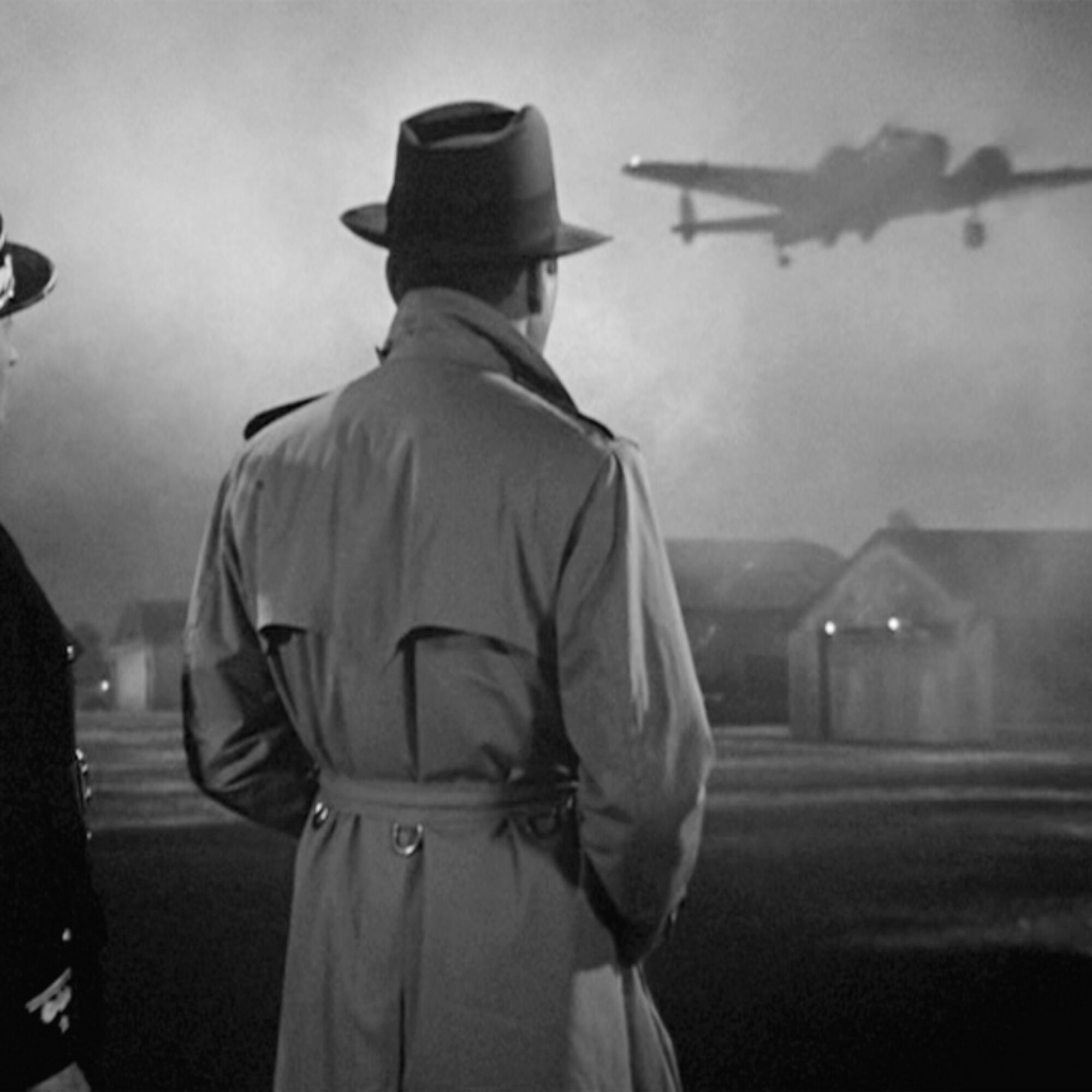
Once we valued higher goals than ourselves. I don't know if younger generations have seen Casablanca, but those of us who have remember Rick's lines at the climax: Rick: Last night we said a great many things. You said I was to do the thinking for both of us. Well, I've done a lot of it since then and it all adds up to one thing. You're getting on that plane with Victor where you belong.You've got to listen to me. Do you have any idea what you'd have to look forward to if you stayed here? Nine chances out of ten we'd both wind up in a concentration camp.I'm saying it because it's true. Inside of us we both know you belong with Victor.…

0 Comments
Fourteen years ago today I swam across the Hudson River for the first time
Manhattan ahead, New Jersey behind

Fourteen years ago today I swam across the Hudson River for the first time

The bigger an achievement, the more it's just the start of another stage in your life. Maybe swimming across the Hudson was my start of learning that you don't have to fly to create life experiences, that we don't have to accept what others consider impossible, and that we aren't risking our lives to do things people have done for thousands of years. I've used the picture of my swimming across at the top of my home page to represent me crossing from one part of my life to another, less passive, less accepting what others tell me. Now I do hundreds of thousands of burpees, write bestsellers, lead world-renowned guests on the podcast, and go months with my apartment disconnected from the grid. The…

0 Comments

613: Our Next Constitutional Amendment

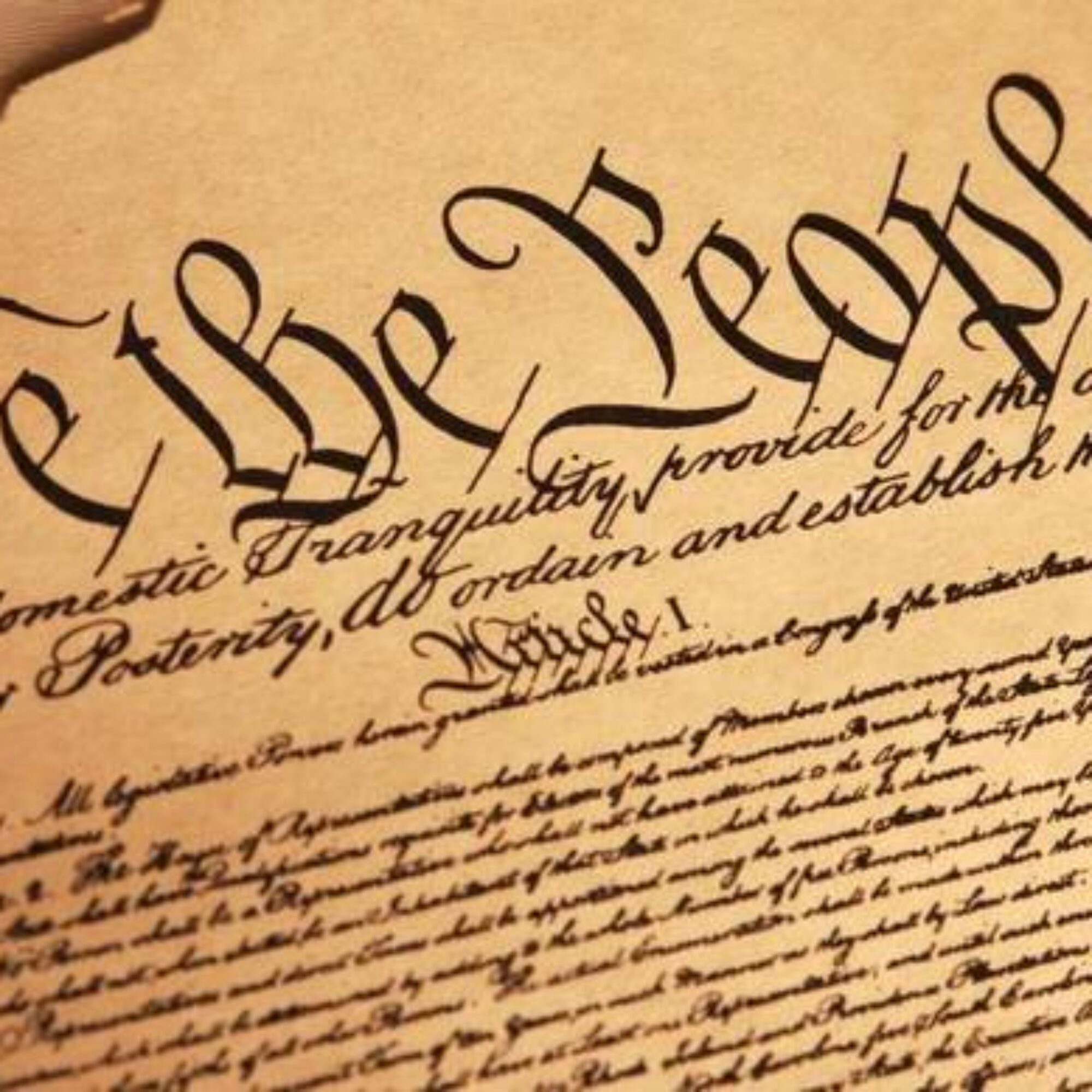
My proposal and rationale for the next amendment for the United States Constitution. It will sound crazy, impossible, and too hard at first, as it did with me. But the more you consider it, the more the objections will fade. It is the right tool for the right job. Nothing else is. I'll write more about it later. For now, just the audio. The United States Constitution

0 Comments

We won’t run out of fossil fuels, why that’s a problem, and long history

People once wondered if we would run out of fossil fuels. People who liked fossil fuels delight in showing how we keep finding more. "Ha!", they imply, "we'll never run out. It's not a problem. Anyone who thinks we'll run out is a fool." We could talk about the finite number of molecules of oil, coal, and gas under the Earth's surface, but when an economist like Julian Simon says we'll never run out, he means something more subtle. His subtle point is still wrong, but there's a more important consideration. Imagine Earth had only formed enough fossil fuels to last fifty years. The Industrial Revolution would have started and ended over a century ago. We'd have no fossil fuels left to know what could…

0 Comments

I think I bought five or ten non-food things over the past year or two

While writing up a longer piece on my experiment going off the grid, I looked up when I bought the solar panels and battery. Going through my old records, I think I only bought five or ten things besides food in about a year or so, all from Craigslist or thrift stores, used. I don't keep meticulous records, so I may have missed some things. Going backward, a couple weeks ago my computer battery broke and I bought a new one to replace it. On February 18 I bought the solar panels. On September 18, 2021, I bought a set of sheets for my bed (the old ones ripped, the new ones were unused and nice linen). On September 7, 2021, I bought a 70-pound…

0 Comments

My First Zero Electric Bill: Off the Grid in Manhattan Over a Month

Yes, I shifted my lifestyle a bit and did things not everyone can, but for the overwhelming majority of people living in cities and rich cultures minor compared to that I'm not living in the woods or separate from society. I lived in Manhattan, maintained a professional lifestyle and used zero electricity from the grid to my apartment for a month with minimal planning and only a portable solar panel and battery that I could only use by carrying them eleven flights to the roof. I allowed myself to use my computer at NYU, which charged the phone and computer batteries when I could, but only when buildings were open and for computer things that didn't require quiet, like recording podcast episodes. I couldn't miss…

2 Comments

Done: One month off the electric grid in Manhattan (still going)

The end of today marks the end of one month off the electric grid in Manhattan. Like the experiments before it, including avoiding packaged food for a week, avoiding flying for a year, and unplugging my fridge, before starting, I didn't think I would make it, I thought it would worsen my life, and I didn't know what challenges I'd face. Also like those experiments, I enjoyed the results and learned in ways I couldn't have predicted. Experiential learning does that in ways reading, writing, and analyzing don't. For example, I experienced limitations of solar like three overcast, rainy days in a row. I connected with people and cultures across time and space who couldn't just go to the fridge or order takeout for food.…

2 Comments

The tragic fate of democratizing technology

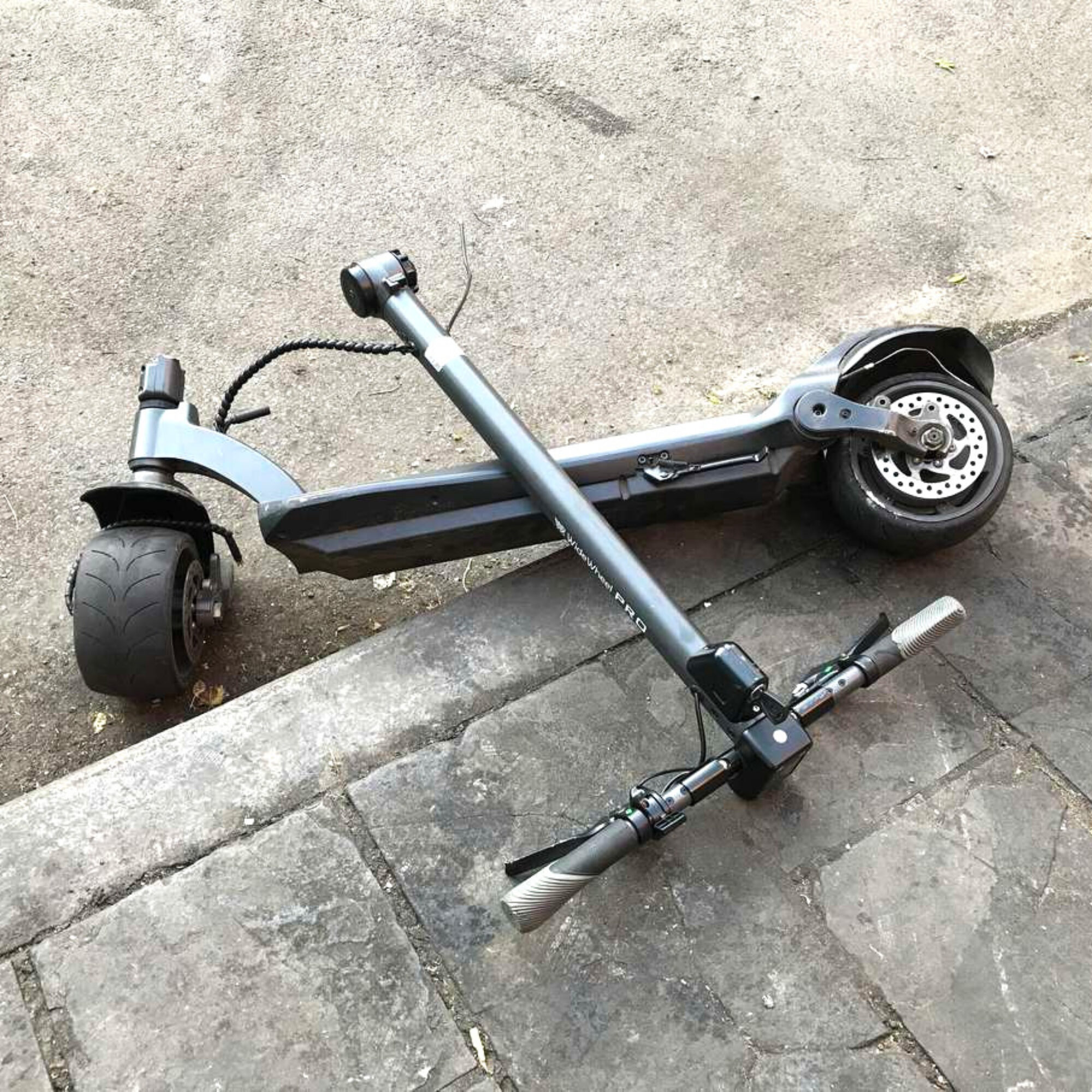
Before the pictures of the fate of democratizing technology, for context, let's remember that humans lived and thrived for hundreds of thousands of years without even the wheel. Despite our erroneous projections of our fears of what life outside society would be like, our best evidence from history, anthropology, and archaeology tell us they lived with comparable of often higher signs of HealthMental healthDietStabilityEqualityLongevityResilience After all, they survived 300,000 years. In less then one one-thousandth that time, since the Industrial Revolution, daily headlines describe how we're lowering Earth's ability to sustain life, including ours. Pictures of the fate of democratizing technology Walking along Sixth Avenue yesterday, I saw this broken electric scooter abandoned in the gutter: A couple years ago, electric scooters cost over $1,000.…

0 Comments

Do we live in Babylon?

This post is me trying to express the sadness I feel seeing litter everywhere, increasing, imagining the beauty Manhattan island once held before we paved it over; seeing how doof covers over beauty of the human body with disease and excess. My sadness runs deeper than that lost beauty. I lament the abdication and capitulation of responsibility. At least half the people I see walking the streets of this city are carrying something disposable. Nearly everything they put in their mouths comes with poison packaging it. They act as if they had no choice, as if it was normal that every thing they eat or consume comes with pollution. They've given up on nature. They don't know what they're missing. They act as if not…

0 Comments
Tragic doof addiction statistics: up to 70 percent of children’s calories.
Enjoy Coca-cola!

Tragic doof addiction statistics: up to 70 percent of children’s calories.

Podcast guest Dr. Michael Greger, M.D. FACLM did a video on doof, which he calls ultraprocessed food, junk food, or ultraprocessed junk food. He's a multiple time number one bestselling author and host of Nutritionfacts.org. Experience shows me that using the word food confuses people into thinking it's food when it isn't. Just because something fills your belly when you're hungry doesn't mean it's food. Heroin would make the hunger pangs go away too and it's made from poppy. Should we call it junk food too? If we called cocaine "coca leaf extract" or heroin "poppy extract" we might consider them healthier. They derive from those plants, but we recognize they're qualitatively different. Prepare to be shocked by how much of what America spends its…

0 Comments

Why I can’t post reviews on Amazon

As an author who reads a lot, I've long posted reviews of books I've read and felt deserved five stars on Amazon. I can't any more because of Amazon's new policy. They had a problem with fake reviews. They addressed the problem by requiring accounts to spend at least fifty dollars per year to be allowed to post reviews. I don't think I've spent a penny there in ten years. Elements in a system aren't the system Amazon may have lower prices on individual items, but that view only looks at one element. Systemically, they Though many people see Amazon as providing products at a low cost, I look at the systemic effects, not just individual items. Extracting wealth and impoverishing communities, especially where they…

0 Comments

“It is an ideal which I hope to live for and to achieve. But if needs be, it is an ideal for which I am prepared to die.”

Today, April 20, in 1964, Nelson Mandela, on trial for sabotage with about a dozen other men, for which they would be found guilty, instead of a defense, spoke for almost four hours, closing with the words entitling this post. Here is the full text he read from. I recommend taking a moment today to review the story. Here is one video among many others and the Rivonia Trial Wikipedia page. I consider a leader's story in changing a nation and world as poignant today as ever. People call me extreme today for eating vegetables and not flying. I don't look to polluters for inspiration or comparison. I suggest you don't either, but consider Mandela and his peers instead, with one major difference: the consequence…

0 Comments

Can you imagine a vacation without burning fossil fuels to get there?

People used to walk across the country. I recently read that before cities, people used to travel more, and that cities led people to travel less, thousands of years ago (source: The Dawn of Everything, which I'm in the middle of and love so far). In fairness, because of cities' diversity, people in cities may have experienced more diversity in people without traveling far, but walking, riding horses, and sailing allowed them to explore nature and diversity beyond the city. But people before cities traversed continents. Why not? They weren't bound to one spot. They experienced more of nature's beauty than us. People today tend to reflexively respond that we're healthier or live longer today, or some advantage, but the more I learn from anthropology…

0 Comments

End of content

No more pages to load