Podcast


Read my emails cursing at Whitney Tilson that brought him to my podcast

My recent podcast guest Whitney Tilson and I joked about how we connected through cursing emails. From his perspective, some recipient of his emails started cursing at him. Usually he deletes them, but mine he kept reading. He saw my email responded to an email of his that cursed in a friendly way at some of his readers. I repeated his technique, which worked for him, since it used his words in the way he uses them. Our email exchange Here's the core of his email to his audience that I responded to. He recounts an exchange he had with his readers. As of a week ago, after a few stragglers finally got the jab, I didn’t think I knew a single person who wasn’t…

0 Comments

592: We’re thinking about and using solar and wind wrong. Here’s how they could work.

Including their greatest proponents, nearly everyone thinks of and uses solar, wind, and other so-called renewables wrong if their goal is to reach sustainability or to stop reducing Earth's ability to sustain life. They all pollute in manufacture, transportation, installation, maintenance, recycling end materials, and disposal. I'm not saying we can't or shouldn't use them. I'm saying using them as we do is exacerbating more problems than we're solving. Their shortcomings don't come from a lack of insight, innovation, or ingenuity but physics. I'd love to hear of any evidence giving hope around the need for pollution to create, use, and handle at their ends of lives renewable technologies. In the meantime, we don't need them to pollute less, including dropping fossil fuel use over…

0 Comments

591: Whitney Tilson, part 1: Acting on intrinsic motivation versus feeling you have to save the world

Whitney's background and accomplishments are incredible and we start with them. He shares his beliefs and mindsets that lead to his high performance in business, philanthropy, fitness, family, and more. Then we share a fun part of how I invited him to this podcast. After he, in a friendly, helpful way, cursed at some of his newsletter readers in criticizing their behavior during the pandemic, I cursed at him in the same friendly, helpful way. The email got his attention. It led to us meeting in person to pick up litter in Washington Square Park (where he saw his first drug deal in the corner with the syringe drug users), then to recording in person at my apartment. When we spoke on the environment, I…

0 Comments

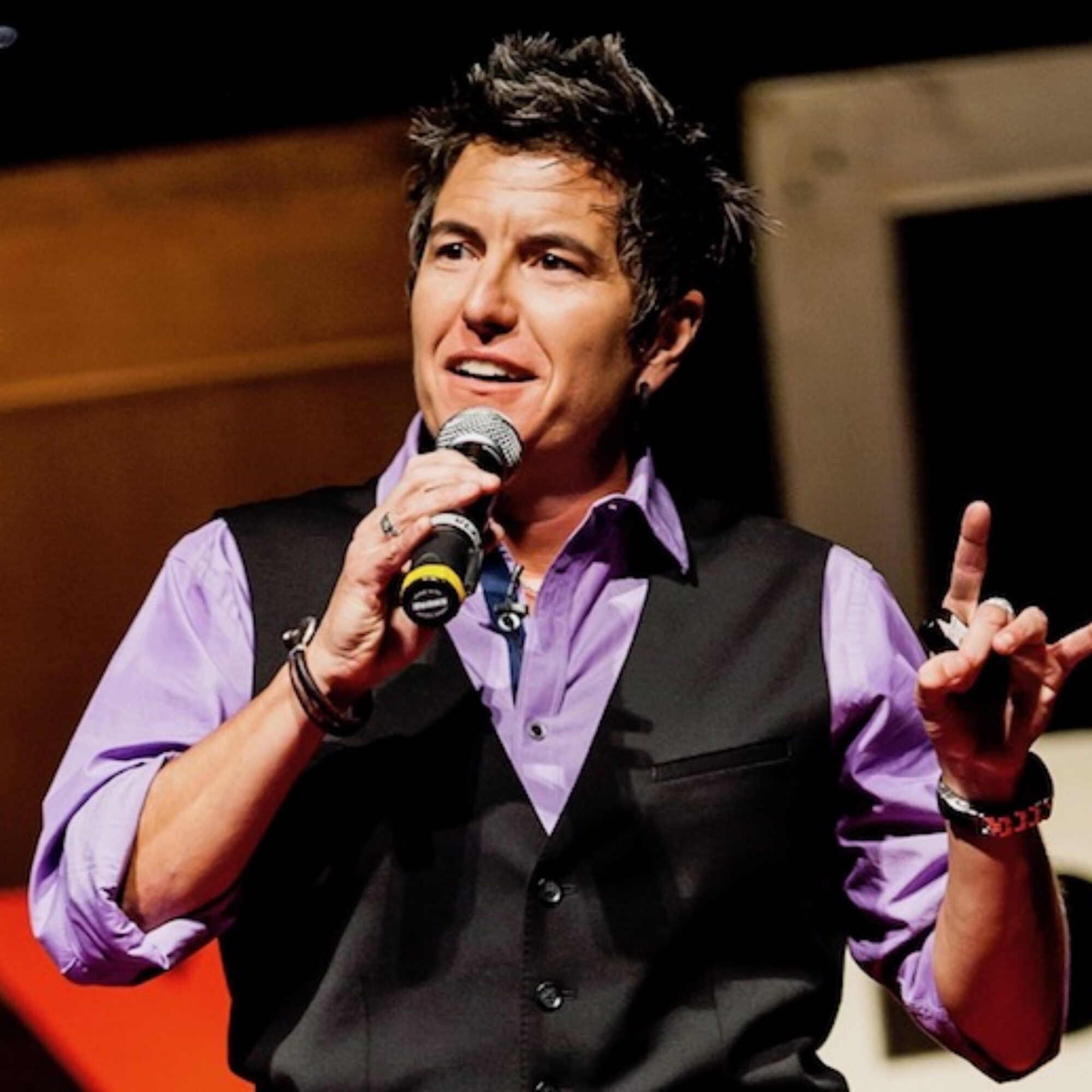
590: Ash Beckham, part 1: Being vulnerable, supporting others, growing yourself

We started from Ash's TEDx talks, which cover vulnerability, intimacy, and support. You can listen to our conversation on its own, but it won't hurt to watch them first. She could easily say, "As a lesbian, I have it so difficult," but she speaks more universally. Everyone has something difficult to share, hides parts of their identity, has been made fun of, has felt judged, shamed, or the like. She shares about opening up. She takes no high ground, nor victimhood. She reflects and shares insight mixed with plenty of humor and humility. I hide my share of things and welcomed her role modeling to open up more. I suspect you'll want to too.

0 Comments

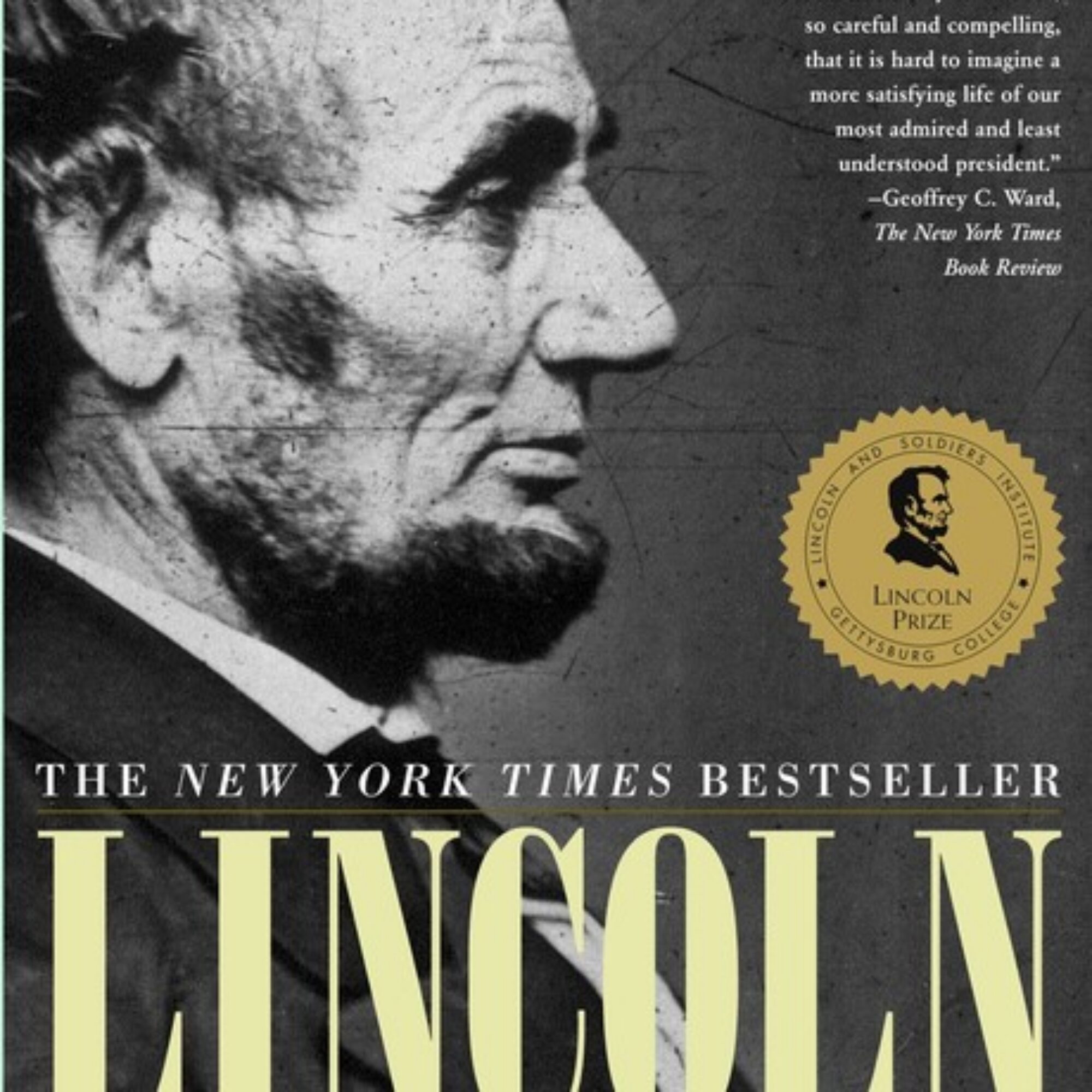
589: Abraham Lincoln and Sustainability, part 1: Is the US a racist nation? What should we do then?

The text of this episode: Regular listeners know I’ve been living with my apartment off the electric grid for two weeks, in Manhattan, not off in the woods. Most of the benefits are about connecting more with nature, being humble to it, not dominating it. I’m waking up earlier, for example, to work and read by daylight, so I don’t have to drain the solar-powered battery. Direct sunlight is free. Likewise, during a spell of three overcast days, I had to pay attention to my power use and take advantage of what sunlight I could to charge the battery. Speaking of reading by daylight, the great benefit prompting today’s post is nearly finishing a biography, Lincoln, by David Herbert Donald. I’m on page 507 of…

0 Comments

588: Mark DiMassimo, part 1: Leading with integrity

We start with one of the great cases of a corporation choosing to act with integrity in the face of pressure and incentive not to. Mark was part of the team that chose for CVS drug stores in rebranding to stop selling cigarettes. The choice was superficially difficult in that cigarettes made them billions of dollars in profit and their competitors could gain market share. But it was easy in that if they wanted to identify with health, there was no question. Mark shares inside views of that story, then connects with leadership and integrity. We look at comparable cases, like New York banning cigarettes in the work place, people projecting losing business to New Jersey. Mark focuses on what changes behavior. He asked what…

0 Comments

587: Josh Martin, part 1: How to Reach the Ivy League and the NFL When You Start Late and Unprepared

Regular listeners know I love talking with professional athletes. They open themselves to failure every time they compete. They often make incredible feats look so simple and natural, we forget the years of dedication and effort that made it possible. Whether you want to play professional sports or not, you can adopt from them to reach your potential, which is one of my definitions of competition. I love talking to them because they share what happened behind the scenes. Almost always, as with Josh Martin, it means hard work for a long time, but that view is too simple. What enabled working so hard? They aren't gluttons for punishment, nor automatons. What's their mindset? What's their physical attitude? Josh shares these things from behind the…

0 Comments

586: My Kitty Hawk moment, on the way to a Moon Shot

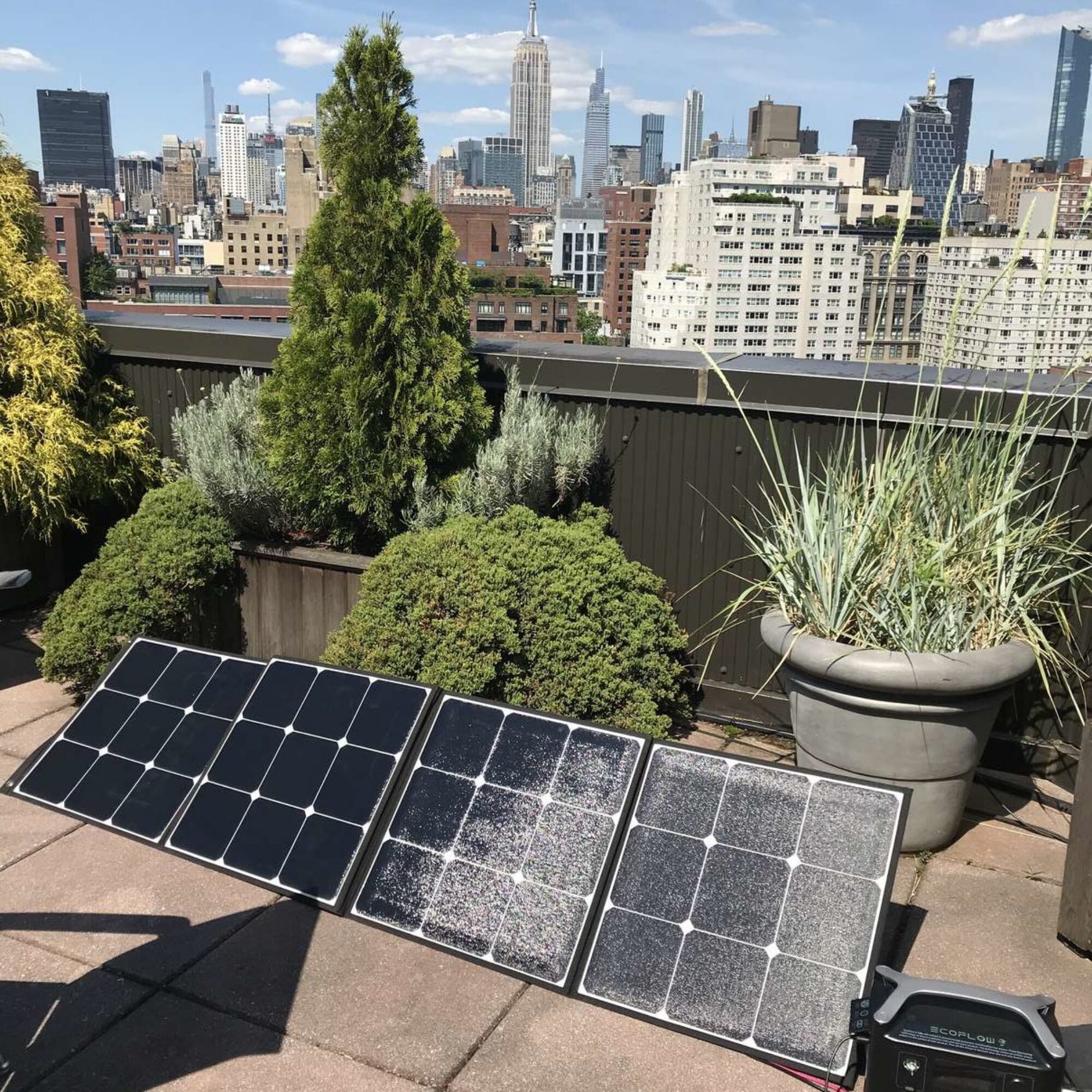
More continual improvement: the more sustainably I live, the easier each next step. Business people know about continual improvement, also knows as kaizen, the Toyota Way. How do you go from the Wright brothers' airplane to a 747? Not in one jump. Continual improvement, part of the process I have to convey more. I share observations on my week without using the electric grid: about food, climbing stairs, timing sleep to use more sunlight, and more. The picture shows my solar panels and battery on my rooftop.

0 Comments

585: Douglas McMaster, part 2: If a restaurant can run with no trash, we can too

When a man who founded a restaurant that uses no trash cans meets a guy who doesn't fly and hasn't filled a load of trash since 2019, we start by expressing mutual appreciation. Anyone can do these things. It's a matter of doing it. Doing it leads to experiencing similar challenges and overcoming them, facing similar resistance from people saying it's impossible, and enjoying similar feelings of reward at living by our values. Doug shares stories we can learn from of. One that I love is on fermentation. I'd started doing it and loving how simple it is, but hadn't heard the glory Doug shares of making it a major part of the kitchen. I'm fermenting more all the time. Also mycelium, fungus, which they…

0 Comments
584: Freedom, continual improvement, fun, and curiosity: day three only solar in Manhattan
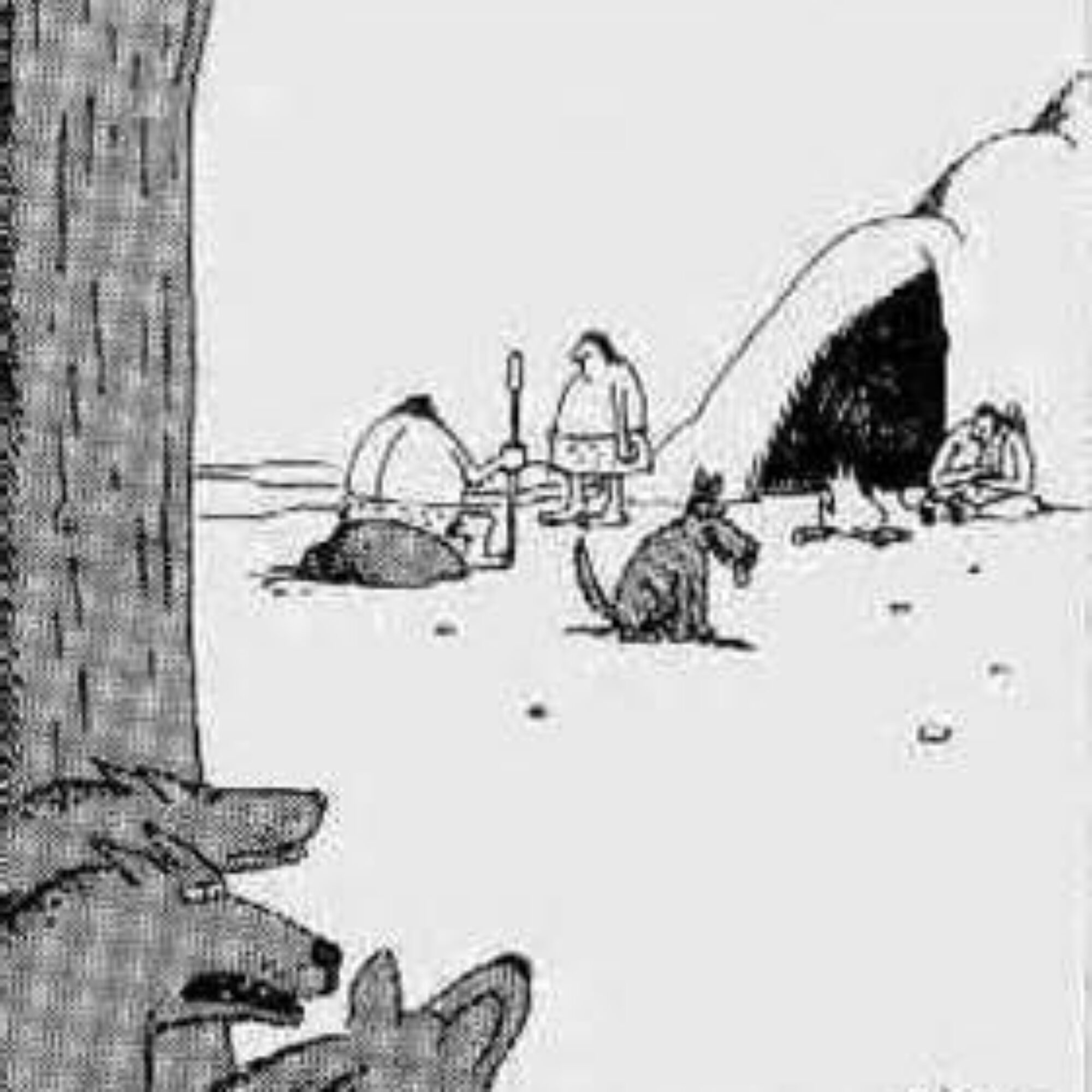
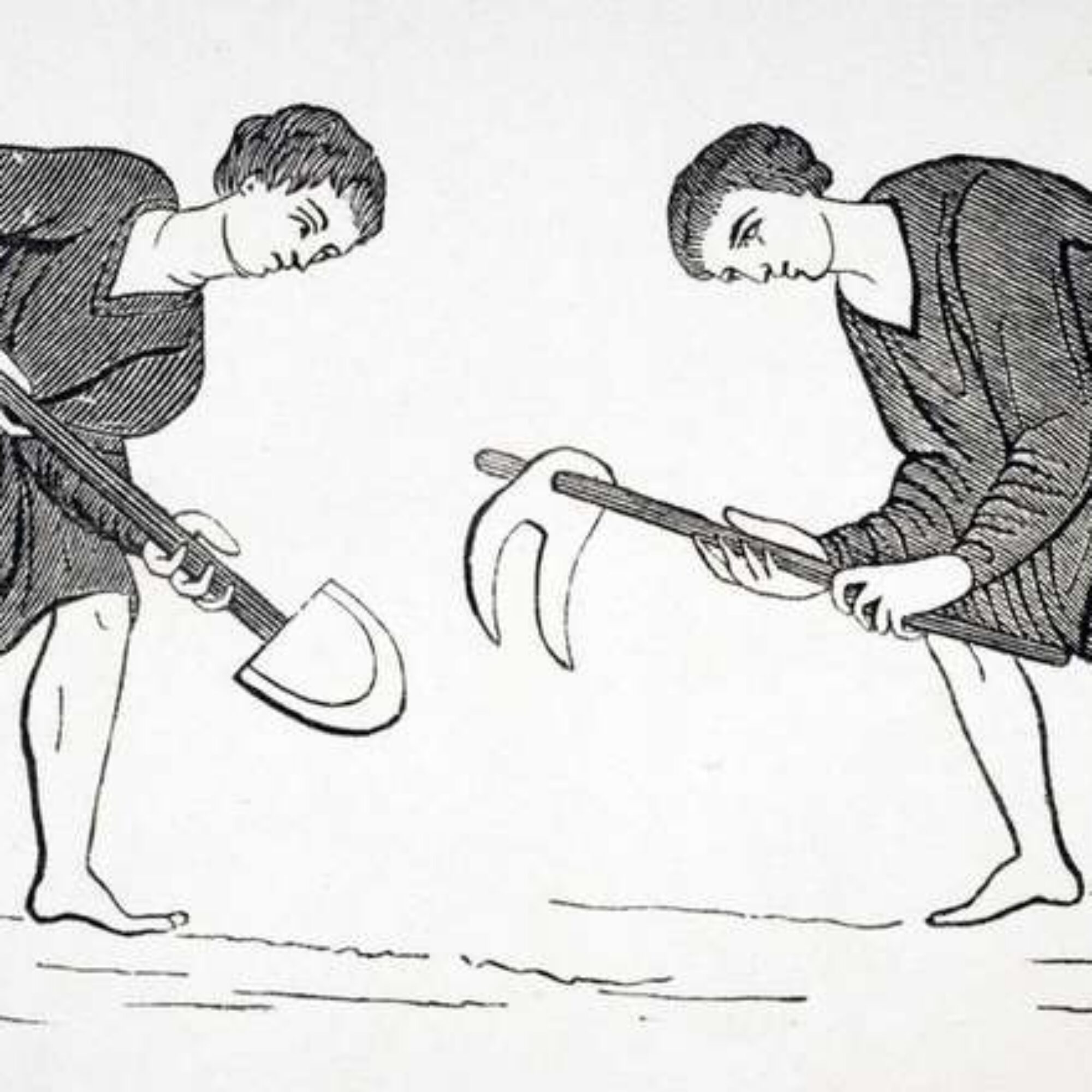
"Look at that glassy stare, those vacuous eyes... He's been domesticated I tell you!"

584: Freedom, continual improvement, fun, and curiosity: day three only solar in Manhattan

I share thoughts after two days using only solar power in Manhattan. After recording I turned off the circuit to the whole apartment. I'm on the roof now, charging the battery. The recording shares more. The main themes: freedom and continual improvement. Also fun and curiosity. "Look at that glassy stare, those vacuous eyes... He's been domesticated I tell you!" Caption for the cartoon, which I refer to in the recording: "Look at that glassy stare, those vacuous eyes... He's been domesticated I tell you!"Link to a cspan video of Sebastian Junger, author of Tribe, which I refer to in the recording too.

0 Comments

582: Gaya Herrington, part 2: How to change systems

Gaya gets systems, how to change them, and not fall prey to rationalizations that sound tempting but are self-serving excuses like "individual actions don't matter" or "only governments and corporations can act on the scale we need." I loved this conversation for her knowledge and experience in what will reverse humanity's pattern of lowering Earth's ability to sustain life. She shares and elaborates on major points like that technology is just a tool that serves our goals and values. While we value growth over sustainability, technology will accelerate our pattern of lowering Earth's ability to sustain life, not decrease it. We share our frustration with technology fans who misunderstand how technology affects our systems, thinking making it more efficient will lead to less pollution despite…

0 Comments

581: Dr. Ambrose Carroll, senior, part 2: cultural differences on how we view the individual

Ambrose and I start by reviewing his commitment. After a bit, as best I can tell, we talked past each other. Every now and then, the Spodek Method doesn't resonate and this conversation looks like one of them. His description of how he sees the world and my read don't seem to overlap. I suspect he felt I didn't understand him or his world. I read him as guarded, not sharing his personal views and feelings. I think it might be interesting and possibly fun to hear it as a third person. I tried to understand what he was saying and tried to clarify. He sounds like he was doing his best to speak to be understood. It just didn't reach me. He described how…

0 Comments

580: How wrong your beliefs making you fear living sustainably

Aren't we living in the best time in history? Don't we have to keep pressing forward to avoid returning to medieval serfdom or the Stone Age and everyone dying young? No. History, anthropology, and archaeology show these beliefs wrong. Humans weren't living on the verge of starvation or nonstop working all day long. Other cultures than the one we descended from enjoyed more health, longevity, abundance, resilience, and freedom than we do, but we keep telling ourselves stories to make ourselves feel better. This post contains the quotes I read from: Health and longevity of other culturesI read Kandiaronks' quote from the Kandiaronk Wikipedia page.The Wikipedia page on sloths.

0 Comments

579: Derek Marshall, part 2: Running for Congress, sharing honest personal experiences

You've heard every politician pay lip service on the environment. They talk abstractly about carbon dioxide levels, solutions to spend more money, and something about a future improved by electric cars and solar panels (conveniently missing how these "solutions" pollute). How many share their personal experiences? How many share their vulnerabilities we know they have? Derek shares his personal experience honestly facing environmental challenges himself. What does it feel like to see a plastic bag roll by in the wind like a tumbleweed in what was supposed to be in the middle of nowhere, untouched by people? How does it feel when humans' predominant effect on once-beautiful nature is poison? Do we face our feelings of helplessness, thereby enabling ourselves to do something about it,…

0 Comments

578: Warren Farrell, part 2: Sex, race, and intimacy: How to listen and communicate

This episode is available on video. Before our conversations, I tended to see Warren as mainly focused on issues where men and boys suffer that society doesn't see, downplays, or ignores. I still see him as a rare luminary on such issues. As he mentions, many people, up to the White House, seem unable or unwilling to consider the possibility. But I'm seeing him focusing on solutions, both systemic and individual. We start this conversation on communication, especially about listening, especially in conflict. We transition to communication tips, especially for men and boys, using ourselves and our challenges as examples. I hear passion in him for helping couples, especially from a man's perspective. Not just passion, effectiveness. He shares about the origins of the Boy…

0 Comments

577: Michael Carlino, part 6: Discussing the moral case for fossil fuels (and more)

If you've been following Michael and my conversations so far, you know to expect thoughtful, considerate conversation coming from different perspectives. Each time we find deeper understanding, share more, and listen more. You won't be disappointed this time. In this episode we talk about concepts from the book The Moral Case for Fossil Fuels and the philosophy behind it. Since I've started reading the Christian Bible, we talk about Romans and Philippians a bit too. Despite our different backgrounds and views about the universe, we agree on many ways we believe we can improve the world.

0 Comments

576: Nakisa Glover, part 2: The need to feel heard and act

Nakisa talks about her community in Charlotte, North Carolina, the environmental and social challenges it faces, the level of engagement, the biases in difficulties in engaging for people who work long or unusual hours, advantages to big businesses, and other challenges. She also talks about her work facing these challenges, organizing and enabling people to solve them. We talk about civic engagement beyond voting, acting beyond in election years, and running for office. In this episode, you'll hear from her experience and perspective what you face motivating and leading communities on the receiving end of polluting industries, historically locked out of politics, not knowing how to start, but needing to start if they hope to reverse those historical trends. You'll hear her enthusiasm, which I…

0 Comments

575: Chef Douglas McMaster, part 1: A restaurant with no trash cans because it produces no trash

Doug is the opposite of the catastrophe we've made of the food industry. He created a restaurant with no trash cans; not for the customers, not for the staff, nor for suppliers. Talk about a role model. You can do it too. He can't do it for you. Neither can I. Only you can do it for yourself, but now you know you can. Step one: try. Step two: don't stop. Regular listeners know my disgust and disdain for how much garbage comes from food and doof industries. The streets of my once beautiful neighborhood and city are covered with litter, the overwhelming majority of it coming from places profiting from producing more garbage and doof than food. Coca-Cola, McDonald's, Starbucks, Trader Joe's, Whole Foods,…

0 Comments

574: Frances Moore Lappé: Food, Democracy, and Taking Back Control of Our Choices

We spend most of our time talking about Frances's latest book, Daring Democracy. I couldn't help sharing how, decades after reading Diet for a Small Planet, I realized it was the first source that started me on the path to embracing and loving sustainability. I started by describing that path and my gratitude. If you haven't read the book, if you wonder why I'm so impassioned and feel so much joy where others are bogged down in shame, guilt, helplessness, facts, burden, and such, I recommend reading Diet for a Small Planet's fiftieth anniversary edition. You will connect deliciousness with sustainability, and fun, freedom, community, and other rewarding emotions. Regular listeners will also understand my origins better. Then we speak about democracy, especially in the…

0 Comments

573: Scott White, part 2: An energy CEO considers leading on sustainability

Scott went above and beyond acting on his sustainability commitment to run. He battled covid during training. Did the extra effort bring him down? On the contrary, since he did it for personal, intrinsic motivation based in his connection to the environment, he valued it more. I read curiosity on his part so shared my personal actions and systemic strategy different than the typical ones to switch from fossil fuels to so-called renewables. I say "so-called" because they require fossil fuels at every stage plus we have to handle their end-of-life pollution. As I see it, polluting less than the most polluting energy sources but still polluting isn't sustainable, it only buys us more time to become sustainable. He seemed genuinely interested in my experience…

0 Comments

572: Geoff Colvin, part 2: Are we losing humanity when we lose touch with nature?

Geoff's story of his commitment to act on his childhood memories of playing along the Missouri River in South Dakota starts off interesting, then turns exciting, thrilling, and ultimately life-changing. One of the things we most fear happened to him and he loved it. I think our conversation then grew more interesting. He's a storyteller and educator. He learned from the experience beyond what reading a book or reading a graph on carbon levels could reveal. We explored what nature brings to us, and what its absence deprives us of. Geoff is an experienced and brilliant thinker and speaker. He explores and shares the interplay between nature and humanity, its loss, and what that loss means to us. This episode will make you think. I…

0 Comments

571: Chef Dan Barber, part 1: Supporting the whole ecosystem and farmers at every turn

Dan Barber is helping revitalize our food system. We start by going over his background, how fear drove him maybe most of all. Then we get into what drives food: farms and soil combined with creativity. His goal is supporting farming from the most basic level. He doesn't oppose people shopping farmers markets. He comes alive describing discovering what farmers who know the land learned to practice: diversity, rotation, and all what it takes to grow wheat, for starters. The whole ecosystem. I hear him sharing joy, passion, fun, curiosity, discovery, health, and deliciousness. It comes through community, practice, honoring nature and tradition. Prepare to be fascinated. Dan Barber's presentation, The Taste of WheatBlue Hill at Stone BarnsFamily Meal in Manhattan

0 Comments

570: Bill Benenson, part 1: Documenting and learning from the fascinating Hadza

If you agree innovation and technology has its drawbacks, you may still worry: if we don't press onward, aren't we risking reverting to the stone age with thirty becoming old age and mothers and children dying in childbirth. Don't we store fat so well because our ancestors never knew when their next meal would come? I used to think that way. Learning about cultures that haven't adopted our technology-based culture relieved me of my ignorance. You've heard episodes with authors of books on Hawaiians before Captain Cook and the San bushmen in the Kalahari Desert. These cultures didn't barely eke out survival. They thrived. The San lived for hundreds of thousands of years. They show higher signs of resilience, health, longevity, abundance, equality, and stability…

0 Comments

569: Stop funding Russia invading Ukraine

People and nations are funding Russia's invading Ukraine, where tens of thousands have died and millions have become refugees. The laws of supply and demand dictate that any use drives up price, so any use helps fund Russia, being such a big supplier. Everyone acts like the only alternative to burning fossil fuels is burning different fossil fuels, as if humans haven't thrived for hundreds of thousands of years without them, generally showing higher signs of health, longevity, abundance, equality, and stability than recent times. In this episode, I view this bullshit view from the perspective of having improved my life by dropping my pollution over ninety percent in under three years in ways you can too (even if you believe you can), also improving…

0 Comments

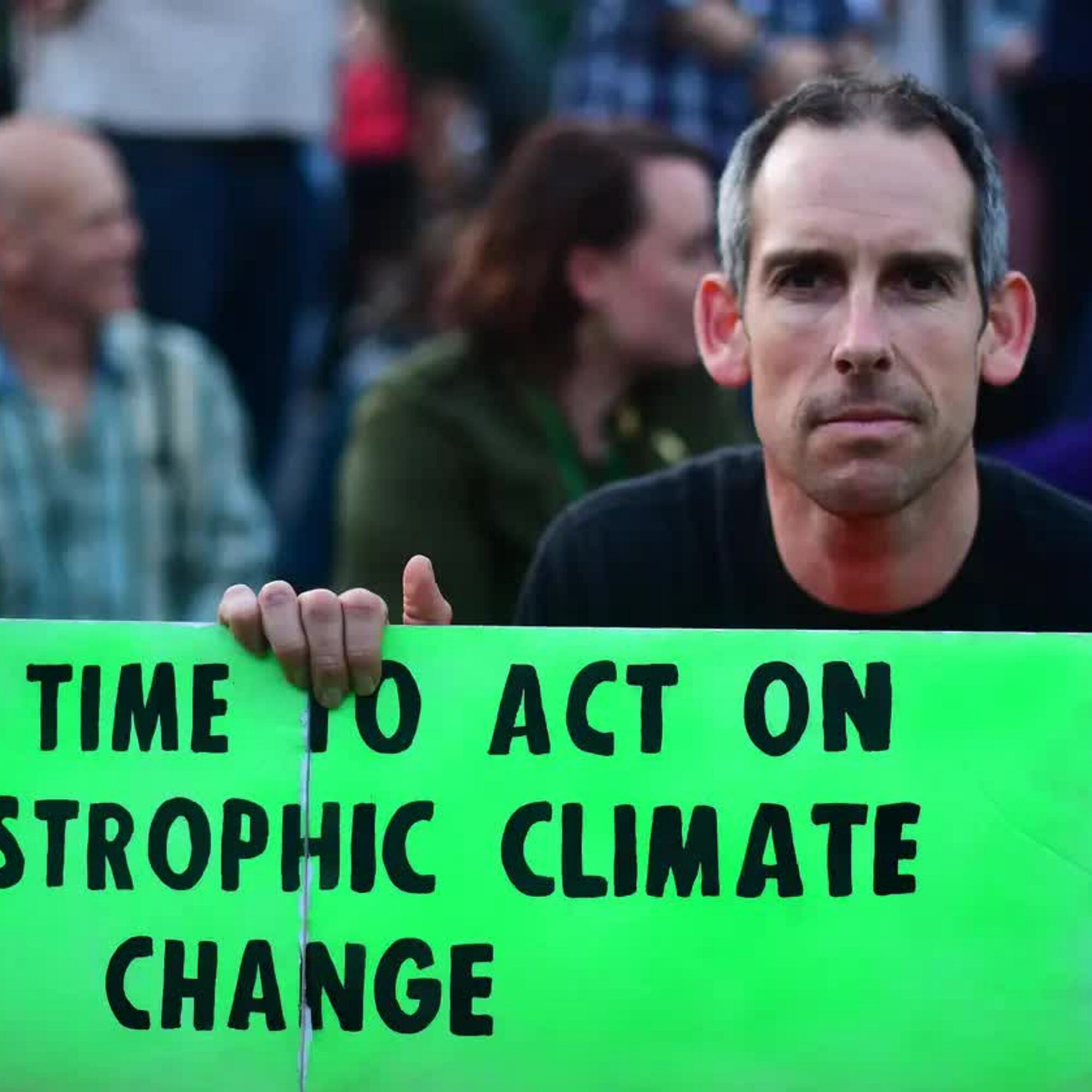
568: Etienne Stott, part 2: When you threaten the power of the establishment, it starts to kick back

Etienne starts by sharing how his government in England is beginning to increase how much it threatens punishment for people protesting, including what he does as an MBE working with Extinction Rebellion. He sees that reaction as showing they are making a difference. I hear it is similar to what is happening in my nation, the U.S. In our first conversation, Etienne was already acting and protesting. Sustainability is among his highest priorities. He isn't just talking about it. He's on of the most active people I've spoken to, by no means backing down. On the contrary, increasing his activities, as determined as ever. This episode features two people who have done what everyone can: making changing culture to increase human flourishing our top priorities,…

0 Comments

End of content

No more pages to load