Podcast


567: Nakisa “Sista Sol” Glover, part 1: Environmental Justice, Social Justice, Organizing, and Action

Nakisa describes herself as naturally loving science, born into a hip hop world, combining these starting points. She starts by describing her journey growing up not learning that much about our environmental situation, seeing it as abstract and unrelated to her world, to being discovered for her ability to communicate, organize, and influence. The more she learned, the more she saw it as more than just affecting her life and community, it was critically damaging it. She saw the environmental problems as intertwined with social issues that were already priorities. The polluting cement factory in her neighborhood that fouled the air wasn't just an eyesore that illustrated a failure of democracy for being an eyesore never considered to be built in a rich neighborhood. It…

0 Comments

566: The CEO of Ford and Boeing, Alan Mulally: Leadership environmentalism should learn from

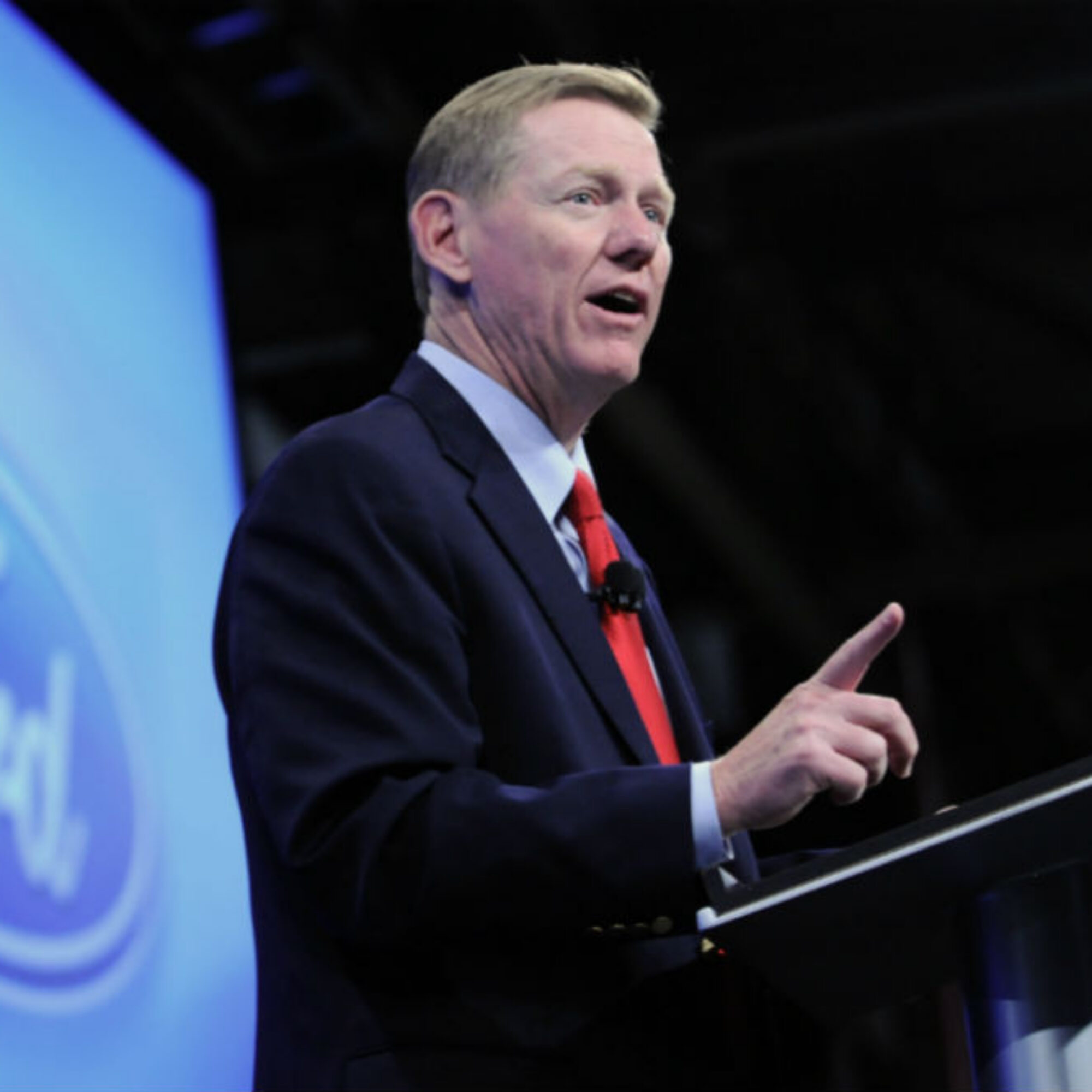
"What I do doesn't matter," say many environmentalists as they order steak or buy tickets to fly some place. That's the addiction speaking. I recently heard Alan Mulally speak on how he led turning Ford around from losing tens of billions of dollars to number one in many categories creating joy, teamwork, and fun despite challenging work. Before being CEO of Ford, he led Boeing, among the two greatest promoters of pollution in the world. Nonetheless, because he leads, which I distinguish from telling people facts and numbers, protesting, or cajoling, coercing, or convincing, I contend that he would be more effective than nearly any environmentalist I know of. I consider him one of my top role models because I see his methods among the…

0 Comments

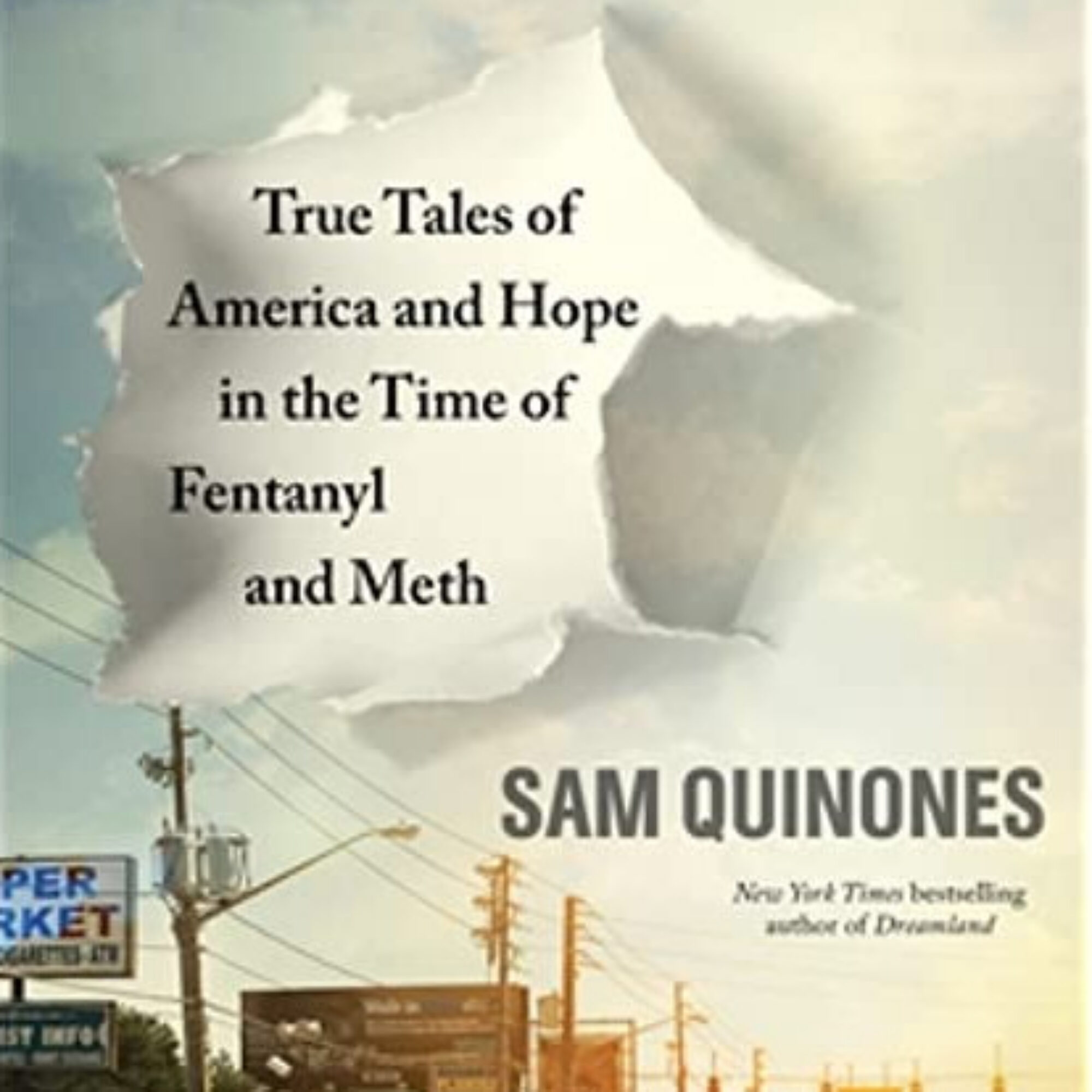
565: Sam Quinones, part 2: Fentanyl feels worse but addicts more (like Facebook, McDonald’s, flying, etc)

In one of the highlights (lowlights?) of our second conversation, Sam shares that fentanyl users don't like its experience as much as heroin's. On the contrary, it's worse. It pops them out faster from the euphoria, which makes them want to take more. It's a worse experience that addicts them more. Their suppliers don't care about the experience. They care that it sells more, which makes them more money. It's cheap to make, so they make huge amounts and flood the market, not caring about the waste that they consider someone else's problem (as if a crumbling society didn't hurt them too) nor the health of their customers, as long as they keep returning. They will, doing whatever it takes to get the money, laying…

0 Comments

564: Lauren Carlisle, part 1: Dancer, psychologist, philosopher

Lauren's unusual knack for attracting a refined mix of brilliance and emotional unavailability created a storied dating life from 2010-2019 which included actors, pick-up artists, doctors without borders (or was it boundaries?), CIA agents (who shouldn't have confessed that), astrophysicists, and Daniel J. Jones, author of the 2014 CIA Torture Report, who was portrayed by Adam Driver in The Report (2019), among others. Approaching 600 episodes and a few years into a personal podcast, I'm bringing Lauren on partly as a fascinating person, partly to share more about my past, like my episodes with my mom, whom Lauren met, or the Sex, Drugs, and Rock and Roll series. Lauren and I dated during the time I was coaching (mostly) men dating and attraction skills. Lauren…

0 Comments

563: Derek Marshall, part 1: Candidate for California’s 23rd Congressional District

Derek is looking to flip a district that has been moving more Democratic through demographic shifts and redistricting. Can he pull it off? He reached out to me partly to share and explore environmental and sustainability issues. After we cover more of his background, he shared the environmental situation of a potentially stunningly beautiful region, including Joshua Tree and Death Valley, but exurban growth threatens it. Many people claim the environment should not be political. Can politicians act on sustainability coming from one party and attract people from another party? I chose to act outside politics because I saw cultural change as the main issue and the people I saw in history who changed culture started without holding office: Martin Luther King, Nelson Mandela, Henry…

0 Comments

562: Sam Quinones, part 1: America’s addiction: opioids, meth, fentanyl (and fossil fuels)

You'll hear why Sam's books win so many awards: he deeply, personally explores fascinating, critical, current topics, then tells rich, detailed stories that get to their heart. He cares about the people he writes about and our tragic era as you the listener and reader. Meth and fentanyl, you can look in any small town, rural area, or big city---that is, everywhere---to see them sweeping and devastating the United States. Sam shares first his background and interest in learning where it comes from historically and geographically, why it takes root, and what people are doing to stop them. Regular listeners to this podcast and my blog readers know I cover addiction a lot. I focus on it partly because it permeates my neighborhood and twenty-first…

0 Comments

561: Scott Hardin-Nieri, part 2: Faith and Personal Challenge

Scott emailed me that he didn't explore wilderness meaninglessly listening to birds as much as he committed. From experience, I know some guests overcommit or for some reason don't complete their commitment. I asked him to share anyway, describing how I'm looking to share actual experiences. I don't want to imply it's easy for everyone. He magnanimously agreed to share. Nobody is perfect, but not everyone is strong enough to share, especially publicly. He described how he's felt spiritual giving up in life before and this time fit the pattern. He did some of what he committed to but let it slide, even though it seemed easy. This time felt disappointing. We spoke more and he found something he may try instead. His sharing openly…

0 Comments

560: Geoff Colvin, part 1: How to Become an Expert

My first week's assignment to my leadership classes at NYU for years has been to watch Geoff's conversation with Charlie Rose. Geoff got his MBA at NYU, but somehow I took years to connect with him. He was delighted to be a guest. I assign Geoff's work because he communicates a message that you can become an expert and how to do it better than anyone. He speaks simply, eloquently, citing research, telling stories, and encouraging. In our conversation he explains and clarifies the meaning of deliberate practice. It's exactly what I want my students to learn before my class since it shows what will help them learn to lead in practice (not just reading and writing). In our conversation, Geoff shares his work, clarifying…

0 Comments

559: The Silky Smooth Seduction of Addiction

I decided to avoid putting screens on while I ate for a month. I expected to enjoy my food more, to find the euphoria I often feel from fresh, healthy food. I was surprised to find more the feeling of wanting to open a screen: a silky, seductive feeling that said, "It's good to turn on the screen. It's bad not to watch. You'll waste time if you don't put the screen on." The feeling came from inside. I've felt that feeling before, but I felt more conscious of it this time. I wasn't selling-family-heirlooms-to-fuel-the-habit level addicted, but I felt the feelings enough to explore them. I share them in this episode, and how we've built our society and culture around profiting from creating those…

0 Comments

558: Michael Carlino, part 5: Which is the danger, lowering or raising the human population?

This conversation was one of the most fascinating I've had. I couldn't have had it when I was younger. Michael and I are learning each other's world view regarding population, our innate drives, how we create or deplete resources, and related topics. We both agree we want many humans prospering. Our world views differ in what creates the resources we need to live: more humans to create the resources or fewer humans to keep from depleting them. As a result, we each see the strategy the other promotes as grave threats to the mission we agree on: human flourishing. What makes the conversation fascinating and one I couldn't have had before is that we aren't arguing or fighting. We're listening and learning. We start by…

0 Comments

557: Rollie Williams, part 1: Comedy and climate change

I hope you know Climate Town. Watch a bunch of episodes if you haven't. This Sustainable Life listeners and hosts talk about the show. It's funny and fun, yet intelligent and informative. On top of the content, I watch the backgrounds, which often take place where I live in lower Manhattan and where I went to school, at Columbia, where Rollie went to. So I contacted him and his team. We spoke. Within minutes I could tell why Climate Town is so funny. He and his team are funny. Immediately, I could tell I could learn from them. Here he is. We talk about his and his shows' origins and goals. I always thought he was a scientist making humor. He's a humorist taking on…

0 Comments

556: Judith Enck: Beyond Plastic’s Founder and President

Judith shares her work, motivation, and vision on a problem everyone sees killing people and wildlife, but shies from applying themselves to, maybe because we value our polyester clothes, bottled water, laptops, and such. Have we lost the ability to imagine the world before plastic was invented? Her perspective, vision, and plans are common sense, sadly not common, yet, but she's working to bring us there. We do not need to use as much plastic as we do. Beyond Plastic's mission, from its web site: Launched in January 2019, Beyond Plastics is a nationwide project based at Bennington College in Bennington, Vermont, that pairs the wisdom and experience of environmental policy experts with the energy and creativity of college students to build a vibrant and…

0 Comments

555: EJ Perry, part 1: Brown’s quarterback on clutch performance

Who doesn't love knowing about something big before everyone else? EJ Perry is something big, a very talented quarterback being scouted by the NFL, coming from the Ivy League. Rarely do people reach pinnacles in multiple areas of life so young. (I'm posting early so you can know to see him play in the Shrine Bowl next week, February 3 at 8pm eastern on the NFL network.) Regular listeners know I like bringing top athletes to the podcast because they've faced challenges, victories, losses, and adversity and had to return to the game and life. We didn't ask to be born into a polluted world, but we did. I believe we can learn from athletes and other leaders. I indulge in asking EJ about playing…

0 Comments

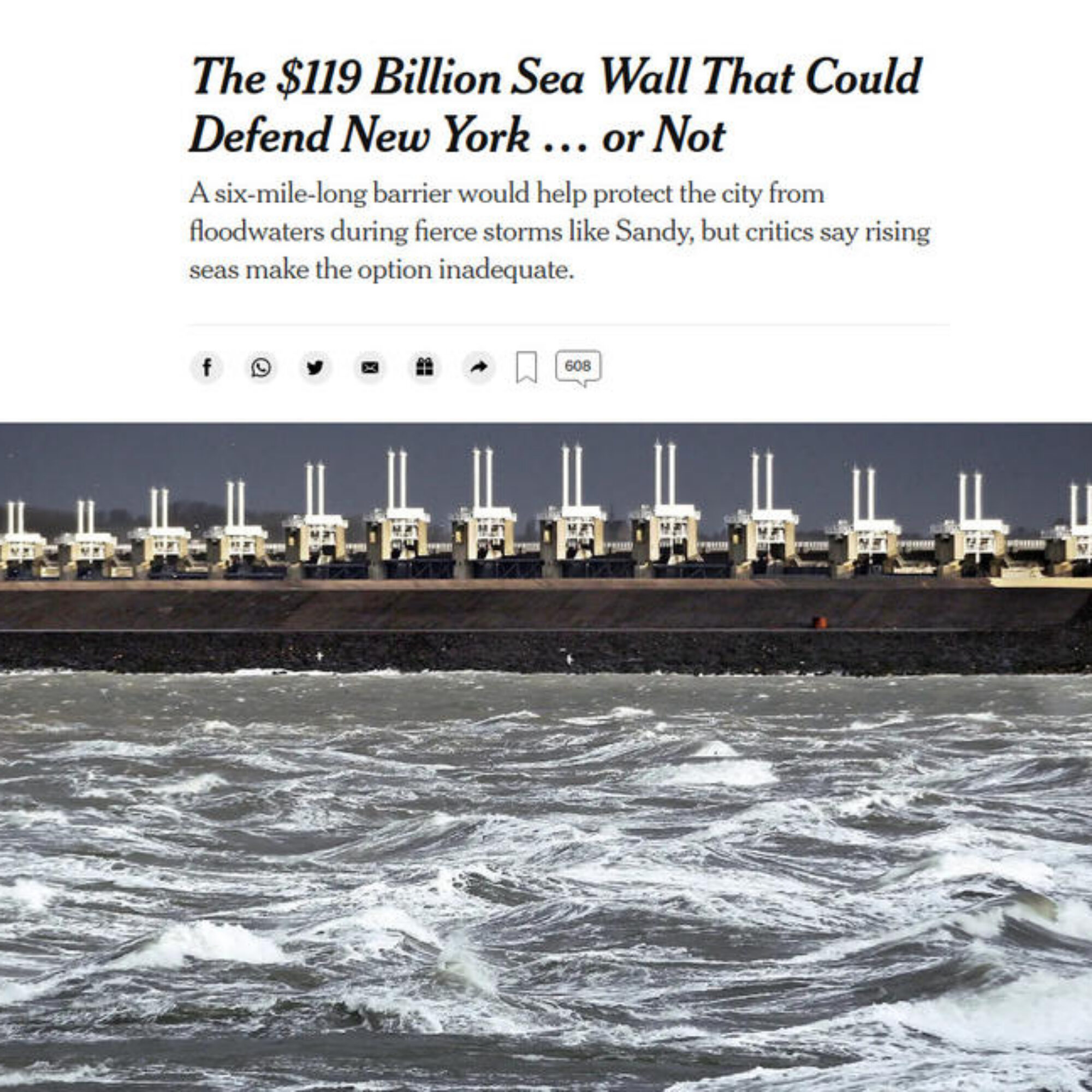
554: Sea walls won’t protect us from our garbage. Stopping polluting gives us our best chance.

My notes that I read from for this episode: Sea wall for Manhattan, like Holland: expensive, huge, likely won't workControversial already. Natural solutions might work better.Let's say they worked.On Staten Island, Fresh KillsAlso everywhere, all coasts unprotectedNow think of Cancer Alley Gulf coast, oil refineries and global toxic dumpsAll that pollution will be dispersed to seas and biosphereI'd guess hundreds of thousands of yearsThink of the sufferingChallenge is more than energy. Also thermodynamics. Everything will disperse.Best solution: stop using fossil fuels now.Yes, we'll face problems, but we'll solve switching problems more easily than global garbage.Not an option: keep going as we are and maybe the problems won't happen.

0 Comments

553: Gaya Herrington, part 1: How far have we passed our limits to growth? What does that mean?

Five months ago, Gaya's work led to headlines like Yep, it's bleak, says expert who tested 1970s end-of-the-world prediction. The 1970s predictions weren't exactly predictions, but the headline refers to the book Limits to Growth. If you're not familiar with it, we start by talking about it. We both consider its views and analysis among the most important. The book simulated possible outcomes for humans on Earth. Those outcomes varied from lots of happy people to billions dying. The authors' goals were to show what patterns we might expect. Still, people since have wondered if we and Earth have tracked any of those outcomes. Gaya's work does just that and shows that we have a slim chance of avoiding collapse, but a good chance of…

0 Comments

552: Hilary Link, part 2: colleges and universities talk sustainability but rarely act. This college president does.

Hilary describes her commitments as achieving some success and some failure, but learned from both. We start with her personal experiences and memories of ice skating and cross country skiing as a child leading to her sometimes painful lessons today. More than just ice skating again, she took lessons with her child. Listen to her for the lesson and why it was painful, but I'll share that she learned to wear a helmet. She also talked about driving less, which led to what she could do with her community not to accept that not driving has to be hard, but how to improve the situation. She talked about eating less meat, which I heard creating more connection within family. From the personal, we moved to…

0 Comments

551: Chad Foster, part 4: Flying to skiing, but not camping in the back yard

In this episode we talk about how to lead people, but I can't help notice on listening afterward how quick and easy it is for him to fly his whole family across the country several times a season, but impossible to pitch a tent in his back yard. Whatever effect I've had on other guests, it's not happening with Chad. What he shares about leadership, I agree with and his life transformation to adjust to circumstances he couldn't have predicted, we can all learn from, so I recommend listening (sorry about the sound quality on my microphone). He lost his sight, which hasn't led to a worse life, as best I can tell. We're losing our ability to eat meat, have as many babies as…

0 Comments

550: Rick Ridgeway: A Life Lived Wild: K2, Everest, and places no human had seen

Prepare to be awed at Rick's stories of adventure, discovery, nature, and humanity. He has summited K2, Everest, and more. He's visited places possibly no other human has. And he's an experienced, brilliant storyteller, so shares his experiences with a vitality that can only come from living it. Hear what it's like for animals that have never seen humans to approach him. His interactions with people show up too, including Sir Edmund Hillary, Patagonia founder Yvon Chouinard, and North Face and Esprit founder Dave Tompkins, and more. He shares what it's like at altitudes where each step requires summoning all the willpower he can just to take the next step. For background, before recording, I checked with him if we could talk about his thoughts…

0 Comments

549: Abdal Hakim Murad, part 2: High and low tech in the new green mosque in Cambridge, UK

Many people and mainstream society seem to view technology as the solution to our environmental problems---and the more and the newer the better. Abdal Hakim and I agree technology isn't the glowing solution many believe. It can play a role, but as part of a mix, including low-tech and non-tech components. This topic led to the new green mosque in Cambridge that he helped make happen, how to mix technologies and harmonize with its location. It won awards and created networks and support from the community. He shared the role of sacred spaces in life, less available now, as well as natural spaces. Nobody dislikes trees, but there are fewer around than ever for many people. He also shares his commitment on reducing meat with…

0 Comments

548: Erik Bottcher, part 1: a New York City politician awesome enough to pick up litter

Erik Bottcher is my elected legislator. New York City's council presides over a budget bigger than most countries'. Yet I met him picking up litter. He organized weekly clean-ups when the city dropped its sanitation budget during the pandemic. He also sees the problem not as too little cleaning up but too much supply of packaging that becomes litter. Let's pause for a moment. How many politicians have you heard of who bend down and pick up litter, week after week? I think the world would benefit from all of them doing it. We talk about changes to the city we'd like to see. He shares about growing up gay not in Manhattan but the Adirondacks, then coming to the city and how that affects…

0 Comments

547: Michael Carlino, part 4: What does Christian scripture say about population?

Michael is becoming a regular. Would I have expected an extended conversation with a doctoral candidate at the Southern Baptist Theological Seminary when I started? I don't think so, and I don't think many environmentalists engage with evangelicals and conservatives. I think you'll hear genuine friendship, mutual respect, and mutual desire to learn from each other. I think you'll hear actual learning. In this episode we took on a topic we expected to disagree on: population. This time I asked more questions, learning his views and the views of scripture he follows, though I shared my views too. What does the Bible have to say about population? Where do we agree or disagree? What common ground is there, if any, and what can we do…

0 Comments

546: Maxine Bédat, part 2: Systemic Change Begins With Personal Change

Maxine shares her experience with her commitment across the country. She moved partly to enable living by her values. People often suggest it's easier for someone living in New York not to fly since I have access to so much culture here, but access to many cultures only matters if you value it. Not everyone does. I hope you live where you can access things you value. If you don't, no amount of travel will overcome that you live where you don't like. I mention this because Maxine could live by her values better not in New York. She sounds like she's still flying a bunch, she didn't commit to avoiding flying (yet). As we talk about in our conversation, we build up to bigger…

0 Comments

545: Jesse Eisinger: Pulitzer-Prize winning investigative reporter for Propublica

How do you become one of the premier investigative journalists at one of the premier publishers of investigative journalism? In general, how do you excel in an area with no established path? I consider figuring out how essential in leading others. I feel sad when I hear people say, "I'd like to help the environment, but there are no jobs in it." Of course not! When culture is the problem, following others won't solve it. Leading others requires leading yourself first. Jesse and I have known each other since college in the 1980s, so he shares his path from the start. On the surface, you'll hear him describe his failures, yet he kept rising to more responsibilities. Listen between the lines to hear what prompted…

0 Comments

544: Michael Carlino, part 3: What would Jesus do with an iPhone?

Michael shares about avoiding using a smart phone, or at least using a minimally functional smart phone. Do you remember what life was like without yours? What does solitude mean to you? How much time do you spend on a smart phone? Would you like to reduce it? What would you do instead? What are we missing? How about emotion, love, freedom, and joy? He talks about the irony spending money to help us handle our addiction to those who cause the addiction. It sounds like doof. We talk about addiction, our purposes, and being distracted from them. The above is the starting point of what life is about when not distracted all the time: freedom, family, community, our values, and understanding those things. You'll…

0 Comments

543: Hilary Link, part 1: a college president leading her school to carbon neutrality

Allegheny College was one of the first 10 institutions of higher education in the United States to be declared carbon neutral by an organization called Second Nature. Readers of my blog know my skepticism of claims of "net zero" or "carbon neutral," but I look for people in leadership positions acting genuinely and authentically toward sustainability. So I bring you Allegheny's president, Dr. Hilary Link. She shares the college's experience starting a decade ago, before her arrival, and its institutional long-term action. She also shares her helping her peers do similar work at other schools. Allegheny College took on the challenge without a substantial endowment, a large staff, or a big budget. For the last five years, the College's Environmental Science and Sustainability program has…

0 Comments

End of content

No more pages to load