Podcast


332: How leaders choose better

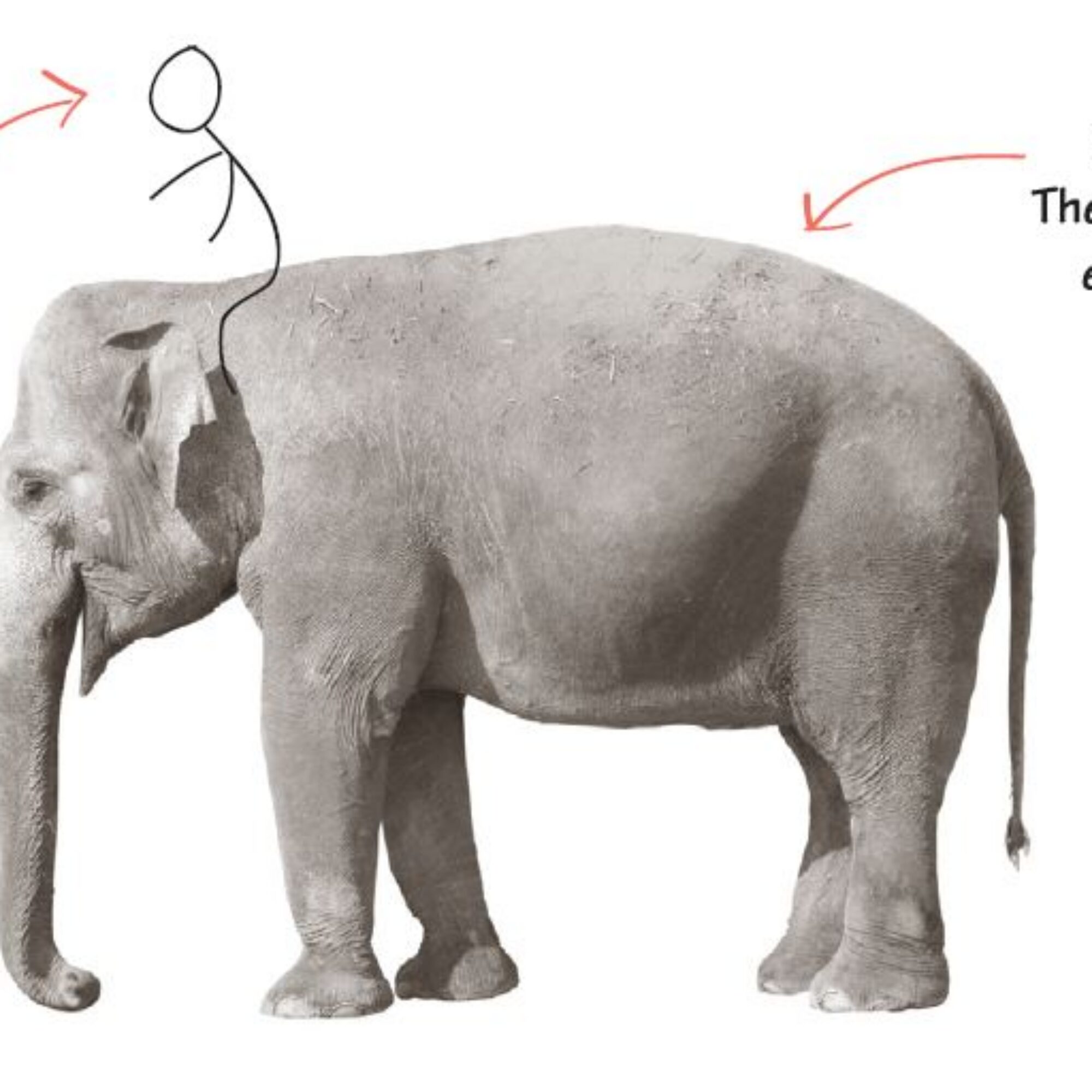
Leadership means choosing and deciding for yourself and for others. To lead effectively, it helps to know how you choose and what happens in your heart and mind when you choose---that is, how your intellect and emotions interact in the decision-making process. This episode refines and adds an element to a model by a guest of this podcast, Jonathan Haidt, for how we decide. I describe his model---you may know it, about the rider on the elephant, which contrasts with a common model of a charioteer with horses. Then I describe how our world differs from the world where his model applies. His model still works as long as we're in a benign environment. My model adds a different part of our minds from emotion…

0 Comments

331: Rob Harper, part 2: A Pro-Trump View

Our second recorded conversation covered Rob's experience with separating his recycling. The first time we met we meant to record but ended up speaking for three hours, partly meeting as person-to-person and also talking about what people in this country with differing political views probably used to but don't any more. We also ate my famous no-packaging vegetable stew---a delicious way to minimize polluting. The second time we recorded, but also spoke a good hour first. In other words, despite Rob supporting Donald Trump and my opposing, we're communicating a lot---in the style of Ruth Bader Ginsburg and Antonin Scalia. We don't plan to keep talking unrecorded, but we start and next thing you know we've covered a lot. As you'll hear at the end…

0 Comments

330: Lockdown Inspiration from Nelson Mandela

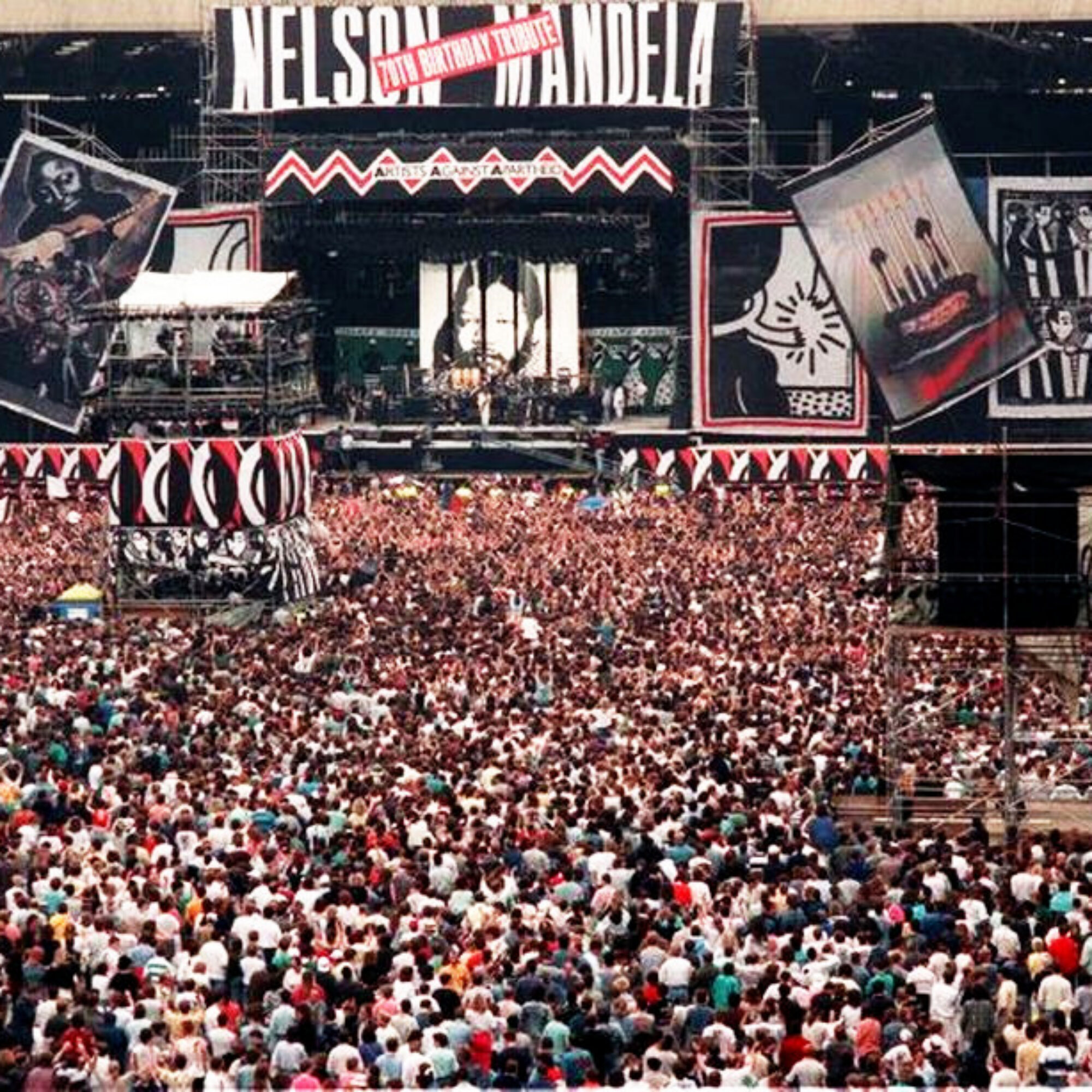
Many of us are struggling living in lockdown. Nelson Mandela has inspired me in many ways. Going beyond subsisting in captivity, he emerged from 27 years imprisoned on Robben Island---South Africa's Alcatraz---to become President. Today's episode shares part of what I believe helped him, which I believe can help us. First, he endured 27 years. We're only a few months in, and not in a small cement prison cell with a bucket for a toilet. More, he practiced daily habits. We can too. I describe his in this episode, I hope in ways we can learn from. Here are a couple quotes I read in the recording, both from his autobiography: "I attempted to follow my old boxing routine of doing roadwork and muscle-building from…

0 Comments

329: John Perkins: Touching the Jaguar

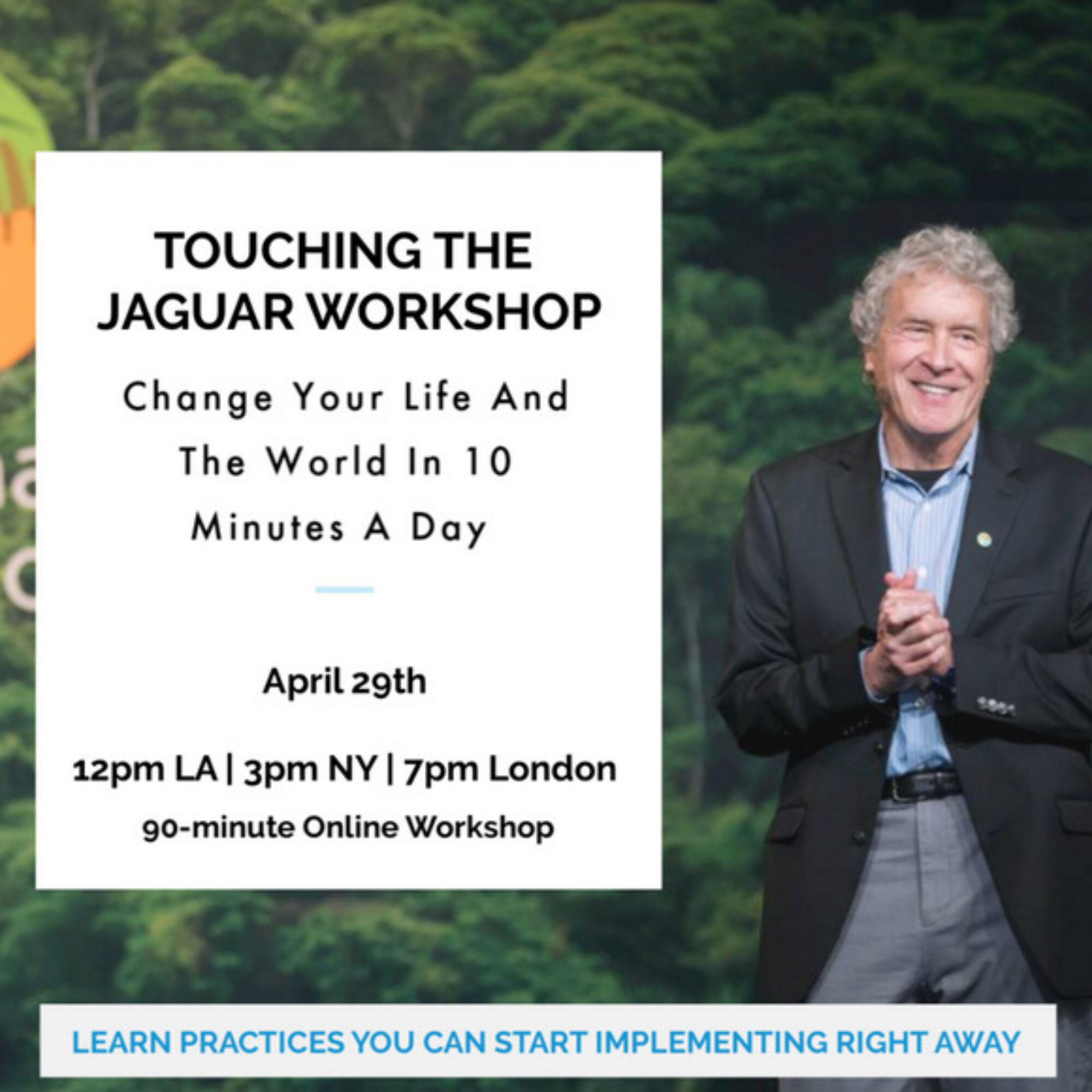
A great joy of podcast success is talking to people who changed your life. I read John Perkins' Confessions of an Economic Hit Man about ten years ago. I couldn't put it down---as much from the writing as the stories and content. It led me to see the world differently, especially government, corporations, America, money, what my taxes support, politics. It recalled Upton Sinclair and Henry Thoreau. He is about to release a new book, Touching the Jaguar. He's written several books on shamanism, his experiences relevant to shamanism from before his economic hit man path, how the worlds interact, bringing them together, and showing how they are relevant today---including during a virus. If you're here just after I posted it, listen for the workshop…

0 Comments

328: Tony Wagner, Learning by Heart

People often ask for advice on how to lead in a given situation, what leadership means, or one tip they can improve their leadership with. Nearly none of the questions help someone improve their leadership. The most useful question I can think of is: How do I learn to lead? In other words, what steps can I take to learn to lead? No leader would answer: read a lot of books, magazine articles, or journal articles. Nor would they suggest discussing case studies of other people's experiences, write papers, listen to lectures, or take tests. They'd probably say something about getting experience, especially related to leadership, not sitting in a classroom. What experience, though? Only random life experience, hoping it will help? Learning the social…

0 Comments

327: Rhonda Lamb, part 1: The Bronx and farm-fresh vegetables

You'll hear about Rhonda and how we met in the beginning of our conversation, but I brought her in for a different reason than most of my other guests. I invite a lot of people to my famous no-packaging vegetable stew. Though I created the stew with accessibility from the start, people kept saying I didn't understand that for some people they were less accessible, especially the "single mother in a food desert with three kids and three jobs." None of them were single mothers from food deserts. Well, no need to speculate. We can hear from one---Rhonda. I think you'll find our conversation surprising. We met for stew once before, with her son, to eat and record, but got so caught up in cooking…

0 Comments

326: Why Should I Care About Oskar Schindler?

I used Oskar Schindler in my third TEDx talk along with a few others as examples of people who took risks to do what they considered right—and that I think nearly all of us do. People like Rosa Parks and those who operated the Underground Railroad before the Civil War. I'm going to share about Oskar Schindler in a bit so you learn more than the movie showed. The video of the talk is being edited and should go up soon. I researched more about Dunkirk, as you'll see in the video, but I looked up a bit about Oskar Schindler. Why do we make movies about people like him and not the millions of others who saw what was happening but didn't act, hoping…

0 Comments

325: My Mom, Marie Spodek: All in the Family

I thought about recording with parents for a while. Environmental action is personal and people keep asking me what motivates me. Well, now you'll get almost 50 years more background. Another issue with family and changing habits, lots of people talk and ask about challenges of changing others or selves within close relationships. This episode will give you my background, environmental and otherwise, how it affects our relationship, her views, and some dirty laundry. Both my mom and I think or hope you'll enjoy toward the end, where we talk past each other. We think you'll find it funny, though frustrating for us. For context and what precipitated doing this episode now: COVID-19 has led me to live in her and her husband's (my stepfather)…

0 Comments

324: Marina McCoy, part 1: A Waste-Free Earth Through Music

I can't tell you how refreshing it is to talk to someone who finds ways to do more, not to get credit for what she's already done. Overwhelmingly, conversations with people about acting on our environmental values seem to find it begrudging---a burden, a chore, deprivation, sacrifice. They imply things like, "God, how much more do I have to do?", "Isn't it okay to use compostable?", "It's so complicated.", etc. Even people who have acted and enjoy the outcome tend to talk about how much they've done, often implying since they've done more than most that they deserve congratulations or a chance to rest on their laurels. Few people sound like they like acting on their environmental values. When you're eating a delicious, healthy meal,…

0 Comments

323: Steven Kotler: The Future Is Faster Than You Think

One of my goals of this podcast is to bring people with alternative views. I won't deny this motive being mainly selfish. I want to learn and grow from alternative view. I grew up viewing technology and efficiency as better ways for humans to live. I saw them as ways to decrease our impact on nature. I've changed, as my podcast episodes distinguishing raising efficiency from decreasing total waste, to working on values. Most of the world, especially Silicon Valley, seems to think even more the way I used to. I read Steven Kotler and Peter Diamandas's upcoming book, The Future is Faster Than You Think, wondering what to expect. It's part of their Exponential Technology series that includes Abundance: The Future Is Better Than…

0 Comments

322: Sex, drugs, and rock and roll, part 1: Rock and Roll

Growing up in Philadelphia in the 70s meant Bruce Springsteen was a part of my life. I'll always remember a fan in a promotional radio b-roll clip from one of the classic rock stations saying excitedly, definitively, "He's the best, he's Bruce. . . He's the Boss!" One of the earliest albums I bought was Greetings From Asbury Park, NJ. My high school girlfriend's older brother saw every show of his he could. I loved the Beatles most as a kid, but I've come to appreciate Bruce more over the years. I don't know anyone else who does anything like him, so raw, open, and honest, yet able to fill stadiums for weeks on end—not in music anyway. Maybe Muhammad Ali. If Woody Allen kept…

0 Comments

321: Marni Kinrys, part 2: Making Stewardship Normal

Before we recorded, Marni humbly said what she did wasn't that big of a deal, just a bit more than she normally did. She wondered the point of sharing it. So this second conversation with Marni was short and we talked as much about the podcast as about what she did. Which is to say, the episode narrated itself. I look forward to where it's mainstream for stewardship to feel second-nature, for people not just to say they care but act that way naturally. I don't feel that everyone doing little things adds up. I don't argue that it won't, but I believe that if leaders don't, then most others will follow their inaction with inaction of their own. Actually, I think I described the…

0 Comments

320: Confronting doof

I got a taste of what I believe leads people to tell me they can't avoid packaging or buying fresh, local produce. Living in a semi-rural area led me to shop in a large supermarket for the first time in a year or two. They carried only doof and stuff shipped from across the country and world. I share the story and the uplifting results. Here are the notes I read from: When I talk about taking over a year to fill a load of trash, people often say "You can but I can't."I'm staying outside the city and shopped with my stepfather in a supermarket for the first time in at least a yearOnionsEverything packaged, almost nothing looseProduce out of season, can't tell from…

0 Comments
319: Avoid doof
Enjoy Coca-cola!

319: Avoid doof

Enjoy Coca-cola! Food is fundamental to our environmental problems. Most of what American restaurants and supermarkets sell looks like food but isn't by my definition. It makes us obese, diseased, fatigued, poor, dependent, and such, whereas food, like fruits and vegetables, bring us together. Many of us are addicted to salt, sugar, fat, and convenience. Yet people addicted to salt, sugar, fat, and convenience can point to addicts to other things, like alcohol or cocaine, and say, "they don't need their thing but we need to eat." But no one confuses Doritos with broccoli. But the terms "junk food," "fast food," and even "frankenfood" have the term food in them, leading people to confuse them with food. I introduced the term doof---food backward---to distinguish between…

0 Comments

318: Why pandemics will keep increasing and how we can reverse the trend

I don't normally post other people's material, but 1) I found this video the most valuable I've seen on pandemics and 2) a previous guest, Dr. Michael Greger, created it. It's an hour, so I summarize its highlights in this episode, but watch the whole video for the comprehensive view with full data and references. My summary covers: What current media coverage includes---the urgent, importantWhat it misses---the non-urgent, importantLong-term pandemics trendsRecent pandemics trends and why we are causing them to increaseHow we can decrease them https://youtu.be/7_ppXSABYLY Dr. Michael Greger's Pandemics: History and Prevention EDIT: Also watch this later video by Dr. Greger, which follows on the first one: Can we stop a future pandemic? Dr. Michael Greger M.D explains what's next.

0 Comments

317: My UN and UNICEF talk on COVID-19 and leadership

Attendees said my talks brought tears to their eyes. Technically I spoke at the UN last week and UNICEF this week, but virtually not physically there, and to Toastmaster groups organized by UN and UNICEF workers. Both talks were similar. I recorded the UNICEF talk. I spoke on A past New York City crisis---the 2003 blackoutLessons I learned from itHow we risk not learning from the COVID-19 crisisHow we can learn from itWhat I propose we learn from it Talks were limited to 5--7 minutes, so I could go to that depth.

0 Comments

316: Dr. Joel Fuhrman MD, part 2: Eat for Life

Joel talked so passionately about everything I look to bring out in other guests, I hardly spoke about his commitment with bringing bags. No problem, I loved hearing his views, history, and approach. I went with it. He also approaches the environment from food, though from a medical background. I just kept learning from him. Sadly, we as a culture keep moving toward disease and pollution, however much we want to move toward health and cleanliness. You and I can lead. This is our chance. Joel has been for decades. He's gotten results with the public through his books and his clients personally. You and I can build on what he started. I can't say much more than Joel did, connecting food and the environment…

0 Comments

315: Diversity: Where are female deliverypeople? Or research on them?

An article I read about research into diversity asked about levels where different groups felt occupations became "sufficiently diverse." It looked at positions at tech companies, for example. I support diversity. I came across the article from the newsletter from Heterodox Academy, started by previous guest Jonathan Haidt, which promotes diversity, particularly of viewpoints. I would promote diversity in many places, yet there are many places I don't see diversity promoted or researched. Living in Manhattan, I see many doormen, building superintendents, building porters, takeout food deliverymen, construction workers, and so on. I know there are many people who work mines, deep sea fishing, and so on. I understand mostly men work these fields. I never see whites or women delivering food in New York…

0 Comments

314: Brent Suter part 2: A Major League pitcher and his farmers markets

If you love hearing people at the peak of the human condition behind the scenes, you'll love this episode with Major League Baseball pitcher Brent Suter. I think you'll also hear the subtext of food connecting his family already and his teammates soon. Sports and food I love sports, competition, and athletics. I love food, meaning fresh vegetables and fruit. This conversation with Brent, I felt like a kid in a candy store. This is one of the shortest times between episodes. As I mentioned at the end of last episode, Brent decided to commit to shopping at a farmers market after we stopped recording. He knew of places near him that he had meant to visit. He did the next day, then again the…

0 Comments

313: Jeff Kirschner, part 2: Still Working On It, Still Learning

I'm releasing Jeff's part 2 at the same time as 1.5 since they're both short episodes and still haven't led to achieving his goal. You'll hear we joke about it but, if I'm open, I'm frustrated at what I feel as my failure. I intend in these interactions, beyond helping guests share and act on an environmental value, to deepen their appreciation of that value so they feel they acted meaningfully and want to share something joyful. I believe everyone cares about something environmental enough to unearth that meaning. Jeff seemed to appreciate the project as something to manage, but I failed at unearthing and deepening the environmental aspect of it. I'm not saying that's bad, but incomplete. For someone who has made such a…

0 Comments

312: Jeff Kirschner, part 1.5: Leaders Fail, and Bounce Back

Jeff felt his challenge wasn't big but openly shared that, in his terms, he failed at it. We all fail. I haven't studied it scientifically, but I believe that the more successful the leader, the more openly they share their failures. Jeff shares his and I learned from his openness and comfort with vulnerability. If you'd like to learn to face failure better, I predict you can learn from Jeff. It's short so I'm calling it episode 1.5 and will post episode 2 at the same time. Learn about LitteratiDownload from Android or Apple

0 Comments

311: Jeff Kirschner, part 1: Building Community Around Cleaning Litter

Since I don't use many apps and pick up litter already, I felt modest expectations of Jeff's Litterati, but I love it. It delivers the main things I look for: fun, community, connection, effectiveness, and free---the opposite of what many people connect with litter. As I'm writing, the app has recorded over 5 million pieces of litter picked up by over 150,000 people in over 165 countries. I think we can safely say the app led to a huge majority of those people connecting and picking up those pieces of litter. I hope those of you who haven't picked up litter are feeling the tug to try it out. My experience is that the more you pick up, the more acting on litter goes to…

0 Comments

310: The Start and End of Any Serious Conversation on the Environment

This episode puts together the most important and fundamental considerations about the environment: What worksThe basic cause contributing to all environmental problemsEarth's carrying capacityAn attainable bright futureA means to reach it that has worked on a smaller scale It feels to me like a solid TED talk. On Alan Weisman: 250: Why talk about birthrate and population so much?248: Countdown, a book I recommend by Alan Weisman258: The World Without Us, by Alan Weisman251: Let's make overpopulation only a finance issueMy conversation with Alan On Mechai Viravaidya, the Thai man who transformed Thai's birth rate through fun, not coercion TED: How Mr. Condom Made Thailand a Better Place for Life and LoveMy episode 279: Role model and global leader Mechai Viravaidya294: Population: How Much Is…

0 Comments

309: Roberta Baskin: Covid-19 Social Connection Amid Physical Distancing

Roberta and I met last September. Our scheduled time to record came just after the covid-19 situation hit the US. We reflected on the change. The conversation is less scripted but of the moment. I decided to post it in the moment, foregoing editing (I hope you don't mind the sound quality), gaining poignancy. I don't have to say it, but we're living in a historical time. Everything is changing, but we don't know how or how much. It looks like big things will happen soon in this country. They already have around the world. We don't know what. Many of us are talking like this. I wanted to share Roberta's voice now. Earth's CallAim2FlourishLorna Davis on this podcast

0 Comments

308: Marni Kinrys, part 1: The Ultimate Wing Girl

Previous guest and retired dating coach guru Brad P suggested inviting Marni as a guest, his longtime friend and colleague. She coaches men on attraction, dating, and so on. Curious? She pioneered women coaching men in this area, as you'll hear in our conversation, helping transition the field in ways you'll hear her describe. Her fourteen years of experience led her to expertise, understanding, skills, insight, and fun. I don't know of her peer. She shares her expertise and experience. I predict you'll find her story fascinating, engaging, and fun. On a personal note, I'm continuing the opening up about my practicing and coaching dating, attraction, seduction, etc. so you'll get to hear more of my evolution in something important to me where I felt…

0 Comments

End of content

No more pages to load