
Fred Krupp
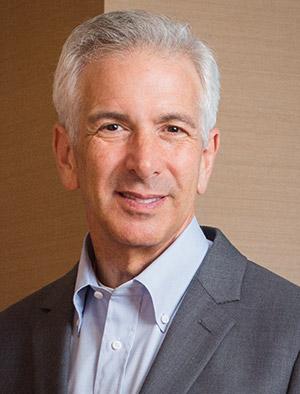
Fred Krupp is the President of the Environmental Defense Fund.
Work
Fred Krupp has guided EDF for three decades. A leading voice on climate change, energy, and sustainability, he is a champion for harnessing the power of the marketplace to protect our environment.
Under Krupp’s leadership, EDF has become one of the world’s most influential environmental organizations. He has focused international attention on the problem of methane emissions from the oil-and-gas system and led EDF’s innovative corporate partnerships with FedEx, KKR, McDonald’s, Walmart and others.
Since he took the helm in 1984, EDF’s annual operating budget has grown from $3 million to over $180 million, staff has increased from 50 to more than 700, and membership has expanded from 40,000 to over 2.5 million.
Krupp was named one of America’s Best Leaders by U.S. News and World Report and is a recipient of the 2015 William K. Reilly Environmental Leadership Award.
Background
Krupp is co-author with Miriam Horn of the New York Times bestseller Earth: The Sequel — The Race to Reinvent Energy and Stop Global Warming.
Krupp was educated at Yale and the University of Michigan Law School, and received an honorary Doctor of Humane Letters degree from Haverford College.
He has been profiled in The Wall Street Journal, The New Republic, and Bloomberg Businessweek, and appears frequently in the national media.
He lives with his family in Connecticut. An avid rower, he won a gold medal in the 2006 World Rowing Masters Regatta sponsored by FISA, the international rowing federation.
240: Fred Krupp, part 1: Helping where it will help most
The loudest voices these days seem to come from protesters because they design their actions for attention. They aren’t necessarily the most effective.
Many of us are outraged. Our emotions become intense. Emotional intensity drives us to do what we want most, which doesn’t necessarily lead to what’s effective. As I see it, people are venting more than leading.
I criticize the lack of leadership around the environment because people overwhelmingly spread facts, figures, doom, gloom, and telling people what to do. In no area besides the environment do effective leaders say, “Here’s how to lead: spread facts, figures, doom, gloom, and tell people what to do.”
Effective leadership works when based on the views and motivations of the person you’re leading. For many that’s uncomfortable. But it works.
Fred and EDF’s sober, thoughtful approach of working with big business is accessing the biggest potential change and leading them.
I wrote a friend on a group geared toward confrontation:
They seemed heavy on demands. I hope that style works for them. It felt domineering to me. I consider protest important. At the same time, I consider it important to offer help to people and organizations we’d like to change but that don’t know how to on their own, which is my strategy. One of my definitions of leadership is to help people do what they want to but don’t know how.
Fred and Environmental Defense Fund’s strategy isn’t designed for maximum attention, but for maximum effect in one area—in particular, those with large potential for change, even those not appearing environmental. This strategy is close to mine.
Without organizations like EDF helping, companies that could change might instead protect themselves by hiding potential problems. I’ve been trying to meet Exxon, for example, but the “Exxon Knew” campaign motivates them to protect themselves and hide information. That campaign may be for the best, I don’t know, but I see the need to offer a hand too, to help them come up with strategies they couldn’t have.
EDF does more that just work with corporations. For example, they’re launching a satellite to detect emissions. Having helped launch a satellite as part of my PhD, I love the audacity and effectiveness.
In my conversation with Fred, I focused on the leadership part, but we cover more, including his personal background and EDF’s.
After you listen, I recommend applying to EDF’s internship he described. Organize, vote, and lead politicians, corporate executives, and others with authority to act environmentally.
By the way, I met Fred Krupp, the head of the Environmental Defense Fund, through past guest, Bob Langert, McDonald’s former head of corporate social responsibility.