
I don’t think I’m skipping too many steps in this question: Is peace possible when nations are depleting resources?
I don’t think it’s possible in the long term. I’ve been looking. Please tell me if you see something I’m missing, though the possibility of stopping depleting seems to solve the problem.
So far, as nations depleted resources, at least some of them could expand into new territory that had resources they lacked, usually arable land, access to ports, minerals, fresh water, forests, and such. For the past few centuries, fossil fuels and uranium could enable them to produce alternatives and substitutions for many resources, or to recycle some, to provide the service the resources provided.
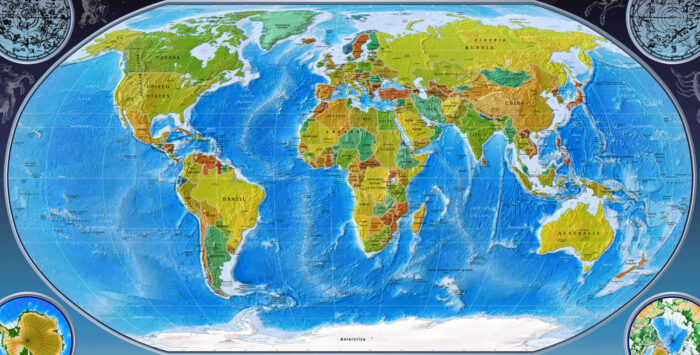 Today, there isn’t much land that is arable or could be made so without using resources other communities are using. What options does a nation have if it is depleting resources it requires but doesn’t have spare fossil fuels or uranium? For a nation to stop needing a resource it is currently depleting would solve the problem.
The other main option is to trade for resources from others, but if the other nations are depleting them too, they won’t trade them.
What other options exist besides fighting over the resources?
Julian Simon and those who agree with him suggest enough people, if free, can solve any such problems, but what about when our markets aren’t free? It seems clear to me that fossil fuel and uranium extraction and use require activity that violate the consent of the governed, deprive people of life, liberty, and property without due process of law, and otherwise violate the Constitution.
I don’t see how enduring peace is possible if any nation is depleting resources while we extract fossil fuels and uranium.
By contrast, I can see how enduring peace is possible if we aren’t depleting resources. It seems a motivation worth stopping depleting for, even if it means we can’t fly or order takeout all the time.