Addiction


Artificial Intelligence pollutes and depletes. Using it won’t help sustainability.

I read an article, The Costs of the Cloud, by Ashley Dawson in the New York Review of Books and wanted to note for future reference how much artificial intelligence pollutes and depletes. When asked how they think AI will affect the environment, most people seem to respond to a different question: "Can you think of ways AI can help with the environment?" They're doing what I wrote about in my post Nearly everyone misses the danger of artificial intelligence we’re sleepwalking into. They don't ask if people extracting fossil fuels are using AI to further their goals, or their advertisers, lobbyists, scientists, engineers, and politicians. Or people who sell things that lead to more pollution and depletion, like fast fashion, travel, doof, and online…

0 Comments

Their motivation to make doof: to drive your emotional system to buy more

I was thinking about the people who manufacture addictive things like doof. If you believe that someone choosing to buy something means they valued what they bought more than what they paid for it, then you think that the more they buy, the more they've improved their lives. Then the more addictive you make the product, the more you sell. You can tell yourself that your profit means their life improvement. The way it looks to me is that science has figured out how to control the human emotional system more effectively than the person with that system, at least in some cases. They've learned to use short-term motivation to override long-term reward and ability to regulate oneself. Then it's a stretch to say that…

0 Comments
When not to worry about stranded assets, even to prefer them
Oil refinery

When not to worry about stranded assets, even to prefer them

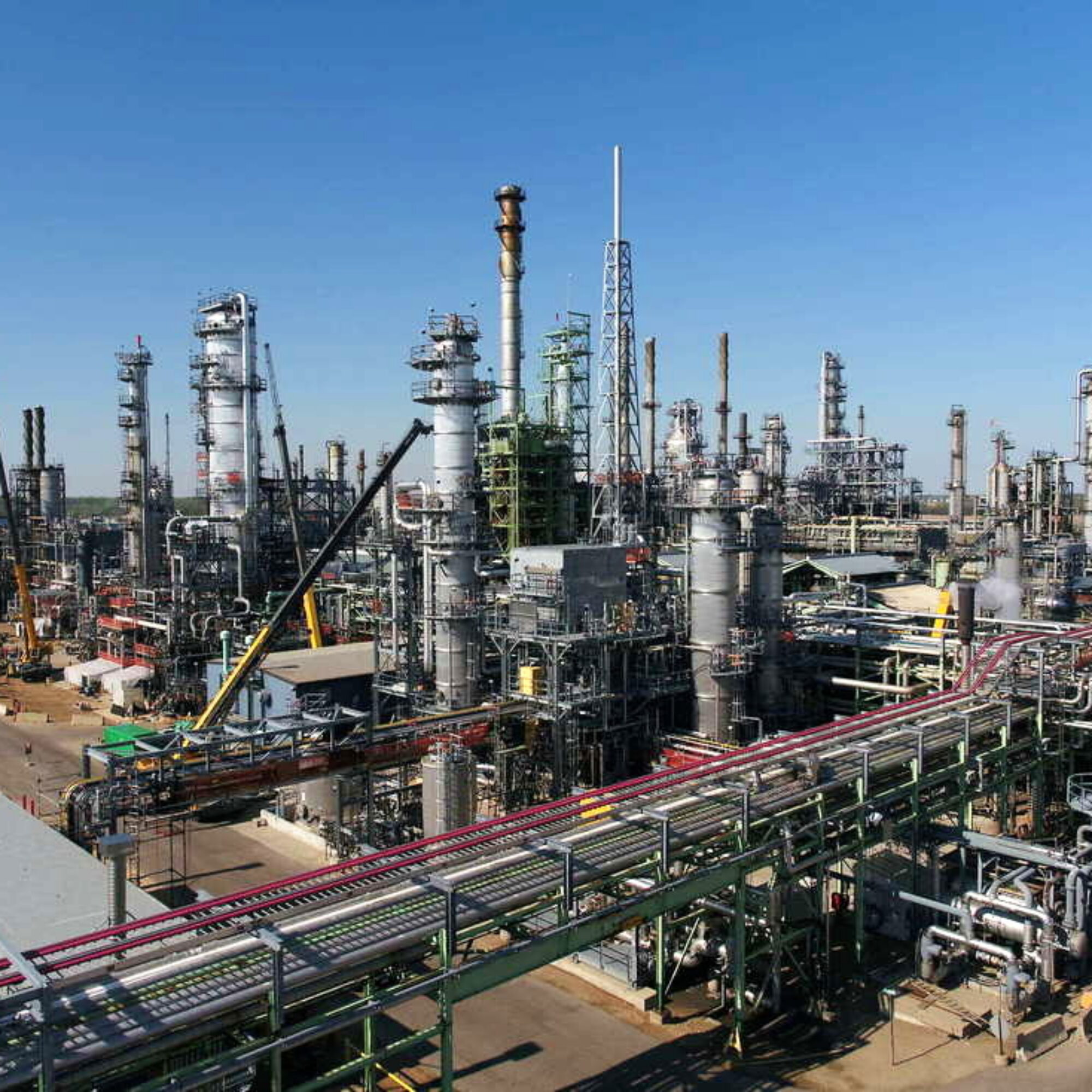
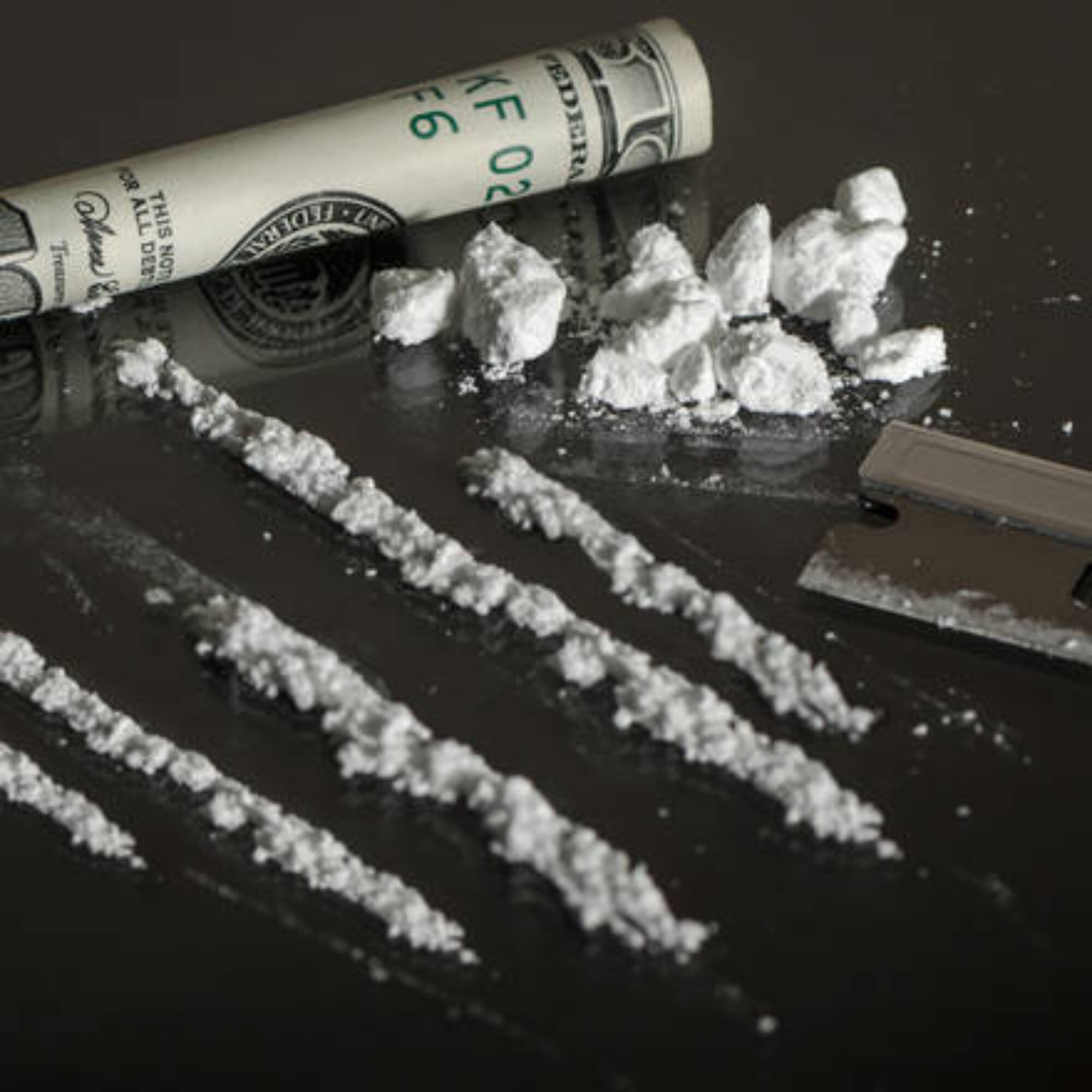
People worry about properties that lose value if we move toward sustainability. For example, if demand for fossil fuels drops then things whose value depend on the price of fossil fuels like factories, refineries, and companies will lose value. If their values drop more than they're worth to use, they become worthless. Finance people call them stranded assets. If enough people stop flying and driving, the stuff in this image could become a worthless stranded asset. People worry about shocks to the economy, but what about values, especially basic human values? Imagine someone found a way to end fentanyl addiction so that all current addicts stopped buying it. Then all illegal fentanyl-producing facilities would become stranded assets. Would we delay ending addiction because those assets…

0 Comments

I reduced my social media use even more.

I avoid Facebook, Instagram, Twitter, and most other social media. I still used LinkedIn more than weekly. Still, I had come to think of it as a place of spam. I don't know what it's like for you, but as best I can tell, the words "coach" or "author" seem to invite people I've never heard of to promote "quality leads," book promotion services, and so on. I wondered if it was worth using. I don't read my feed. I rarely met people there. Yet logging on took time. Also, those tabs seemed to slow my browser most. I had to install a browser add-on to fix tab names. LinkedIn kept making them change as a notification, which distracted me from effective work. I knew…

0 Comments

Artificial Intelligence: The Biggest Result People Miss

People ask what the effects of artificial intelligence will be. In most of the talk I come across, people tend to ask what AI will do for them. Will using it help them? Will others using it lead them to miss out? Sometimes they wonder if it will help them directly, as opposed to helping them do their jobs. They wonder if it help them in their loneliness like a friend or therapist. Sometimes people wonder abstractions like if AI is conscious or can be. I haven't written much about AI. Mostly this piece: I love developing resilience and strength: AI version, part 1. People often wonder about the side effects. What if a terrorist started using it? What if it were used to make…

0 Comments

Why not compare trains to planes

I joined a group trying to find ways to fly less. One of the themes of the group was to show that "taking the train is just as good as flying." I found this approach counterproductive. It set flying as the norm and other ways of traveling as alternatives. I think some people saw flying as the best and other ways of traveling as trying to measure up as best they could though they could never measure up. Does anything tear family and communities apart more than flying? What meaning and value we think flying gives us, it takes away. Sure, it tends to take us farther distance, but does distance traveled deliver meaning and value? Many five-year-olds today have traveled more distance than Marco…

0 Comments

I love where I live but it’s being destroyed, part 3b: More drugs

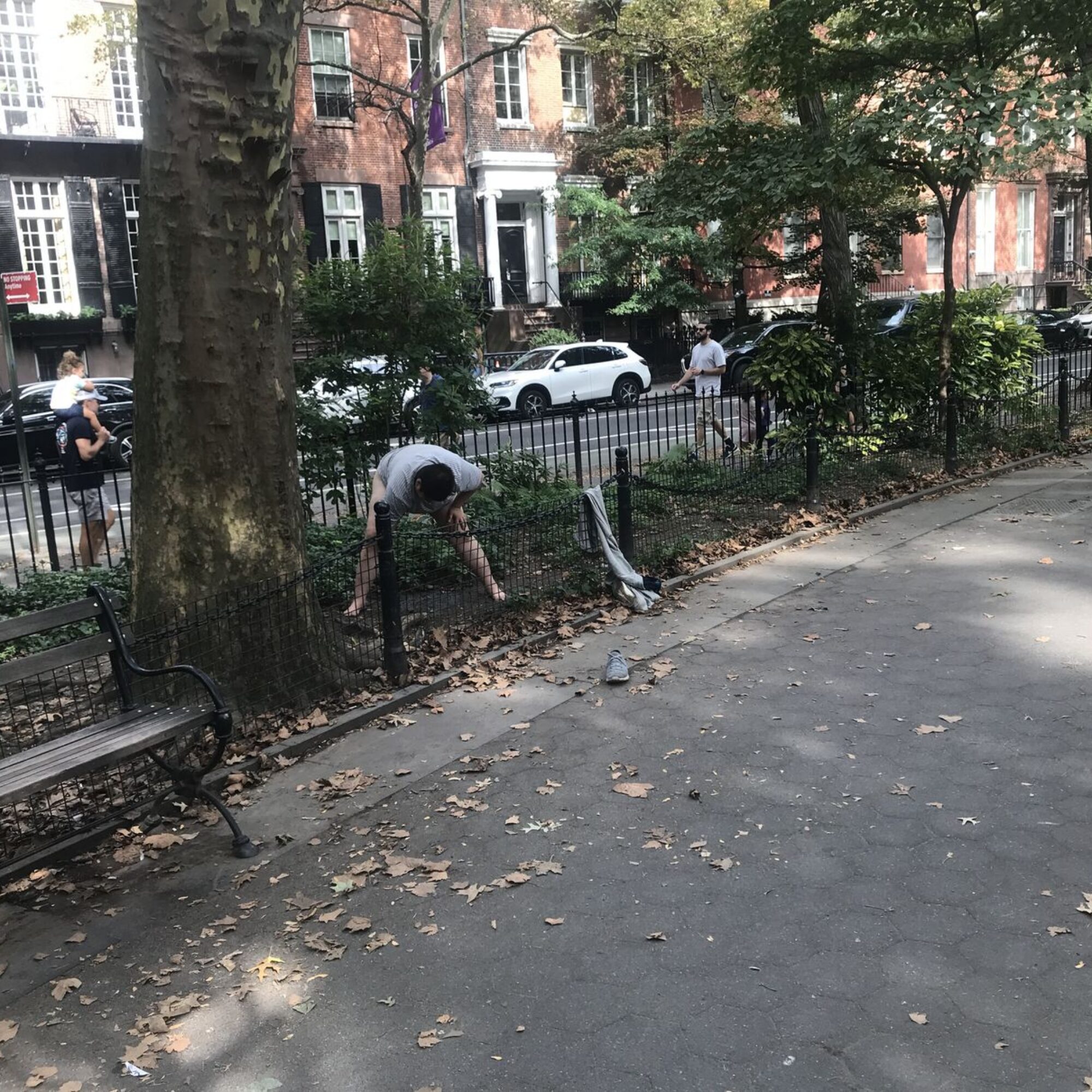
My posts about addiction aren't about the addicts in the pictures or videos. They're about our culture. I see the person in the video below as the inevitable outcome of our culture. He is a more extreme example in one direction, but only a few steps ahead of many users of McDonald's, Instagram, Delta Airlines, and Netflix. Context: I was walking home, saw this guy, and decided to get my phone out and record. Did I worry about making his identity public? Yes, but his face isn't visible and he's already in public. I didn't look for the guy. I didn't suggest he do anything. He was there. I may not have even broken stride. I'd been looking up the fentanyl fold and nodding out.…

0 Comments

I love where I live but it’s being destroyed, part 3a: More drugs

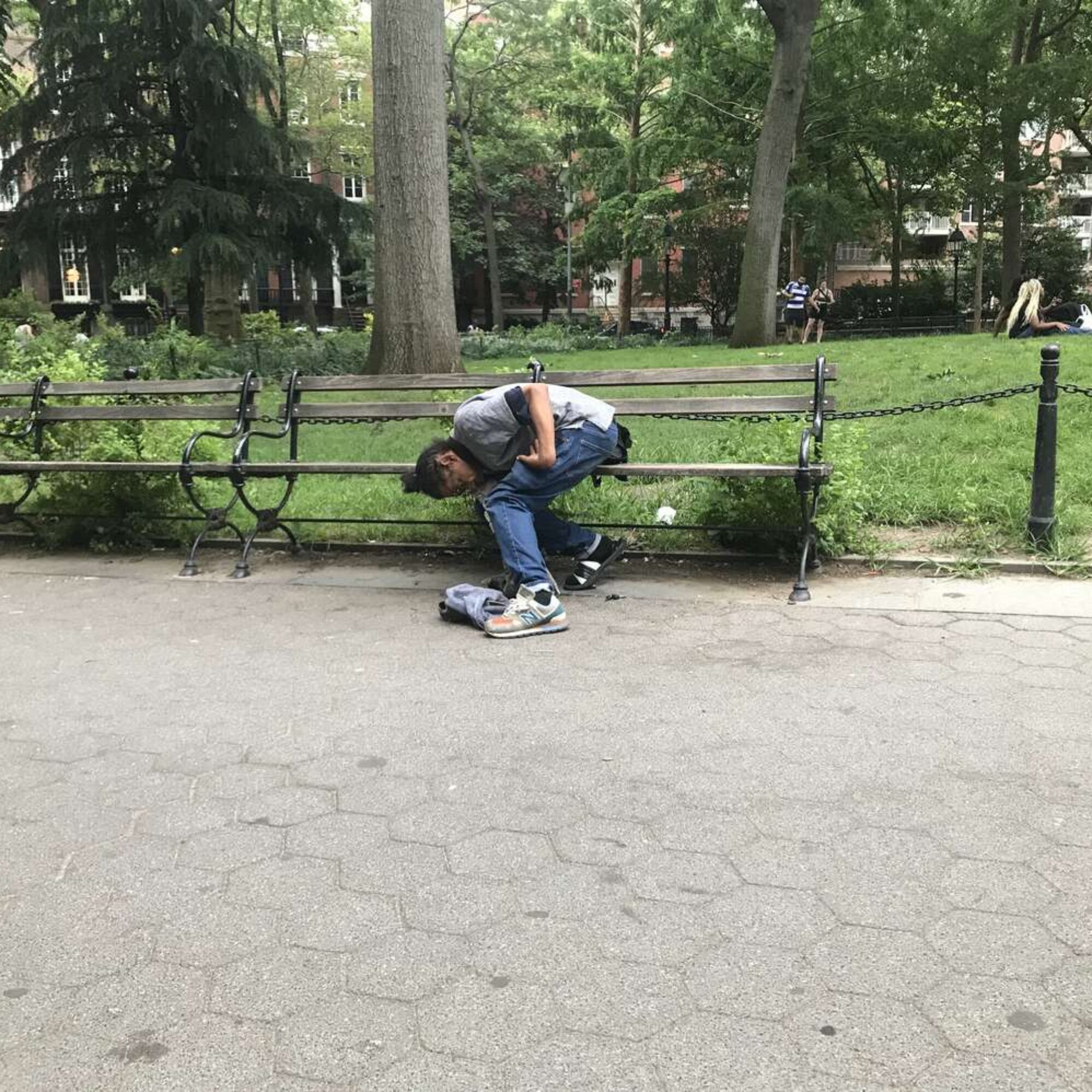
Following up a recent post I love where I live. How it’s being destroyed, part 3: Drugs, here are a few more pictures and videos of addicts in my neighborhood. To clarify, I'm not going out of my way or looking for these images. As a New Yorker, I'm usually in a hurry. Most scenes like the ones below I pass by without taking pictures or videos. These images are about our culture, not the individuals in the images. If you use social media, fly, buy doof, or own shares in companies whose business models depend on addiction, THESE PICTURES ARE OF YOUR CREATION. I see little difference between these scenes and McDonald's or Instagram. Here's a video version of the couple: Here's a video…

0 Comments

I love developing resilience and strength: AI version, part 1

A recent article on artificial intelligence in the New Yorker wrote about how people who are suffering from loneliness are finding help from artificial intelligence. Some people can't help loneliness, not out of character defect but circumstance. It gets the reader thinking about the elderly, for example, who outlive everyone they've been close to, or it describes as worse, if those who remain are senile. Sorry to give away the ending but it suggests that for however it helps people who can't escape, it will create dependence in far more. The article is A.I. Is About to Solve Loneliness. That’s a Problem: The discomfort of loneliness shapes us in ways we don’t recognize—and we may not like what we become without it. by academic psychologist…

0 Comments

I love where I live. How it’s being destroyed, part 3: Drugs

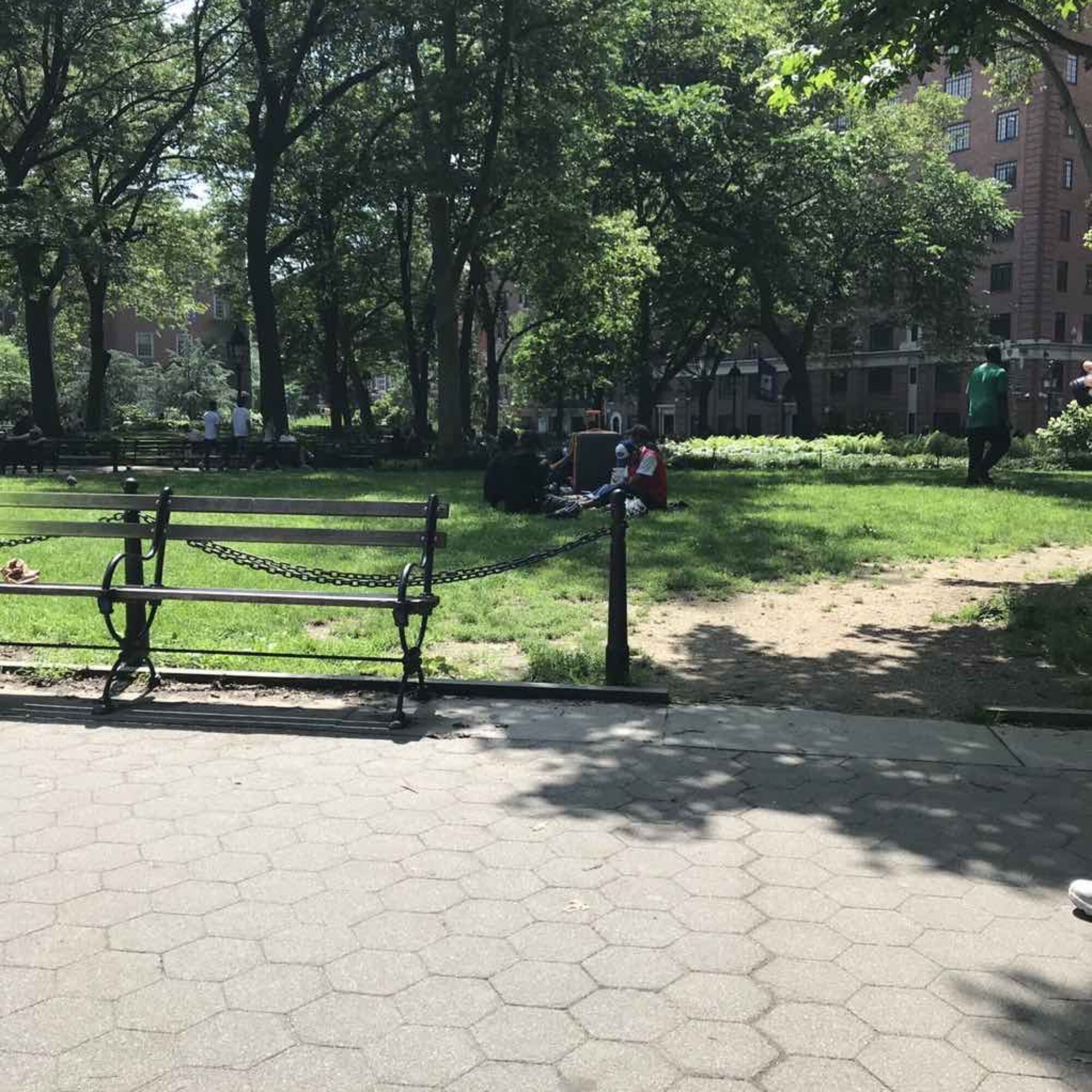
I've posted plenty on the heavy drug use in my neighborhood. The police and parks department recently cleaned the northwest corner of Washington Square Park, but, as they predict, the junkies move to other nearby places. I believe the effort is worth it. I talk to neighbors about forming local groups to occupy spaces the junkies would go to before they get there and make it hard for them to set up. In the language of Jane Jacobs, to put more eyes on the street. So far, it seems like my neighbors prefer to retreat. When I walked out of my front door the other day, half a block from my home, a junkie was urinating on an empty storefront. Next to him were three…

0 Comments

I don’t love needless, gluttonous waste

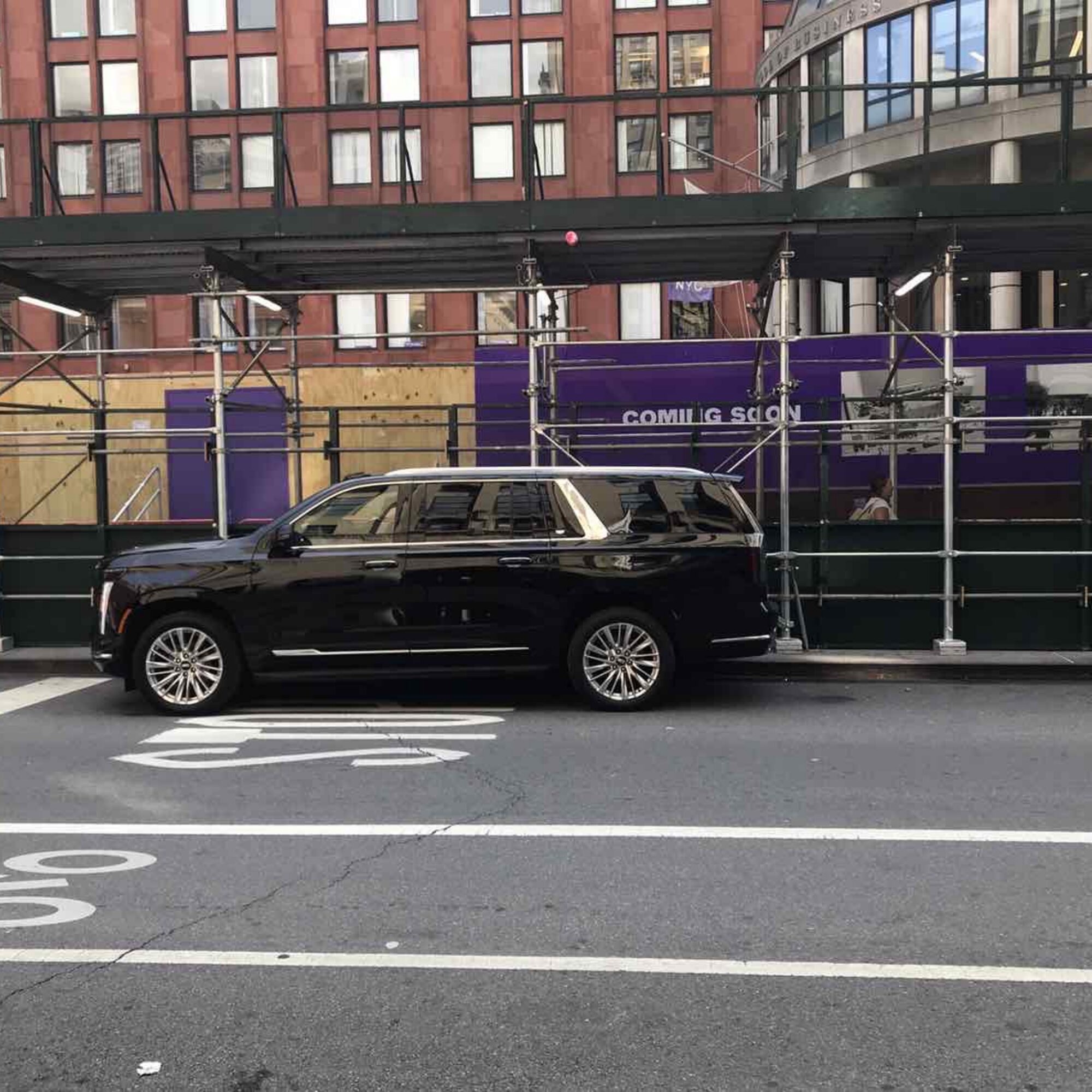
I was walking home from the food coop past NYU and saw this truck. They're all over Manhattan, basically limousines. Rich people travel by giant truck, I guess as some luxury. It was sitting there not moving. The passengers weren't in it but it wasn't empty. A guy in a suit---the driver---was sitting in it, engine idling, I presume with the air conditioning on because it was around 90 F (32 C) and humid. Yes, people who aren't even there are paying for a guy to dress inappropriately for the weather to run the motor of a vehicle weighing maybe ten times more than the people it might transport to run air conditioning. I presume the people were visiting the NYU building the truck was…

0 Comments

More junkies shooting up in broad daylight in the park

The title says it all. Here are pictures of more junkies shooting up in broad daylight in the park. Sorry the exposure isn't brighter for the people but I was trying not to draw attention to myself. I was in the park charging and trying to work. There were half a dozen people in the group shortly before I took these pictures. If you magnify the second image you can see the syringe going into his arm. For the record, as far as I can tell, people who fly, drive, buy doof, order takeout, buy fast fashion they dispose of soon after, or shop a lot online hurt other people and communities more than these junkies. A lot more. It's just less visible, or rather…

2 Comments

How can anyone imaging this self-indulgence a better life?

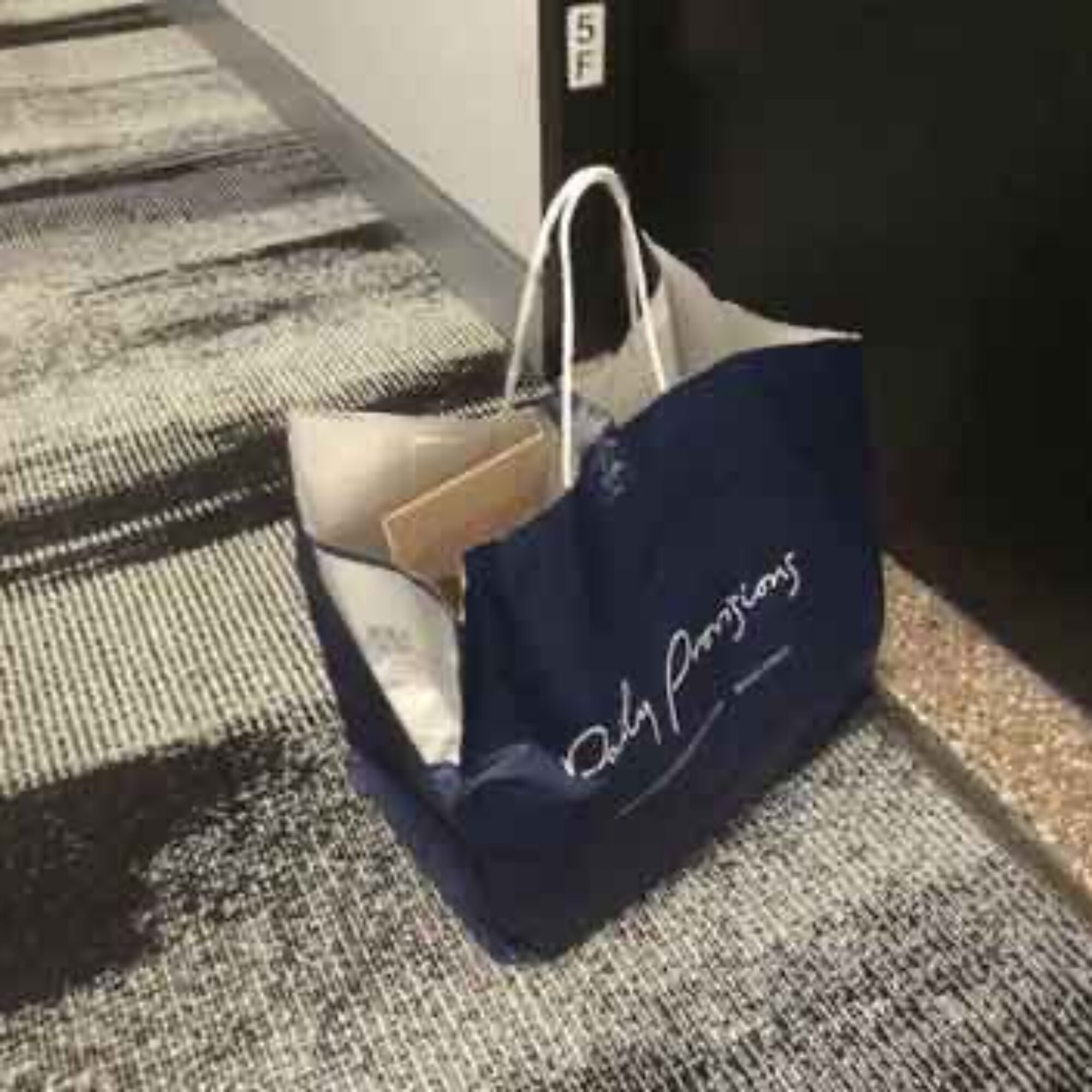
My building neighbors often have deliveries to their doors, which I presume happens all over New York City. Here are some recent deliveries, first, I think, coffee, pastry, and other doof: Next, unnecessary sundries: I know plenty of people who marvel at how convenient modernity has made life. I wouldn't be surprised if I looked enough into my past if I found I liked the prospect of not having to leave my apartment, talk to a person, or even interact in any way with a human or challenges of life to get luxury, polluting, inessentials. I don't remember the last time I bought paper towels. Probably before I started avoiding packaged food, which would be over ten years ago. Meanwhile, I have more sponges than…

0 Comments

I wrote a poem: The Poem of the High-Fiber Diet (trigger warning: juvenile humor)

Am I going to get in trouble for a puerile post? Will it distract from my sustainability leadership focus? I hope not. I had a blast making the poem. Regular readers know my sidchas and standard operating procedures mean that I meditate as one of my first morning activities. Before meditating I go to the bathroom. Between my routine being so consistent and my diet containing so much fiber, I poop every morning around the same time. This morning I woke up about fifteen minutes before the alarm. As I sat on the toilet, my digestive tract wasn't ready to send the poop out, being fifteen minutes ahead of time. The situation brought to my mind the classic poem that people used to write on…

0 Comments
When they say “transition fuel,” they mean “more polluting and depleting,” not less pollution or depletion
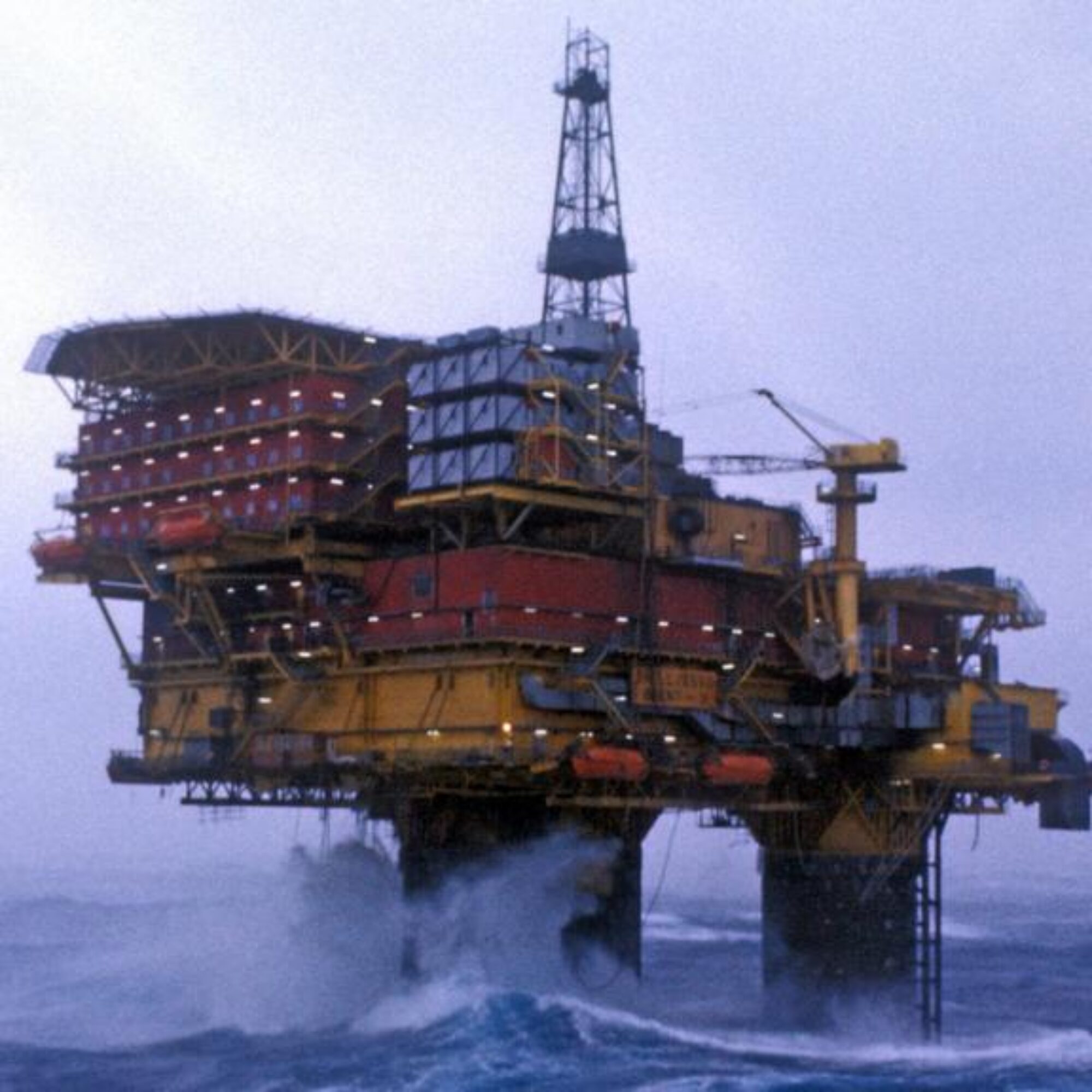
A6FY1C Brent Delta North Sea

When they say “transition fuel,” they mean “more polluting and depleting,” not less pollution or depletion

If "transition" means we stop using the old fuel then there has never been an energy transition. You can hear more details when I post my next episode with Mark Mills, but it deserves more publicity. I recorded with him again after reading his recent piece We’ll Never Have an Energy Transition, in City Journal from the Manhattan Institute. I find his results compelling, as always. Every fuel we've ever used, we still use, and more than ever. If you think that by ramping up solar and wind that in any way that new energy availability will decrease our use of old energy, you're dreaming. More likely you're lying to yourself. By contrast, I believe we can choose to use an energy source less deliberately…

0 Comments

Nature’s discipline missing in today’s world

Walking across the Manhattan Bridge, I saw a lot of graffiti. It looked to me like it was painted by boys or young men, likely making a statement vaguely like lashing out. I'm not sure, but it didn't look like it was designed to make the place feel safer or more secure. I thought about how many boys and young men feel motivated to show their independence and probably have since before our ancestors became human hundreds of thousands of years ago. Back then they couldn't spray toxic chemicals. They probably would have done things to show their independence without some equivalent of defacing public property. It got me thinking how we've created a world where behaviors resulting from our natural motivations become antisocial despite…

0 Comments

Hear me on WNYC: “Meet the NYC environmentalists going off the grid and eating discarded food”

Listen to this story about me on WNYC: The text introducing it says: As President Donald Trump pursues a deregulation agenda, New York’s ambitious clean energy goals appear further out of reach. So what’s a climate conscious New Yorker to do? WNYC’s Rosemary Misdary reports on some New York City residents taking an extreme approach to eliminating their carbon footprints. I won't split hairs, but I would describe what I do as traditional and conservative, not extreme, since nobody connected to an electric grid or used plastic more than about a century ago. If you've read Sustainability Simplified, you know I consider many polluting and depleting activities as addictive, and from the perspective of, say, a heroin addict, using zero looks extreme, but it doesn't…

0 Comments

A simple way to view the choice to live sustainably: Think of others more than yourself

People tell me how hard it looks to them to live sustainably. I recently wrote about people thinking it's hard: First they say it’s impossible, then easy, then easy for me but hard for them. Anything but acting or responsibility. Almost always, they talk about themselves: "Me, me, me. It's hard for me. I don't want to give up doing what I like." They never talk about the people that their actions necessarily hurt. They know the plastic, pollution, etc hurt others, but they only talk about themselves and what they want or feel entitled to. They don't say they feel entitled to whatever perk they get for being at the top of a dominance hierarchy. They just act entitled. How they can think about…

0 Comments

Addiction by chance versus Addiction by Design with Intent

That something in poppy can be extracted into something that addicts (opiates), that fruit and grains can be fermented into something that addicts (alcohol), or smoking tobacco can addict, or that gambling addicts are all chance results from nature. People may have found ways to capitalize on and profit from that addiction, but no one created the effect. Evolution did. By contrast, we now know how to addict people to things like video games. We know how to make substances that addict and to lower the costs of making them. We know how to refine addictive things to make them yet more addictive. I see a major difference between the first type and the second. I'm starting to distinguish them by name: addiction by chance…

0 Comments

Telling people problems with tobacco and alcohol is perfect message for the industries selling them

I was talking to a friend about how addictive products work so well for people who sell them. The products sell themselves. From the perspective of the buyer and society they don't work so well. Regular readers know I've concluded that since polluting and depleting destroy life, liberty, and property, a government mandated to protect life, liberty, and property must prevent polluting and depleting, as surely as it has to prevent slavery. I haven't reached final conclusions, but addiction at least skirts with depriving people of their liberty. I can imagine a case being made compelling that governments should protect people from being addicted. If I addict you to something without you knowing I did it, say by selling you something I claim can't addict…

0 Comments

Why treat doof as second hand smoke

If an adult wants to smoke in their home, that's their business. If they give themselves lung cancer, that's their choice, assuming their sickness doesn't tax others who didn't choose. Likewise, if people want to consume doof, that's their business too. But if someone smokes where others who don't or can't consent to breathing that smoke, or if someone too young to know the long-term results of their choices smokes, then I consider a role of a government to protect the life, liberty, and property of those people who don't consent. Also, if smokers litter cigarette butts and packaging, I see it the responsibility of government to protect the rest of us from their destruction of our lives, liberty, and property. Likewise for doof. Unlike…

0 Comments

What happened to produce stands in America?

I passed through Chinatown this afternoon and passed countless produce stands selling fresh vegetables and fruit. A while ago I read in the New York Times that many stands there have a separate supply chain for their fresh produce that's grown relatively locally independent of the supply chain for other grocery stores or farmers markets in the city. While Chinatown is full of produce stands, the rest of New York City has almost none. In fact, people constantly treat my buying fresh as privileged and a luxury. New York City is full of corner delis and bodegas, which are full of soda, beer, chips, and other doof, almost no food. These stores don't stay open magically. People near them are buying those products of zero…

0 Comments

In 2025, can you become obese without doof, whose packaging hurts people as surely second-hand smoke, but remotely?

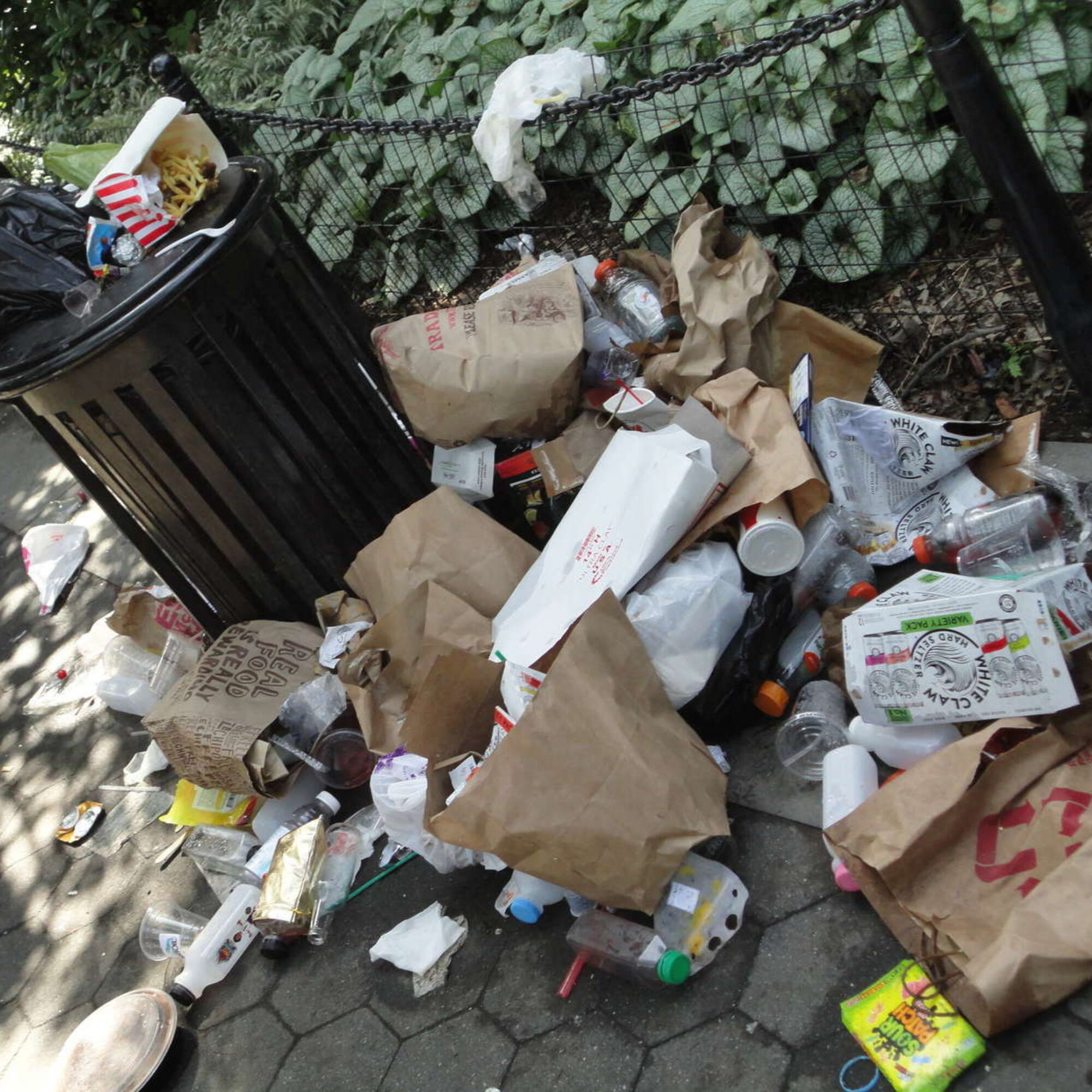
We've all seen the graphs and data of rising obesity. People get riled up about it. I have no problem with people living by their values when their choices affect only themselves. I pick up litter daily and hear from Workshop alumni and podcast guests who pledge to pick up litter. They sometimes cry when their hands-on practical experience leads them to see and consciously process what they usually look past instead of at: there's way more litter than they expect. What we see in the U.S. is nothing compared to the places we export our waste to. The packaging no doubt correlates with the transportation and industrial processing that pollutes and depletes yet more. Buying doof drives that systems. Buying doof harms people. I…

0 Comments

Abraham Lincoln never went overseas yet accomplished a fair amount. Maybe flying isn’t that necessary.

People act as if flying is necessary for life. I sometimes list people who have never flown. Here's a short list from a recent presentation I created: Marco Polo Lincoln Aristotle Jesus Paul Buddha Laozi Mohammad Mozart Shakespeare Maybe it's just me, but they seem like people who accomplished meaningful things. I was curious about Lincoln: had he traveled overseas? I knew Jefferson, Franklin, and other Founding Fathers had spent time in Europe, meaning sailing across the Atlantic multiple times. I looked up Lincoln and learned his only time outside the US was to the Canadian side of Niagara Falls and the country was smaller then. Since people who fly today don't look like they'll make the history books as much as Lincoln, I conclude…

0 Comments

Sriracha sauce: yuck! Enjoying food over doof.

It's been almost ten years since I posted Why Sriracha Hot Sauce tastes good. In it I wrote: Did you ever wonder why it tasted so good? Here’s the answer: It’s twenty percent sugar! Out of 100 grams, 20 grams are sugar. Sure, you only have a few grams at a time, so a serving doesn’t have a lot of calories, but that’s a high percent of sugar for when I want something spicy. Progress report on enjoying food over doof I don't think I've tasted it in the decade since. Then in my volunteer work salvaging food that would be thrown away, I ended up with a jar to deliver. It had been opened, so I had a chance to taste it. It's been…

0 Comments

End of content

No more pages to load