Awareness


The Scale and Pollution and Depletion’s Effects on People: Here, now, not future projections

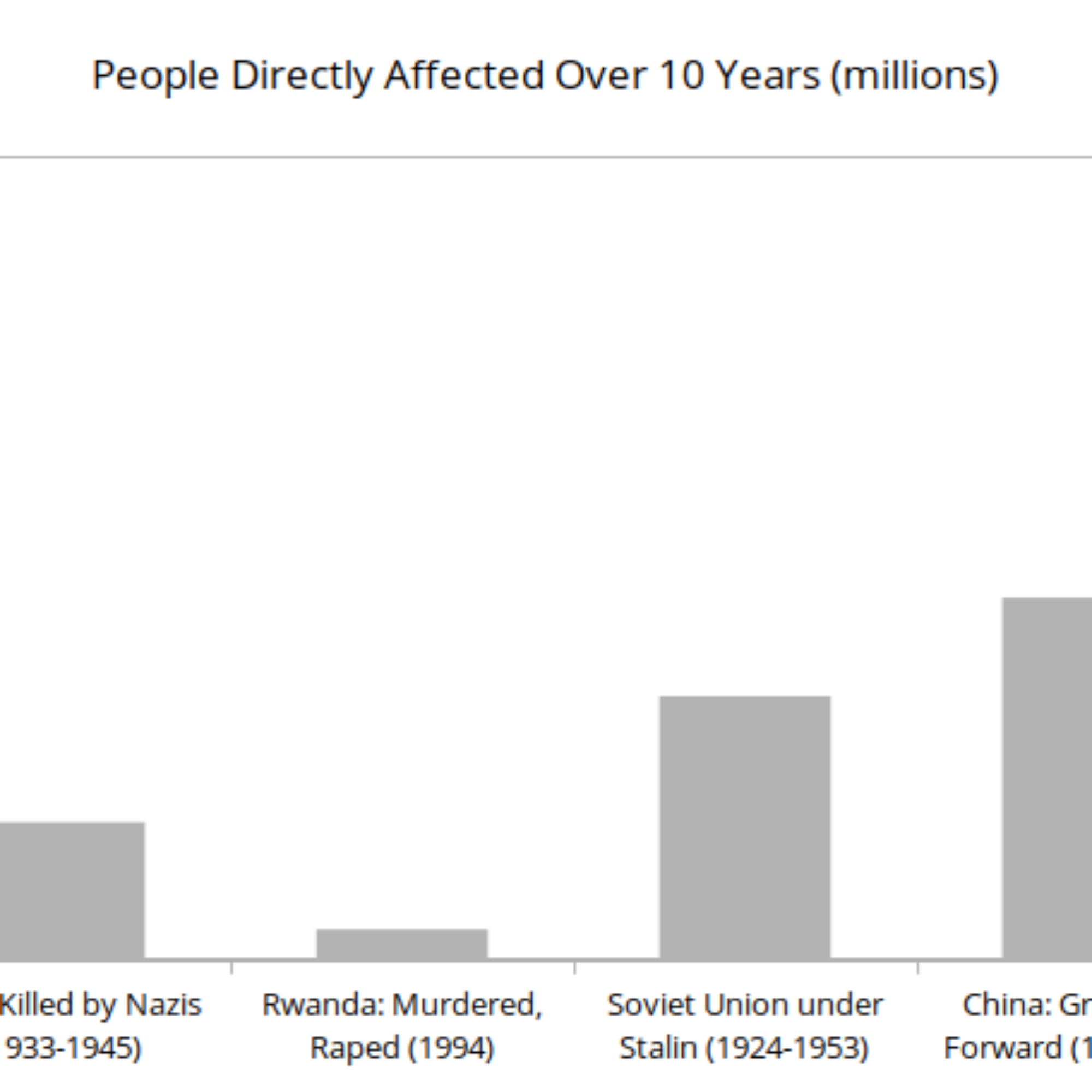
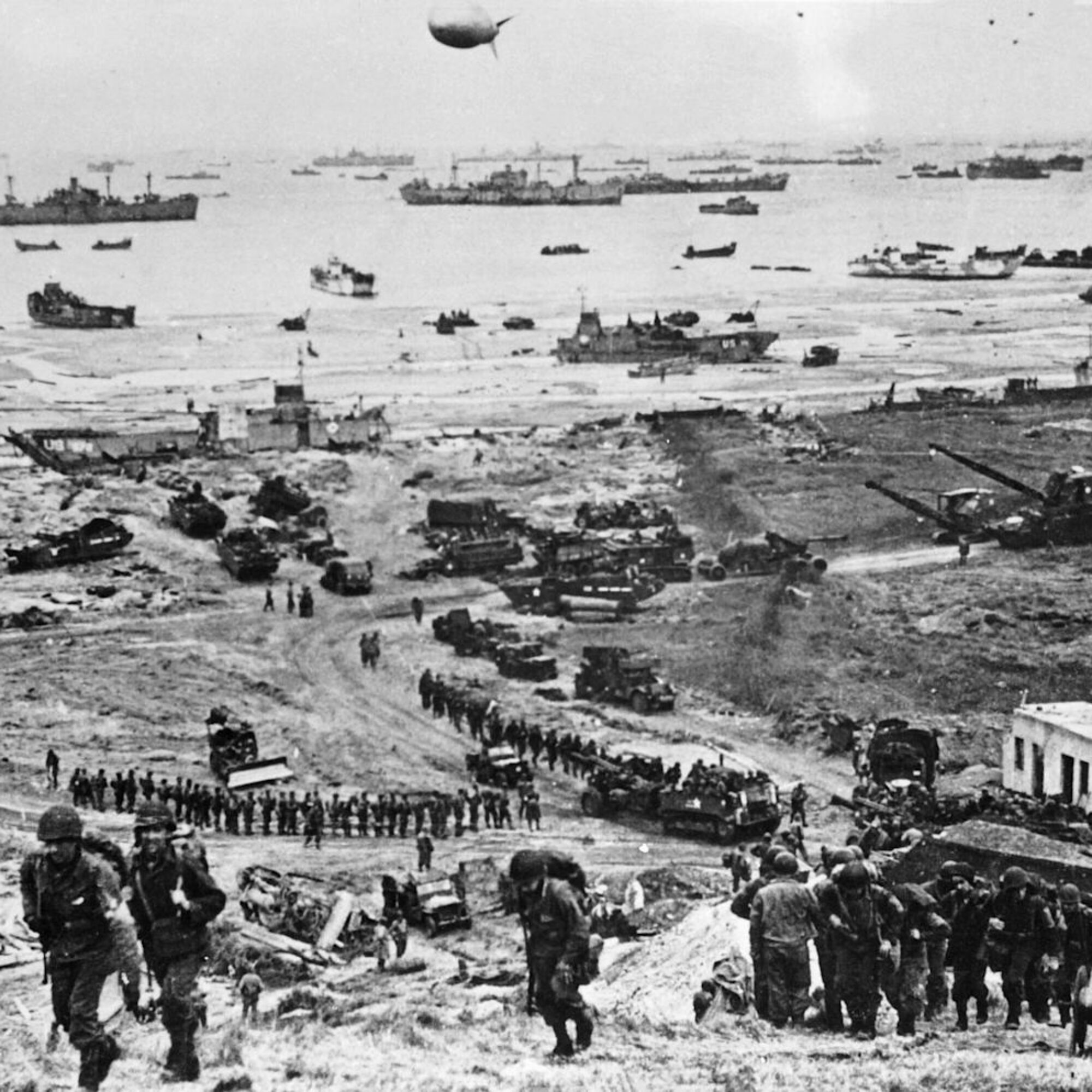
I talk about the USSR gulag system, abolitionism, slavery, the Holocaust, and similar atrocities in the context of pollution and depletion. Most Americans know the horrors of slavery and the Holocaust. We know viscerally the images of slaves' welts and concentration camp survivors looking like skeletons. By comparison, images of pollution and depletion look like piles of garbage and graphs of CO2 concentration. Similarly, few images of the gulag exist because few were taken and few Americans register how many more suffered and died, nor how gruesome the conditions. Am I stupid, ignorant, or crazy to talk about these atrocities in the context of pollution and depletion? Context and Frame of Mind Before reading this post, it helps to clarify how you feel about some…

0 Comments

There are many ways to meditate

I meditate for 31 minutes every morning. It's one of my sidchas. I've learned several ways to meditate, not that I consider myself to have mastered any: zen, vipassana, and mindfulness, for example. I've heard of many other styles. I also hear people distinguish dual from non-dual. Buddhist meditation comes in many forms, if you're Theravada, Mahayana, Chinese, Tibetan, etc. I've read Meditations by Marcus Aurelius. I also read Essays by Michel de Montaigne, which I understand were based on meditations. When I write, I often step away from the paper or computer I'm writing on to think, reflect, and let ideas come. I distinguish that reflection from meditations, but when I tell some people about it, they call it meditation. Which of these techniques…

0 Comments

What artificial intelligence does to our minds

Say you want to run a marathon. Someone says they developed an amazing exoskeleton. They tell you that when you wear it, it can help you run. You'll be able to finish a marathon in one hour. In fact, it helps you so much, you won't even break a sweat. Running a marathon with an exoskeleton doing the work for you achieves the opposite of the point of running a marathon. Crossing the finish line faster isn't the point. Likewise if you used an exoskeleton to lift weights and could bench a thousand pounds or to play tennis so could beat Federer, etc. Using the exoskeleton transforms an activity designed to build coordination, fitness, and strength achieves the opposite. While "lifting" heavier weights, your muscles…

0 Comments

Most people don’t realize how much stupid stuff they do every day that they consider critical

The title says it all, but it bears repeating: "Most people don't realize how much stupid stuff they do every day that they consider critical" I've been meaning to write this post for a while. People constantly say how busy they are, often as an excuse not to do something meaningful. As best I can tell, most people today don't know their values enough to know how to choose to act on their values and create meaning in their lives over acting in ways to entertain them and deliver short-term reward but nothing or less-than-nothing in the long term. Coaching clients and workshop participants find that the exercises bring them more free time and save them money, even though those results aren't the main goal.…

0 Comments
Clarifying what people get when they pollute and deplete less
A6FY1C Brent Delta North Sea

Clarifying what people get when they pollute and deplete less

What people get from polluting and depleting less: I used to tell people that they'd save money and time because they will. Nobody believes me. Nobody. They see buying coffee at Starbucks to go and ordering takeout as saving time, missing that those who do those things have the least time. Knowing your values so you can prioritize them and dismiss less valuable things (like takeout coffee and takeout) restores time and money. I first thought stopping things that cause pollution and depletion---particularly those that fund extraction of fossil fuels, uranium, and other nonrenewable resources---would bring deprivation and sacrifice. Now I see that many things I once thought necessary or unavoidable are unnecessary. In time and with hands-on practical experience they become repugnant and disgusting,…

0 Comments

A new insight on beliefs

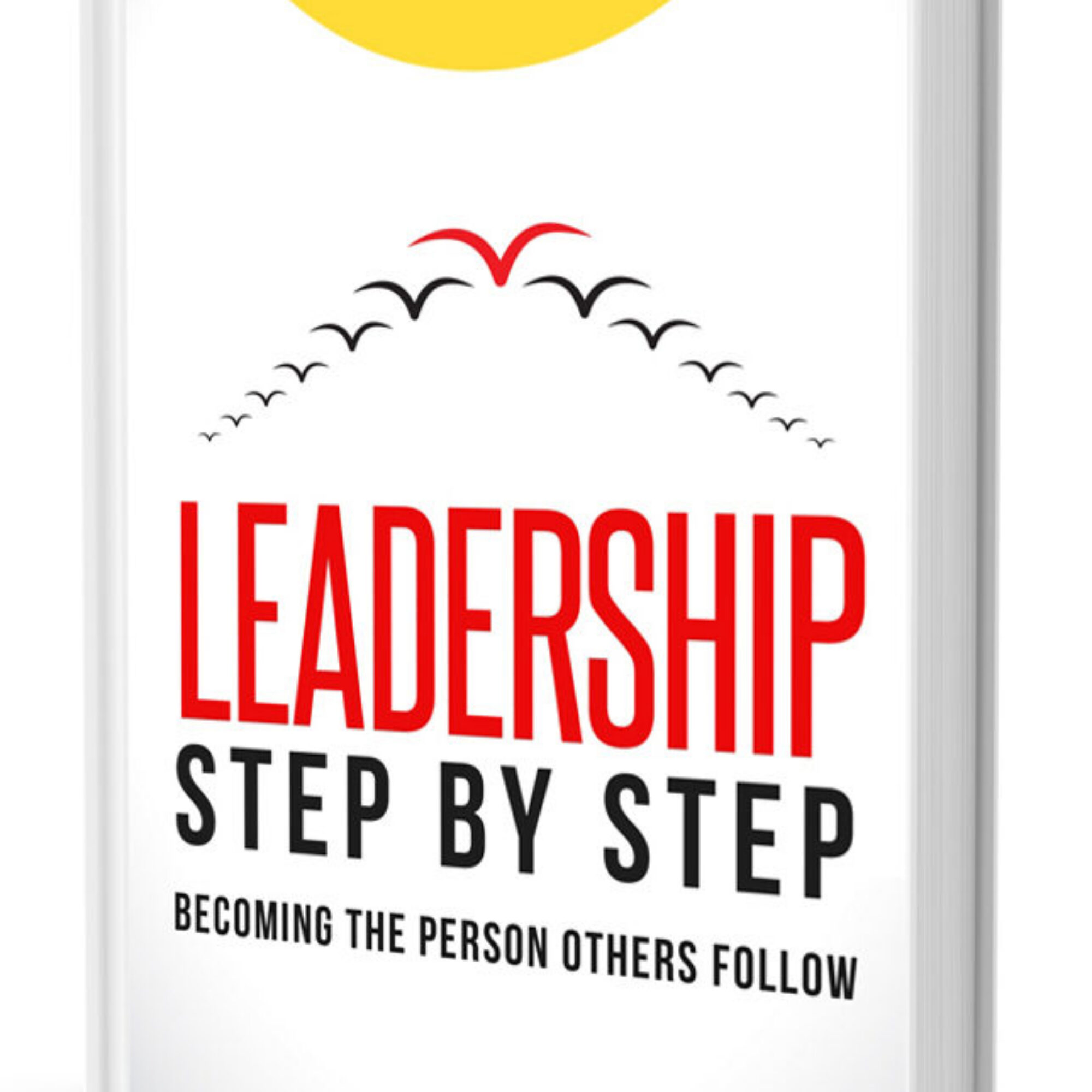
In Leadership Step by Step, I give several exercises on how to influence how you perceive the world. I recently found a simpler way of describing them. We all know that our beliefs influence our perception. If you believe a person approaching you is friendly, you perceive them differently than if you believe they intend to hurt you. Many people don't know that they can choose their beliefs, even people who work on mindfulness. I participate in a meditation group that includes people who have meditated regularly for decades. They generally know that if they feel an emotion or thought that they don't like then if they observe it, it will pass. This skill helps calm one's life. It makes you less reactive. I work…

0 Comments

What we can learn from jarring images from the Civil War Museum in Harrisburg, PA

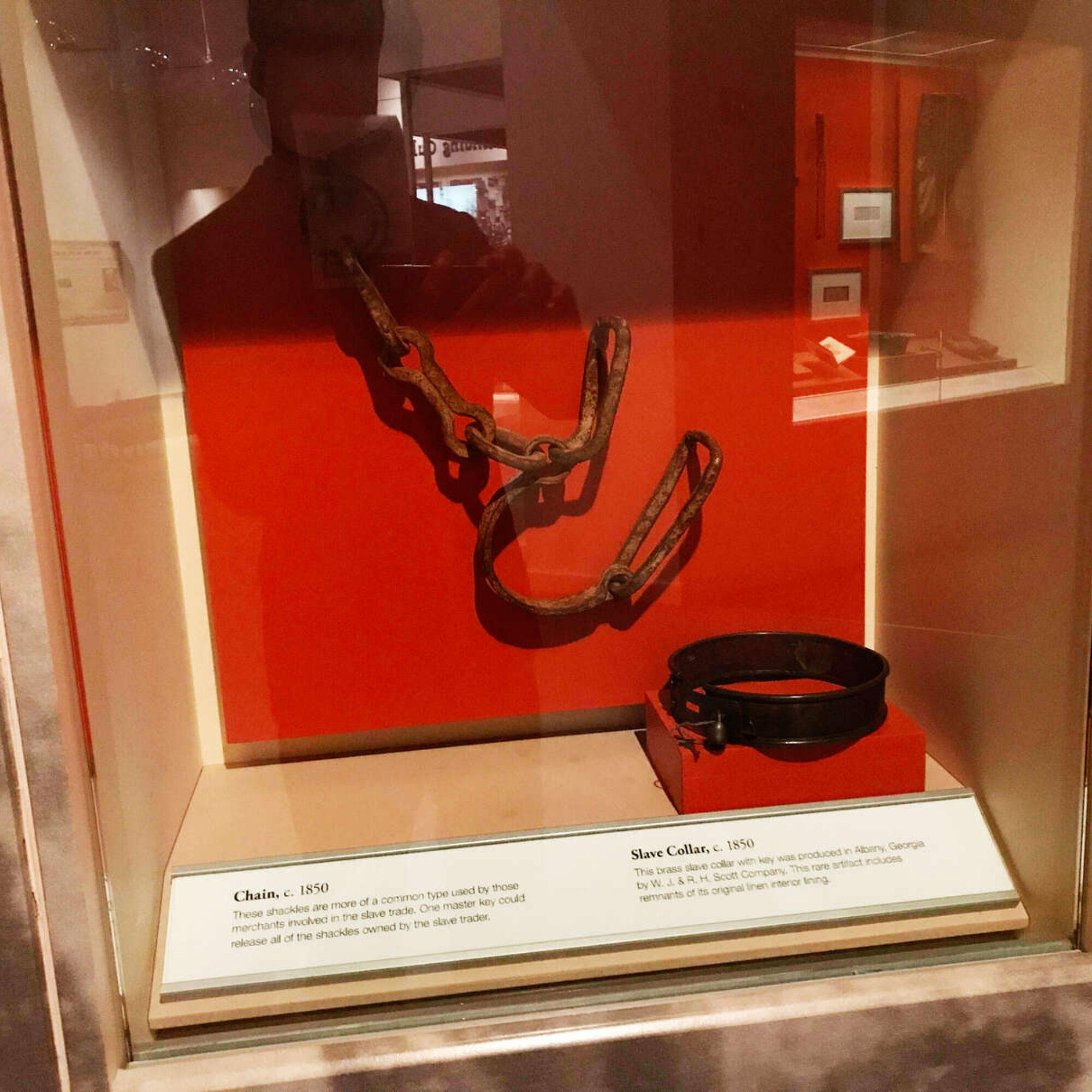
I gave a keynote and led a leadership workshop near Harrisburg, PA---a place halfway between where I grew up in Philadelphia and where my dad grew up, in Pittsburgh, so we passed through there many times growing up. I learned that the city hosts a Civil War Museum, so arranged to spend half a day there. I recommend it. A few items affected me beyond what I would have expected. Scroll down and you'll see the leg irons, collar with spikes, and whip with spiky metal spurs (the card implied that it wasn't known if this particular whip was actually used, but even if not, just that someone made it says a lot). First a few words. I'm not sure the pictures will hit you…

0 Comments

Discipline Equals Freedom: Two years no hot showers

If you don't get that discipline creates freedom, this post will make no sense to you. If so, probably best not to read it. Regular readers know I found value in taking cold showers. Maybe five years ago, after watching podcast guest Joel Runyon's TEDx talk on cold showers then reading his conversation with his readers on his Cold Shower Therapy Guide, which I recommend, I experimented taking a cold shower. I learned a lot from the experience. It was December in New York City, and very cold, but very invigorating and any discomfort ended the moment I ended the shower. There was no risk of injury. I got most of the value I get from a workout or practicing anything challenging with no cost…

0 Comments

Rediscovering “The bigger your achievement, the more it’s a beginning” through Turkish Get-Ups

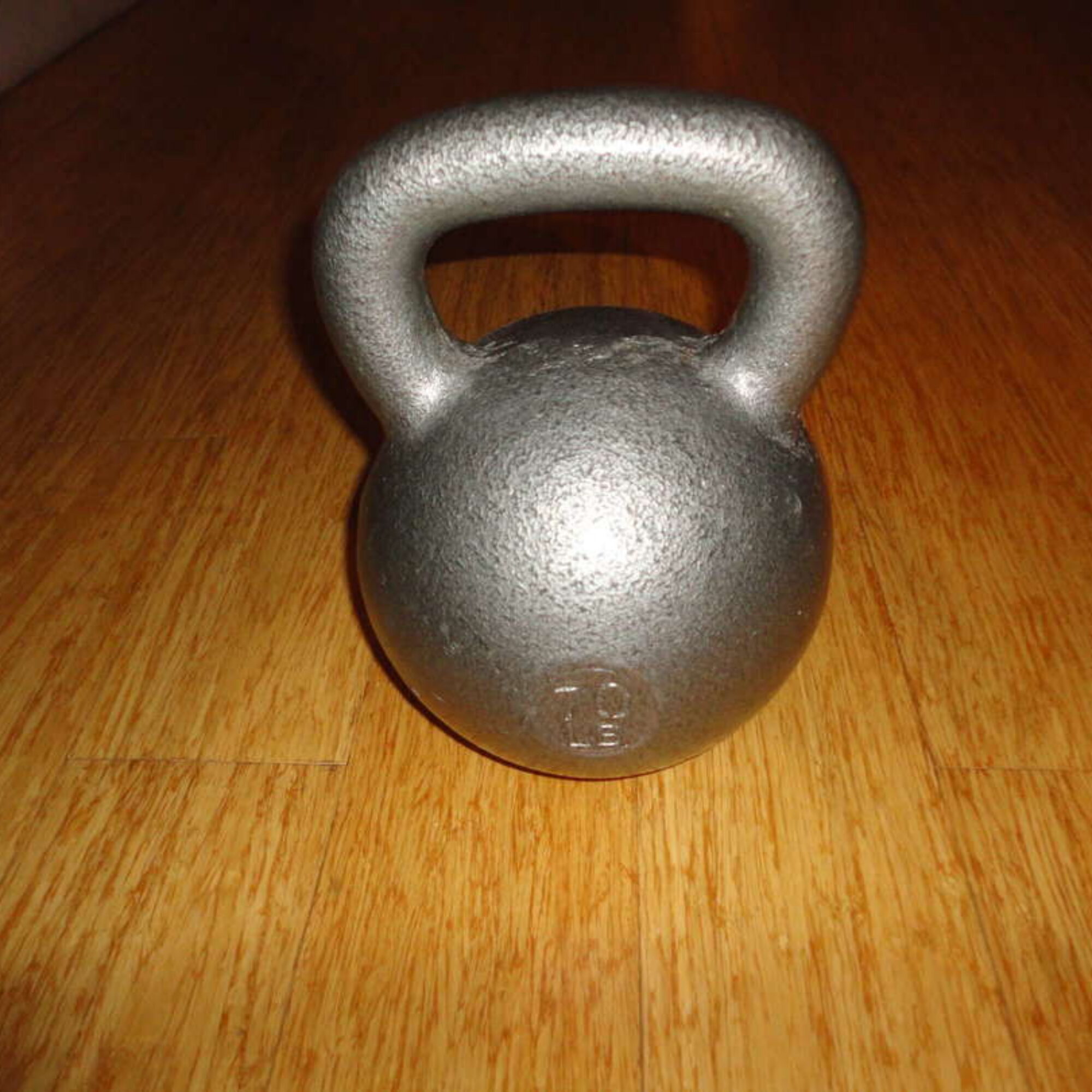
Almost a decade ago I wrote a post The bigger your achievement, the more it’s a beginning. The effect applies all over in life, but my usual way of describing it is with marathons. Today, I'm posting about completing Turkish Get-Ups, but I'll give context with marathons. Context with marathons Before you finish a marathon, it seems like a superhuman feat, even knowing that millions of people have run them. You don't know if you can do it. At least in my case, I expected that once I finished it I could say "I've done it, I'm exhausted, I've achieved something big, and I don't have to do anything like it any more." Instead, I felt something like, "Now that I know I can do…

0 Comments

Did Paul Ehrlich Help or Hurt His Cause?

Paul Ehrlich died two weeks ago. I read The Population Bomb a while ago and heard him speak in many interviews. I recently listened again to a few recordings of his and read a few articles of him. In each he was speaking to people who liked him and agreed with him so he spoke freely. In each he called people who disagreed with him "idiots" or something like "people who can't count to twenty without taking their shoes off." He wasn't perfect. Nobody is, but though he acknowledged he was wrong on some points, he didn't take responsibility for mistakes. He just said that he would be right in the long run. He didn't acknowledge that he didn't take huge factors that would affect…

0 Comments

Are we pseudoscientists?

It's difficult to empathize with people we disagree with. It's difficult to look at the world as if you knew only what they knew and nothing of what you know that they didn't. Many people seem unable to distinguish understanding and empathizing with someone from agree with or supporting them. I think part of our inhibition comes from fearing that we'll find that we would have felt and done things we consider abhorrent. Psychological research shows most of us can be induced to act in violation of our values. I think many of us fear acknowledging what we would have done had we been born with white skin in the South before the Civil War or in Germany as a German to come of age…

0 Comments

TYMCALM: Common and Advanced Legitimizing Myths around polluting and depleting

This post shares a long series of legitimizing myths. Why cover these beliefs so comprehensively? Recall the response of a wise person who was asked, “If you had one hour to save the world, how would you spend it?” The reply: "I would spend 55 minutes defining the problem and 5 minutes solving it.” Another wise person said, “If I had 4 hours to chop down a tree, I’d spend the first 3 hours sharpening the ax.” This post is about understanding the problem and sharpening the ax. If you've thought any of the following, the thoughts may have felt personal, but they likely resulted from your having been induced to act against your values—that is, from being corrupted. You don't have to create legitimizing…

0 Comments

That’s Your Mind Creating A Legitimizing Myth (TYMCALM)

I may update the acronym, but I've created one for my upcoming book that I've found relevant to many people's views on pollution, depletion, and the prospect of life and culture without either. I've found useful the acronym TYMCALM (pronounced: Tim-calm, for “That's Your Mind Creating A Legitimizing Myth”) useful for when people respond reflexively to rationalize or justify a behavior that violates their values. For example, when I say that I haven't flown since 2016, people often respond that I must not have family flying-distance away, or (outrageously) that I must not love them, or that must not have had to fly for my income. Now I think, “TYMCALM.” I don't begrudge them for their minds working the way human minds work. That the…

0 Comments

Denial like ours

When I talk about pollution and depletion, people keep telling me about their reductions. They are invariably among the greatest polluters and depleters in humanity's existence, but they compost their food scraps, avoid meat, or some feel-good minor act. When they talk, it sounds like they're making a big difference. When you ask about it making a difference, if they see a path to making a difference, or if they are actually trying to avoid hurting people without their consent, they get defensive. They act like they're clutching their pearls: "Oh my goodness! Do you mean to tell me that my plastic cup actually ends up in the ocean? That can't be. My pollution doesn't actually pollute." They act as if ignorant of their complicity…

0 Comments

Why consistency? Self-awareness and integrity

I write about sidchas and standard procedures a fair amount. I don't remember how often I clarify the main reasons for doing them. You might think the point of fitness-related ones to be fitness. I'm proud of fitness results, but they're more a side effect. One of the big benefits is mental freedom. I think many people consider diet and exercise sources of stress, never knowing if they're doing enough or if they're doing them right. Making sidchas for the most important parts of your life means you always know they're taken care of. You never have to worry about them. The most important parts of life are easy to put aside here or there, then soon you've lost them. I consider the three pillars…

0 Comments

More wealth or stuff doesn’t mean freedom: Distinguishing freedom from abundance and prosperity

You've probably heard people say, "Even poor people today can do things beyond what kings and emperors of the past could dream," talking about cell phones, airplanes, and so on. Yes, but technological power doesn't necessarily lead to people valuing life more. Most people value freedom. Money and technology can enable us to do what we couldn't otherwise, but what if it comes with a loss of freedom? If you have nice stuff but if someone tells you what to do, you can't walk away and you have to do what they tell you to, what's the stuff worth? What if it comes at the loss of liberty, equality, democracy, and national security? You can talk to people on the other side of the world…

0 Comments

“All it is is pain”: Skier Jessie Diggins on discovering her potential

I don't pretend to be operating at the level of a top Olympic athlete in one of the most grueling sports (though my resting heart rate of 38 bpm probably indicates something) but the words of Jessie Diggins quoted below have resonated with me. Who is she? According to Wikipedia: She is the most accomplished cross-country skier from the United States in the sport's history having won three World Cup overall titles, four Olympic medals, seven World Championship medals, and numerous other event championships. Her words that resonated with me The New York Times profiled her in a piece titled ‘All It Is Is Pain’: The Olympian Testing the Limits of Endurance: Jessie Diggins has become the best-ever American cross-country skier because of what she…

0 Comments

Silly bathroom question: Am I missing something here?

I think I usually write about important topics, but I like to share silly things my mind ponders. I think it builds self-awareness. I don't know how the following situation will seem to a reader, but I hope it reads as it feels to me playing with ideas: being curious. I brush my teeth after dinner, before going to bed. Sometimes after dinner I also need to poop. I figure this situation is common to all. When I have to do both, I brush my teeth first and poop second. I figure the order makes sense to all, but basically, brushing teeth seems cleaner so should happen first. When I think about it, though, after pooping, I wash my hands, so they are cleanest then.…

0 Comments

Why don’t the left and right look at themselves the way the other does? Or do they, but I can’t find it?

We've all heard how since the left and right get their news from different sources and those sources present different facts, it's as if two parts of the nation live in different realities. If so, how can they agree on points based on different facts? A related issue I don't think I've seen treated stems from each group evaluating themselves and the others based on different criteria. The left judges the right based on its criteria, not the right's, so it sees the right as failing, wrong, or bad. It also judges itself by its criteria and finds itself as succeeding as best it can, right, and good. Meanwhile, the right does it the other way. It judges the right based on its criteria, not…

0 Comments

Meditation thoughts: What is meditation?

I lead a meditation group that meets in person a couple times a month. We've found we can get a laugh if we talk in the group about talking about meditation to others who don't meditate by saying, "I can't meditate. My mind is too crazy to empty it of thoughts," or words to that effect. Why does it make us laugh? Because it's like a knee-jerk reaction that betrays a misunderstanding of meditation closer to its opposite. Everyone's mind is full of thoughts we can't help. Meditation doesn't empty your mind. Meditation can do many different things for different people, but a common goal is to find comfort with the eternal state of all human minds: scattered like yours. We know that what they…

0 Comments

What Makes Things Meaningful in Life

Do you like for experiences in life to have meaning? What makes an event or experience meaningful? It's tempting to say it's difficult to define. The dictionary defines meaningful as "Having meaning, function, or purpose" and meaning as "significant quality, especially: implication of a hidden or special significance." Those definitions seem vague to me. They just substitute the word quality for meaning. They don't suggest how to make something more meaningful. I've been using a definition that works for me since I wrote Leadership Step by Step based on the model of emotions in it. The model says that emotions have qualities like intensity and pleasure. If I haven't seen a girlfriend in months, the emotion of missing her may be intense. If I haven't…

0 Comments

A sidcha and self-awareness update

Doing things consistently and daily for a long time enables you to notice nuances, which increases self-awareness. Since I have a six-day exercise cycle that I begin on the first of each month, in months with 31 days, I like to vary what I do with the extra day. In December I did two things. Sorry for the long post, but what I describe below felt like a meaningful experience of aging, contemplation, risk, and humility. Longer meditation Some background on one: I've meditated daily for about five years and counting. Normally I set my timer for 31 minutes and sit for that long. Why 31 and not a rounder number? No special reason. I worked up from shorter times and ended up there. A…

0 Comments

Do people who fear learning to lead think it means imposing hierarchy?

A friend calls leadership "the l-word." I used to think of leadership as not something anyone could learn. I thought you either had it or you didn't. I also associated it with control. Today I associate it with help, support, empathy, compassion, listening, awareness, and social and emotional skills like them. It's been so long since I associated it with control, I have to work to reconnect with that feeling so it takes work for me to empathize with someone who describes it as "the l-word." I mean, when I was little we used "the f-word" to describe the worst curse word, which rhymes with duck. Today, "the n-word" seems the most taboo word to say or write, at least for people who aren't African-American.…

0 Comments

How do we know the people living here when Europeans arrived were indigenous?

First I have to make as clear as possible: I oppose imperialism, colonialism, and outcomes they produce such as slavery, racism, genocide, and the coercive, often violent and deadly destruction of cultures, including indigenous ones. That opposition contributes significantly to my work, since living unsustainably drives all those results. In light of that connection, since I know no one even trying to live sustainably, which is necessary to lead others to oppose imperialism and all downstream, I don't know anyone who opposes them as much as I do. That said, environmentalists and people who claim to support indigenous cultures and people tend to attach to indigeneity properties it doesn't merit. For example, environmentalists will fly someone from a south sea island to the United Nations…

0 Comments

Am I the only one who sees these problems with America’s liberals, conservatives, and libertarians?

I've meant to write this post for a while, but I feel like people will misunderstand and think I'm saying something I'm not. Sometimes I feel like everyone sees the main problems with America's liberals, conservatives, and libertarians. Others I feel like I'm the only one. In fairness, each group does what the others do, but each specializes in the following: Does anyone else see that the biggest problems with America's liberals are 1) that they create and grow hierarchies based on race, sex, gender, and ethnicity, creating contexts giving them privilege over others, then 2) judge people on these characteristics and lord over them, 3) their policies increase poverty, and 4) they act as if they don't care about people less fortunate. Does anyone…

0 Comments

End of content

No more pages to load