Do we want diverse groups dominating and oppressing other diverse groups or to stop domination and oppression?
I read a lot of books I disagree with or am skeptical of. How else would I expect to learn? How else can I expect to develop compassion or empathy?
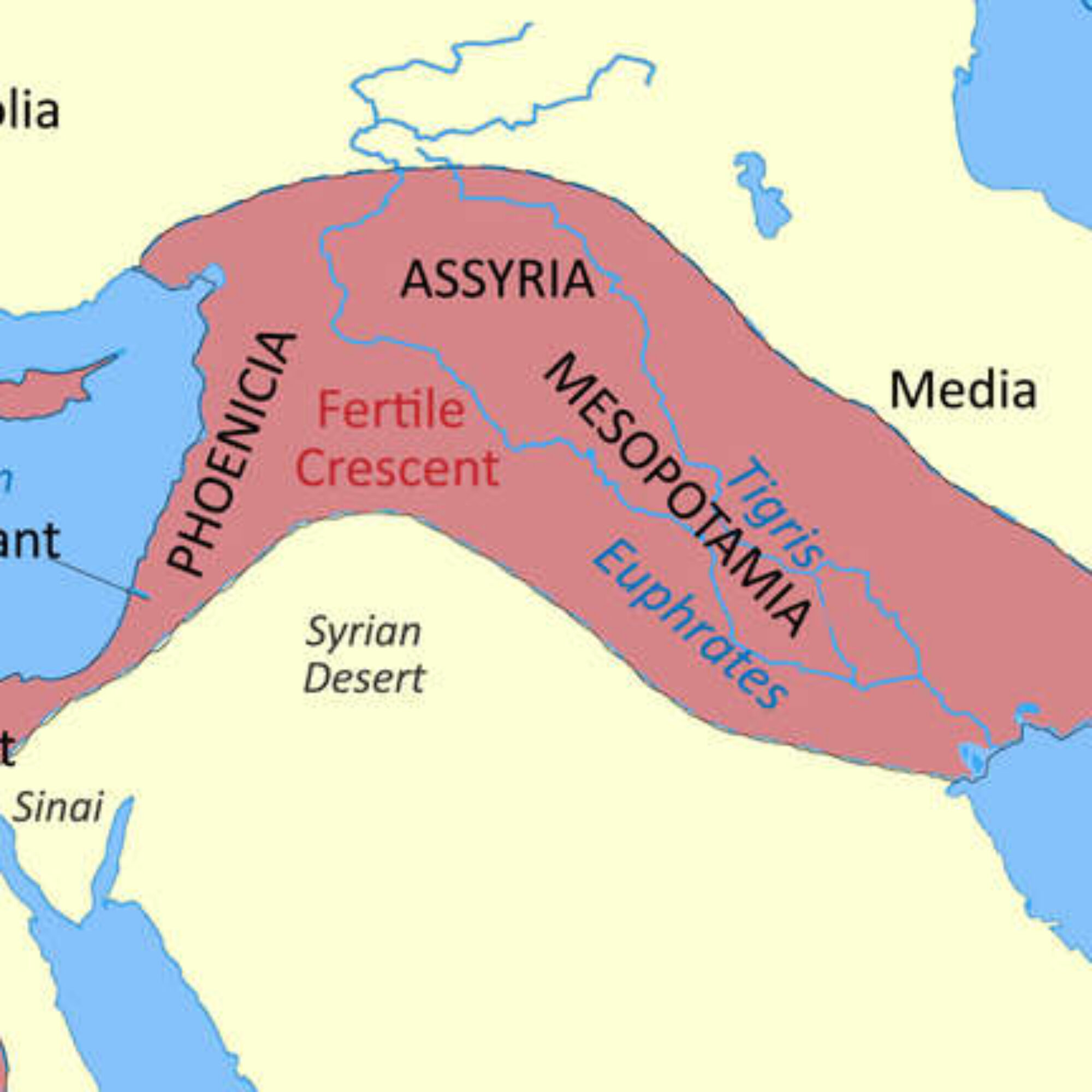
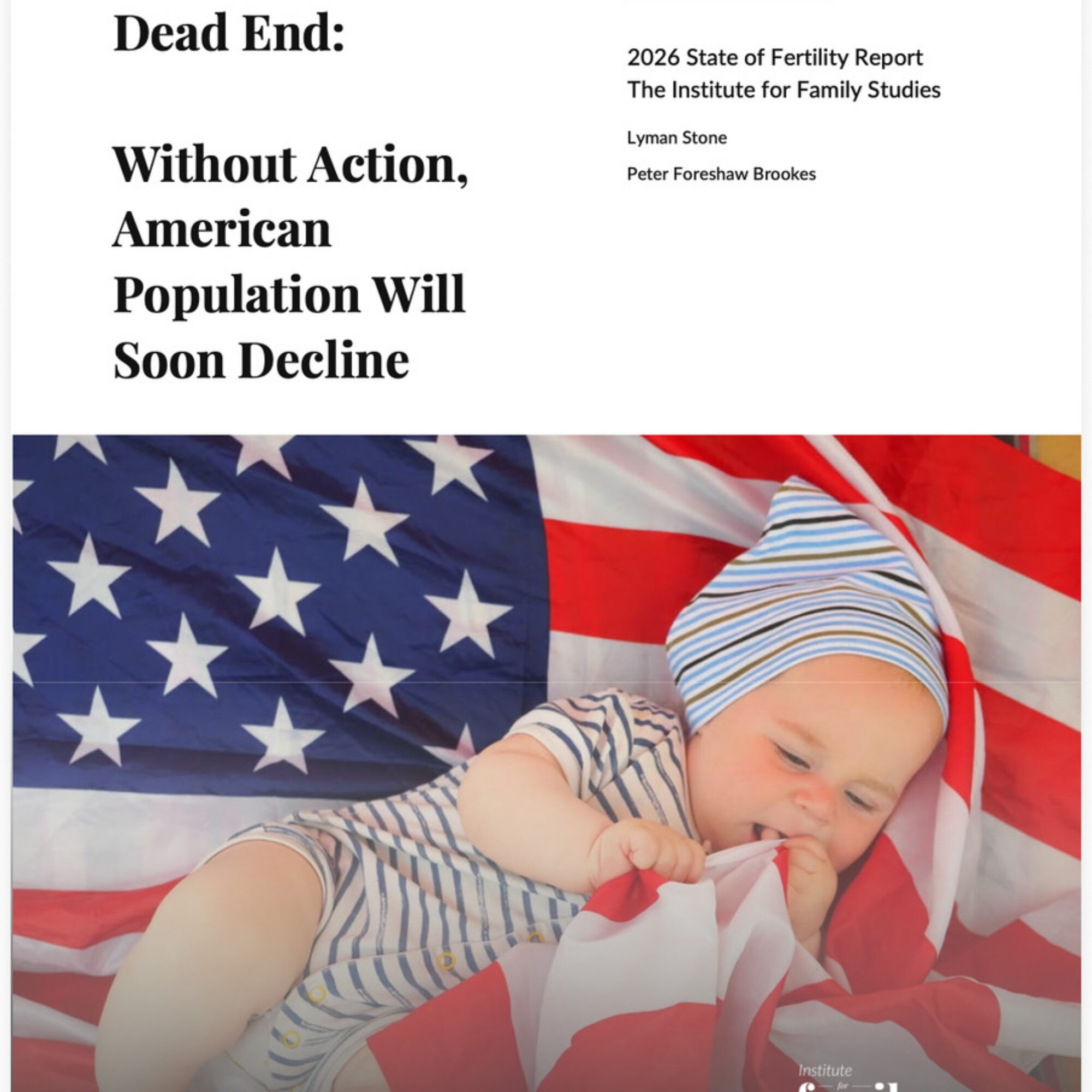
To clarify up front, I'm not taking a political position here, just pointing out what looks like groups doing what they criticize others for. They seem to be living by their values when they like the outcomes, but other times violating their values. I'm following up my post from a few months ago Heritage Foundation promoting socialism, as usual. Charlie Kirk did too. I've had a few guests on my podcast from the Manhattan Institute and I've attended a few of their events. I found this article last week from them: Want More Babies? We Need More Friends, whose subtitle tells what the article is about: "If Americans are to revive our sagging national birthrate, we must rebuild the ordinary social structures that made children…
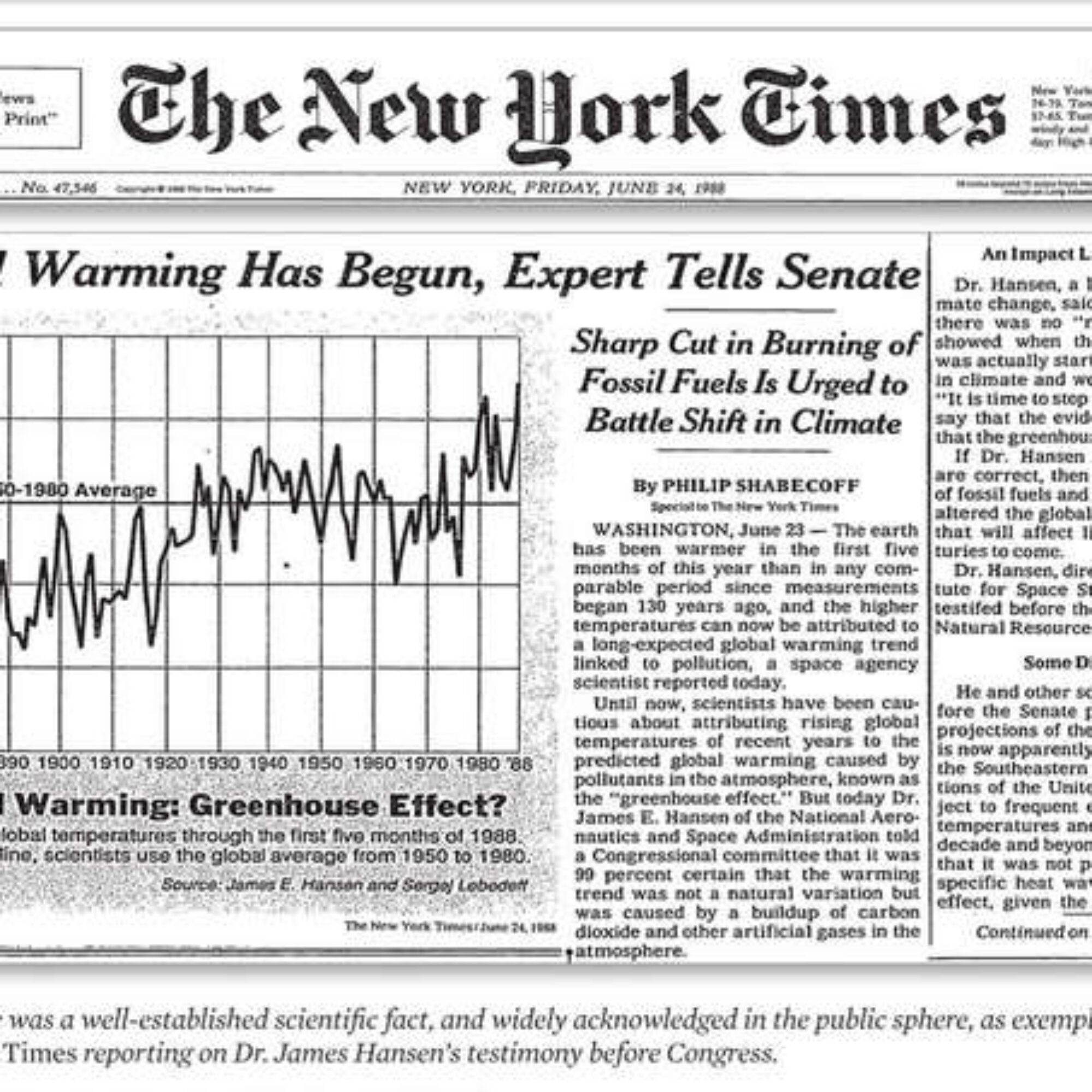
Do you believe Exxon and peers were wrong to sell and burn fossil fuels when they knew the results? I hope you do. Why? Because today, June 24, in 1988, the New York Times published those results on its front page news. Since then, you and everyone in the world have known at least enough to know the important part of what they knew. Actually before then, since the Times story was far from the first widespread publication about it, but it was a big one. It's tempting to say that they are different because they are bigger than you. Tempting but specious. If you do something that hurts people, who else but you is responsible for your actions? If you can't change the world, are…
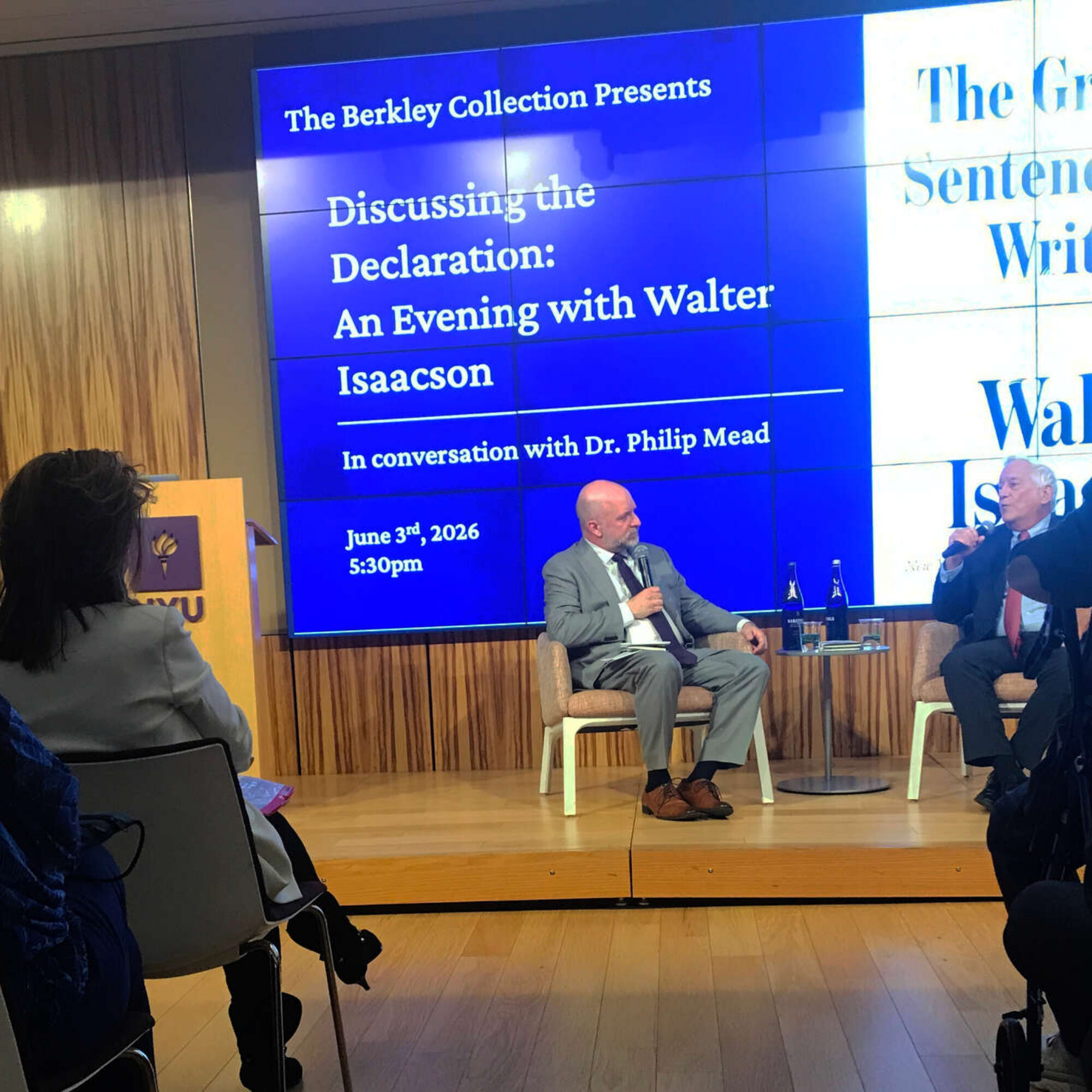
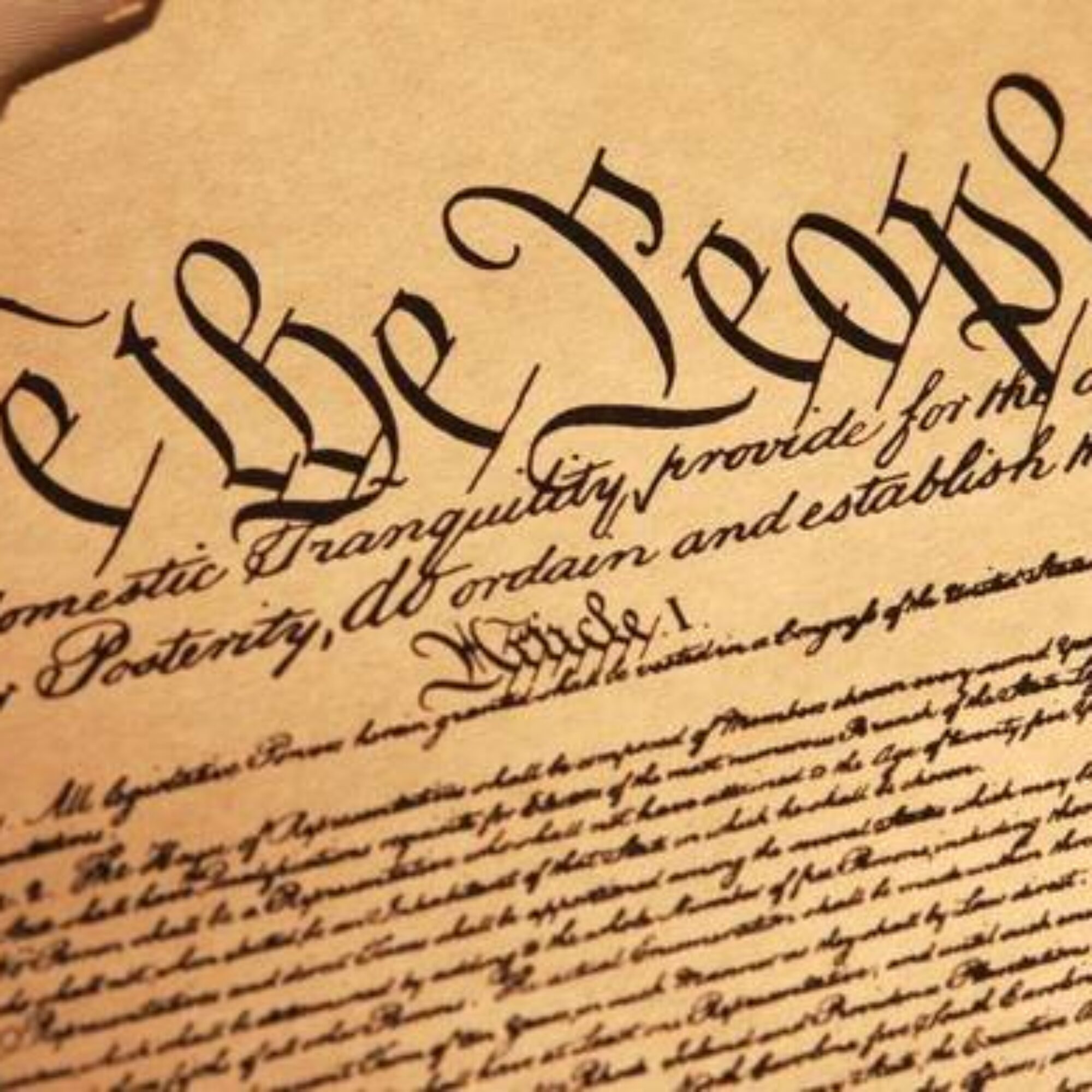
I wrote in 2023 about NYU consistently violating its own rules in NYU in 2019: We will stop buying bottled water. NYU in 2023: Here’s some bottled water from us. It's tempting to read something I'm not writing. I'm talking about leadership, which requires credibility and integrity, which require hands-on practical experience, not mere talk. I'm not writing in judgment. During a bus boycott, Martin Luther King would undermine everything if he occasionally took the bus, or even once, even if it took him places faster than any other way and he could do more with that extra time than anyone else. I attended a wonderful event hosted by NYU this week. The prominent author Walter Isaacson spoke about his book on the Declaration of Independence…
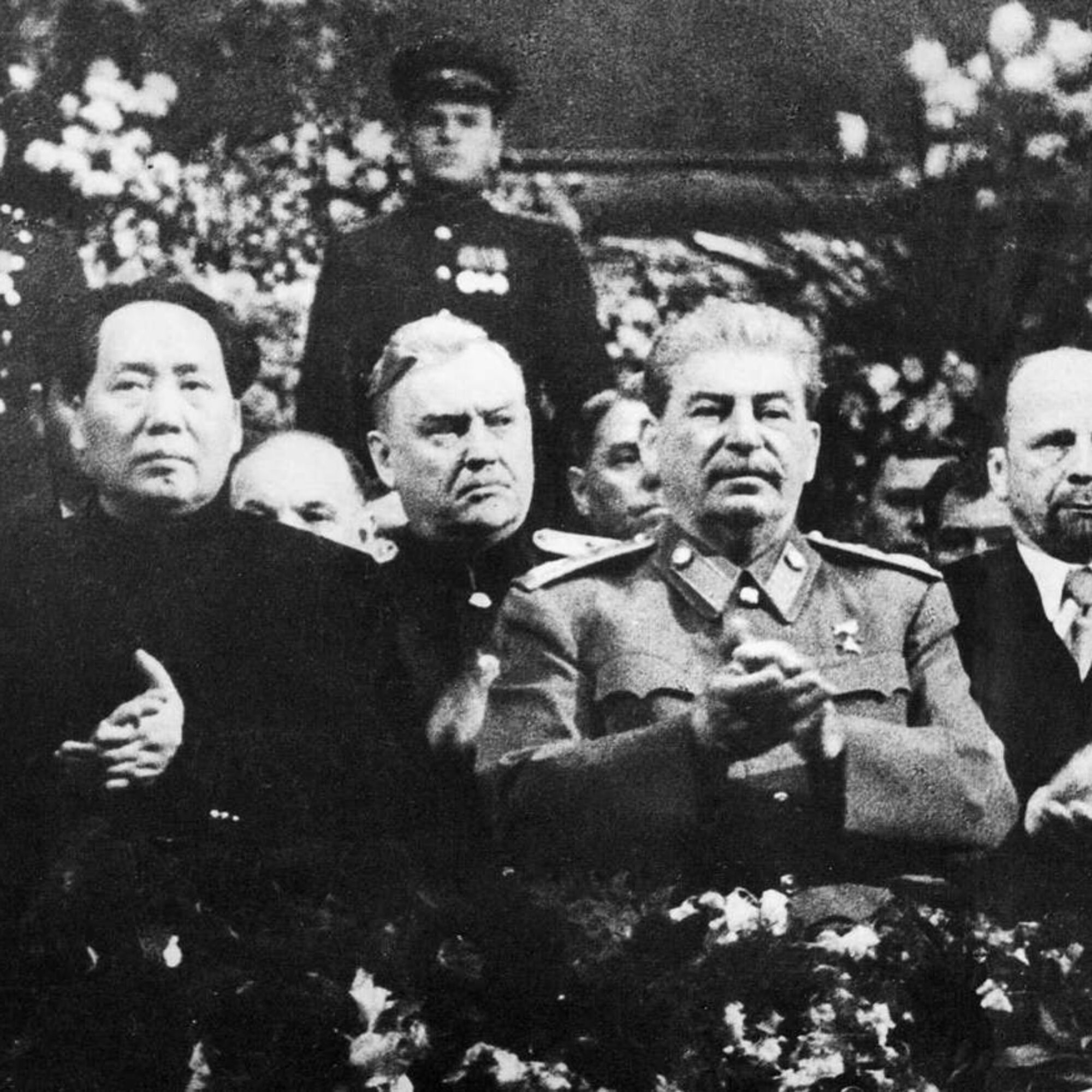
In the last book of Gulag Archipelago, Solzhenitsyn wrote about Stalin's death, "This was the moment my friends and I had looked forward to even in our student days. The moment for which every zek in Gulag (except the orthodox Communists) had prayed! He’s dead, the Asiatic dictator is dead! The villain has curled up and died!" I was curious about the term 'Asiatic.' I also just finished the book Fetishized, which talked about a lack of Asians in media. Was Stalin an example? He may not be a role model, but he gets plenty of coverage. Presumably you want accurate representation, not preferential. I looked up where Stalin was born: Gori, now part of Georgia. In the process I also learned that Stalin himself…
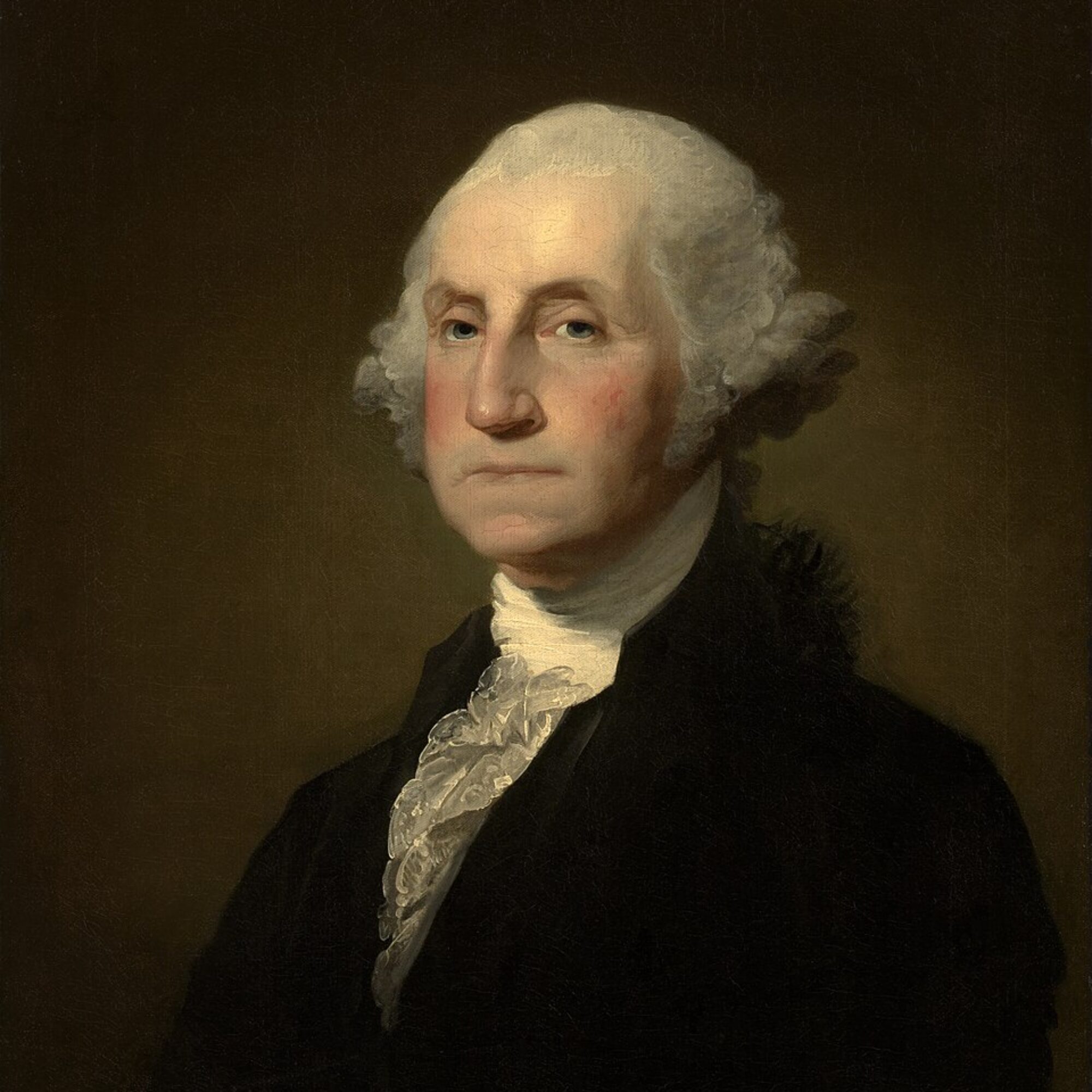
George Washington, Andrew Jackson, and Jesus Christ didn't have kids, but JD Vance said about "people without children," that "How does it make any sense that we’ve turned our country over to people who don’t really have a direct stake in it?" I guess Vance isn't a fan of Washington or Christ, though he was referring at the time to Kamala Harris, Pete Buttigieg, and AOC as leaders of the Democrat party. If he disagrees with their politics, that's his prerogative, but why the venom against people without children? Why the claim that people without children are less connected to humanity's future? [EDIT: I had the idea to write this post months, maybe years ago. I kept not writing it because I wasn't sure it…
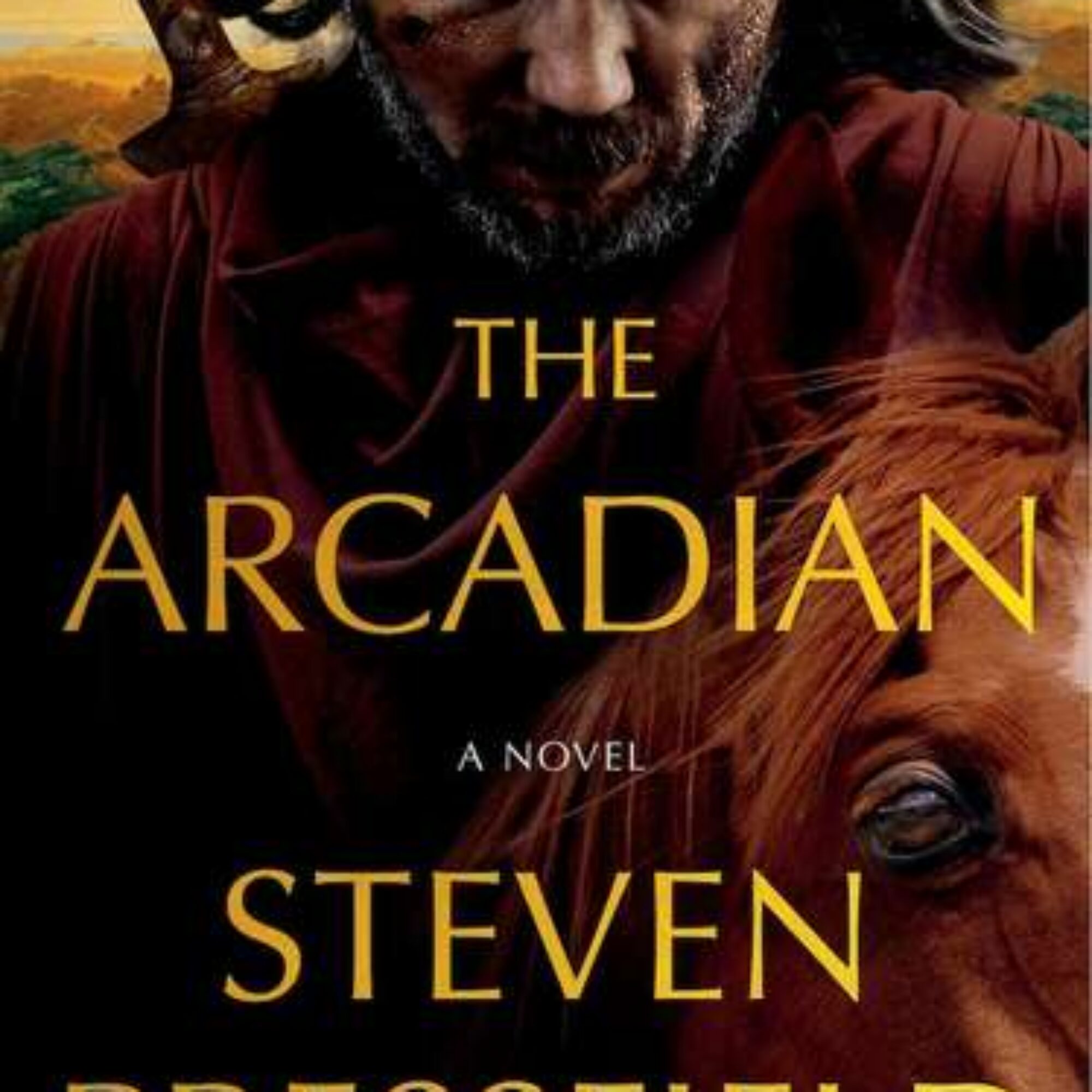
Yesterday I posted a passage from Steven Pressfield's new book The Arcadian about how being induced to act against our values---being corrupted from our values---affects us, in Wounded Warriors, by Steven Pressfield, and Ourselves. Yesterday I quoted a scene from Steven's book where three warriors share the effects on their minds of their heroism. It began with what happened to their bodies, which seems the visible counterpart of what happens to their minds, not counting those who were killed and aren’t there to be seen or heard. The passage built up to the last paragraph, which described pissing, pickling, and kicking corpses to try to diminish what they'd done. The actions show what people do when we are corrupted from our values. Steven describes warriors…
I finished The Arcadian by podcast guest Steven Pressfield yesterday. I found the whole book gripping, but one passage stood out as relevant to my work and upcoming book. A big part of my upcoming book is what happens to us when we are induced to act against our values---that is, when we are corrupted from our values. We didn't ask to be born into a culture that makes it impossible to get past eating breakfast without hurting people---for example through plastic packaging and transporting food across continents when our ancestors just walked to it---and causing more of it---for example, by funding future extraction and lobbying for more---but we were. The result: we tell ourselves multiple times per day every day for decades whatever it…
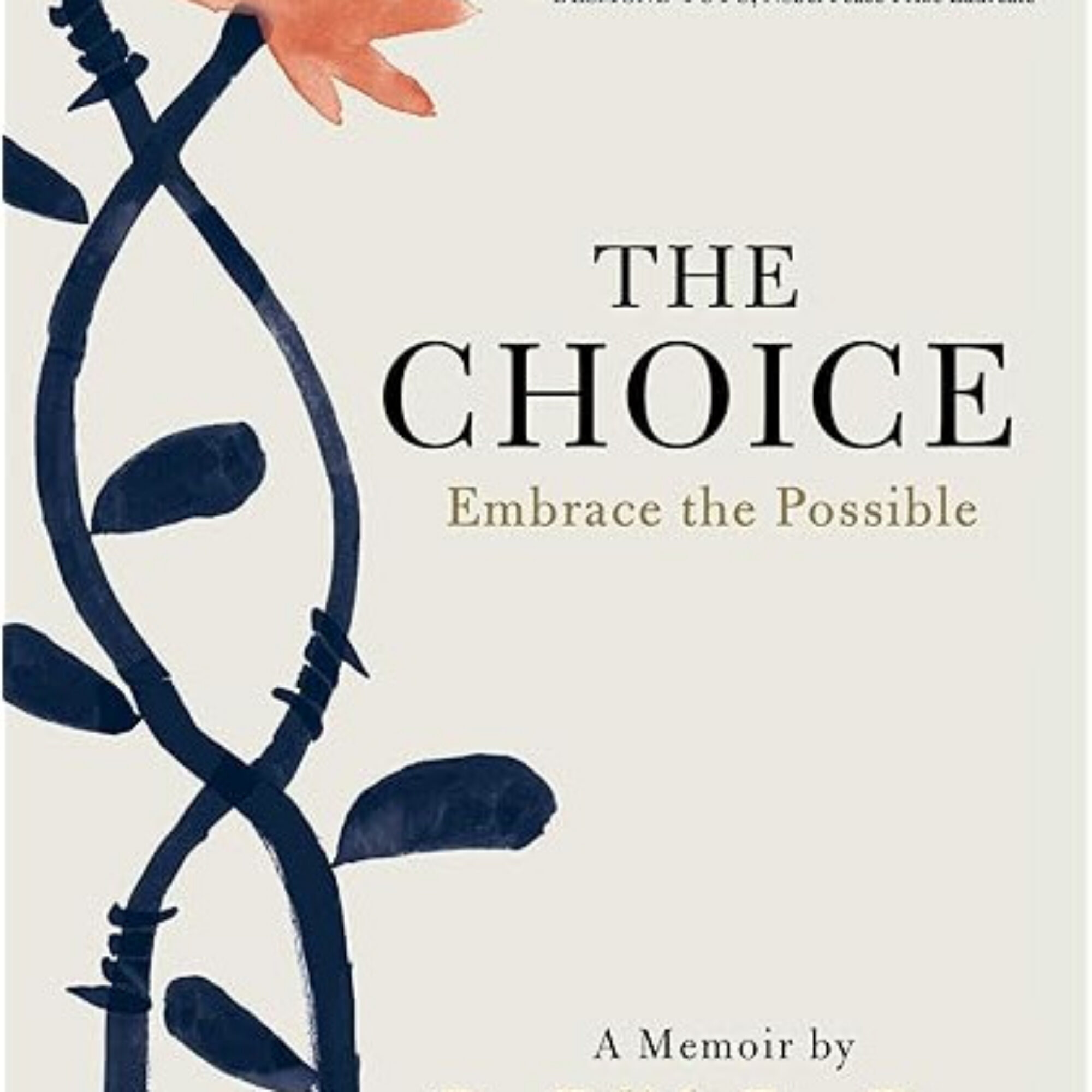
I rated Eger's book The Choice as one of My favorite books and movies of 2025 as well as my life, comparable to Victor Frankl's Man's Search for Meaning. I listened to The Choice and I don't remember another book that led me to tears so much. I was outright bawling. I can't recommend it enough. I found her through Philip Zimbardo's work. They were friends and colleagues. She knew Frankl too. She died on April 27. I recommend starting with The Choice, then watching videos of her, of which there are plenty. Her book became an international bestseller. Oprah featured her. She was covered globally. Here are some articles, followed by some quotes from them. Forced to dance for Mengele at Auschwitz, she was…
The other day I posted pictures of the needless garbage Democratic candidates send to my mailbox. They talk sustainability, but look at their action. You can see the pictures in Democrat Garbage: When Democrats Say They Value Sustainability, They Mean When It's Convenient For Themselves (Republicans Probably No Different). Am I unfairly judging them? On the contrary, the conflict is between their values and their actions. I didn't ask for them to send me garbage. I work to stop junk mail being sent to me. I hardly receive any now, but Democrats do it. Holding people accountable to their values helps them. It doesn't hurt them. Their garbage continued to arrive after the election. I put an image of more recent garbage of theirs at…
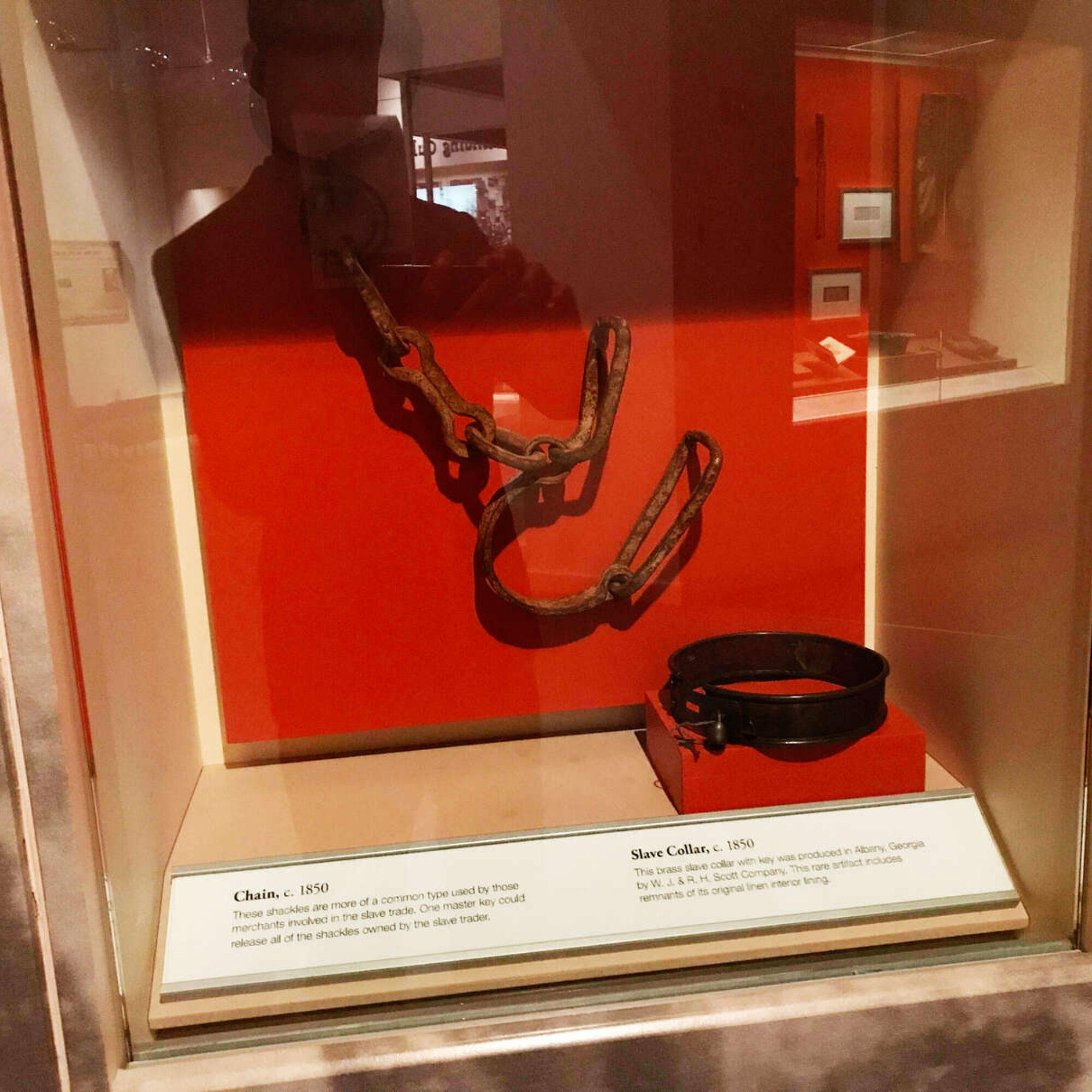
I gave a keynote and led a leadership workshop near Harrisburg, PA---a place halfway between where I grew up in Philadelphia and where my dad grew up, in Pittsburgh, so we passed through there many times growing up. I learned that the city hosts a Civil War Museum, so arranged to spend half a day there. I recommend it. A few items affected me beyond what I would have expected. Scroll down and you'll see the leg irons, collar with spikes, and whip with spiky metal spurs (the card implied that it wasn't known if this particular whip was actually used, but even if not, just that someone made it says a lot). First a few words. I'm not sure the pictures will hit you…
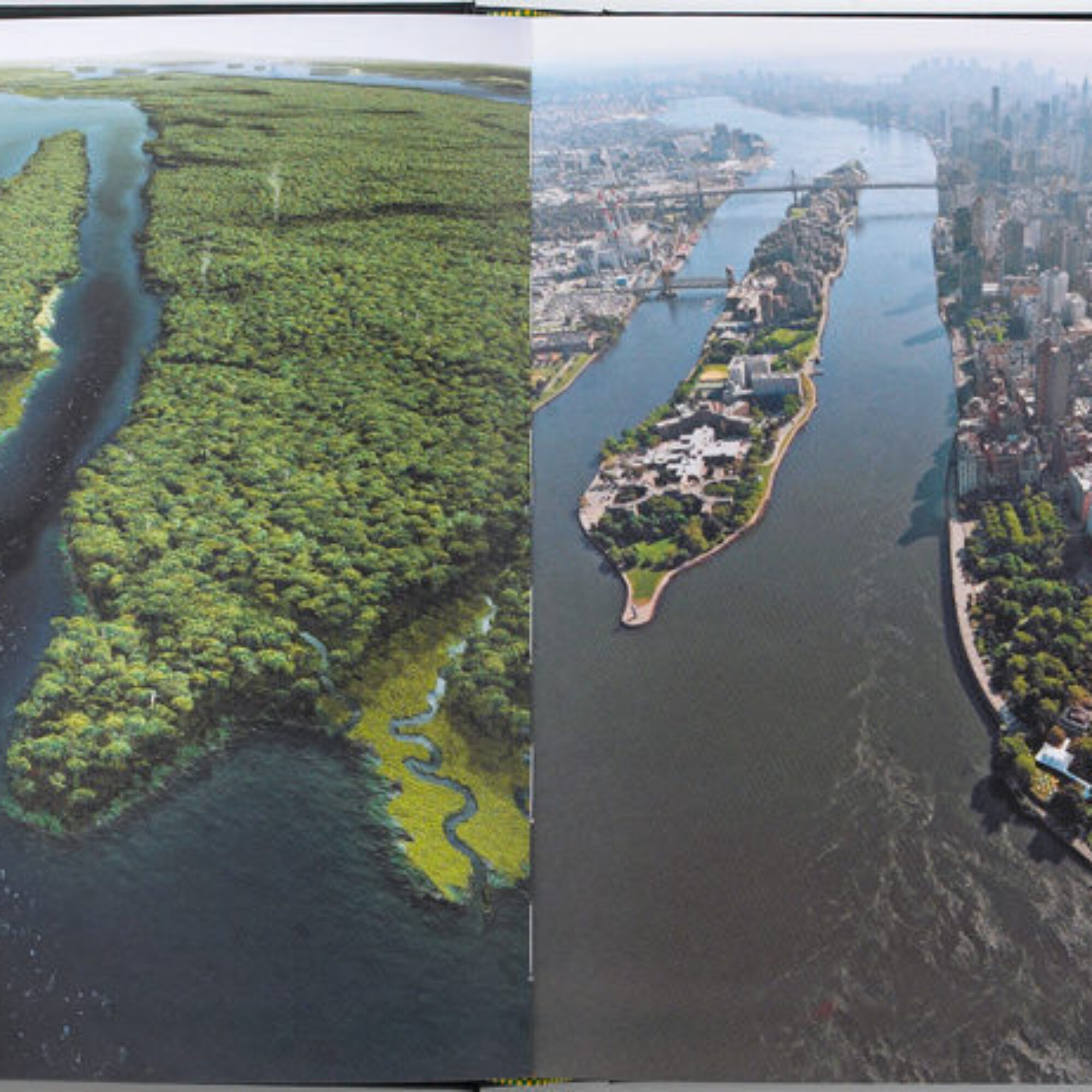
Over and over, people refer to societies that were colonized as indigenous. For example, I see nearly all Native American groups referred to as indigenous. Here's a dictionary definition of indigenous, which covers the meaning here. indigenous adjective in·dig·e·nous 1 a : produced, growing, living, or occurring natively or naturally in a particular region or environment b usually Indigenous : of, relating to, or descended from the earliest known inhabitants of a place and especially of a place that was colonized Here's another: "Being a member of the original inhabitants of a particular place." Consider Manhattan, where I live. Humans have lived here for five or ten thousand years. Europeans arrived ten percent of that time ago. If someone calls the people who lived on…
The more I learn from different traditions, the more I find each group claims that their intellectual and cultural forebears are the people everyone likes and says the others descend from the ones everyone dislikes. I grew up in liberal, progressive households and schools. I learned that people who worked for liberty and freedom, and who fought against slavery and tyranny were the ones our traditions descended from. I learned that conservatives and libertarians just wanted profit. They would sacrifice the things we valued, like liberty and freedom, in favor of helping themselves. Hence, they were responsible for slavery and laissez-faire practices that caused hunger and poverty. I didn't learn to see the world from their perspectives. When I started to, in recent decades, I…
Living in New York City means eventually many people will pass through my neighborhood so I host people for visits in my home a fair amount. Though I spend most of my time here and visitors average maybe a few hours a week, I think they cause more pollution and depletion in my apartment than I do. One big reason is that they use hot water for everything and heating water uses more energy than many things. How do I know? My faucet knobs are always to the right because I use only unheated water to cook, drink, brush my teeth with, and so on, but whenever someone visits, I find the knobs in the middle or hot end. Why does everyone---everyone---use warm or hot…
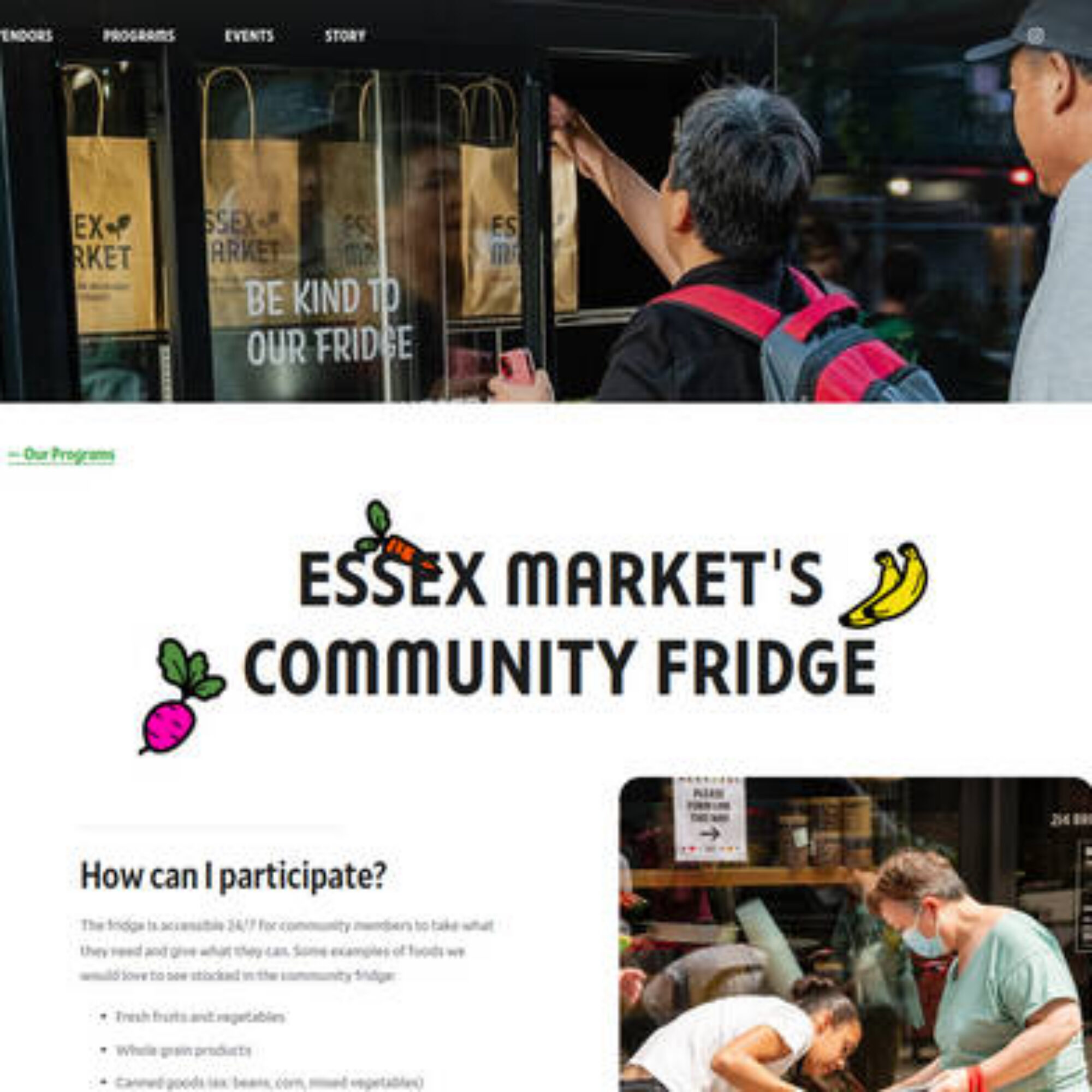
On December 25, 2025, I wrote a post Help restore my shaken confidence in people from Christmas Eve day that recounted a troubling experience I had delivering food to a community fridge. I wrote about how after spending a lot of time and energy on a holiday, a group of people showed tons of aggression and zero gratitude pushing everyone out of the way to get all the food they could for themselves. In the US in 2025, it felt risky to specify that they were elderly Chinese women, but they were. People there who weren't elderly Chinese women didn't get a chance. They were pushed out. One had a tug of war with me over food I didn't intend to distribute. She grabbed it…
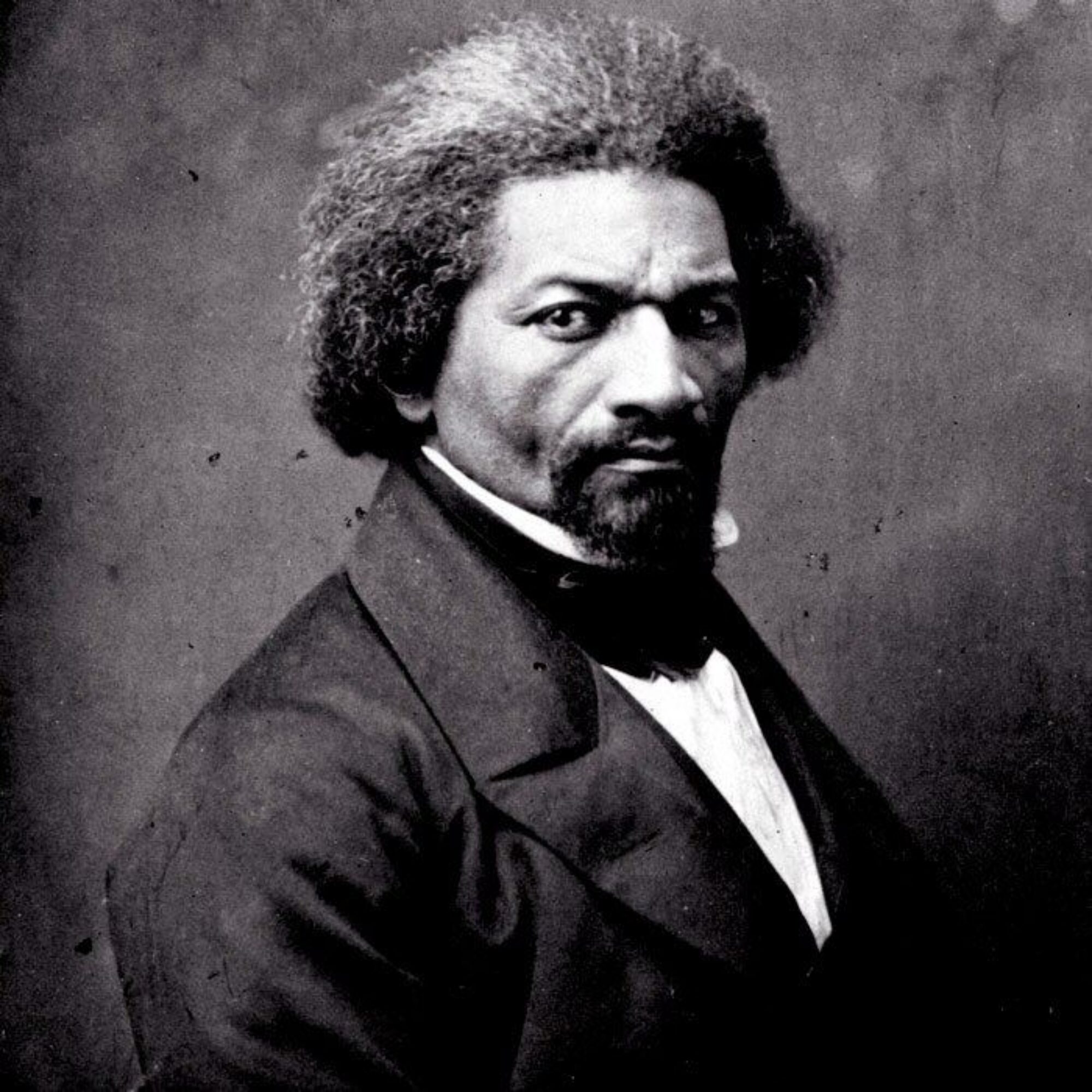
I found a piece that expanded on something I wrote in Sustainability Simplified about how racism developed. Since I found that we needed to change culture to restore sustainability, I've been learning about abolitionism and related issues, since abolitionism is an example of humans changing global culture where no one thought it possible, then it happened, started by a small number of visionary people. In my book, I wrote: Oxford-educated Trinidadian historian Eric Williams wrote, “A racial twist has thereby been given to what is basically an economic phenomenon. Slavery was not born of racism: rather, racism was the consequence of slavery.” Recently, historian Ibram X. Kendi agreed. He wrote, “I had been taught that racist ideas cause racist policies. That ignorance and hate cause…
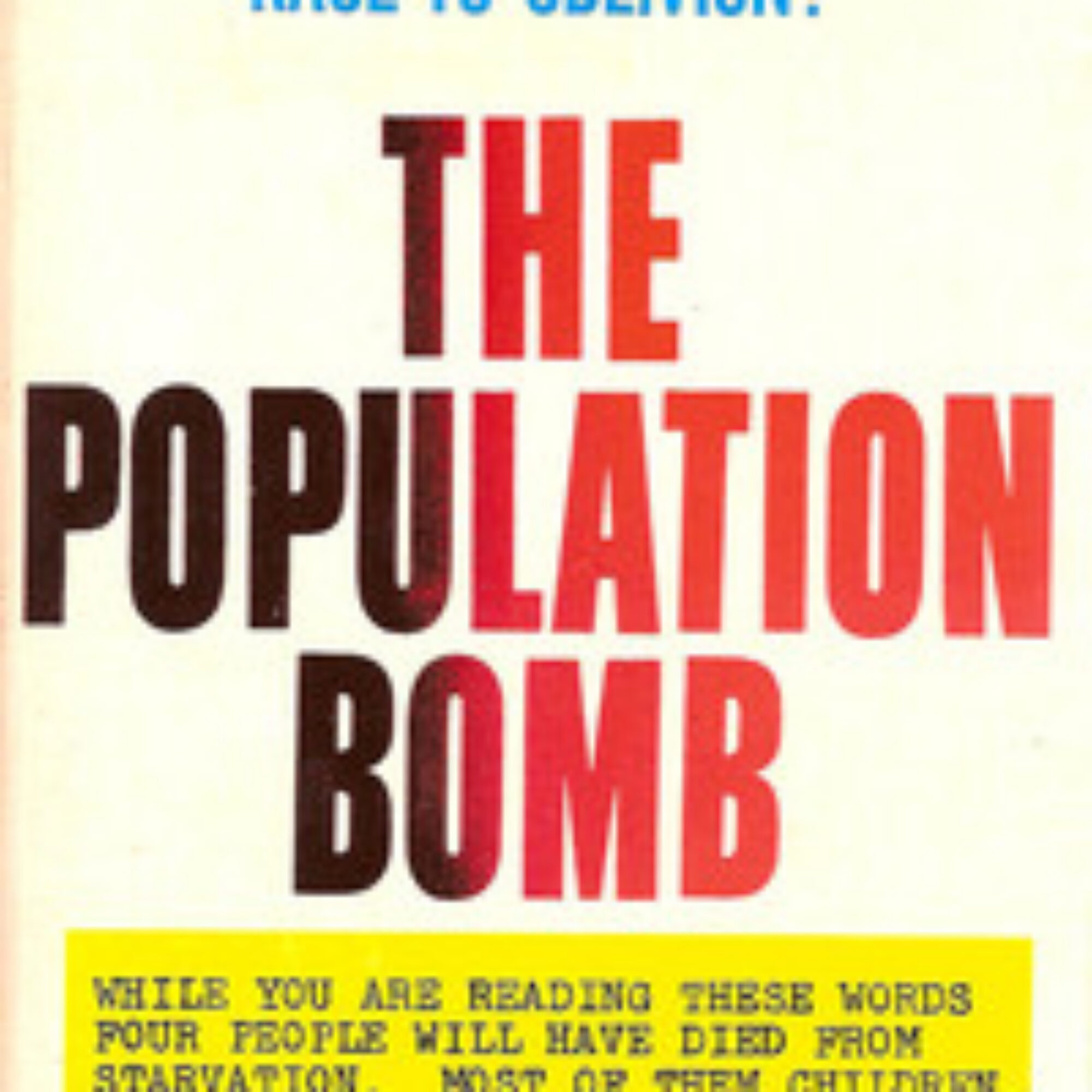
Paul Ehrlich died two weeks ago. I read The Population Bomb a while ago and heard him speak in many interviews. I recently listened again to a few recordings of his and read a few articles of him. In each he was speaking to people who liked him and agreed with him so he spoke freely. In each he called people who disagreed with him "idiots" or something like "people who can't count to twenty without taking their shoes off." He wasn't perfect. Nobody is, but though he acknowledged he was wrong on some points, he didn't take responsibility for mistakes. He just said that he would be right in the long run. He didn't acknowledge that he didn't take huge factors that would affect…
It's difficult to empathize with people we disagree with. It's difficult to look at the world as if you knew only what they knew and nothing of what you know that they didn't. Many people seem unable to distinguish understanding and empathizing with someone from agree with or supporting them. I think part of our inhibition comes from fearing that we'll find that we would have felt and done things we consider abhorrent. Psychological research shows most of us can be induced to act in violation of our values. I think many of us fear acknowledging what we would have done had we been born with white skin in the South before the Civil War or in Germany as a German to come of age…
We are living in the wake of the corruption of otherwise great people, in particular George Washington, Thomas Jefferson, and James Madison, as well as their peers. They risked their lives to promote liberty, freedom, equality, democracy, and national security. They claimed those values were universal but defended them for themselves and their peers only. Their corruption was not to extend them to their slaves. The legacy of their corruption follows a direct line to John C. Calhoun and Jefferson Davis, then to Margaret Sanger, Henry Ford, and Ford's dear friend Adolph Hitler, through to today's persistent, enduring racism and greatest risks to national and global security. Still, I don't blame them. They didn't ask to be born into a slave culture. They couldn't help…
I've meant to start compiling this list for a while. People often equate racism with white supremacy. Even if they say they aren't the same, many people consider all white people as privileged, whether they want to be or not, and all people of color as being oppressed, at least to some degree. They consider that white people may face challenges, but not because of their skin color, whereas people with skin that isn't white face headwinds and start behind the starting line. My book explores how these beliefs and the practices that prompted them, as well as the conditions that prompted the practices in more depth. In particular, I explore beyond what historians and anthropologists who just look at the past few centuries or…
We've all heard how since the left and right get their news from different sources and those sources present different facts, it's as if two parts of the nation live in different realities. If so, how can they agree on points based on different facts? A related issue I don't think I've seen treated stems from each group evaluating themselves and the others based on different criteria. The left judges the right based on its criteria, not the right's, so it sees the right as failing, wrong, or bad. It also judges itself by its criteria and finds itself as succeeding as best it can, right, and good. Meanwhile, the right does it the other way. It judges the right based on its criteria, not…
I was watching a dialog on Slavery and the Constitutional Convention hosted by the US National Archives (see the video below). Thomas Jefferson My upcoming book focuses on many relevant things, especially how culture induces people to act against their values, then to create beliefs to rationalize and justify the behavior violating their own values. Thomas Jefferson represents one of the most prominent cases of someone who promoted liberty, freedom, equality, and democracy to the point of risking his life for these values for himself and his peers. He didn't extend them to his slaves. A renowned and accomplished historian and lawyer, Paul Finkelman (bio below) said the following, which I found interesting and relevant. Most of us have been induced to violate our values…
I lead a meditation group that meets in person a couple times a month. We've found we can get a laugh if we talk in the group about talking about meditation to others who don't meditate by saying, "I can't meditate. My mind is too crazy to empty it of thoughts," or words to that effect. Why does it make us laugh? Because it's like a knee-jerk reaction that betrays a misunderstanding of meditation closer to its opposite. Everyone's mind is full of thoughts we can't help. Meditation doesn't empty your mind. Meditation can do many different things for different people, but a common goal is to find comfort with the eternal state of all human minds: scattered like yours. We know that what they…
I read stories on The Atlantic's website sometimes, but rarely read the physical magazine. I found a copy in my building's mailing room's recycling bin. I guess a neighbor with a subscription didn't feel like reading this month's issue. Here's the issue in particular online. The articles tended to be intellectual, left-leaning or full anti-Trump, but largely portraying either victimhood or implying solidarity with or support for the downtrodden. The back had an ad for Rolex. Inside I noticed a few ads promoting flying to self-indulgent or elite things, like programs for college-bound kids to pad their transcripts and travel agencies offering luxury vacations. Ads tell you about readers since advertisers don't want to waste their money. The magazine felt aspirational, for rich people whose…