Nonjudgment


Differences between environmentalists’ strategies and mine

I've been increasingly realizing and pointing out that I am not an environmentalist. I surprised myself to discover it. I had long felt misunderstood when people asked, “If you like nature so much, why don't you go to the woods live in nature?” It had long been obvious to me that we needed to change culture, not escape it, and New York is an influential cultural center. Then I checked and in 2014, shortly before my first experiment in acting sustainably of avoiding packaged food for a week, in a post in this blog entitled The Great Pacific Garbage Patch and the world we live in, I wrote, "The issue is not how other people think about us or trends. Polluting means hurting people. Dirty…

0 Comments

Conservative, libertarian, and Christian posts in my blog and podcast episodes

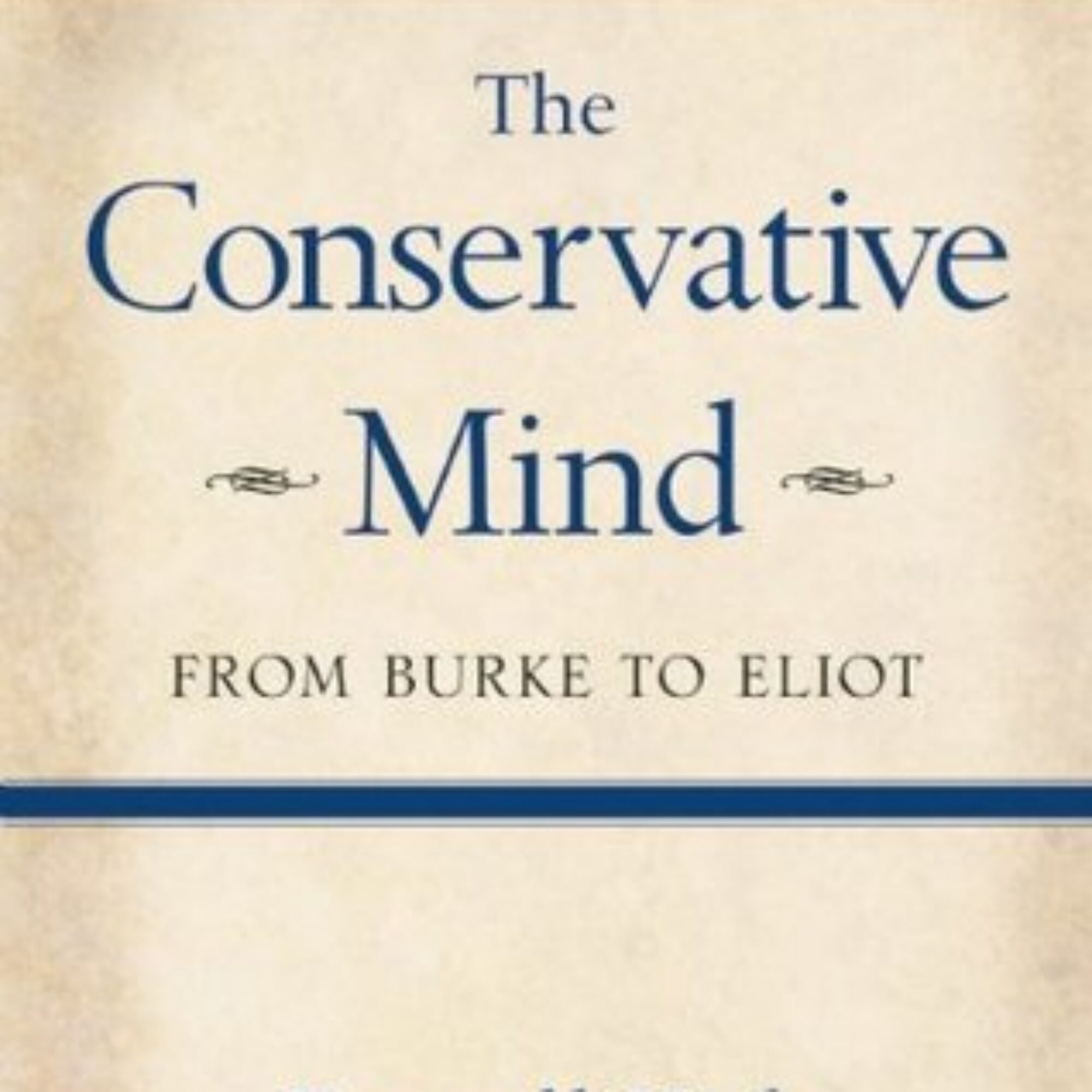
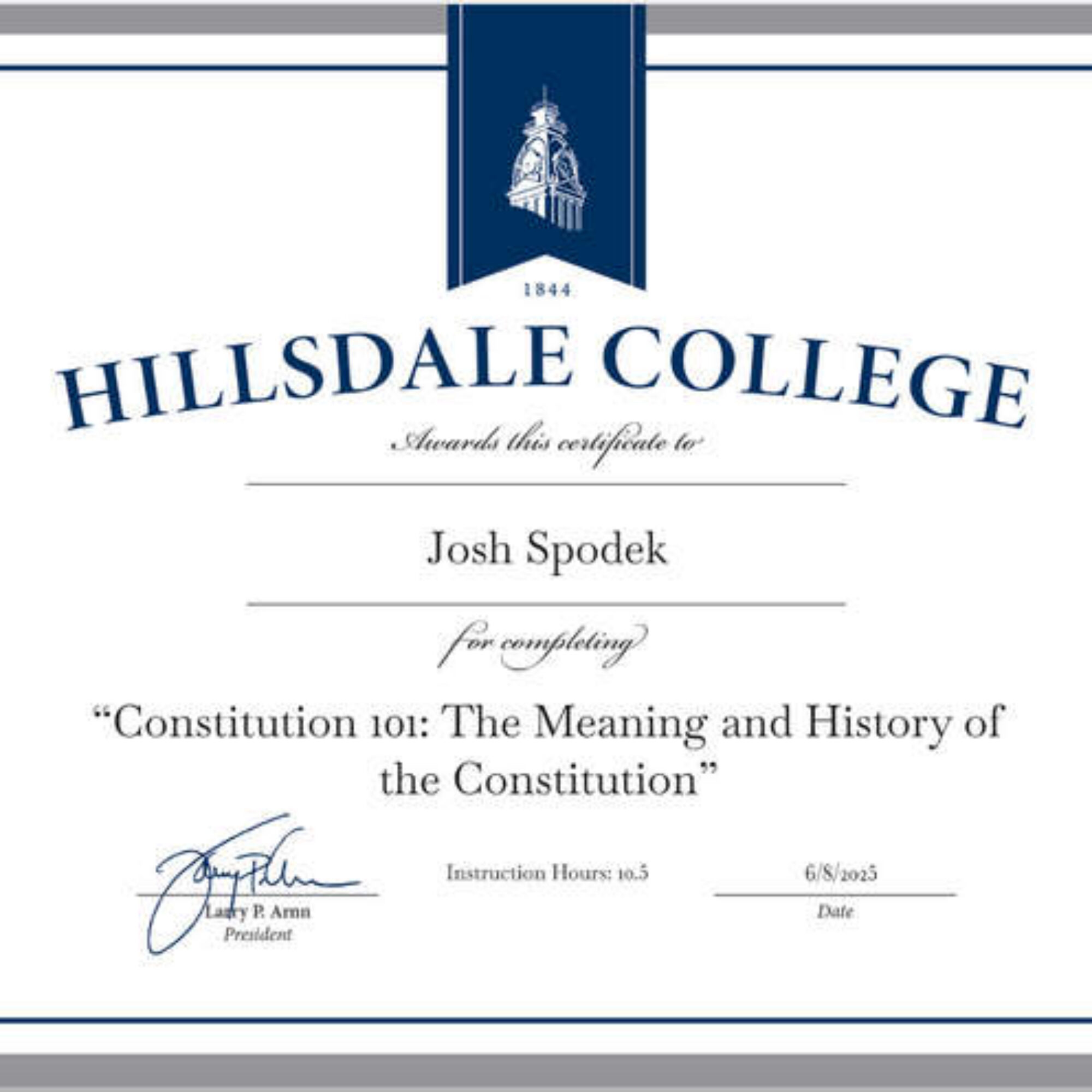
Most people who call themselves environmentalists are on the political left. I talk to a lot of them. I also talk to people on the right and in other directions. I learn from all of them. I decided to compile them for reference. Some blog posts (I'm sure I missed a few): This week’s selected media: March 17, 2024: You Are a Badass; Into a Strange Land: Women Captives among the Indians; Conservatism 101 Followed up: watched recommended historical videos from the Leadership Institute’s course “Conservatism 101” My first Hillsdale College online certificate and why I took the course Cultural Exchange Without Flying: My dinner at the Trump International Golf Club at Bedminster More cultural exchange because of not flying: plinking and target practice This…

0 Comments

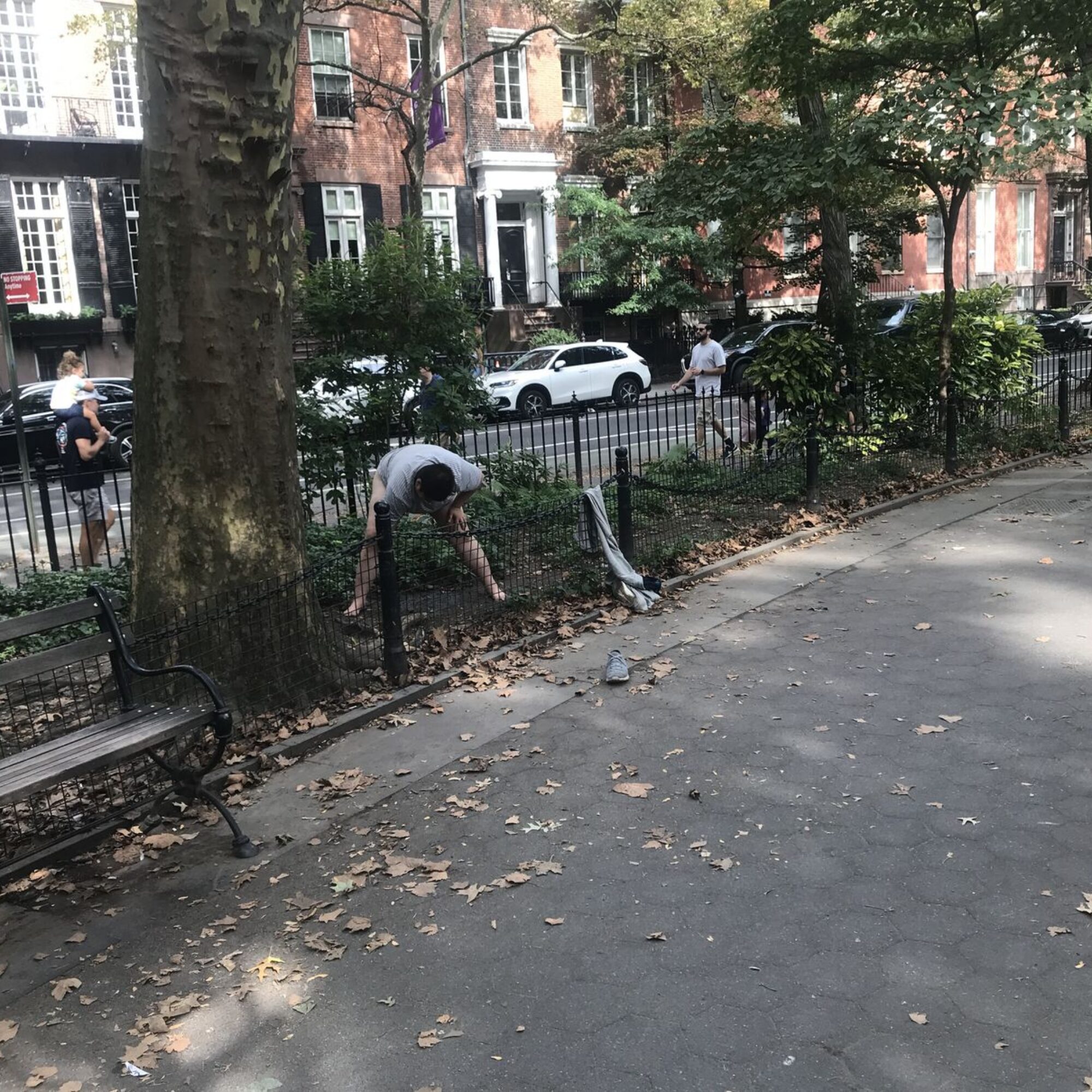
More drugs: a woman pooping in the park in broad daylight and more junkies shooting up in my neighborhood

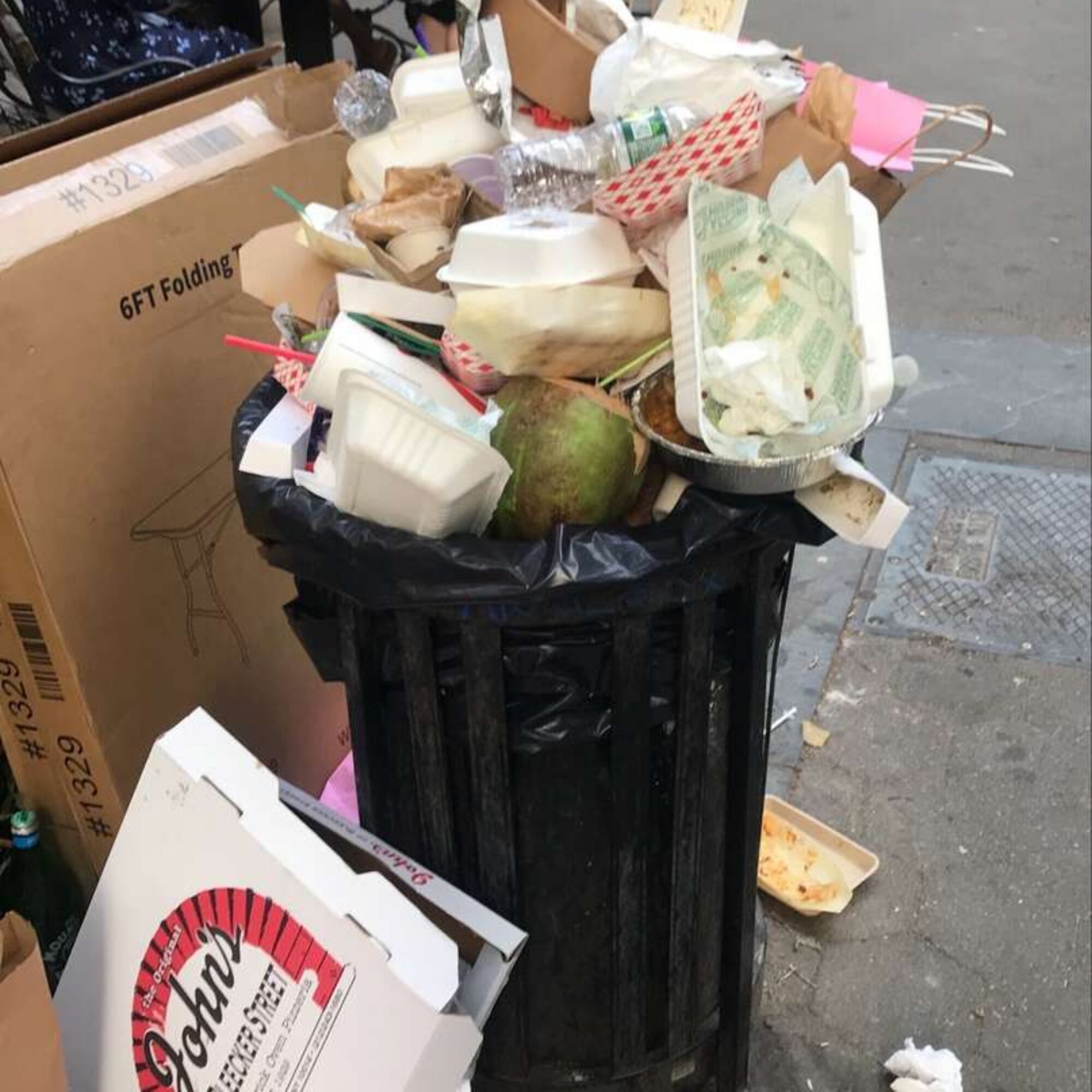
As always: I post about junkies not to criticize or condemn them as individuals, though I consider adults responsible for their actions. I post about them to illustrate our culture. Their addiction and its harms to others and communities is more acute than most of ours, but it is generally more benign than people with dependencies on flying, driving, doof, takeout, screens, and other things nearly everyone does that hurt innocent people, violate the consent of the governed, and deprive people of life, liberty, and property. I post these images for us to see ourselves. Flying wrecks nature and tears families apart. Not flying connects us. If you chose to live flying-distance from family, you chose to hurt people. You can stop. Yes, withdrawal is…

0 Comments

How “helping” people with disposable goods, especially plastic, isn’t helping compared to reusable. It’s not hard to switch back.

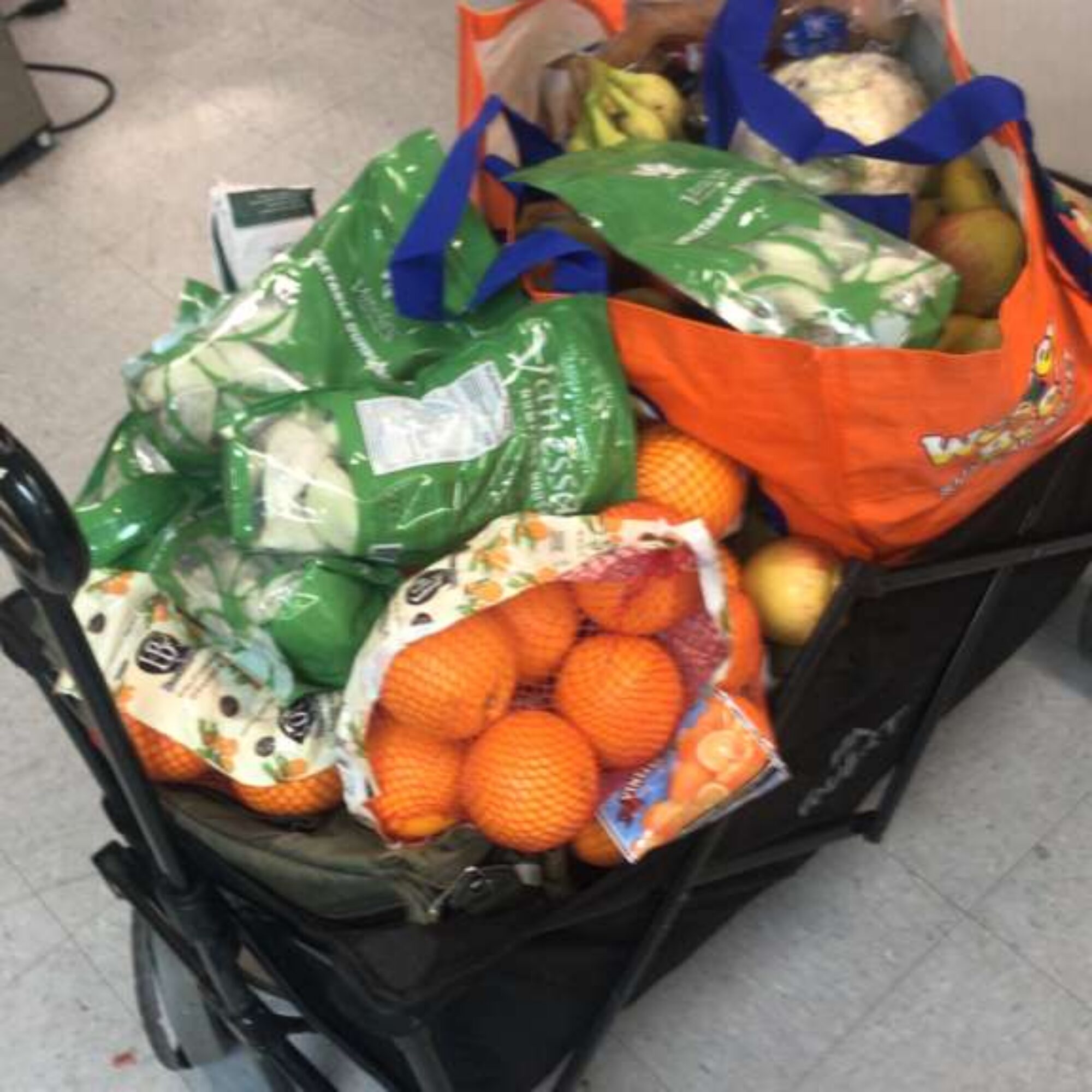
Regular readers know I volunteer to deliver food that stores were going to throw away to groups that make it available for free to anyone who wants it, and sometimes to people directly, always for free. The context: free food distributed with disposable plastic One of the groups, Food Not Bombs, distributes food that many volunteers bring. They also distribute for free hot food that they cook. I believe all the food they cook is made from food that would have been thrown away, though maybe small ingredients like spices, salt, and oil might be bought. People who want the hot food get in line. When served, they are given the food in disposable containers in their choice of plastic or paper (lined with coating)…

0 Comments

If rivers and animals are people, then are no human people indigenous, only colonizers?

I posted this question before in A paradoxical consequence of considering animals, plants, and rivers people, but wanted to pose the question more directly: If rivers and animals are people, then are no human people indigenous, only colonizers? That is, if we consider animals people, doesn't that they are indigenous and that humans who came into their territories are invading colonizers? I was reading about how humans crossed the Bering Strait, or at the time the Bering land bridge, then populated all of the Americas. To clarify, I'm not trying to prove anything in this post, nor to say "I'm just asking questions," then make a point with loaded questions, in the style of many media personalities. When I first heard the concept of making…

0 Comments

I love where I live but it’s being destroyed, part 3b: More drugs

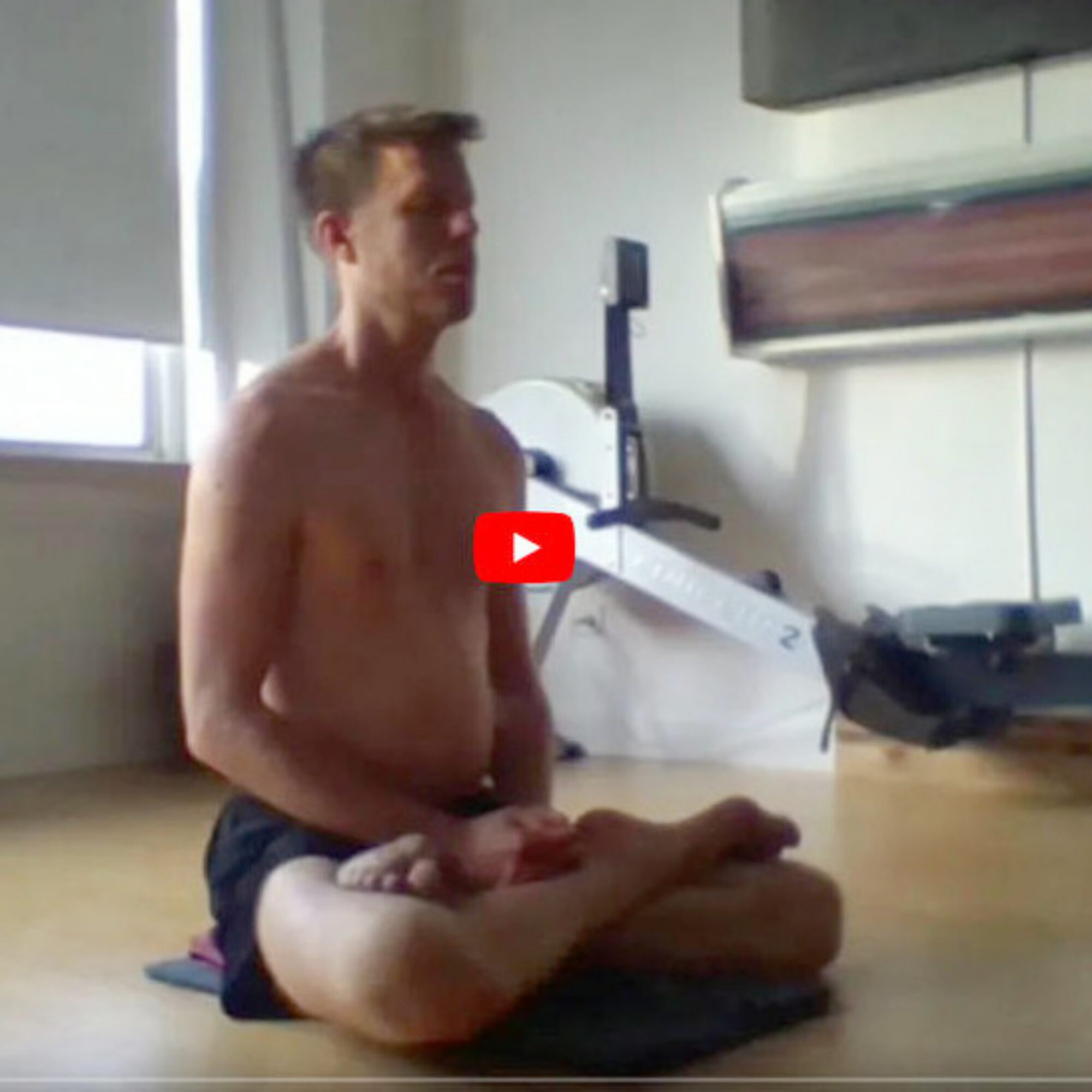
My posts about addiction aren't about the addicts in the pictures or videos. They're about our culture. I see the person in the video below as the inevitable outcome of our culture. He is a more extreme example in one direction, but only a few steps ahead of many users of McDonald's, Instagram, Delta Airlines, and Netflix. Context: I was walking home, saw this guy, and decided to get my phone out and record. Did I worry about making his identity public? Yes, but his face isn't visible and he's already in public. I didn't look for the guy. I didn't suggest he do anything. He was there. I may not have even broken stride. I'd been looking up the fentanyl fold and nodding out.…

0 Comments

Not hurting innocent people a “purity test”? I think your ignorance or internal conflict is showing.

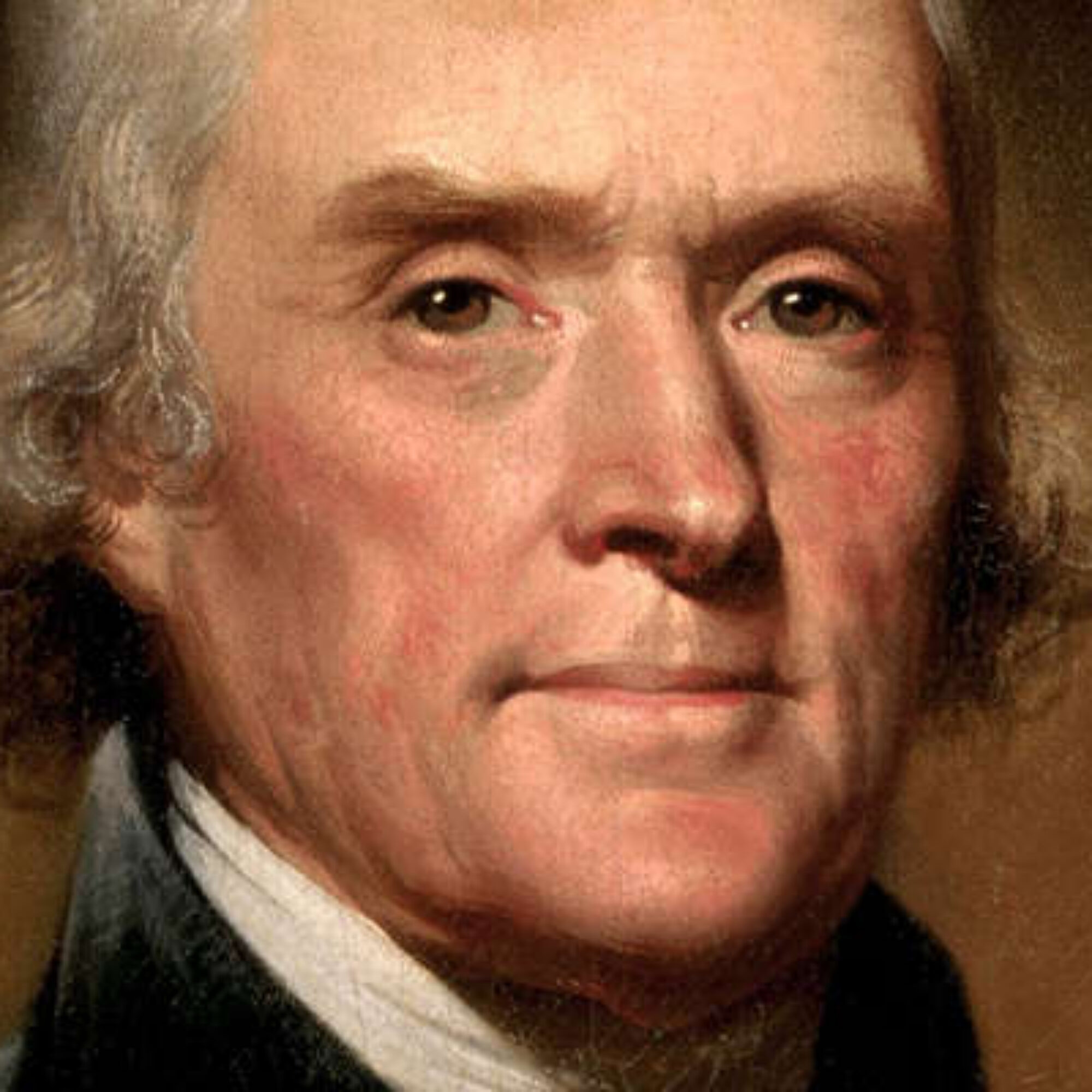
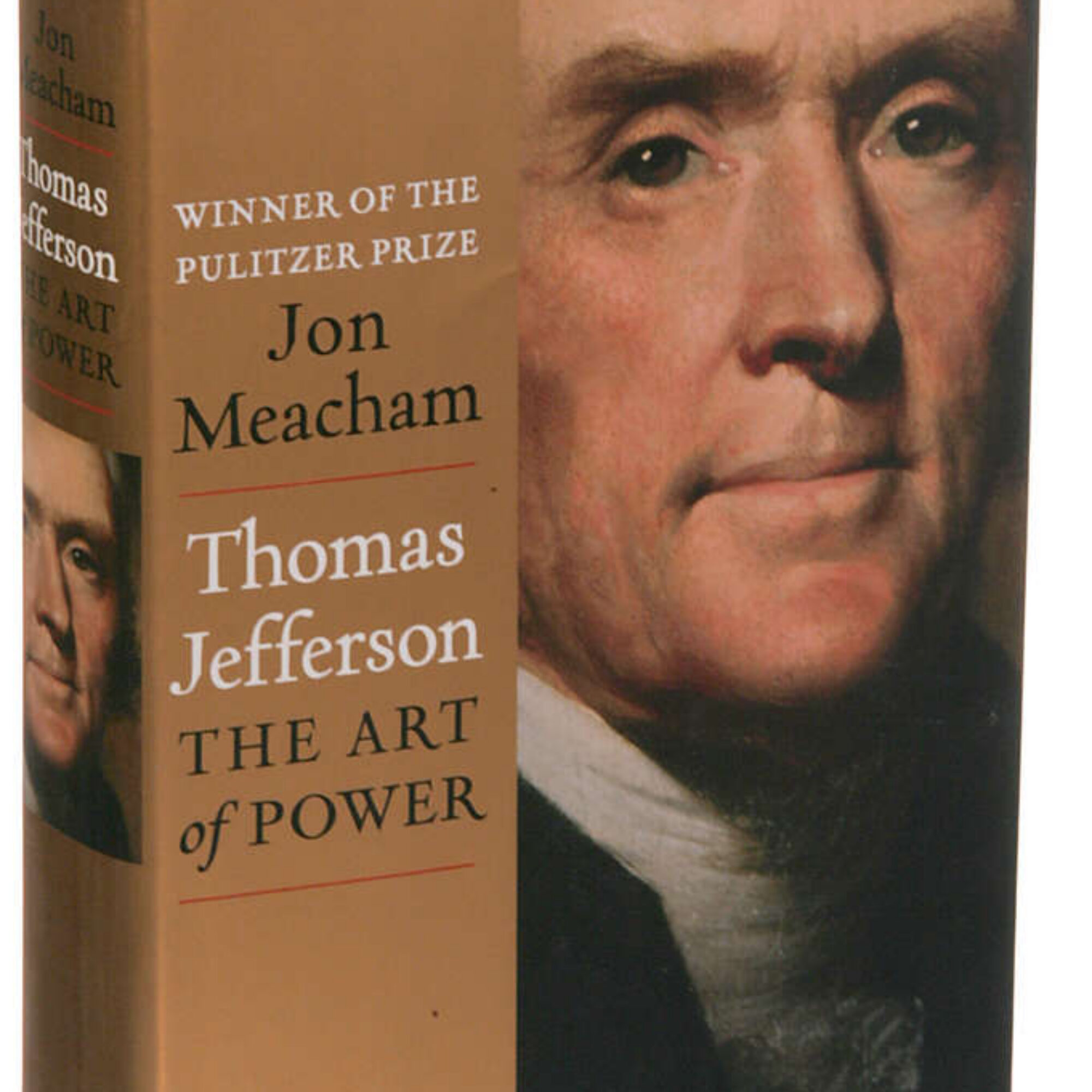
Thomas Jefferson owning slaves, including his own children, wasn't an abstract immoral act. He hurt people. He took away their freedom and hurt them. It isn't a "purity test" to say that by owning slaves he hurt people. When people act like living more sustainably is a "purity test" I see two possible causes. The generous one, which I find implausible in today's world, is that people don't know polluting hurts people. People often tell me "Josh, they really don't know. " When I respond that they know enough and if they pretend not to know, they're deliberately keeping themselves ignorant, people generally agree, and intentional ignorance doesn't make you innocent. It means they knew enough to know they're hurting people, they just want to…

0 Comments

More junkies shooting up in broad daylight in the park

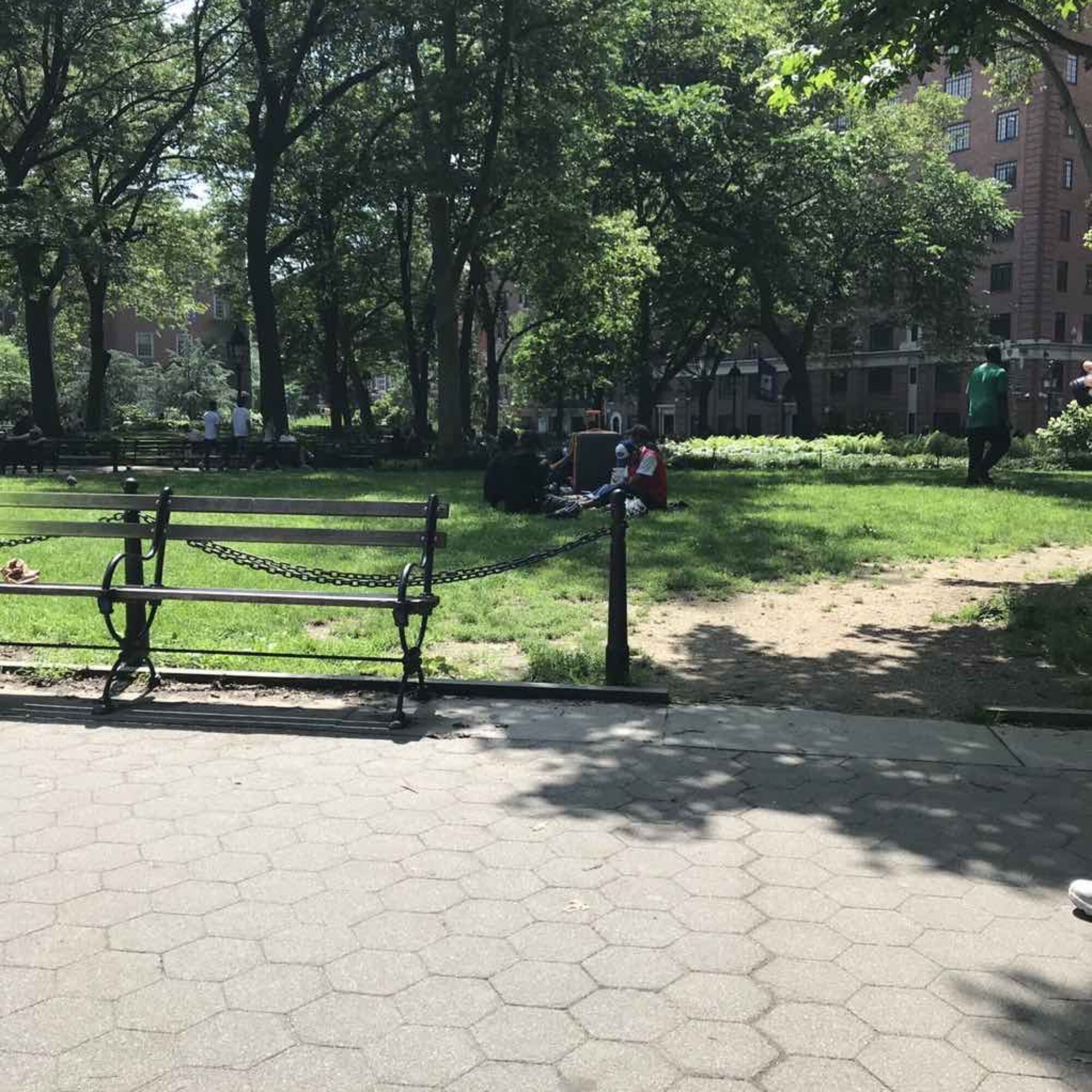
The title says it all. Here are pictures of more junkies shooting up in broad daylight in the park. Sorry the exposure isn't brighter for the people but I was trying not to draw attention to myself. I was in the park charging and trying to work. There were half a dozen people in the group shortly before I took these pictures. If you magnify the second image you can see the syringe going into his arm. For the record, as far as I can tell, people who fly, drive, buy doof, order takeout, buy fast fashion they dispose of soon after, or shop a lot online hurt other people and communities more than these junkies. A lot more. It's just less visible, or rather…

2 Comments

Nature’s discipline missing in today’s world

Walking across the Manhattan Bridge, I saw a lot of graffiti. It looked to me like it was painted by boys or young men, likely making a statement vaguely like lashing out. I'm not sure, but it didn't look like it was designed to make the place feel safer or more secure. I thought about how many boys and young men feel motivated to show their independence and probably have since before our ancestors became human hundreds of thousands of years ago. Back then they couldn't spray toxic chemicals. They probably would have done things to show their independence without some equivalent of defacing public property. It got me thinking how we've created a world where behaviors resulting from our natural motivations become antisocial despite…

0 Comments

If you pollute and deplete, make your peace with the consequences of your actions instead of accusing others of making you feel guilty

I've written before that if you do something that kills people and you don't want to kill people, you have to stop doing that thing, even if you like it. That sentence seems about as matter of fact as you can get. It's not designed to make anyone feel guilty. That polluting and depleting kill people isn't an open question. We all pollute and deplete. Come to think of it, wouldn't not feeling guilty be a problem? But I didn't start this post to talk about an old one. I started there to point out I'm not starting today to use the direct language of what polluting and depleting does (kill people) instead of the abstract talk I used before, since everyone else did, like:…

0 Comments

Are we the 1%? Are you?

The other day someone pushed back, as usual, about flying. For most people who fly, flying hurts people more than anything else they do through polluting, depleting, funding lobbyists, funding advertising, displacing people from their homes, etc. He started responding by saying, "The problem is that everyone has to see family ..." After he finished his whole answer, I pointed out not "everyone" flies to see family. Most Americans live within driving distance of their families. In the rest of the world, nearly no one lives flying-distance from families. We're so spoiled and entitled from the perks of being at the top of a dominance hierarchy we don't know how spoiled and entitled we are. The guy I was talking to was an environmentalist, and…

0 Comments

My comment on the media pooh-poohing “bros”

I wrote this letter to the editor of the New Yorker. It's been long enough that I doubt they'll print it, but I wanted to share my thoughts. Everyone knows our culture misunderstands women. I think men could use more compassion and that doing so won't hurt any other group. To the editor, Andrew Marantz's article The Battle for the Bros perpetuates a subtle but common double standard: when society conflicts with men, there's something wrong with men and they need fixing, but society conflicting with women means there's something wrong with society and it needs fixing. It shows up more among liberals and overcoming it would help answer the article's question "Young men have gone MAGA. Can the left win them back?". It appears…

0 Comments

Some insensitivity I perceive from parents

I hear consistently from parents, "Since you aren't a parent you can't understand the challenges of raising a child and how it makes doing what you do about sustainability impossible," or words to that effect. They often imply or even imply, though not as bluntly: "You haven't held a newborn you created and have to care for for its survival. You haven't felt that love. You haven't experienced as much as I have." No one has lived anyone else's life so no one can know or feel what it's like to live as someone else. I'm not them so I don't know exactly what they mean, but similar messages come from many sources, so I think I catch some of the pattern. I think they…

0 Comments

Do conservatives oppose the practices of seeking diversity, equity, and inclusion or just those practices being mandated?

I understand that liberals/progressives support DEI programs and that conservatives attack them, but I haven't followed this culture war that closely. I think the battle affected the presidential election. I hope I don't make myself look too ignorant about an important issue, but it seems that there is a distinction between what is being attacked and what conservatives actually object to. I wonder if conservatives value practicing these things, though they may define them differently than liberals and progressives. Could it be that they just don't like making the programs mandatory? Speaking only for myself, I don't like being coerced, but I value diverse opinions and backgrounds, treating people equally when I can and being treated equally, and to include people. I think anyone who…

2 Comments

More cultural exchange because of not flying: plinking and target practice

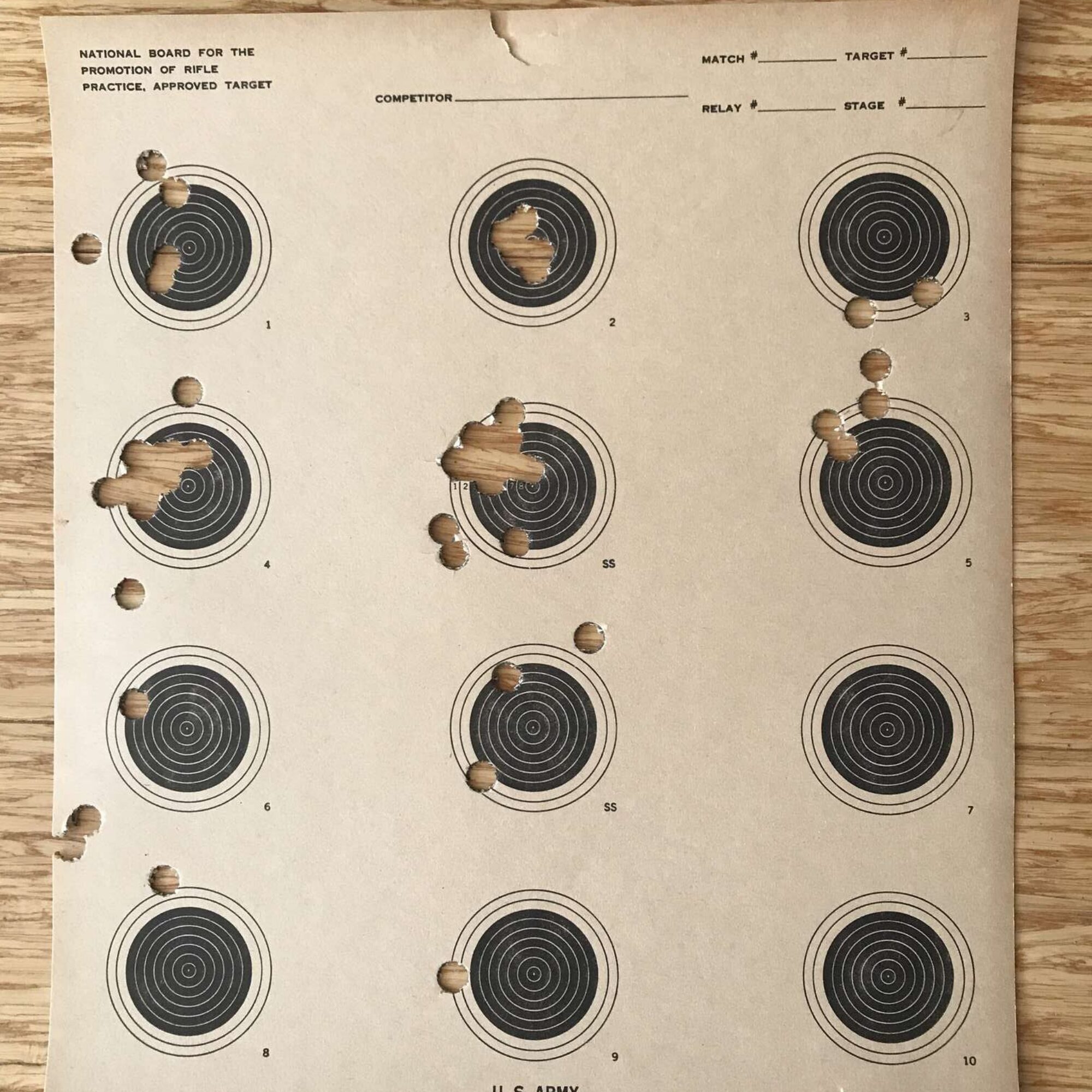
I don't know your views on guns, but I value both exploring different cultures and not polluting, which destroys life, liberty, and property. When my friend invites me to go to target practice at his shooting range outside the city, I'm happy to explore a culture as different from Greenwich Village, NYU, and Columbia as most places on earth. Unlike nearly anyone I know, I find cultures as diverse as any without flying and polluting. Many people I know look the other way at polluting, depleting, and homogenizing other cultures. Flying detracts from the values traveling is supposed to deliver. This one remains a constitutional right too, and I only took commuter rail to meet my friend. I didn't have to work months to save…

0 Comments

Filter bubbles, algorithms, polarization, and living in different worlds? What you can do about it.

We've all read stories about how algorithms, polarized media, and so on are leading to situations where people with different political views learn such different information about the world we might as well be living in different worlds. If one person watches only liberal media and another only watches conservative media, they view events through different lenses. One may view the environment as an issue about protecting wildlife while the other may view it as protecting our government from being taken over. Therefore the first might view a politician proposing emergency powers to act as taking things seriously and a potential savior. The other may see that politician as threatening dictatorship. The pattern happens across many issues. I can see polarized media. I can see…

0 Comments

Why do people like hearing me share my vulnerabilities?

People like hearing me share my vulnerabilities. I'm not special. People like hearing anyone share their vulnerabilities too, but I noticed it this week about myself. At the beginning of this week, I thought about blind spots. We all have things we do or don't do, or know or don't know, and we aren't aware of the consequences differing from what we expect. Learning about them can help us improve our lives and relationship. This topic came up in conversation with a group of friends who help each other to grow personally and professionally. Could I find any of mine? Almost by definition, we can't see them, so maybe trying to find one's own blind spots wouldn't work. Others see them, though, so I thought…

0 Comments

The value of family support when living by your values when society opposes them: Janae Marie Kroczaleski, part 2

Living true to our deepest values is its own reward. Fewer rewards are greater, all the more so when it requires struggle. All the more so when it deepens our closest relationships. Living by the values of sustainability---community, health, reciprocity, liberty, freedom, and stewardship, for example---is challenging today. No matter what I do in trying to live more sustainably and leading systemic change toward sustainability, people say others can't do it. If it's easy, they say, "it's easy for you, but others can't do it. You're privileged" or something like that. If it's hard, they say, "it's too hard for people to do. It's not practical." Whatever helps them sleep at night knowing they're violating their values, especially their deepest ones. They wield their excuses…

0 Comments

The emotional struggles of living by your values when society opposes them: Janae Marie Kroczaleski, part 1

Almost ten years ago in this blog I wrote about an experience of art expressing something I didn't know could be expressed. Ingmar Bergman's Fanny and Alexander captured an emotion I felt with my father and no one else. That emotion hit me hard. It was powerful. It influenced big decisions in my life, especially to learn and teach the social and emotional skills of leadership. I just experienced a similar effect, this time with my relationship with my mom in the movie Transformer, which I wrote about last week. Whereas Fanny and Alexander evoked my childhood relationship with my dad, Transformer evoked my present relationship with my mother. I show the clip below of the scene with the main character and the mother. First…

0 Comments

“I never had a more optimistic outlook than when things were going to shit,” said my friend about suffering a debilitating disease

A friend reminded me of a life lesson we could all use in facing our environmental symptoms. In her words: "I never had a more optimistic outlook than when things were going to shit." Her context: A crippling disease She got a disease that would take a lot of work to heal. She probably wouldn't die, but could suffer lifelong symptoms. Her clothing and showers hurt where her skin had blistered. She took medication so toxic that the hospital gave her a special toilet to collect her waste to keep it separate from the city plumbing. Her response: To dig deeper It sounded brutal and traumatic, but she said that having to work and being part of a team working together gave her optimism. She…

0 Comments

Disposable means imperialist. So does polluting.

The dictionary defines imperialism as: The policy, practice, or advocacy of extending the power and dominion of a nation especially by direct territorial acquisitions or by gaining indirect control over the political or economic life of other areas. Making something disposable means when you're done with it, you put it into someone else's space. Likewise with pollution. In principle, if the disposable thing biodegrades, it might decompose, but most disposable things don't and even many that do, we produce in such quantity that they don't in practice. Pollution into shared land, water, and air invades the spaces of other nations, people, and their bodies. In other words, using disposable stuff and polluting uses our power over others: they have to deal with our waste. If…

0 Comments

“They blame me for their guilt”

I heard someone speaking on nature conservation. After he spoke someone in the audience described how people who promote conservation in words but don't practice it in deed often call people who also practice it pushing too hard, too self-righteous, or the like. The speaker responded: "Yes, they blame me for their guilt." The statement rang true. People acting against their own values feel guilty not because others who act according to those values speak, but because of their own consciences. It's facile, though spurious, to conclude that because someone else's words made feelings of guilt (or shame, helplessness, hopelessness, despair, etc) enter their consciousness that that person caused those feelings, or intended to cause those feelings. Only a person's own conscience can make them…

0 Comments

Why should Exxon become more sustainable but not you?

To all of you out there who say that polluting companies should pollute less, if you pollute an unsustainable amount---that is, 20 percent of what the average American does---why should they change an not you? It's tempting to say that since they pollute so much, they should stop more, but first: they aren't polluting for the sake of polluting. They are serving customers who pay them, including you. Second, if you believe they should pollute less, it's hard for me to imagine how your reasons that they should pollute less don't also apply to you. If you say they should pollute less but you don't yourself, and you fund their business by buying things that require their products, why should they follow what you say…

0 Comments

One of the most challenging parts of living more sustainably: other people bragging and showing off nonsense they think is “green”

If you think living in an apartment disconnected from the electric grid in Manhattan is hard, you haven't had to deal with talking to people about sustainability when you're doing it. People seem compelled to tell me their half-assed "sustainability" practices, nearly always self-righteously, as it they want my approval. I don't look forward to people bragging, even less when their bragging doesn't follow from whatever half-assed thing they did. Sometimes they avoid straws, others they eat less meat, and so on. They always talk about meaningless actions, but they always seem self-satisfied. Then if I comment anything less than praise they insist I'm judging them. They're judging! Saying or implying they're doing good is judgment. They're annoying, acting as if they aren't looking for…

0 Comments

End of content

No more pages to load