Nonjudgment


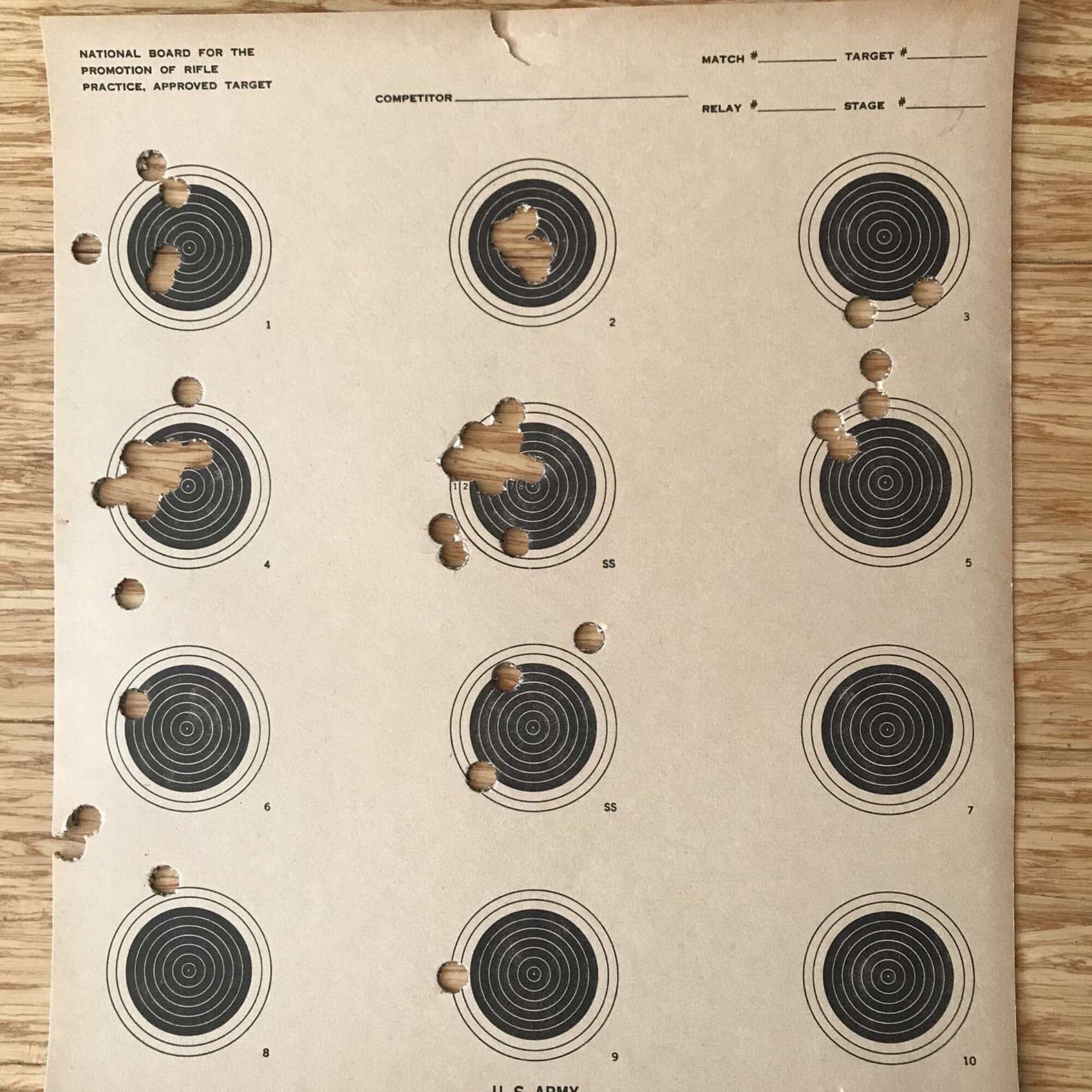
More cultural exchange because of not flying: plinking and target practice

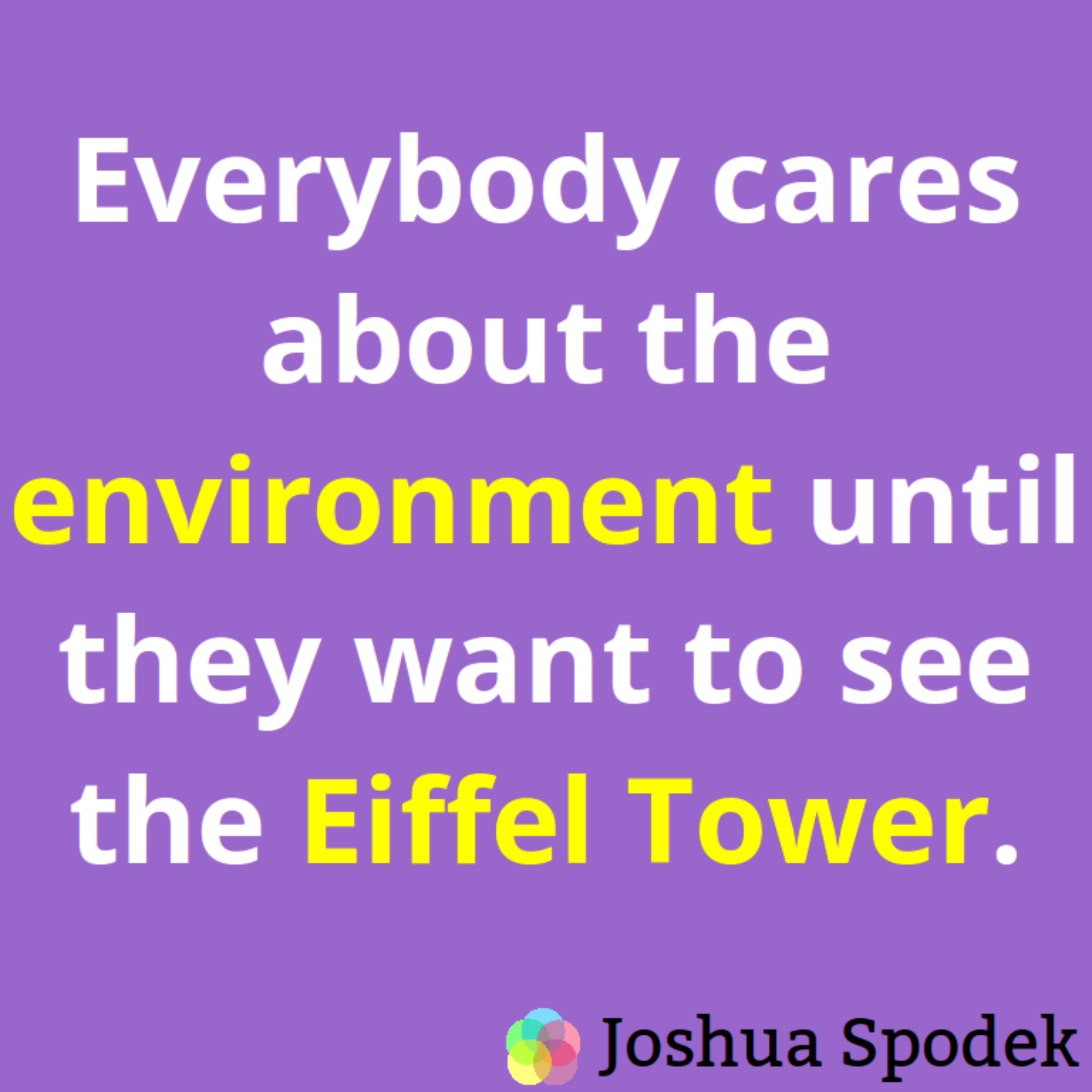
I don't know your views on guns, but I value both exploring different cultures and not polluting, which destroys life, liberty, and property. When my friend invites me to go to target practice at his shooting range outside the city, I'm happy to explore a culture as different from Greenwich Village, NYU, and Columbia as most places on earth. Unlike nearly anyone I know, I find cultures as diverse as any without flying and polluting. Many people I know look the other way at polluting, depleting, and homogenizing other cultures. Flying detracts from the values traveling is supposed to deliver. This one remains a constitutional right too, and I only took commuter rail to meet my friend. I didn't have to work months to save…

0 Comments

Filter bubbles, algorithms, polarization, and living in different worlds? What you can do about it.

We've all read stories about how algorithms, polarized media, and so on are leading to situations where people with different political views learn such different information about the world we might as well be living in different worlds. If one person watches only liberal media and another only watches conservative media, they view events through different lenses. One may view the environment as an issue about protecting wildlife while the other may view it as protecting our government from being taken over. Therefore the first might view a politician proposing emergency powers to act as taking things seriously and a potential savior. The other may see that politician as threatening dictatorship. The pattern happens across many issues. I can see polarized media. I can see…

0 Comments

Why do people like hearing me share my vulnerabilities?

People like hearing me share my vulnerabilities. I'm not special. People like hearing anyone share their vulnerabilities too, but I noticed it this week about myself. At the beginning of this week, I thought about blind spots. We all have things we do or don't do, or know or don't know, and we aren't aware of the consequences differing from what we expect. Learning about them can help us improve our lives and relationship. This topic came up in conversation with a group of friends who help each other to grow personally and professionally. Could I find any of mine? Almost by definition, we can't see them, so maybe trying to find one's own blind spots wouldn't work. Others see them, though, so I thought…

0 Comments

The value of family support when living by your values when society opposes them: Janae Marie Kroczaleski, part 2

Living true to our deepest values is its own reward. Fewer rewards are greater, all the more so when it requires struggle. All the more so when it deepens our closest relationships. Living by the values of sustainability---community, health, reciprocity, liberty, freedom, and stewardship, for example---is challenging today. No matter what I do in trying to live more sustainably and leading systemic change toward sustainability, people say others can't do it. If it's easy, they say, "it's easy for you, but others can't do it. You're privileged" or something like that. If it's hard, they say, "it's too hard for people to do. It's not practical." Whatever helps them sleep at night knowing they're violating their values, especially their deepest ones. They wield their excuses…

0 Comments

The emotional struggles of living by your values when society opposes them: Janae Marie Kroczaleski, part 1

Almost ten years ago in this blog I wrote about an experience of art expressing something I didn't know could be expressed. Ingmar Bergman's Fanny and Alexander captured an emotion I felt with my father and no one else. That emotion hit me hard. It was powerful. It influenced big decisions in my life, especially to learn and teach the social and emotional skills of leadership. I just experienced a similar effect, this time with my relationship with my mom in the movie Transformer, which I wrote about last week. Whereas Fanny and Alexander evoked my childhood relationship with my dad, Transformer evoked my present relationship with my mother. I show the clip below of the scene with the main character and the mother. First…

0 Comments

“I never had a more optimistic outlook than when things were going to shit,” said my friend about suffering a debilitating disease

A friend reminded me of a life lesson we could all use in facing our environmental symptoms. In her words: "I never had a more optimistic outlook than when things were going to shit." Her context: A crippling disease She got a disease that would take a lot of work to heal. She probably wouldn't die, but could suffer lifelong symptoms. Her clothing and showers hurt where her skin had blistered. She took medication so toxic that the hospital gave her a special toilet to collect her waste to keep it separate from the city plumbing. Her response: To dig deeper It sounded brutal and traumatic, but she said that having to work and being part of a team working together gave her optimism. She…

0 Comments

Disposable means imperialist. So does polluting.

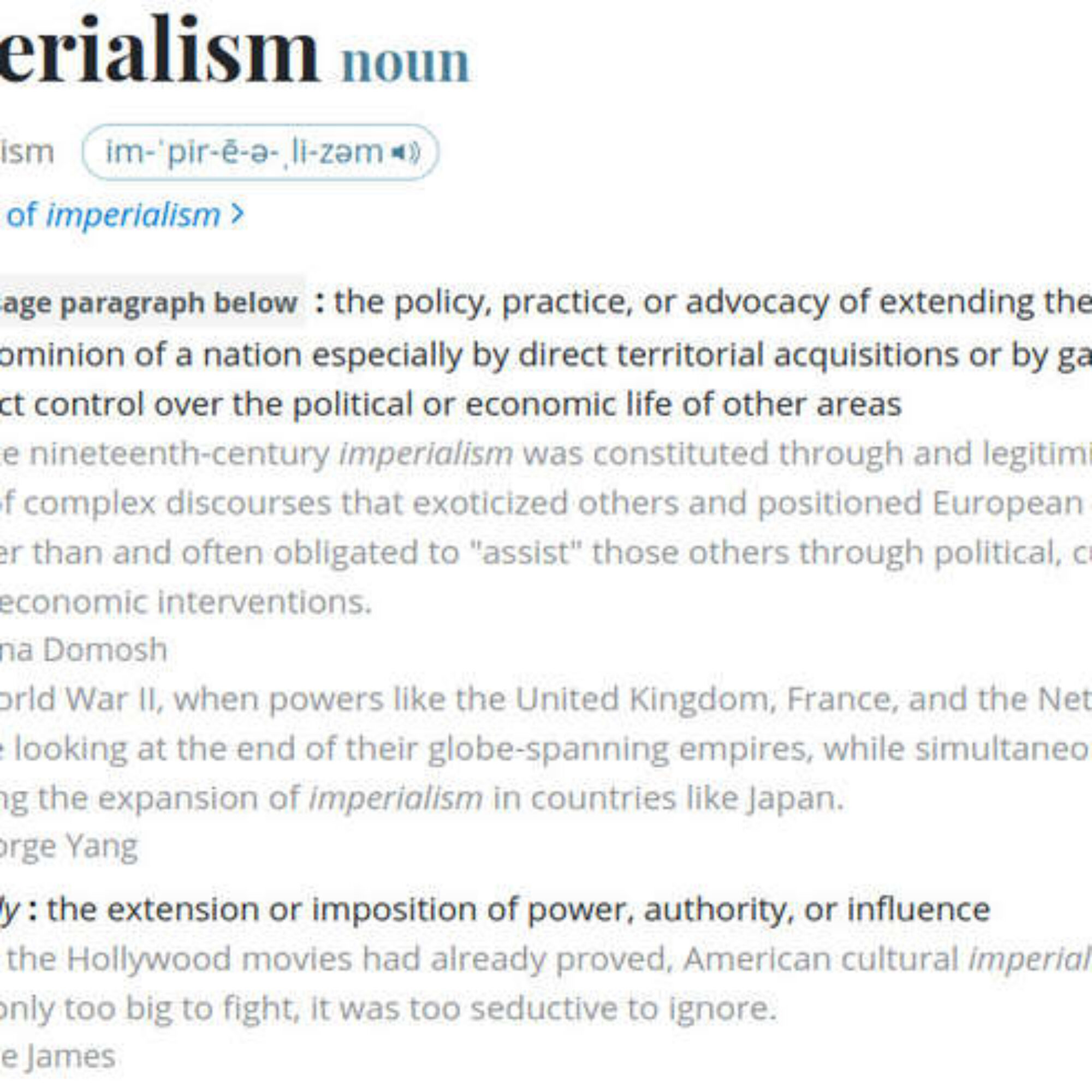
The dictionary defines imperialism as: The policy, practice, or advocacy of extending the power and dominion of a nation especially by direct territorial acquisitions or by gaining indirect control over the political or economic life of other areas. Making something disposable means when you're done with it, you put it into someone else's space. Likewise with pollution. In principle, if the disposable thing biodegrades, it might decompose, but most disposable things don't and even many that do, we produce in such quantity that they don't in practice. Pollution into shared land, water, and air invades the spaces of other nations, people, and their bodies. In other words, using disposable stuff and polluting uses our power over others: they have to deal with our waste. If…

0 Comments

“They blame me for their guilt”

I heard someone speaking on nature conservation. After he spoke someone in the audience described how people who promote conservation in words but don't practice it in deed often call people who also practice it pushing too hard, too self-righteous, or the like. The speaker responded: "Yes, they blame me for their guilt." The statement rang true. People acting against their own values feel guilty not because others who act according to those values speak, but because of their own consciences. It's facile, though spurious, to conclude that because someone else's words made feelings of guilt (or shame, helplessness, hopelessness, despair, etc) enter their consciousness that that person caused those feelings, or intended to cause those feelings. Only a person's own conscience can make them…

0 Comments

Why should Exxon become more sustainable but not you?

To all of you out there who say that polluting companies should pollute less, if you pollute an unsustainable amount---that is, 20 percent of what the average American does---why should they change an not you? It's tempting to say that since they pollute so much, they should stop more, but first: they aren't polluting for the sake of polluting. They are serving customers who pay them, including you. Second, if you believe they should pollute less, it's hard for me to imagine how your reasons that they should pollute less don't also apply to you. If you say they should pollute less but you don't yourself, and you fund their business by buying things that require their products, why should they follow what you say…

0 Comments

One of the most challenging parts of living more sustainably: other people bragging and showing off nonsense they think is “green”

If you think living in an apartment disconnected from the electric grid in Manhattan is hard, you haven't had to deal with talking to people about sustainability when you're doing it. People seem compelled to tell me their half-assed "sustainability" practices, nearly always self-righteously, as it they want my approval. I don't look forward to people bragging, even less when their bragging doesn't follow from whatever half-assed thing they did. Sometimes they avoid straws, others they eat less meat, and so on. They always talk about meaningless actions, but they always seem self-satisfied. Then if I comment anything less than praise they insist I'm judging them. They're judging! Saying or implying they're doing good is judgment. They're annoying, acting as if they aren't looking for…

0 Comments

“Have you learned to love not flying?”

I'm always working on more effective ways to lead on sustainability. Recall my definition of leadership: helping people do what they already wanted to but haven't figured out how. To help others, I have to learn what they want, the opposite of opposing my values on them. Most people I ask tell me they support sustainability and are doing their best. They seem to think they aren't anywhere close to the top few percent of polluters. One of the most important ways to improve our lives is to change our behaviors compromising our values. The problem is that it's painful to admit we're violating our values, especially deep values such as those embodied in: Do unto others as you would have them do unto you…

0 Comments

Why do liberals consider political views they disagree with “wrong” but different skin colors and sexual preferences “diverse”?

People are going to read their preconceptions into what I'm asking, so if my question of this post seems provocative or you think it implies I'm promoting or espousing views, you're misreading. There's a pattern I see often. One example was last weekend at an alumni event at Columbia University. Former US Attorney General Eric Holder spoke. He's a Democrat and liberal. As best I can tell, so were most members of the audience. Between his talk and the questions from the audience, everyone valued diversity. When they promoted diversity, they talked about people with different skin colors, women in positions of authority, people from different countries, and people with different sexual preferences. I inferred from them that people's different identities along these lines were…

0 Comments

My functional new word: Enlightendigenous

In my book I talk about something that people respond with knee-jerk sayings that show they don't know what they're talking about because they hurt their own cause. Still, they can't stop themselves from being know-it-alls and saying it. I found a way to fix the problem with a new word. The problem response comes when I mention Enlightenment values of (according to Steven Pinker) “reason, science, humanism, and progress” and how they helped in the past and could help now. I found that there was another Enlightenment value of stewardship that we lost. The knee-jerk response is to call Enlightenment people "dead white men," as if their being white or male disqualified them from being worth listening to. My counter-response is to point out…

0 Comments

An anonymous reader: Your “immense privilege that seems to be lurking behind this wall of intellectual masturbation”

I've meant to post about this response from a reader to my post fro March 2022: Year 7, day 1 without flying, seeing our cultural and individual addictions. I'm not sure how to respond, but I know this site has a bug that doesn't always show comments and didn't want people to miss it. One big point I've realized since that post is that I have to clarify I don't oppose flying. I oppose people destroying or taking other people's life, liberty, and property without consent and governments abdicating their responsibilities to protect life, liberty, and property. Pollution destroys life, liberty, and property without consent. Nobody consents to being born with birth defects, getting cancer, or their homes losing value from being submerged or in…

2 Comments

Things I Don’t Know

I was thinking about some things I don't know. I'm confident humanity is better off with less plastic in the ocean, litter on the ground, and PFAS in our blood, but I don't know: When a human sperm and egg become an independent human life the law should protect The optimal number of and amount of access to guns for self-defense, to protect against government overreach, to defend a community, and to avoid unnecessary and accidental deaths The right level of taxes to balance motivating innovation and funding government services but not taking too much from people An ironclad way to define male, female, and variations thereof How much addicted people (adults) should be treated as diseased versus criminally liable when they hurt others for…

0 Comments

A father littering in front of his kids. Should I say something?

I was in Washington Square Park charging my panels. A family of mother, father, and three kids sat on a bench near me, likely tourists. They had takeout food with plenty of packaging from a nearby store. A napkin fell through a gap between the benches so it was behind the father. He turned to try to pick it up but couldn't reach it after trying contorting a few times to reach it. He could have gotten up and turned around, but instead just left it. Was he leaving it there permanently or just until he could reach it better? For the better part of a minute, I thought he was waiting maybe to finish the food in his lap to make getting up easier,…

0 Comments

When you know someone will (mis)interpret everything you say their way, do you talk to them?

The title says half of it: When you know someone will interpret everything you say their way, do you talk to them? The other half: What if they're your parents? No, I didn't just have a fight with a parent, but I do talk to a lot of people who interpret what I say as best I can tell based on preconceptions of what they expect someone talking about what I talk about to say. For example, if I suggest how for nearly all of human existence our ancestors lived with more equality and freedom than we do, they respond "You want to return to the Stone Age?" If you want, I can list more examples. The pattern reminds me of my parents growing up,…

0 Comments

Calling the other side “a new religion” demeans yourself

Often I hear a someone say their opponents form a new religion, implying the other side doesn't think through their beliefs or come up with them on their own. They just believe what they're told to. Anyone can lob that grenade at anyone they disagree with. From anyone's perspective, anyone with different beliefs or values seems ungrounded. To call the other side "a new religion" just shows the speaker lacks empathy and understanding. Sadly, they may garner support from their own side, lowering mutual understanding in favor of tribalism. If you ever call your opponent a new religion, I suggest you demean yourself in the process. If anyone says it of you, I suggest you point out they demean themselves.

0 Comments

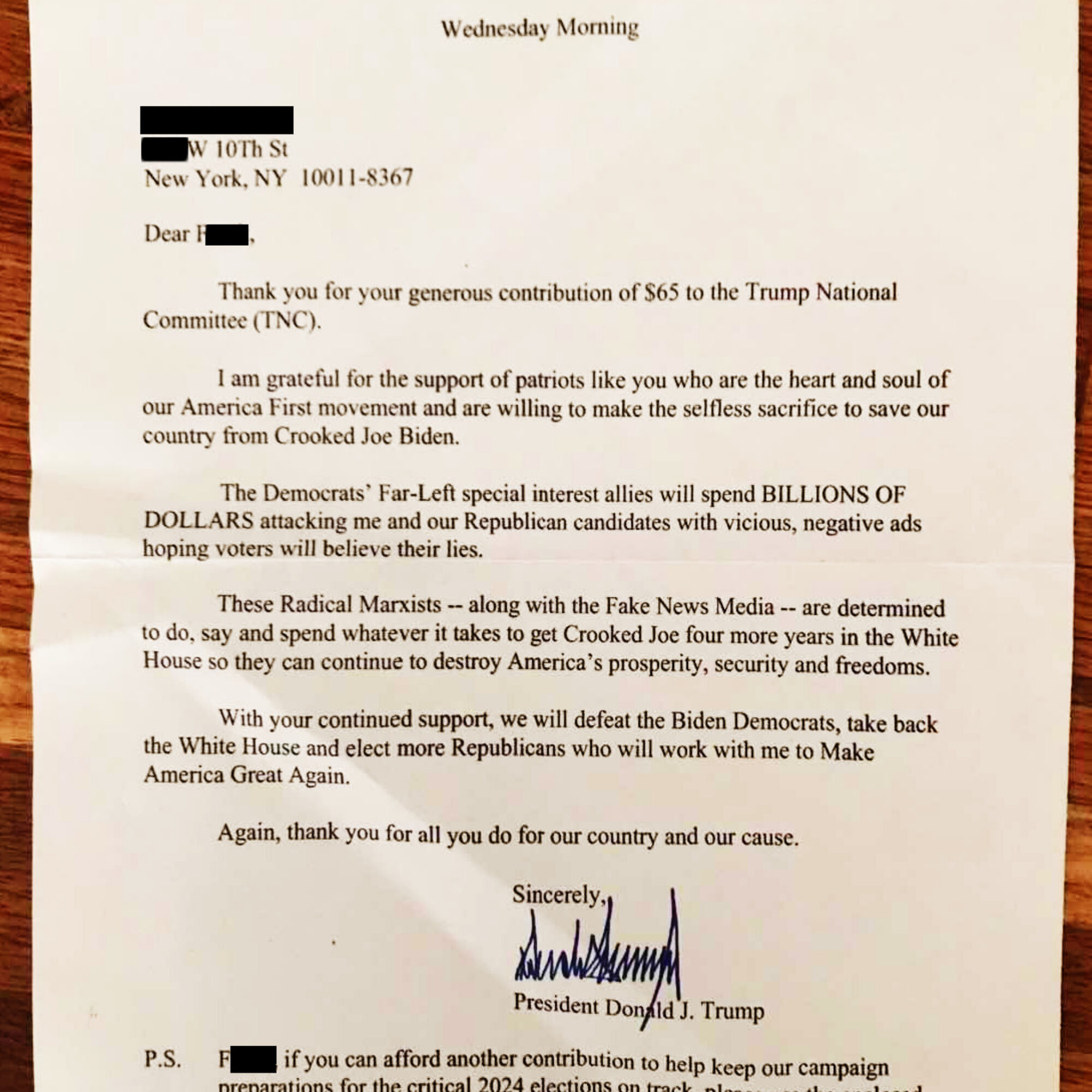
A neighbor’s thank-you letter from Donald Trump (sadly disrespecting the office of the presidency)

Regular readers know I pick up litter every day. The other day I found this garbage wedged in the scaffolding of a building under construction. (Come to think of it, a topic I should write more about is this bizarre practice of litter being wedged and stuffed into places and why people do it. I'm not sure, but I have some ideas. In any case, all this littering is socializing costs, spreading disease, ruining communities, raising taxes, and that's the tip of the iceberg.) It's a letter from Donald Trump thanking someone who lives within a block of me for donating to his campaign. I had to comment on a few observations. First, I shouldn't have to note it, but I know Donald Trump didn't…

0 Comments

Giving up on sustainability is a permanent solution to what could be a temporary problem

I heard someone talking about suicide describe it as a permanent solution to a temporary problem. I looked it up and it seems a well-known concept. Many people seem to have given up on trying to live more sustainably or sustainability in general. We can solve it. Dropping your impact over ninety percent, if done with the right mindset, will improve your life. Combining it with having at most two kids and sharing the improvement with others, and we can reach sustainability soon. There's no reason to give up. There's tons to look forward to. Sorry to break it to you, but you already knew you and everyone you love would die. We don't have to reach nirvana or heaven for success, only to reach…

0 Comments

Today’s greatest privilege: denying one’s personal contribution to pollution, depletion, plunder, and imperialism

Liberals talk a lot about privilege. Conservatives, libertarians, and other political groups have their problems facing their contribution to our environmental problems, but liberals contribute as much. Their denial is through the roof. In particular, they throw around the term 'privilege' like it was candy. I think they think they're silencing the people they accuse of it, but in a way the other person deserves, doesn't realize, and benefits from owning up to. My point is not to accuse back but to invite people to try taking personal responsibility for the effects of their actions on others, especially innocent people. I predict people will find the initial discomfort of facing one's internal conflicts worth the uncomfortable emotions it causes to connect to them. I've learned…

0 Comments

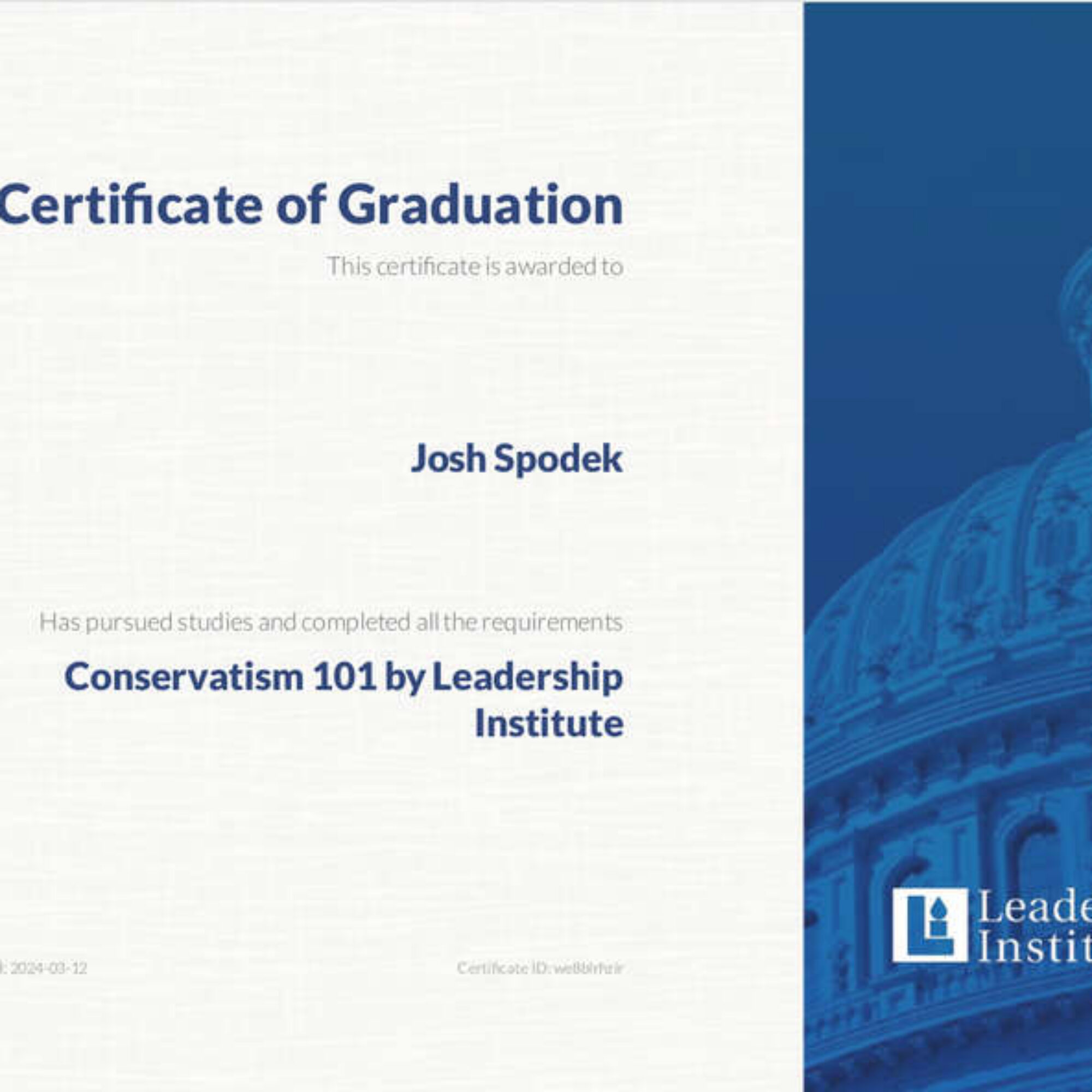
Followed up: watched recommended historical videos from the Leadership Institute’s course “Conservatism 101”

I've written about taking several courses at the Leadership Institute. Conservatism 101 recommended a lot of historical videos to augment their lectures. Though I finished the course a while ago, I took a while to finish the videos. If interested, here they are. I didn't grow up learning these views. Adults around me during my childhood seemed to view, say, Phyllis Schlafly, as weird and devious: why would a woman oppose an equal rights amendment. I didn't remember knowing anyone who admired her, Ronald Reagan, or Jesse Helms. Since reading The Righteous Mind by podcast guest Jonathan Haidt, when I find people I disagree with, I'm more interested in learning from them than proving them wrong, as I spent most of my life. I found…

0 Comments

We’re going to need truth and reconciliation committees when we acknowledge the consequences of our actions

Most Americans and residents of industrialized countries do many things daily that hurt other people through the environment. They act and talk as if they don't know their Starbucks cup has anything to do with ocean plastic, but they know it. How do I know they know? Because they get defensive (or offensive) when someone brings it up. If I tell people I like oatmeal for breakfast, no one gets defensive. If I tell them I don't fly or take years to fill a load of trash, they respond defensively immediately. They knew what they were doing. What knowing means Knowing they're violating their values means inner conflict. They can suppress and deny it, but the only way to make it go away is to…

1 Comment

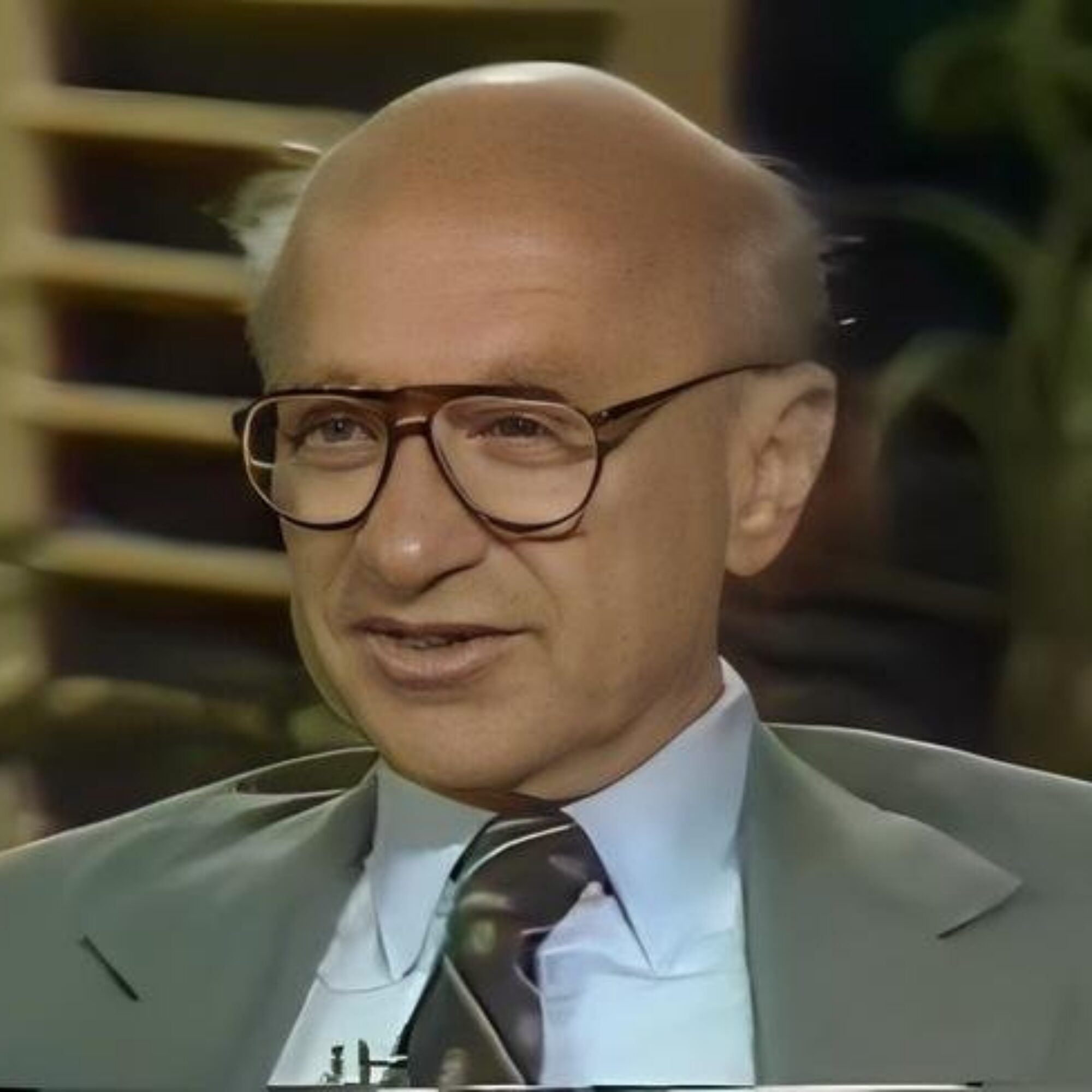
Milton Friedman: Free Markets Don’t Have to Mean Growth and Governments Ought to Regulate Pollution

Researching more for my upcoming book and planning to write opinion pieces, I'm learning more limited government, free market thought and practice relevant to sustainability and the environment. It's relevant beyond anything I expected. If only people asked questions of people they disagreed with and listened to their answers in 2024 as much as they tried to convince and defeat, we'd have solved a lot of problems where we mutually benefit from the solutions. I guess it will have to fall on me to help everyone see that mutual benefit and collaborate for it. Here is Milton Friedman on the case for government regulating behavior that affects a third party without consent, including pollution: Question to Milton Friedman: You're not going to condemn regulations regarding…

0 Comments

Saying you care versus acting.

Over and over I meet people who say they care about the environment and people affected by human impact on the environment . . . yet they refuse to acknowledge their impact. Still they complain how somehow others don't care, even as their own impact is as great. What does it mean to care if your actions achieve the opposite of caring. What does you saying you care matter to the people and wildlife you harm while polluting and depleting and therefore promoting and funding the people and industries you claim don't care? How to think about your caring Imagine two people in 1855 in the American south One doesn't care about slavery or slaves, but doesn't buy any slave-produced goods. The other claims to…

0 Comments

End of content

No more pages to load