
Regular readers know I volunteer to deliver food that stores were going to throw away to groups that make it available for free to anyone who wants it, and sometimes to people directly, always for free.
The context: free food distributed with disposable plastic
One of the groups, Food Not Bombs, distributes food that many volunteers bring. They also distribute for free hot food that they cook. I believe all the food they cook is made from food that would have been thrown away, though maybe small ingredients like spices, salt, and oil might be bought.
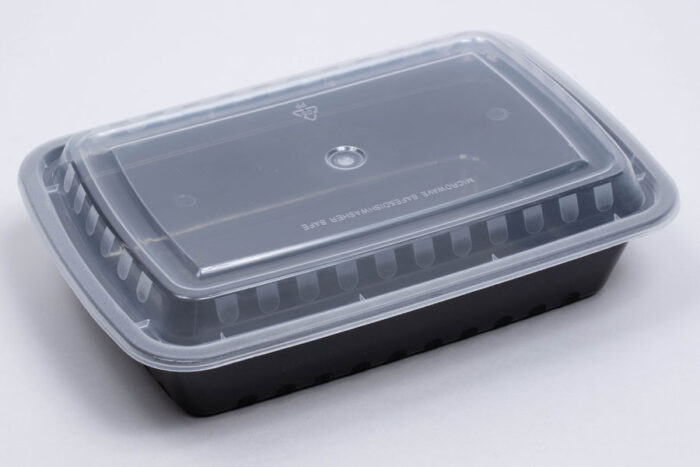
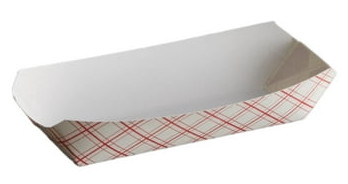
People who want the hot food get in line. When served, they are given the food in disposable containers in their choice of plastic or paper (lined with coating) like below. They are also given disposable plastic forks, utensils, and cups for beverages, though there is a water fountain a few steps away.
They make more than enough food for everyone, so volunteers get in line and get hot food too, including me. Most people see no problem. People get free food that would have been thrown away. When people are done with the containers, they throw them away. End of story.
Plastics are poisons, persist past our lifetimes, and accumulate
I think people see plastic as clean. It’s not. It’s poisonous. It’s poisonous in the moment, especially black plastic. It’s poisonous in the long term.
We may see someone eating and want to think the help we provide them is greater than the harms we cause others. I like to dream too, but plastic lasts for centuries. It accumulates throughout the environment. It’s totally unnecessary in this role.
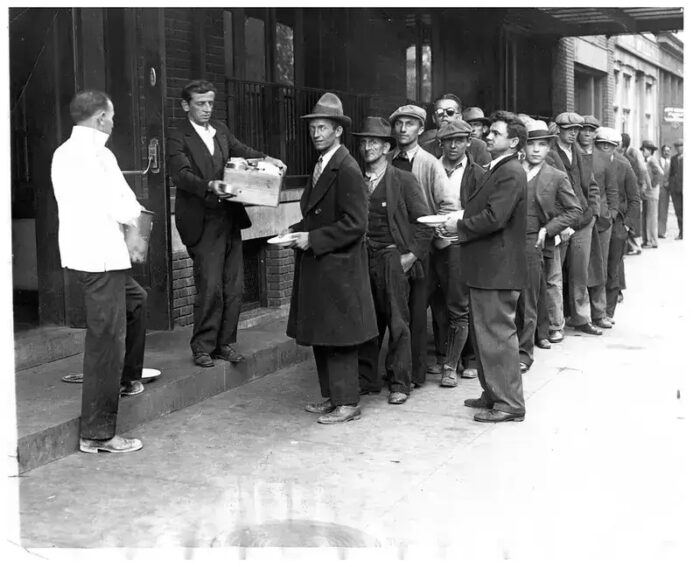
This image of people receiving food from before our culture of disposability and of plastic shows they brought their own containers—boxes to carry goods away and bowls to eat from then and there.
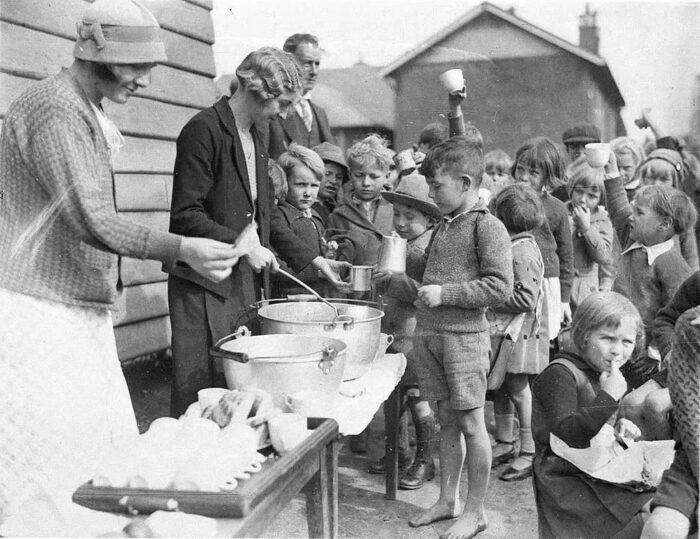
Even kids can do it. This image shows kids bringing containers as well as reusable ones available. The kid in front isn’t even wearing shoes.
I don’t claim that because something in the past happened that it’s safe, but anyone can tell it’s possible. This article from the Food Recovery Network, Successful transition to REUSABLE containers for food recovery, illustrates that the problem is not food safety but bureaucratic resistance.
I suggest the problem is not safety, but bureaucracy. We do what’s easy even when it violates the group’s mission and health.
Disposable means imperialist and colonialist, especially plastic
Regarding FNB’s mission, I understand it to oppose war, especially imperialism and colonialism. I’ve written before how plastic is imperialist and colonialist. Once imperialists and colonialists imposed their will and took people’s land through bombs and other military force. Today we effectively take more land by putting our waste there.
If Food Not Bombs opposes taking people’s land, using disposable plastic violates its mission.
Buying plastic funds extraction, lobbying, advertising, and politicians promoting more
I presume everyone knows that plastic comes from oil (bioplastics don’t change the problems I describe here and in some ways augment them). Industries and companies that pollute and deplete, including by making plastic, have plenty of money and political power. How? They don’t buy their own products. We do.
Every dollar we spend on plastic is a dollar that funds
- More extraction, pollution, and depletion that hurt people and communities
- Lobbying to promote industries that extract, pollute, and deplete that hurt people and communities
- Advertising that promotes and normalizes more plastic
- Politicians that serve industries that extract, pollute, and deplete that hurt people and communities
The “Problem”: What about people using our own containers?
As regular readers might expect, I bring my own container and do not accept disposable ones. FNB has no policy on serving into others’ containers. Sometimes they don’t serve me, citing various reasons, mainly
- They fear government regulators claiming it’s unsafe will shut them down
- If they serve to me, they’ll have to serve anyone with a reusable container and some people who get food may be unclean
Correction: They aren’t problems
Regarding the first: as far as I can tell, Good Samaritan laws cover FNB’s distribution.
Regarding the second, as I wrote and illustrated with pictures above, people have served people free cooked food for thousands of years. As I also wrote and linked, the problem is rarely health or safety, but the mistake perception of it combined with bureaucratic resistance based on people wanting to avoid action, even when that avoidance leads the organization to violate its core mission.
I’m not condemning Food Not Bombs or anyone in it. We’re human. We live in a culture that makes it far far easier to do what everyone else does and that promotes disposability and plastic as healthy and safe, as we used to with tobacco.
Solution: allow people to use reusable containers and utensils. Promote it.
The solution is simple: allow people to bring their own containers to reuse.
We could test with a pilot program: At least disallow volunteers from using disposable containers. Volunteers already handle the food, so there is no change in risk. If the volunteers support Food Not Bombs’ mission, it will help stop them from violating that mission by funding imperialism, colonialism, and hurting people and communities.
What about people dirty enough to present a health risk?
Serving food into a container doesn’t require touching that container by a server or their utensils. A person being close enough to receive a disposable container handed to them, using a reusable container isn’t bring them any closer.
If someone is dirty enough to make people sick just from being near food, then that risk is likely unchanged by serving them into a reusable container. If proximity puts others at a health risk, the person creating the risk shouldn’t be near at all. If mere proximity is not the problem, merely dropping food into a container without touching it, or even requiring the container to be over the food, doesn’t seem to increase risk.
In summary: Allowing reusable containers is simple and stops Food Not Bombs from violating its mission.
It will also save money.