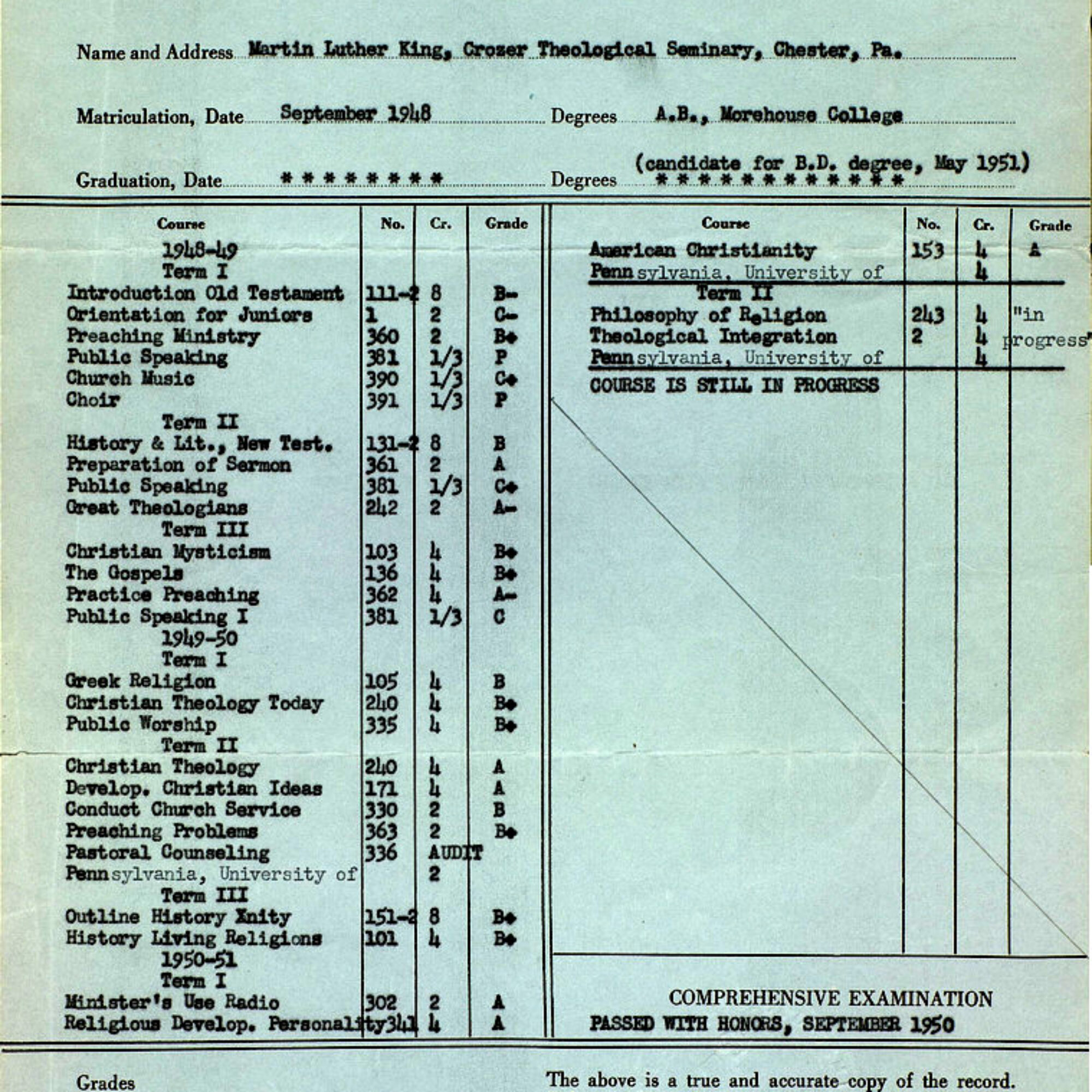
More inspiration from Martin Luther King, especially if you haven’t achieved much yet

Perhaps the best honor one person can give another is to understand them and continue their legacy. I'm writing today's post to suggest you can do that with Martin Luther King more than you think. Many people believe Einstein got bad grades, but I understand he didn't. Martin Luther King, Jr got bad grades. He started graduate school at a school near Philadelphia called Crozer. Note among his grades -- the grades of one of the premier public speakers I've heard of -- he got a C in Public Speaking one term and a C+ in another term. He also got a C+ in Church Music and a C- in another class. Now look at his college grades. They are hard to read, but you'll…

0 Comments

The shells we put around ourselves

As children we start defenseless. I don't mean physically, though we start physically defenseless too. I mean kids don't protect themselves from being emotionally hurt or having their identities challenged. Kids say things we adults recognize we would catch in mental filters before speaking. What mental filters? Everybody knows what I mean. As we get older we learn to protect our vulnerabilities. We learn protocol and manners. We learn how to behave in certain situations to meet social expectations. Doing so rewards us with getting the results we wanted. With a cost, though. Some examples: When we meet a girl or guy we like we play it cool and don't let on. We don't tell a friend about a shortcoming. We don't tell anyone we…

1 Comment

Method acting, leadership, and improving your life, from James Lipton

I've written before about the television show Inside the Actors Studio and how much the young field of leadership training could stand to learn from the longstanding field of acting training. Below is an interview of the host of Inside the Actors Studio, James Lipton, describing the transformation acting training went through with Constantine Stanislavsky. Leadership training stands to benefit from similar changes, and that field inspires me to help those changes. As he described it, about a century ago acting replaced impressing others with expressing yourself, the goal of perfection with authenticity, self-reference and self-reverence with a system of exercises, focus on the external with focus on the internal, making yourself up with seeking truth, well-rehearsed lines with believing what you're saying. Everybody on…

0 Comments

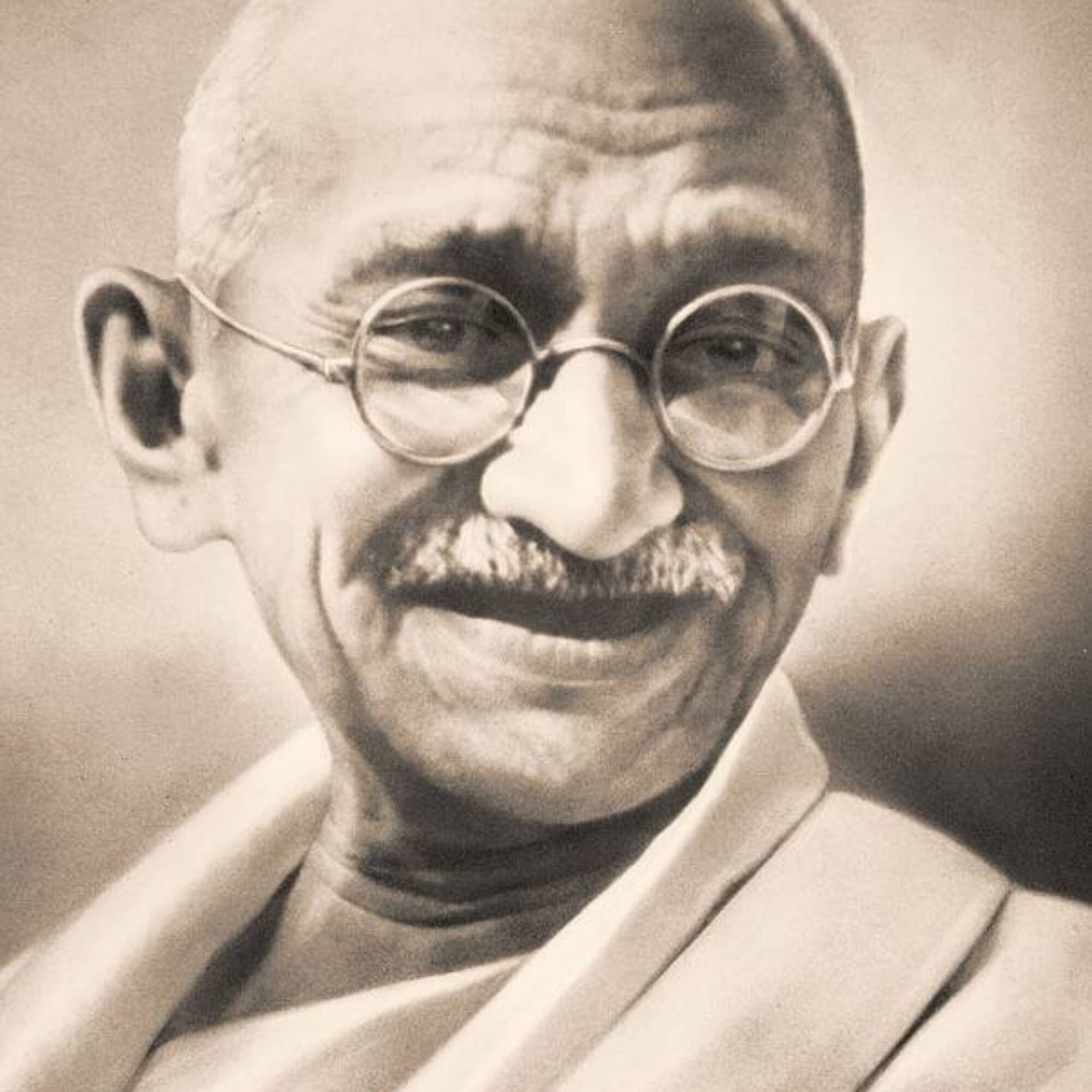
Integrity in successful leaders: Gandhi cleaned toilets

This post is about integrity and sticking with your values. A few years ago I visited my father in Ahmedabad, India, the country he has studied his professional life. We visited Gandhi's ashram, a community where people who wanted to learn about and support him went. It still exists, though mainly as a static, historical site. It's a humble place on the banks of a river, humbler than you'd expect one of the great historical world leaders to live.  A sign there (sorry no picture) stated clearly that part of everyone's duties was cleaning the toilets, meaning scrubbing the buckets since I don't think they had plumbing. As I understand, Gandhi's environment in India included a very stratified caste system he opposed. He felt no…

0 Comments
How to lower executive pay
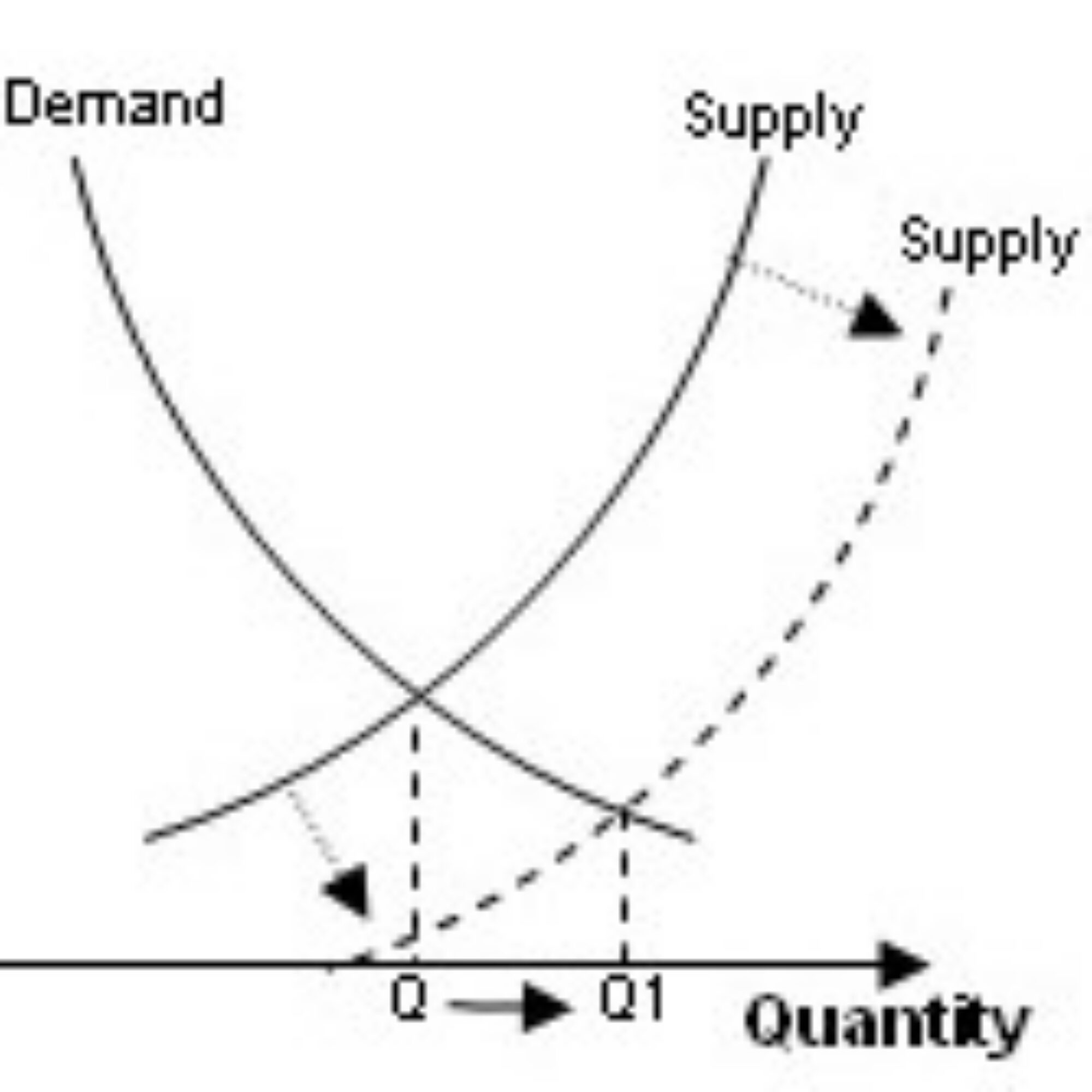
Increasing supply lowers price

How to lower executive pay

The New Yorker this week has yet another article on executive pay, how high it is, how it continues to grow, and how attempts to slow it aren't working. Everybody knows the situation. We've read tons of such articles. We know executive pay is high enough that it isn't getting what shareholders are paying for, but no one can stop its growth. Want to lower executive pay? Basic economics and negotiation tell us all we need to know. Basic economics: supply and demand A CEO's wages have a price in a market. What sets prices in a market? Unless you believe the CEOs are fixing prices or the market isn't competitive, supply and demand set the price. If you want to lower prices either decrease…

0 Comments

You tell me what you do best. I’ll tell you what you do worst.

Today I'll cover an exercise I do in my seminar and when I address a group of professionals. You can do it while reading this post. It teaches you about Yourself Self-awareness Teamwork, especially team building I can cover it in a few minutes or can use it to discuss teamwork, self-awareness, and my experience for thirty-minutes or more. Introduction I start by telling the group "I'm going to ask you to tell me what you do best. Then I will tell you what you do worst." I say it provocatively to get a response and set expectations high. A few people respond incredulously. I point out that someone did the exercise with me. I was equally surprised -- how could someone tell a room…

0 Comments

A book I haven’t finished and why I recommend it

I first met Sebastian Marshall about five years ago in New York City through mutual friends. Though he was just over half my age at the time, I don't hesitate to say I've learned as much from him as nearly anyone -- and I've studied with Nobel Prize winners. He's been a great friend since. We've since met in Kuala Lumpur, Beijing, and often on the internet. I continue learning from him. I'm amazed and inspired how he keeps developing and producing. I mean to write about his book today, but you have to know a bit about him to give context to his book. [NOTE: I haven't actually spoken to him in a while and am writing this review independently of him. I haven't…

0 Comments

Choosing idealism in the face of contrary evidence of what works is a recipe for disaster

I posted the following in response to a bunch of articles I've read about a report co-authored by over a dozen science-related organizations describing how reducing funding for science has led to research and the benefits it brings to society leaving the U.S. --- The writing on the wall became apparent to me with the 1993 cancellation of the Superconducting Super Collider, when I was getting my PhD in physics. I didn't know the numbers for a cost-benefit analysis, but I couldn't then nor can I now see cancellation as helpful to the U.S. The U.S. would have stayed way ahead of the rest of the world in particle physics and all the accompanying jobs, discoveries, and innovation. Instead we look to the rest of…

0 Comments

People join good projects and leave bad management

Today's post is about one of the most concise yet most meaningful sayings about the workplace I've heard: People join good projects and leave bad management. Besides the poignant humor nearly everyone feels when, on first hearing the phrase, they remember projects they enthusiastically joined only to find their optimism ruined by an intolerable relationship with a manager, it has meaning on many other levels. My goal in this post, as in this blog, is to help raise awareness about a problem and describe solutions. In this case also to publicize the phrase, which I consider useful and funny and not nearly well-known enough for how useful and funny it is. Searching on the phrase links to my first post on this phrase. More importantly,…

0 Comments

Jack Welch’s Gardening Model of Leadership

If you read this blog you know I write a lot about beliefs and mental models and how they filter how you perceive your environment and influence your motivations and behavior. If you've read my series on my Model or taken my leadership seminar, you know that models can diverge from what you perceive with your senses and still be more effective than one you consider more accurate. I often illustrate this effect with a few well-known examples, like Men Are From Mars, Woman Are From Venus. I'm not sure how effectively the book helped people, but the model simply and clearly enabled people to see differences between men and women. It worked despite being wildly inaccurate since, in fact, all men and all women…

2 Comments

An example of effective, understated leadership

I wanted to share an example of effective leadership I once saw. When I was in graduate school, Columbia was considering its policy on allowing the military to have programs like ROTC on campus or not and held hearings anyone in the university could attend to speak their mind. I attended one. The President of the university, Lee Bolinger, ran the event. I had strong feelings about risking militarizing the campus and entered expecting to feel critical of the school and to leave outraged. Instead, I left impressed with Bollinger. I could only conceive then of leadership in the form of command and control so I expected he would try to "lead" participants to an intended outcome. Instead, he acted mostly to moderate. More than anything…

0 Comments

Protected: Leadership Through Emotional Intelligence and Self-Awareness, September 21-22, CBSACNY page

To the attendees of this weekend's leadership seminar, Thank you to everyone for attending and helping make this weekend's class such a great experience. You were as lively, inquisitive, and participative a group as I've seen. I hope you got as much out of it as I did. As promised, here are the slides in pdf format, slightly edited to handle the transition effects. If anything is confusing, please feel free to ask. Please also don't distribute the file, but please share the ideas. If you want more background and many of the topics the seminar covered and don't mind non-professionally edited posts, I listed a few links to topics I posted on here before. Until the seminar comes out in professionally edited book format…

Enter your password to view comments.

My start with emotional intelligence and self-awareness

You don't have emotional intelligence, you were born with it, or you developed it. If you developed it you started sometime, like I did. If you don't have it, you can start too. Here's my start. I don't pretend I'm the world master of emotional intelligence, but I've come a long way and I know anyone else can. I hope sharing the story motivates others. Context Before business school I had barely heard of the concept of emotional intelligence. Since I contrasted emotions with rationality, I considered them irrational and weird, not something to learn about or focus on. Since I connected emotions to feelings, music, art, and romantic comedies, I didn't connect them to behavior. Nor for that matter did I connect behavior to…

0 Comments

Reminder: See my leadership seminar this weekend!

Brought to you by the Distinguished Leaders committee of the Columbia Business School Alumni Club of New York (copying the following announcement from that site): Leadership Through Self-Awareness and Emotional Intelligence In a weekend, learn how to develop your personal leadership skills, self-awareness, and emotional intelligence through the latest advances in cognitive behavioral science, evolutionary psychology, and positive psychology. While business schools and corporations are increasingly focusing on personal leadership, self-awareness, and emotional intelligence as foundations for leading others, many MBAs never had the opportunity to take a formal course in personal leadership. Joshua Spodek, MBA, PhD, has developed a two-day weekend workshop in just this area. His experiential course combines advances in cognitive behavioral science, evolutionary psychology, and positive psychology with successful business leadership…

1 Comment

Healthy food mostly replaced my unhealthy food. Here’s how.

How can you expect to lead others if you can't lead yourself? This post, like most of mine, is about leadership. If you can't lead yourself, how can you expect to lead others? If you don't understand your emotions and motivations and how to create the ones you want in yourself, how do you expect to do so with others? Alternatively, the better you can lead yourself, the better you can lead others and, for that matter, yourself the next time. Since most of us want to eat differently than we do and others are constantly trying to motivate us to eat like they want us to, eating is a great place to learn leadership skills. Who do you want leading your eating habits, you…

5 Comments

I’d rather be rejected for who I am than accepted for who I’m not

I've written before about on opening up, allowing yourself to be vulnerable in business and personal relationships, and the risks involved, mainly to your emotions. Probably the most important one was on my experience that choosing to care about something and to act on that caring means you'll hurt. And the more you care the more you risk getting hurt. I wrote that post, "Leadership, personal development, choosing to care, and emotional pain," on leadership and professional relationships, but you can probably tell the pain of a personal relationship prompted me writing it. I wrote about how horrible I consider small-talk in a potentially productive relationship, especially when you first meet someone in "How to stop boring everyone you meet." Sure, small talk helps in…

0 Comments

People who succeeded despite adversity, part 2

[This post is part of a series on people who succeed despite adversity. If you don't see a Table of Contents to the left, click here to view the series, where you'll get more value than reading just this post.] Ask yourself which helps more — having advantages or learning to overcome adversity? I base this series on noticing how many extremely successful people had problems that mediocre people claim hold them back. Sure, many successful people emerged from privileged backgrounds and sure, some social problems keep many people from any chance at success, but if you’re reading this blog you probably have reasonable access to success. I decided to create a list of people who succeeded and some problems they overcame. I plan to…

0 Comments

One of the most important lessons I learned in business school didn’t come from a teacher and it applies everywhere in life

I wrote before about "Business school’s first major lesson: how to resolve ethical dilemmas." Today I'll talk about another important lesson I learned in business school, also within the first couple weeks, also applying in many places in life I would not have expected from a vocational school. Context First I have to note my mindset before starting business school. I considered the most relevant parts of my life that I'd co-founded a company and I knew more math than probably anyone in the school. I thought business school would be a fun experience filling in a few gaps of how to make spreadsheets and learning some networking skills. What happened One of the major cores of business school is knowing how a business runs…

0 Comments

Leadership problems today and a call to action

[I alluded to this topic before. I still have to write it up formally and edit it more than a daily post allows. I hope it gets the main ideas across. Please contact me if it interests you.] You only have to read the news to see the problems Do I have to convince anyone that we have many people in leadership positions who lead ineffectively? You only have to read the headlines. As I'm writing these words the New York Times' top headline is about a spy scandal in which the top person at the NSA lied to Congress, which is abdicating its Constitutional checks on the President, who is doing the opposite of what he promised the country during his campaign on this…

0 Comments

Who is today’s King George III? Who are today’s patriots?

No two people are the same, especially centuries apart. Still, I can't help but think about the leader of a great empire, occupying foreign lands, facing bankruptcy from an expensive victory in a war that galvanized many nations against it , taxing without representation, changing laws arbitrarily, putting his troops in people's homes, with a legislative body insensitive to its citizens' concerns, ... I could go on, and ask "Who resembles this person most today?" I can't help concluding the United States government resembles less its founders than the imperial government they rebelled against. Thinking about Edward Snowden, Chelsea (born Bradley) Manning, and Daniel Ellsberg got me thinking about my country's founders and revolutionary figures. I couldn't help but read about Samuel Adams, Crispus Attucks,…

0 Comments

Another awesome success — Museum Hack and Nick Gray

An awesome side benefit of writing daily is that awesome people find you. Recently a guy wrote to tell me he liked my writing and invited me to participate in what seemed like a crazy project, but turned out to be one of the most awesome things I've done in New York City in a long time. And I've done a lot of awesome things in New York City. It's an amazing entrepreneurial story too -- the kind we love, which is why I, who endorse entrepreneurship and believe opportunities are everywhere, am sharing it with you. He started doing something that he enjoyed, for fun and personal challenge, and shared what he loved and got good at (another example of how "Sharing what you…

0 Comments

Why basketball players are tall and how tyranny emerges

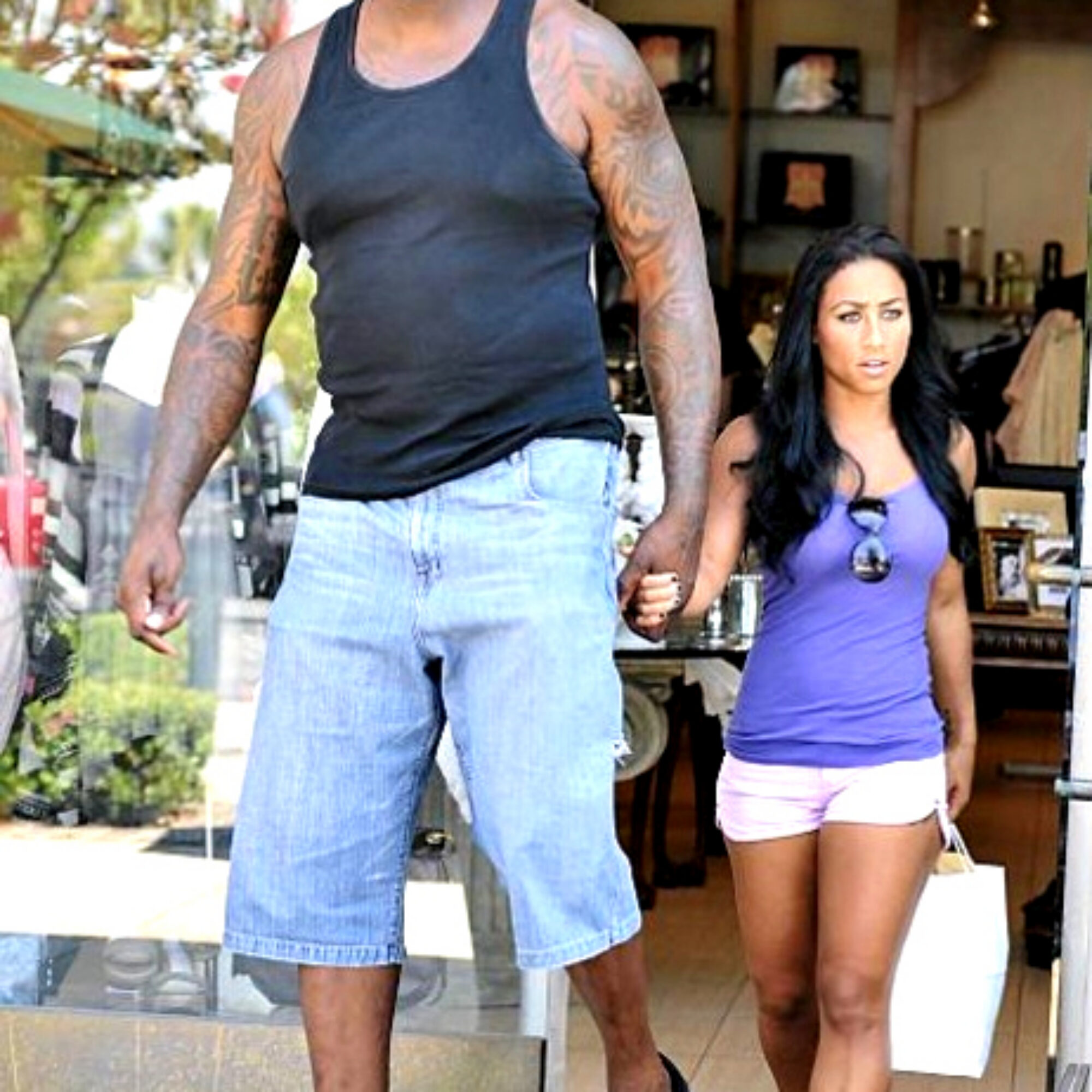
Today's post approaches the recent NSA surveillance revelations from a systems-theory perspective. The reasons basketball players are tall imply consequences to our government. A high-level systems perspective leaves out details, some of which may be more important than this post gives credit for. I'm not saying it's the only perspective, but I consider it important and relevant. Please feel free to comment if you feel I missed something important. Why are most basketball players tall? Why are most basketball players tall? Basketball players are tall because the rulebook puts the basket ten feet high and they want to put the ball in the basket. Taller players achieve the goal better. Basketball players have a goal, they follow rules, and the ones who achieve the goal…

1 Comment

See me on Leadership through Emotional Intelligence and Self-Awareness

Brought to you by the Distinguished Leaders committee of the Columbia Business School Alumni Club of New York (copying the following announcement from that site): Leadership Through Self-Awareness and Emotional Intelligence In a weekend, learn how to develop your personal leadership skills, self-awareness, and emotional intelligence through the latest advances in cognitive behavioral science, evolutionary psychology, and positive psychology. While business schools and corporations are increasingly focusing on personal leadership, self-awareness, and emotional intelligence as foundations for leading others, many MBAs never had the opportunity to take a formal course in personal leadership. Joshua Spodek, MBA, PhD, has developed a two-day weekend workshop in just this area. His experiential course combines advances in cognitive behavioral science, evolutionary psychology, and positive psychology with successful business leadership…

0 Comments

Three stages of understanding how ancient Egyptians built the pyramids

I'm sure many people have thought and written great stuff about the Egyptian pyramids and overcoming the challenges to building them. I haven't read much on them, but I'm writing not so much about the pyramids than on how one person's thoughts developed as he learned to solve harder problems, though nowhere near the scale of a great pyramid. Stage 1: The challenges of mechanical engineering When I first thought of the challenges of building the pyramids, I looked at the challenges the way I think most people do -- from a mechanical engineering perspective. I wondered How could they cut, transport, and lift those stones? How could they measure the angles and distances accurately? Stage 2: The challenges of organizing and leading people At…

2 Comments

The risks of someone calling you smart and how to avoid them

When I was a budding entrepreneur, recently having earned my PhD in astrophysics, people would often introduce me as a rocket scientist. At first I enjoyed the praise. In time I found being called intelligent didn't help me in business. By "in business" I mean in business roles with leadership and decision-making. People talk about intelligence as valuable in business and some behave so, but I came to conclude successful businesspeople, especially investors, didn't value intelligence as someone's primary value. On the contrary, I came to find many venture capitalists and other investors viewed people with intelligence as their primary value as people whose inexperience they could exploit to make money off of. I think businesspeople in mainstream music look at talented musicians the same…

20 Comments

End of content

No more pages to load