
Talking to a friend yesterday who shares my vision and mission and agrees on the need for leadership, since it involves changing culture. Only he doesn’t want to learn to lead.
It’s the mission’s greatest need, but he doesn’t like leadership. He says it makes him uncomfortable and that he’d rather follow. He says in various ways how following is his thing.
Then comes the kicker, what I hear all the time, and should have long ago recognized as a legitimizing myth. He says, “You like doing those things.”
I can talk about psychologists’ term “fundamental attribution error,” thinking that what you see someone doing is what they want to do, but it doesn’t capture how annoying this reaction is.
I don’t mean to single him out, partly because he reads this blog. I’m only using him as an example since it happened recently. The pattern comes from everywhere. If you plan to take responsibility to do anything hard that others shirk, you will face this pattern. If you are shirking such responsibility, search inside. You may find you’re doing it.
I happen to be on my roof now, charging my battery. That means I carried the battery and solar panels up 11 flights and will later climb those 11 flights to bring them back down. They probably weigh 50 pounds or so, plus are bulky.
And he thinks I just like carrying heavy, bulky things up cramped dark staircases. As for him, he doesn’t like such things.
Actually, he does work hard. I’m not sure if he minds hard physical work, but he doesn’t feel like learning the social and emotional skills of leadership. Meanwhile, from his perspective, I’m just good at those things. Lucky me.
Oh wait, I spent decades of my life learning them. I did the reps for years. I started without them. Do I just like hard work? Apparently from his view, yes, I just like hard work. Or I’m just natural at things without hard work.
Yet he knows getting good at anything challenging takes time and effort If someone looks natural, it means they worked hard. Do you think Michael Jordan was born dunking basketballs? Everyone knows he showed up first and stayed last for every practice. Oh, so do we conclude he just liked hard work more than anyone else?
Was he lucky that while others like watching TV and consuming doof, he just liked working hard?
What mental garbage!
Other examples
Aren’t we lucky that Rosa Parks just liked being arrested?
That the residents of Montgomery just liked walking for a year instead of taking the bus?
That Martin Luther King liked work that led to his home being bombed?
That all our parents just happen to like losing sleep for years changing our dirty diapers, getting poop on their hands?
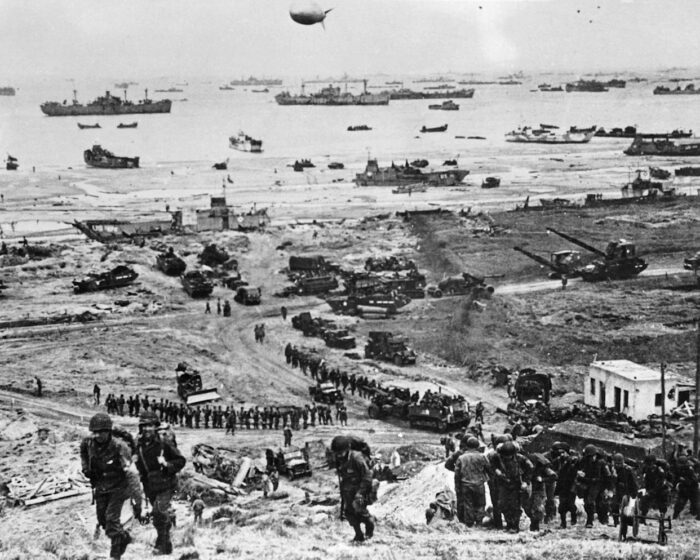
That soldiers during D-Day liked walking into range of Germans’ machine guns?
 That Viktor Frankl liked being imprisoned and tortured by Nazis at Auschwitz?
He must have, according to my friend’s like of thinking. How else could he have written about bliss and love there?
Obviously Frankl didn’t like being imprisoned and tortured. The whole point of his book was that when you can’t change your surroundings, you can change yourself. In my words, you can develop personal leadership. You can lead yourself. You can create the emotions and motivations that work in your situation. No one can take that freedom from you.
The soldiers at Normandy didn’t want to die, but the situation called for some people to attack the beach. They had to do it or they would die later, their mothers, sisters, and daughters raped and killed, and so on. Would they succeed more feeling miserable? No, then they’d die faster without helping defend anyone’s freedom.
So the most effective ones found ways to be enthusiastic.
The process
When you find yourself in a situation you don’t like, you can accept it and be miserable or you can act.
If you find there is one path out and it requires skills, experience, connections, or anything else that you don’t have, again, you can accept your deficiencies and give up or you can figure out if you can acquire them.
If you can, but it takes hard work, you can be miserable or you can do what Frankl did and use what no one can take from you and find ways to derive reward from it. Can you imagine if all those men during WWII thought, “I just don’t like getting shot. I’ll leave fighting the Nazis to others who were lucky enough to enjoy being shot.”?
Or they could say, “Something has to be done or we all suffer. I don’t like it now, but sure as hell I’m going to find in myself ways to become enthusiastic and do what needs to be done to my greatest potential.”
That’s what the blacks in Montgomery said and did.
That’s all I’m doing, except for one big difference.
Two big differences between then and now
The first huge difference between them then and us now is that they risked their lives and we only have to learn leadership skills and practice them.
The second is that we have the opportunity to save orders of magnitude more lives and to protect and restore more freedom.
Less risk more reward, by huge margins.
And all we have to do is what Frankl described. My book Leadership Step by Step walks through how to do it. It’s all I’m doing: leading myself in what needs to be done, of which a sub-task is to learn to find and create reward in what needs to be done. If I look natural at it, it only means the long, hard work is paying off.

Well said!
Sounds like someone with similar experiences and maybe stories.