If your solution to our environmental problems is your solution to problems before them, you’re probably tribal, not thoughtful, and exacerbating them.

A lot of people on the left and right seem to want to solve our environmental problems with the solutions they promote for all problems. People on the left want to fight environmental problems with government regulation, to end systemic racism, and to smash the patriarchy. On the right they want to liberalize markets and decrease regulation. Does it seem odd to anyone else that their solutions to these new problems are exactly what they promote to solve problems before them? Does it suggest that maybe they don't understand our environmental problems and are just pushing their old agendas, using the new situation as a pretext? What are the odds that new problems never seen in human history just happen to be solved by solutions…

0 Comments

When you know someone will (mis)interpret everything you say their way, do you talk to them?

The title says half of it: When you know someone will interpret everything you say their way, do you talk to them? The other half: What if they're your parents? No, I didn't just have a fight with a parent, but I do talk to a lot of people who interpret what I say as best I can tell based on preconceptions of what they expect someone talking about what I talk about to say. For example, if I suggest how for nearly all of human existence our ancestors lived with more equality and freedom than we do, they respond "You want to return to the Stone Age?" If you want, I can list more examples. The pattern reminds me of my parents growing up,…

0 Comments

On considering when to decrease my daily exercises started over a decade ago, now in my 50s

I've meant to write this post for years. It may be the longest past due. Why? Because it relates to many parts of my life and involves decisions that will affect me the rest of my life. I'll stick with the basics to put the main thoughts on paper, so to speak. When I started doing burpees daily, it was ten a day for thirty days with a friend in 2011. I didn't expect to continue them daily for an indefinite period. Within those thirty days, the value of an exercise needing no equipment, spotter, etc that exercised much of my body became clear. I knew two conflicting things: practice would enable me to increase but aging would lead me to decrease. In the years…

0 Comments

772: Bruce Alexander, part 3: Advanced Spodek Method

I find this series of conversations with Bruce to be ending up excellent examples to learn advanced Spodek Method from. I think they're also engaging. I certainly enjoyed the conversations with Bruce. You can tell he believes in the vision and isn't trying to answer askew, or maybe I'm not picking up on cues, but the interaction is both not clicking but not falling apart either. If you're learning the Spodek Method from the How-To Guide or a workshop, or finished either, I think you can learn a lot from these conversations. Also, from Bruce, a lot about addiction, science, and applying them to modern life.

0 Comments

Quirky nature question: If an alligator can live 3 years without eating, when precisely does it die of hunger?

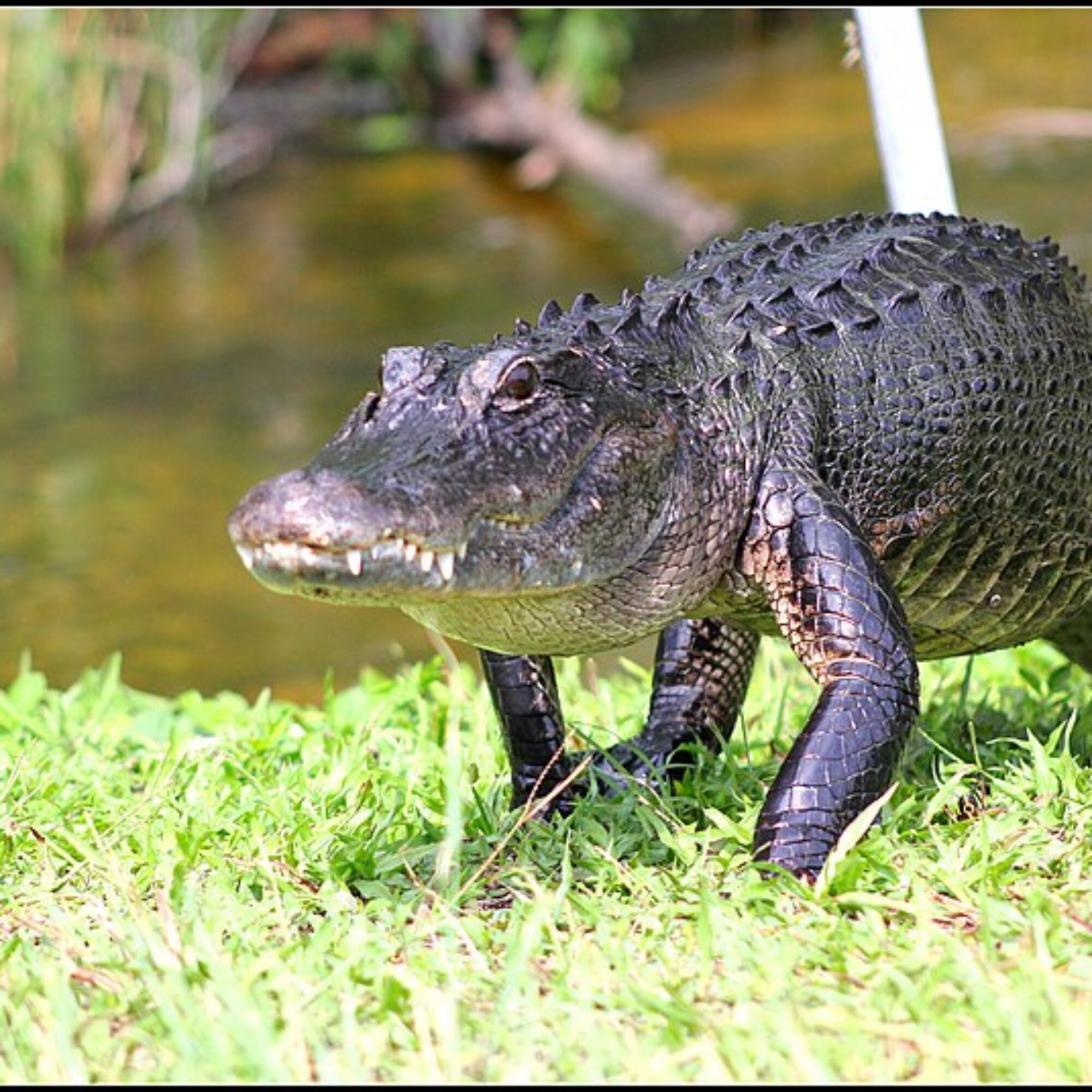
I love nature. Sometimes I have to share my love for quirky parts of it. Did you know alligators can live 3 years without eating? I find it amazing. They're cold blooded, so don't need little energy to keep their bodies going. In the water, they need little energy to move. I think they can digest more parts of what they eat than many other animals. Still, imaging going three years without eating. Here's the life or death question: say an alligator dies from going too long without eating: When did it die? I would guess its vital signs the day marking three years and the day before weren't that different. Maybe a month before it was so weak it couldn't catch or eat food…

0 Comments

Michael Lombardi on Bill Walsh on Tom Peters on living In Search of Excellence; on mastery and freedom

A vignette from Michael Lombardi, podcast guest and football great General Manager about his mentor Bill Walsh, appears in his book Gridiron Genius, sticks with me. In particular, the part at the end of this passage about the picture frame. To me, one way mastery differs from just doing enough is that when we master an art or craft, we love the details. Before mastery, they may seem drudge work. A novice painter may not focus on each stroke of the brush. A master sees that the art is in those details. Here's the passage in Lombardi's book: In short, Walsh took over a team with no high draft picks, no quarterback, and no hope. Three years later, that team won the Super Bowl. It…

0 Comments

Why I doubt I’ll watch the Olympics (I love sport, athleticism, and competition) and what I’ll do instead

I'd heard people talking about the Olympics. I looked them up and it turns out they started last week. I doubt I'll watch much. Why not? Not for lack of potential interest: I love sports. I love athleticism, fitness, and people reaching their potential. I love competition and the drama of not knowing how a competition will turn out. For one thing, when I clicked to the official page at olympics.com, they featured corporate ads for Visa and Roblox, which I believe is a video game, and what looked like a docudrama to watch about past competitions (or something with Nadia Comaneci), and other things unrelated to sport. They know who butters their bread. I scrolled down and they showed medal counts. Nothing about sport…

0 Comments

771: Jack Spencer, part 1: The Heritage Foundation, limited government, free markets and the environment

Regular readers of my blog know I took a course, Conservatism 101, from the Leadership Institute, which led me to read conservative literature I hadn't before: Edmund Burke, Frederic Bastiat, Friedrich Hayek, Russell Kirk, and more. This reading came after I started reading and watching Milton Friedman, Julian Simon, Ayn Rand, and current followers of their work like Marian Tupy, Gale Pooley, and Alex Epstein. I had blogged about them after reading their works too. I began seeing relevance of their work to sustainability that I don't think even their fans appreciate. At a social event, I met a woman who works at the Cato Institute. I told her of what I was learning and invited her to talk about it. She said sustainability and…

0 Comments

This Week’s Selected Media: The Rise and Fall of the Second American Republic: Reconstruction, 1860-1920

This week I finished: The Rise and Fall of the Second American Republic: Reconstruction, 1860-1920, Manisha Sinha: From the author of The Slave's Cause: a History of Abolition, winner of the Frederick Douglass Book Prize and other awards, and one of my undergraduate teachers. Like The Slave's Cause, this book is encyclopedic in detail and being comprehensive. It treats the Civil War and Reconstruction as a different period, as the title suggests. I confess I knew little about this period in American history, so can't speak to how this view compares with the old one. A big point, as I understood it: Reconstruction didn't fail. A counterrevolution against the new republic of authoritarianism and racism defeated it. It covers many aspects of the revolution restoring…

0 Comments

Calling the other side “a new religion” demeans yourself

Often I hear a someone say their opponents form a new religion, implying the other side doesn't think through their beliefs or come up with them on their own. They just believe what they're told to. Anyone can lob that grenade at anyone they disagree with. From anyone's perspective, anyone with different beliefs or values seems ungrounded. To call the other side "a new religion" just shows the speaker lacks empathy and understanding. Sadly, they may garner support from their own side, lowering mutual understanding in favor of tribalism. If you ever call your opponent a new religion, I suggest you demean yourself in the process. If anyone says it of you, I suggest you point out they demean themselves.

0 Comments

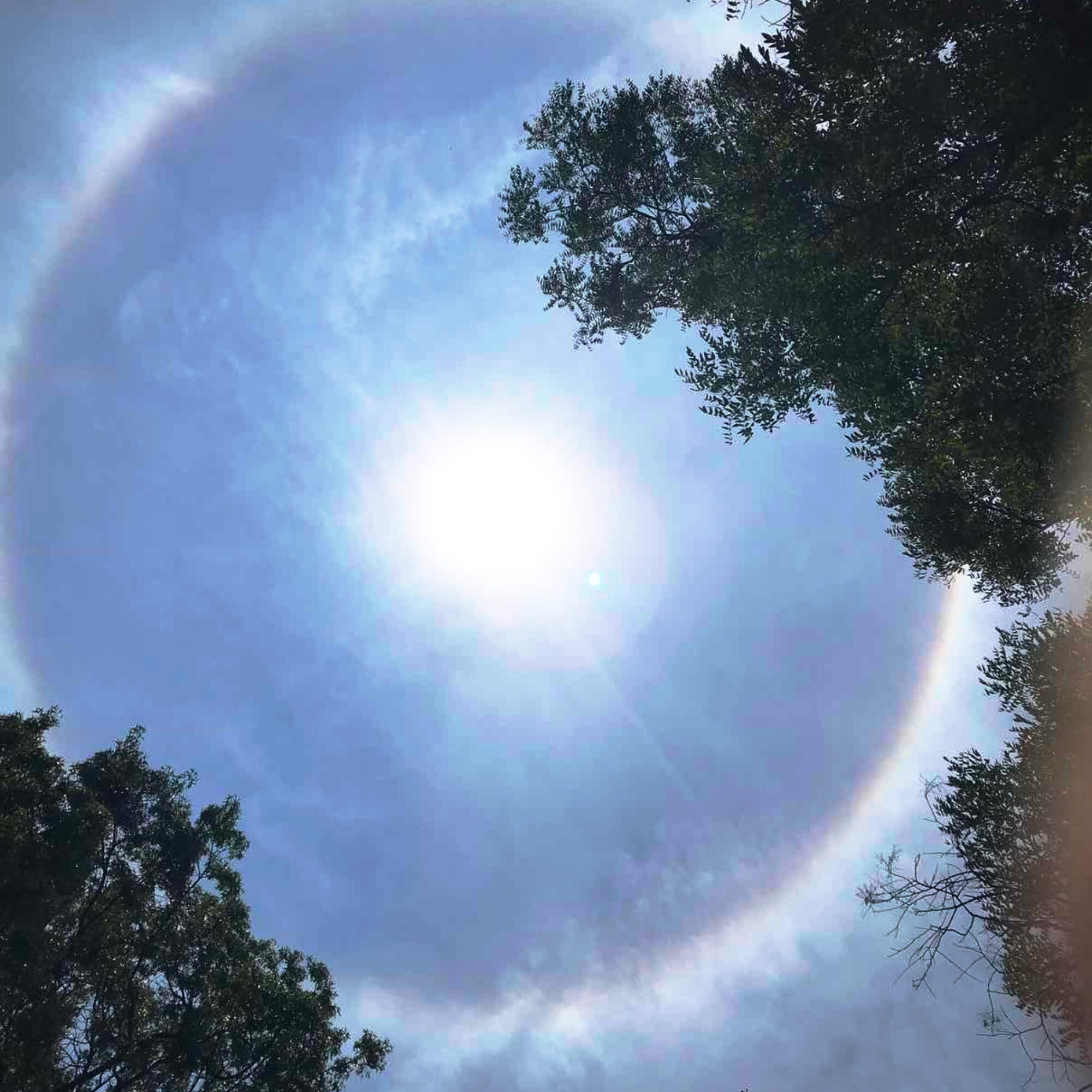
A rare 360 degree rainbow in the middle of a sunny day yesterday

The title and the pictures speak for themselves, though can't capture the beauty of seeing it in person. Also, when you see a rainbow, pointing it out to people creates fun and connection. I was in Washington Square Park and I saw not one person see this rainbow except people I showed it too and the people who saw the joy and amazement in the people I showed it to. I saw a 360 degree rainbow from my rooftop a little over a year ago, also on a sunny day. I saw a beautiful rainbow near my home over a decade ago. How much natural beauty are we missing, too busy looking at our screens? I hope I didn't blow out my camera pointing straight…

0 Comments

770: Nick Loris, part 1: A limited government free market approach to our environmental problems

Regular readers of my blog know I took a course, Conservatism 101, from the Leadership Institute, which led me to read conservative literature I hadn't before: Edmund Burke, Frederic Bastiat, Friedrich Hayek, Russell Kirk, and more. This reading came after I started reading and watching Milton Friedman, Julian Simon, Ayn Rand, and current followers of their work like Marian Tupy, Gale Pooley, and Alex Epstein. I had blogged about them after reading their works too. I began seeing relevance of their work to sustainability that I don't think even their fans appreciate. At a social event, I met a woman who works at the Cato Institute. I told her of what I was learning and invited her to talk about it. She said sustainability and…

0 Comments

Does the U.S. medical system improve more lives than it hurts, including lives outside the system?

I haven't heard anyone in medicine question the effects of pollution from our medical system on people outside the care facility. What about people harmed by plastic, emissions, and other pollution? They may be affected for centuries and all over the world. I don't know anyone who calls America's medical system unwasteful. Every time I walk into a doctor's office I expect to see each care-person use half a dozen gloves. Many things are disposable that could be cleaned more sustainably. Talk to anyone and they say policies are for safety, but few question if their practices are safer. In my experience, people in medicine are happy to complain how procedures waste and that "the system is broken" or "the decision-makers just say 'it's safer…

0 Comments

769: Kevin Fucillo, part 1: An inside view of our community fridge and its volunteers

Kevin and I talk about volunteering at the Chelsea Community Fridge, how it formed, how it's evolved, and our roles. You'll hear he's involved with it more. I was curious to learn about parts I don't know about. It's outdoors so it operates 24/7, 365 days a year. New York City has no lack of hungry people, nor places with extra food. It's insane to see how much we waste, except that nearly every American wastes food. We can reduce that waste. I hope hearing our conversation inspires you to volunteer more, waste food less, and appreciate what food you have. Volunteering for me replaces time in front of screens, so it saves time and money. It connects me with my neighbors, including the hungry…

0 Comments

Emotions that emerge from the Spodek Method about nature that work

Yesterday I listed sustainability tactics based on extrinsic motivation that fail sustainability and drive unsustainability. Today, I'll list emotions about nature I often hear doing the Spodek Method that, when acted on, lead to people doing more than they said they would, expressing gratitude, and being happy to share. Wonder Awe Serenity Connectedness Oneness Curiosity Calmness Peacefulness Joy Appreciation Purposefulness Childlike Excitement Thrilled Fun Happiness Smallness compared to the universe, yet belonging Understanding Completeness Determination Contentedness Desire to protect Love Grandness I just wrote those items in ten or twenty minutes. I'll add to the list as I come up with more.

0 Comments

Examples of sustainability tactics based on extrinsic motivation that fail sustainability and drive unsustainability

Strategies and tactics based in convincing, cajoling, coercing, and seeking compliance that may sound nice, but step on the gas, thinking it's the brake, wanting congratulations. That is, they exacerbate the problem. Compare this list with tomorrow's list of emotions that emerge from the Spodek Method about nature that, when acted on, lead to people doing more than they said they would, expressing gratitude, and being happy to share. Meatless Mondays “10 little things you can do for the environment” “Think of the children” Carbon taxes Calling things “clean,” “green,” or “renewable” that aren't Government subsidies for “clean,” “green,” or “renewable” energies Waiting to lower fossil fuel until after Increasing “clean,” “green,” or “renewable” energies Suggesting buying more “clean,” “green,” or “renewable” things instead of…

2 Comments

This Week’s Selected Media: July 21, 2024: Planet of the Humans and American Fiction

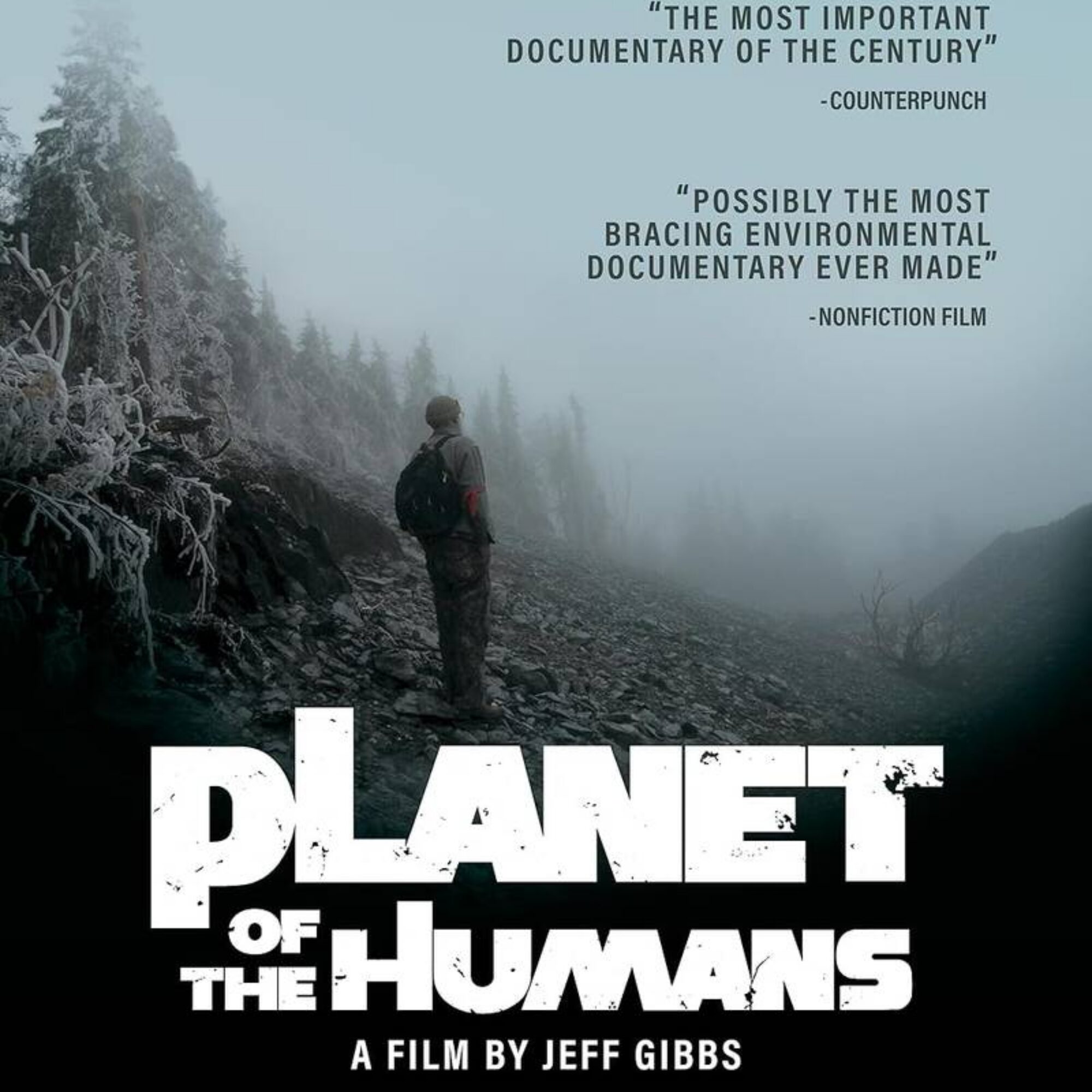
This week I finished: Planet of the Humans, written, directed, and produced by Jeff Gibbs, executive produced by Michael Moore: I watched this movie in 2020 when they released it on YouTube. I remember thinking that solar and wind might not be perfect, but they're better than fossil fuels. Before saying my reaction this time, I should mention after watching it this week, I read, watched, and listened to about a dozen reviews, articles, and interviews about the movie. At least a third were critical, such as having "debunked" in the title. Many researched the movie's numbers. In many details the movie seemed misleading. For example, pointing out the electric vehicle got power from the grid, but the grid got its power from coal misrepresents…

0 Comments

I started in sustainability trying to restore nature. Now I see we have to restore humanity.

When I started working on sustainability instead of hoping someone else would fix our problem, I saw my goal as restoring nature, also conserving and protecting it. Learning that our environmental problems result from our behavior, which results from our culture, has taught me that we have to work on ourselves. I see how much our culture promotes addiction, pollution, depletion, and plunder. I see that we are abandoning or have abandoned values and practices of stewardship, doing unto others as we would have them do unto us, leaving it better than we found it. Since pollution, depletion, and plunder destroy life, liberty, and property, I see we no longer promote a government protecting life, liberty, and property. My goals have shifted from restoring nature…

0 Comments

A neighbor’s thank-you letter from Donald Trump (sadly disrespecting the office of the presidency)

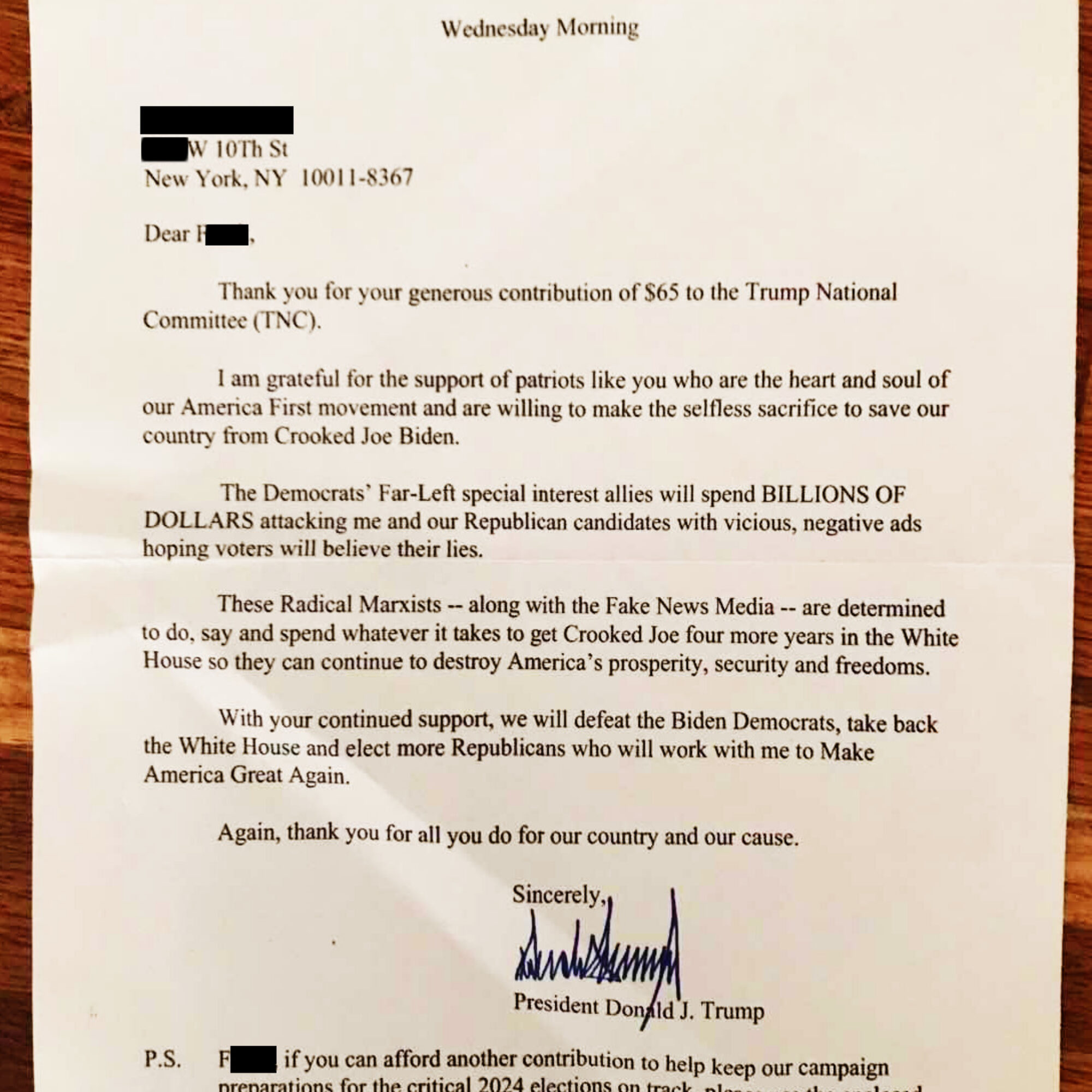
Regular readers know I pick up litter every day. The other day I found this garbage wedged in the scaffolding of a building under construction. (Come to think of it, a topic I should write more about is this bizarre practice of litter being wedged and stuffed into places and why people do it. I'm not sure, but I have some ideas. In any case, all this littering is socializing costs, spreading disease, ruining communities, raising taxes, and that's the tip of the iceberg.) It's a letter from Donald Trump thanking someone who lives within a block of me for donating to his campaign. I had to comment on a few observations. First, I shouldn't have to note it, but I know Donald Trump didn't…

0 Comments

Misunderstanding Hate and Humanity

I wrote last year about how We can’t turn off our emotional systems and we all share the same emotions, regarding NYU's likely well-intentioned but misguided posters decrying saying "hate has no place at NYU." I wrote then: To say “Hate has no place at NYU” seems like saying “Thumbs have no place at NYU” or “Spleens have no place at NYU.” We all have the wiring to hate. To say it has no place at NYU means no human has a place at NYU. To clarify: I understand they don’t mean it literally. I’m not trying to single out NYU. I hear these phrases everywhere. Overall, I’m confident I agree with their intended message, though I can’t be sure, since whatever they mean to…

2 Comments

768: Trish and Evelyn, part 2: The birth of sustainability awards

Trish and Evelyn took the workshop, and neither seriously acted on sustainability before it, so one thing to listen for in this conversation is what people who look at personally living more sustainably sound like. I think it's safe to say we have fun. Partly we express exasperation at the depravity of our polluting and depleting culture. We also share the experience of our eyes opening to those things. Trish, for example, shares how she doesn't want to take cruises, despite anticipating enjoying them and her friends not seeing their pollution. I share how our culture turned preserving fruit from a way to conserve to a way to waste. We also talk about our vision to create sustainability awards. A few of them exist, often…

0 Comments

If you build or buy a home in Phoenix, AZ, your claims that you “need air conditioning” lose credibility, as do your claims to others’ resources.

The title says it all, but for clarity, I'll generalize: if you choose to do something that requires polluting, depleting, or plundering, you don't get to claim your life requires living unsustainably. You don't get to then make claims on others' resources. A life requiring hurting others is not liberty. Its' the opposite: it's destroying other people's liberty. Why don't I spend all my money and then claim you have to support me? If you do something today that you know tomorrow will force you to hurt others, that consequence isn't a part of life. It's the result of your choice. On a global scale, our sleepwalking into living unsustainably doesn't mean we have to keep living unsustainably or that life requires polluting, depleting, or…

4 Comments

767: Andrew Bennett, part 2: Behind the scenes with a New York City chef

If you like food, you'll love this episode. I shared before how unbelievably delicious Andrew's food was, even if it were at a top restaurant. But he works at a hospital, so it was healthy too. I almost don't go to restaurants any more since they just pile salt, sugar, and fat onto everything. I don't need a stick of butter in every dish. I also tasted his food at a chef competition. He's shared his background training at groundbreaking top restaurants. I couldn't help indulge in asking him about behind the scenes in top kitchens and he shared. We talked about his artistry, how he learned, and teamwork. He also shared about his commitment, which led to talking about leadership, changing culture, intrinsic emotion,…

0 Comments

This Week’s Selected Media, July 14, 2024: Make Your Bed, A course in packaging toxicity, The Dred Scott of Our Time, No god But God

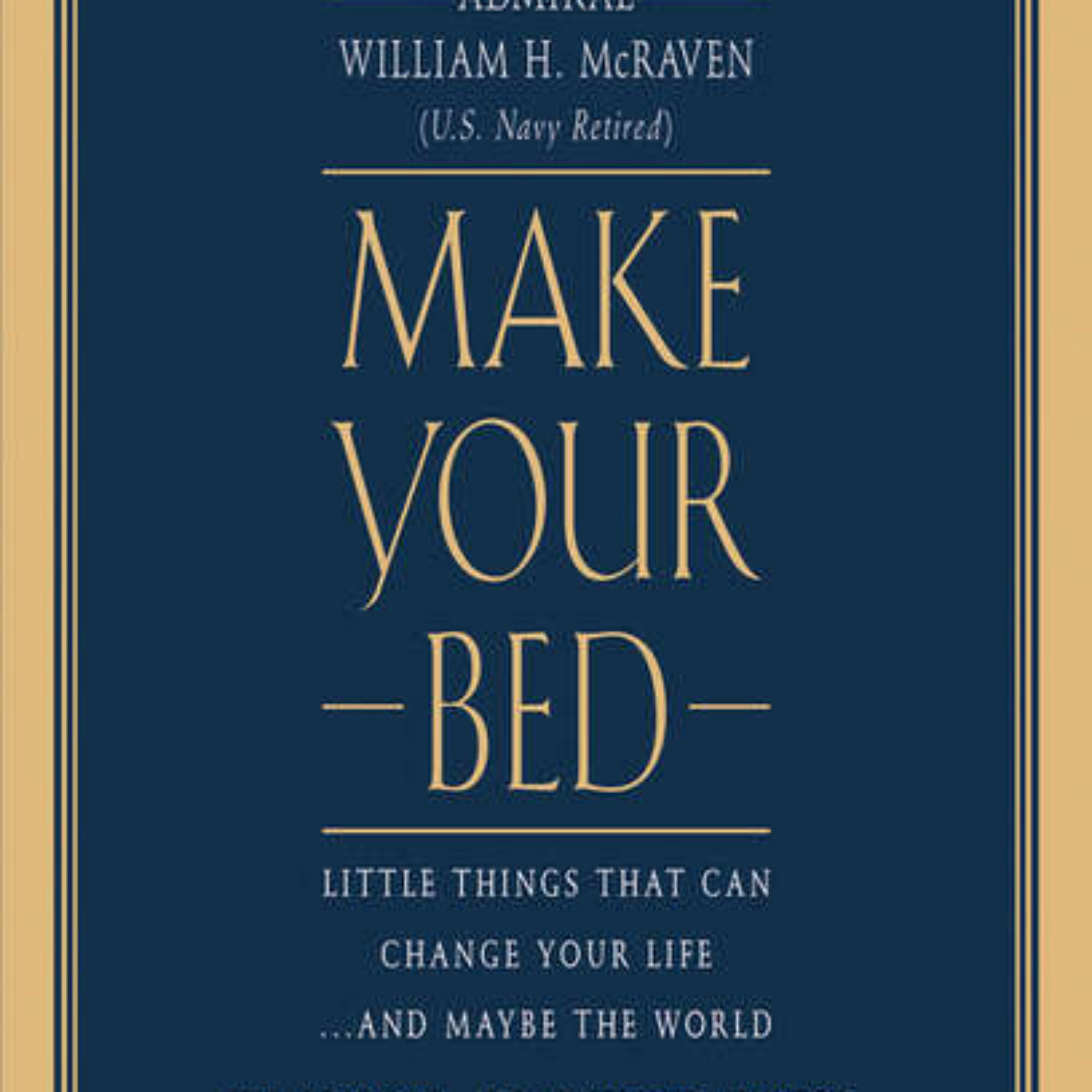
This week I finished: Make Your Bed: Little Things That Can Change Your Life…And Maybe the World, by Admiral William H. McRaven: I saw the video of McRaven's commencement speech to the University of Texas years ago. It resonated with me because My sidchas, standard operating procedures, and preferences include waking up, making my bed, and crossing the room to turn off my alarm within sixty seconds. Also, I had just finished the long book at the bottom of this page, No god But God, so wanted a short book. I finished this one in an afternoon. I recommend it. Loosely, the structure was that he'd describe learning a lesson in Navy SEAL training, then how it applied in practice, often a life-or-death situation. It's…

2 Comments

Are environmentalists nearly all science deniers?

Environmentalists call people who disagree with them "science deniers" and "climate deniers." They get annoyed when people presented with the science don't change their behavior when science shows it's creating undesired outcomes. Meanwhile, I see environmentalists use ineffective techniques to try to change others' behavior. When their techniques don't work, they don't change their behavior to ways that work. The science is clear that their techniques don't work, yet they stick with them. Influence and leadership aren't the hard sciences of physics and chemistry, but there are repeatable results and we know some things that work and others that don't. Lecturing doesn't work, nor do many techniques they use. They want others to observe science and change their behavior but they don't themselves. In my…

0 Comments

End of content

No more pages to load