Characterizing my sustainability journey in the language of presidents
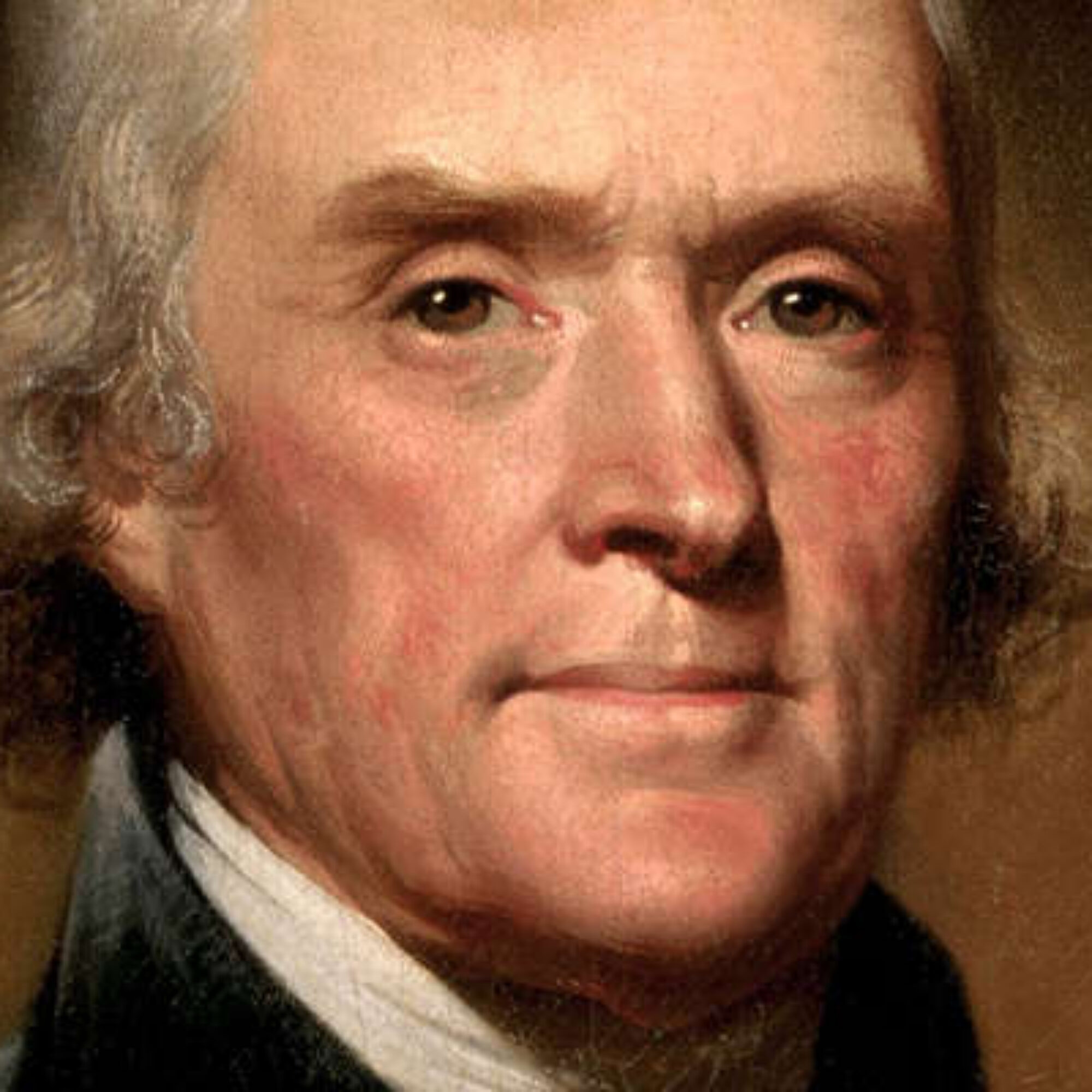
Thomas Jefferson

Characterizing my sustainability journey in the language of presidents

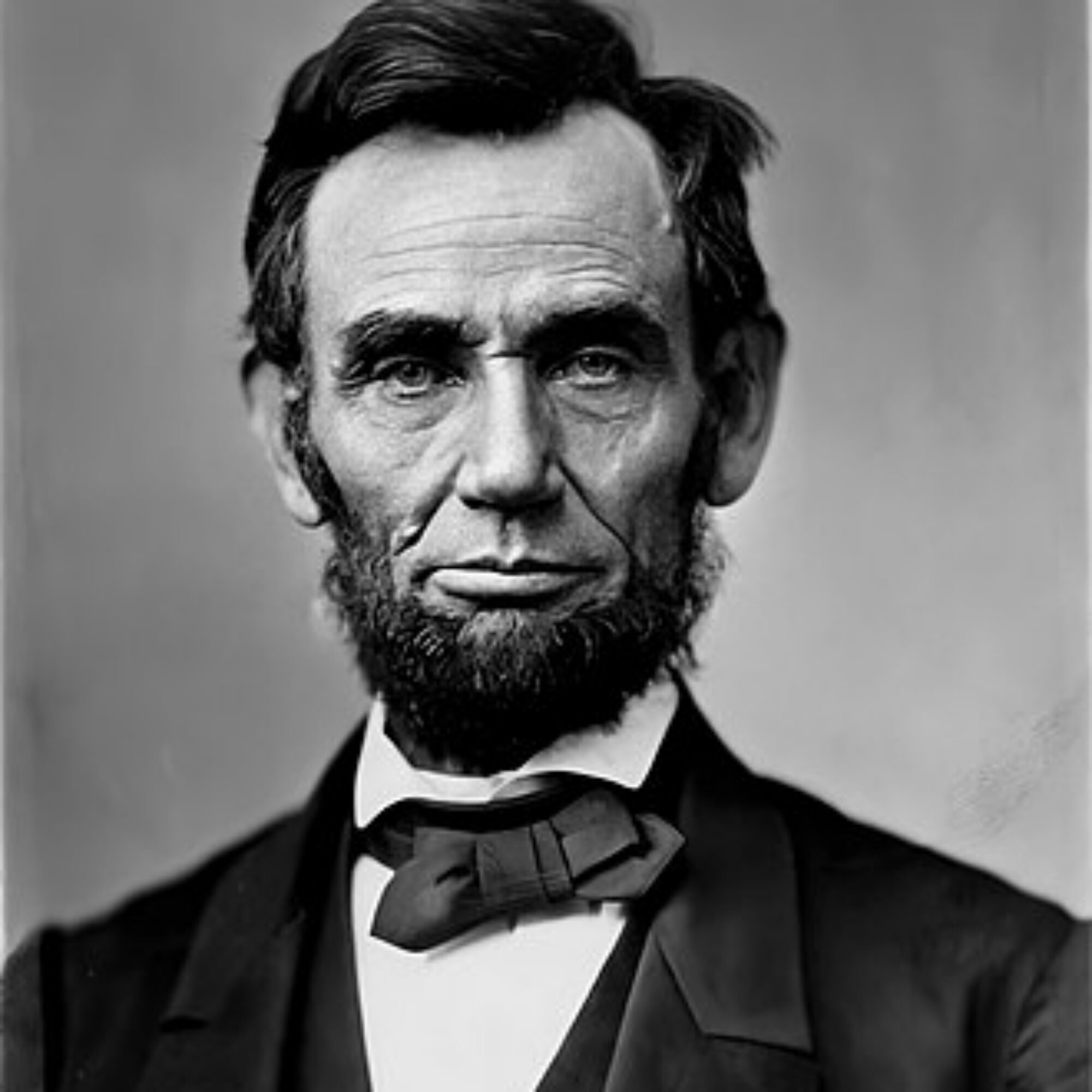
Since I've been studying so much American history and seeing American presidents as role models, I couldn't help stumbling on a characterization of my development. Before I acted, when I knew the problems with pollution and depletion but contributed to them as much as everyone around me, I was like Thomas Jefferson speaking about freedom while owning slaves. Today I still pollute and deplete, but far less than before. I'm more like Abraham Lincoln if he wore cotton clothes with cotton from the South---that is, still contributing to the problem but orders of magnitude less than Jefferson. He didn't fuel his opponent's rhetoric, as Jefferson did. They could say, "if he meant all men were created equal, he wouldn't own slaves, but he does, so…

0 Comments

775: Bruce Alexander, part 4: The Spodek Method clicks at last

You've probably listened to Bruce's past three episodes, so you probably know he wants a path to exist that leads people to want to live more sustainably and spread that change to others. It would mean them overcoming their addictions. By them, I mean all of us, since if we order takeout, fly, and drive big cars, we're in the group that has to change. His experience with addicts tells him it's hard, maybe impossible. On the other hand, while people may be conflicted and may have suppressed many of our emotions around the environment, we love nature. In this episode, we hear the Spodek Method finally clicking with Bruce. One interaction with it isn't supposed to change the world itself. It creates a mindset…

0 Comments

Why to act sustainably first, then read to learn more

I've written before that to fix our environmental problems we have to change culture. Say you wanted to learn a culture to where you were fluent in its language and culture. Which would work better? Say you wanted to learn Nigerian language and culture Read books by people who haven't lived in the culture or spoken that language, with the intent that only after you learned them fluently you would move to Nigeria ... or Go to Nigeria and learn there? I took years of French lessons in school and learned more in the first two weeks there than in five or six years of classes here. Likewise, I learned a lot of science relevant to sustainability, but learned more in avoiding packaged food, avoiding…

0 Comments

774: Alden Wicker, part 1.5: Foraging Is Fun

I ask guests to do episodes 1.5 when they tell me they couldn't do their Spodek Method commitment or keep postponing. Sometimes they say they don't want to share that they didn't do it. But experience has shown that talking about that vulnerability by sharing that they didn't do it overcomes it. Then redoing the Spodek Method usually leads to it working better than expected. The goal isn't perfection, after all. It's to create experiences that prompt emotions they like. Alden wasn't doing her ebike commitment, as you'll hear in this episode. She also shares some of her priorities in the rest of life. Many people think they don't have time for sustainability, but that view is a red herring. The Spodek Method acts on…

0 Comments

This week’s selected media, August 25, 2024: Behind the Beautiful Forevers: Life, Death, and Hope in a Mumbai Undercity

This week I finished: Behind the Beautiful Forevers: Life, Death, and Hope in a Mumbai Undercity, by Katherine Boo: Engaging, intimate, researched, poignant. It's hard to imagine it was written by an American, not someone who lived there. This book recounts a period in a Mumbai slum from the perspectives of a few of its residents. Their lives interact. The global economy affects them. Some things they can control, others they can't. In some ways they're savvy, in others they're ignorant and helpless. Their lives are different than those of anyone I know, yet they're human. In my case, my dad lived in India for many years, in Ahmedabad, Gujarat. He took us to working class neighborhoods he knew longtime friends in that might have…

0 Comments

Other thoughts after knee surgery

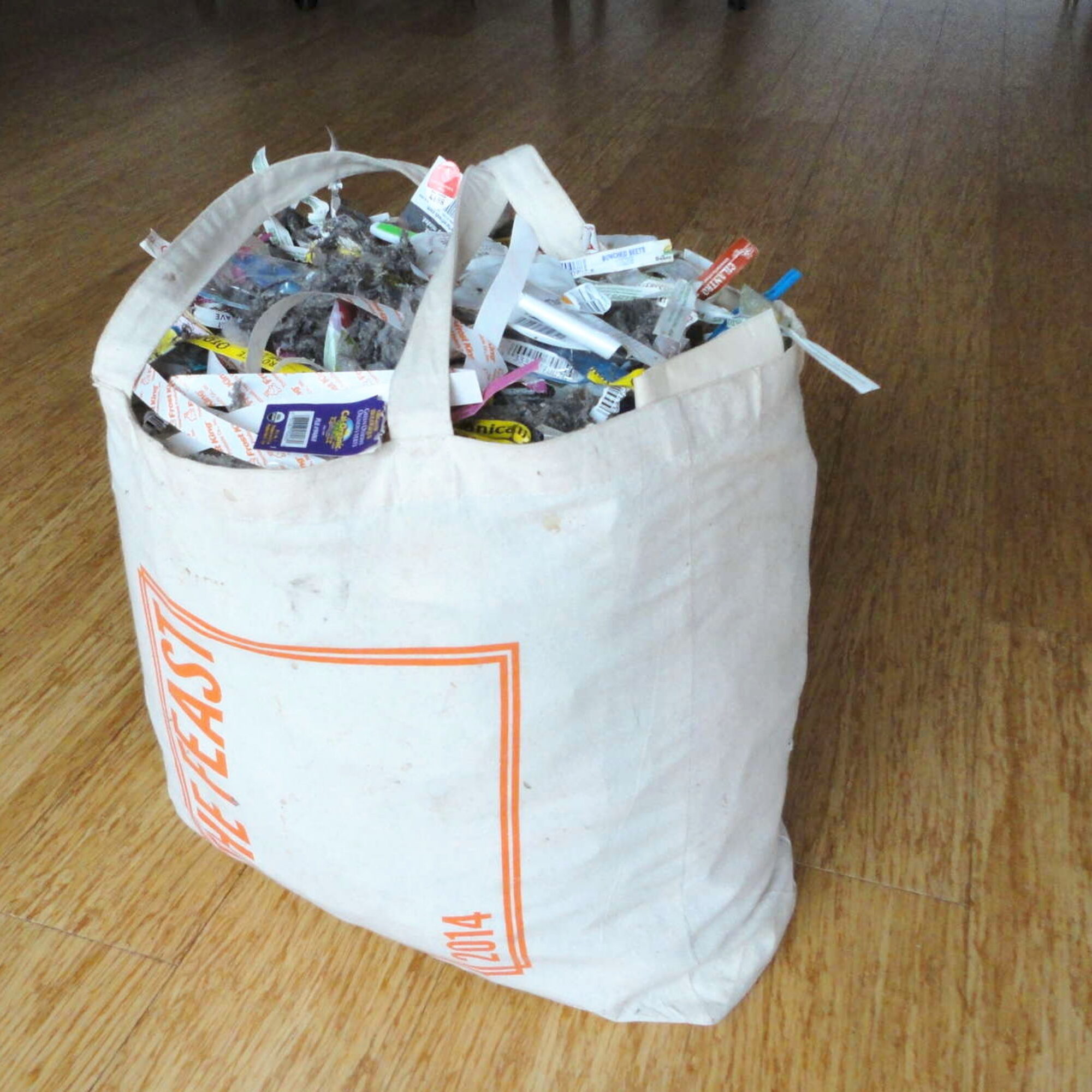
Amazing results and gratitude I walked back from surgery. To clarify: I walked two-and-a-half miles on the knee they did surgery on a couple hours after they did it. Years ago I would never have imagined it possible. Now I know it's normal, but experiencing it hits more viscerally than hearing about it from friends. Recovery will take weeks or months, but it seems little given what they did. I feel gratitude to the surgeon, his team, and modern medicine. Waste As usual, a lot of unnecessary waste was produced. Many things that could have been cleaned and reused were disposable. The nurse insisted I use things like their disposable socks that, when I didn't use them, were no problem. How much else disposable was…

0 Comments

Resting heart rate: 44 beats per minute*

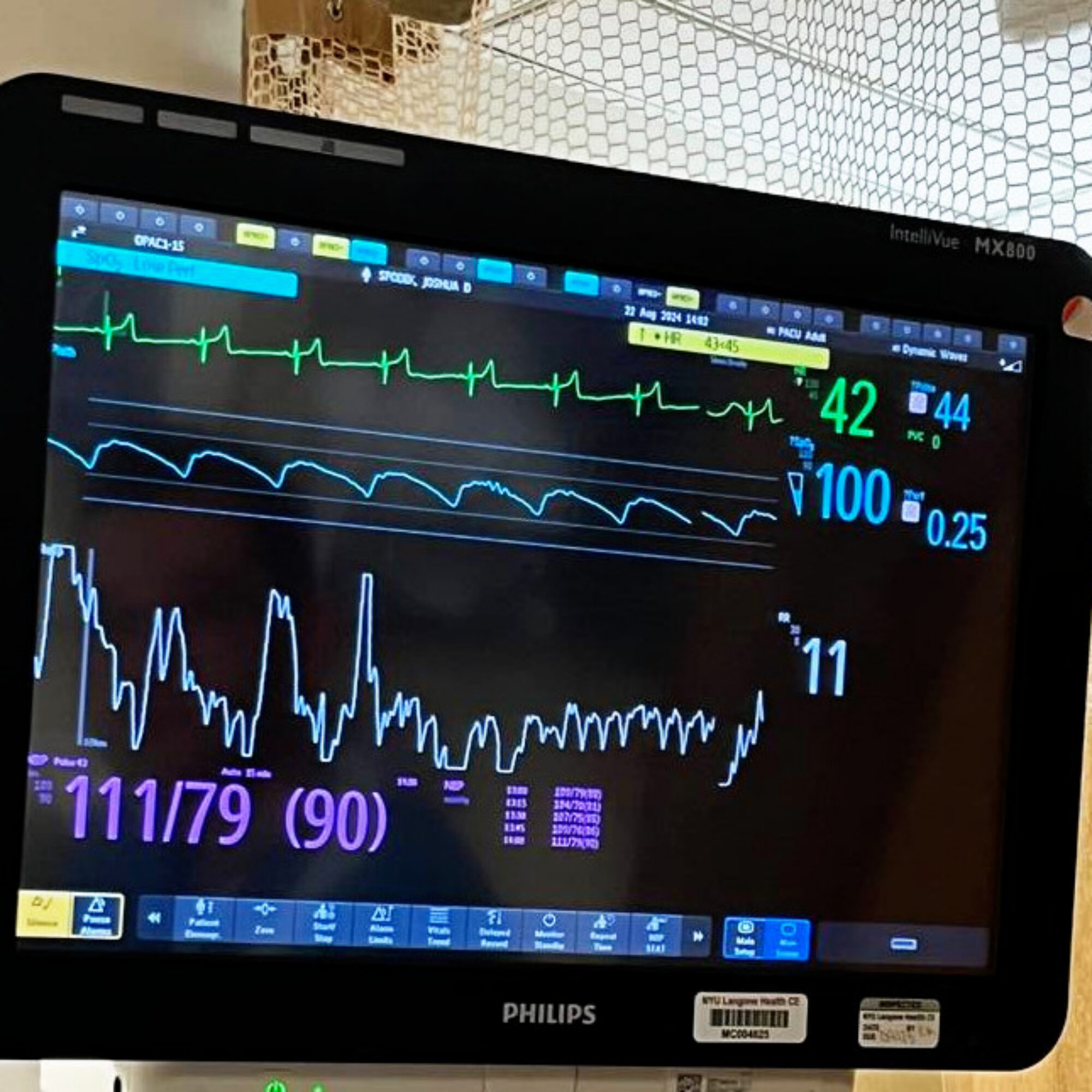
My latest pulse measured at a hospital was yesterday: 44 bpm, but with an asterisk since I had just had knee surgery under general anesthesia, so who knows what drugs were affecting me. On the other hand, maybe it was just because I had been lying still for a couple hours. My pulse is the number in the upper right corner. My blood pressure was 111 over 79, which a search says is normal. The next challenge is doing burpees with my knee bandaged until the swelling passes. I handled yesterday's evening burpees by doing them in the morning. Yesterday was also a lifting day, so that morning I did my full lifting routine and both sets of calisthenics before the work day began. I…

0 Comments

Robin DiAngelo: Not Even Wrong

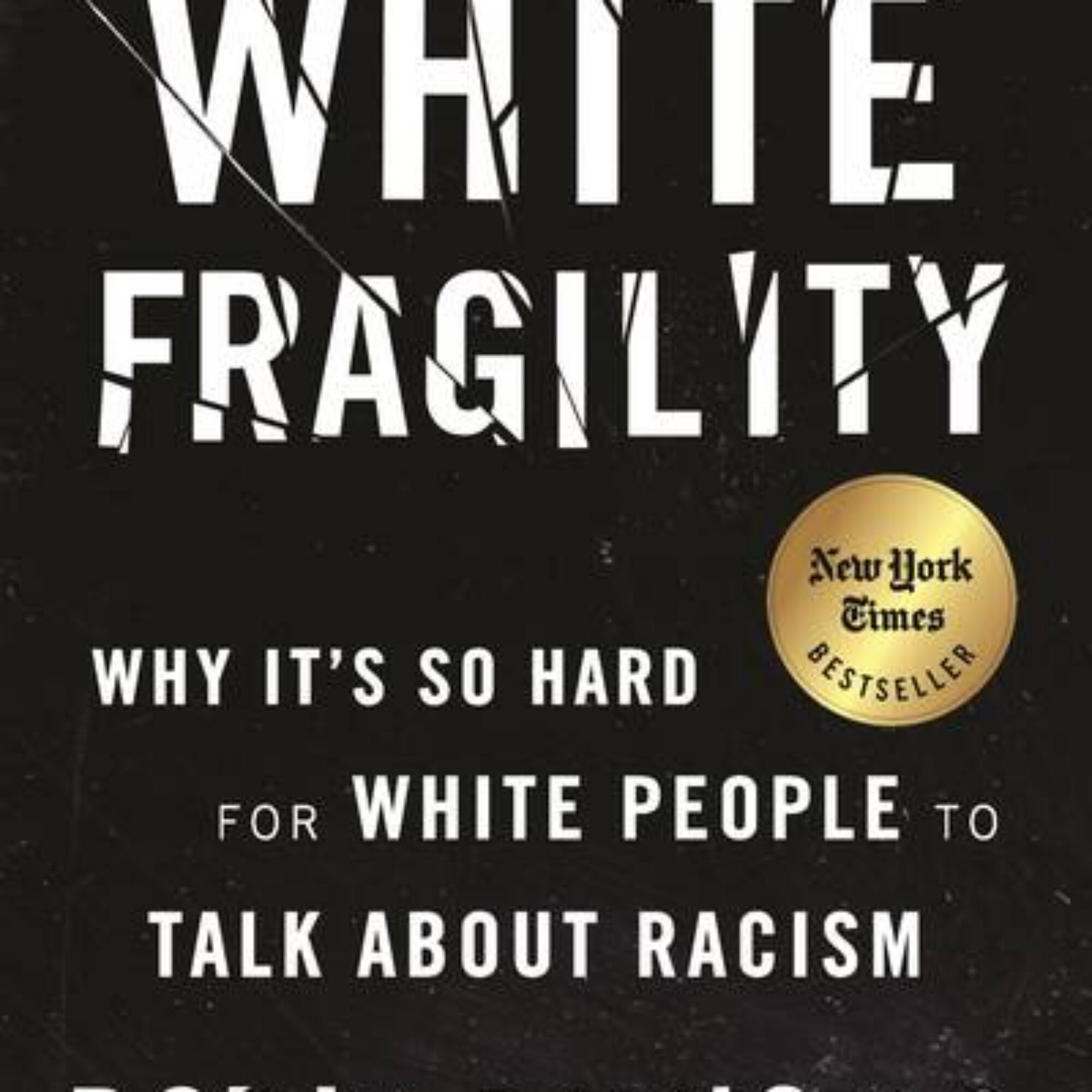
Few things have made me so grateful to live in a time when the phrase "not even wrong" exists. I've read parts of White Fragility and skimmed more. I didn't realize how impactful she had become. I'm commenting today on this video of her I just watched: https://www.youtube.com/watch?v=45ey4jgoxeU "One plus one equals three" is, in mathematics, wrong. It might be nice in poetry and you can find ways to make it true in some artistic or other senses, but you don't want someone building a bridge believing it right. On the other hand "one plus one equals frog" isn't even wrong. You can create all sorts of ways to interpret it to give it truth in some sense, but not really a mathematical proof. It's…

0 Comments

“You take care of things you found in the trash more than others take care of things they bought.”

A friend who visited broke a couple things of mine. They were fixable, but when he damaged one things by treating it cavalierly I said, "treat everything like it's valuable." He was taken aback since I had told him I had found this thing---a laundry drying rack. Some neighbor was throwing it out. It worked so I kept and used it. On last Fridays of the month, if I walk around the neighborhood, I can find tons of perfectly good things people throw out when they move. When traveling, I've seen the pattern in many neighborhoods, rich and poor. The weekly disposal of perfectly good things pales in comparison to NYU dorms at the end of a semester, so presumably many universities, but that's another…

0 Comments

“I want to be more sustainable, but I’m not ready to start yet.” … You never will be until after you start.

I was talking to a friend who considers herself more sustainable than most, someone who feels she cares. She said something many people say: "I want to be more sustainable, but I'm not ready to start yet." This statement illustrates the problem with nearly every approach to sustainability: they're based in book theory, not practical experience. Without practical experience, they don't know that acting more sustainably brings liberation, joy, and reward. People who change our actual practice, not just read the ideas of people who also lack practical experience, wish we had started earlier and don't want to go back. When you do it, you realize the only time most people are ready to change is after starting, not before. Before you start, you look…

0 Comments

A father littering in front of his kids. Should I say something?

I was in Washington Square Park charging my panels. A family of mother, father, and three kids sat on a bench near me, likely tourists. They had takeout food with plenty of packaging from a nearby store. A napkin fell through a gap between the benches so it was behind the father. He turned to try to pick it up but couldn't reach it after trying contorting a few times to reach it. He could have gotten up and turned around, but instead just left it. Was he leaving it there permanently or just until he could reach it better? For the better part of a minute, I thought he was waiting maybe to finish the food in his lap to make getting up easier,…

0 Comments

This week’s selected media, August 18, 2024: Educated, 1619 Project responses

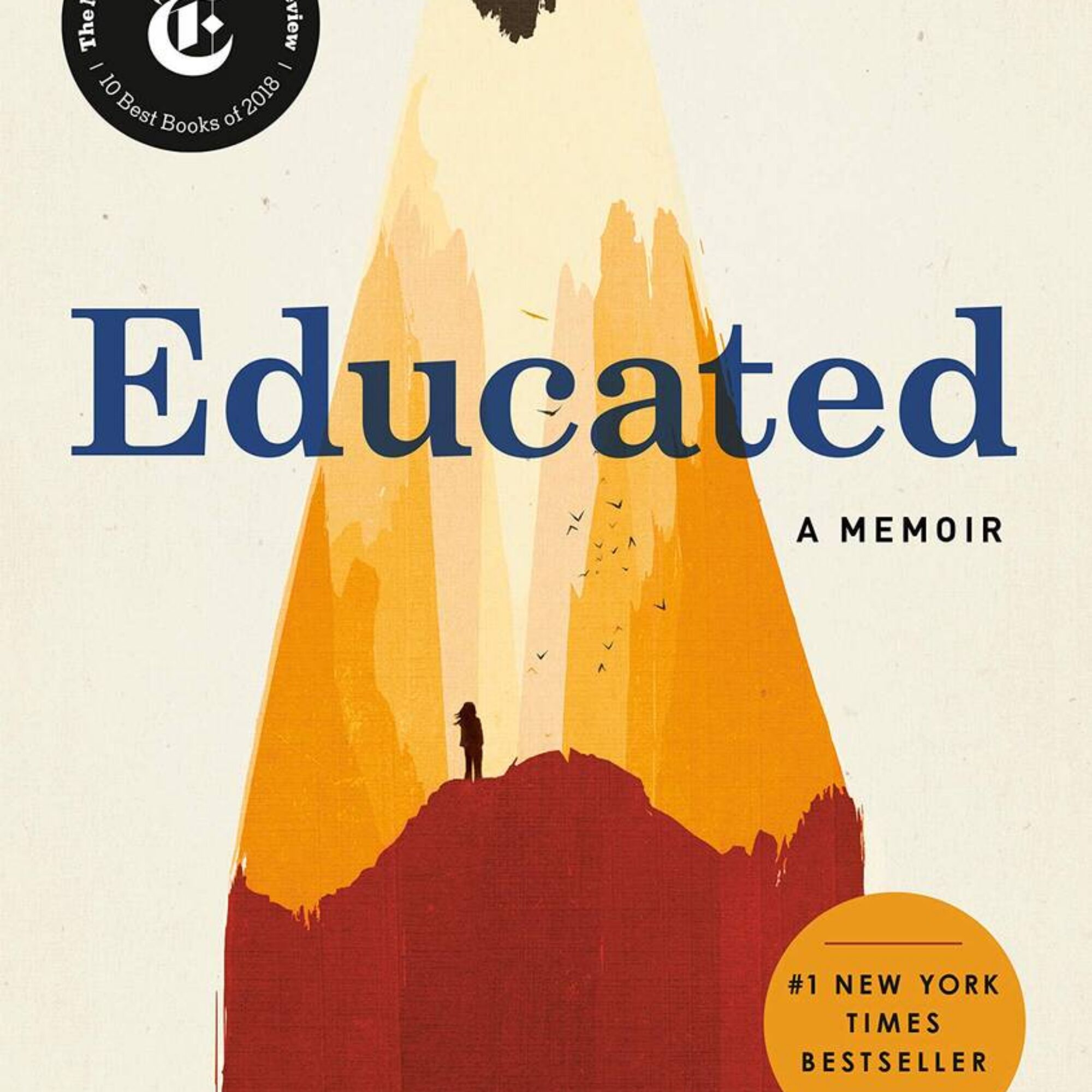
This week I finished: Educated, by Tara Westover: I didn't know about this book except seeing the cover in bookstores and the library. I looked it up and saw how many people and institutions put it on their "best of" lists. I found it riveting. I almost couldn't believe someone lived through it. I read it toward the end of my first year since my father died. That year brought me introspection, reflection, listening to others talk about their fathers, and sharing my relationship with my father, which regular readers may have picked up from my description of Sebastian Junger's In My Time of Dying. Tara Westover's experience blows away the experience of anyone I've spoken to or nearly I can think of. Her resilience…

0 Comments

773: Frederic Laloux, part 1: His program, “The Week,” creates space for conversations on the environment

Frederic describes his program The Week in our conversation. I did it last year, invited by a friend (whom I misname in our conversation, sorry) and recognized him. Podcast guest and mutual friend Lorna Davis had introduced us before he had started creating The Week. The Week is one of the few programs on sustainability approaching it as a leadership effort, not management or lecture. Anyone can do it. It's a series of videos you watch with a group, then engage in discussion about it. It's different than the Spodek Method, but shares many aspects. I could describe it more here, but the best way to learn is to hear his description in our conversation, then sign up for it. Frederic's program The Week His…

0 Comments

Do you value consent?

Do you value getting consent for actions one person does that affect another? When you use plastic, fill up a tank of gas, buy an airplane ticket, did you get consent from the people whose air, land, and water your actions pollute and deplete? Do you think you should? Do you wish people who polluted and depleted your world had tried to get your consent?

0 Comments

It’s not climate anxiety. *People* are causing that anxiety, destroying life, liberty, and property with impunity.

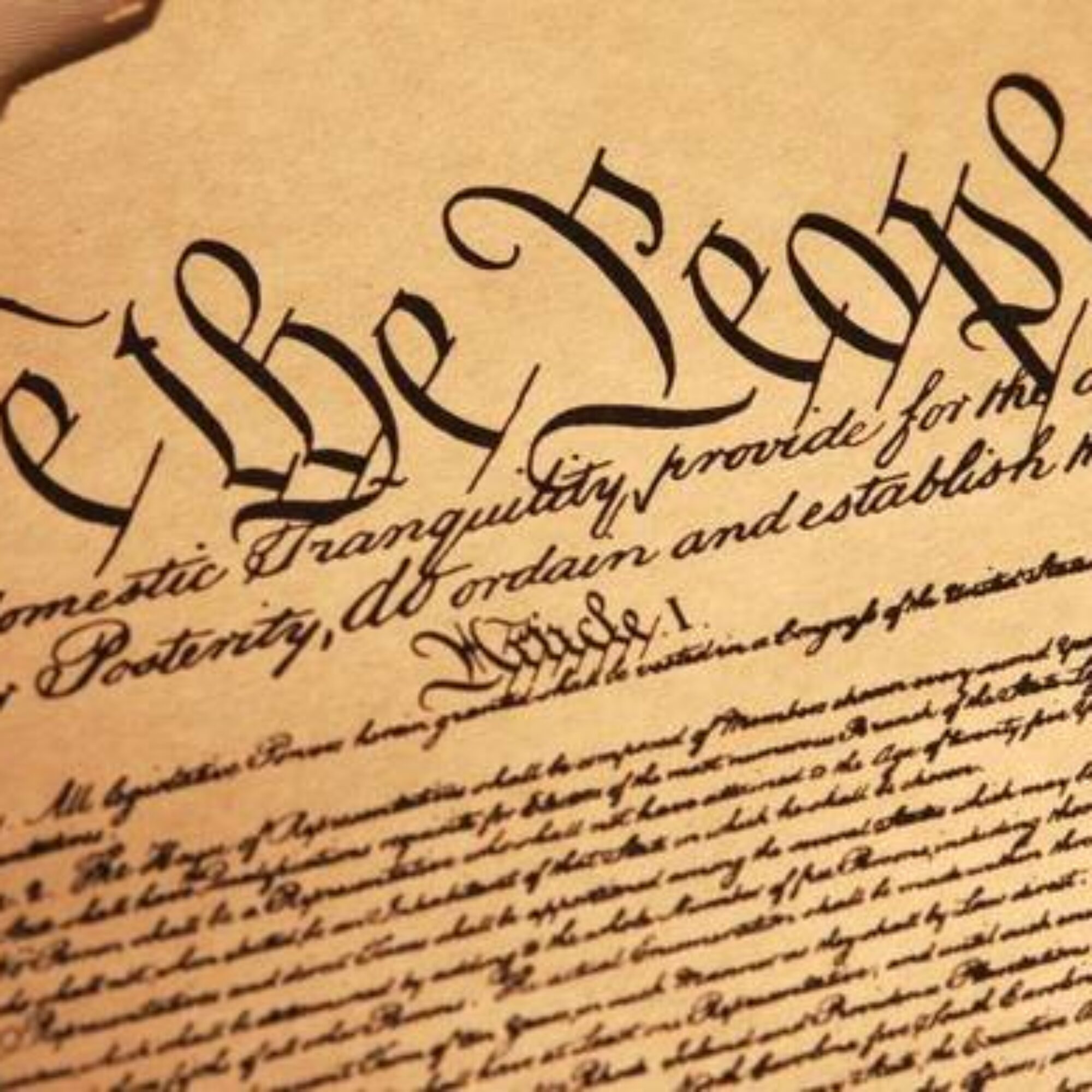
It's natural to think of our environmental problems as issues of science, technology, or markets. We learned of them from scientists. Technologists and business people said they could solve them, but they're social. The environment isn't changing on its own. We're changing it. Pollution destroys life, liberty, and property, mentioned throughout the US Constitution. We feel anxiety not from an effectively abstract "climate," but because people can unilaterally destroy our life, liberty, and property with impunity. Isn't there an entity that is supposed to protect life, liberty, and property? According to even ardent supporters of limited government, it's government. As Milton Friedman put it, “I'm not in favor of no government. You do need a government . . . There's no other institution in my…

0 Comments

“There’s no food here, just vegetables.”

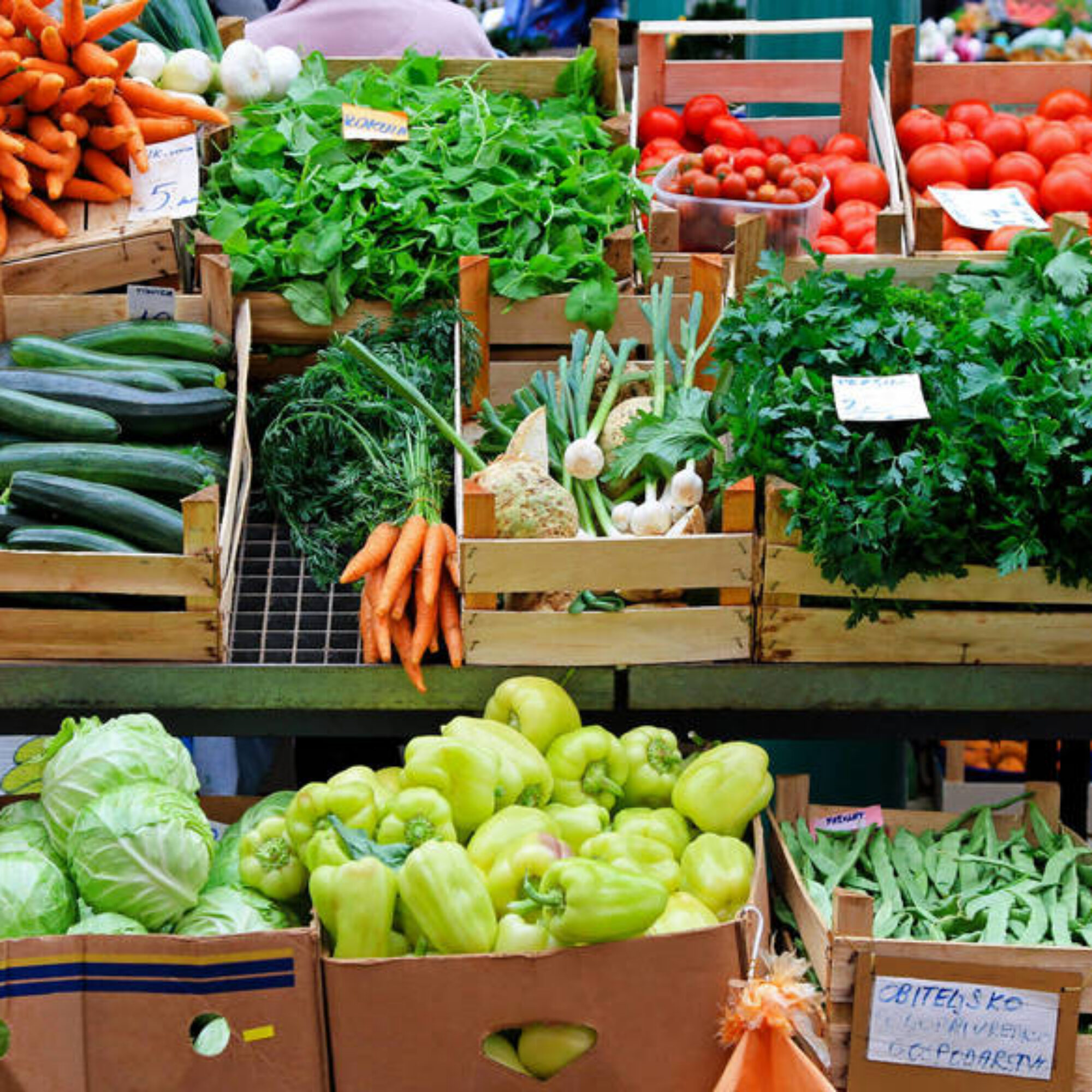
This post may look like it's about poor people and free food but it's about our culture. I've heard this quote several times at the community fridge where I volunteer: "There's no food here, just vegetables." I help deliver a lot of vegetables from the farmers market. People coming to get free food tend to prefer pre-made meals and doof. I recommend reflecting on what the statement means and implies. It's said when people are crowding the fridge and cupboard trying to find what they want, seeing that there's a lot on the shelves, but it's fresh vegetables, which they don't want. The community norm is to consider fresh vegetables not food. It's tempting, especially for liberals, to say someone who isn't homeless doesn't understand…

0 Comments

Scum of the Earth

My father died last year. I got this scam email from people trying to scam someone grieving a loss. I'm posting it so if people get a similar email and aren't sure, they know someone is trying to scam them. Is "scum of the earth" is to harsh a term for such behavior? I don't think so. Dear Joshua Spodek,I trust this message finds you well amidst the challenges you are facing. I offer my deepest sympathies to you and your family on the passing of your dear family member. Please be assured that my thoughts are with you as you navigate through this difficult time. I am reaching out to inform you about the administration of the inheritance left by [your father]. As the…

2 Comments

The end of plastics

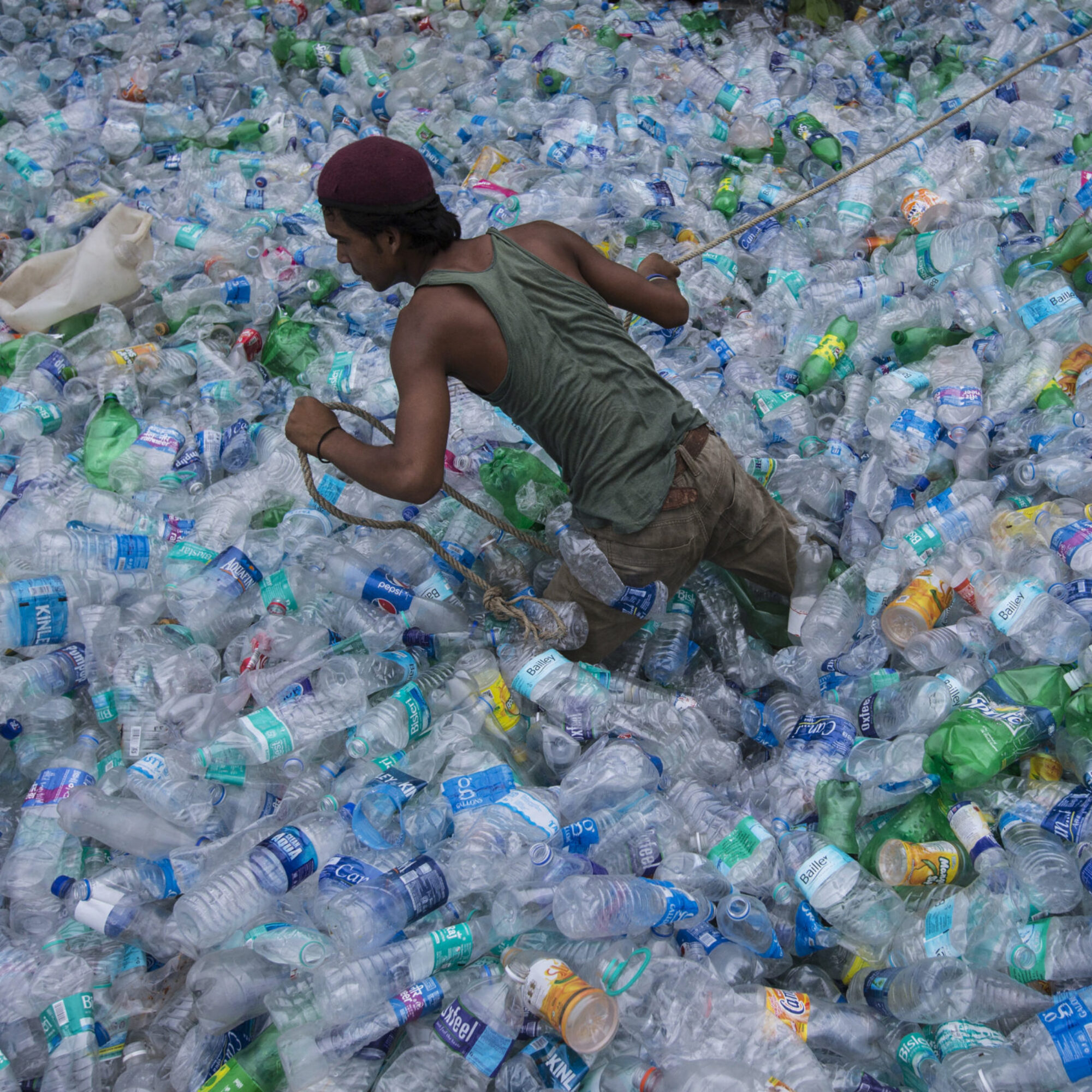
People seem concerned about microplastics. They're in all our bloodstreams. The endocrine disrupting chemicals they leech out probably contribute to globally rising birth defects and globally falling sperm counts. You've probably read about it all. Since plastic doesn't change to non-plastic when it breaks down, but it all breaks down, all plastic will become microplastic. I guess we might burn some and it becomes other pollution, but nearly all of it will become microplastic, which will last something like 500 to 1,000 years. I don't see how any of it being recycled or put in landfills would prevent it from eventually making it in to the oceans. Even stuff in landfills, as sea levels rise, oceans will flood the landfills. We'll have a hard enough…

0 Comments

This Week’s Selected Media, August 11, 2024: The Counterrevolution of Slavery, The 1619 Project

This week I finished: The Counterrevolution of Slavery: Politics and Ideology in Antebellum South Carolina, by podcast guest Manisha Sinha: A comprehensive and thoroughly researched review of how slaveholders thought from around 1820 to secession. The book prompted my recent post about how we study Lincoln and abolitionists because we want to be like them or at least have them as role models. We would help ourselves to learn about slaveowners because we are more like them than most of us would like to believe. No matter our skin color or ancestry, regarding sustainability and how we rationalize and justify our cruelty, they are our behavioral ancestors. Recall that polluting and depleting create orders of magnitude more suffering and death than slavery did and is…

0 Comments

Are more people always better?

People freak out when talking about population. Many seem unable to talk about deliberately choosing smaller populations from the litany of hating humanity, thinking humanity is like cancer or a virus, eugenics, Nazism, fascism, racism, or sexism. Did I forget any? Steven Pinker wrote that people who talk about population control “repudiate technology and economic growth, and to revert to a simpler and more natural way of life” and are part of a “quasi-religious ideology … laced with misanthropy, including an indifference to starvation, an indulgence in ghoulish fantasies of a depopulated planet, and Nazi-like comparisons of human beings to vermin, pathogens, and cancer," at least some of them. Yet people and cultures have chosen population sizes since before written history. That a region can…

0 Comments

Who are we in the Star Wars universe?

What role in the Star Wars universe best describes you, your nation, or your culture? I think most people would like to think of themselves as Luke, Leia, or someone in the rebellion against the empire. Or someone outside that conflict, maybe just living on their own. Let's see. Context: A culture living unsustainably means it will run out of at least one necessary resource. If it can trade for its depleting resources with another culture mutually voluntarily so neither runs out, I would call them both sustainable. An unsustainable culture running out of any necessary resource that can't trade for them mutually voluntarily can Return to sustainability and not run out Collapse Take the resource from another culture Humans lived sustainably for hundreds of…

0 Comments

We living sustainably today, helping others live more sustainably are like Americas founders in 1774 and more.

Did America's founders know they'd win in 1774, say, at the time of the Intolerable Acts? Did the other colonists? Did people think independence was possible? Nobody knew. Probably most would bet against their fighting the greatest empire in history. We who work on changing culture to sustainability are like America's founders in 1774. Obviously I'm not saying exactly. There are many differences, but in that we are taking on big challenges others don't try, yet they succeeded and we expect to also. Likewise these others: We are like Abraham Lincoln when he ran for president in 1859. Did anyone think he'd help pass an amendment ending (mostly) slavery? We are like Martin Luther King when meeting Rosa Parks before she said "no" to moving…

0 Comments

We study Lincoln to see who we could be, but should also study Calhoun to see who we are

I've been reading podcast guest Manisha Sinha's book The Counterrevolution of Slavery, which recounts how slaveholders spoke and acted to justify and advance their institution of slavery. I know to expect it from having seen it before in podcast guest James Oakes's The Ruling Race and Jenkins' Proslavery Thought in the Old South, but I'm still shocked at how relevant their thinking is today. They treat a different institution, but the thought processes leading to their conclusions comes from the same place: resolving internal conflict, knowing they are doing something against their values that is clear to anyone outside that system. We study Abraham Lincoln and abolitionists so we can learn what we could do and how we could think and act in difficult situations.…

0 Comments

The Sustainability Simplified Entrepreneurship Strategy

I see an ever clearer path to humanity achieving sustainability, including governments, corporations, and eight billion individuals. A big part of that vision emerging is seeing that the path isn't hoping for the best. It will result from people acting in their personal interests as much as they can, helping others. Here's a first pass at describing that path as I see it now. I call it our entrepreneurial strategy. The Foundation The Spodek Method creates a mindset shift from seeing acting more sustainably as requiring deprivation and sacrifice to being glad to do it, wishing you did it earlier, and expecting that the more you do, the more you'll want to do more and that sharing it with others will prompt similar feeling plus…

2 Comments

If your solution to our environmental problems is your solution to problems before them, you’re probably tribal, not thoughtful, and exacerbating them.

A lot of people on the left and right seem to want to solve our environmental problems with the solutions they promote for all problems. People on the left want to fight environmental problems with government regulation, to end systemic racism, and to smash the patriarchy. On the right they want to liberalize markets and decrease regulation. Does it seem odd to anyone else that their solutions to these new problems are exactly what they promote to solve problems before them? Does it suggest that maybe they don't understand our environmental problems and are just pushing their old agendas, using the new situation as a pretext? What are the odds that new problems never seen in human history just happen to be solved by solutions…

0 Comments

End of content

No more pages to load