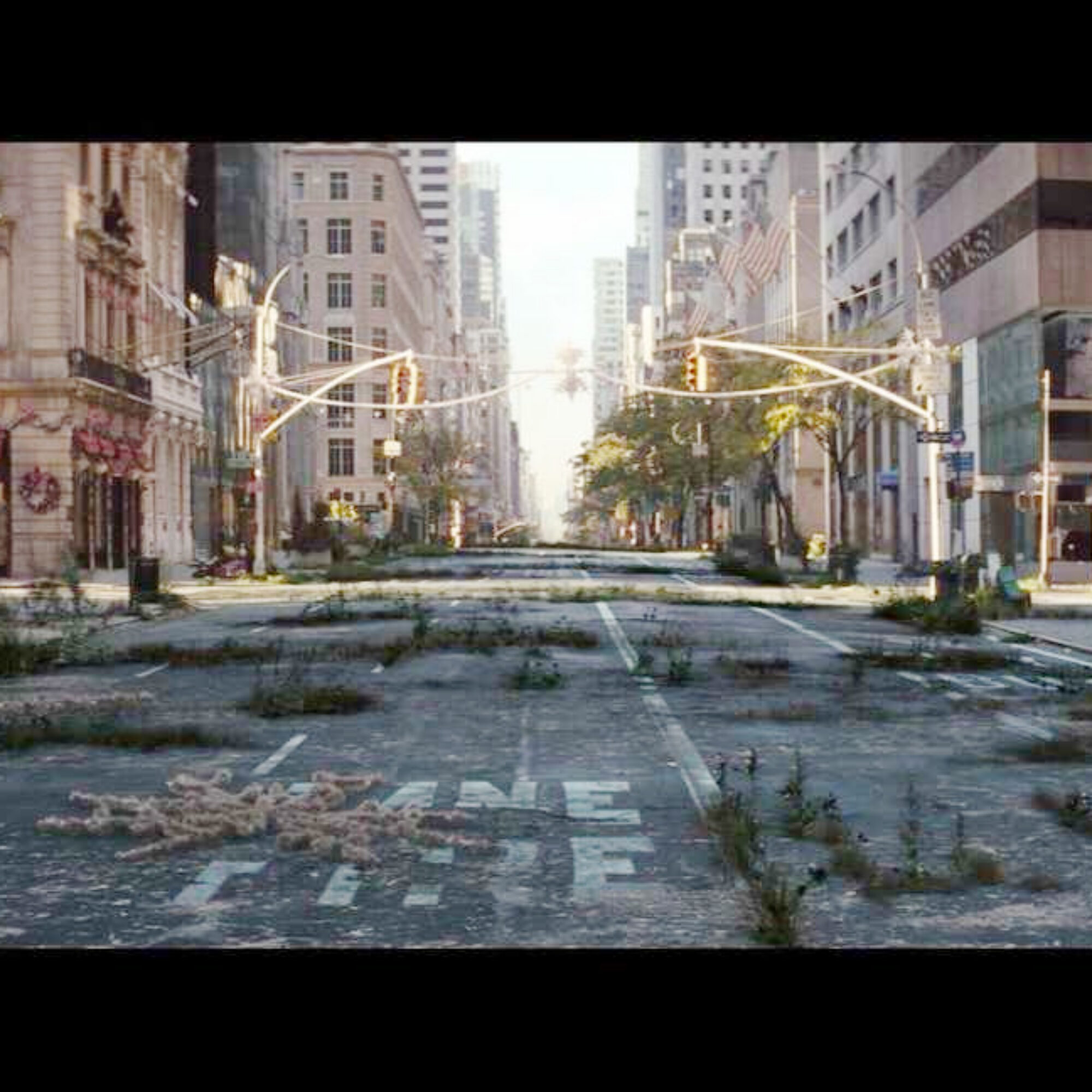
Predictions about Artificial Intelligence that everyone misses

People think about how they could use it and think optimistically, but neglect to think that the people they disagree with and oppose will too. Like fire and sharp knives, technology isn't good or bad. Technology augments the values of the people and culture using it. Technology accelerates the system---that is, it leads to achieving similar outcomes faster. Regarding our political differences, it won't lead one or another position to win. It raises the stakes. It makes our positions more precarious. Technology also accelerates unintended results. Nobody wants more pollution. We want what pollution enables. We suppress, deny, rationalize, and justify the unwanted pollution. When we accelerate the system, we accelerate all its outcomes, not just the ones we want. We're continuing and accelerating the…
2 Comments

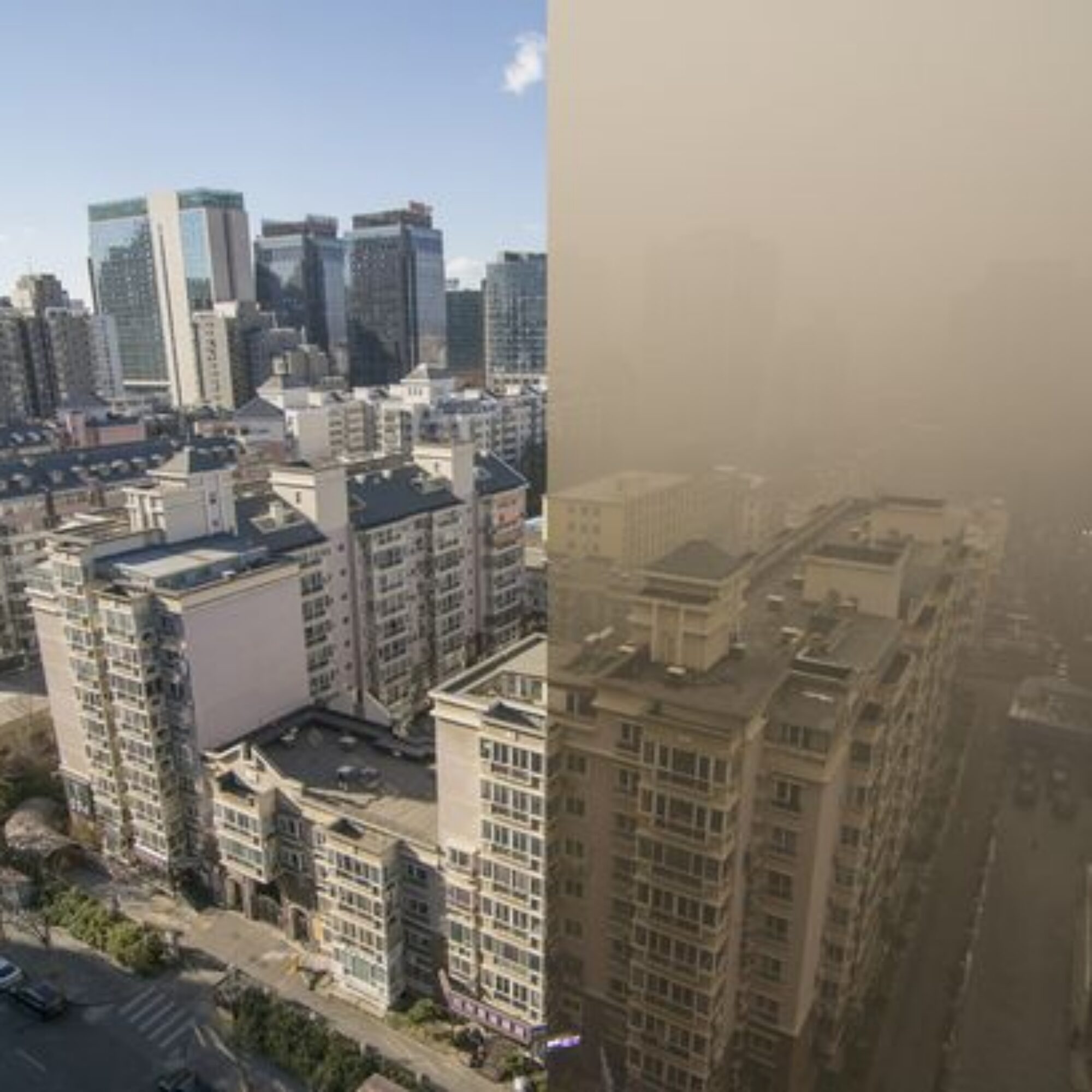
“Pollution makes me sick”

I don't think I've seen a sign with this phrase: "Pollution makes me sick," but I think it would work. The most popular one seems to be "There Is No Planet B." I just thought the words and realized they carried more meaning than just their immediate meaning. Then I started thinking of alternative phrasings. I think they all work to some degree: Pollution makes me sick Pollution is sickening Pollution is killing me Jet exhaust makes me sick Plastic makes me sick Plastic makes me sick Plastic is killing me Pollution makes us all sick Pollution makes us all sick Jet exhaust makes us all sick You get the idea. I think I'll express them more.

0 Comments

My functional new word: Enlightendigenous

In my book I talk about something that people respond with knee-jerk sayings that show they don't know what they're talking about because they hurt their own cause. Still, they can't stop themselves from being know-it-alls and saying it. I found a way to fix the problem with a new word. The problem response comes when I mention Enlightenment values of (according to Steven Pinker) “reason, science, humanism, and progress” and how they helped in the past and could help now. I found that there was another Enlightenment value of stewardship that we lost. The knee-jerk response is to call Enlightenment people "dead white men," as if their being white or male disqualified them from being worth listening to. My counter-response is to point out…

0 Comments

An anonymous reader: Your “immense privilege that seems to be lurking behind this wall of intellectual masturbation”

I've meant to post about this response from a reader to my post fro March 2022: Year 7, day 1 without flying, seeing our cultural and individual addictions. I'm not sure how to respond, but I know this site has a bug that doesn't always show comments and didn't want people to miss it. One big point I've realized since that post is that I have to clarify I don't oppose flying. I oppose people destroying or taking other people's life, liberty, and property without consent and governments abdicating their responsibilities to protect life, liberty, and property. Pollution destroys life, liberty, and property without consent. Nobody consents to being born with birth defects, getting cancer, or their homes losing value from being submerged or in…

2 Comments

782: Jane Muncke PhD MSc: Toxins in your food from plastic packaging. You’d rather know.

Toxic chemicals leach from food packaging into your food. Some of these chemicals disrupt your hormones. Some cause cancer. Some affect your children more. Some disperse into the environment and harm wildlife. For 300,000 years, humans lived without plastic. We created this system, maybe thinking only of the effects we wanted, imagining these toxic effects wouldn't happen. Maybe we didn't imagine they could happen. We don't have to create these materials or use them. We are creating more all the time. There's just so much oil, it's so cheap, and there's nothing stopping producers from creating and selling them. Nearly everyone agrees a role of government is to protect you from my taking or destroying your life, liberty, and property, yet businesses and government gain…

0 Comments
I spoke to a New York City public high school class on astrophysics and sustainability. Here’s the recording.
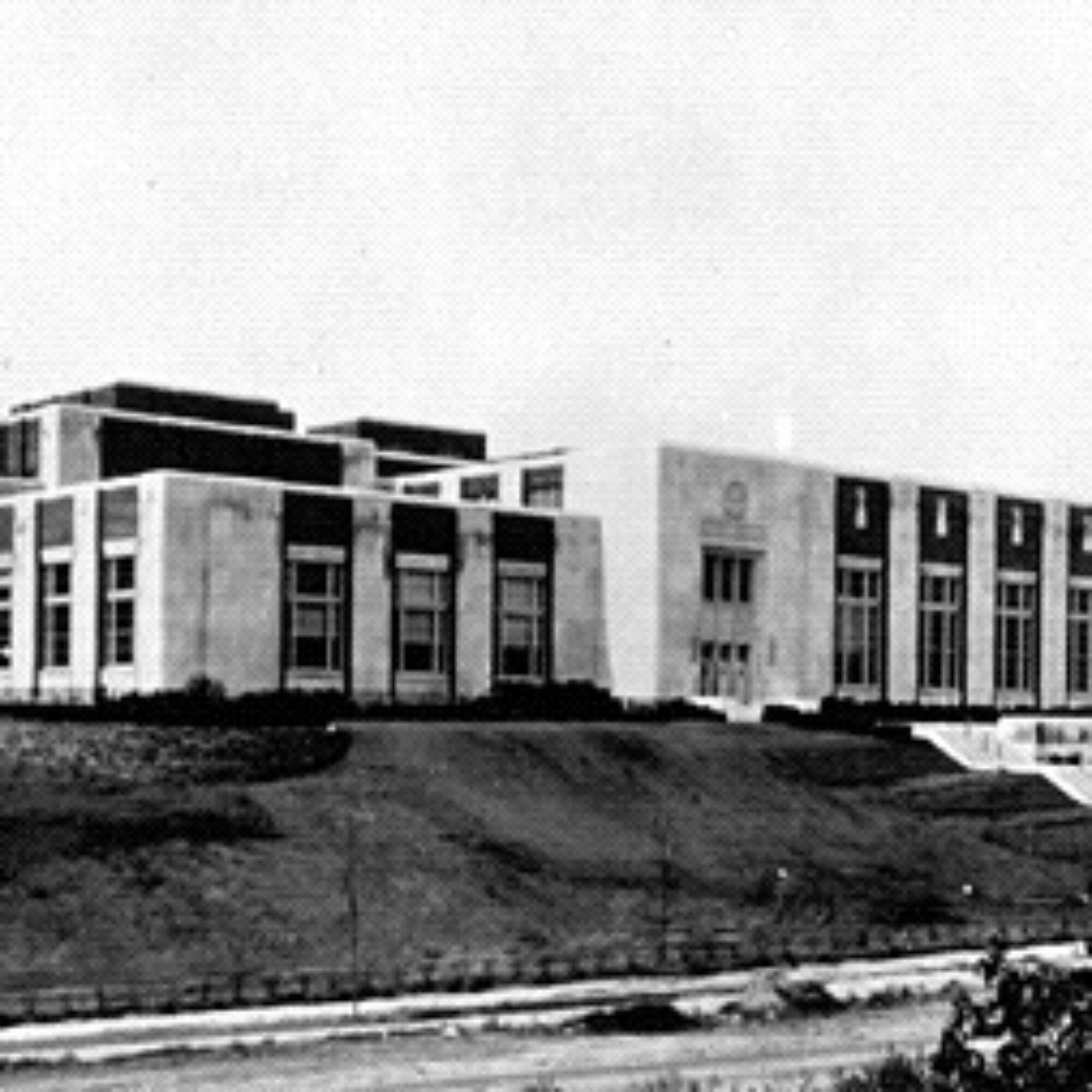
My high school---Central High School

I spoke to a New York City public high school class on astrophysics and sustainability. Here’s the recording.

I was invited to speak to a New York City public high school class on astrophysics. About fifteen minutes in, I mentioned how I answer a common question people ask of me: "Do you still use your physics degree?" I consider my sustainability leadership work an application of science so, yes, I still use the science I learn, but not in a white lab coat in a lab. I thought of making a podcast episode of it, but it's too unfocused. I still wanted to share it, because even though only I had the microphone, you can't hear the kids or teachers, you can still tell from their interest and my responses the interests of the kids. They were more interested in sustainability than astrophysics.…

0 Comments

This week’s selected media, September 15, 2024: The Alternative

This week I finished: The Alternative: How to Build a Just Economy, by Nick Romeo: I had heard about Mondragon, the cooperative in Spain, a while ago. I told a friend who recently moved to Barcelona about it. She found Nick Romeo's New Yorker article on it, which led me to look at his other articles, which led me to his book. The book compiles a lot of those articles. I sometimes describe a difference between physics and economics: when a theory in physics makes a prediction and nature does something different, physicists say the theory is wrong. when a theory in economics makes a prediction and nature does something different, economists say nature is wrong. I think Romeo would agree not with the literal…

0 Comments

I attended my first natural building workshop today and recommend it.

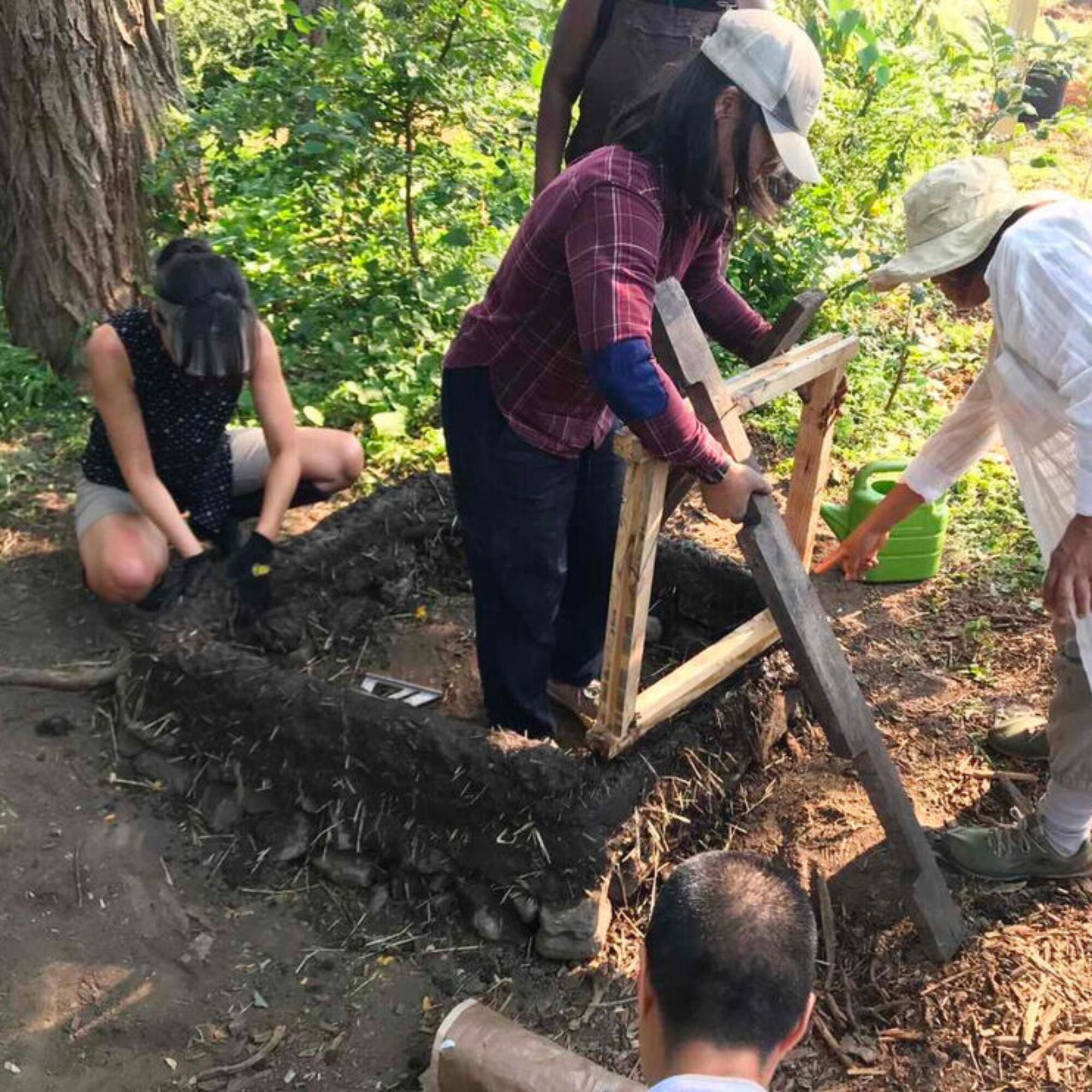
Last week I announced Emily Wang’s Own Workshop on Sustainable Building 9/14. Today I attended it and learned more than I expected to, which happens when you get your hands dirty from digging into clay. Here's Emily in the structure we helped build, a chicken coop at none other than Drew Gardens, where I hold my twice-annual cooking workshops in the Bronx. If you read Emily's blog, which I recommend, you'll see she refers to me sometimes, including her taking my sustainability leadership workshop learning the Spodek Method. She's in the video on this page describing her experience in the workshop. You might guess I connected them. You'd be right. It happened after Emily started taking natural building workshops and asked if anyone in the…

0 Comments

How do people have so much more time for social media than cooking?

When I say I spend less time cooking than I used to now that I eat mostly from fresh fruits and vegetables, and legumes and grains from bulk, people generally say they don't have time to cook. It's as if they didn't hear that I'm spending less time than I used to, therefore likely less time than they do. They just hear what they expected to. The average American spends five hours per day on social media. I spend about zero on social media and, if I'm in a hurry, less than an hour or two cooking per day. I have never heard anyone react to the greater time people spend on social media by saying they don't have time for social media. How can…

0 Comments

781: My New Major Life Volunteering Community Project, four years in the making

I started a new project volunteering in my community that is also a big life change I wouldn't believe I'm doing except that I am. In a sense I started the project over four years ago and it's only seeing the light of day now. Sorry I'm writing little about and the episode is long, but for now I wanted only those interested to learn in so you have to listen all the way through to hear the full scope and details. The episode I quoted in this one: 366: The Cops, Jocko Willink, and Joe Rogan Another episode I mentioned: 506: I lost $10 million on September 11, 2001. Here is what I learned from those who sacrificed and served.

0 Comments

What AI does for you it will do more and better for people richer than you

People are asking a lot: will artificial intelligence help or hurt us more. In nearly every answer I hear, the person starts thinking of ways they can use AI to help them achieve their goals. They sometimes temper the desirable results they come up with concerns that it may take away jobs. But the biggest problems in the world aren't lack of jobs. The biggest problems are caused by humans---things like tyranny, fascism, dominance hierarchies, doof, addiction, and things some humans inflict on others. The humans causing those problems aren't likely thinking, "How can I make people's lives worse?" They're more likely acting on values they consider good, right, and natural. Being at the top of a dominance hierarchy means they can control necessary resources…

0 Comments

Your spouse and kids can be your greatest excuses for giving up or your greatest support and motivation.

People tell me over and over, "You're a single man. You can make unilateral decisions so it's easier for you to live more sustainably. If you had a wife or kids, you'd see you couldn't do what you do." Yet people in marriages, with kids, or both who succeed at their dreams often tell me their spouses were their greatest sources of support and their kids motivated them. Most recently, Chuck Marohn gushed about how his wife was what enabled him to risk doing what he felt was right, take his career in a new direction away from a known high income (but that would hurt people) to an unknown one. Bea Johnson shared how her husband, initially skeptical of her reducing waste, came to…

0 Comments

Images illustrating our culture today

I keep coming back to three images that illustrate our time. I'll add more if new ones arise. The first is someone sitting on a beautiful beach scrolling on their phone through images of other beautiful beaches, wishing they were there instead. (Only the beaches are covered in litter too). The second is someone riding a Citibike through traffic, one hand on the handlebar, then other holding a disposable cup of coffee. If you ask the person why they're drinking coffee while riding, why not drink it while not riding, they might say something like, "I don't have time. I'm not so privileged to sit around. I have to earn money." But people who stop getting disposable and switch to drinking it at a cafe,…

0 Comments

This Week’s Selected Media, September 8, 2024: An Iron Wind

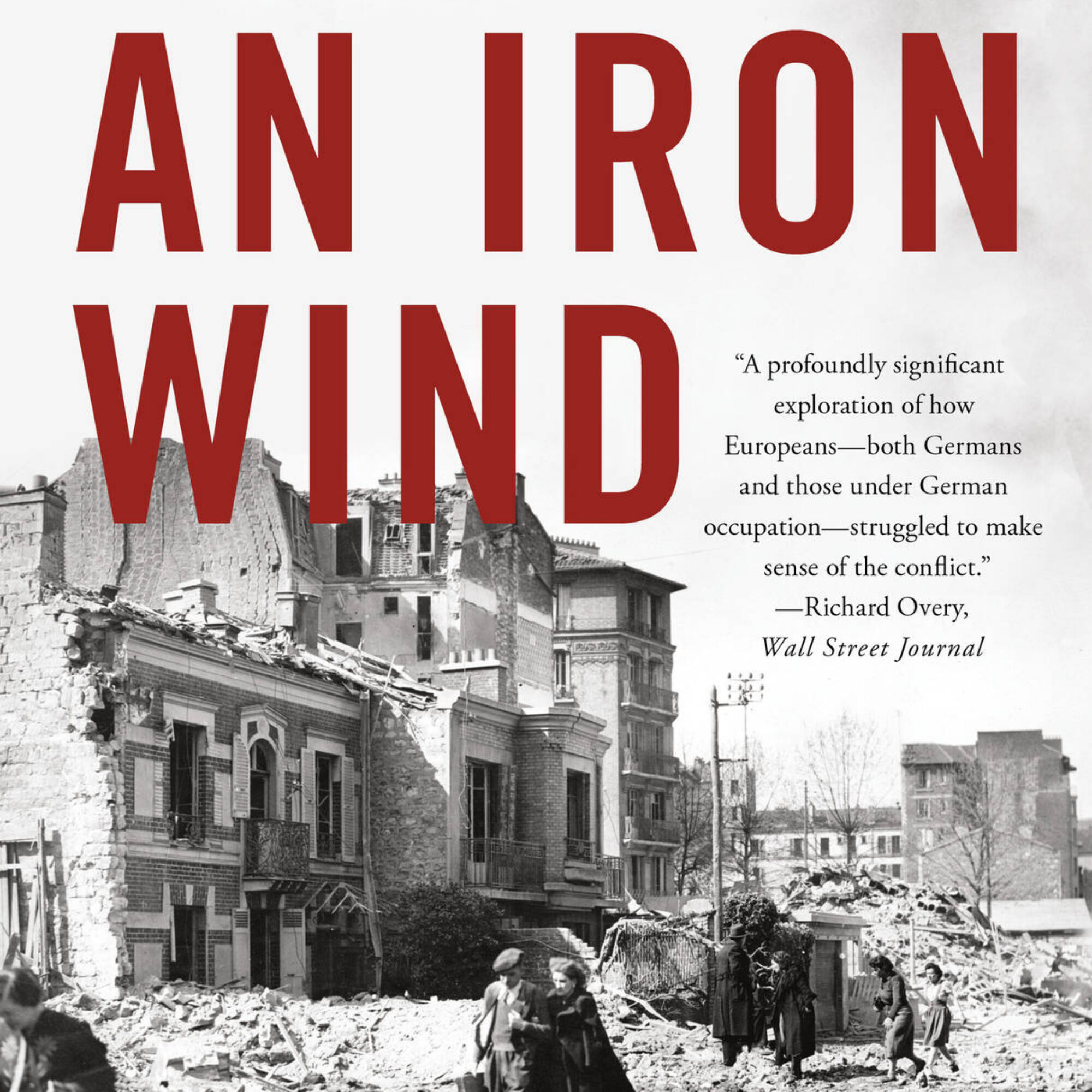
This week I finished: An Iron Wind: Europe Under Hitler, by Peter Fritzsche: This book recounted life during 1939-45, mostly in Paris, Warsaw, and Switzerland. I got it because I'm interested in learning how people and cultures rationalize and justify acting against their values. The book delivered, though people's internal psychology wasn't its main point. Still, it talked about how citizens of occupied countries knew what the Nazis were doing with Jews, but focused on their concerns. They separated themselves. On the other hand, it didn't treat to what extent the Nazis planned and successfully made resistance too risky and costly. What would anyone do when any resistance could mean death? You may be partly enraged that, say, Jean-Paul Sartre describes the French as resisting…

0 Comments

New Yorkers: Join Workshop Graduate Emily Wang’s Own Workshop on Sustainable Building 9/14 or 9/15!

UPDATE: Emily posted about the workshop. Check out A Smashing Week Building with Cob in NYC. Lots of pictures, descriptions of cob building, and matching my appreciation for Drew Gardens. I attended, though don't appear in the pictures since I rode my bike there and knew I would ride back, about 90 minutes each way. The post referred to me, but not by name. See if you catch the reference. As one example of a graduate of the Sustainability Leadership workshop's implementing what she learned, Emily Wang is leading two workshops in natural building, here in New York City, in particular, in the beautiful Drew Gardens. Register here If you're like me, you've heard about cob, adobe, and other natural building terms more and more.…

0 Comments

Are Plastic and Pollution Imperialism? If not, why not?

Regular readers know I haven't filled a load of garbage since 2019. The most common reactions are surprise, asking me what's in my garbage, and calling it "extreme." Being five years into a habit, it doesn't feel the least bit extreme any more. On the contrary, since what motivates me is alleviating suffering in the people in whom I would increase it for my lifestyle, not acting to pollute much less seems extreme to me. The name for the emotion behind that motivation is love. I once read a book that suggested loving one's neighbor as oneself. I think it more than suggested it. I think it commanded it, but I guess people decided to let it slide or considered it unimportant. Or maybe they…

0 Comments

Things I Don’t Know

I was thinking about some things I don't know. I'm confident humanity is better off with less plastic in the ocean, litter on the ground, and PFAS in our blood, but I don't know: When a human sperm and egg become an independent human life the law should protect The optimal number of and amount of access to guns for self-defense, to protect against government overreach, to defend a community, and to avoid unnecessary and accidental deaths The right level of taxes to balance motivating innovation and funding government services but not taking too much from people An ironclad way to define male, female, and variations thereof How much addicted people (adults) should be treated as diseased versus criminally liable when they hurt others for…

0 Comments

780: Jack Spencer, part 2: Policy and the Individual Choosing

Jack shares his love for nature and passion to care for it, how central it is to his life, how much of his time and focus he devotes to it. He shares his principles of individual choice over top-down regulation. He especially opposes government subsidy for squashing innovation, including industries he prefers, like nuclear. He's not anti-government. Listen to the episode for his views in more detail. He is as sincere as they come and has thought the issues through. I couldn't help wonder how many political conservatives and libertarians care deeply about the environment yet get called "not caring." If they care but approach it differently, if I said they didn't care, it would drop my credibility in their view. I valued this conversation…

0 Comments

Addiction in Greenwich Village, Late Summer 2024

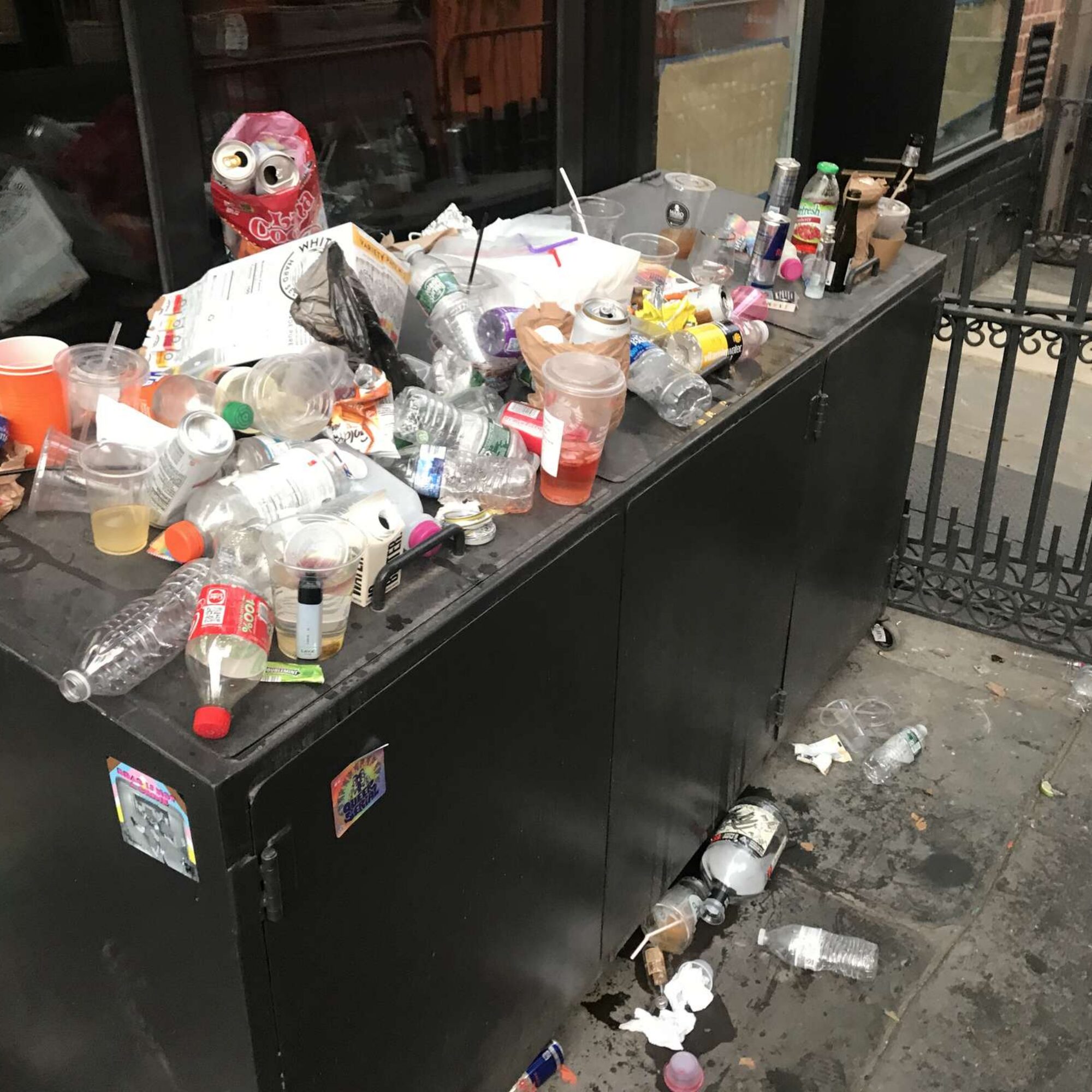
Following up my post Addiction in Greenwich Village, Early Summer 2024, here are new pictures starting late summer. These Pictures Are Of Our Culture, Including You and Me, Not the People in Them As always on posts about addiction: These images are of United States and global culture, not just the people in them. Their addictions may look bad, but mainly hurt themselves, secondarily the community immediately around them with their Litter Urine Feces Influencing and scaring children Lowering property values Funding more supply Promoting more addiction The following addictions hurt people and culture more: Doof Flying Fast fashion (or buying any clothes, jewelry, make up, etc you don't need) Large vehicles like SUVs Buying unnecessary indulgent things Takeout Buying food shipped from far away…

0 Comments

I recycled a bicycle at Recycle A Bicycle

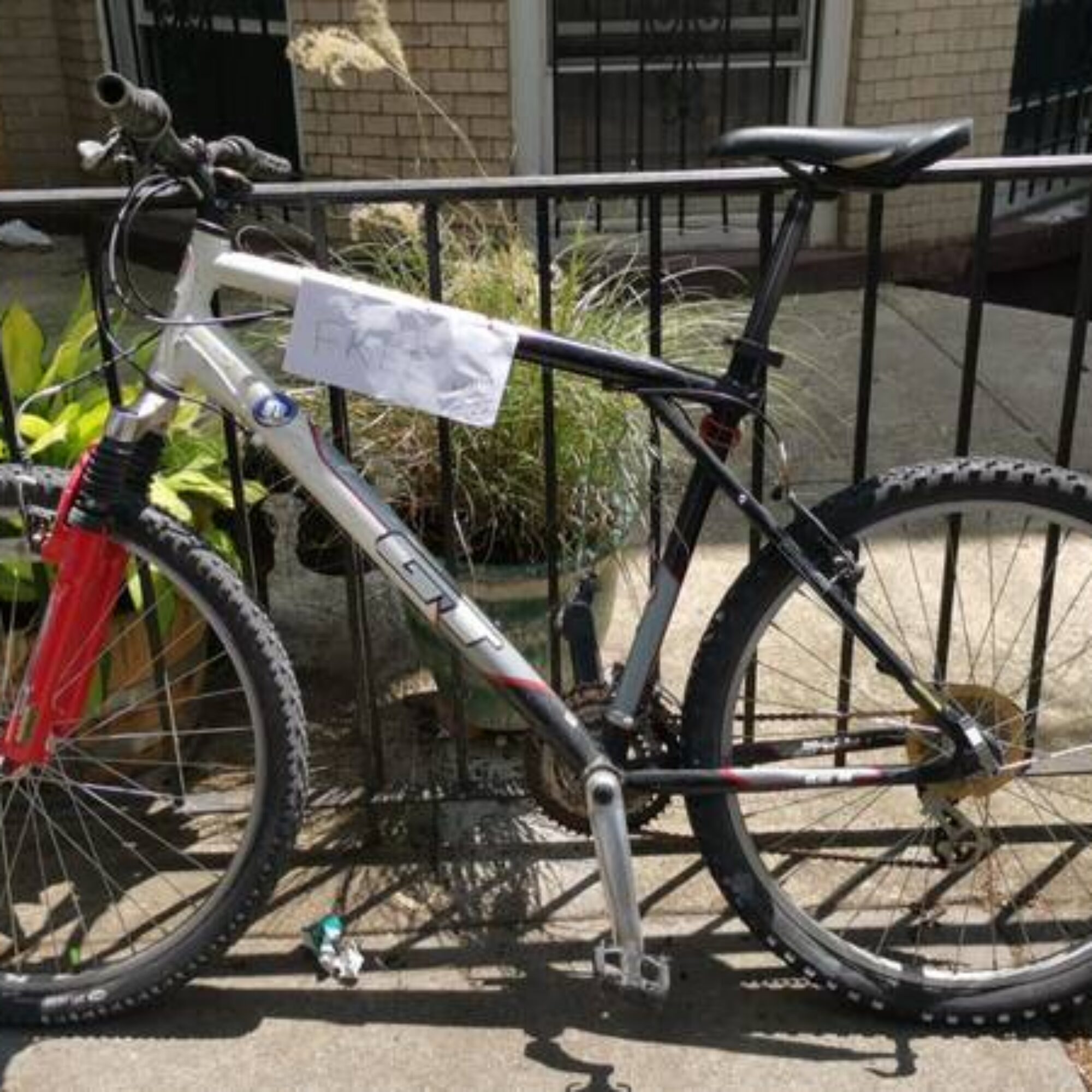
Living in Manhattan means people visit. Even with an apartment under five hundred square feet and only a thin, very firm futon, people sleep over. Nearby hotels cost a few hundred dollars a night. A friend who stayed with me in July, while walking around seeing the sights, texted me "Do you want a free bike?" The backstory: some neighbor was throwing away a bicycle with many broken parts so, I guess to feel better about themselves, put it on the street with a sign that said "Free." Or maybe hoping what ended up happening would happen. My friend brought it back to my place. I couldn't throw it away, but I didn't know what to do about it. Since I'm on the Bike New…

2 Comments

779: Nick Loris, part 2: Freedom to Explore, Freedom to Choose

Nick and I talk about freedom, liberty, personal action and, however paradoxical to most people, how important personal behavior is in changing systems. Then we talk about markets, regulation, and democracy and how they interact with community norms. Looking at the words markets, regulation, and democracy, they may look academic or abstract, but I think you'll find the conversation fun because it's personal. We don't talk theory. We're talking about how we live and work. A core of our conversation is where a society or state draws a line between things that benefit some people but hurt others. Some things may make messes but everyone agrees should be allowed, like exhaling or pooping. Others everyone agrees should be illegal, like putting poison in someone's food.…

0 Comments

This week’s selected media, September 1, 2024: White Fragility and House Gods

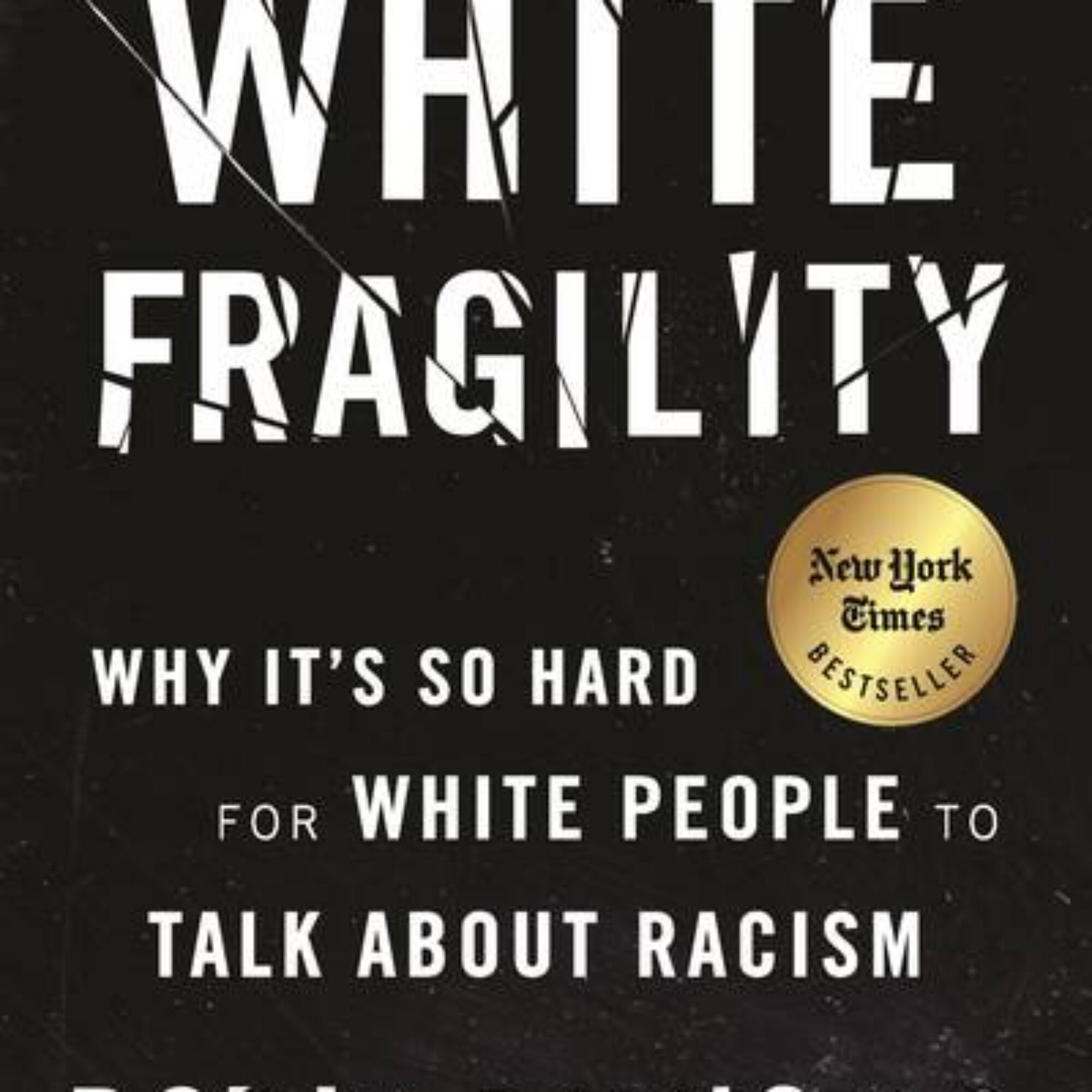
This week I finished: White Fragility: Why It's So Hard for White People to Talk About Racism, by Robin DiAngelo: After watching the video I mentioned of DiAngelo speaking, I had to finish the book, not just skim it. She doesn't understand what causes racism so she can't attribute it to its causes. Instead she grasps at what she can, no matter how inaccurate or how much she exacerbates the problems she purports to solve. White people can do no good in her view except to acknowledge they benefit from racism but can never understand it or overcome it. Black people can do know wrong in her view. Only they can truly understand racism, she implies. White people just can't. I think she just wants…

0 Comments

778: The Entrepreneurial Strategy to Restore Sustainability Globally Without Waiting for Governments and Corporations

This episode follows up the last one, on how you can learn sustainability leadership through our workshops, so you can practice sustainability joyfully. You can teach others to, and teach others to teach others. If the process only led to a few people changing, or even many, it wouldn't be worth pursuing. Unlike almost any sustainability work, it can lead to global cultural change and a joyful, rewarding path to it. It doesn't require sacrifice or deprivation. It may look like it from our current culture, the culture that's lowering Earth's ability to sustain life, increasing isolation, and decreasing health, safety, and security globally, despite our reaching such pinnacles of scientific and technological achievement. Hear in this episode how we can change the world by…

0 Comments

777: How the Spodek Method Workshop Does What Other Sustainability Work Misses

If you've listened to a lot of this podcast, you've heard me walk many guests through sharing their values on sustainability and acting on them. If you haven't, you should, in my opinion. Why do they enjoy what most people consider deprivation and sacrifice? You can learn to do it. A growing team of us teach workshops in sustainability leadership. One is coming up soon, September 10, 2024. This episode shares what it's about, experiences of people who have done it, and how you can sign up. You can become a leader in a movement to live joyfully sustainably, to change global culture at the last minute. Can you imagine helping restore sustainability? You can. Listen to this episode, then contact me to learn more…

0 Comments

776: Chuck Marohn, part 1: Strong Towns and Sustainability Leadership

I'd heard of Strong Towns for years, mainly through guest Jason Slaughter's Not Just Bikes video series, and finally joined the community by taking a couple of their courses. I can't recommend them enough. Chuck Marohn founded that community. He found and publicized several of their core discoveries. Some include: North American cities grow based on a Ponzi scheme, the combination of a street and a road fails at both and wrecks everything it touches, cores of cities usually make the most economic sense, and outlying areas usually sap money and vitality. I invited Chuck because of the overlap between city planning and sustainability. Over half of humans live in cities. Many can't avoid following the patterns of where to live, traffic, where to eat…

0 Comments

End of content

No more pages to load