Serving in Uniform Podcasts and Pictures

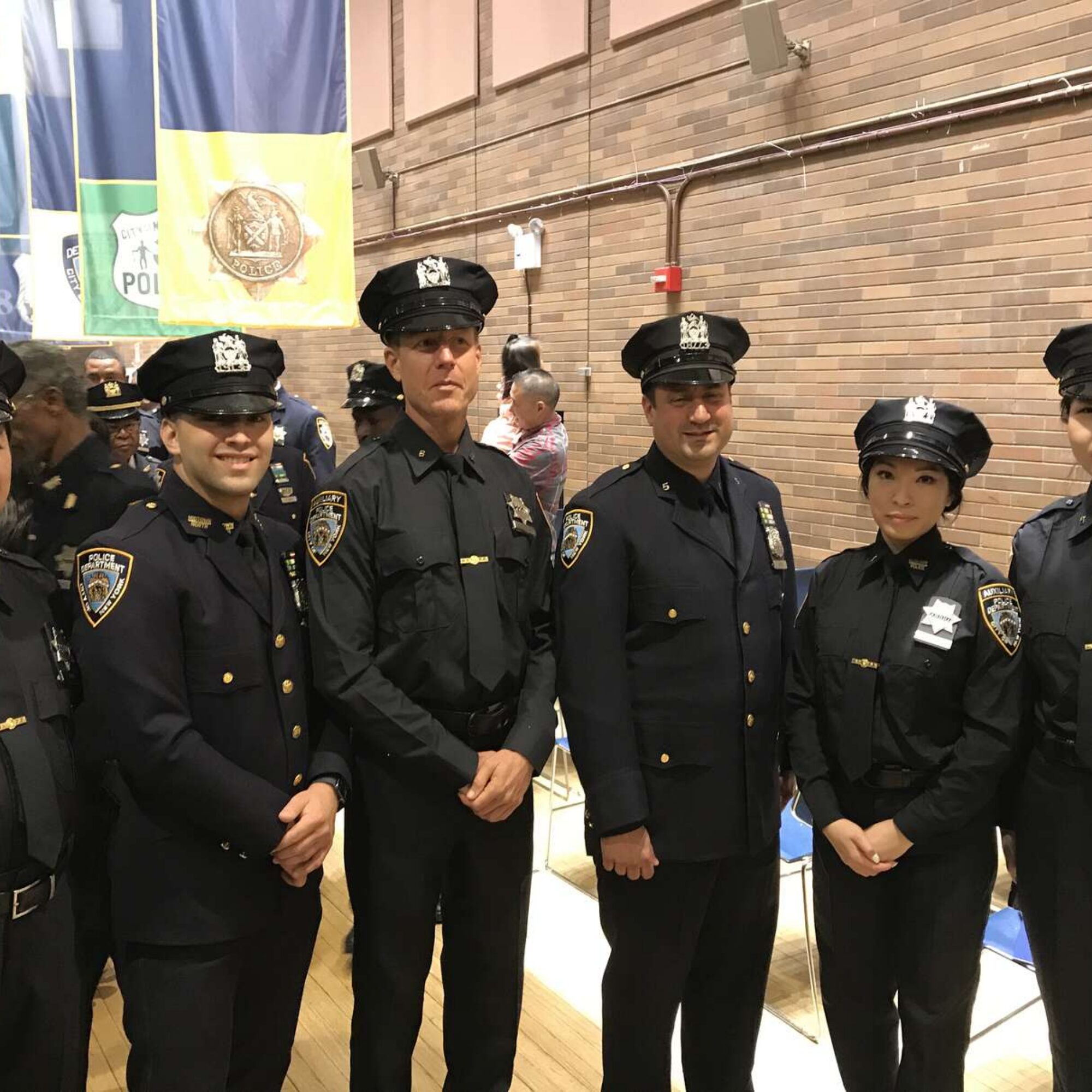
I was at first nervous about sharing about my new major life volunteering community project, hence made the podcast announcing it, number 781, longer than most solo episodes I put the important information at the end. Still, if covers comprehensively my process in starting volunteering as an auxiliary police officer. Partly I wanted to make it hard to learn, so only genuinely interested would listen. Instead, everyone reacted positively. I've overcome some of my hesitancy to share about it. Below the podcasts are pictures of my, some classmates, and one of our instructors after graduation. Participating the the September 11, 2024 memorial service in one of the precincts closes to ground zero led to some deep thoughts on responsibility, civic duty, and more, so another…

0 Comments

Environmentalism, Coercion, and Authoritarianism

Interviewers often ask "If you were a benevolent dictator, what would you do to solve our environmental problems?" They all frame sustainability as something you have to convince people to do or use coercive, authoritarian tools like passing laws that don't yet have popular support. I identified a big fork in the path of people promoting sustainability. It comes if you've found, as I have, that the more you live sustainably, the more you improve your life, family, community, nation, etc, versus if you believe acting more sustainably means burden and worsening your life, family, community, nation, etc. If you think living more sustainably makes people's lives worse, you have to become a better dictator. If you think living more sustainably improves people's lives, you…

0 Comments

This week’s selected media, October 13, 2024: Sustainability Simplified and Lifegasm

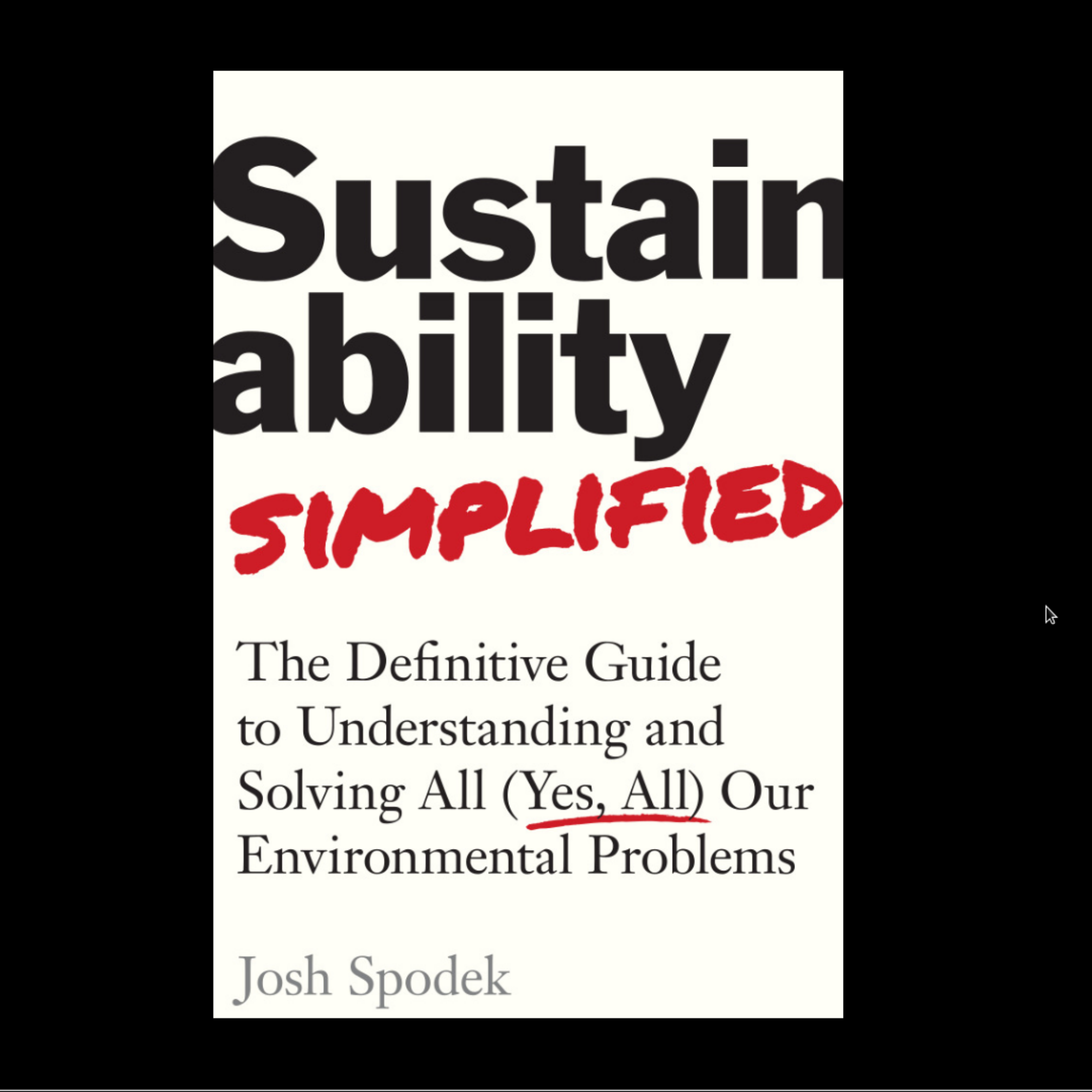
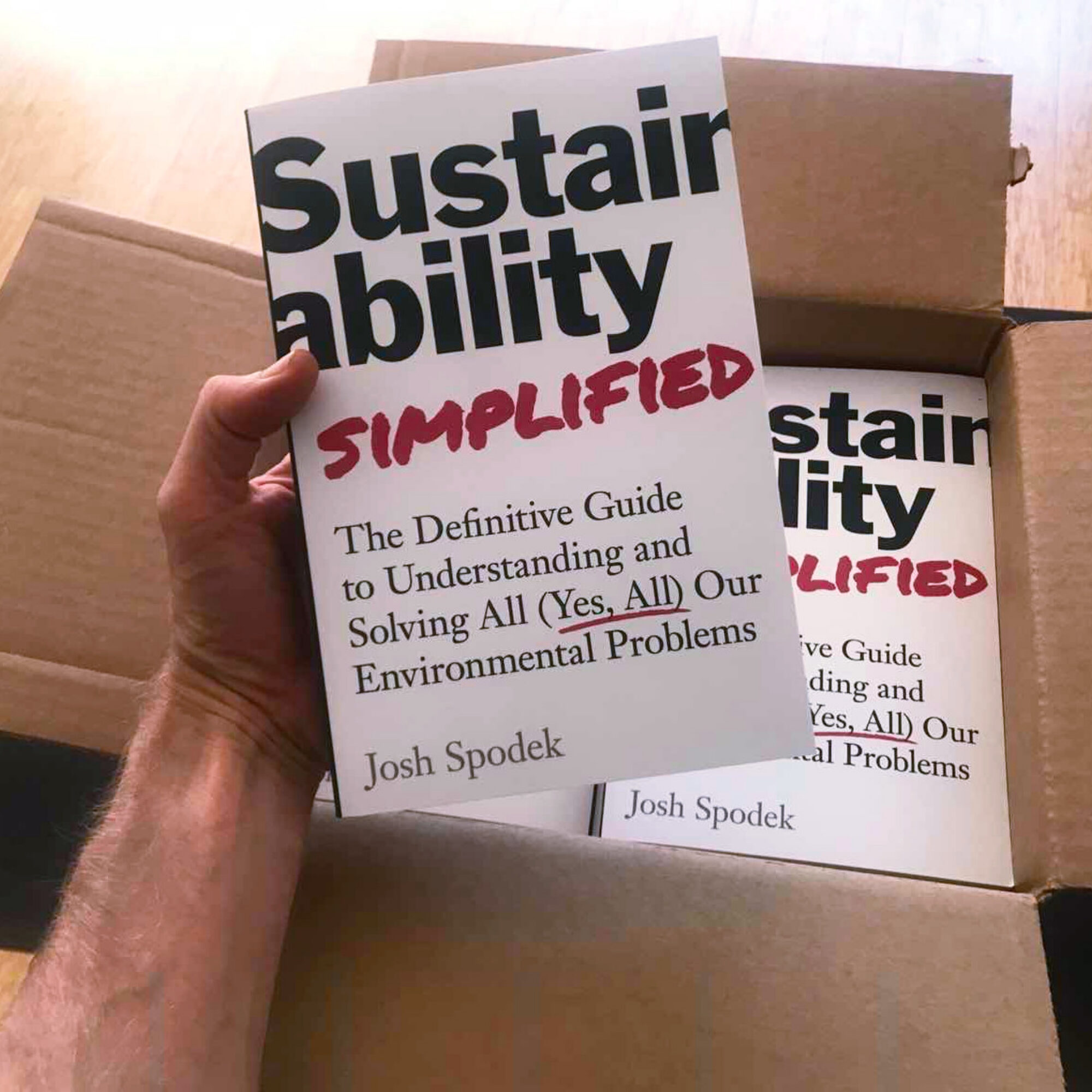
This week I finished: Sustainability Simplified: The Definitive Guide to Understanding and Solving All (Yes, All) Our Environmental Problems, by (me) Josh Spodek: The copies below are called "advanced reader copies" or ARCs in publishing. They're proofs that may still be edited, printed early for people in the industry, like journalists, bookstores, and podcasters. Still a milestone to hold a printed copy in my hand. Several rounds of proofreading has led to my reading every word several times in the past few weeks. I'm biased, but I find it excellent reading. As one endorser wrote, "This book is a masterpiece." The back cover: Lifegasm: Marshall's Promise, by Evelyn Wallace: Hosting the This Sustainable Life podcast has led me to meet and befriend many authors, including…

0 Comments

Ecomodernists and Fascism

In this post I'm going to show how many accusations of environmentalists being anti-human would tar the accusers more. I'll build up to the point by describing the accusers first. Let me start by saying I love reading Steven Pinker's books and wrote about him and them in my upcoming book, especially Better Angels of Our Nature (2011), which Bill Gates described as “the most inspiring book I've ever read,” and Enlightenment Now (2018), which Gates described as “not only the best book Pinker’s ever written. It’s my new favorite book of all time.” Quoting from my book, Sustainability Simplified, In these books, he claimed that while wars and violence still happen, we live in the most peaceful time in history and that today’s peace…

0 Comments

784: Serving in Uniform on September 11, 2024

If you haven't listened to episode 781: My New Major Life Volunteering Community Project, four years in the making, listen to it first for context. That episode describes my journey to start volunteering as an auxiliary police officer and the background to it. Depending on how well you know me or not, you may find the activity as surprising as I do, though I seem to be a minority in that regard. Everyone else congratulates me. I remark on how different this part of my identity seems compared to the younger me who protested America's involvement in Central America, disrupted graduation to protest Apartheid, and knew friends who chose to be arrested at such protests. This episode recounts one of my first activities as an…

0 Comments

“We’re Running Out of Time—Can Sustainability Save Us? with Joshua Spodek” Hear me on the Compassiviste Dialogues

Ali Horriyat and I have become friends since we started recording together. He hosts the Compassiviste Dialogues podcast. Friendship doesn't mean always agreeing. On the contrary, I consider one of the roles of friendship---true friendship---is to disagree when appropriate and to confront a friend when you think they're wrong, deserve criticism, or the like. People who aren't friends may hold back from confrontation. That holding back may be polite, but it may hold the person back from the opportunity to grow. We allude in the recorded conversation to our previous conversation where we---to put it politely---disagreed with each other and let each other have a piece of our mind. I think that friendly confrontation led to this conversation being more meaningful. Ali brought out of…

0 Comments

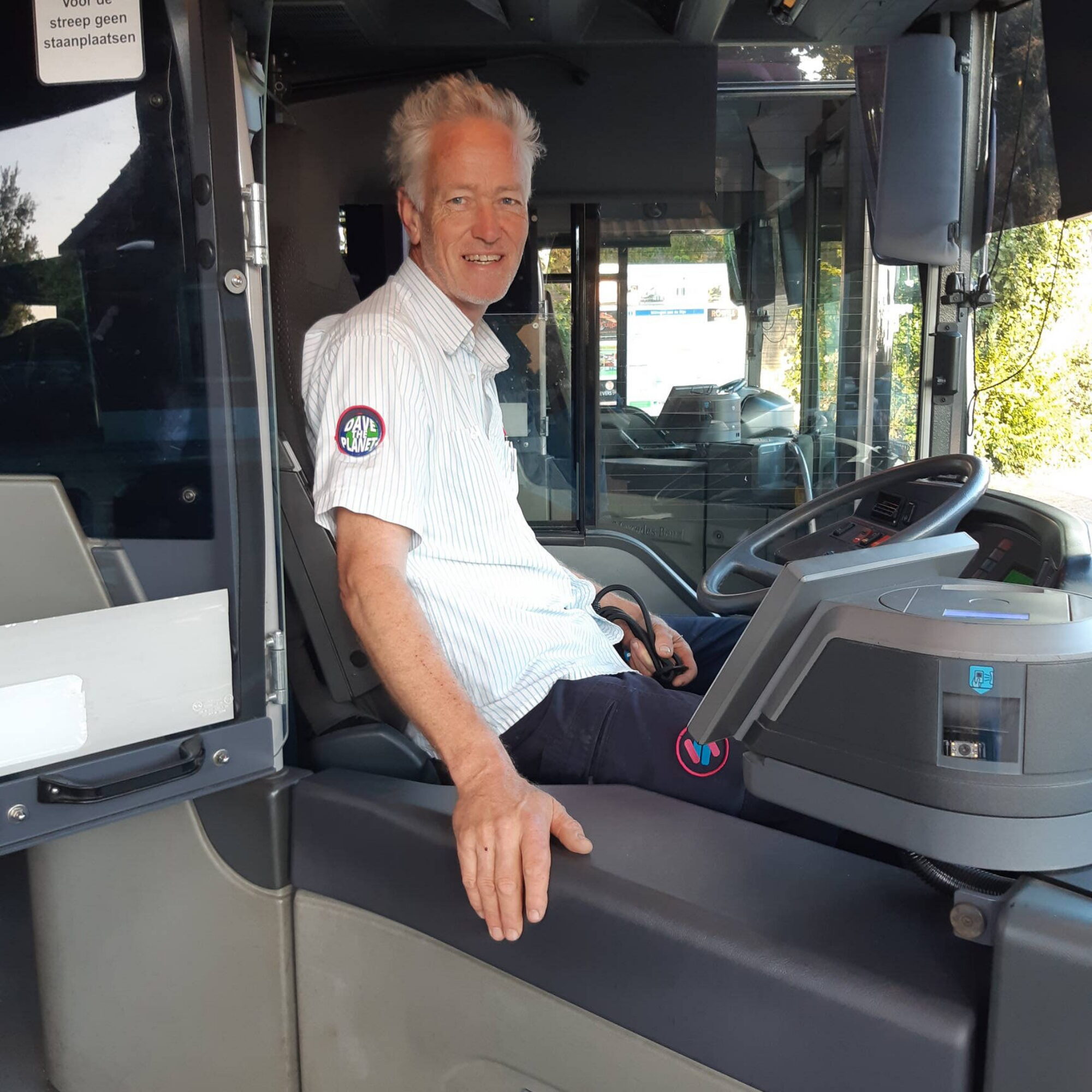
783: Jan Mulder, part 1: Listening to every episode of this podcast, starting from episode 000

Jan is a listener of this podcast who contacted me about how it changed his life. He is listening to each episode, starting from the beginning. I invited him to be a guest and he accepted. We've also crossed paths through working with podcast guest Dave Gardner, and his work in Growthbusters and running for President of the United States. Jan is Dutch, living in Germany, so can't vote in the US, but acts on sustainability locally. He told me he found my podcast made him feel empowered to act in a world where most people seem resigned not to act. I invited him to share more and to experience the Spodek Method. Beyond recording this episode, he joined the sustainability leadership workshop. To other…

0 Comments

Dietrich Bonhoeffer, Sustainability, Difficult Choices, and Right Choices

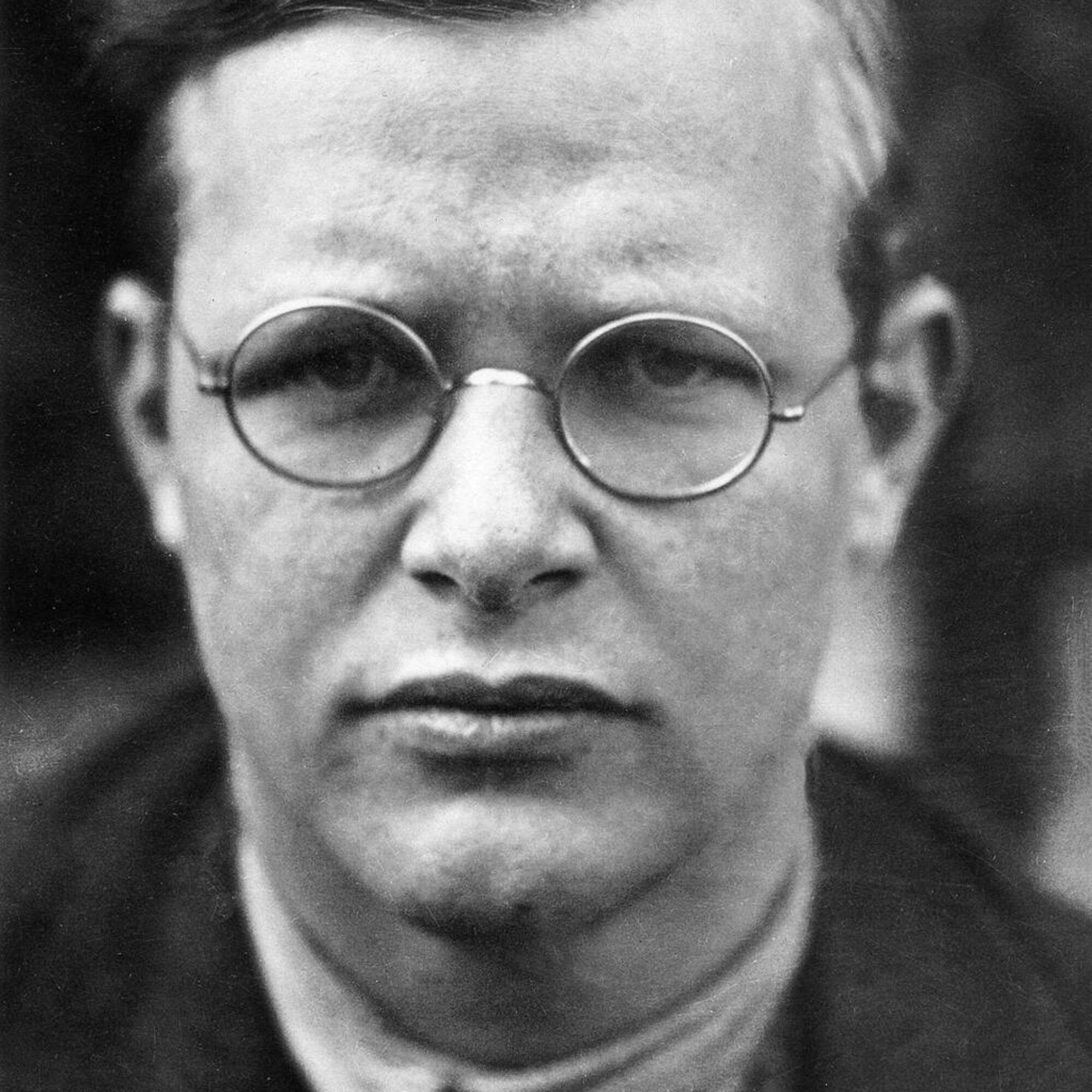
I've written about Dietrich Bonhoeffer and you can learn more about him from my podcast conversation with Martin Doblmeier, who directed a documentary about him, which I learned a lot from. I included Bonhoeffer in my upcoming book as a historic role model. He could have passed through WWII unscathed. Instead he chose to engage. In particular, he participated in an attempt to assassinate Hitler. On the face of it, of course. Hitler was destroying the world. But Bonhoeffer followed Christ, especially the Sermon on the Mount. How could he justify killing someone, no matter how bad or evil he considered that person? People often ask hypothetical questions today of what you might do if some quandary involved Hitler. These questions for us are just…

0 Comments

Climate Week 2024 Was Monticello 1776

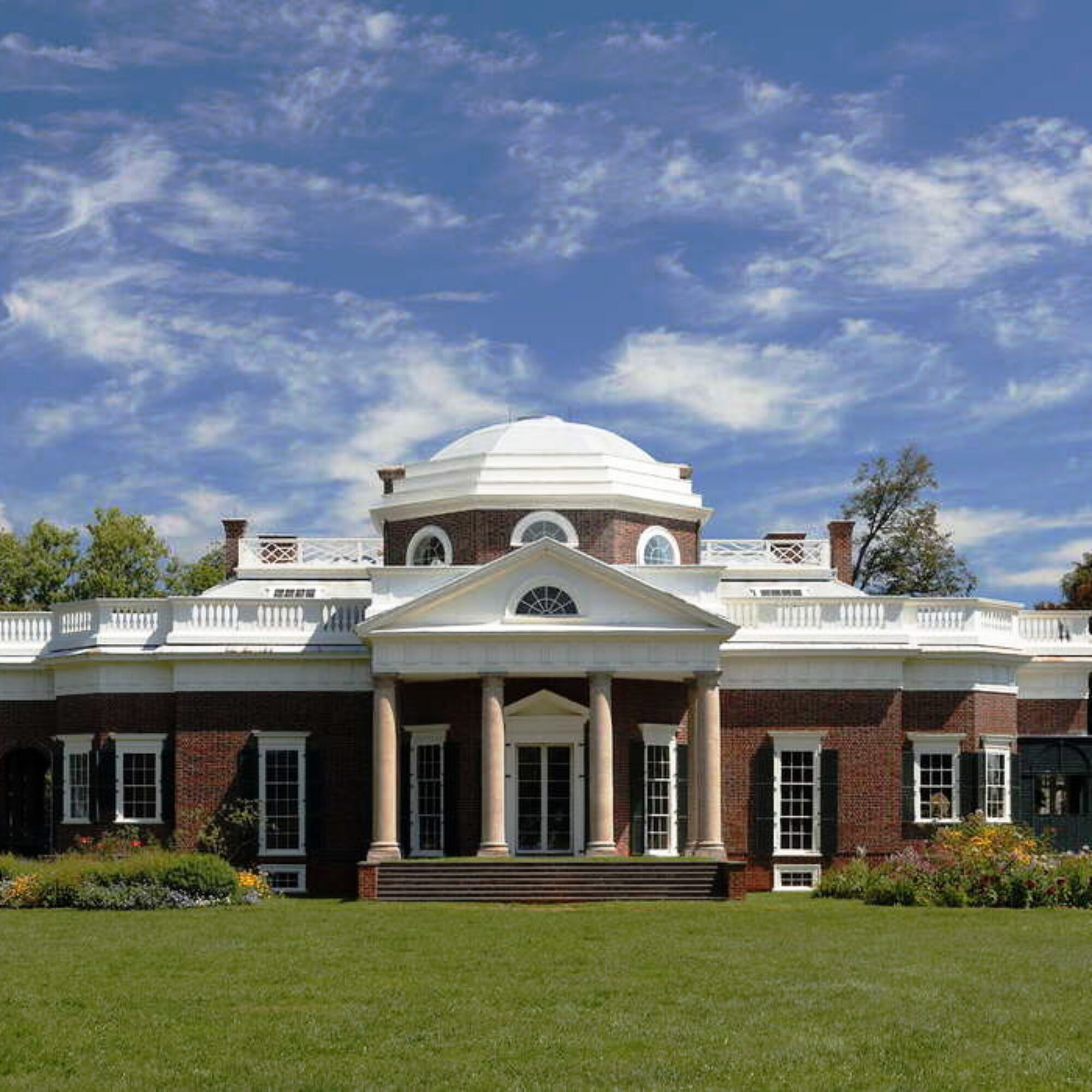
I recovered from a week of events known as Climate Week 2024. It felt like 1776 Monticello, Thomas Jefferson's plantation home. Before reading why, I should tell you that I shared the views below with several attendees of several events and they all agreed. Thomas Jefferson's Monticello Climate Week brought bold pronouncements from CEOs, government representatives of cities, states, and nations, and cultural leaders. They said we could solve our environmental problems if other people implemented changes they themselves weren't. Nearly all I spoke to flew to New York, then arrived at the events by Navigator. Jefferson wrote some of history's most powerful words on freedom. Washington backed up those words with force and Madison and peers with a Constitution. They said what others should…

0 Comments

This week’s selected media, October 6, 2024: A Short History of Reconstruction, On the Waterfront, The Plow That Broke the Plains

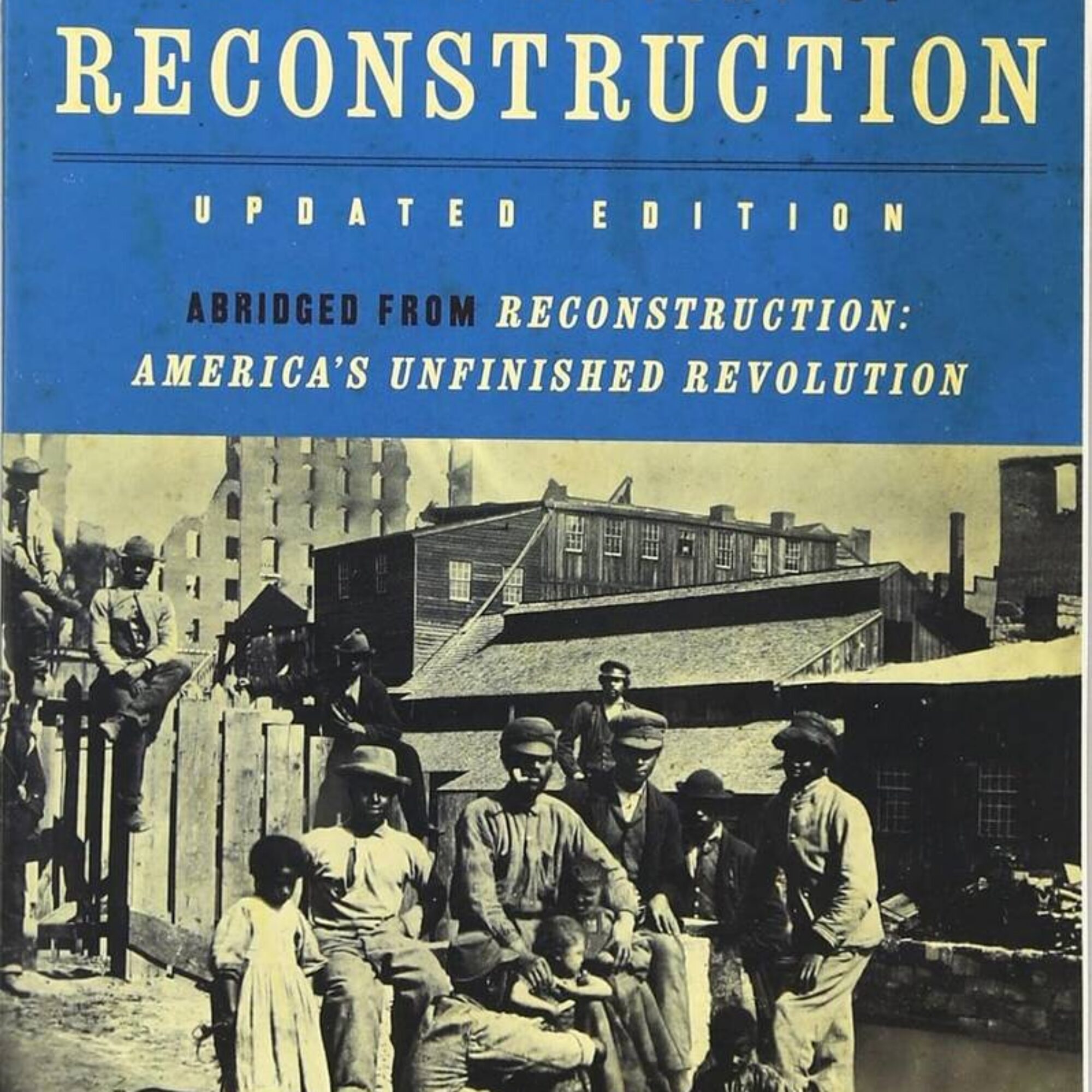
This week's first two works were masterpieces whose relevance to our world taught me about us and our times: A Short History of Reconstruction [Updated Edition], by Eric Foner: I remember classmates talking about Professor Foner's class as being one of the great classes when I was in college and he taught at Columbia. I watched and posted a bunch of his videos in Diving into Eric Foner Talks. I spoke to him in person at an event with podcast guest Jim Oakes at NYU's law school a couple years ago. This was my first book of his about Reconstruction, following up podcast guest Manisha Sinha's book on Reconstruction. She studied with Foner. This book is masterful. It's accessible. It starts by describing an old…

0 Comments

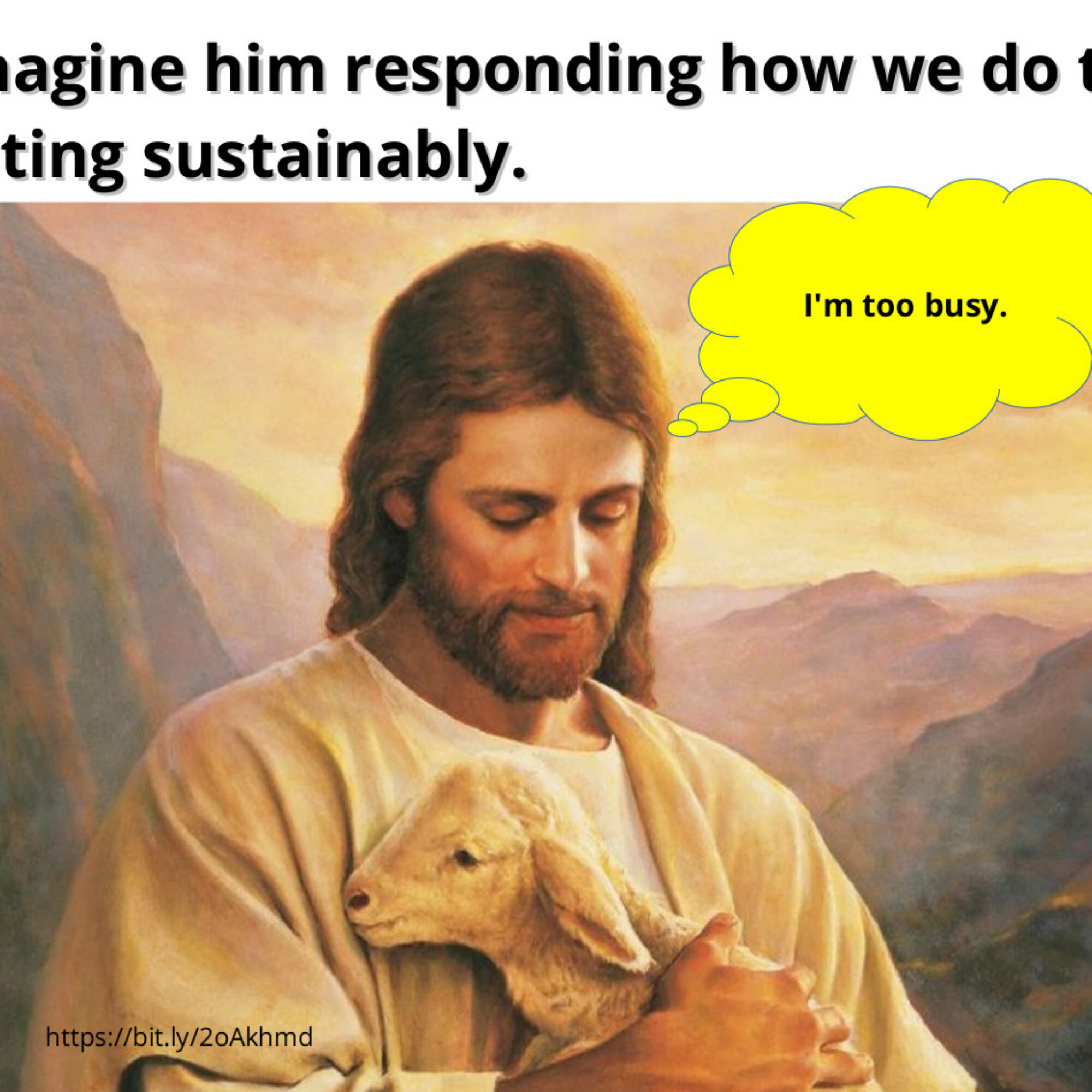
Mark 12:31: “The second command is equally important: ‘Love your neighbor as yourself.’ No other commandment is greater than these.”

Would you drive a car that sent its exhaust into where you sit? Would you fly in a plane that sent its exhaust into the cabin? Would you dispose of all your garbage by digging a hole in your yard and keeping it there forever? If you send the exhaust and garbage into the rest of the world, it doesn't go away. You've made your problem your neighbors' problem. If you were in a situation, like camping or hiking, where you only had enough water to last you the trip, would you squander and waste it? Polluting and depleting favor yourself over your neighbors. Since I define leadership as helping people do what they already wanted to but haven't figured out how, in my sustainability…

0 Comments

Why do liberals consider political views they disagree with “wrong” but different skin colors and sexual preferences “diverse”?

People are going to read their preconceptions into what I'm asking, so if my question of this post seems provocative or you think it implies I'm promoting or espousing views, you're misreading. There's a pattern I see often. One example was last weekend at an alumni event at Columbia University. Former US Attorney General Eric Holder spoke. He's a Democrat and liberal. As best I can tell, so were most members of the audience. Between his talk and the questions from the audience, everyone valued diversity. When they promoted diversity, they talked about people with different skin colors, women in positions of authority, people from different countries, and people with different sexual preferences. I inferred from them that people's different identities along these lines were…

0 Comments
What about ambulances, fire trucks, and hospitals? Don’t they help us and require polluting?
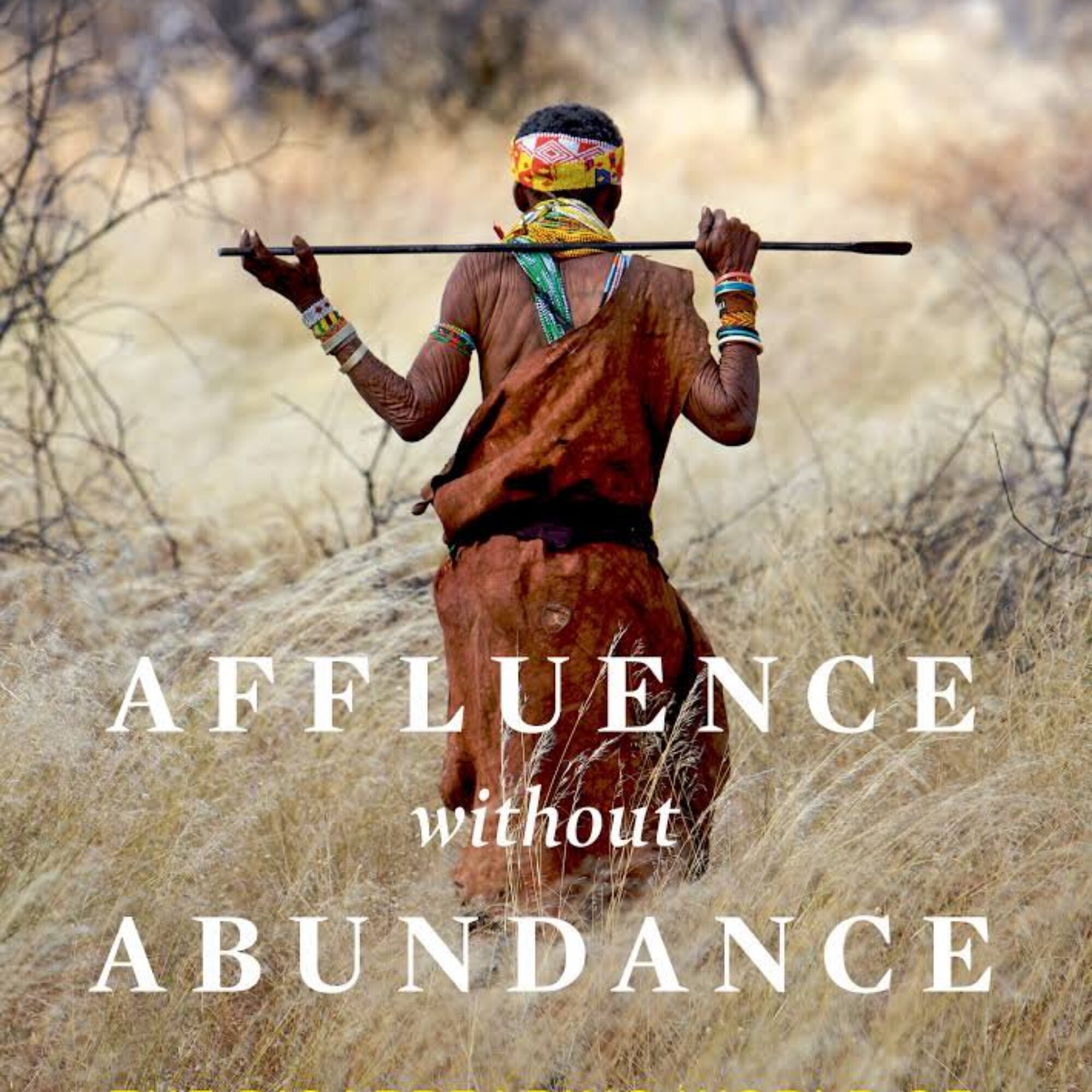
Affluence Without Abundance, by James Suzman

What about ambulances, fire trucks, and hospitals? Don’t they help us and require polluting?

Sustainability doesn't promise you'll live forever or that it will end all suffering. I don't want to shock you or hurt your feelings, but we will all die. People we love will die. We will conflict with neighbors forever. No matter what advances we make in medicine, at some point a doctor will be unable to prevent you from dying. Worse, for all the advances made in extending life, other advances will be made in doof, addiction, and weapons that sicken and decrease life. Indigenous people still exist not because they are ignorant of our culture but because they know about it. There is no appeal to mythology of the noble savage to say that they see that the sacrifice in freedom, equality, mutual support,…

0 Comments

Advanced discoveries in sustainability

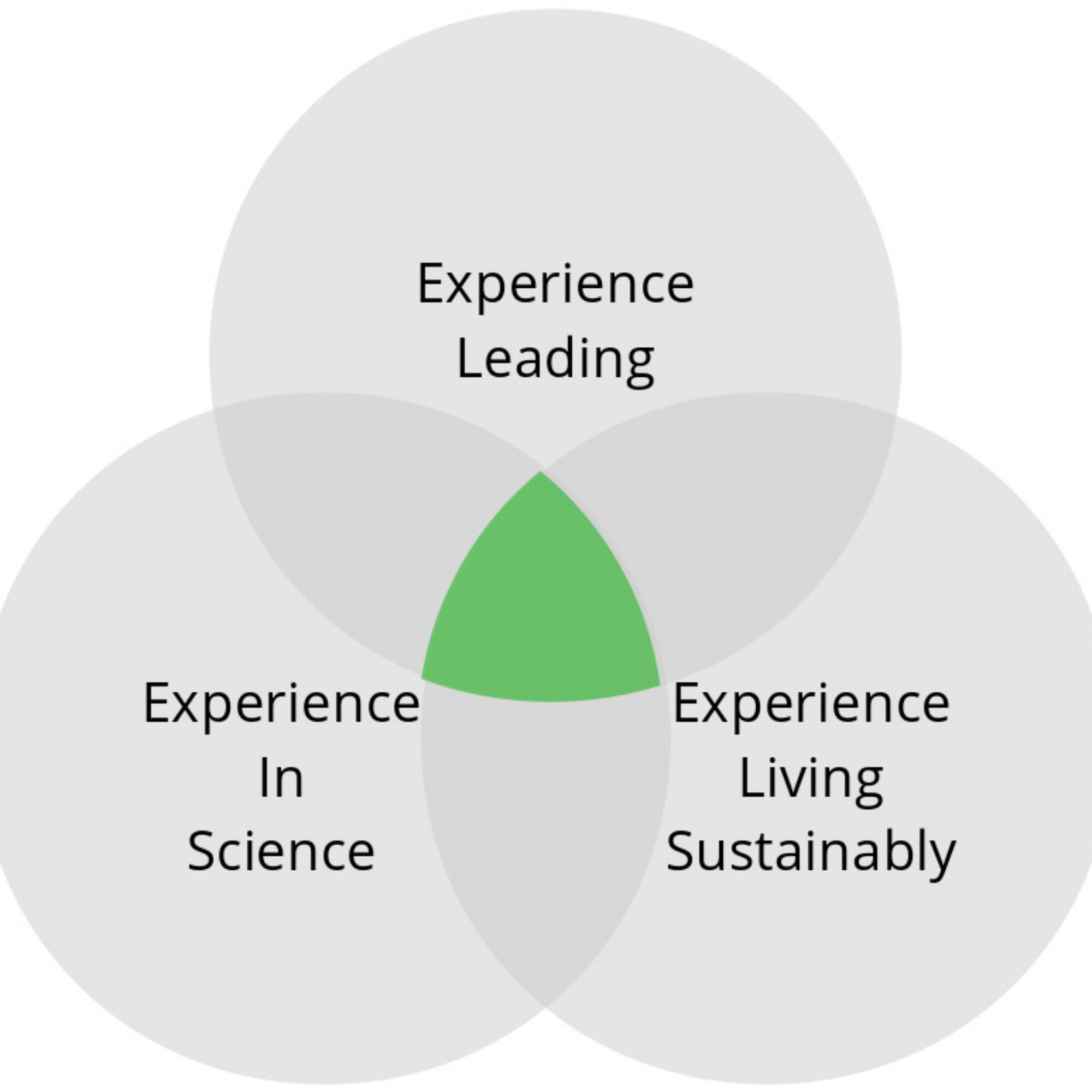
I recently hit on the following observations. I shared them with a few people with experience in the overlap of experience in leading, science, and living more sustainably. They understood the concepts after some explanation, but suggested they wouldn't be accessible to many people outside that zone. I'm not sure how many people they'll make sense to, but I consider them big discoveries. Some day I'll write essays on each. I hope they make sense and explain why our culture is having the effect on the world and our qualities of life that it is. I mean, I think these points explain a lot. Efficiency displaces Love Growth displaces Nature Pollution displaces Life Depletion displaces Hope Money displaces Trust Finance displaces Community Competing displaces Nurturing…

0 Comments

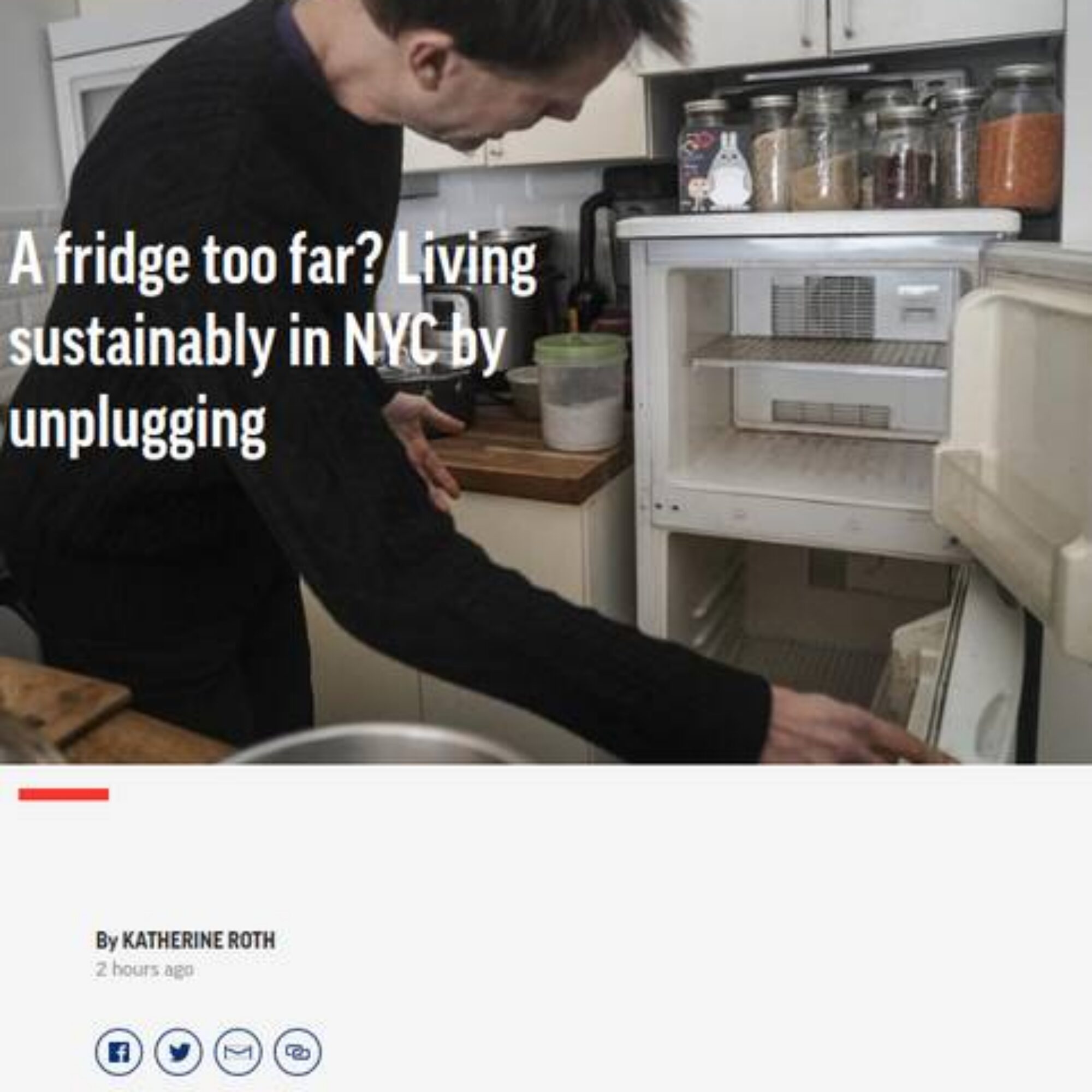
Fridgeless Means Fresher Food; Day 1 Year 4 without a fridge (like all humans before about 100 years ago)

On September 30, 2021, I unplugged my fridge, aiming for 8 months. I had unplugged it based on an article on one of my favorite sites, Low Tech Magazine: Vietnam's Low-tech Food System Takes Advantage of Decay. I learned much of the world uses less refrigeration than Americans. We think of fridges as keeping food fresh, but other places have Healthier diets More delicious food Fresher food Cheaper food Less doof Less doof addiction Less pollution More local supply chains The first time I unplugged, I made it 3.5 months. The next time, 6 months. I aimed for 8 months this time, but once I made a year I kept going. I doubt I'll go back to using a fridge. It's too expensive, polluting, and…

0 Comments

New resting heart rate: 46 bpm

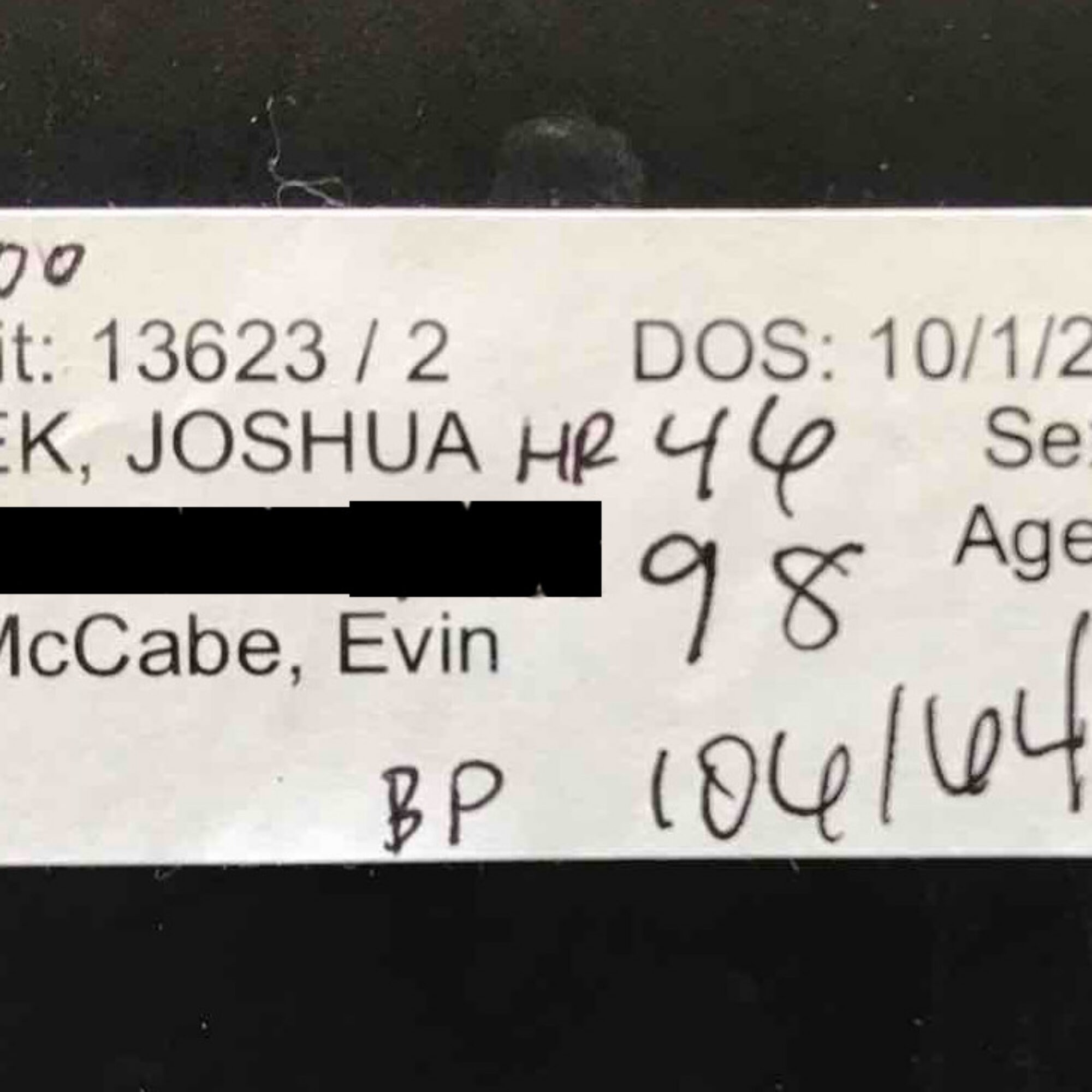
Before this morning's colonoscopy, they checked my resting heart rate. The nurse let me keep the tag they wrote it down on. There it is: "HR 46". Unlike earlier pulse measurements taken after treatment that included anesthetics and other medications that may have slowed my pulse, they took this one before anything else. I had just walked to the hospital. It was actually lower Actually, for a while the reading on the machine read 43 beats per minute. The anesthesiologist who connected me to that machine (before administering anything) noted it, but didn't record it so I won't report it, but I still saw it and a medical doctor acknowledged it. Why I care about heart rate I consider heart rate among the most important…

0 Comments
One Year Without Plugging Anything In, Even Not At Home
Ars Technica Josh Spodek Disconnected In Manhattan

One Year Without Plugging Anything In, Even Not At Home

Several responders my Ars Technica article from January 2023, I disconnected from the electric grid for 8 months—in Manhattan, commented things like "You mostly shifted a fair portion of your energy needs onto the surrounding city. Not all, but your electrical bill or lack thereof doesn't reflect your true energy usage. The city could not function at all if half the people did what you did." That is, they said I was using as much power but from other places. Somehow they missed the things I wasn't using any more, like a fridge and microwave, whose power and energy use eclipse what my phone and computer use, which is all I plugged in at NYU. Ars Technica Josh Spodek Disconnected In Manhattan At first I…

0 Comments

This week’s selected media, September 29, 2024: Teaching White Supremacy, Woke Inc

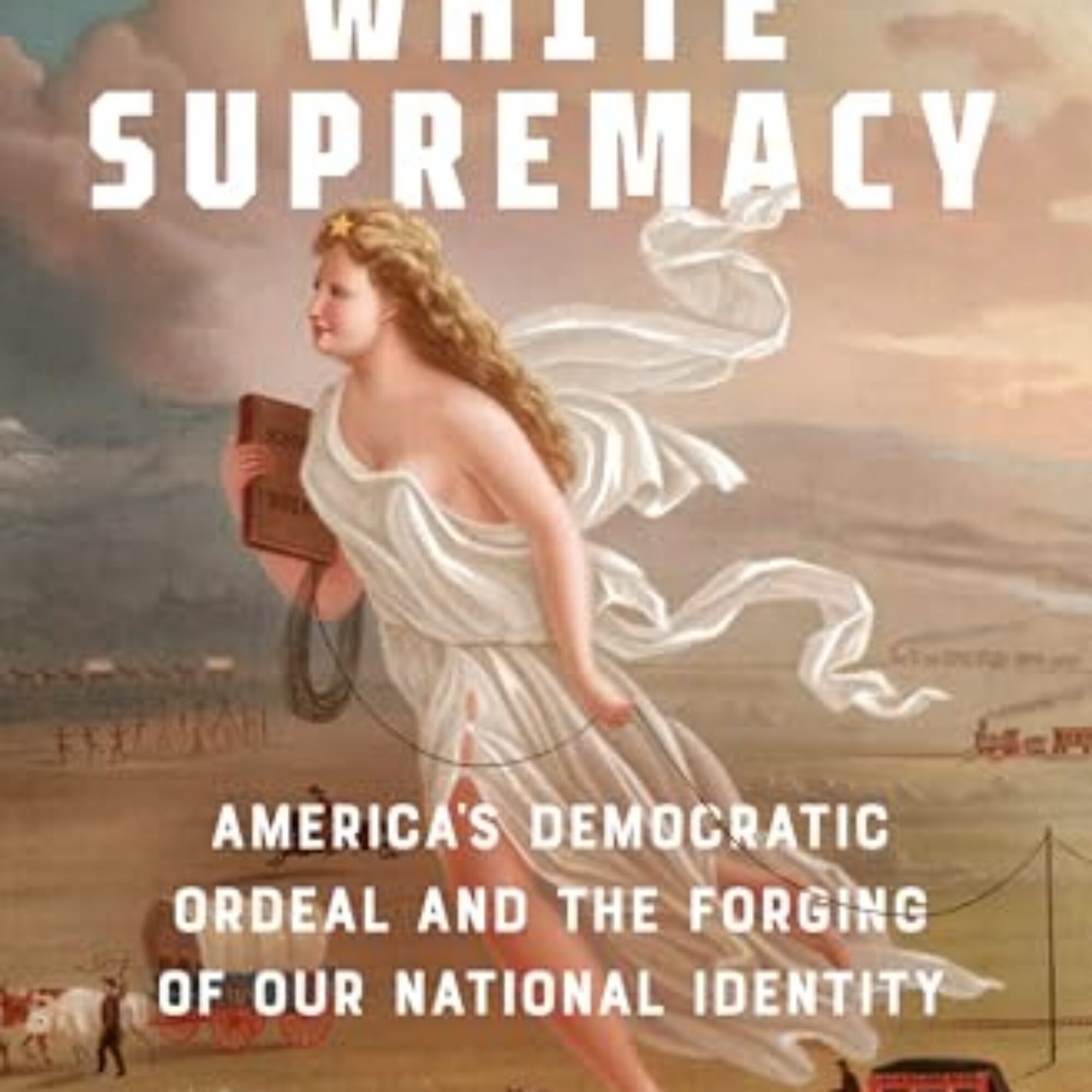
This week I finished: Teaching White Supremacy: America's Democratic Ordeal and the Forging of Our National Identity, by Donald Yacovone: I was curious about this book. I watched a few of the author's talks. He reviewed American history textbooks and found they promoted white supremacy. I'm glad I read it since I learned yet more about this country's inequality. He covered a lot of history, but like the 1619 Project and White Fragility, he doesn't understand the cause of dominance hierarchies so he keeps assigning to whiteness what skin color doesn't cause. Racism didn't cause slavery, slavery caused racism, and whiteness didn't cause slavery, material conditions did. I have to write a book on racism at some point to clarify this common misunderstanding. I have…

0 Comments

The odd, capricious gratitude and anger of Crack Row addicts to picking up litter

The reactions of people on and around the area they call Crack Row---the northwest corner of Washington Square Park---varies and changes. Earlier today, while doing my sidcha of picking up at least three pieces of litter from that corner, one guy thanked me and said he appreciated when people did nice things like that. Not long after, one woman from another group of about a half-dozen people got angry at me. They were blocking the path. I waited for them to move so I could pass. This woman called me by the term people nowadays call "the n-word." She looked black and I'm pretty white, so I thought her word choice odd and her anger misplaced. I responded not to call me the term. So…

0 Comments

Why changing culture to sustainable must come first, only then pursue efficiency, technology, and laws.

Germany and Japan seem wonderful cultures today. Not so much in 1944, when they were committing among the most grievous atrocities ever. Everyone else wanted to stop them. Nobody considered stopping them by making them more efficient, advancing their technologies, or promoting legislation within them passed by their people. No allied general or politician promoted changing them by offering new technologies or helping them innovate. Making them more efficient would have accelerated them, as would technology and home-grown legislation. First the culture had to change. Then---when pursuing something constructive like democracy, not destructive---then make them more efficient. Technology isn't good or bad. Like sharp knives and fire, technology augments the values of the people and culture using them. No, I'm not creating false equivalences. I'm…

0 Comments

I can’t wait for when I can go into a store and buy any food for sale without packaging or being shipped far or otherwise hurting people.

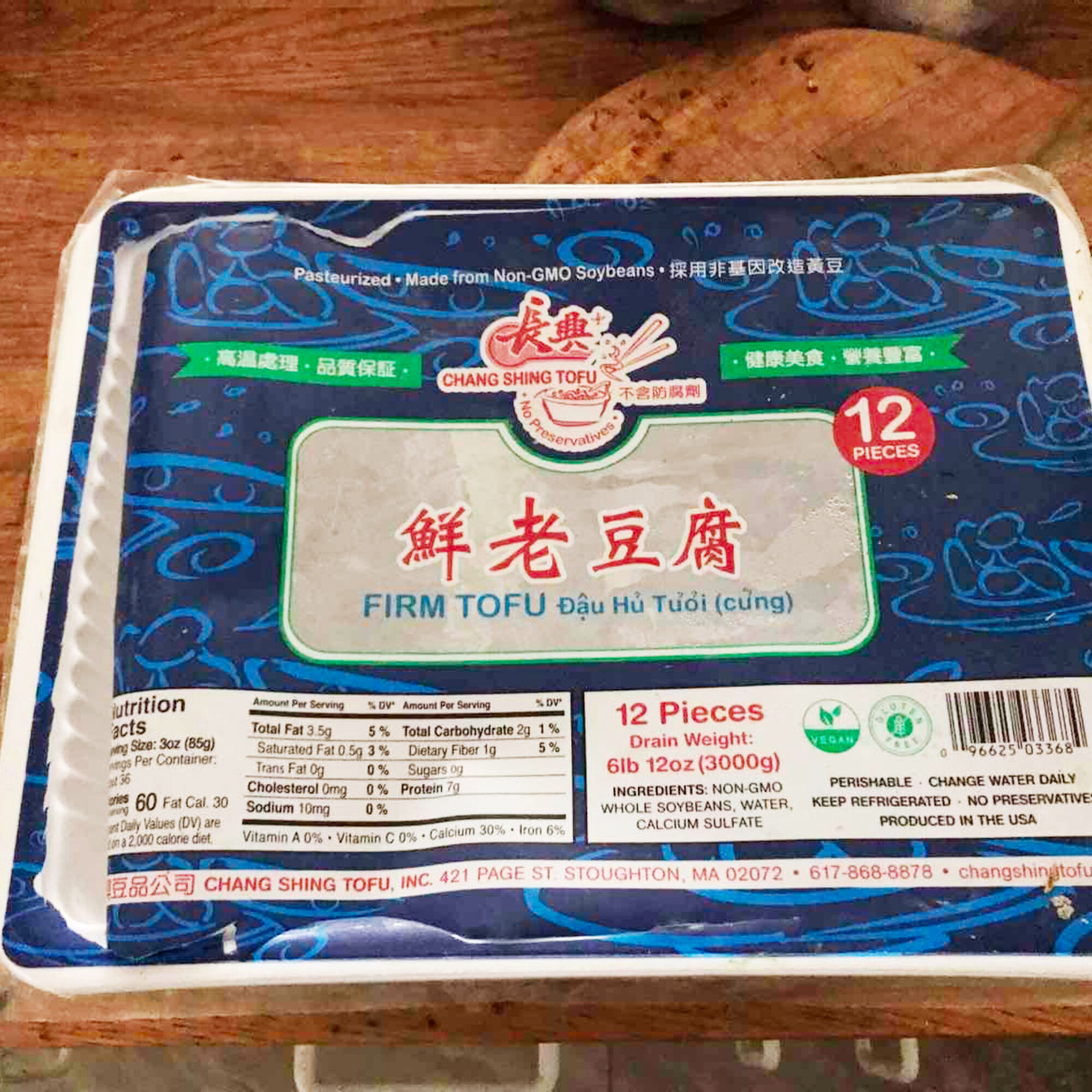
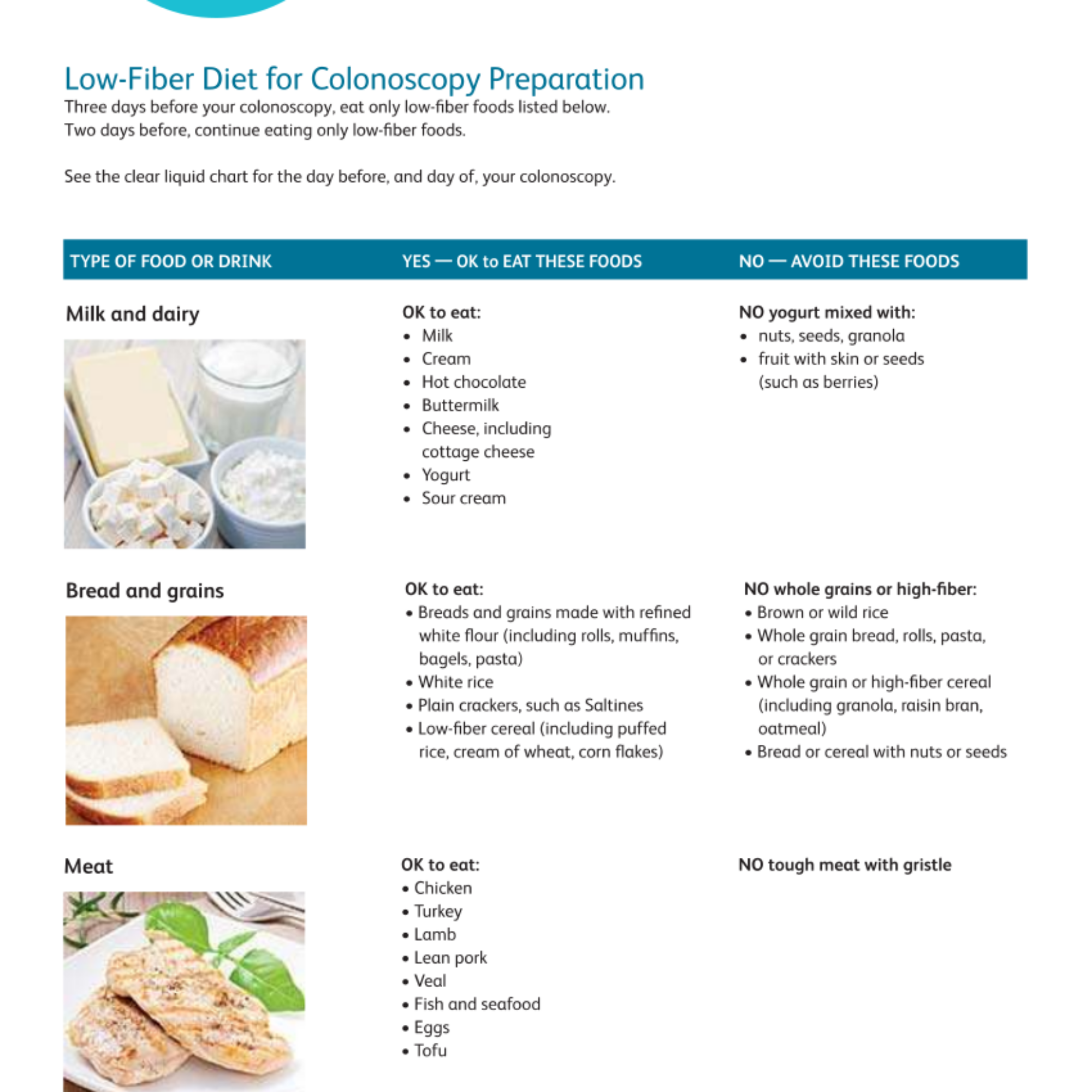
Yesterday I shared how the only food among what I normally eat my doctor says I can eat for a week before my colonoscopy is tofu. Normally my coop sells tofu unpackaged that I can take home in containers I bring. It turns out they were out of stock, with the next shipment expected next Thursday. Chinatown wasn't far, so I walked there. Plenty of tofu for sale, but none of the half-dozen stores I checked carried it in bulk. I went back and forth on my options. One was to revert to water only for about a week, two days longer than I've gone with only water before. Another was to go back tomorrow and check other stores. Another was to check another neighborhood…

0 Comments

What I learned about my diet and fiber from a colonoscopy

Last year I got a colonoscopy, as recommended for my age. When I woke up from it, the doctor asked why I didn't follow the procedure to empty my bowels. He couldn't see anything. If you've had a colonoscopy, you know that the doctor has you take medicine that flushes everything out of your colon so he or she can see your tissue. I told him I followed the instructions to the letter. He said he couldn't see anything. Soon enough it came out what I eat: fresh whole fruits, fresh whole vegetables, legumes, whole grains, and little else. Some mushrooms and nutritional yeast. I thought fiber flushed the gastrointestinal tract. In some ways it does, but it also coats the colon wall. The standard…

2 Comments

How and why to fix the standard greenhouse effect diagram

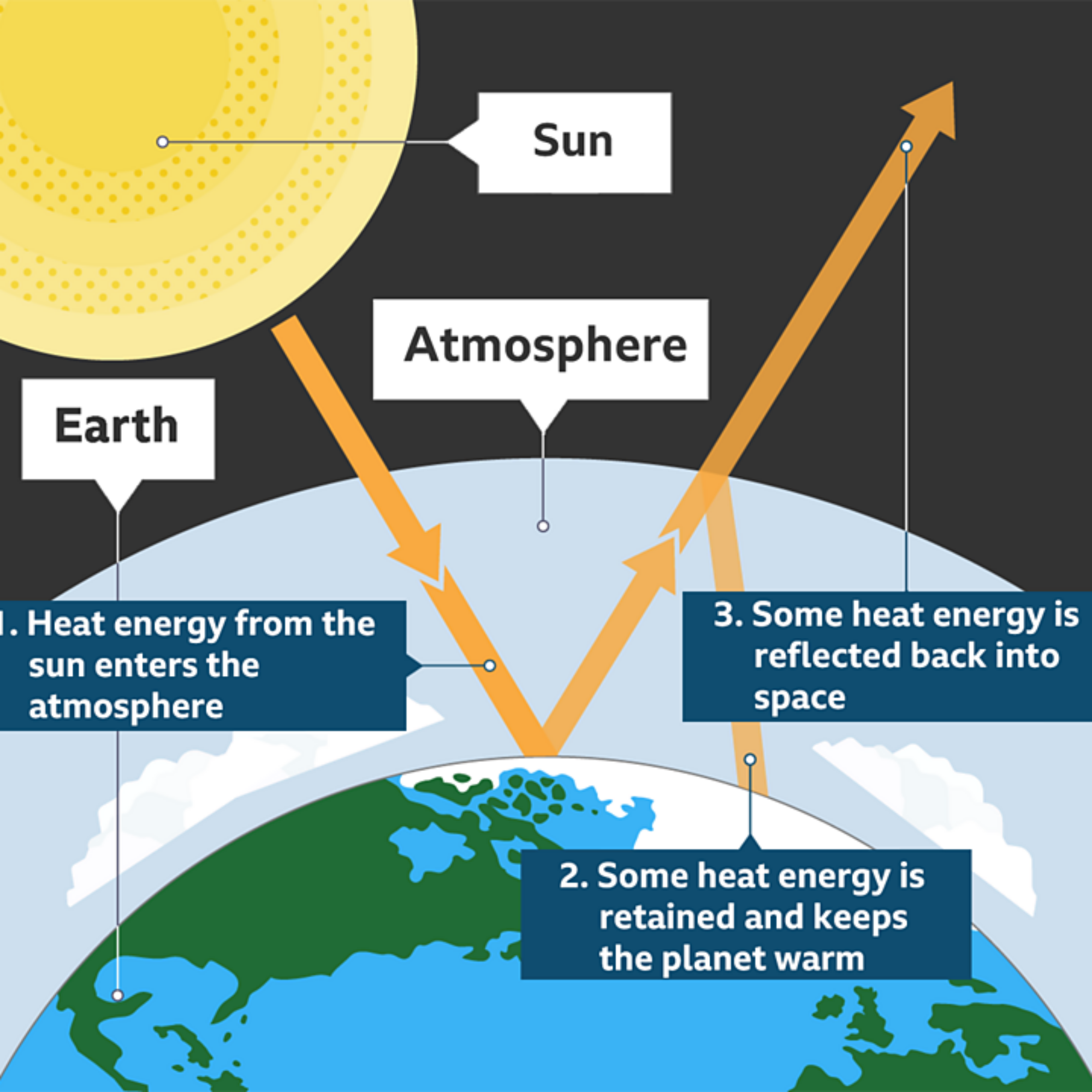
You know the usual schematic diagram of the greenhouse effect. Here are a couple for reference: and What's missing? Humans creating power for ourselves creates heat. It happens if we create it through burning fossil fuels, using nuclear power, and even fusion. Using solar panels absorbs extra heat. I hope you respond that whatever heat we produce is negligible. Today it is, but since industry and our current lifestyles require energy, the amount of heat we produce will scale with the economy. If our economy grows two or three percent per year, that's exponential, meaning the heat we produce will increase exponentially. This paper in Nature Physics by podcast guest Tom Murphy, and author of what I consider the science book of the decade, does…

0 Comments

Preview of SpodekMethod.com

When my new book Sustainability Simplified: The Definitive Guide to Understanding and Solving All (Yes, All) Our Environmental Problems comes out, I'll start a new web page for sustainability leadership: SpodekMethod.com. It will contain free downloads like the book introduction, the how-to workbook, and videos of people sharing what works. It will grow to contain courses, online community, and more. A team is developing that page. We'll launch it soon. For now, I wanted to share some images suggesting what it will convey. I'm not a web designer so keep your expectations of my ability to represent a web page in check.

0 Comments

This Week’s Selected Media, September 22, 2024: The Worst Hard Time, Leading Marines, Warfighting

This week I finished: The Worst Hard Time: The Untold Story of Those Who Survived the Great American Dust Bowl, by Timothy Egan: This book follows up Cadillac Desert. Both recount Americans believing themselves independent, especially of government, settling/colonizing new territory. They believed they could dominate nature. They believed their science and technology would enable them to do new things. They believed more people solved more problems. Then nature didn't behave how they predicted. They end up asking for government support that helps them but never ends. They don't reflect on what caused their problems, in this case nearly a decade of deadly dust storms blowing topsoil away from multiple states worth of land. The book is compelling and engaging. I recommend it for a…

0 Comments

End of content

No more pages to load