Nature


If we are so wealthy, why do we kick people without wealth off their land and take it and its resources?

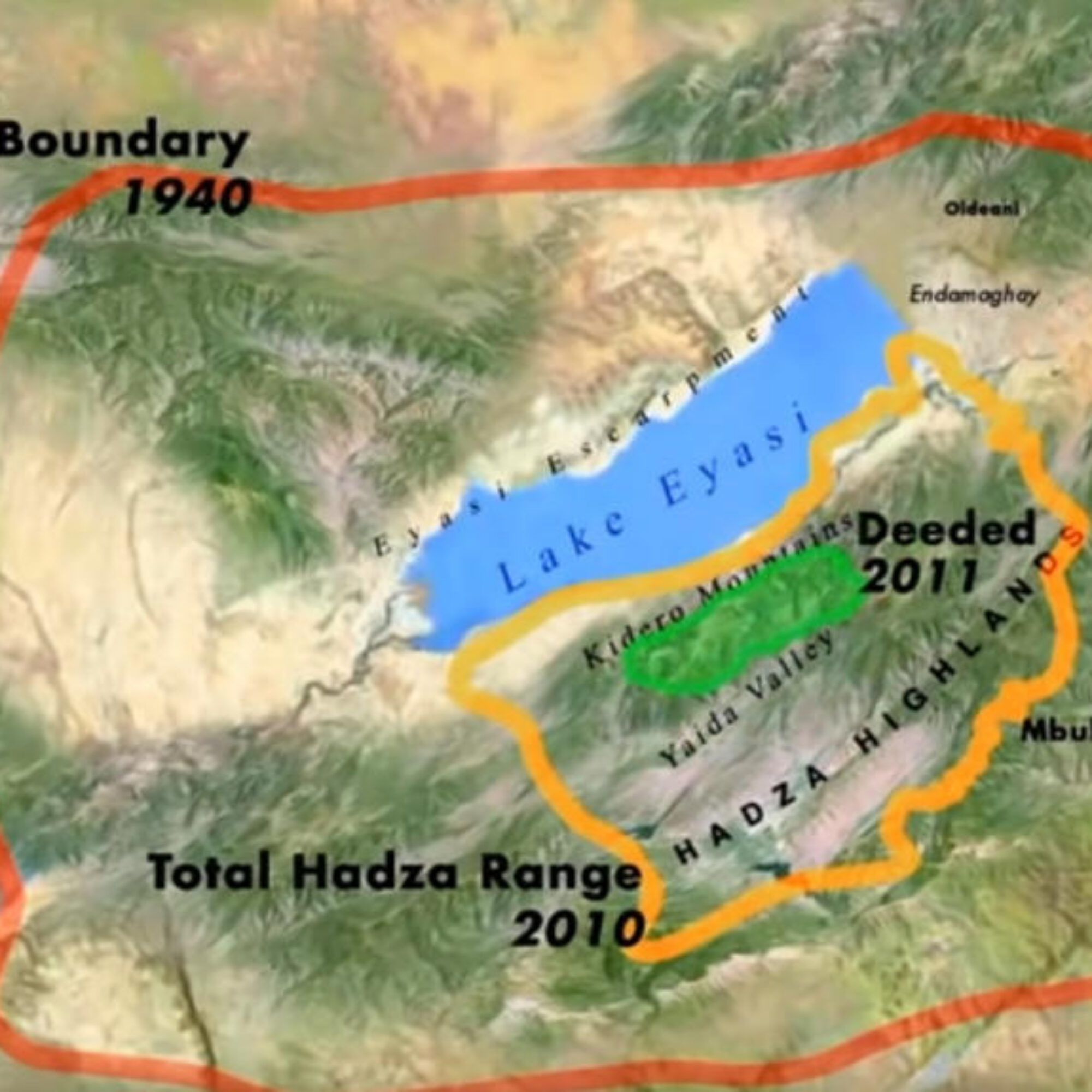
I've written about the San bushmen from southern Africa. Lately I've been learning about the Hadza, who live in Tanzania. They've both lived on the order of 100,000 years gathering and hunting. I'll write about the Hadza, but it applies to all cultures we drill for oil and mine for resources. Here's a trailer for a documentary I recommend to learn about them: https://youtu.be/2dQWDz4nKbY Here is a link to the full documentary, which it doesn't play here, so you have to click to watch it. I set it to start at a scene that prompts the headline to this post. If you don't feel like clicking, it shows the territory the Hadza being reduced by agriculture and encroaching by others. Here's a still from that…

0 Comments

Do examples of societies deliberately and successfully lowering their population or economy exist?

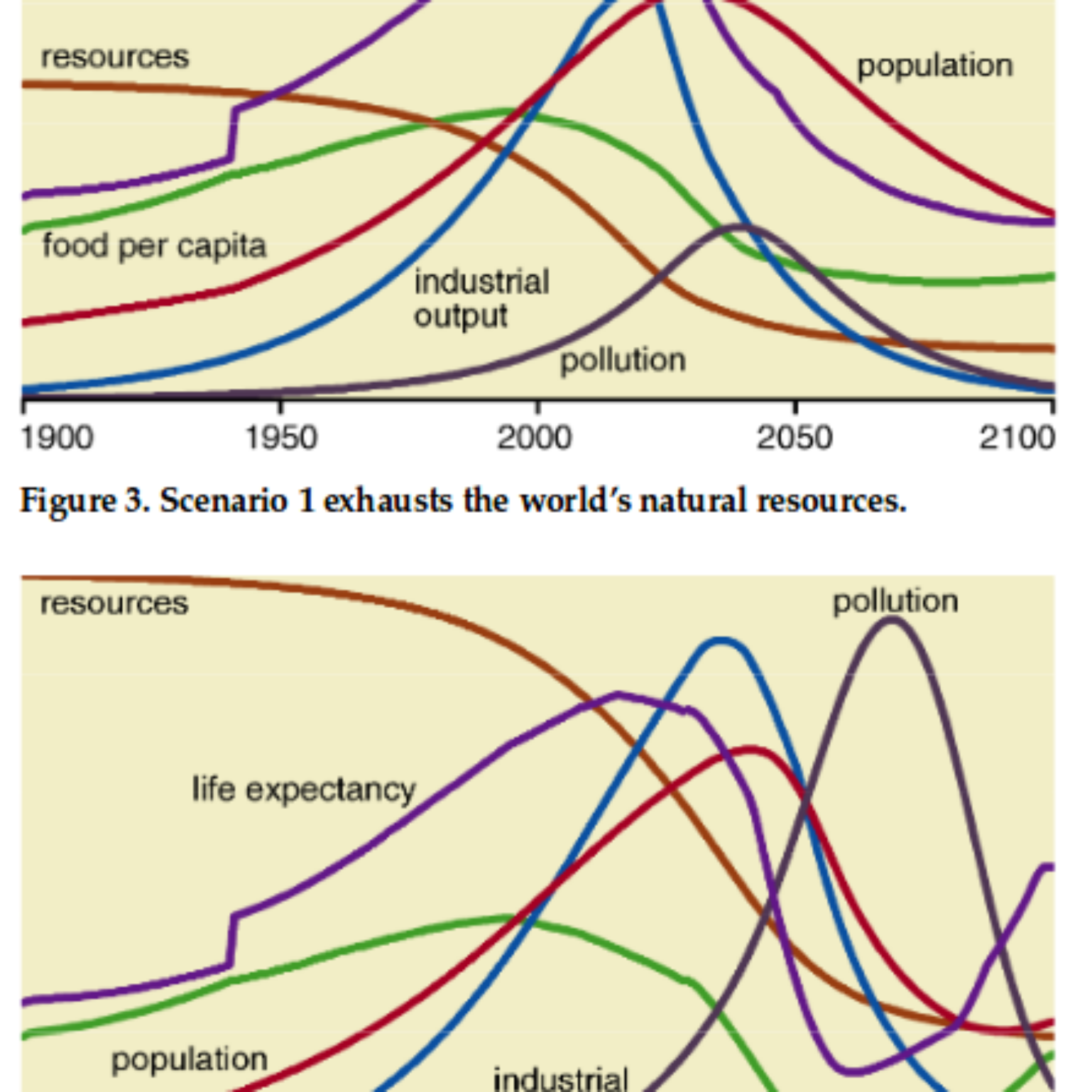
If you believe that nonstop growth of the economy and population is impossible on a finite planet, you expect that either we have to stop growing deliberately or nature will cause both to collapse. If you further believe we have have overshot what Earth can sustain, you expect that even if we stop now, nature will cause both to collapse. Growing onto other planets doesn't help because even if we can grow there, we'd still either have to stop growing here or collapse here. So if you believe we've overshot Earth's limits, our only path is to degrow, or decrease the size of our economy and, in peaceful, voluntary, noncoercive ways, population. I think it's reasonable to ask if it's possible. To me, it seems…

0 Comments

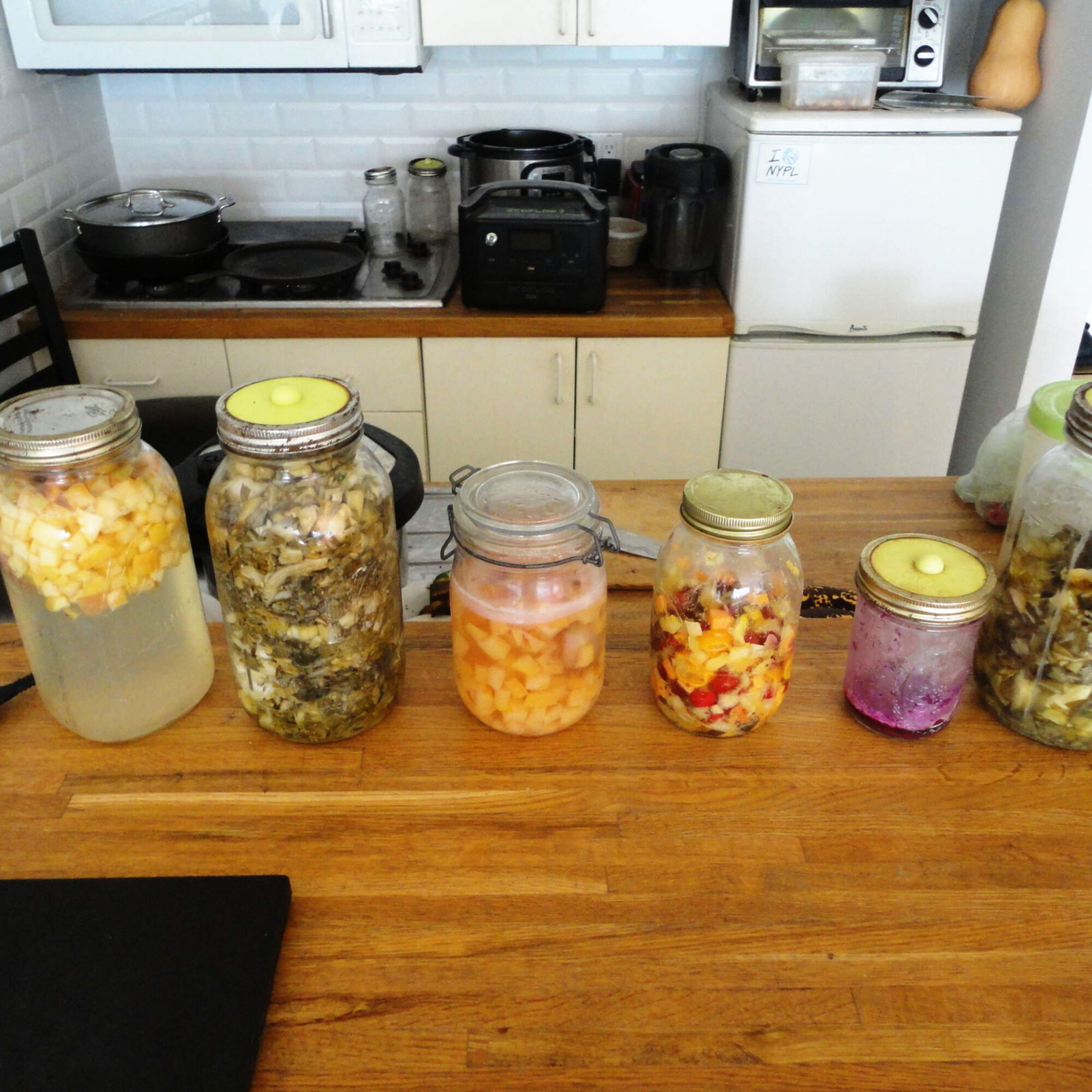
My latest six fermentations, by reader request

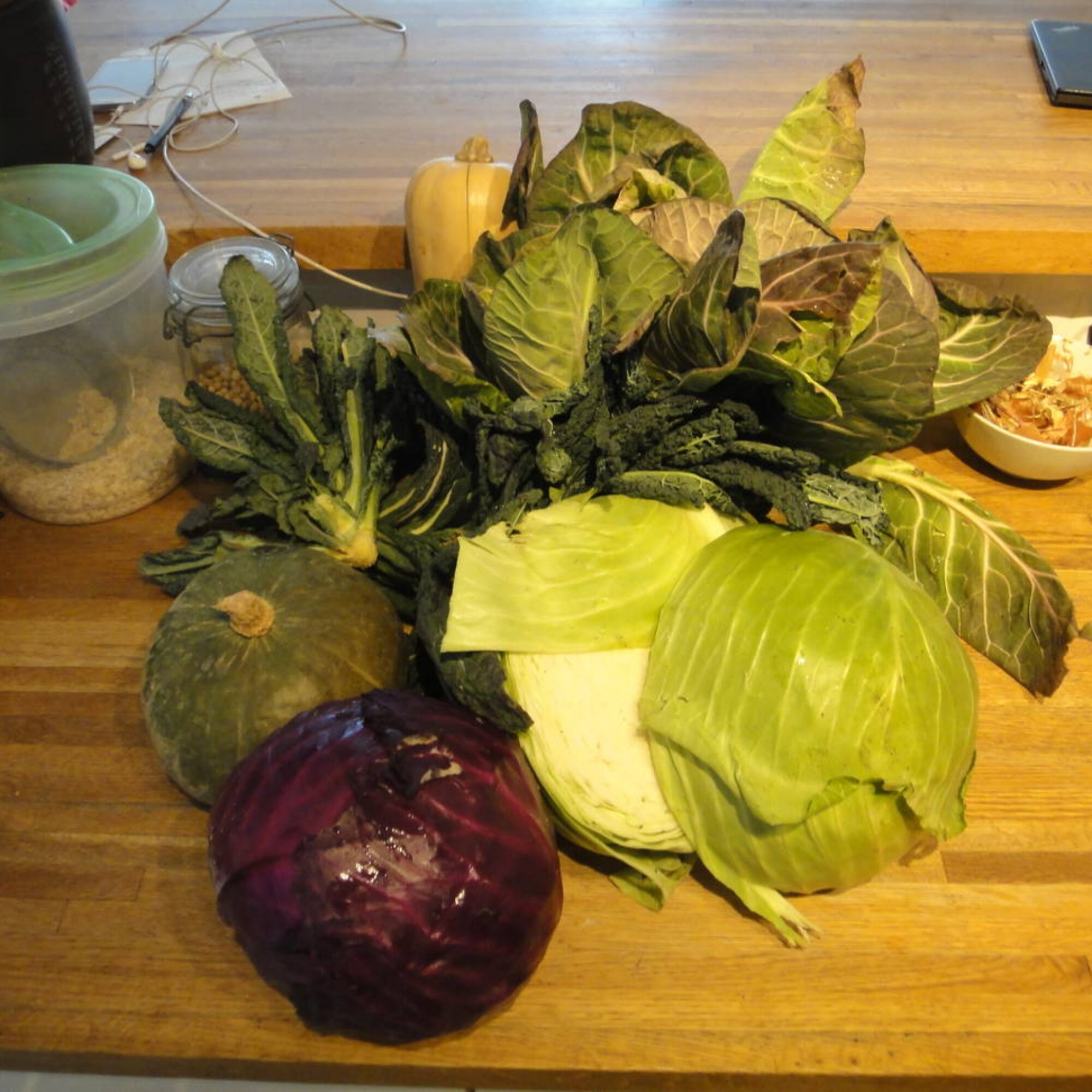
Readers have asked me to post more on preparing food. As you know, one of my biggest motivations is accessibility. I try to promote what anyone can do and to show how to do it. My sister asked me for pictures of my fermentations in action. I happen to have a few going, so took pictures of them. I thought making a video would help show what to expect. Before starting, I expected fermentation would be hard or risk spoiling. On the contrary, it's easy: chop vegetables or fruit, mix with salt (or water for vinegar, with sugar optional), and let sit. The result: depth and richness of flavors, healthy symbiotic bacteria, and the food doesn't spoil. The process is forgiving, so I use a…

0 Comments

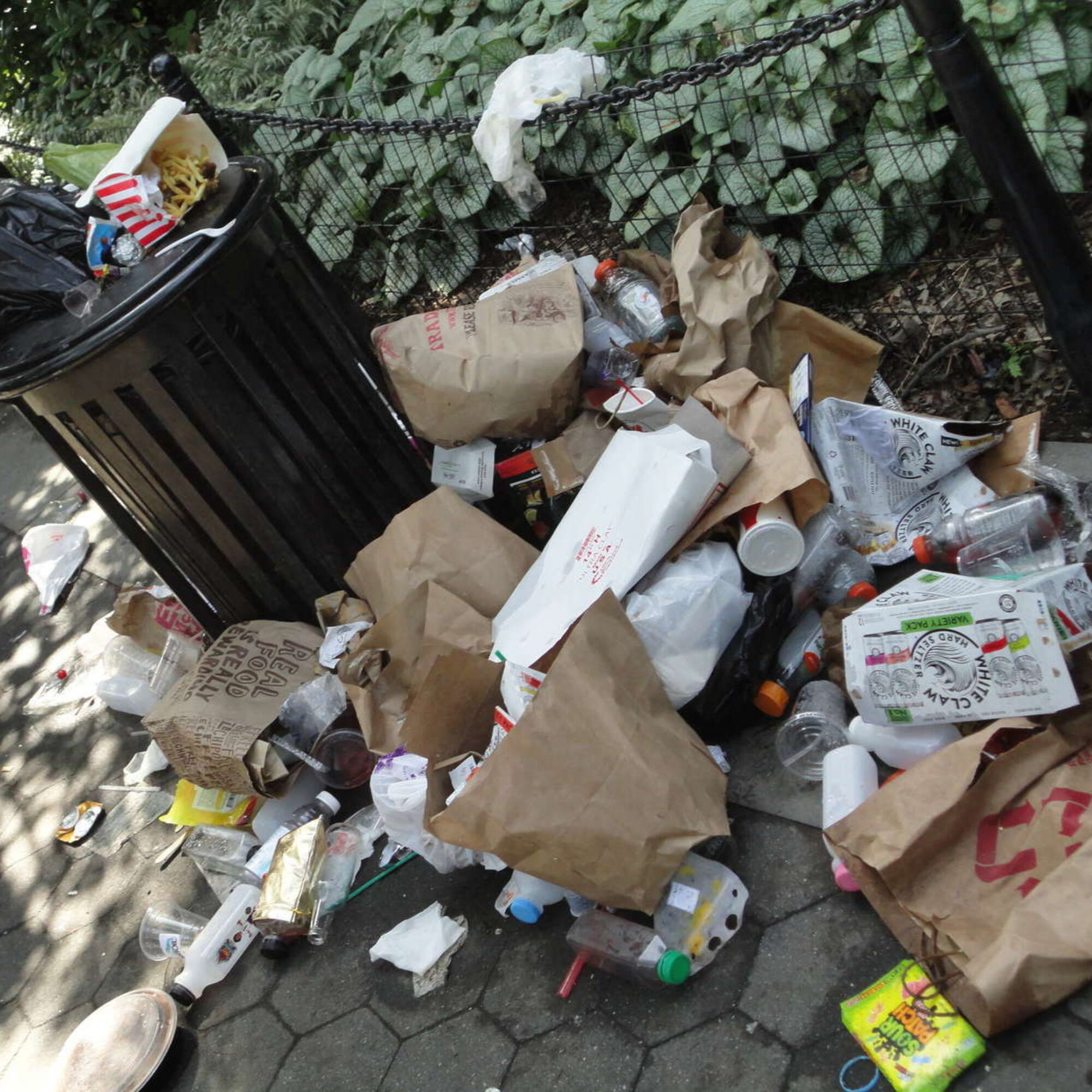
“I pay taxes. Someone will clean my bottle/wrapper/litter.”

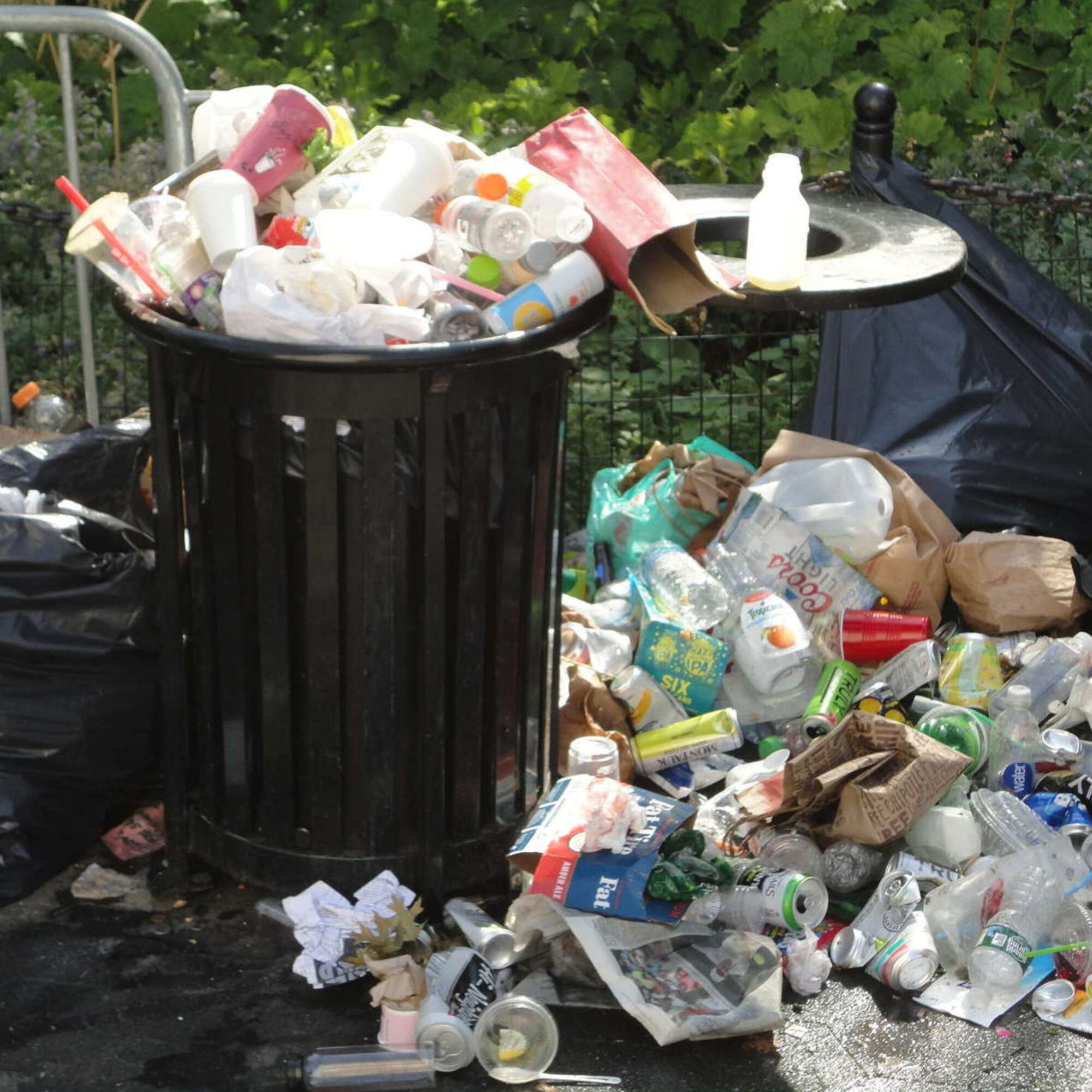
My mind does it too. When I have something to throw away in my hand, I look for a trash can. I think my mind thinks not specifically, "where is a trash can?", but "where can I put this thing I don't want?". The distinction? From the amount of litter I see placed in corners, wedged between fence posts, in planters, on signal boxes, and in whatever place looks like it satisfies a mind's question "where can I put this?", I think many of our minds answer with a "ah, there's a place for it" and feel done. I suspect then their minds think, "wait, this spot feels secure, but it's not the right place to put it." Then begins the rationalization process to convince…

0 Comments

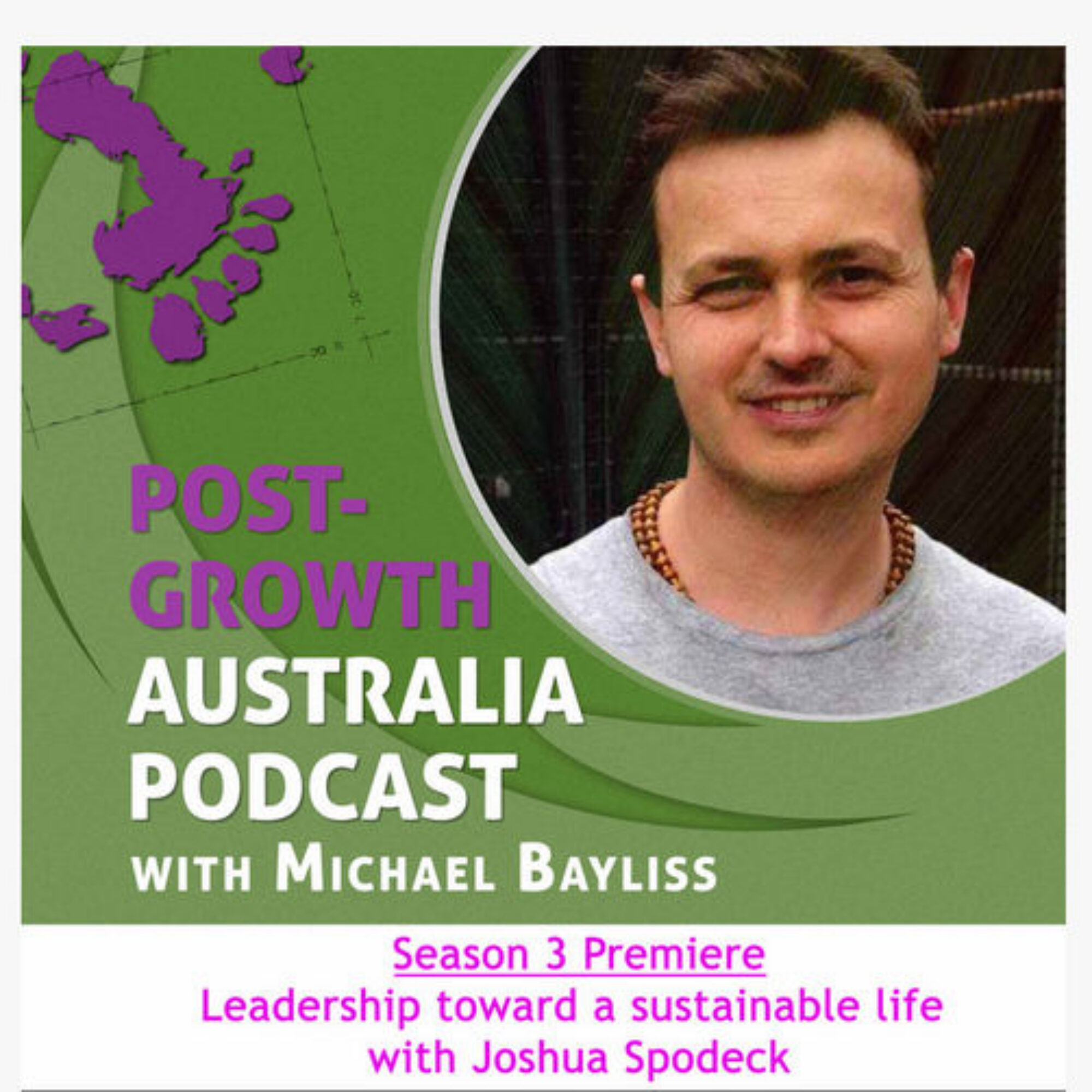
Hear me speak on population on the Post-Growth Australia podcast

Have you heard the phrase "Nothing in Biology Makes Sense Except in the Light of Evolution."? It sounds extreme. Then it makes sense and you can't see it otherwise. Similarly: nothing in sustainability works except if we first address and solve population. If you're like most people, including me until I learned of Mechai Viravaidya and his peers, you reflexively think of China's One Child policy or eugenics when anyone mentions solving population, along with forced sterilizations, forced abortions, and racism. Viravaidya and his peers did the opposite of forced. Through voluntary, noncoercive means they improved health, longevity, stability, equality, and more by lowering birth rates. I remember as a kid hearing about "zero population growth" and ZPG movements. Mainstream society lost the ability to…

0 Comments

What fruit or vegetable has industrial agriculture destroyed most?

I used to find people annoying who complained about how supermarket tomatoes and vegetables available even out of season because they're shipped from California. The difference wasn't that great, I thought. The organic stuff was too expensive, inconvenient, and hard to find, I thought. Then I started buying local and fresh. Until then, I didn't know what I was talking about, as, I figure, most people who haven't learned to buy and prepare fresh. This morning, I was chopping some supermarket celery I got when volunteering bringing surplus food from a market to a food pantry. Why the market was getting rid of it, I don't know, since it looked fresh, but I got to keep it as a volunteer. I hadn't had supermarket celery…

4 Comments

How personal action on the environment is like practicing to reach Carnegie Hall

People who suggest individual action doesn't matter on the scale we need to restore Earth's ability to sustain life don't know what they're talking about. I don't mean that figuratively. What they're saying is like telling someone there's no point in playing scales on the piano to reach Carnegie Hall when no one goes there to see someone play scales and that, besides, you'll just have to practice more anyway. We practice scales (or other exercises for other instruments or to play sports, lead people, or other active, social, emotional, expressive, performance-based fields) to help us improve, to master ourselves and our art. We consider it a part of life. It brings us reward, even if it keeps us from doing other things. We know…

0 Comments

How personal action on the environment is like changing your baby’s diaper

People who suggest individual action doesn't matter on the scale we need to restore Earth's ability to sustain life don't know what they're talking about. I don't mean that figuratively. What they're saying is like telling someone there's no point in changing their baby's diaper when it won't solve infant mortality and that, besides, the baby will need its next diaper changed too. We change our baby's diapers to help the vulnerable, helpless baby. We consider it our duty. It brings us reward, even if it keeps us from doing other things. We know we value our babies' health. Yes, keeping our babies healthy helps reduce infant mortality, for which we're glad, but we don't really do it for the rest of the world. We…

0 Comments

Year 3, day 2 on this one load of trash

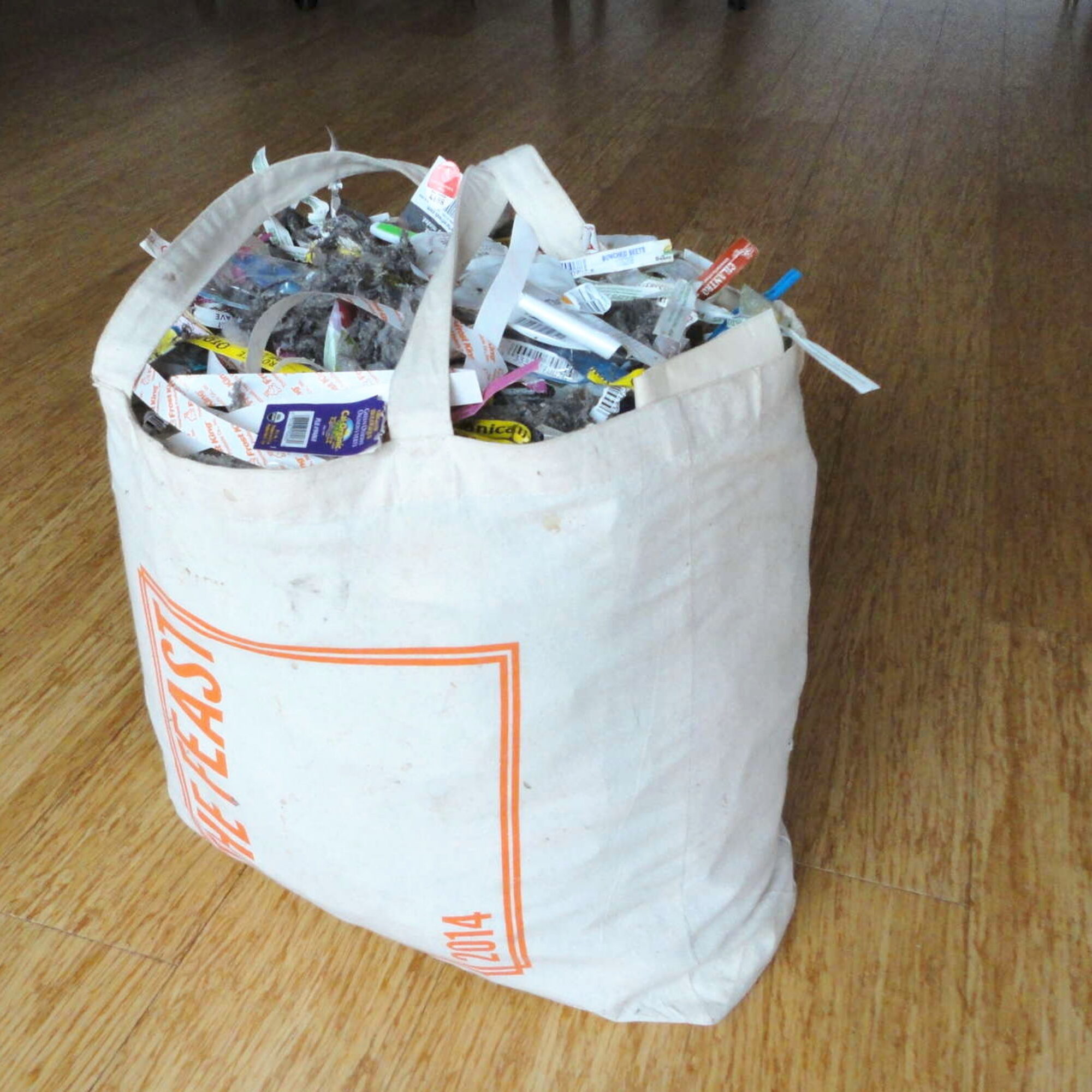
I last emptied my trash on December 25, 2019. My current load is close to full, though if I squeeze it, it compresses. That is, it doesn't weigh much. I consider it too much so I hope to impose less waste on future generations next time. I'll wait until at least January 1 to empty it so I can say I didn't empty a load in two consecutive calendar years. I'll probably do a video about it then to describe how to pollute less than most Americans. The simple, short answer is don't buy things that produce garbage and don't die. You'll figure out the rest. I mean, people thousands of years ago didn't pollute. Are we more or less capable than they were? What…

0 Comments

Hope in small places: a dusting of snow

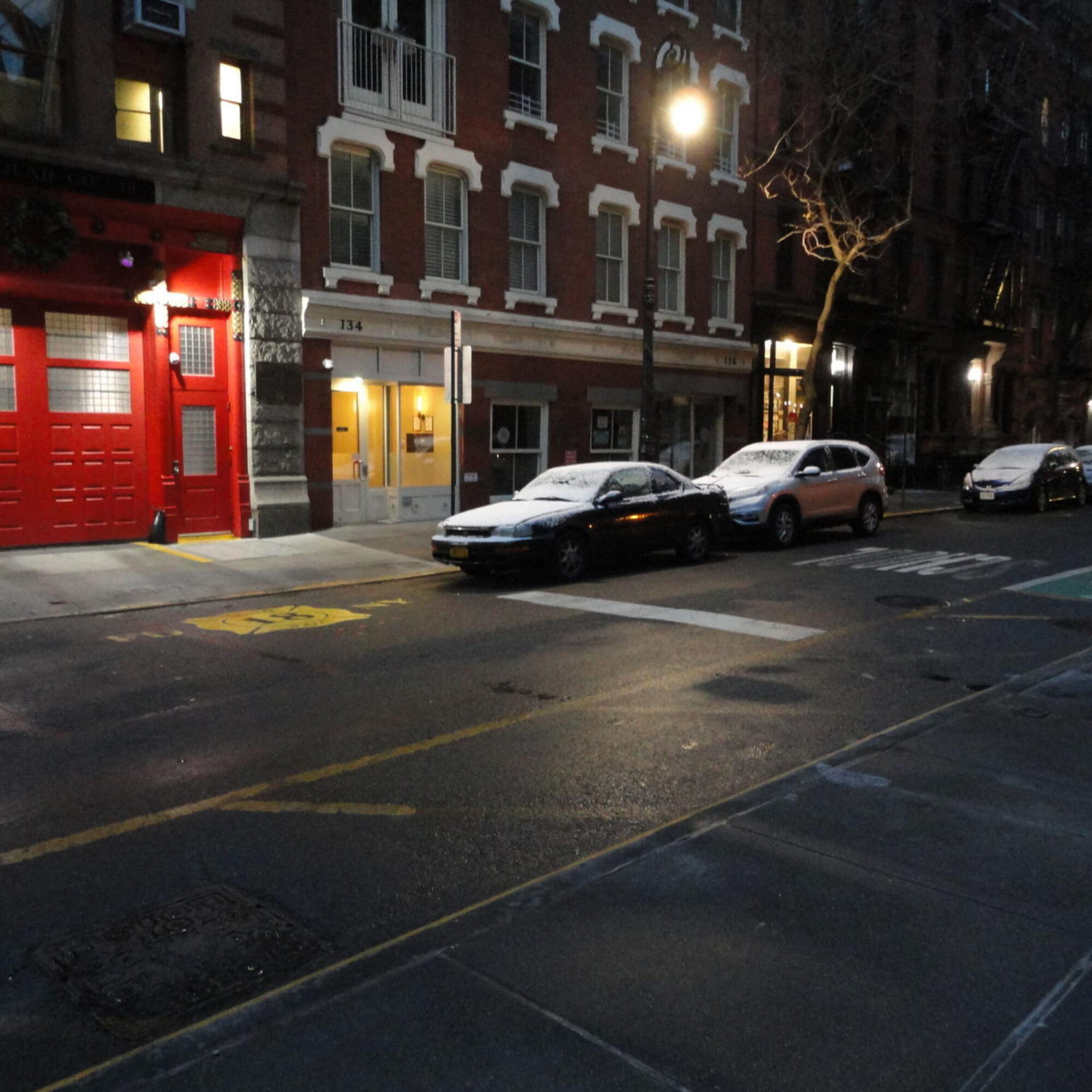
I've taken pictures of my neighborhood's descent into disgust from the supply of doof and other garbage. Yesterday morning I opened the shades to see a dusting of snow. I get so down about global warming and roughly 330 million Americans continuing to pollute while saying they're concerned, acting like they aren't contributing. Here was a sign that we haven't lost winter here yet, amid reports of many places 30 or 40 degrees above average. To clarify, there was still plenty of disgusting litter. I tried to avoid taking pictures of it this time. This morning it's drizzling. A decade ago, this drizzle would have been flurries. A decade from now it may be seawater flooding. I hope to help reduce that chance.

0 Comments

How to Create a Sustainability Movement: sneak preview of my book and workshops

On a call with Dan McPherson, podcast guest and friend, I mentioned recent advances on my book and how to lead people and create a movement. We decided to record part of the call sharing my screen. It's based on my work on This Sustainable Life leading hundreds of world-renowned guests to live joyfully sustainably based on intrinsic motivation. Nearly all return for second episodes. Many refer me to peers based on valuing the experience. Many have become friends. The video mixes story with theory. By sneak preview, I mean it's a work in progress, but I wanted to share what's coming, even if not polished to perfection yet. https://youtu.be/4pOsMT5ByOA

0 Comments

How Biden can pass his program with bipartisan support. With global support.

Joe Biden can lead in a lot more ways than using authority, which is the least effective tool of a leader. The President of the United States is not some guy on the street. He's at a leverage point of a system, with great influence. Imagine if Biden stood with the protesters of a pipeline. Imagine he simply took an inventory of his personal waste and minimized it and showed the inevitable increase in productivity and effectiveness people don't believe until they experience it. Maybe it sounds crazy or like it may not work, What he's did didn't work either. Imagine he acted genuinely, authentically, and effectively instead. I'm not saying he can solve all the world's problems by himself overnight, nor that anyone should…

0 Comments
What “Circular” and “Closed-loop” mean
Two arrows cycle business plan infographic design diagram EPS 10 vector illustration isolated on white background.

What “Circular” and “Closed-loop” mean

What's a circular economy? For those new to it, according to Wikipedia and sources within: A circular or closed-loop economy is "a model of production and consumption, which involves sharing, leasing, reusing, repairing, refurbishing and recycling existing materials and products as long as possible".It continues, "a circular economy employs reuse, sharing, repair, refurbishment, remanufacturing and recycling to create a closed-loop system, minimising the use of resource inputs and the creation of waste, pollution and carbon emissions. The circular economy aims to keep products, materials, equipment and infrastructure in use for longer, thus improving the productivity of these resources"" I've seen lots of meanings and definitions, but a couple criteria seem to clear it up for me: You can't use fossil fuels. You can't close a…

0 Comments

Heartwarming reasons I pick up litter knowing it alone won’t fix the world’s problems overnight.

Picking up litter has its joys. A friend wrote about our meeting, in which we walked around Washington Square Park and picked up litter, also talking business. The meeting certainly was inspirational and I think back to it every time I see a piece of trash on the ground. So, you certainly made a difference in my life. I always tried to pick before, but now I make it a point. And every person counts, right? My routine dog walk was completely clear of debris this morning, which I feel is a fantastic accomplishment considering my route goes through an elementary and middle school parking lot! Since I haven't been here for a week, maybe someone saw my and also decided to take up this…

0 Comments

How we’re like gorillas with kids

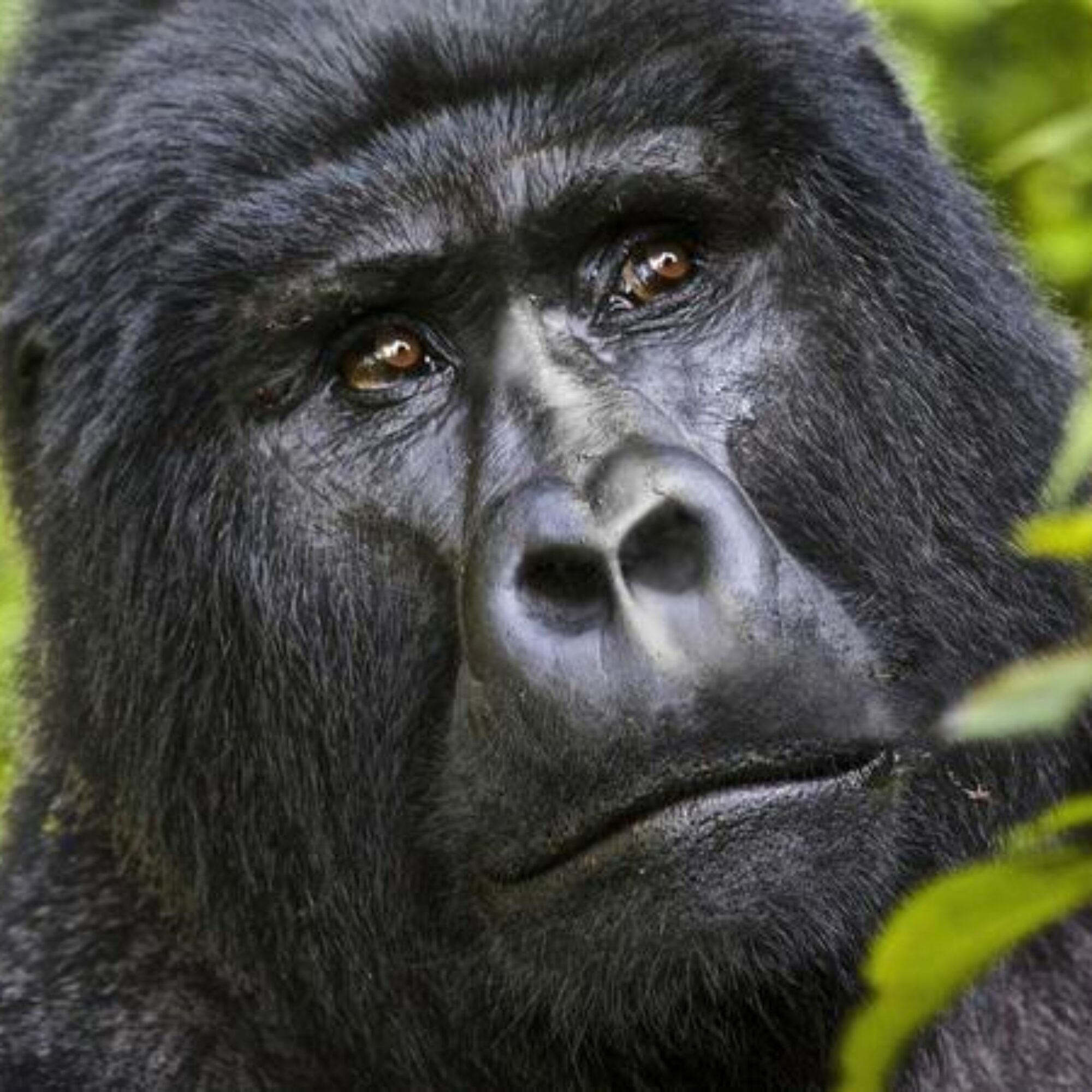
You know how male gorillas kill babies from other fathers? As written here, "silverbacks have been observed to deliberately kill babies---especially in mountain gorillas. Usually this is the case after a female transferred to another male together with her baby or if a new leading male takes over. This behaviour, called infanticide, is interpreted as a means to shorten the time until the baby's mother becomes fertile again and the new male can sire his own offspring with her."? The behavior made sense in the species' evolutionary past. When they're close to extinction, if a gorilla wants to maximize its chances of its genes surviving, the extra baby from another gorilla may help more, even if he has to wait longer for his chance to…

0 Comments

We live better today than kings before?

You've probably heard people say we live today better than kings of old could have dreamed of. They point out even poor people have color TVs, internet access, cell phones, and food available from all over the world any time. We can live in air conditioned comfort any time we want. Stephen Pinker's Better Angels of Our Nature points out we live less violently than ever, so it's not just material difference. Still, I can't remove the plastic and carcinogens from my blood. I can't change that leaded gasoline lowered my IQ (yours too). I don't want a TV, but I do want peace and quiet in the morning, which I rarely experience. I'd like to hear birdsong but rarely hear any. I'd like a…

2 Comments

Saying “It won’t matter if we pollute less if China and Russia don’t” is the opposite of leadership.

People say all the time that what we in the U.S. or anywhere to act sustainably doesn't matter if China and Russia don't act too. They say that they pollute so much that even if we don't pollute at all, their pollution is enough to sink us all. Whether it is or not, to say they have to act first abdicates leadership. It says we choose to follow, not lead. For us to lead, we would act first, or at least independently of others, and expect others to follow us. People think we can't lead while setting an example. Sadly, I think many people think they only way to influence people is with authority. I don't consider motivating through authority leadership. I don't see how…

0 Comments

My fourth TEDx talk: Don’t call Doof Food: systemic change begins with personal change

The TEDx people posted my fourth TEDx talk: Don't call Doof Food: systemic change begins with personal change. I think you'll like it. If you do, please go to YouTube and upvote, comment, and share it. When it resonates, you start using the term doof, and you never call food doof, let me know. I recommend using the term. It will simplify and clarify a lot in your life. https://youtu.be/L4OAaI_uXgY Thanks to Leonardo and the TEDxCowes crew for organizing. I also recommend the talks from the event's other speakers, all available here. The Script Here's the script: Context Do you remember the first picture you saw of a beach covered with garbage? How shocked you were? Adults remember it. My nieces and nephews don't, because…

2 Comments

Advice to a young adult in 2021

A father in one of my online communities asked people for what advice they'd give to a twelve-year-old. I'm not a father and haven't been twelve since the 1980s, so I don't know how appropriate for that age, but here was my answer: Not knowing the kid (barely knowing myself), I can only guess at his interests and situation, but here's what I would want someone to tell me if I were becoming an adult today. If not appropriate for twelve years old, well, I haven't been that age in a while so don't mind if you filter it. I recognize it may rub some the wrong way. We're all unique. These are not normal times. Despite nearly every message you'll hear from the mainstream,…

0 Comments

What leadership brings to sustainability

Nearly every effort I see for sustainability use methods that don't work, that promote resistance. They don't inspire. They tools like cajoling ("Here are ten little things you can do for the environment"), coercing ("people will suffer if you don't act"), convincing ("If you value your kids' future, you should change"), and authority (laws). Such methods imply nobody wants to do the things. You may gain compliance but reinforce the systemic values causing the problem. Nobody promotes Drinkless Driving Tuesdays or Seat Belt Wednesdays. We say never drink and drive because we believe sobriety always benefits everyone behind the wheel. I inspire, people tell me. Not all, but most of my podcast guests enjoy the experience, do more than they promised, come back for second…

0 Comments

Euphoria from food

I feel a euphoria when eating fresh fruits and vegetables, in particular my famous no-packaging vegan stews. It's subtle enough to miss if I'm talking to someone or listening to a podcast, but wonderful. I'd pick it over the high from things refined from plants like coca, poppy, etc since I can do it every day my whole life with no unwanted side effects. It gives me plenty of wanted ones, like eating to full every meal and having defined abs, despite congenital conditions that if I eat more calories than I burn or excrete, I put on weight and that I almost can't stop eating until I'm full. I suspect the feeling comes from the slow release of sugar and maybe fat. It would…

0 Comments

Another reason for individual action

"What I do doesn't matter," people say. "We shouldn't get distracted from changing systems by focusing on individual actions. BP is tricking us." I disagree. Another reason for individual action. Asking if there's any point in it to solve our environmental problems is like saying "if we want to lower infant mortality. Should I change my child's diaper?" Helping all babies live sounds vaguely like helping an individual child feel better. If you didn't think too much about them, you might consider them related. They are in the same field of helping babies, but you don't change your baby's diaper to help all babies live. You do it because you do what you think is right. Separately from helping your baby, you also influence others…

0 Comments

Genesis 1:26-28 and Sustainability

Genesis 1:26-28 says And God said, Let us make man in our image, after our likeness: and let them have dominion over the fish of the sea, and over the fowl of the air, and over the cattle, and over all the earth, and over every creeping thing that creepeth upon the earth. So God created man in his own image, in the image of God created he him; male and female created he them. And God blessed them, and God said unto them, Be fruitful, and multiply, and replenish the earth, and subdue it: and have dominion over the fish of the sea, and over the fowl of the air, and over every living thing that moveth upon the earth. I think about the…

0 Comments

Profane

People define the term sacred differently, but I talk to a lot of people about what nature means to them and I hear a lot of them describe it as sacred. I understand them to mean it's spiritual, divine, not to compromise on. Recently I came across a word for the first time in a while that hit me as appropriate for pollution, deforestation, and the various other things we're doing that lower Earth's ability to sustain life: Profane. Since then, I think of the word and concept while picking up litter in particular, and while considering what we're doing the environment in general. As with sacred, you can define profane differently, but I think most people's definitions will include pollution. I share the idea…

0 Comments

End of content

No more pages to load