Nature


Teamwork will elevate us to victory

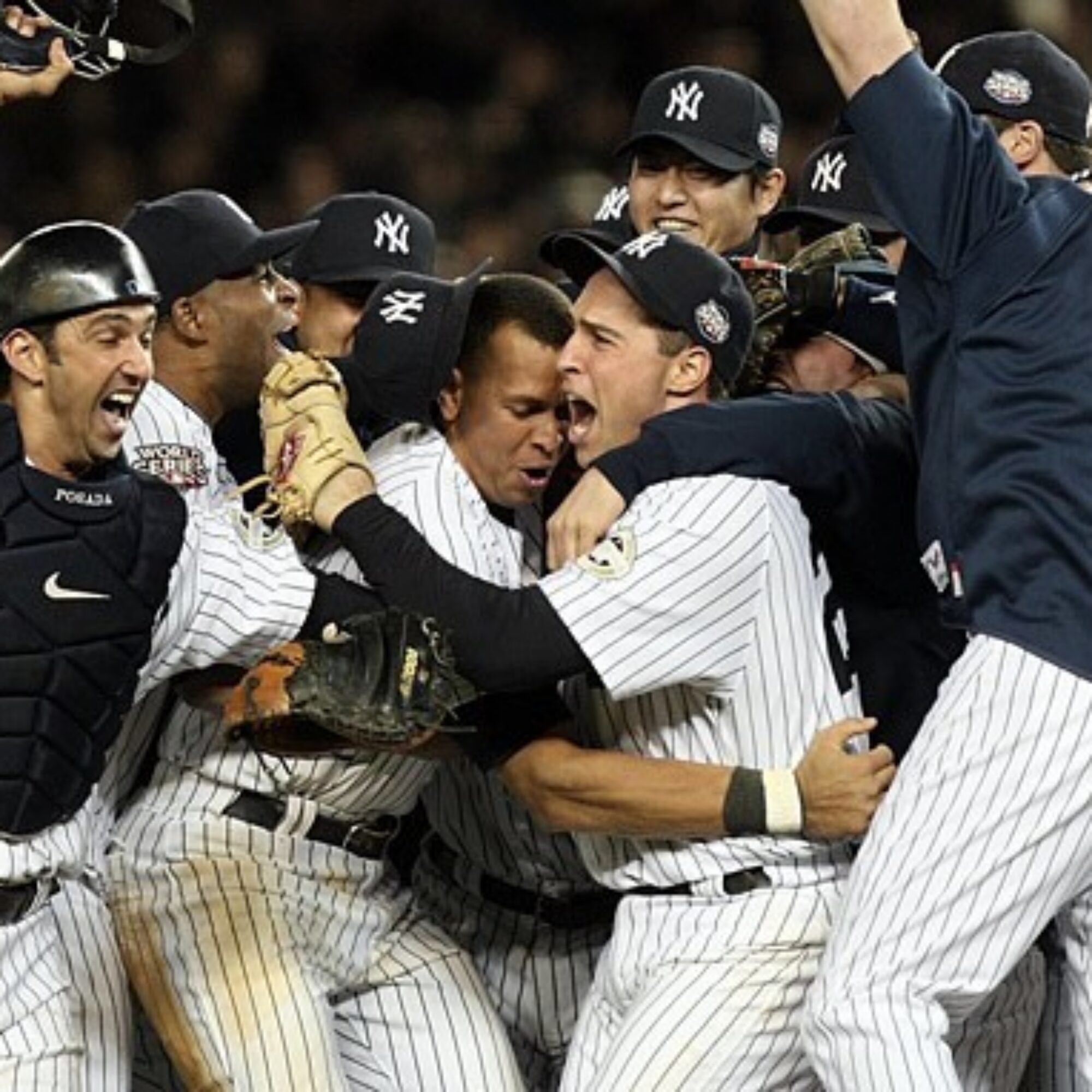
Can anyone imagine a sports or business team suggesting the way to success is to ignore teamwork and only focus on individual action? Here is what winning as a team looks like. You can imagine how it feels. When I hear someone say, "one person's actions don't matter", "only governments and corporations can make a difference," and the like, I want to let them in on how a come-from-behind victory can feel. When everyone on the team delivers for everyone else, not for him- or herself, the each benefits individually. I've been on teams that have won great victories. I've been on teams that fell apart and pointed fingers. I'll take the team victory any day. Everyone contributes, even from the bench, even from the…

0 Comments

Welcome to the newest member of the This Sustainable Life podcast family, TSL: Biodiversity & Conservation by Michèle Watson

A sixth branch of the This Sustainable Life family tree has started. Michèle Watson started This Sustainable Life: Biodiversity & Conservation. Congratulations and welcome aboard, Michèle! She posted the first two episodes. As usual, the first episode featured me, as first episodes emerge from the podcast host training I provide. The second episode features an impressive Tony Frost. Among more conservation work, he served as a member of the Minister of Environment Affairs Advisory Forum, the South African Biodiversity Institute, the JSE Sustainability Index Advisory Committee, the NBI Sustainable Futures Advisory Board. For 5 years until February 2007 he was Chief Executive of the WWF in South Africa and served on several the WWF International Strategic Global Committees, the Percy Fitzpatrick Advisory Board and others.…

0 Comments

Why does almost no one pick up litter?

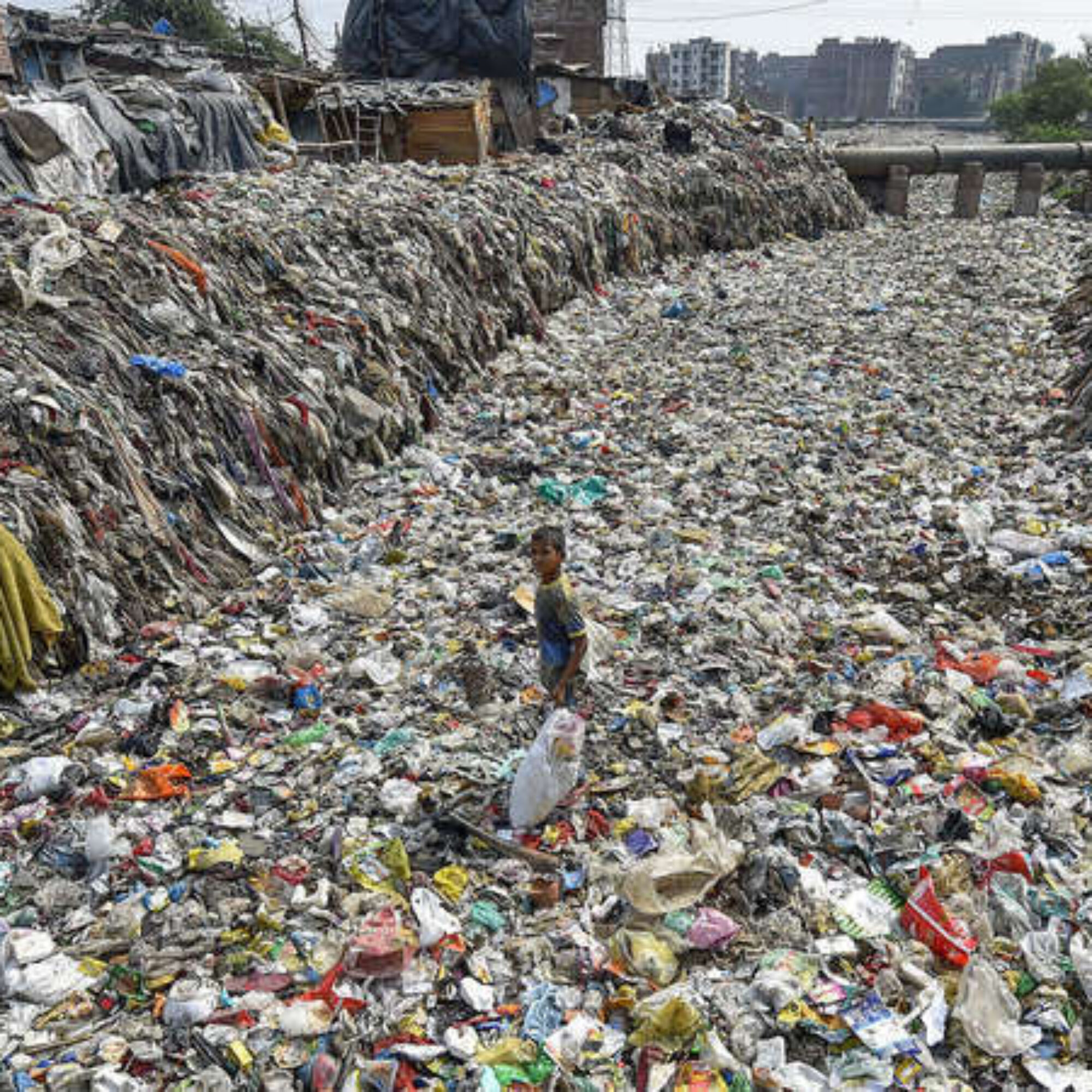
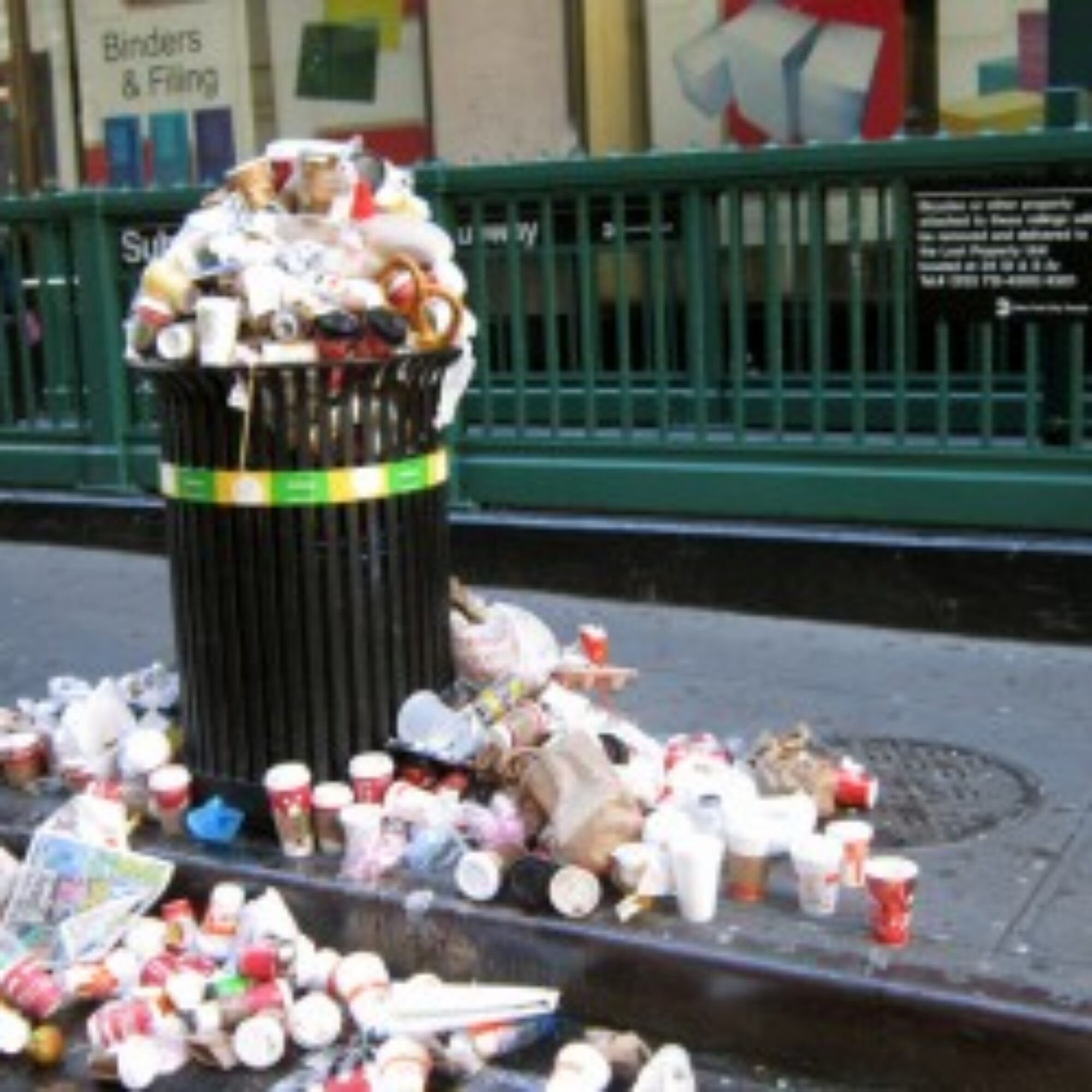
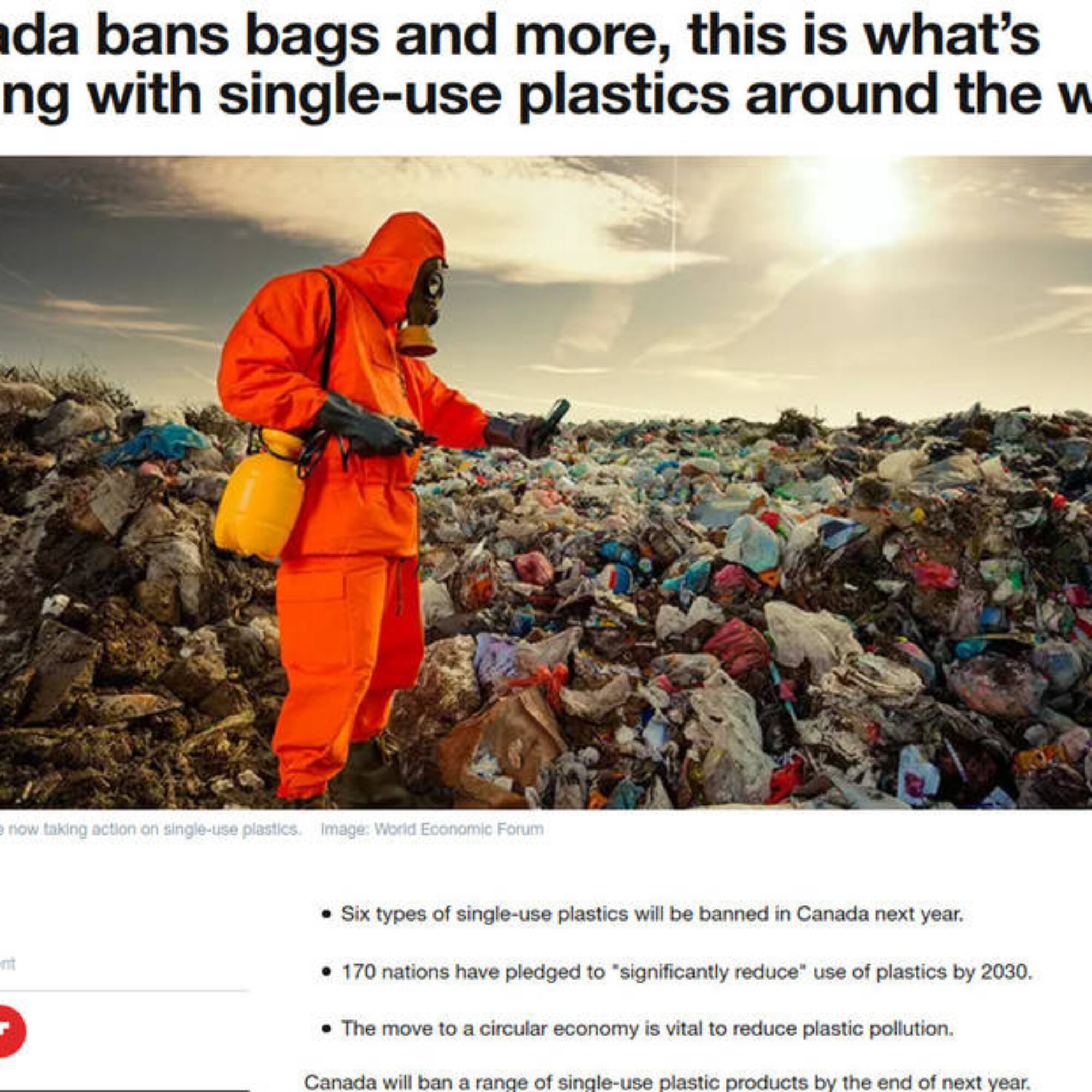
I can't understand why I never see anyone picking up litter except people joining me. Do I sound like I focus too much on this issue? Look at this picture: Almost within living memory, plastic didn't exist. That scene may be in the third world, but we in the overdeveloped world are catching up. The issue isn't waste management, as the producers say, lying through their teeth. It's overproduction. As bad as that scene looks, we're increasing plastic production. That place used to be verdant and fertile, which is why people settled there. If you think that outcome can't happening where you are, you're lying to yourself as much as the producers. Can you not see your community is part of the way there? I…

2 Comments

Why you shouldn’t live sustainably (not really): Coming clean about my shameful sponge

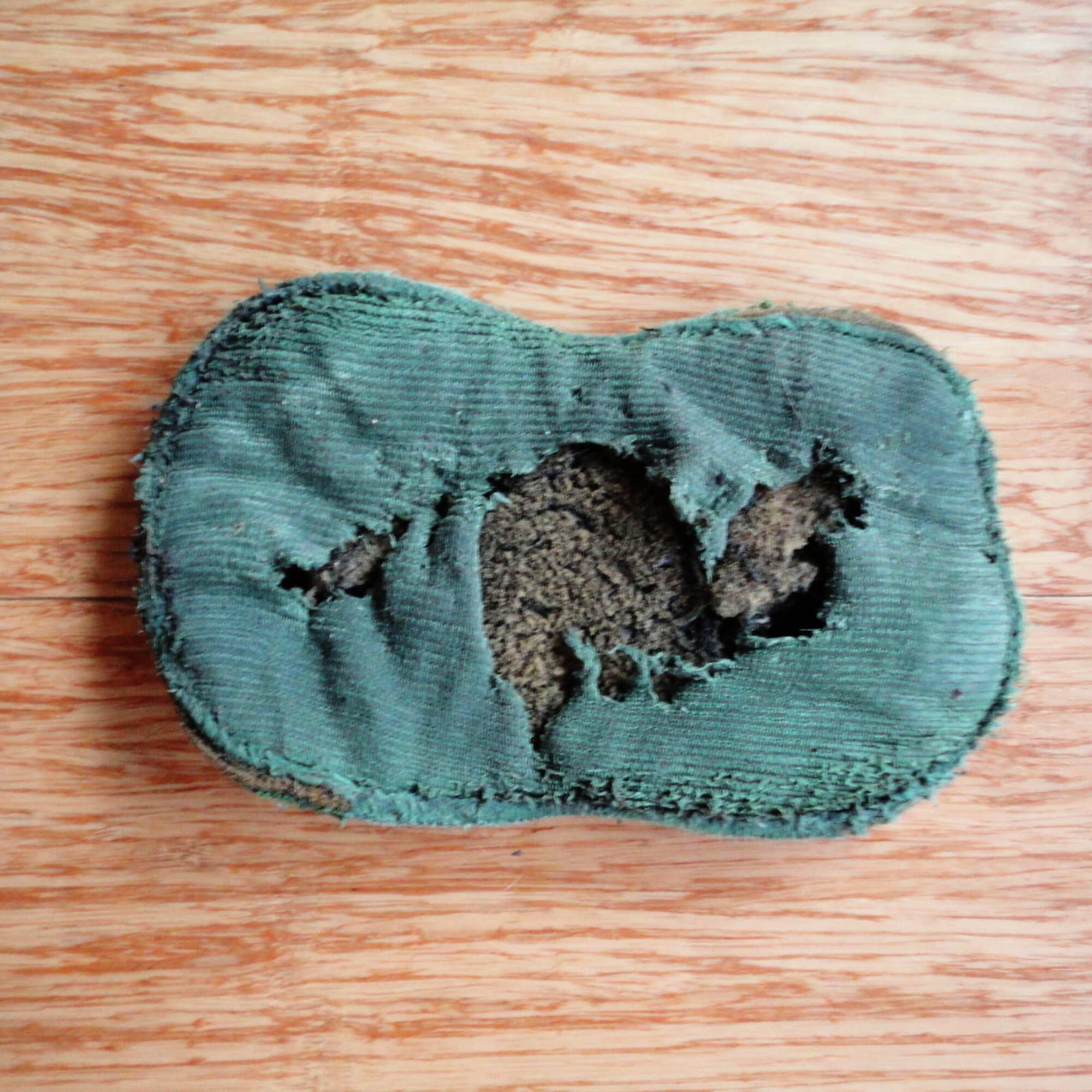
Every time I look at my floor sponge I think, "it's beyond the end of its life. Time to get rid of it." Below are pictures of the front and back. It's in tatters. But look at the third picture. It still cleans the floor. Why get rid of something that works? I've cleaned my floor every fifth day without fail for about five years, maybe more. I do it before my weight lifting routine to warm me up and start the process. It's more than a routine, almost a ritual. I used to mop, but my apartment isn't even five hundred square feet (less than fifty square meters). It's easier and more effective to get down on my hands and knees and sponge it…

0 Comments

Want to live more sustainably: The measure that matters

If you're considering changing practices to live more sustainably, how can you tell among different practices suggested by different groups, often self-serving, which are more effective or even effective at all? Does recycling work for paper, metal, glass or plastic? Does changing your diet help? How about carbon offsets for flying? One measure matters more than almost any other, I contend: How much fossil fuel does the change keep underground? For example, if you buy carbon offsets for a flight, you may fund some project, but you still paid for oil to be pumped out of the ground for the jet fuel. Few projects offsets pay for keep oil in the ground. If you find yourself contorting to explain how planting trees or whatever activity…

0 Comments

Notes from biking from New York City to Philadelphia over the weekend

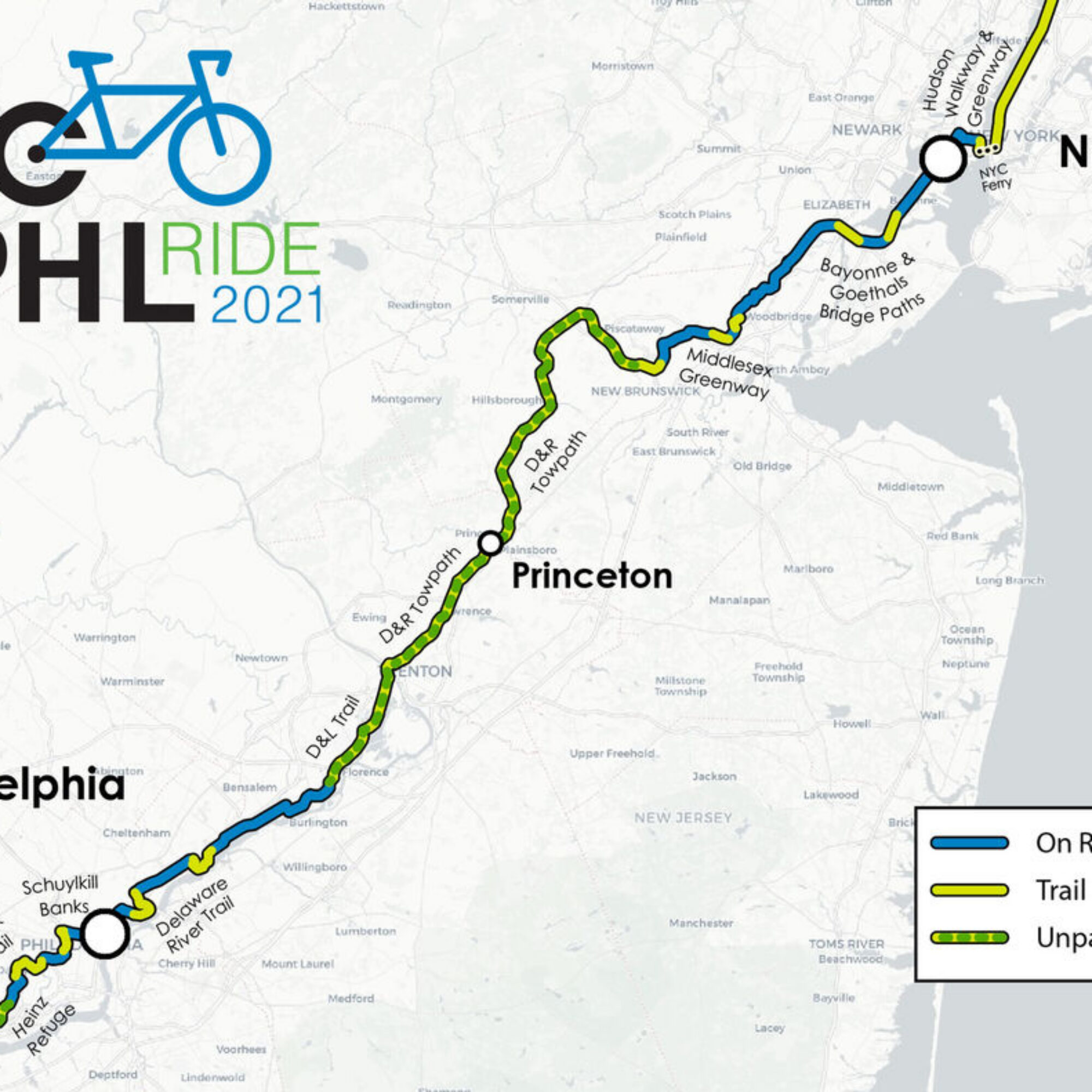
Saturday and Sunday I rode over 100 miles from New York to Philadelphia, sleeping overnight in Princeton as a fundraiser for an organization creating a bike route from Maine to Florida called the East Coast Greenway. Technically we started in Jersey City, just across the Hudson River. I took the subway instead of swimming. Saturday we rode about 65 to 70 miles, Sunday 40. I rode an extra 10 or 15 to my dad's house in Philadelphia, where I stayed overnight before taking the train home. Actually, I rode from his house to the Philadelphia train station and from the New York train station to my home. Reflections I liked Several hours of the ride went along an unused canal that was stunningly beautiful. At…

2 Comments

We know less about nature and science than ever

When I talk about living sustainably, one of people's main objections is that we need to keep developing and pushing the envelope on research on nature and science. Without pushing science and technology: How will we cure disease? Won't children and mothers die in childbirth? What about getting off this planet if an asteroid comes? Don't you value computers, airplanes, and other discoveries that came from science? What about learning about the universe? What about all the progress from moving away from superstition and myth? Do you want to return to the Stone Age? I have a PhD in physics and work on nature so I know a bit of what humans know about nature, but as it turns out the forefront of science is…

0 Comments

How much litter should you pick up?

There's litter everywhere. I pass maybe thousands of pieces daily. You may live in a place with a lower population density, but probably as much litter per person. I pick up a dozen or so pieces each day, leaving most of it. That means I pass most without picking it up. I'm not doing it for my health or to solve the problem. I do it because it feels right. Maybe it would feel right to you. I don't know. I feel good about picking up what litter I do and bad about what litter I pass without picking it up. Sometimes I mentally justify why I don't pick up some pieces. I generally think, "I don't have to pick up any." What's the right…

0 Comments

How will a sustainable world look?

Some parts of a world I predict we'll see as we grow more sustainable: We'll live closer to our close families. We'll feel less craving. Marketers won't try to sell us stuff all the time. Billboards will disappear. We'll play sports in person more than watching them on TV, without athletes flying all over. We'll write, paint, and participate in civic activities more. We'll eat to full every meal from going back to eating how our ancestors did, much more vegetables. They're delicious and low in calories. so we get to enjoy eating more. We'll know our farmers from buying from people closer to us. We'll bike a lot more. Now Americas say biking is hard and depends on the weather, but whatever weather we…

0 Comments

They’re creating a bike route from Maine to Florida. Sponsor me in a fundraising ride!

Imagine a Green I-95 Imagine you could ride a bike the length of the United States east coast. Would it fix all the worlds problems? Not by itself, but it would open possibilities to travel enjoying nature instead of polluting it. How many people might ride and camp instead of drive? What signal might it send to increase biking in the U.S.? I am riding in the East Coast Greenway Alliance's inaugural New York City-to-Philadelphia Greenway Ride, a 2-day, 130-mile fundraising ride Saturday and Sunday, August 28-29, 2021---next weekend. My ride supports creating a green bike route between New York City and Philadelphia. Roughly 1,000 miles of the Maine to Florida route is on protected greenways, and the East Coast Greenway Alliance is working to…

0 Comments

Leading a children’s workshop on picking up litter in Union Square

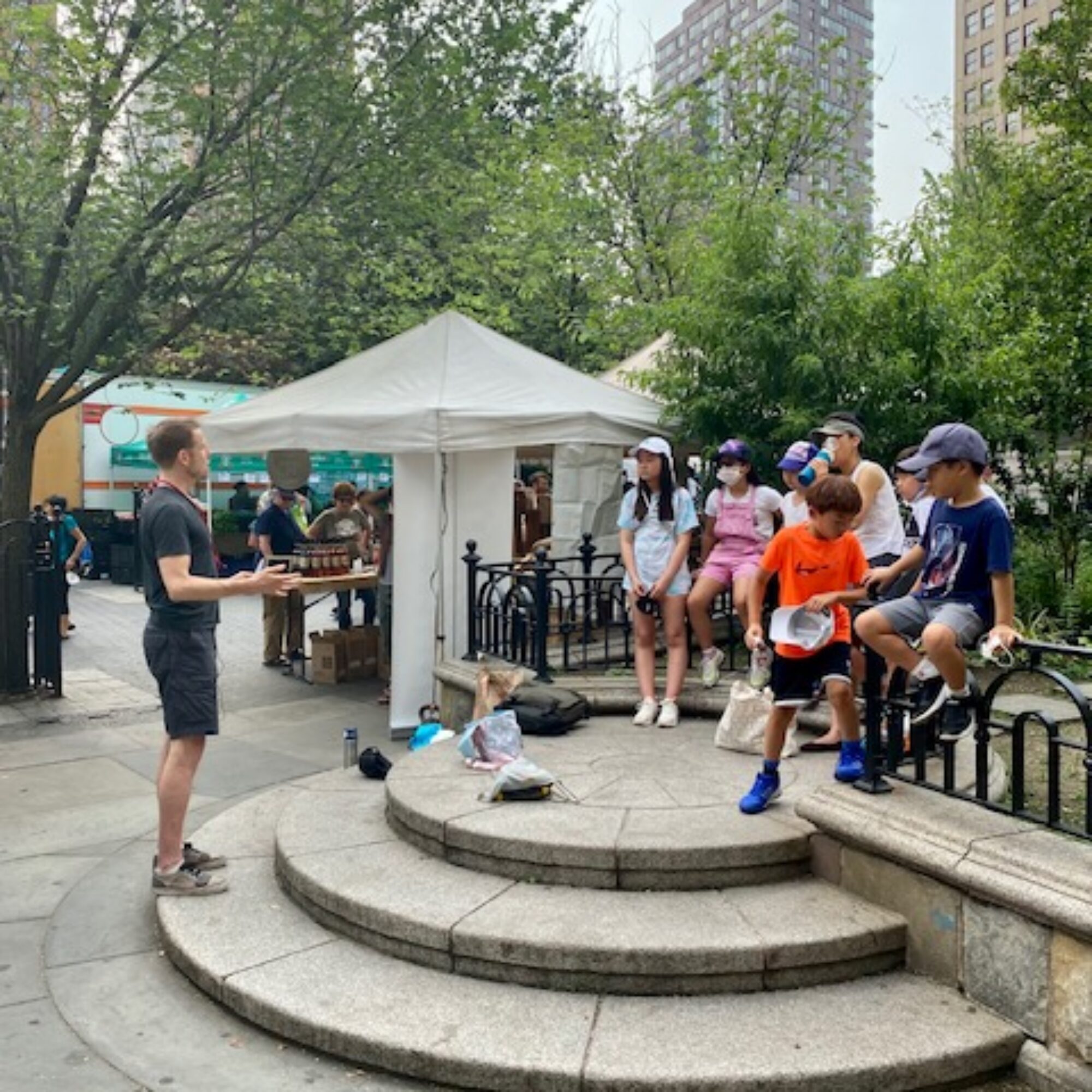
I pick up litter every day. My old yoga teacher, Eunnye, invited me to introduce her children's group to the practice. Her group is Critical Learning Club: Essential Education for Sustainable Living. We met by the Gandhi statue in Union Square, NYC, to pick up litter together. We had fun picking up litter together, though sad at how much litter we found. Here's the a video of it: https://youtu.be/am418Hs92iU We hope watching us will lead you to pick up litter daily too. We hope it leads you to buy less packaging so retailers tell manufacturers to stop making it, and everyone tells the extractors to leave the oil in the ground. The more you pick up the more you want to pick up more. I'm…

0 Comments

The point of individual action when you want to change systems

Part of why I act and try to lead is to develop more effective ways to communicate and motivate. People have developed tremendous skills to dance around sustainability issues. They'll ask for ideas of what they can do. Then they'll respond, "but systems have to change." Then when you talk systemic change, they ask, "But what do I do?". In practice, they dance around five or ten issues where their answers bounce around, dodging answers more than leading to action. "But individual actions don't make a difference . . ." One of the most common topics people dodge personal responsibility with is to say individual actions don't make a difference. I'm sure they have many motivations to say it, but I think mainly because they…

0 Comments

Space: The Final Frontier, hear me on America Out Loud on space, space travel, and astrophysics

With the recent civilian billionaires heading to space, Rob and Andrew invited me as a guest on their show After Dark on America Out Loud to speak about space, humans going there, and my helping build satellites with NASA and ESA (the European Space Agency). I haven't gotten to nerd out on my rocket-based work in years, even decades. I don't remember the hard equations since I'm out of practice, but I'll never lose the passion for discovering about nature and understanding mind-bending perspectives the frontiers of physics creates. Here's the episode: In it I shared one of my favorite passages from my upcoming book. I had a little trouble speaking about my misgivings of space tourism, but we got to talk about a lot.…

0 Comments

Young people don’t want kids out of fear. What does it take to wake up and fix our culture?

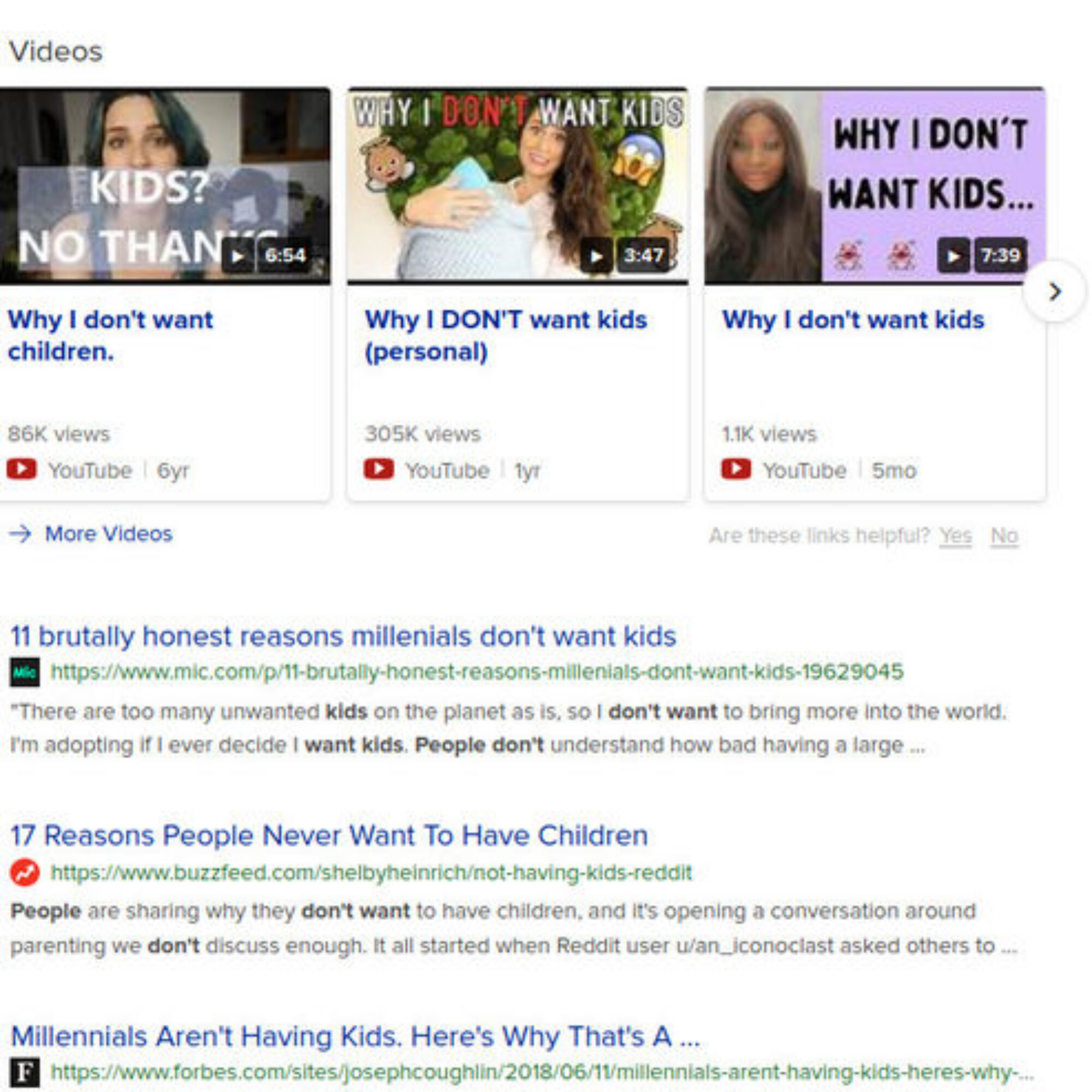
Look at these results from searching "young people don't want kids": 9 Brutally real reasons why millennials refuse to have kids11 brutally honest reasons millenials don't want kids17 Reasons People Never Want To Have ChildrenMillennials Aren't Having Kids. Here's Why That's A ...10 Reasons Why People Want Kids (and 10 Reasons They Don't ...Americans Are Having Fewer Babies. They Told Us Why. - The ... The list goes on. The articles list many reasons, but overpopulation, the environment, and degrading hopes for a better life rank highly. It wasn't always this way. I doubt it was ever this way except in war, and maybe even not then, or at least it changed when the war ended. The environment won't improve for thousands of years. How…

0 Comments

The distraction of reporting more wind and solar

Headlines keep reporting how much more wind and solar power we're producing, how much batteries are improving, and how fast their costs are dropping. Providing new sources of energy is important, but history has shown that when we find new sources of energy, we use them and keep using the old ones. As great as the problem that fossil fuels will run out, burning them poisons our planet, lowering its ability to sustain life. So does turning them into plastics, artificial fertilizers, poisonous chemicals, and more. If we don't stop using them, they will kill us. Did that sound too blunt? Nearly ten million people die each year from breathing air. Fossil fuels kill us in other ways too, on top of global warming. In…

0 Comments

Bullshit Cargo

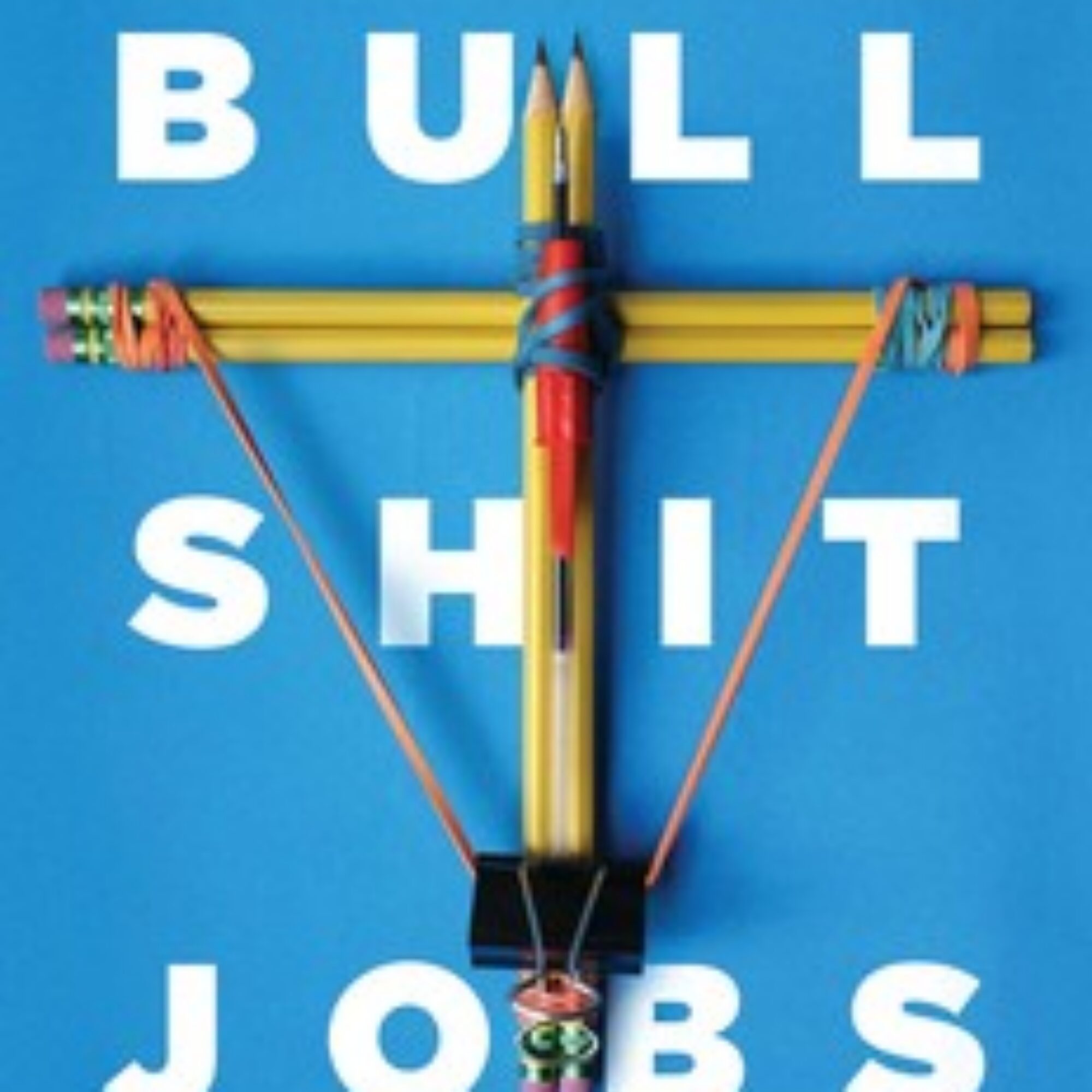
If you haven't heard of the book Bullshit Jobs, here's Wikipedia's description: Bullshit Jobs: A Theory is a 2018 book by anthropologist David Graeber that postulates the existence of meaningless jobs and analyzes their societal harm. He contends that over half of societal work is pointless, and becomes psychologically destructive when paired with a work ethic that associates work with self-worth. Graeber describes five types of meaningless jobs, in which workers pretend their role is not as pointless or harmful as they know it to be: flunkies, goons, duct tapers, box tickers, and taskmasters. He argues that the association of labor with virtuous suffering is recent in human history. You probably know a lot of people with bullshit jobs. A while ago I saw a…

0 Comments

There’s no such thing as a superfood

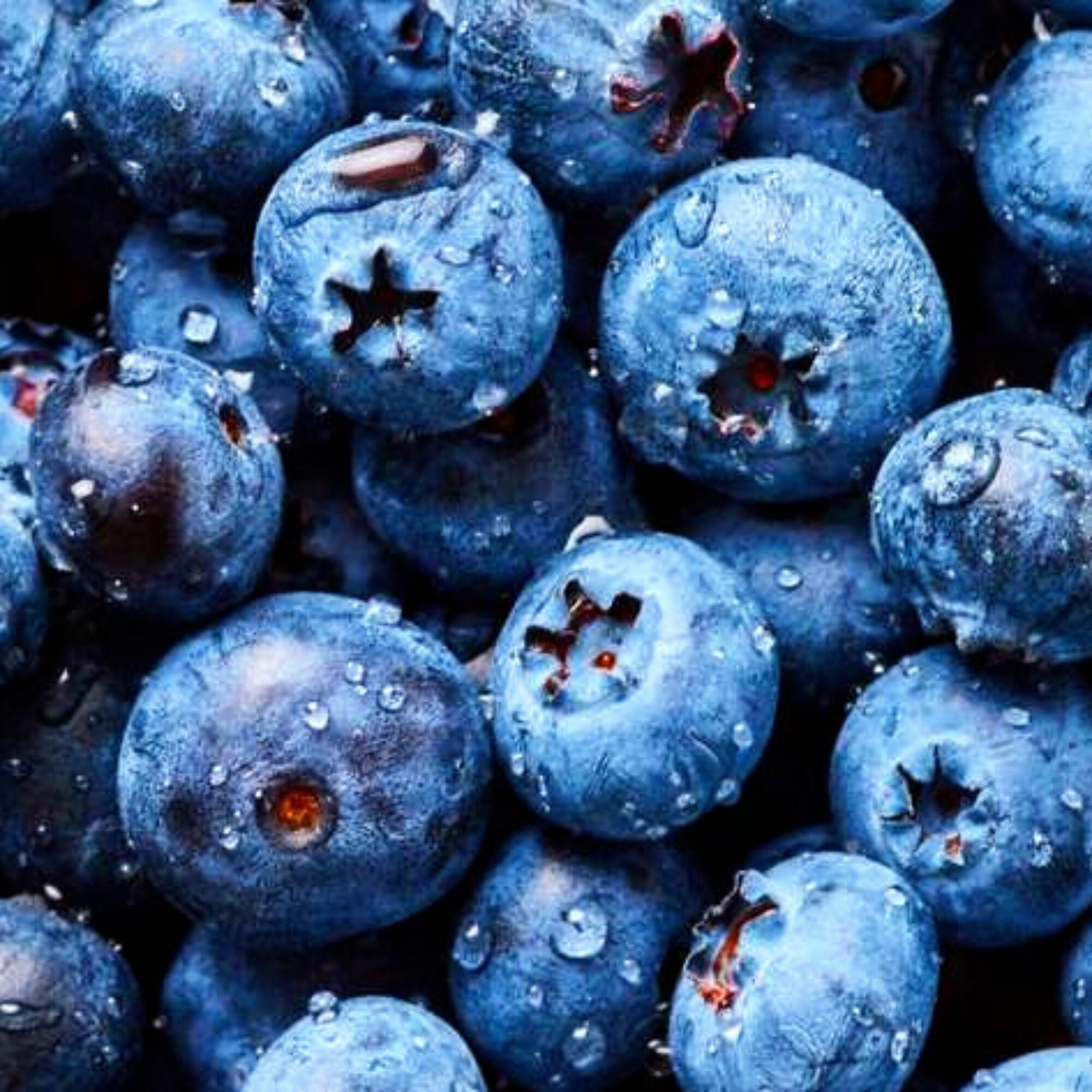
I wish marketers had more integrity. They can't let you be. They jam up your anxieties, fears, craving, and emotional intensity to override your thoughtful reflection. Not that it's new or the biggest problem in the world, but they try to call everything they can a superfood. You probably know the term has no definition. Blueberries and amla are nice, but they're just plants. Nothing super about them. The problem is food-like products at the other end of the spectrum. The problem The problem with calling regular foods superfoods is that it implies you're eating healthier than you are. It's like vanity sizing, where clothing companies call clothing a smaller size so people trying them on think they're more fit than they are. Blueberries are…

2 Comments

Know the 2 carbon cycles and don’t confuse them.

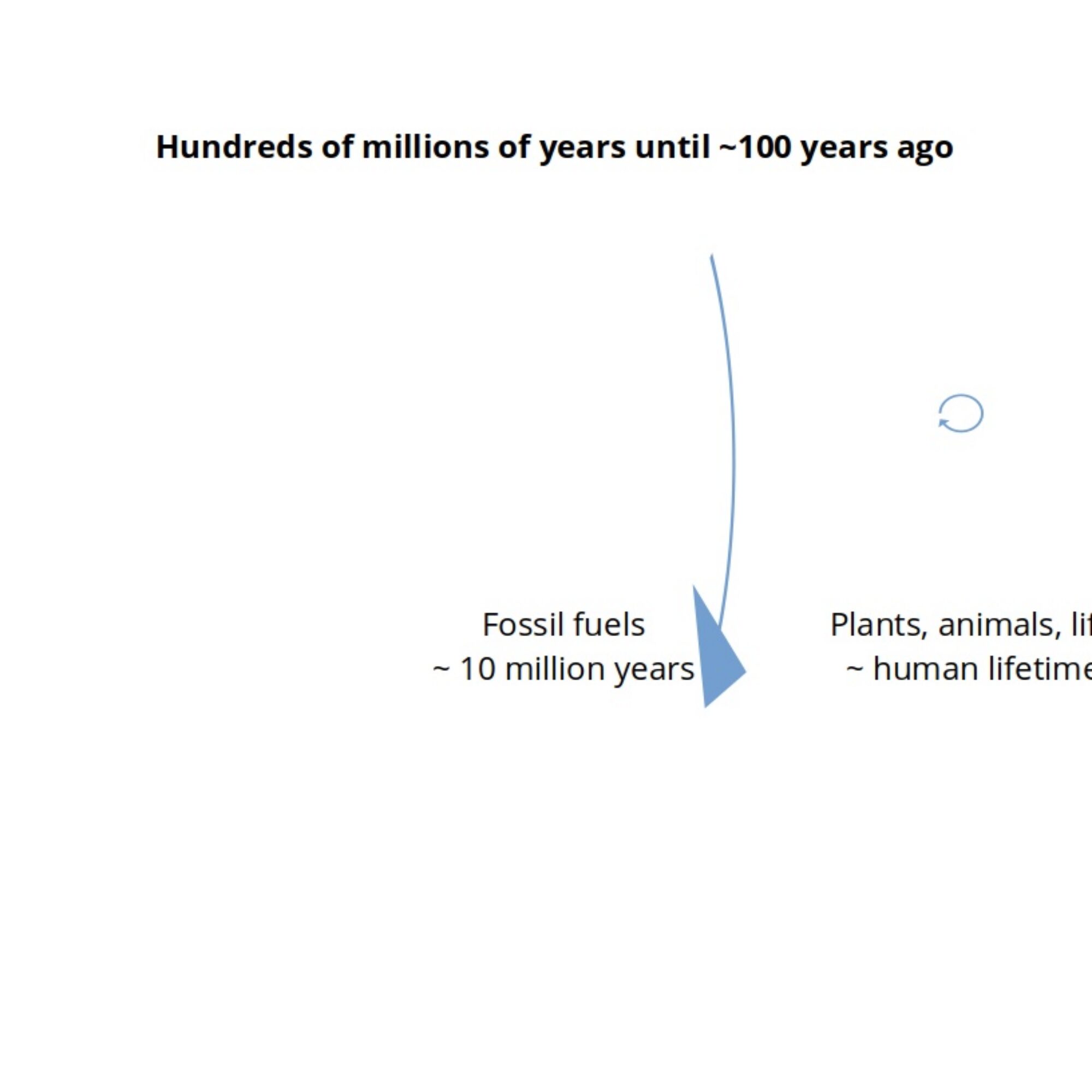
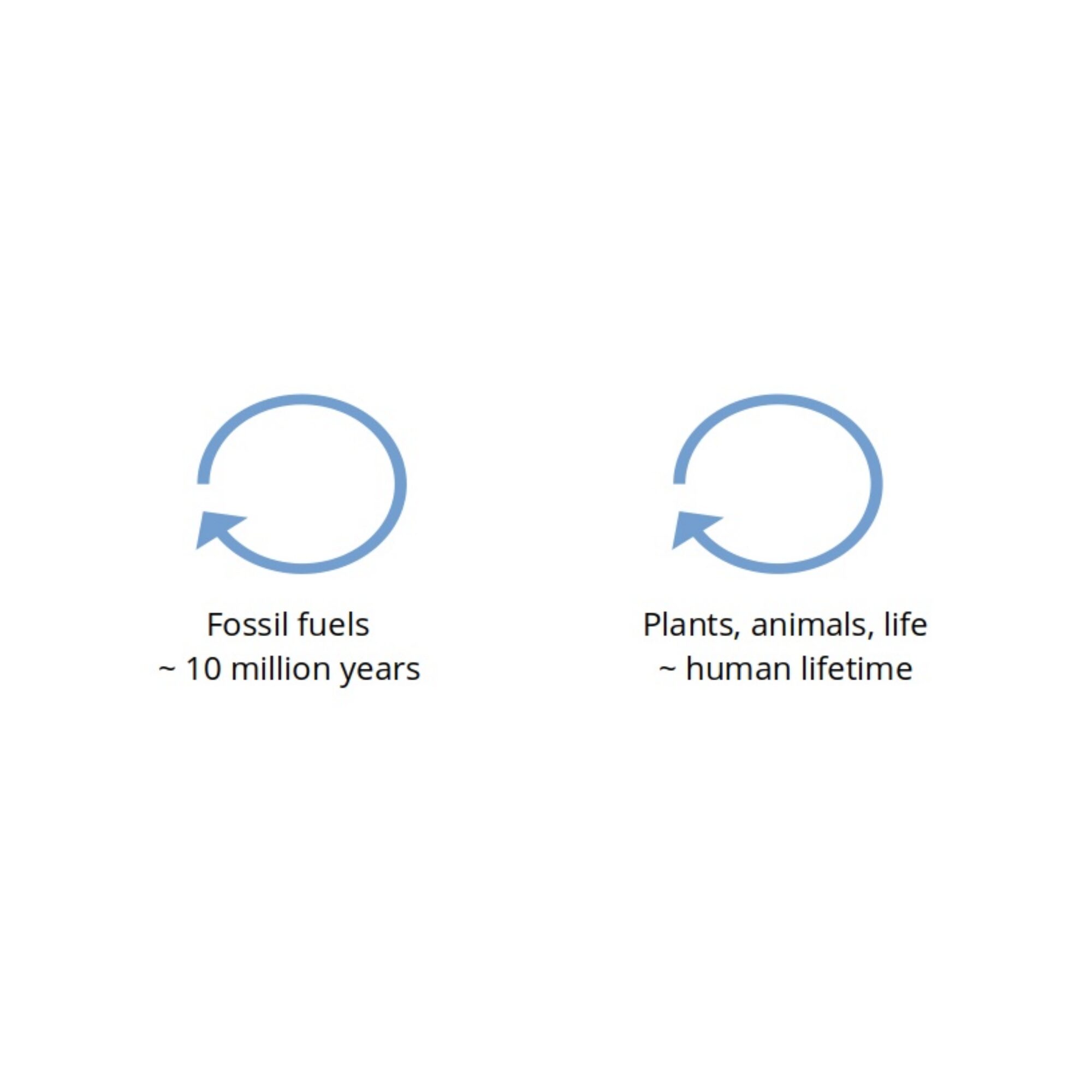
Can we grow enough forests and use enough regenerative agriculture to sequester enough carbon to undo global warming? To answer this question you have to understand the two carbon cycles. I'm simplifying, but you can think of two different cycles of carbon. One is the regular life cycle of carbon-based life forms. When something lives, it contains carbon, including trees, humans, and everything living in dirt and the oceans. When a plant or animal dies, it decomposes and its carbon returns to the rest of the environment. If you've read about the Amazon rain forest becoming a source of atmospheric carbon, that result illustrates this effect. The other is the Earth's pressure pushing life underground and turning it to oil. I'll illustrate the two cycles.…

0 Comments

Communicating with tech geeks on sustainability

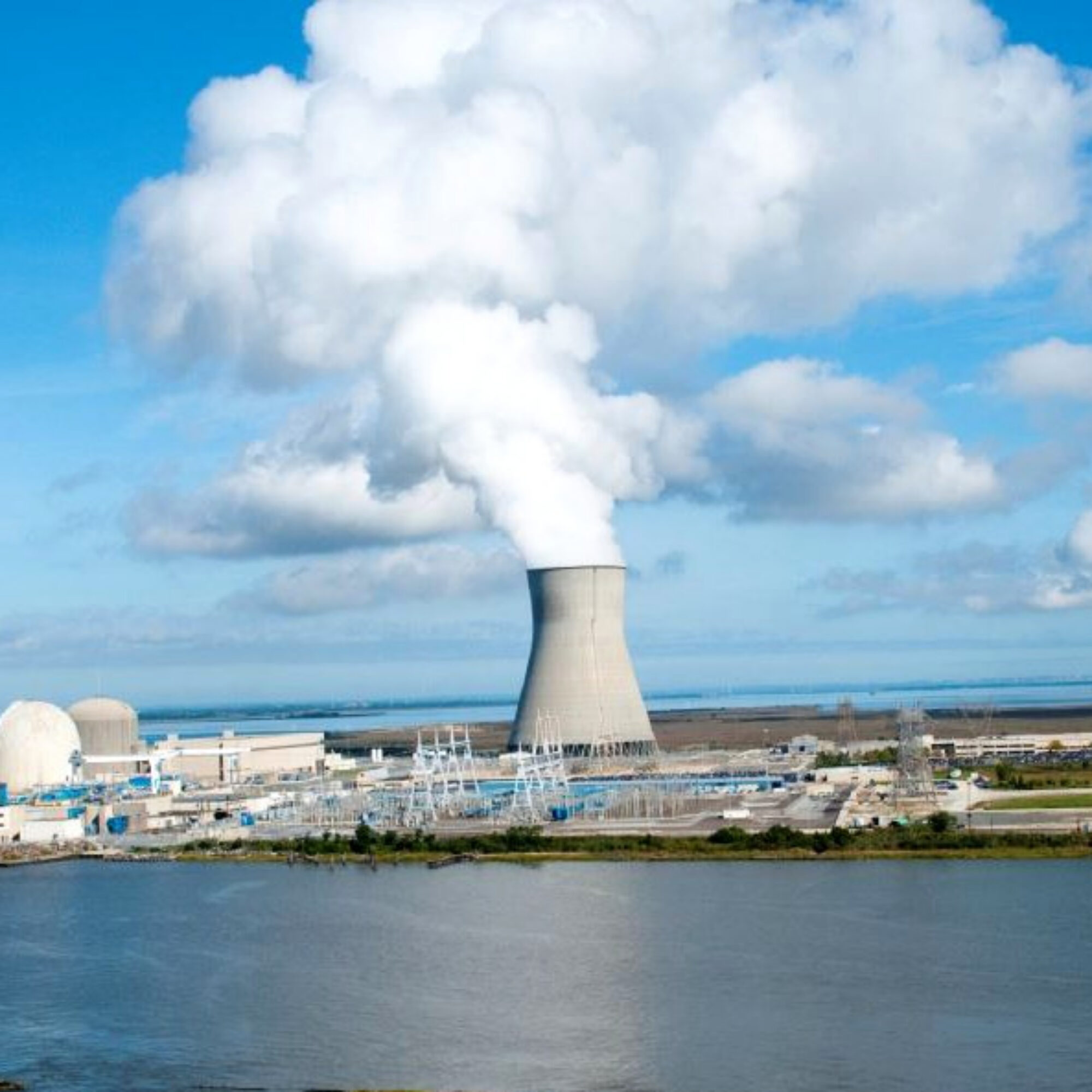
Regular readers know I work to communicate effectively with groups that don't know or act much on sustainability. My goal is to lead them to where they want to act for their own reasons, expecting success. I've succeeded with conservatives and evangelicals. Other groups are more challenging. Geeky communities like Slashdot and Hacker News tend to like nuclear, escaping to Mars, and other tech-based solutions. They seem to miss unintended side effects and systemic effects. They love efficiency but don't see that you can make part of a system more efficient, lower pollution in one part of the system, but increase it overall. They treat colonizing Mars as inevitable and easy, but lowering consumption as impossible. Space is paradise to them while fresh fruits and…

0 Comments

We will soon see plastic the way we see asbestos, leaded gasoline, and marketing cigarettes to children

Asbestos, leaded gasoline, and marketing cigarettes to children made a lot of money. If you believe profitable sales mean a fair trade of money for products or services, therefore improving the world, they were good. Whatever their benefits, they also killed people. I don't know anyone who argues we should let markets alone regulate selling cigarettes to children. Nearly everyone agrees on laws regulating putting lead in gas. Your IQ is probably lower as a result of all the lead leaded gas put into the air. Today people say, "Plastic has its problems but its so useful we can't do without it." Future generations will recoil in horror at the time we're taking to ban at least the single-use stuff. We've effectively filled the ocean…

0 Comments

Personal action: Nobody said act once and stop. Act, learn, act more, lead others.

People who don't want to act on the environment will create and believe any rationalization to justify not acting. A common one is to say what they do doesn't matter. Or that their results wouldn't make a difference. I kept myself from acting for years for "reasons" like these. Nobody said to act once and stop. Any one individual action divided by the results of billions of others rounds to zero. But you don't have to stop with one act. If you find yourself judging someone's first actions by what he or she did at first, you're off the mark. In fact, you're likely discouraging themselves and yourself. Want someone not to try something new? Tell them you'll watch and judge how they do it.…

0 Comments

Eugenics, anti-miscegenation, and ecofascism, especially in the United States

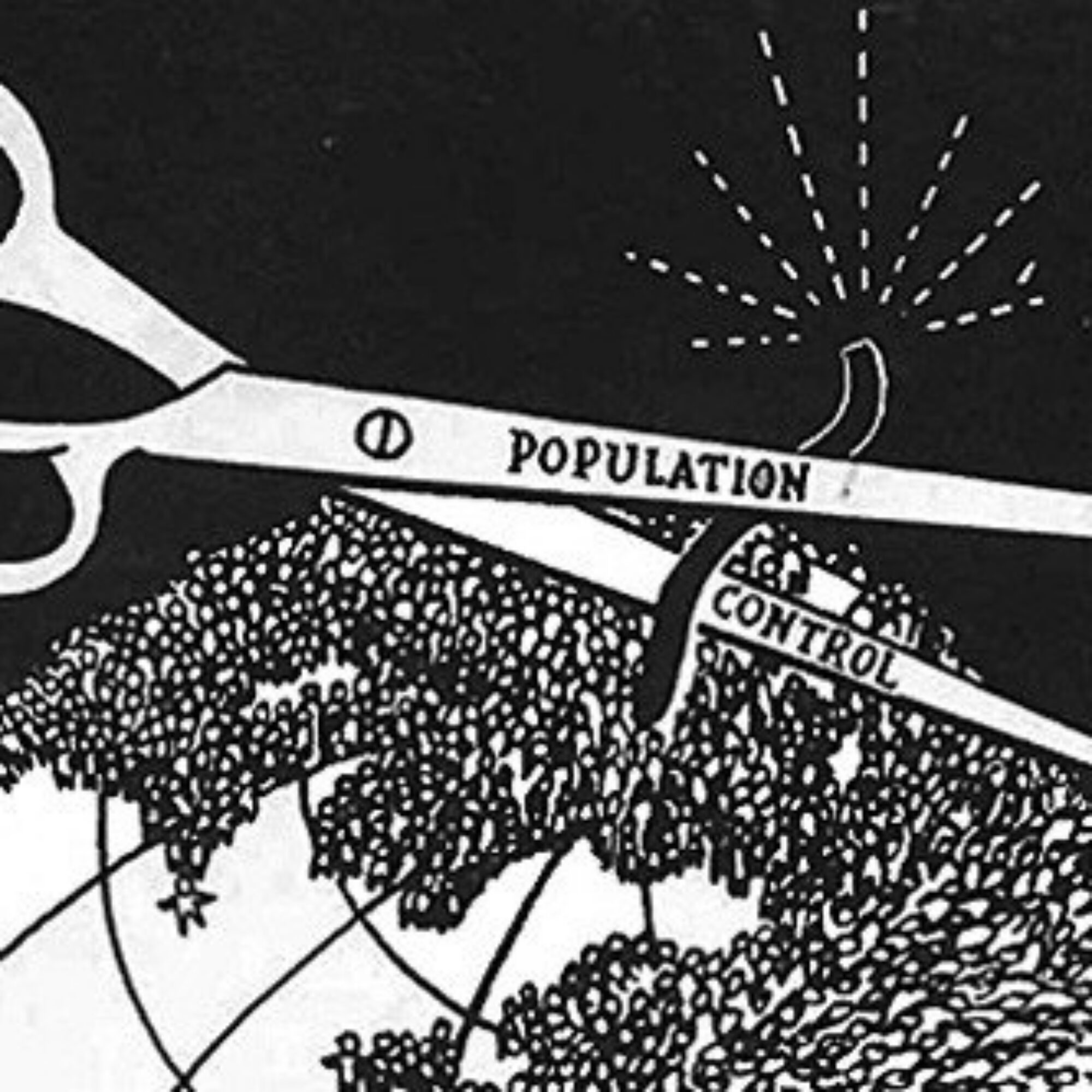
Hitler was vegetarian. If you want to work on sustainability, you will face people pointing out this history. They don't point out that he also promoted larger families, but many feel like it checkmates all cases for changing diet. Beyond diet, I've talked a lot about population since reading podcast guest Alan Weisman's Countdown and learning of guest Mechai Viravaidya's lowering Thailand's birth rate through purely voluntary, often fun, means. I knew human population affected all our environmental problems since reading Limits to Growth, but declined to talk about it because I thought controlling population could only result in One Child policy-like disasters. What about eugenics and ecofascism? I thought ecofascism was a slur at people who hug trees. It turns out many fascists and…

0 Comments

The best presentation on population I’ve seen, by TV and movie star Alexandra Paul

Alexandra Paul has risen to the top of my list of the few people who live in the intersection of experience necessary to lead effectively on the environment. She has experience leading, she knows the science, and she lives the values she suggests for others: She was a recent guest on my podcast, This Sustainable Life. She mentioned a presentation she has since given at Sand Diego State University. I consider it among the best resources on population I've seen. I recommend it as much as I can recommend videos, especially if you are considering having more kids or know anyone who might. She's considered the issue from many angles and speaks from experience, research, and compassion. It's the future. Here it is: https://youtu.be/FPHcKaOPxxM I'd…

0 Comments

Doing something nonpolluting doesn’t offset something polluting

Posting yesterday that Eating something healthy doesn't offset something unhealthy suggested a parallel with polluting. People dream that if they do polluting things, they can do something nonpolluting to average it out, as if carbon offsets or recycling had negative pollution that averaged with flying's positive pollution to zero pollution. Offsets don't negative pollute. They're nice, but they don't put pollution we took from underground back underground permanently. You can't undo drilling fossil fuels from underground. Maybe one day we'll be able to sequester carbon permanently, but we have no such ability today. Potential ways of doing it are far from economical or able to work on the scale we need. I edited yesterday's graphic to illustrate and clarify. It doesn't work exactly as much…

0 Comments

A New Reason I Pick Up Trash Every Day

I've held back on sharing this because it felt too presumptuous. To remind you the context, I've found that to lead on sustainability, you need experience in three areas: LeadingScienceLiving the values you promote I know of almost no one with experience in all three. Not Gore, DiCaprio, Thunberg, or any of the big names people associate with sustainability. Previous guest Alexandra Paul fits the bill. For a while, I've contended that picking up litter gives me experience both leading and living the values I promote. Of course, it reduces the garbage immediately reaching the oceans too. Several other minor reasons. The Reason I'm Sharing for the First Time Another reason I hadn't consciously realized myself yet. I meant to post it on July 4,…

0 Comments

End of content

No more pages to load