Tips


Stop saying the playbook for doubt and deception comes from “big tobacco.” What to say instead.

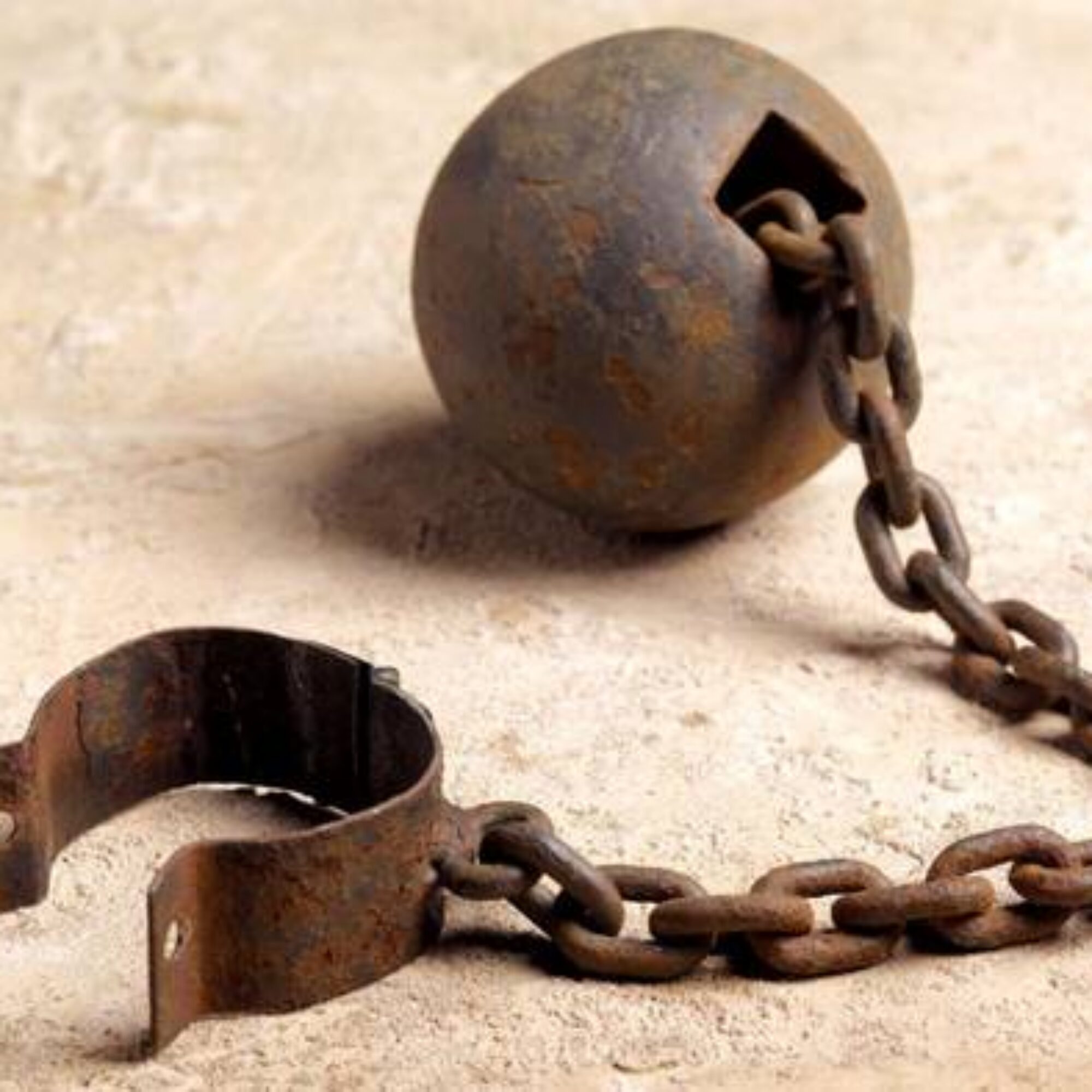
When people talk about industries sowing doubt to avoid being scrutinized or regulated, people often say that those industries are using the tactics of big tobacco. It happens a lot with businesses the pollute and deplete a lot. I think they're mostly relying on the book Merchants of Doubt, which wrote about how the tobacco industry created uncertainty and other tactics, not to defend themselves so much as to deflect accountability and interest. I agree with the sentiment, but tobacco companies didn't start the practices. It's been a while since I read the book Industrial-Strength Denial: Eight Stories of Corporations Defending the Indefensible, from the Slave Trade to Climate Change, by Barbara Freese, so I might misremember, but it traced them to the slave trade.…

0 Comments

This week’s selected media, September 14, 2025: Common Sense and A Brighter Summer Day

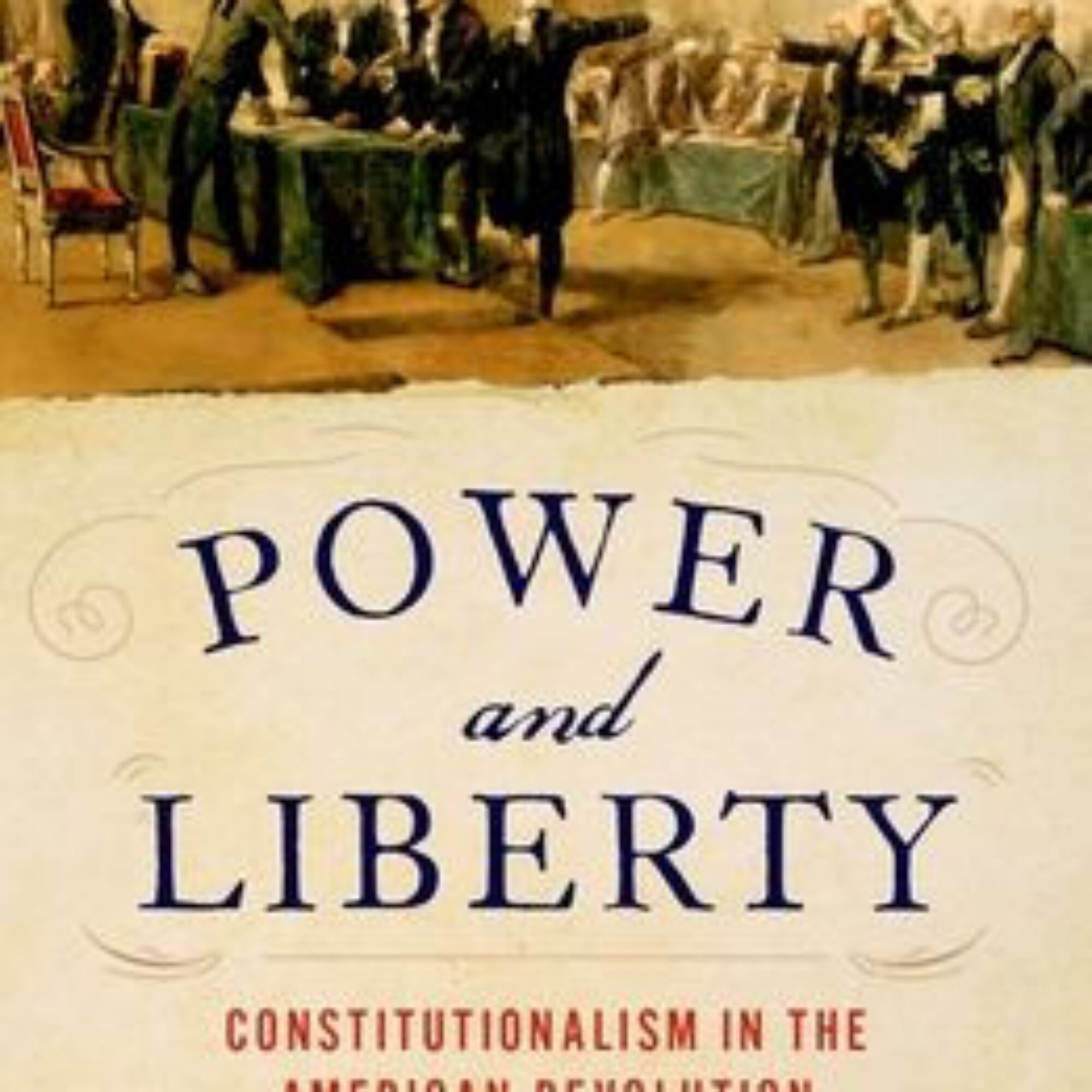
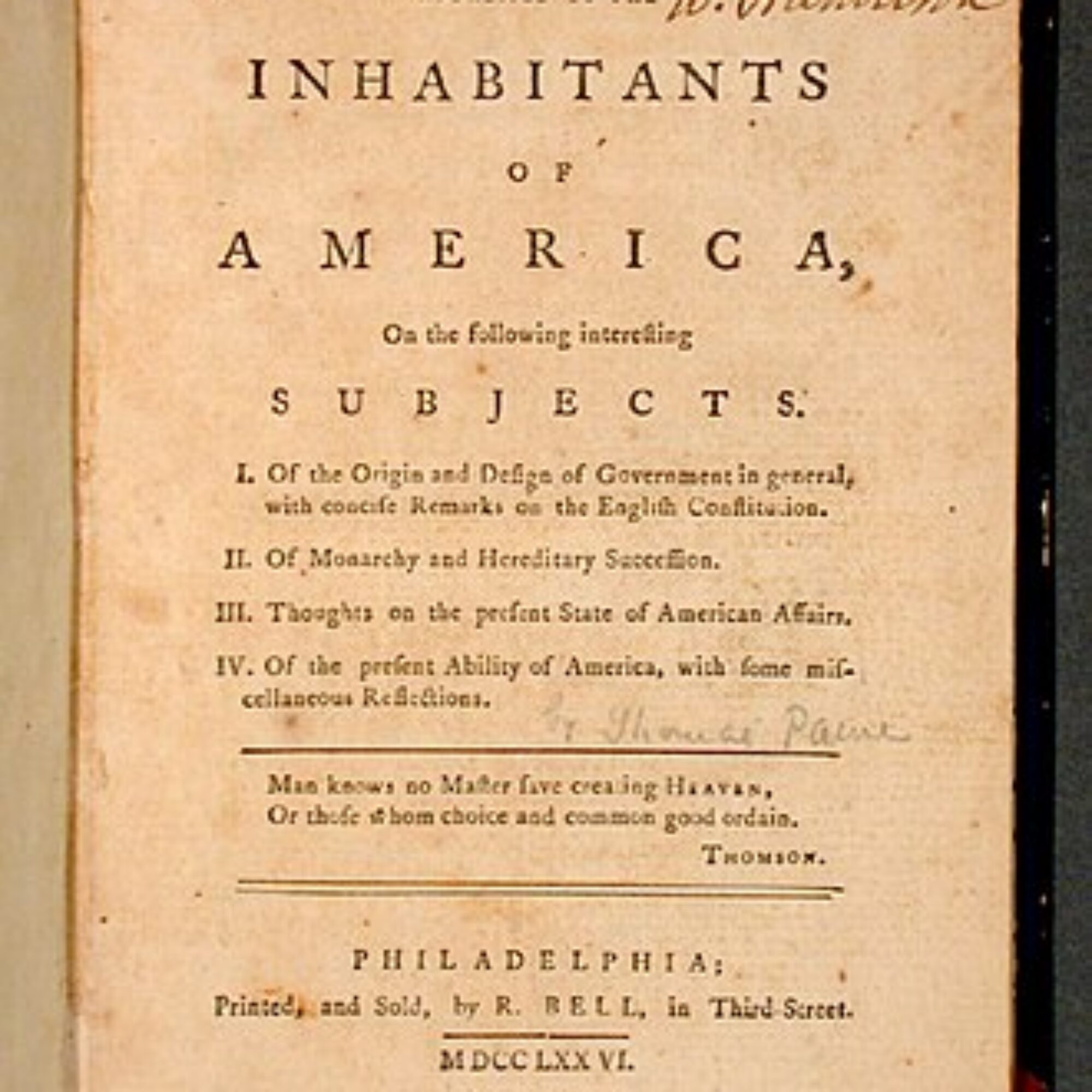
This week I finished: Common Sense, by Thomas Paine: I read this book because the more I read about it, the more my book seemed to be following its legacy, though I want to be careful about flattering myself, given its sales and influence. I was pleasantly surprised at how much of this book made common sense though the language was hard to understand. I didn't realize a book had affected American history so much. I understand about 500,000 copies sold at a time when the number of colonists was about 2,500,000, meaning 20 percent of them bought it, the equivalent of 60 million copies of a book today. Paine railed on monarchy, especially hereditary, how England was helping itself, not the colonies, and was…

0 Comments

I reduced my social media use even more.

I avoid Facebook, Instagram, Twitter, and most other social media. I still used LinkedIn more than weekly. Still, I had come to think of it as a place of spam. I don't know what it's like for you, but as best I can tell, the words "coach" or "author" seem to invite people I've never heard of to promote "quality leads," book promotion services, and so on. I wondered if it was worth using. I don't read my feed. I rarely met people there. Yet logging on took time. Also, those tabs seemed to slow my browser most. I had to install a browser add-on to fix tab names. LinkedIn kept making them change as a notification, which distracted me from effective work. I knew…

0 Comments

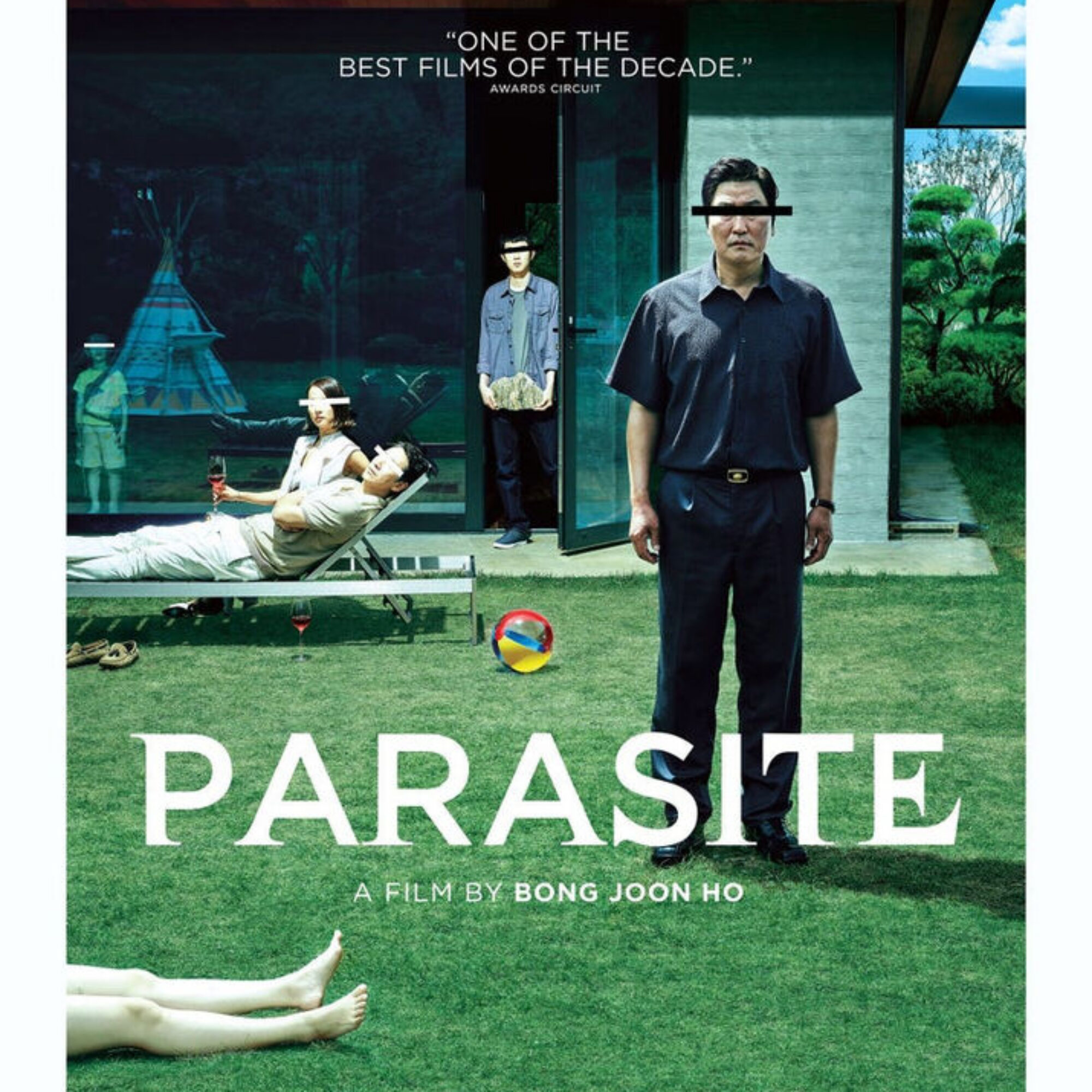
This week’s selected media, September 7, 2025: Parasite

This week I finished: Parasite, directed by Bong Joon-ho: I had heard people and critics liked this movie. I hadn't heard much detail about it. The title didn't sound appealing. While watching it, I didn't find it credible. Too many suspensions of disbelief caused me to pop out of being lost in the story to saying, "Okay, that part wasn't believable, but let's imagine it was and go with it" or "Is the movie trying to be believable or maybe commenting on other movies, because it's too far removed from life." At the end, I felt I understood what it was about, but didn't think much of it. It reminded me of the Christopher Nolan Batman movies the second times I watched them. The first…

0 Comments
This week’s selected media, August 31, 2025: Getting to Yes, Getting to Yes With Yourself, The Mindful Body
Version 1.0.0

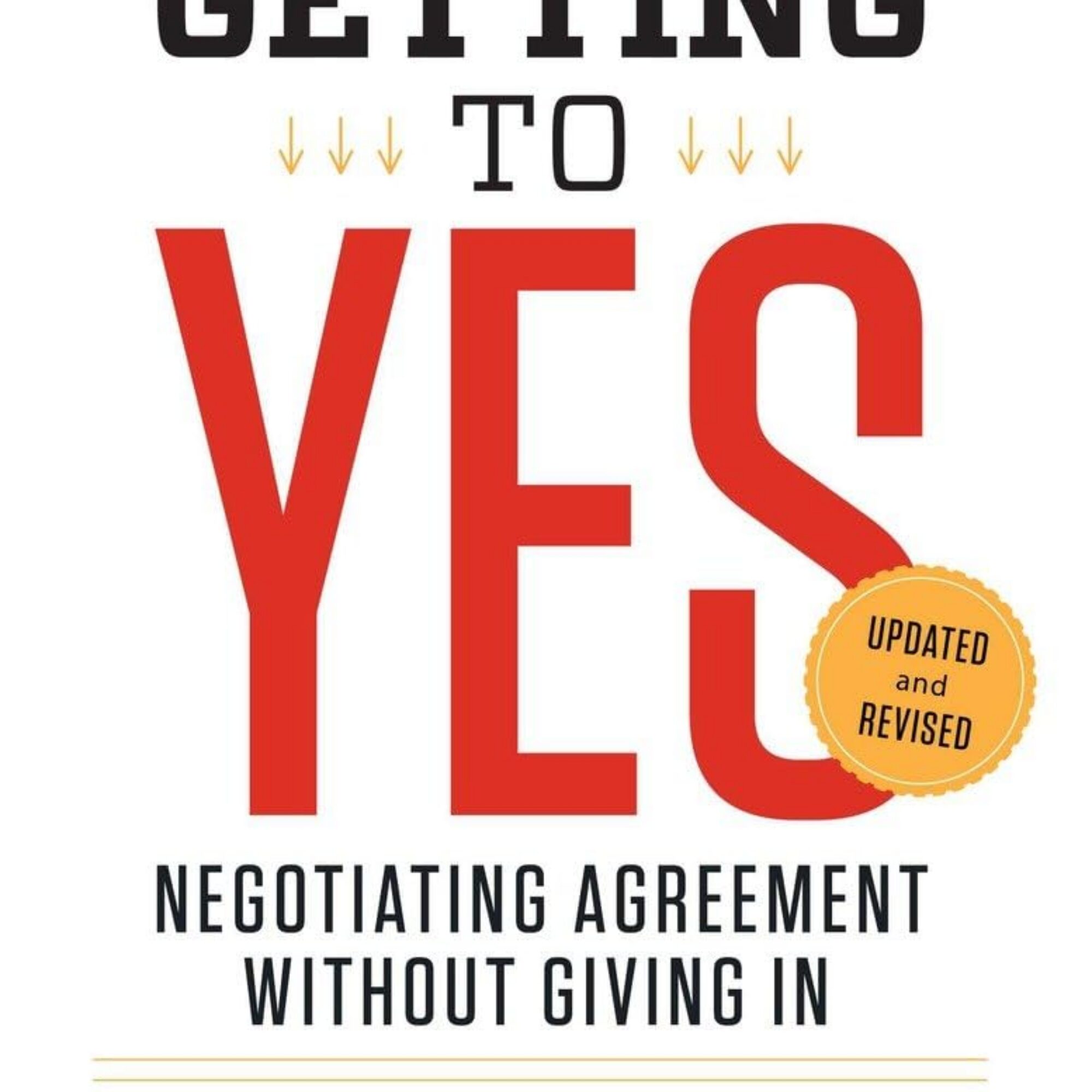
This week’s selected media, August 31, 2025: Getting to Yes, Getting to Yes With Yourself, The Mindful Body

This week I finished: Getting to Yes: Negotiating Agreement Without Giving In, by Roger Fisher, William Ury, and Bruce Patton: I'm sure I've written about this book before. I first read it when I was CEO of Submedia, so over twenty years ago. I've given away more copies of this book than any other that I didn't write. I reread it now because it's the choice for the book club of the alumni community of my workshop. I credit this book for transforming the concept of business in my mind from something mechanical where the goal is to win and if results like the Exxon Valdez happen then so be it to a relationship-based project that when done skillfully mutually benefits all. I took classes…

0 Comments

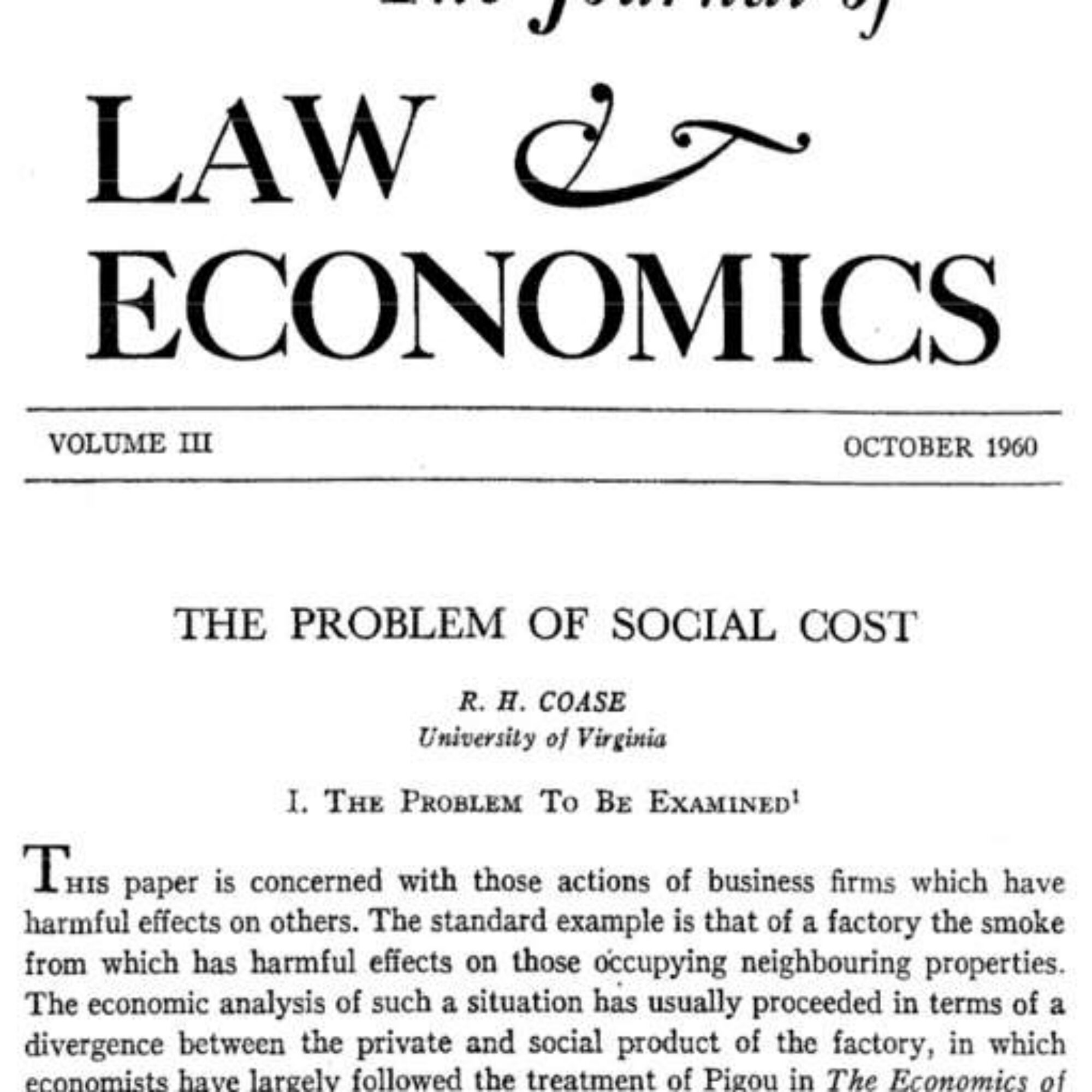
This week’s selected media, August 24, 2025: The Problem of Social Cost; Law, Property Rights, and Air Pollution

This week I finished: The Problem of Social Cost, by R. H. Coase: I heard about this paper months ago, or maybe years. I read it because it came up in the Cato Institute podcast I wrote about in Libertarians confused on pollution, sacrificing their core values. At the root: lack of hands-on practical experience. I believe I see Coase's starting point that conflicts don't necessarily mean one person harming the other so the person harming is wrong. Conflicts can go in both directions. The two or more sides can negotiate resolving the conflict. Still, I read the paper for seeing how it applies to pollution. I think this paper misunderstands pollution, maybe because it's from 1960 and people didn't have the experience with pollution…

0 Comments

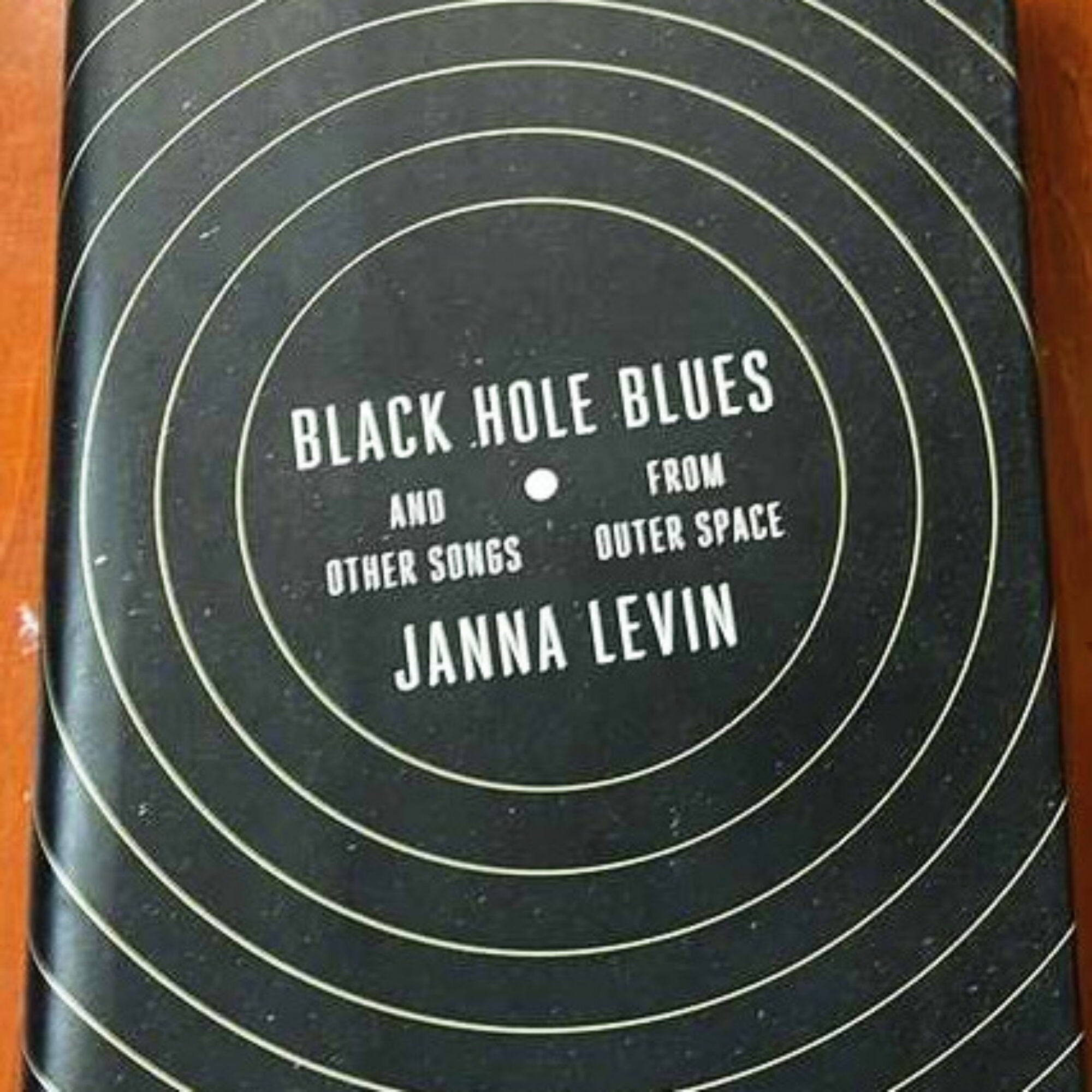
This week’s selected media, August 17, 2025: Black Hole Blues, If You Can Keep It, several essays by Woodrow Wilson, The White Man’s Task

This week I finished: Black Hole Blues and Other Songs from Outer Space, by Janna Levin: Somehow I started receiving Janna Levin's Substack (that Is, Substack spammed me, though I doubt Levin caused it). I looked her up. She teaches physics at Barnard. I got my PhD at Columbia and worked with a professor at Barnard, who was one of my main reasons for returning there after starting graduate school at Penn. This book describes the path in the physics and to a degree astronomy communities to detect gravitational radiation. Its descriptions of developing and building detectors at the frontiers of science reminded me of my time at Fermilab and helping build XMM, the x-ray observational satellite I worked on. On the experimental side, though,…

0 Comments

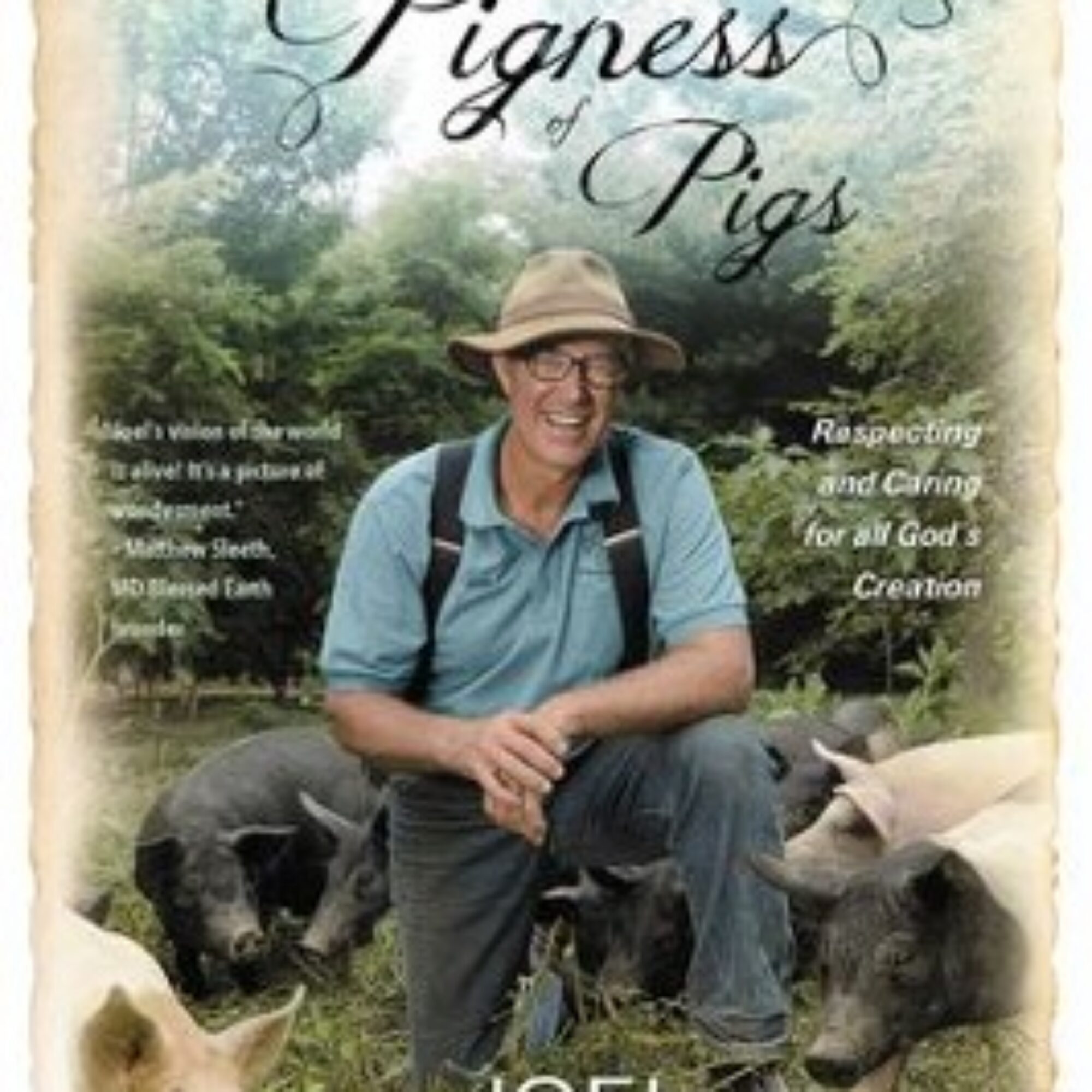
This week’s selected media, August 10, 2025: The Marvelous Pigness of Pigs, Debate: Baldwin vs. Buckley

This week I finished: The Marvelous Pigness of Pigs: Respecting and Caring for All God's Creation, by Joel Salatin: I spoke with a pastor last month. When I shared about my disconnecting my apartment from the electric grid and leadership work on the environment, he recommended this book. I hadn't heard about Joel Salatin. I found many videos by and about him online. He seemed a mix of passionate, kooky, and craving attention. I didn't put a high priority on the book, but having finished it, I'm more than glad to have finished it. Salatin is gung-ho Christian and mentions Jesus, quotes the Bible, etc nearly every page, which I guess I've gotten used to after listening to every word in the Bible, hosting many…

0 Comments

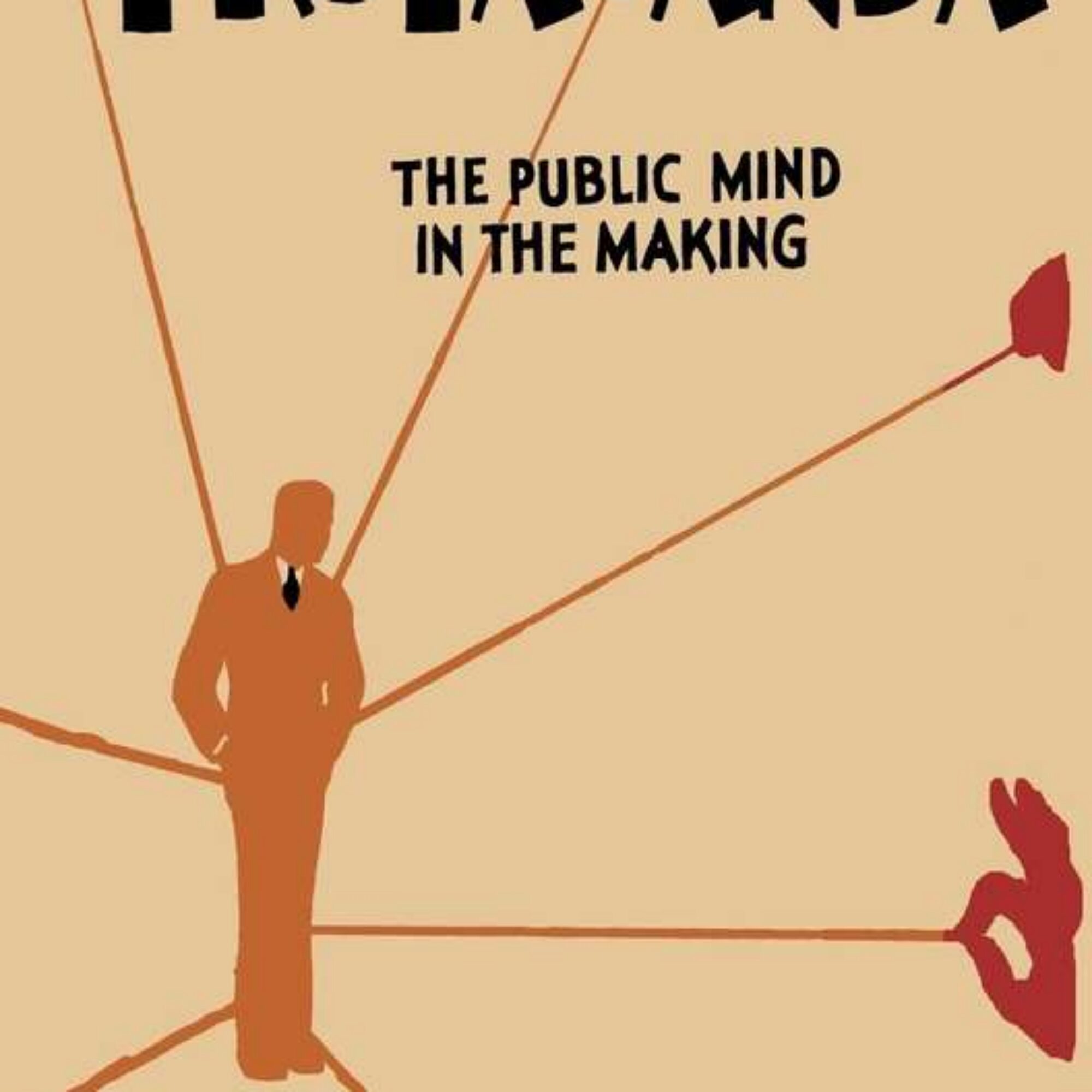
This week’s selected media, August 3, 2025: Propaganda, Debunking the Stanford Prison Experiment, Fixed

This week I finished: Propaganda, by Edward Bernays: Bernays wrote this book before WWII and shared views on propaganda with Hitler, whose Mein Kampf, volume 1 I just finished. Both share views on influencing public views with modern practice. Bernays points out that the world works this way. You can deny it and still be swayed by it but be helpless to act on it, or accept it, embrace it, and use it. It's hard to imagine what it would feel like to read it when it came out, not having lived my whole life in its wake. People freak out about it, implying he's one of the most influential people of the 20th century, which he may have been, but also that he's a…

0 Comments

This week’s selected media, July 27, 2025: Cool Food

This week I finished: Cool Food: Erasing Your Carbon Footprint One Bite at a Time, by Robert Downey Jr. and Thomas Kostigen: I listened to this book for a book club. I found it painful to listen to. It's nice to eat foods that pollute less so I won't argue with it, but it distracts from the problem: our culture lost values that kept humanity safe, secure, healthy, and living long lives in favor of one that tricks us into believing those things require polluting and depleting. Digging in, it misses that there are two carbon cycles and only looks at the distracting one. Know the 2 carbon cycles and don’t confuse them. And, Only specify fixing climate and carbon if you want to wreck…

0 Comments

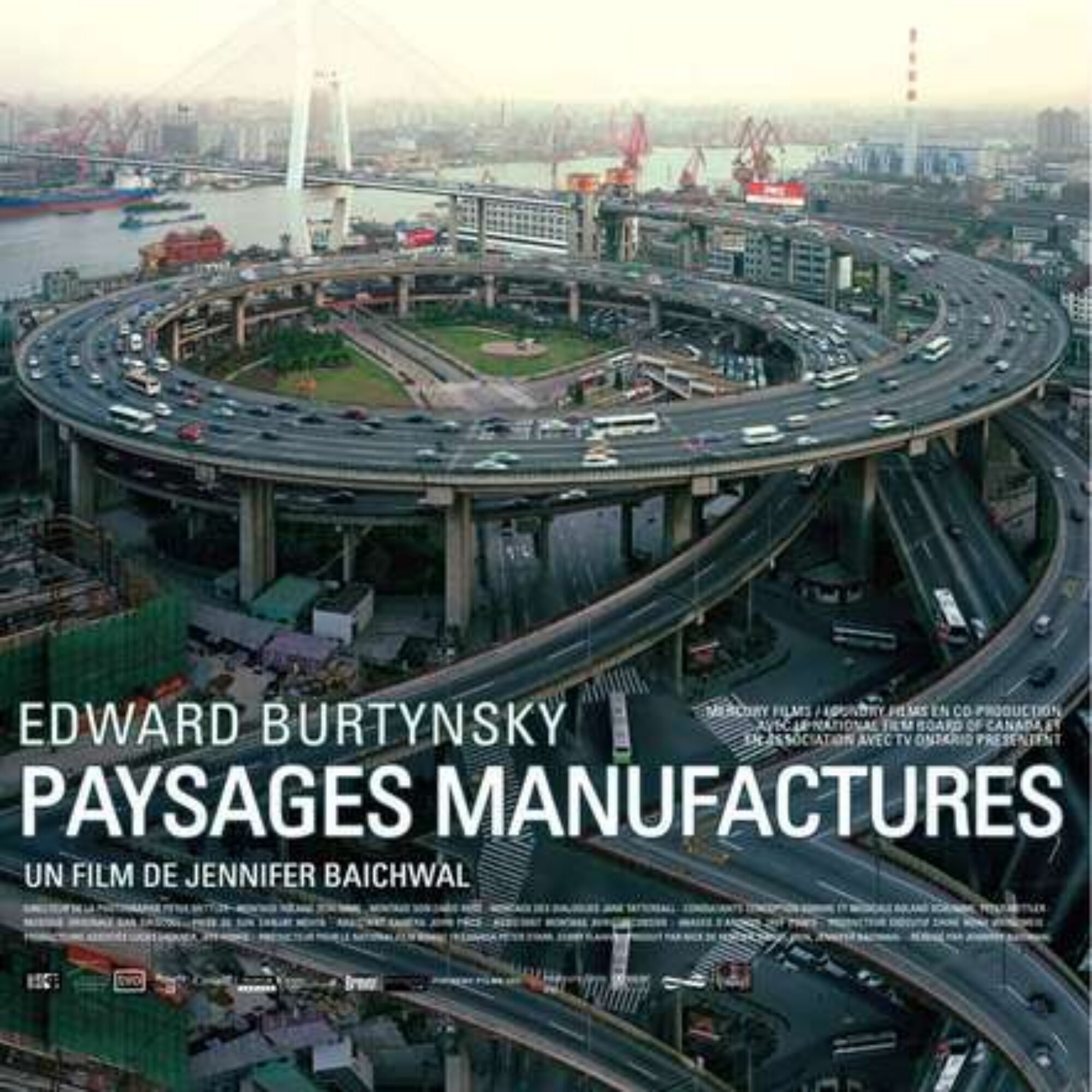
This week’s selected media, July 20, 2025: Manufactured Landscapes, Benjamin Franklin (of the city of brotherly love, where I was born)

This week I finished: Manufactured Landscapes, by Jennifer Baichwal and Edward Burtynsky: I hadn't heard of Burtynsky before reading a review of an exhibit in Manhattan of decades of his photography, which included several images. He creates images that are compositionally beautiful of scenes that are scary and horrific but resulting from our culture and lifestyles. They show mines, factories, dying landscapes and ecosystems, and apocalyptic scenes. I plan to go to the exhibit. I recommend looking at his images online, but since he takes wide format original photographs, I anticipate online images pale in comparison to the originals. This video is the first of three of his work and how he works. I recommend his images and this movie. It's beautiful and horrific. Still,…

0 Comments

This week’s selected media, July 20, 2025: Mein Kampf, Volume 1, because I love learning, even (especially!) from those I disagree with

This week I finished: Mein Kampf, volume 1, by Adolph Hitler: I'm partly nervous about posting about finishing it or even reading it. The First Amendment may make it legal, but just associating with it can blemish, but I oppose that thinking. I finished other works this week but put them in a separate post since who wants to be on a page with Mein Kampf? When I teach the skill of empathy in my leadership classes, I talk about the importance of empathizing with people you disagree with most. My extreme example is that if you were a general during WWII, it would be supremely important to empathize with Hitler. It could make the difference between winning and losing. To understand doesn't mean to…

2 Comments

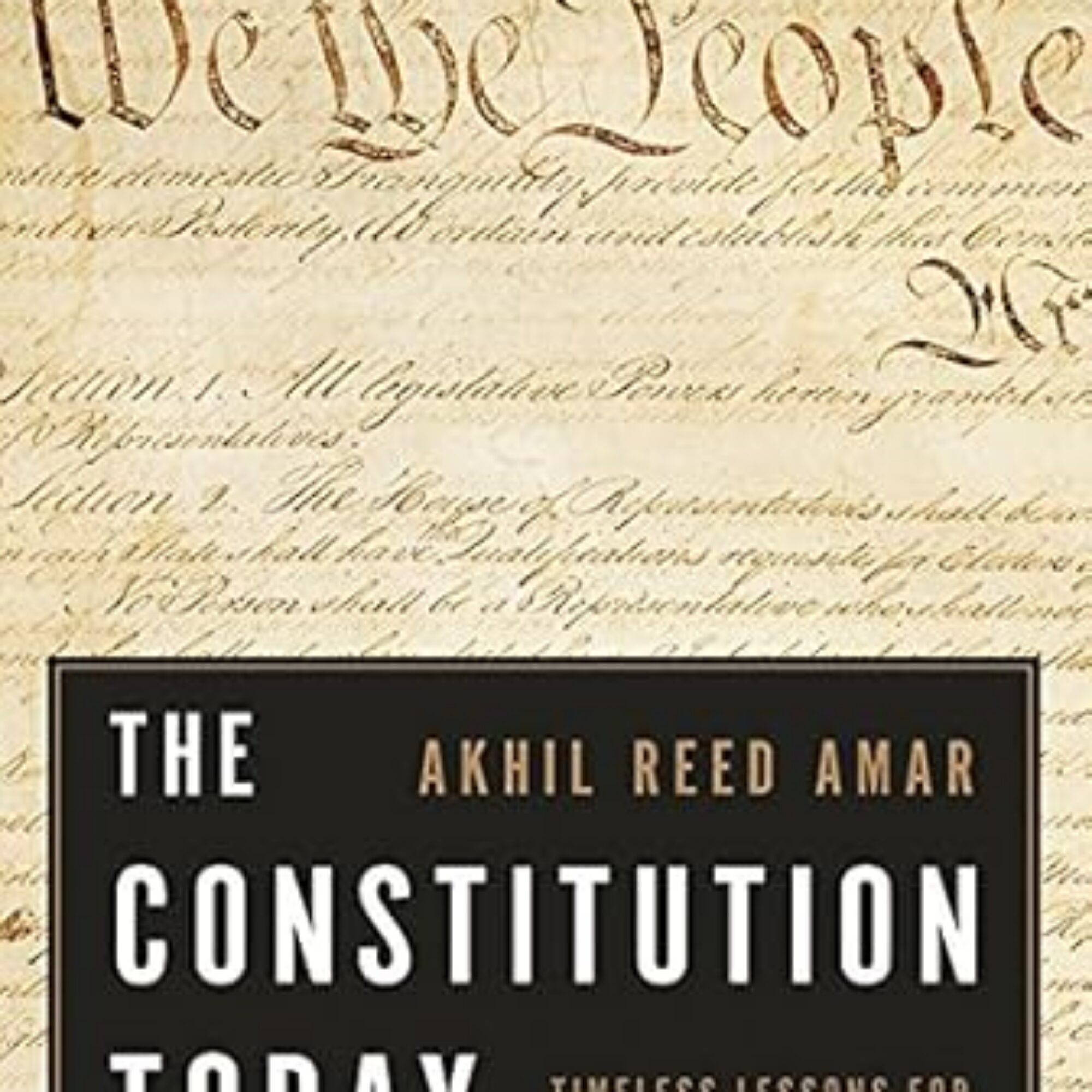
This week’s selected media, July 13, 2025: Eichmann in Jerusalem, Madison, Akhil Reed Amar

This week I finished: Eichmann in Jerusalem: A Report on the Banality of Evil, by Hannah Arendt: I heard about this book a long time ago. I wondered if I'd ever read it. I took it on now while learning how people came to do things so contrary to what seems human we can't believe they happened, in particular after The Lucifer Effect. For a book about one of the greatest atrocities ever, it was remarkably accessible. Arendt seemed almost breezy at times and wrote about hundreds of thousands of people being killed in an intervention as you might talk about a typical workday. I didn't know about how much Nazis worked with Jewish Councils. For Nazis to work with Jews wouldn't make sense from…

0 Comments

This week’s selected media, July 6, 2025: The Lucifer Effect, A Brighter Summer Day (two works I love)

This week I finished: The Lucifer Effect: Understanding How Good People Turn Evil, by Philip Zimbardo: Many of us know something of the Stanford Prison Experiment. It was a psychology experiment in 1971 where a Stanford psychologist led a team that turned the basement of a building into a temporary prison-like space. They recruited two dozen local people whom they randomly assigned to play guards and prisoners for twelve days. All were tested psychologically and found healthy and in normal ranges on all psychological traits they tested. They had to stop the experiment on the sixth day. The participants lost themselves in the roles. The guards became authoritarian and sadistic. The prisoners became learned-helpless and compliant. Some had to leave even earlier for their traumatic…

0 Comments

This week’s selected media, June 29, 2025: two about Corrie ten Boom, Mathematics of Love, Pomodoro Technique

This week I finished: A Faith Undefeated, about Corrie ten Boom: I learned about Corrie ten Boom from Edith Eger's The Choice. Eger only mentioned ten Boom's name. Corrie ten Boom was a Dutch woman who lived with her family in Haarlem, Holland. The family ran a watchmaking and repair store that had operated over a century. They were devout Christians and when the Nazis took over, they helped Jews by hiding them in their house and helping them escape. They were betrayed. They were imprisoned and sent to concentration camps. Her father died soon, though Corrie didn't learn until after the war. She and her sister were imprisoned and enslaved for years. Her sister died in December 1944. Corrie was released twelve days later,…

0 Comments

The joy of understanding people we disagree with

The paragraph and three questions below appeared in a recent post about learning from people whose ideas and views I don't know enough to agree or disagree with. After writing them, I thought they deserved their own post. Part of why I'm posting and practicing these things is how clear disagreements become when one seeks to understand everyone independently of taking a side. Have you heard of the trend to counter the concept of a Fear Of Missing Out with Joy Of Missing Out? I want to counter the fear of understanding someone we disagree with implying we support them with the joy of understanding them leading us mutually to resolve conflicts. Anyway, I wrote in the post: I’m trying to understand people on their…

0 Comments

This week’s selected media, June 2025: Thomas Jefferson and The Choice

This week I finished: Thomas Jefferson: The Art of Power, by Jon Meacham: I'd been seeing lately how much the pattern today of Saying all the right things about freedom, liberty, and values we support Saying others should act by those values, in fact all of society But not living by those values ourselves Even though we could Claiming, against clear, incontrovertible evidence, that we can't repeats how Thomas Jefferson lived. Today, people recognize his flaws. We wish that on slavery he had acted differently. We wish he had, as a politician, acted more to end slavery. We wish he had freed his slaves. We recognize that his personal actions caused internal conflict that inhibited him from acting politically. If I was going to talk…

0 Comments

This week’s selected media, June 8, 2025: The Choice and The Wrestler

This week I finished: The Choice: Embrace the Possible, by Dr. Edith Eger: At one point listening to this book, I started feeling choked up. Tears started welling up in my eyes. I asked myself, "When has a book made me cry?" "Has a book ever led me to cry?" I continued to ask myself. As the book continued, I started full-on bawling at the experience of the author, how she made her greatest struggles useful for herself, and how she is sharing them to help all of us use our struggles to reach the greatest pinnacles, to reach our potentials. Note: this is not a self-help book, though you can use it that way. When I talk about her struggles, they include being imprisoned…

0 Comments

This week’s selected media, June 1, 2025: Inspire, Of Men and Boys, Barbie

This week I finished: Inspire: The Universal Path for Leading Yourself and Others, by Adam Galinsky: Adam teaches leadership at Columbia Business School, where I learned there were classes in leadership and took them. In them, I learned that I could learn social and emotional skills. I eventually wrote a book on leadership, Leadership Step by Step, with a chapter called Inspire. I also recently met Adam in person at an event with a bunch of people from his department. How could I not read this book? Adam is a social psychologist. This book is engaging and compelling because it has a lot of stories, including many from his personal life, despite being mostly about research and how to act on it. He did a…

0 Comments

If you pollute and deplete, make your peace with the consequences of your actions instead of accusing others of making you feel guilty

I've written before that if you do something that kills people and you don't want to kill people, you have to stop doing that thing, even if you like it. That sentence seems about as matter of fact as you can get. It's not designed to make anyone feel guilty. That polluting and depleting kill people isn't an open question. We all pollute and deplete. Come to think of it, wouldn't not feeling guilty be a problem? But I didn't start this post to talk about an old one. I started there to point out I'm not starting today to use the direct language of what polluting and depleting does (kill people) instead of the abstract talk I used before, since everyone else did, like:…

0 Comments

Ayahuasca and psychedelics: I propose an alternative if you want to learn about ego, life, the universe, and everything

I don't know what it's like where you are, but in New York, people talk about psychedelic drugs a lot. Everyone is talking about microdosing (probably not as much as in California), going to shamans in Peru for ayahuasca, and so on. People describe the value of the experiences as life changing. I'm prompted by a recent New Yorker piece This Is Your Priest on Drugs: Dozens of religious leaders experienced magic mushrooms in a university study. Many are now evangelists for psychedelics, by Michael Pollan. He cites that "Ninety-six per cent rated their first encounters with psilocybin as being among the top five most spiritually significant experiences of their lives." I think we're supposed to think, "Wow, if I take some mushrooms I can…

0 Comments

This week’s selected media, May 25, 2025: The Way Home; Right Thing Right Now

This week I finished: The Way Home: Tales From a Life Without Technology, by Mark Boyle: I learned of Mark Boyle probably years ago and I think watched his TEDx talk. Recently a guest suggested I connect with an Australian woman, Jo Nemeth, who is living with no money. I connected with Jo, which led to engaging conversations. Jo describes Mark as a hero, which prompted me to read this book. I also want to read his first book The Moneyless Man, but the library had this one first. I found this book engaging, enlightening, fun, and sometimes playful. It's been too long since I read Walden and Civil Disobedience, which rank among the most influential books I've read. This one is in their league.…

0 Comments

Year 4, Day 1 with my apartment disconnected from the electric grid

I only wish I'd disconnected sooner. Not needing something means more freedom, especially not needing something that hurts people. People often ask if everyone could live like me. If every American lived like me, we could reduce our electric grid to a tiny fraction of its present incarnation. Our national security would increase, as would our health, community, and safety. Wealth disparities would decrease among many other friendly social outcomes. We could run mainly on solar and wind but wouldn't need much storage. When everyone around me lived that way, I could probably use even less battery storage and could share my solar panels with others. Polluting and depleting hurt innocent people and wildlife. I don't want to hurt innocent people and wildlife. I don't…

0 Comments

This week’s selected media, May 18, 2025: The Male Brain

This week I finished: The Male Brain, by Louann Brizendine: I heard of Brizendine's first book The Female Brain, but the library had The Male Brain, so I got it instead. Reading it was satisfying, learning about differences between the male brain and what I hear more about, which is our commonalities. There seems to be a mainstream outrage that claims that the male brain and body are considered normal and women's are considered unusual, so not studied. I grew up with my parents having female-centered works like Ms. magazine and Our Bodies Ourselves, but no equivalent for males. Men's magazines in the 1970s meant pornography. Most of my life, focusing on gender meant "smashing the patriarchy," so it was refreshing to learn about specifically…

0 Comments

This week’s selected media, May 11, 2025: Racism, The Case for Reparations, Clamor

This week I finished: Racism: A Very Short Introduction, by Ali Rattansi: This book follows up last month's The Myth of Race. I've read a lot about slavery, abolitionism, Nazism, what people call race, and related topics but haven't read scholarly books about the history of racism. Racism seems just a part of human society, like marriage and school. In principle I knew it had to have started at some time, since our ancestors before leaving Africa likely didn't practice it. These two books trace it to Europe around the Inquisition. The two books overlapped enough that I believe I started to get a feel for the historical patterns they described. It's disheartening to see how involved some significant historical figures were. I knew about…

0 Comments

End of content

No more pages to load