Non-Method method 1: “I need a new house/car/job/girlfriend/boyfriend/etc”

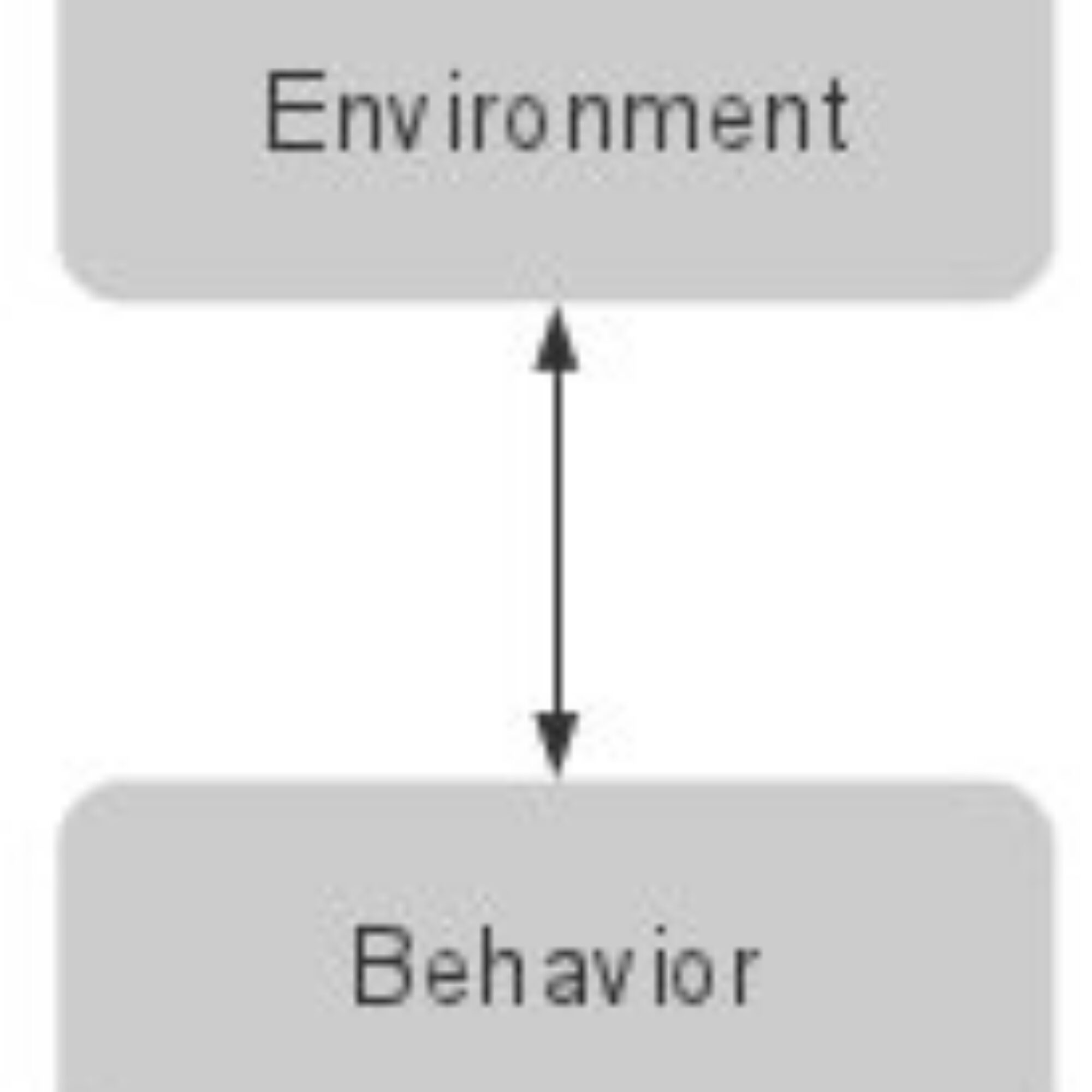
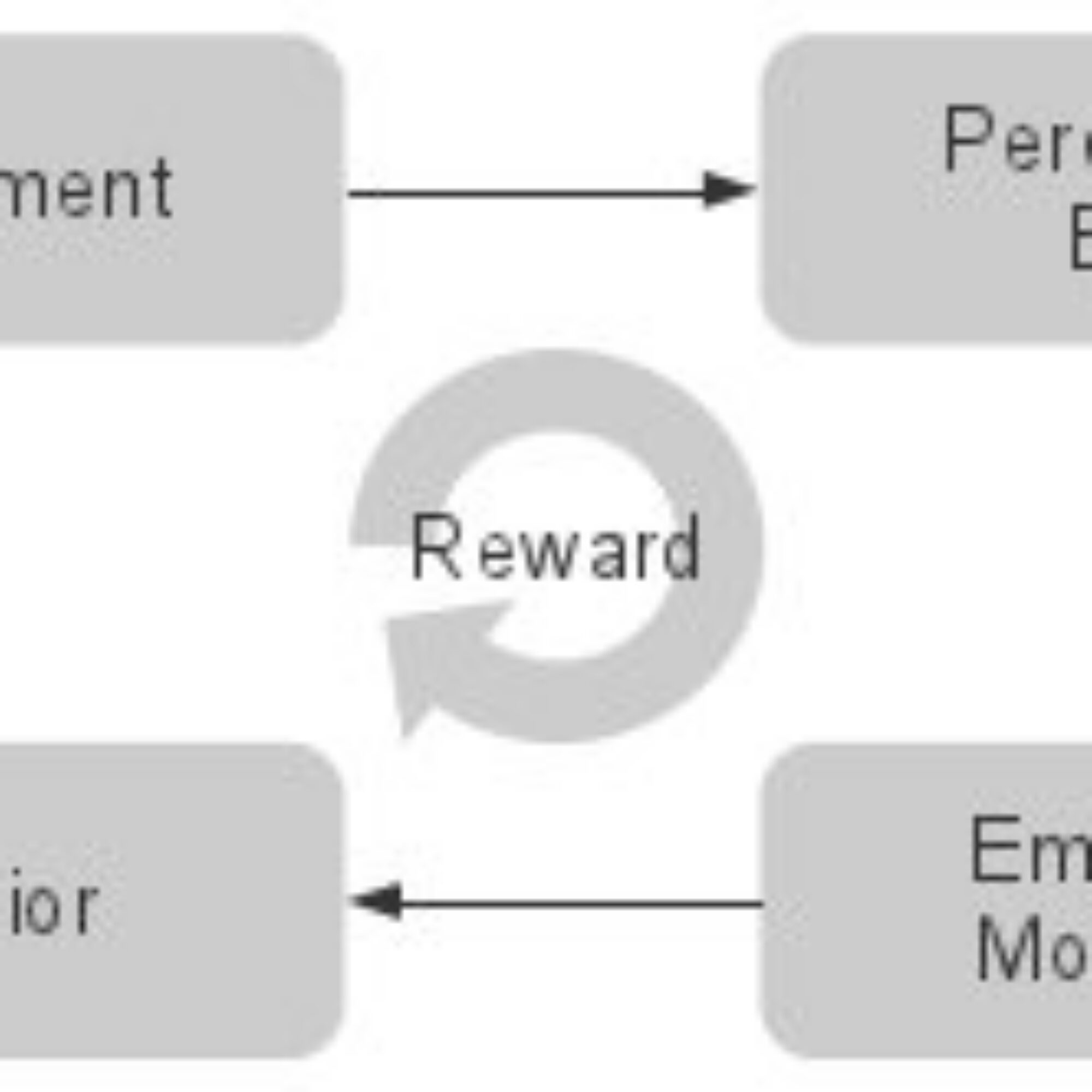
This post covers the first of several non-Method methods. People often try to improve their lives by changing or getting rid of something in their environment. By environment I don't mean trees and lakes and streams, but anything that affects your emotional system, as described in my posts on the environment as part of the Model. Typically that thing is their house, car, job, or significant other, but could be anything -- a new diet book, a new labor-saving device, a new degree, stopping seeing a friend, etc. This strategy comes from believing that something external is holding them back from a better life. Or at least that changing something external will improve it. I call the strategy "I need a new house/car/job/boyfriend/girlfriend/etc" Sometimes changing…
0 Comments

I’ll get in trouble for this in two ways

I'll get in trouble for this post in two ways, but people who get it will appreciate it. The first is how I view death. I'm overwhelmingly swayed by this passage from the ancient book called the Zuangzi (spelled Chuang Tzu in the translation below) on the death of a loved one. Chuang Tzu's wife died. When Hui Tzu went to convey his condolences, he found Chuang Tzu sitting with his legs sprawled out, pounding on a pot and singing. "You lived with her, she brought up your children and grew old," said Hui Tzu. "It should be enough simply not to weep at her death. But pounding on a tub and singing - this is going too far, isn't it?" Chuang Tzu said, "Not…

0 Comments

The Method: the foundation, part I

The Method is based on the Model. Keeping in mind that like any model, the Model simplifies what it represents for its purpose. The Model's purpose is to improve our lives by helping us understand our motivations, emotions, and emotional systems. As with any model, it can't be absolutely right or true. Neither can any alternative. I mention the above for context because the discussion on the Method will all adopt the perspective of the Model. Let's start our discussion on the Method with its foundations. Recall two points from our discussion on the Model. First, you can control some parts of your emotional system while others you can't. You can control you environment, beliefs, and behavior. You can't, except to a limited degree, control…

0 Comments

From the Model to the Method

I've written about the Model, my foundation for understanding value, meaning, purpose, importance, etc in life, based on understanding yourself, particularly your motivations, emotions, and emotional system. I'll now start on the Method, which covers how to implement the Model. I developed the Model on my own, without intending to create something meaningful or helpful, though I think I ended up doing so. The Method, however, came from applying the Model in life. If you learned the Model and implemented it in your life, I expect you'd come up with the Method too or something similar. By reading my Method you can save time and resources by avoiding my mistakes. I can't think of anything more valuable in life than to replace more of your…

0 Comments

The Model: summary

[I replaced this post with a series on The Model. Click here to view the series, where you'll get more value than reading just this post.] For the past six weeks I've posted on the Model, my model for human motivations and emotions. The Model forms the foundation of what I consider the best way to view and live life. For those who have been reading along, I recognize it may have been a bit dry or academic. I expect later posts will make life and living the lifestyle you want seem easy and obvious, but require referring back to the Model, in which case this summary will simplify learning it. Today's post summarizes all those posts, which will probably end up a chapter in…

2 Comments

The Model: what is freedom?

[This post is part of a series on The Model -- my model for the human emotional system designed for use in leadership, self-awareness, and general purpose professional and personal development -- which I find the most effective and valuable foundation for understanding yourself and others and improving your life. If you don't see a Table of Contents to the left, click here to view the series, where you'll get more value than reading just this post.] Ask people -- yourself! -- what they value and freedom will rank near the top. What do they mean by freedom? I bet you don't know and that this post will show you can have more. The better you know what freedom means, the more you can bring…

0 Comments

The Model: strategize, then enjoy

[This post is part of a series on The Model -- my model for the human emotional system designed for use in leadership, self-awareness, and general purpose professional and personal development -- which I find the most effective and valuable foundation for understanding yourself and others and improving your life. If you don't see a Table of Contents to the left, click here to view the series, where you'll get more value than reading just this post.] A quick followup to yesterday's post on first learning to manage your emotions, then enjoying the freedom mastery brings you. Here is some general advice for anything that requires planning. You probably already know it, but it bears repeating. First strategize, then act (and enjoy). In other words,…

0 Comments

The Model: bring about emotions you want and enjoy them, don’t dwell on them

[This post is part of a series on The Model -- my model for the human emotional system designed for use in leadership, self-awareness, and general purpose professional and personal development -- which I find the most effective and valuable foundation for understanding yourself and others and improving your life. If you don't see a Table of Contents to the left, click here to view the series, where you'll get more value than reading just this post.] Creating a lifestyle you want by bringing about the emotions you want is an art. I've written a lot about the craft -- the functional view of emotions, which is useful for bringing about emotions you want. Let's talk about the art today. The functional view may sound…

0 Comments

The Model: “What is the meaning of life” is a needlessly and counterproductively complicated question

[This post is part of a series on The Model -- my model for the human emotional system designed for use in leadership, self-awareness, and general purpose professional and personal development -- which I find the most effective and valuable foundation for understanding yourself and others and improving your life. If you don't see a Table of Contents to the left, click here to view the series, where you'll get more value than reading just this post.] The past two day's posts on meaning and complexity in emotions helps us understand the age-old, often asked but never answered question, "What is the meaning of life?". More importantly, it helps us make sense of a question that doesn't make much sense. Unfortunately, the question's complexity makes…

2 Comments

The Model: the source of all meaning, value, purpose, and importance

[This post is part of a series on The Model -- my model for the human emotional system designed for use in leadership, self-awareness, and general purpose professional and personal development -- which I find the most effective and valuable foundation for understanding yourself and others and improving your life. If you don't see a Table of Contents to the left, click here to view the series, where you'll get more value than reading just this post.] Most of our greatest life questions and quests involve meaning and values. What things are meaningful and why? What are our values? What is important and why? Looking up words like meaning, values, and importance in the dictionary or Wikipedia doesn't help. At least one dictionary online gave…

0 Comments
The Model: a single cycle is simple. Many cycles get complex.
Three interacting thoughts

The Model: a single cycle is simple. Many cycles get complex.

[This post is part of a series on The Model -- my model for the human emotional system designed for use in leadership, self-awareness, and general purpose professional and personal development -- which I find the most effective and valuable foundation for understanding yourself and others and improving your life. If you don't see a Table of Contents to the left, click here to view the series, where you'll get more value than reading just this post.] Do you consider emotions complex and bewildering? I wouldn't surprise me if you did. Many people present them that way, what I call romanticizing them. Making them seem complex and bewildering sells movie tickets, magazines, and books, unfortunately at the cost of making people misunderstand themselves. I hope…

0 Comments

The Model: what you can and can’t control

Of the five elements in the Model -- environment, beliefs, emotions, behavior, and reward -- you can voluntarily choose and act on your environment, belief, and behavior. Except to a limited degree, you can't voluntarily choose your emotions. They react to the other elements. Reward, being a special emotion, also reacts to the other elements. It may seem a cruel twist that the most important parts of the cycle are the parts we can't control. After all, the Declaration of Independence doesn't say "life, liberty and the pursuit of environment" or "... of perception" or "... of belief." It recognizes happiness -- your emotions -- as the highest value. From an evolutionary perspective, for your emotions to be involuntary makes sense. If you felt hungry,…

0 Comments

The Model: how your emotional system chooses your emotions

[This post is part of a series on The Model -- my model for the human emotional system designed for use in leadership, self-awareness, and general purpose professional and personal development -- which I find the most effective and valuable foundation for understanding yourself and others and improving your life. If you don't see a Table of Contents to the left, click here to view the series, where you'll get more value than reading just this post.] Why do you feel the emotions you do? People who think their emotions are irrational and follow no pattern can't understand why they feel the emotions they do. Worse, they make themselves unable to manage their emotions. They become easy to manipulate. Perhaps they make good consumers for…

0 Comments

The Model: more on the difference between “positive” and rewarding emotions

[This post is part of a series on The Model -- my model for the human emotional system designed for use in leadership, self-awareness, and general purpose professional and personal development -- which I find the most effective and valuable foundation for understanding yourself and others and improving your life. If you don't see a Table of Contents to the left, click here to view the series, where you'll get more value than reading just this post.] People usually say they want to feel positive emotions. I've already discussed how calling emotions positive doesn't help. They may feel good, but even ones that feel bad are useful. We have them for a reason. Treating them functionally helps you manage them better. The following examples illustrate…

0 Comments

The Model: more functional views of emotions

[This post is part of a series on The Model -- my model for the human emotional system designed for use in leadership, self-awareness, and general purpose professional and personal development -- which I find the most effective and valuable foundation for understanding yourself and others and improving your life. If you don't see a Table of Contents to the left, click here to view the series, where you'll get more value than reading just this post.] Our society cripples us by presenting too narrow a view of emotions. Today let's consider other views that let us be more free. Our culture romanticizes emotions for their feelings, characterizing them as irrational. That romanticization sells movie tickets and books, but complicates your ability to manage your…

0 Comments

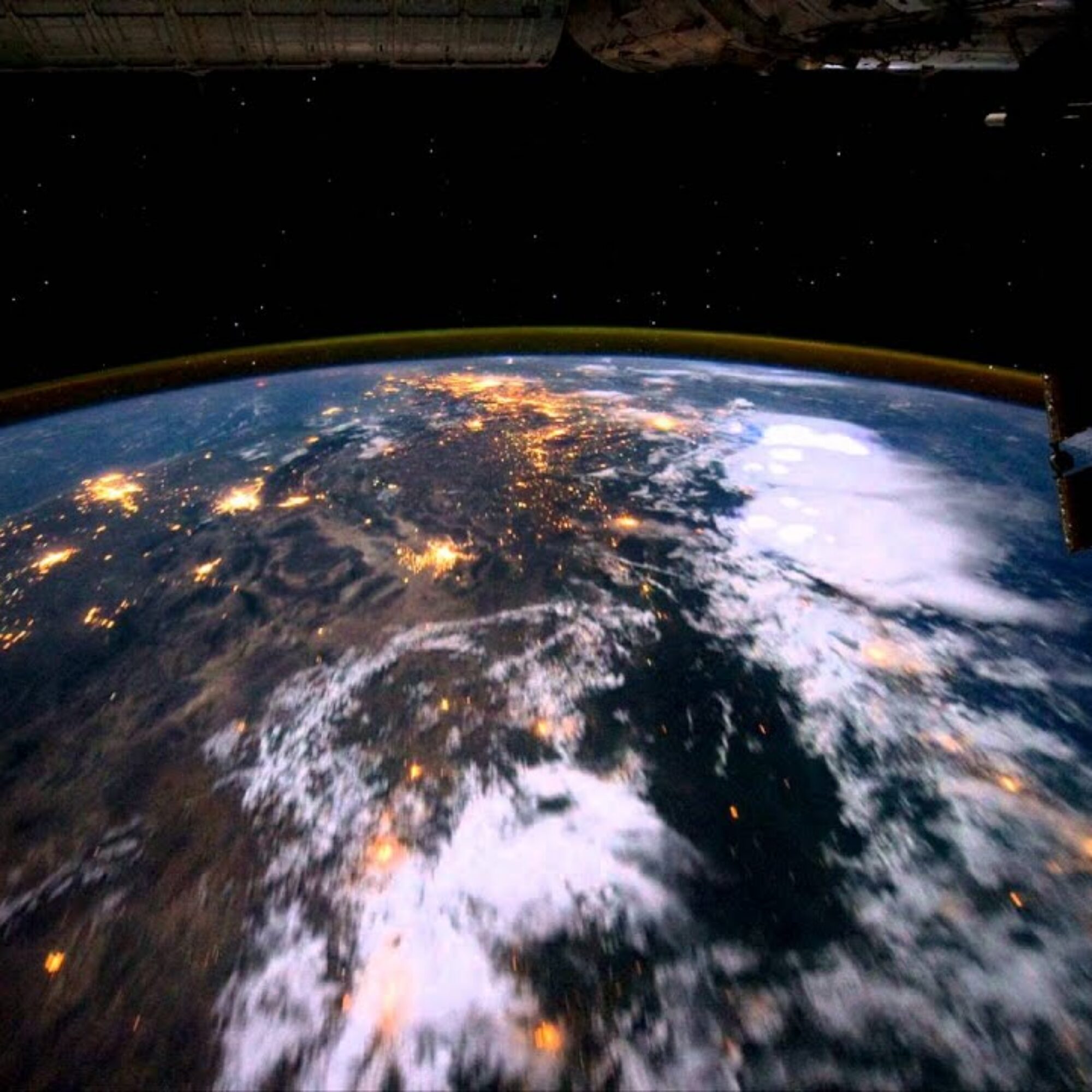
Earth from space, a pale blue dot

If you read this blog for unique ideas from me, they don't come from nowhere. Their deepest foundation comes probably from the beauty I find in nature, a main reason I studied physics, which I consider the foundation of our understanding of nature. A science educator, James Drake, created this video -- a time-lapse of publicly available images -- a perspective of our world vastly different from our usual perspectives about our lives. I find it beautiful. You may want to click on the YouTube logo to watch it full-screen there. His blog has many images of Earth from space. http://www.youtube.com/watch?v=74mhQyuyELQ A small comment: I would title it "What does it look like to fly over Earth". I think the video shows what it looks…

0 Comments

The Model: what are awareness, self-awareness, and emotional intelligence?

[This post is part of a series on The Model -- my model for the human emotional system designed for use in leadership, self-awareness, and general purpose professional and personal development -- which I find the most effective and valuable foundation for understanding yourself and others and improving your life. If you don't see a Table of Contents to the left, click here to view the series, where you'll get more value than reading just this post.] Do you also find people talk about awareness, self-awareness, emotional intelligence and related topics loosely, without knowing precisely what they mean? The Model lets us circle back, discuss, and clarify these concepts. Perhaps ironically, people with low awareness would tend to benefit most from increasing theirs. Without a…

0 Comments

The Model: reward in more depth

[This post is part of a series on The Model -- my model for the human emotional system designed for use in leadership, self-awareness, and general purpose professional and personal development -- which I find the most effective and valuable foundation for understanding yourself and others and improving your life. If you don't see a Table of Contents to the left, click here to view the series, where you'll get more value than reading just this post.] Continuing looking at elements of the Model in more depth, after behavior yesterday comes reward. Past posts clarified that reward differs from the emotions that bring it about -- so you know you can get reward from any emotion, not just so-called "positive" ones -- and the differences…

0 Comments

The Model: characteristics of emotions

[This post is part of a series on The Model -- my model for the human emotional system designed for use in leadership, self-awareness, and general purpose professional and personal development -- which I find the most effective and valuable foundation for understanding yourself and others and improving your life. If you don't see a Table of Contents to the left, click here to view the series, where you'll get more value than reading just this post.] Besides your emotional system's consistency and reliability, each emotion you feel has several characteristics relevant to its function. I have found four characteristics particularly relevant. Each emotion has characteristics of Pleasure, from pleasurable to painful Intensity, from intense to subtle Richness, from complex to simple Duration, of long…

0 Comments

The Model: where emotional cycles came from

[This post is part of a series on The Model -- my model for the human emotional system designed for use in leadership, self-awareness, and general purpose professional and personal development -- which I find the most effective and valuable foundation for understanding yourself and others and improving your life. If you don't see a Table of Contents to the left, click here to view the series, where you'll get more value than reading just this post.] We've presented all the elements of the Model, barely scratching the surface of what it all means or how to use it. Let's start by understanding where our emotions come from. We don't have our emotions for the fun of it. Our emotions motivate our behavior. Each emotion…

0 Comments

The Model: adding reward

[This post is part of a series on The Model -- my model for the human emotional system designed for use in leadership, self-awareness, and general purpose professional and personal development -- which I find the most effective and valuable foundation for understanding yourself and others and improving your life. If you don't see a Table of Contents to the left, click here to view the series, where you'll get more value than reading just this post.] So far the Model comprises cycle of environment, perception (subject to belief), emotions, and behavior. Its last element represents how it regulates itself: reward. When this Model refers to reward, it means emotional reward, not something like financial reward, treats for dogs, or food pellets for lab animals.…

0 Comments

The Model: adding belief and perception

[This post is part of a series on The Model -- my model for the human emotional system designed for use in leadership, self-awareness, and general purpose professional and personal development -- which I find the most effective and valuable foundation for understanding yourself and others and improving your life. If you don't see a Table of Contents to the left, click here to view the series, where you'll get more value than reading just this post.] Our Model so far comprised a cycle of your environment, emotions, and behavior. We're still building. We don't develop motivations based on our environments directly. The limitations of our senses mean we never know the full story of anything. The limitations of our memory and mental processing power…

0 Comments

The Model: adding emotions

[This post is part of a series on The Model -- my model for the human emotional system designed for use in leadership, self-awareness, and general purpose professional and personal development -- which I find the most effective and valuable foundation for understanding yourself and others and improving your life. If you don't see a Table of Contents to the left, click here to view the series, where you'll get more value than reading just this post.] Yesterday began the Model with the foundation of understanding yourself as someone who exists in an environment and behaves within it. Unlike many simpler life forms, people don't merely react reflexively. I don't know how bugs and lizards live, but they don't seem to reflect much on their…

0 Comments

The Model: environment and behavior

[This post is part of a series on The Model -- my model for the human emotional system designed for use in leadership, self-awareness, and general purpose professional and personal development -- which I find the most effective and valuable foundation for understanding yourself and others and improving your life. If you don't see a Table of Contents to the left, click here to view the series, where you'll get more value than reading just this post.] Today we'll see the first part of the Model. It comes from evolution in general and the burgeoning forefront scientific field of evolutionary psychology. Let's start with your behavior and environment. Like all life, you exist in an environment and you behave in certain ways within it. You…

0 Comments

The Model: why

[This post is part of a series on The Model -- my model for the human emotional system designed for use in leadership, self-awareness, and general purpose professional and personal development -- which I find the most effective and valuable foundation for understanding yourself and others and improving your life. If you don't see a Table of Contents to the left, click here to view the series, where you'll get more value than reading just this post.] Why create a model? To know yourself better despite your complexity. Every system of self-improvement, at least that I know of, has some concept of increasing your self-awareness, your knowledge of yourself. "Know thyself." Modeling the part of you that creates value, importance, and meaning helps you understand…

0 Comments

End of content

No more pages to load