The heart of freedom

Viktor Frankl, whom the Nazis captured and imprisoned as a slave laborer in concentration camps including Auschwitz and Dachau, perhaps best clarifies and shows that you can feel free independently of physical constraints and that feeling free gives you all the value of being free. We who lived in concentration camps can remember the men who walked through the huts comforting others, giving away their last piece of bread. They may have been few in number, but they offer sufficient proof that everything can be taken from a man but one thing: the last of the human freedoms—to choose one's attitude in any given set of circumstances, to choose one's own way. “Everything can be taken from a man but one thing: the last of…

0 Comments

North Korean strategy: reducing the risk to North Korean decision makers

I have to be careful in this post. Parts of it will sound distasteful so some. But the basic idea is the same as witness protection programs for criminals. As a society we have decided that at times we will protect criminals for their cooperation to achieve more important outcomes. North Korea's decision-makers are not criminals (everything they do is probably legal). I'm just using the analogy to explain. I noted something I believe motivates North Korea's leaders more than anything else -- from their perspective consequences of failure include their deaths as well as those of their families and probably everyone they know. We know what happens to most authoritarian leaders who lose power. North Korea's decision makers probably know very well the outcomes…

0 Comments

North Korean strategy: China

One place I could see changing things in North Korea is its relationship with China. I'm sure the lack of knowledge I show in this post will make me look ignorant, but I'll share anyway. Most of what I know about relations between China and North Korea come from three sites The Council on Foreign Relations' report The China-North Korea Relationship The Council on Foreign Relations' report The Six-Party Talks on North Korea's Nuclear Program Wikipedia's article People's Republic of China–North Korea relations The first CFR report seems to cover the main topics well. I'll distill what seem the most salient points for strategy. The main point is that China has the largest border with North Korea and it is relatively unguarded. North Korean leadership…

0 Comments

You can get reward from every part of your life

You can get reward from every part of your life. You may not realize you can if you call emotions positive or negative because if you think some emotions are bad, you'll try to avoid them instead of learning from them and using them to improve your life. By considering emotions' characteristics instead of calling them good or bad, the Model gives you a greater wealth of types of reward than just pleasure. Instead of calling them good, bad, positive, or negative you can use them without judging them, which lets you use any emotional cycle to improve your life. Emotions may have many characteristics, but I usually treat four: Pleasure versus pain Subtlety versus intensity Richness/complexity versus simplicity Long-term versus short-term You can get…

0 Comments

North Korean strategy: starting points for successful change

I've described a system where when all actors act in their interests, everybody loses, except perhaps a few dozen decision-makers in North Korea. I've described what I think won't substantively change the situation in North Korea. Yesterday I wrote about what wouldn't change things. One of the greatest lessons I learned in business school applies here, as well as to all so-called moral problems: If the system leads to only undesired outcomes, change the system. Changing a system rarely happens by changing one part of it unless the system depends on that part. To understand systems, I know of no better resource than Thinking in Systems by Donella Meadows, which I recommend reading. For thoughts on how to change systems, I recommend her essay Twelve…

0 Comments

Audio interview: why leadership? what’s so great about leading?

In today’s interview, my business partner, Christina Black, asked me about differences in leadership between in a business environment and outside of business, in particular how my seminar relates to them. Note that the ability to lead differs from leading. I list a few reasons having the awareness and skills to lead others and yourself benefit anyone. You don't have to lead or take a leadership position to get those benefits. Small interface: [audio:https://joshuaspodek.com/wp-content/uploads/2011/11/why_leadership.mp3] Large interface:[videofile]https://joshuaspodek.com/wp-content/uploads/2011/11/why_leadership.mp3[/videofile]

0 Comments

Make painful emotions useful

I'm not a fan of putting positive spins on things. You can't call something positive without calling something else negative. Calling some emotions negative makes some people want to shun them and act like they don't have them. How many times have you seen someone obviously angry or enraged, saying through gritted teeth and clenched jaws, “I'm not angry,” in blatant denial of their emotions? They confuse how an emotion feels with how it motivates them or tells them about themselves and their world. They think some emotions are bad and repress them. This belief leads to lower self-awareness and motivates them to act without reflection. Lowering self-awareness and acting reactively are just about the worst things you can do to improve your life. I…

0 Comments

North Korean Strategy: what won’t change things

Before suggesting ideas that I believe can change things, I'll post some things I think won't change much in the long term. I pointed out what appears the dominant strategy for North Korean decision-makers Stabiility: to maintain its geographical dominance Loyalty: to maintain its support from its citizens All other decisions are subordinate to this strategy or irrelevant. I expect the North Korean government will resist any action that threatens those two principles. And I expect only actions that affect those points will make much difference (though many small actions in other areas may collectively make a big difference). I also pointed out the stakes to individual North Korean decision-makers. They care about the situation more than you do. Any strategy that leads North Korean decision-makers…

0 Comments

North Korean strategy: how does the world look to North Korean leaders?

I have found people outside North Korea quick to express feelings of moral outrage, indignation, and injustice by judging North Korean leaders. They call them monsters, bad, evil, and so on. I have found such judgment counterproductive to influencing others (as well as my own well-being). If you don't like what's happening there and want to change it, expressing judgment may make you feel better, but you sacrifice ability to change things. I guarantee decision-makers there don't consider themselves monsters, bad, or evil. If you say they are, you polarize the situation, contribute to them digging in their heels, and stabilizing the situation you wanted to change. You may be right.They may be monsters, bad, evil, or worse. My goal isn't to label or categorize.…

0 Comments

Director of MTA Arts for Transit on Union Square in Motion

The Architectural League of New York's online magazine Urban Omnibus interviewed Sandra Bloodworth, the Director of the MTA Arts for Transit. In the article, "Arts for Transit: A Conversation with Sandra Bloodworth," she mentions Union Square in Motion, which is also shown in photograph. Considering others mentioned and pictured include Roy Lichtenstein, Sol LeWitt, and Elizabeth Murray, that's an honor. The quality and quantity of art within the MTA is probably larger than you thought. The article covers a lot about a world you pass through every day.

0 Comments

Occupy Wall Street and Leadership, part 4: Bloomberg taking sides polarizes situation

After finishing the first three posts in this series I found the first link returned on searching "bloomberg occupy wall street" quoted him Tuesday in the Daily News. Reporters are motivated to play up controversy, so I figure the reporter may have taken the quotes out of context. Based on what I read, I see Bloomberg increasing the polarization, taking sides, and missing his opportunity to lead. As a leader, I think the opportunity is not to delve into what people are saying, except to make sure it's legal and non-violent, but to support their right to speak, as long as they stay non-violent and legal. If you support that, you can come down hard if they become violent or illegal. Once you selectively enforce…

0 Comments

North Korean strategy: what do North Korean leaders want?

Last post I pointed out the stakes to individual North Korean decision-makers. That perspective implies North Korean decision-makers are part of a larger system they have little control over and have little choice not to follow their roles within it without grave risk to themselves and everything they care about. With so little choice, what do they want? What do they pursue? Of course they want material prosperity and security, like anybody else. Kim Jung Il famously buys hundreds of thousands of dollars worth of cognac annually. As individuals, they probably want to rise through the ranks, but probably in a limited way. Those desires we all anticipate. North Korea reminded me a lot of Nineteen Eighty-four, but I think the underlying systems differed. In…

0 Comments

Occupy Wall Street and Leadership, part 3: recommendations

Okay, now we understand the situation. What can be done? As I wrote yesterday, people don't want to protest. They want their voices heard and to understand and agree with the process they're talking about. The opportunity for the Mayor of New York City is to follow a three-fold path Support the right to speak freely in his city Recognize the need for order and non-violence Support the city's great tradition of active participation in politics First, acknowledge protesters' right to free speech... Stating clearly there are multiple issues at play, only one of which is law and order in the street will lose him no support. Another issue is law and order in finance. Most importantly, as Mayor, simply acknowledging citizens want to speak…

0 Comments

North Korean Strategy: from the leaders’ perspective

To understand how leaders in North Korea decide how to implement the strategy I've described in the past few posts, you have to look at the situation from their perspective. When a business decides its strategy, it formally deliberates and decides it. For the management team to mess up on implementing it may result in the company losing money, market share, and so on. Messing up badly can result in being fired and possibly losing their jobs and even personal savings. But you don't risk bodily harm or risk your life. When an authoritarian ruler messes up strategy, they risk losing their lives as well as the lives of their families and everyone they know. Just the past few years included the undignified executions of…

0 Comments

Occupy Wall Street and Leadership, part 2: the New York City Mayor’s opportunity

Following yesterday's context... Bloomberg has done a lot for the city. I like the increased bike lanes and pedestrian zones in Times Square, Herald Square, and Madison Square that have appeared under his leadership, for example. But personally I remember him most for what I saw as his lack of leadership during the 2004 Republican convention in New York City. People wanted to protest non-violently. The police refused permission to meet in Central Park, where larger groups had met before. The mayor’s voice was largely silent. 500,000 people intended to speak their minds non-violently. The police both prevented it and illegally arrested many protesters. Wikipedia, citing the New York Civil Liberties Union, says 90% of those arrests were overturned. 500,000 people is a substantial fraction…

0 Comments

Occupy Wall Street and leadership, part 1: the context

This series of posts will present easy, low-risk-of-error, high-chance-of-success actions that would-be leaders can do. As always in this blog, it begins with context and an overview of the relevant principles as I see them. So far, the movement has revealed a stunning lack of leadership all around. People ask who is leading the movement. Great question, but the protesters are only one place lacking leadership. While most people point out the protesters’ lack of leadership, I am more stunned by two other cases of absent leadership: the government’s response and the changes to the financial system that prompted the protests in the first place. The protesters can at least point out they never expected the movement to resonate so strongly — an undeniable sign…

0 Comments

North Korean Strategy: the North Korean government’s sustainable competitive advantages

I'm using the lens of business strategy to understand the North Korean government's strategy. That lens applies, partly because of the similarities between business and political competition, but mostly because North Korea's situation is so simple. The three main relevant factors in competitive strategy are Keeping out competition -- to have a sustainable competitive advantage -- dominates strategy. Dominating geographically is often an effective strategy for a sustainable competitive advantage. Customer captivity is another effective strategy for a sustainable competitive advantage. What is a sustainable competitive advantage? This value investing site put it succinctly for businesses A sustainable competitive advantage is the ability for a business to do something that its (potential) rivals cannot. It means being able to: Keep the business’s current customers; and,…

0 Comments

Audio interview: best part of visiting North Korea?

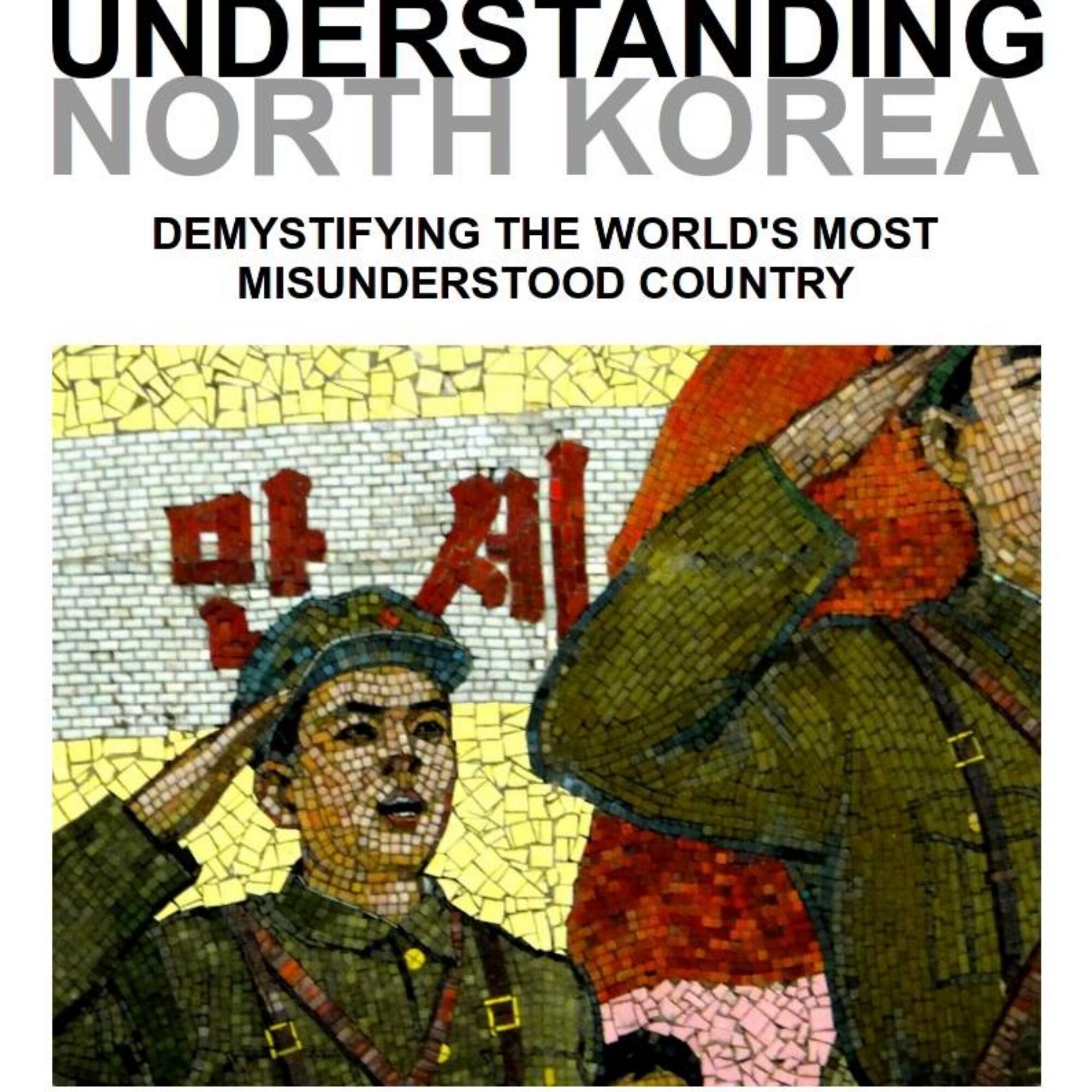
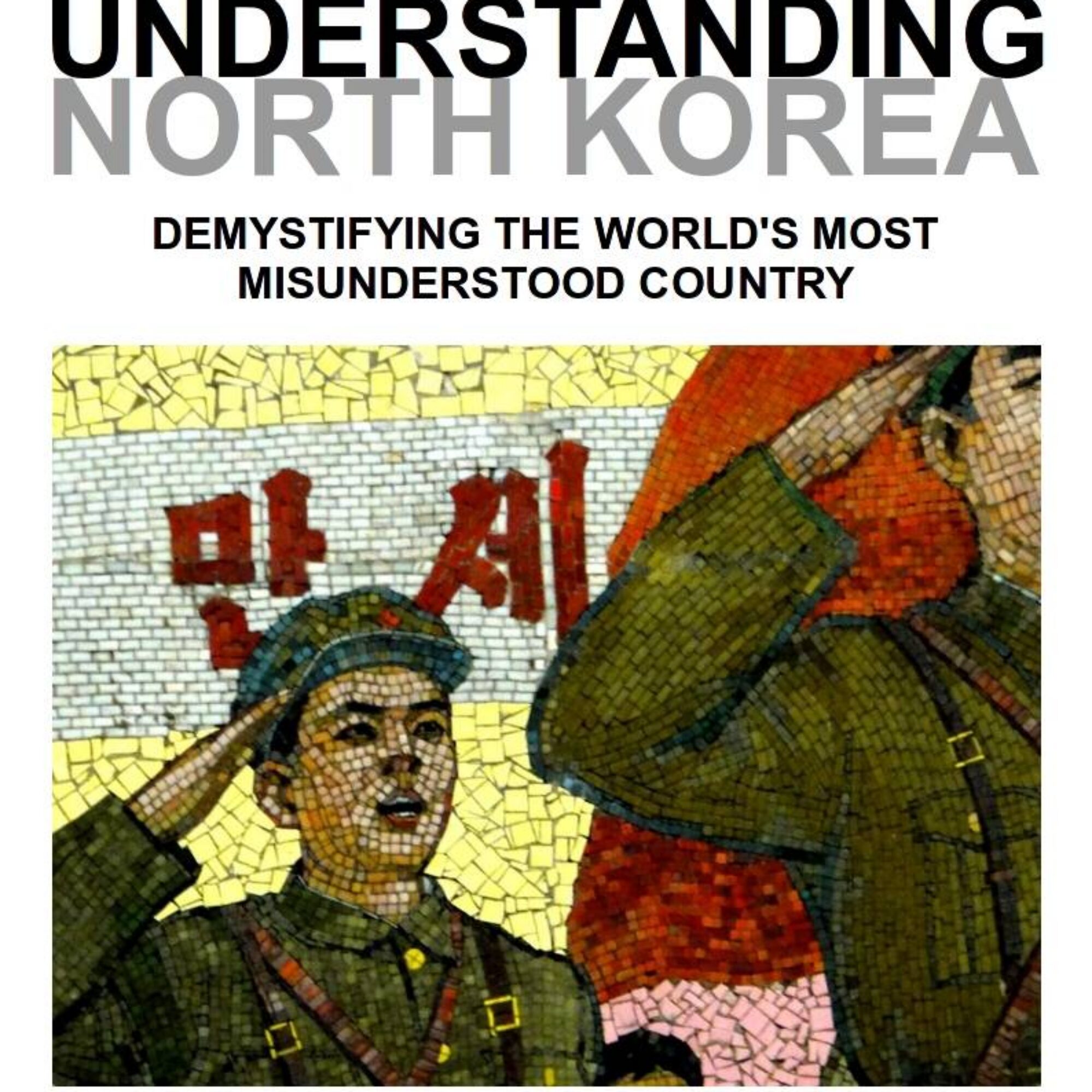
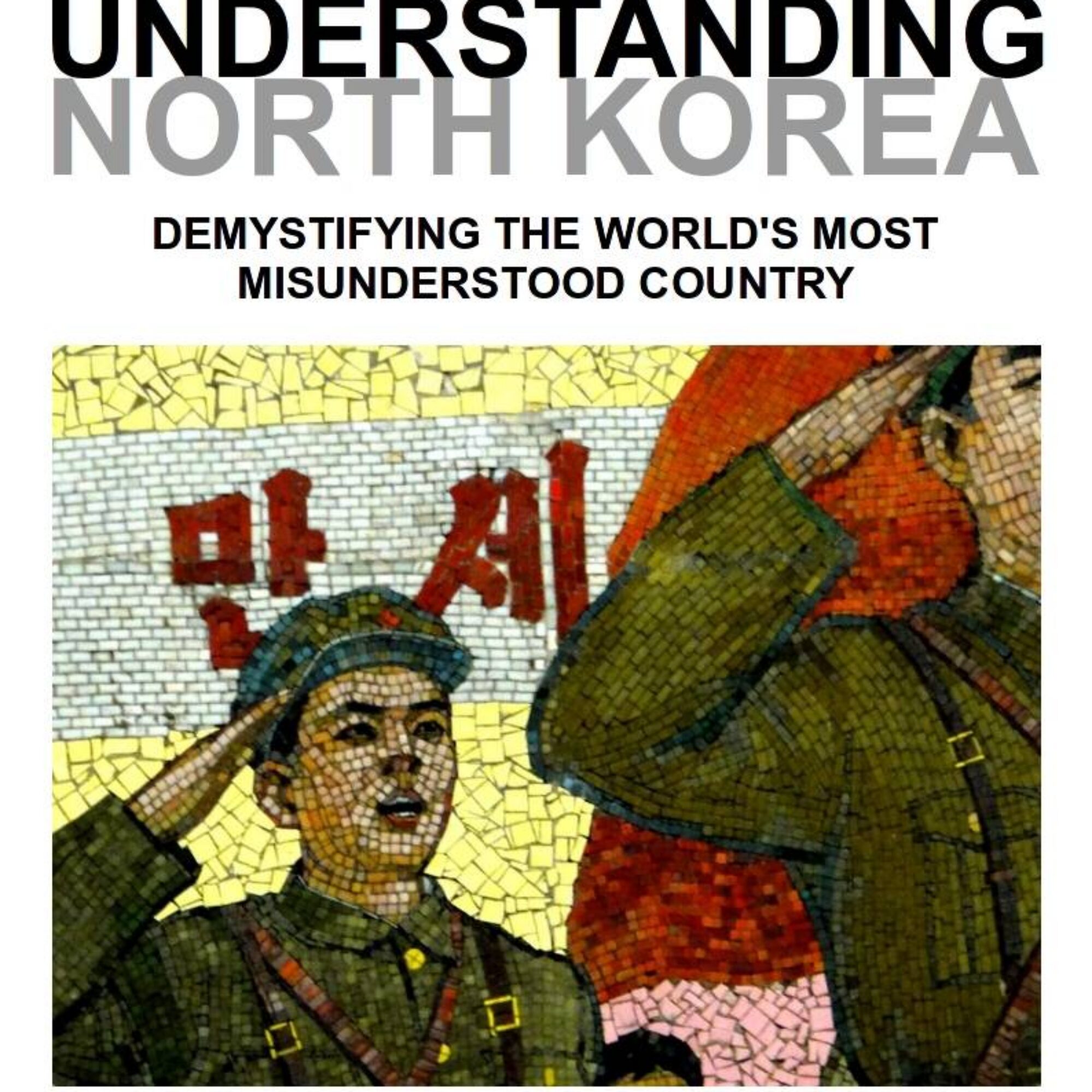
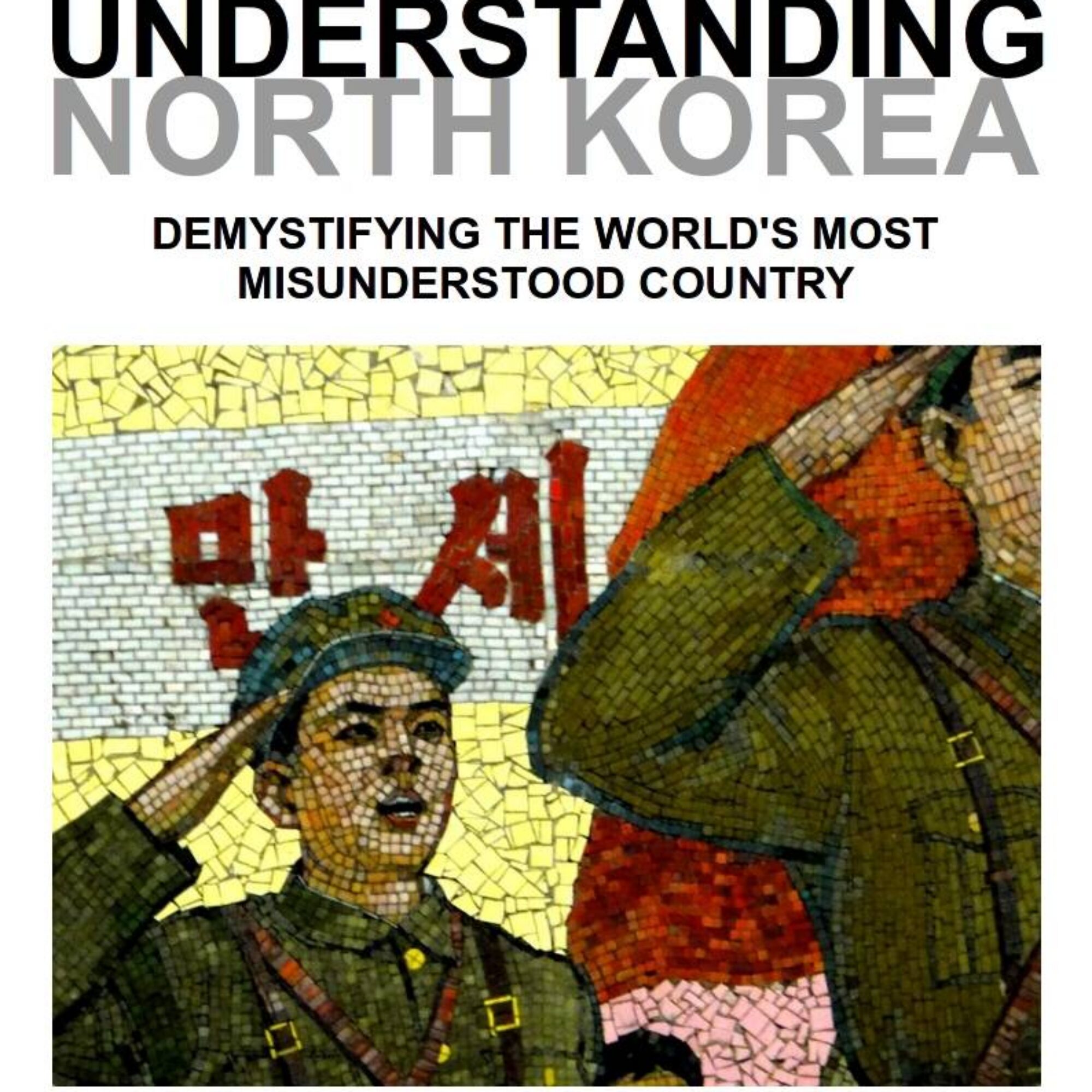
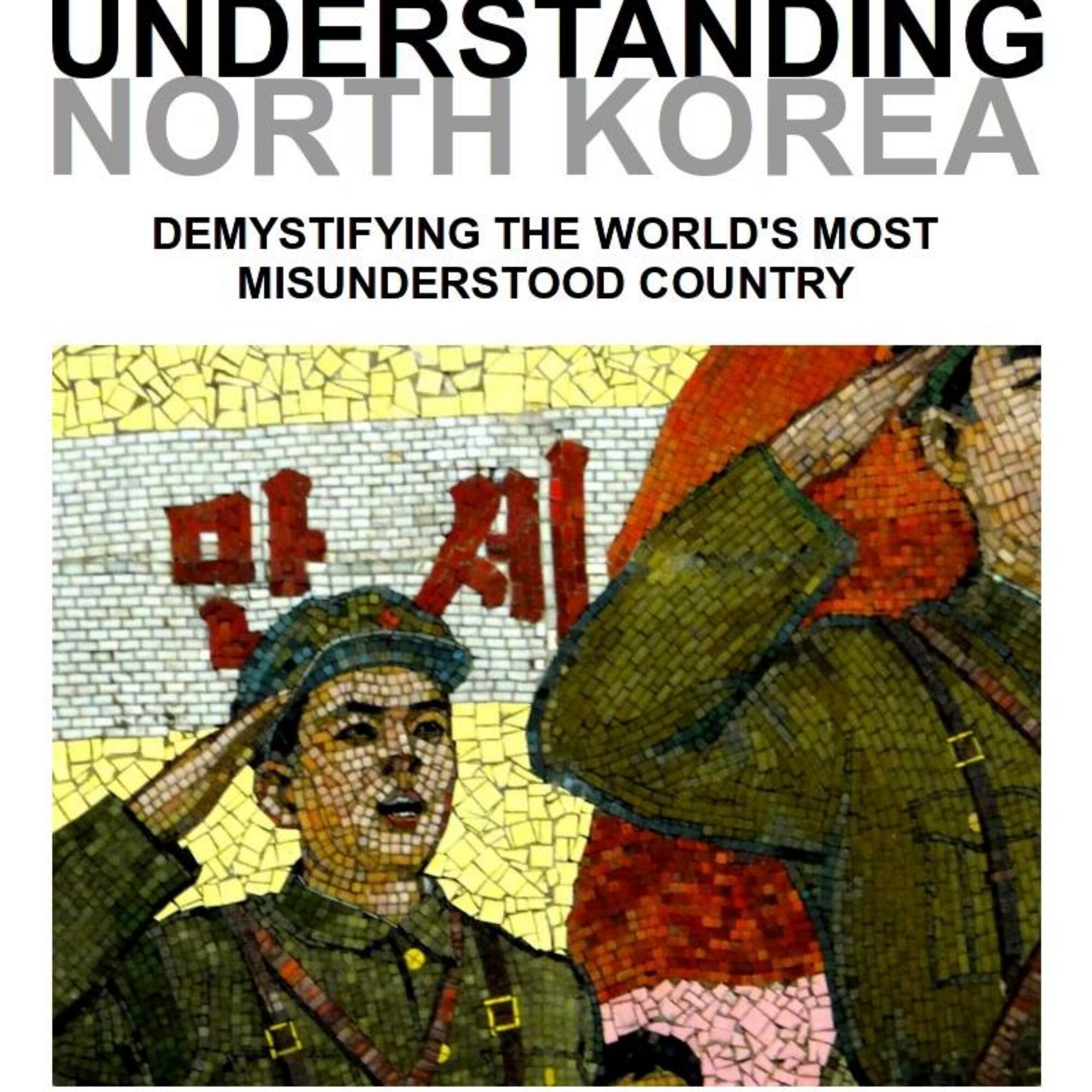
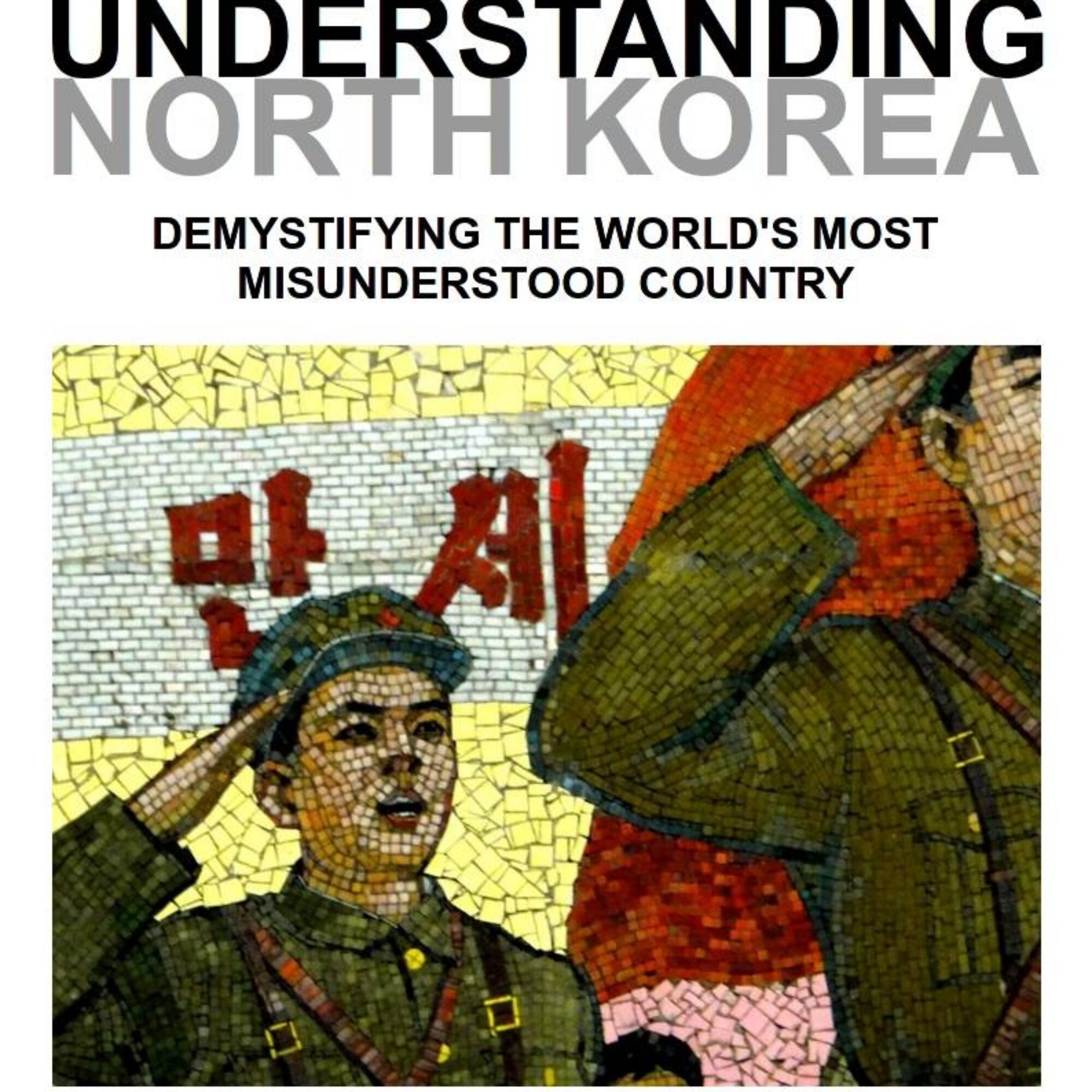
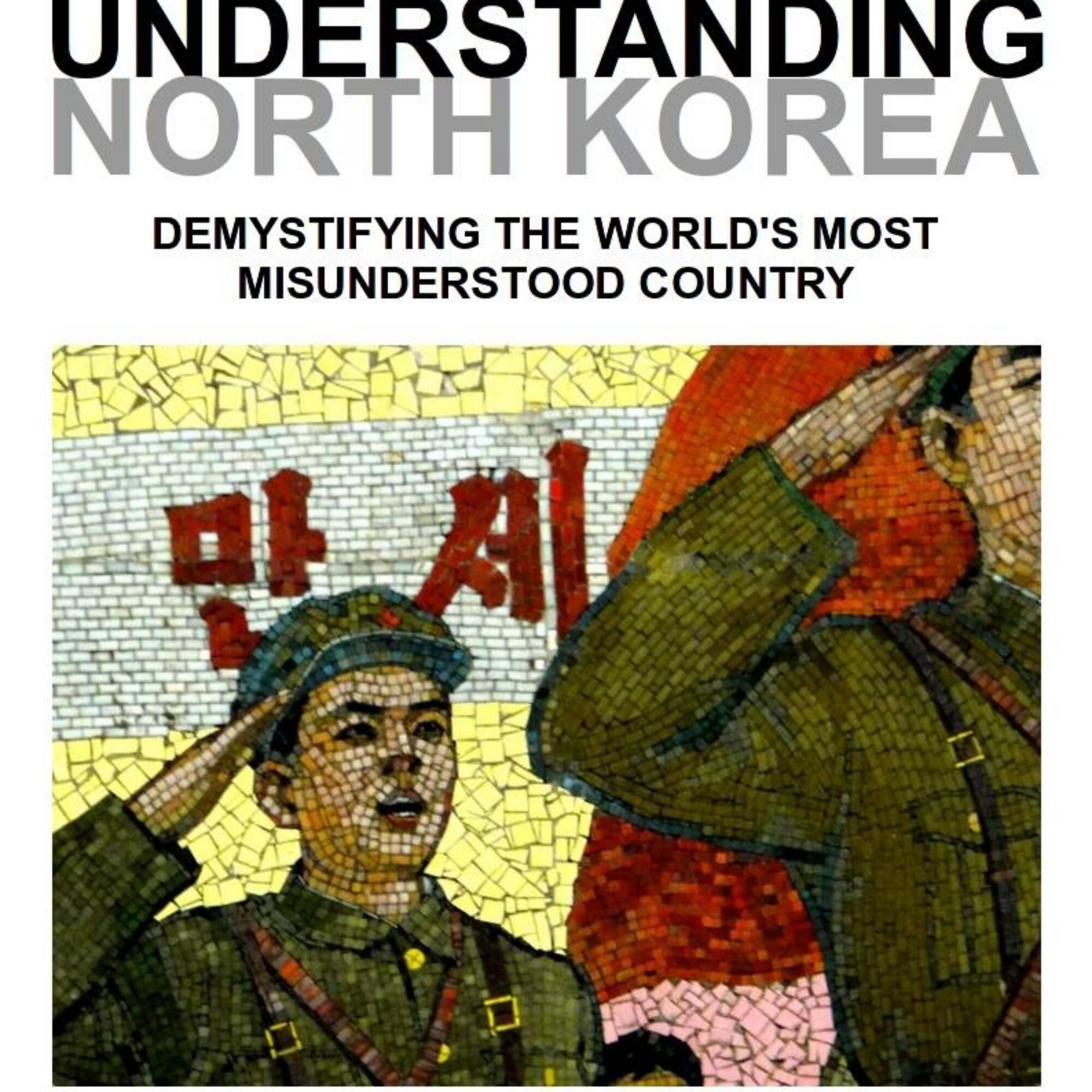
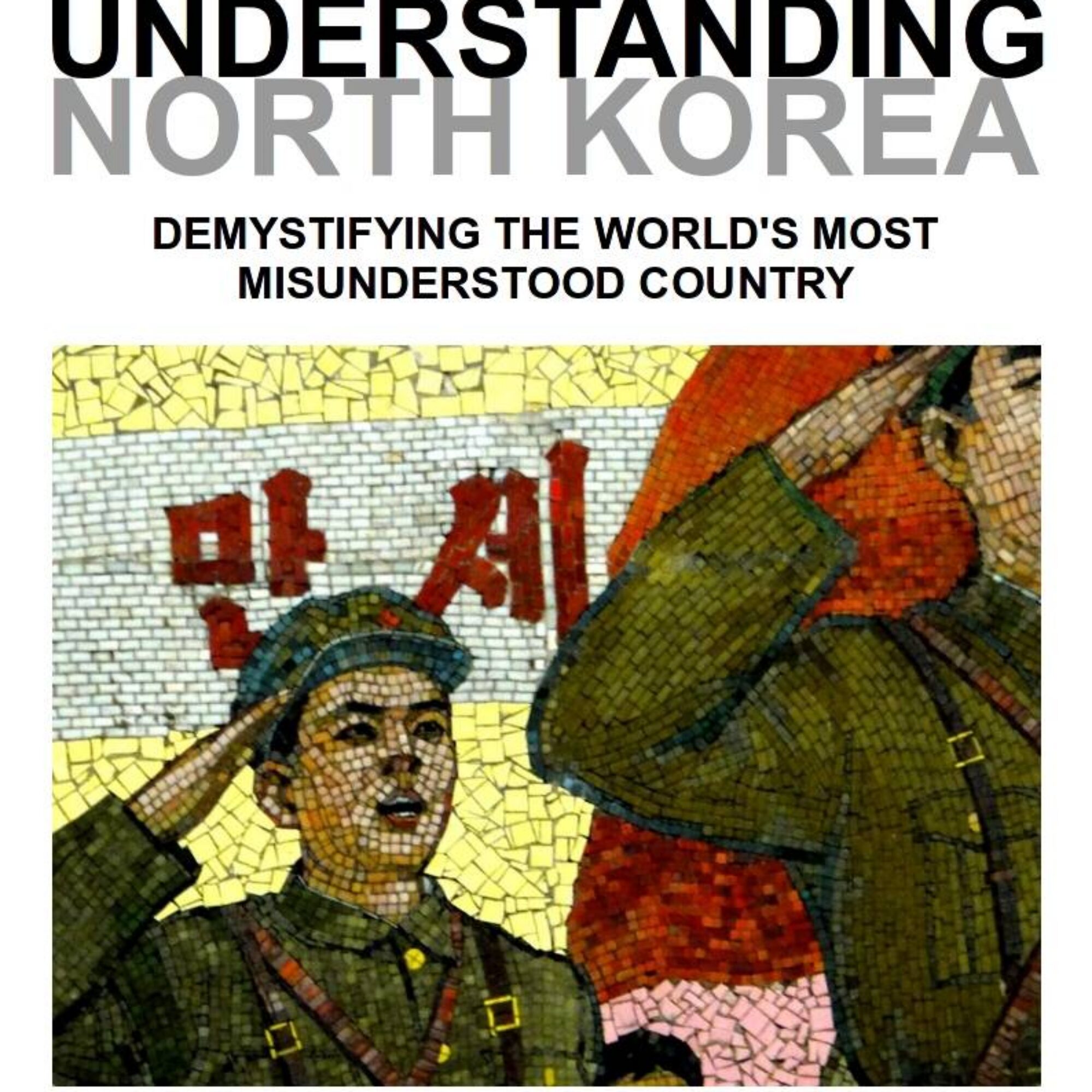
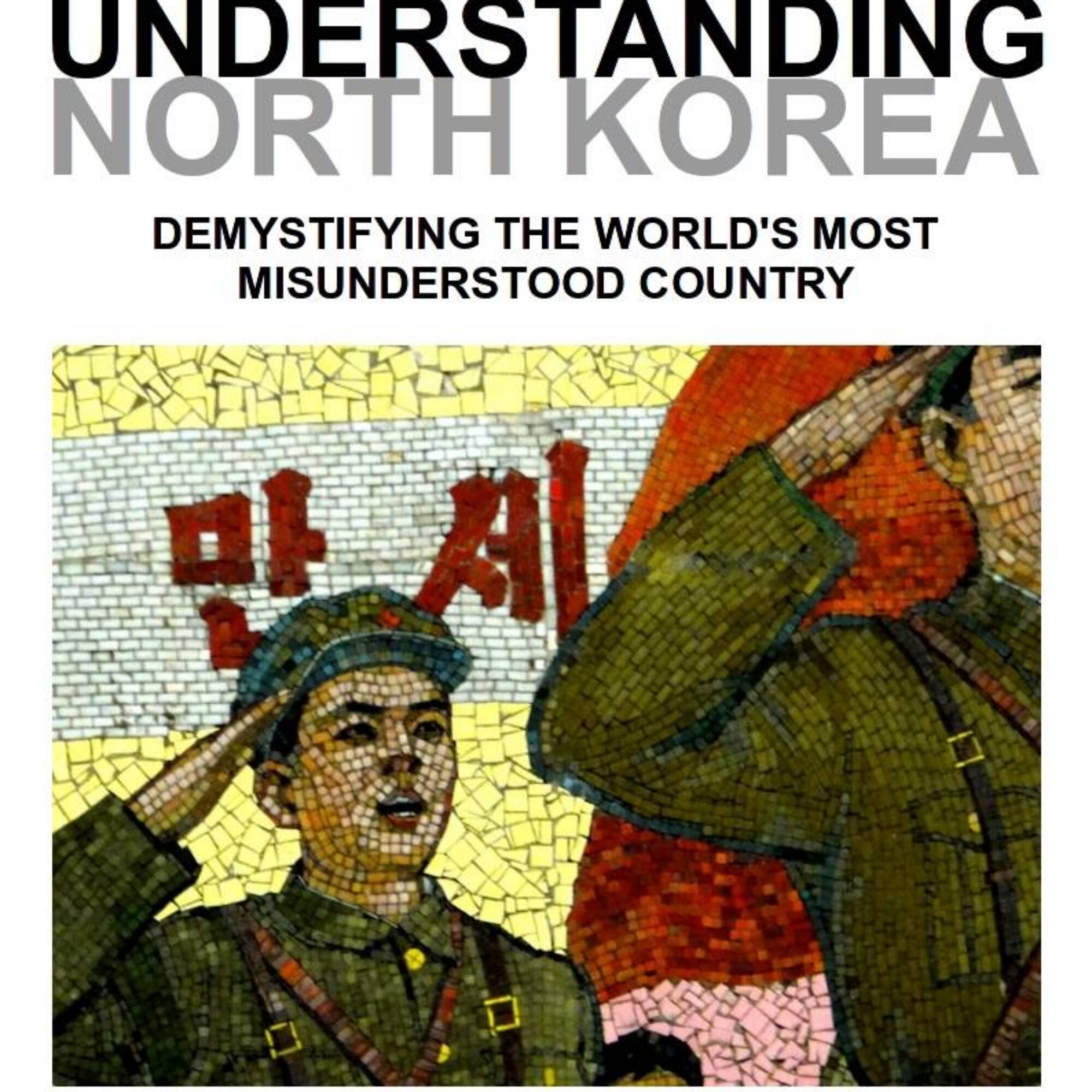
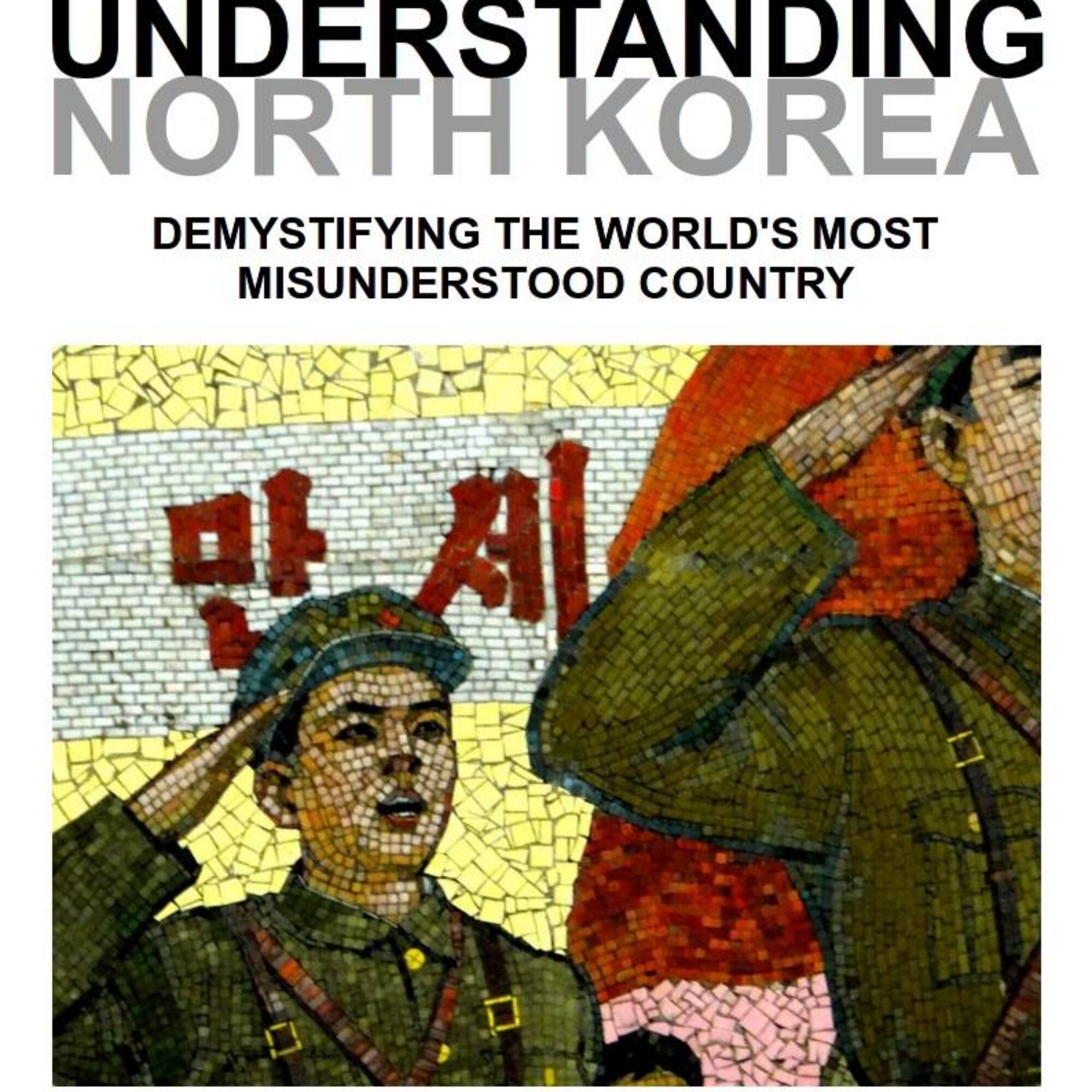
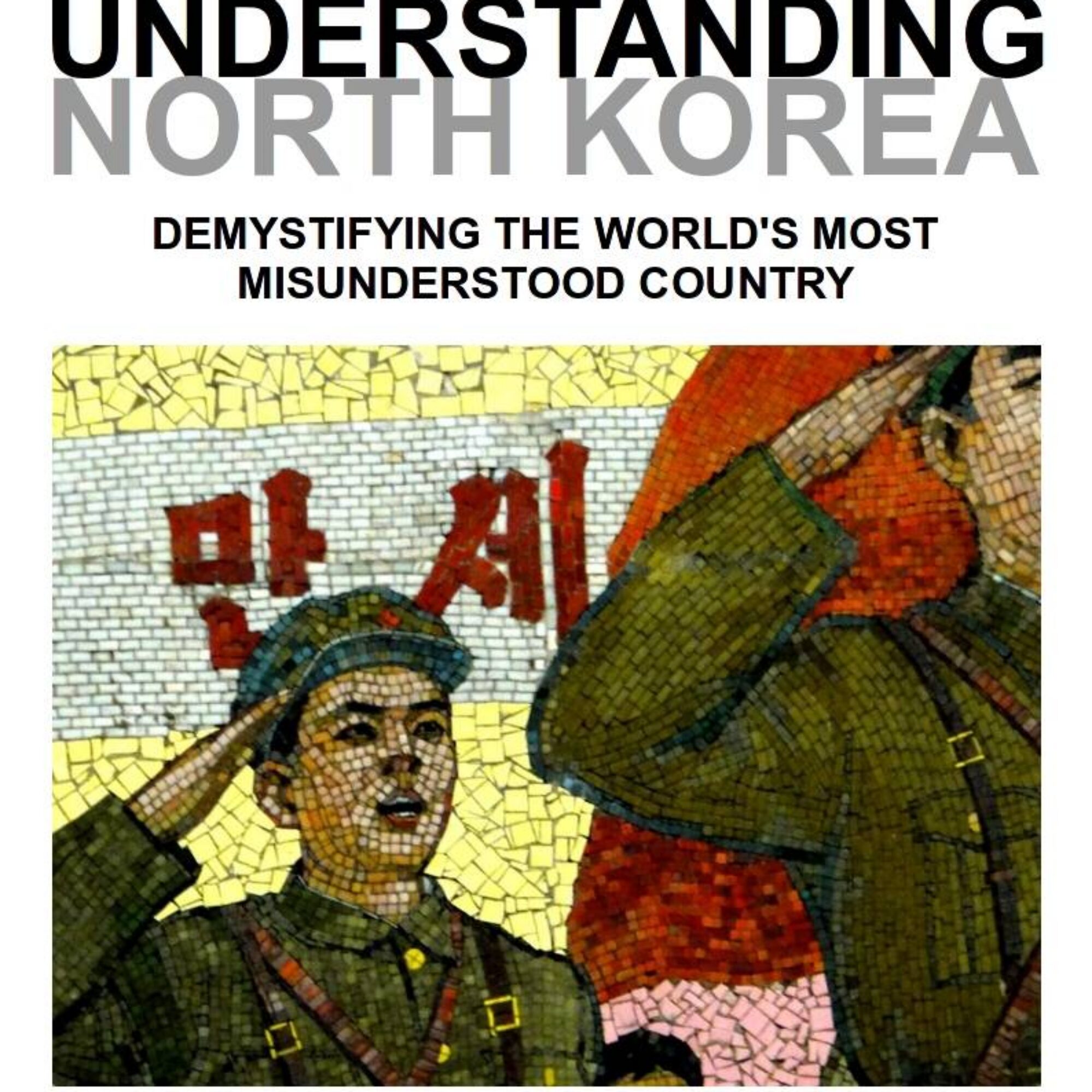
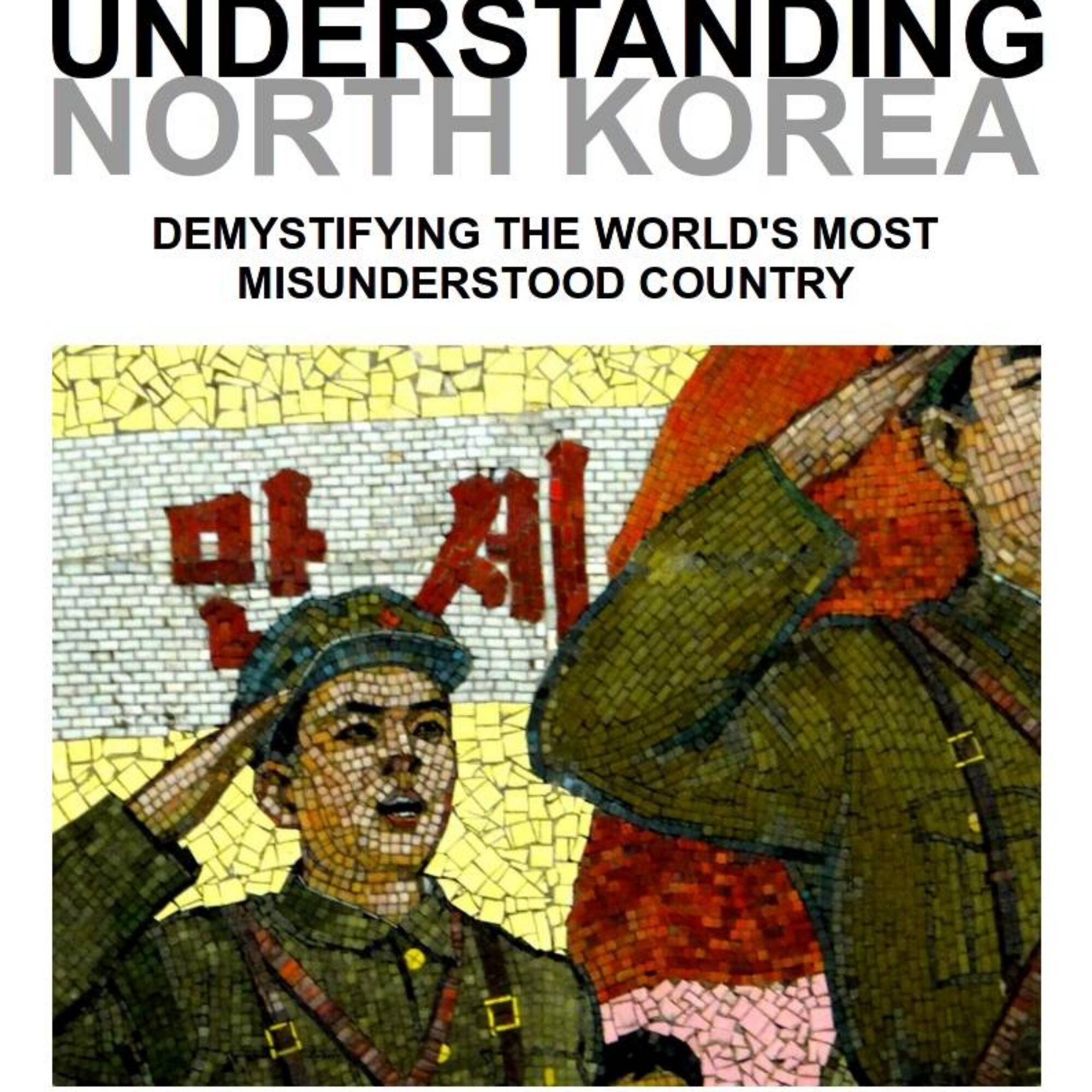
In today’s interview, my business partner, Christina Black, asked me my best part of visiting North Korea. Small interface: [audio:https://joshuaspodek.com/wp-content/uploads/2011/11/north_korea_greatest_lesson.mp3] Large interface:[videofile]https://joshuaspodek.com/wp-content/uploads/2011/11/north_korea_greatest_lesson.mp3[/videofile] — EDIT: I included much of this post and this series on strategy (edited and polished) in my ebook, Understanding North Korea: Demystifying the World’s Most Misunderstood Country. I wrote the book to help increase understanding, communication, and freedom.

0 Comments

North Korea strategy: the players and their motives

First a few caveats before I paint the broad strokes for the perspectives and motivations for the major players as they relate to North Korean strategy. I haven't studied international and public affairs. I believe, nonetheless, that the broad strokes below describe the important aspects of the strategic situation. Perhaps I'm speaking out of ignorance, but I believe history backs me up: how else can you explain a regime maintaining power with no resources defying major global powers to build nuclear weapons, counterfeit the dominant powers' currency, deal arms and drugs, and oversee the preventable deaths of ten percent of its population? The North Korean Government The North Korean government controls the lives and economy of North Koreans more than most other countries. The higher…

0 Comments

There will never be a periodic table of emotions, part 2

Continuing yesterdays' post... In the examples above, the categorization schemes worked because they categorized something with an underlying structure -- the photon and its wavelength, the atom and its nucleus and electrons, natural selection and DNA, the (so far) fundamental particles and the laws governing their interactions. But not everything with patterns has an underlying structure. Let's look at anatomy, for example. As we'll see, it will reveal a lot about emotions and motivations. Notice that despite common characteristics across life, no one has created a periodic table of anatomy. Why not? Because anatomy has no underlying structure like those other categorization schemes. We know several unpredictable factors affect how a species' anatomy evolves -- for example, that species' current anatomy, its environment, and natural…

6 Comments

There will never be a periodic table of emotions, part 1

Discovering the periodic table of the elements told us wonders about chemistry and pointed the way toward understanding atoms. Figuring it out pointed the way toward tremendous understanding and improving our lives. We found similar structures that revealed underlying structure in the spectrum of light, life's family tree, the standard model of particle physics, and others. Wouldn't it be great to find such a structure for our emotions and motivations? Wouldn't we expect discovering such a structure reveal our emotional system and create tremendous progress in psychology, personal development, achievement, motivation, and well-being? Why can't we find such a structure? I think we never will. But that doesn't mean we won't make tremendous progress in those areas to improve our lives. Let's take a step…

0 Comments

North Korea strategy: the playing field and major players

The playing field for North Korean strategy, which reduces the number of relevant players, simplifies North Korea's strategic situation more than almost anything else. Few other nations see such a combination of global importance and simplicity. The map below, from Wikipedia, shows nearly everything you need to know about the playing field. North Korea shares borders with three countries: China, South Korea, and Russia. Farther to the east lies Japan. No other countries are close. For a few reasons, mainly that North Korea developed nuclear weapons and its involvement in the Korean War, the United States is involved. Within North Korea I distinguish between the government and the people. Each of these players contains multitudes of sub-players with divergent interests. Nonetheless, I think treating these…

0 Comments

North Korea strategy: a primer on strategy

If you want to plan something non-trivial, you need a strategy. If you don't know what strategy is, you can't make a good strategy. I've read one book that covers strategy better than any other -- Competition Demystified: a radically simplified approach to business strategy, by Bruce Greenwald and Judd Kahn (I haven't read On War yet but I have read Porter). While it focuses on business as opposed to political or military strategy the principles are similar. Competition Demystified's first chapter defines strategy, describes its importance, outlines its main principles, and begins the process of creating a strategy. On top of that, you can read most of it online for free, along with other parts of the book. I recommend reading it if your…

0 Comments

How to bring happiness and emotional reward to your life by analogy with pleasure, part 3

[This post is part of a series on creating happiness and reward by understanding pleasure. If you don't see a Table of Contents to the left, click here to view the series, where you'll get more value than reading just this post.] Two days ago and yesterday I described how seeing how easily you can create physical pleasure in your life shows how easily you can create emotional pleasure -- as much as you want. Today I'll go a step further -- how to create as much reward as you want. Remember, emotional reward is the feeling that everything in the relevant cycle syncs with everything else. It encompasses emotional and physical pleasure and more. Though in most cases emotional reward feels better and more…

0 Comments

North Korea strategy: preview

"What can I do?" This question drives interest in North Korea perhaps more than any other after asking what it's like. Even people who know little about the rest of the world sense something about North Korea they'd like to help with. Nobody sees what they can do. The next few posts will cover what you can do. I believe you need to understand North Korea's situation from a strategic level both globally and regionally to see what you can and can't do and what may or may not work. I also believe you can learn the relevant overall situation in a few blog posts. As unusual as the situation there is, I believe it is simple and that you can understand it easily. Yet…

0 Comments

End of content

No more pages to load