
A friend teaches seventh grade English. I’d read about teachers struggling with students cheating with artificial intelligence, so I asked her about her classes. She teaches at a prestigious Manhattan private school.
For context, here are some articles on a publicized case:
- From Inside Higher Ed: Brown Professor Suspects Majority of His Class Used AI to Cheat
- From CBC: A U.S. prof suspects most of his students used AI to cheat. It’s a growing concern here, too
- From Fortune: ‘Humanity has chosen to become idiots’: This Brown professor switched to take-home exams after a mass shooting and discovered mass cheating
- From El Pais: Professor denounces mass AI fraud on an exam at Brown University: ‘Academic integrity is at risk’
She said the students cheat like it’s normal. She said that kids say that when they ask their parents for help on homework, the parents say, “just ask AI.” She said when she talks to parents, they acknowledge that they promote their kids to use AI. She said most other teachers and the administration aren’t facing up to the issue.
She’s trying to figure out what to do. One thing she says to some students is that if they’re concerned about their grades, she’ll give them an A, just do the assignment to learn. I don’t think they do it.
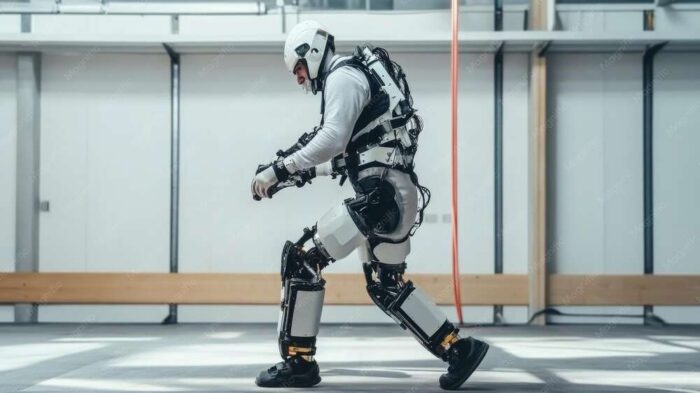
I wrote before in What artificial intelligence does to our minds what I see happening with AI. It’s like everyone showing up to the start of a marathon on electric bikes, or with exoskeletons, acting like “Why wouldn’t I? I get to the finish line faster with less effort. In the future everyone will be doing it this way. Why stick to the old ways?”
If all you care about is the outcome, just take heroin. You’ll feel better with less effort.
What is life about? Getting to the finish line with less effort?
As long as I’m pointing to other news pieces about students cheating with AI, I’ll quote from a New York Times opinion piece What A.I. Did to My College Class:
Stanford already had a shaky reputation for integrity when I arrived in 2022. It was the origin place of the Theranos fraudster Elizabeth Holmes (now serving a 10-year prison sentence), the crypto fraudster Do Kwon (now serving a 15-year prison sentence) and the founders of Juul (which was forced to pay billions for getting kids hooked on vapes). All of these scandals were in the news when freshman year began. Many of my classmates arrived idealistic and hopeful, but among the strivers seeking a path to fortune, hustle culture was the accepted way of life. Now A.I. has made deception easier and more remunerative than ever before.
Cheating has become omnipresent. I don’t know a single person who hasn’t used A.I. to get through some assignment in college
… 49 percent of the 849 computer science majors who responded to an annual campus survey said they would rather cheat on an exam than fail.
… some coding classes started requiring students to sign a declaration — “I did not utilize ChatGPT” — to submit each assignment. During the first term these attestations began to appear, I watched a freshman I knew sign the declaration that he’d done his homework without A.I. as ChatGPT was still open in the next window — while on the deck of a yacht party financed by venture capitalists. The incentive structures were not aligned toward honesty.
The overuse of AI does worry me. At work, they promote it- but it seems to me the point is to get more from fewer people.
My data analysis makes a lot more sense if I painstakingly load it into the software and make my own charts, graphs, and comparisons.
College professors are wising up, too. Many of them make sure in person finals are a big part of your grade. You can cheat on homework, but that only gets you so far.
It’s unsettling how much people accept the effects, as if they’re taking heroin, knowing the results and complying anyway.