Artificial Intelligence


A reader’s thoughtful comment on artificial intelligence

A reader wrote a long response to my recent posts on AI. They said they couldn't get the comments section to work, so emailed it to me. After removing identifying parts, I'm sharing the whole thing since it shows some difference in this community, as well as being connected to decision-makers at an AI firm. The part in bold was by me, calling out a governing principle I find people otherwise miss about technology. It's less that it changes culture so much as accelerates it, though does change it somewhat to benefit those with status. Despite using AI, this reader mostly avoids it. I'll add a couple more comments after. Commenting on the AI question [relating to] someone who works somewhat high up at [major…

0 Comments

Might I Be Wrong About Artificial Intelligence? How Wrong Could I Be?

I've written about AI, mainly problems. In Extreme Thoughts on Artificial Intelligence I explored the idea that AI offers no benefit, only the jolt of the feeling of accomplishment like the jolt of euphoria of opiates and solving problems created by the system and philosophy that created it. Let's say I'm wrong. Let's say AI offers many benefits I'm missing. How wrong might I be? What difference to us would we see if we stopped using AI compared to if we kept using it? Would we miss it? Would we think, "Darn, my life suffers for lack of AI"? If we stopped using eyeglasses or pressure cookers, I'd miss them. They represent technologies that seem to benefit people without harming others. You could argue that…

0 Comments

Extreme Thoughts on Artificial Intelligence

I'd been working on a post about how it may be that AI has no benefit, or negligible enough to round off to zero. I wasn't sure if I'd post it, but some recent statistics in Harper's Index prompted me to. I'll give some context, then the statistics, then the extreme views. Context Most people I've asked about AI who view it positively, by no means a representative sample, describe some use that they say helps them or would, like making slides for a presentation or write emails for them. They never mention people whose values they oppose using AI to help themselves. To be blunt, consider an issue you feel strongly about---possibly abortion or human rights abuses. Now consider that people who oppose your…

4 Comments

Heartbreaking: A seventh grade teacher on parents supporting students cheating with artificial intelligence

A friend teaches seventh grade English. I'd read about teachers struggling with students cheating with artificial intelligence, so I asked her about her classes. She teaches at a prestigious Manhattan private school. For context, here are some articles on a publicized case: From Inside Higher Ed: Brown Professor Suspects Majority of His Class Used AI to Cheat From CBC: A U.S. prof suspects most of his students used AI to cheat. It's a growing concern here, too From Fortune: 'Humanity has chosen to become idiots': This Brown professor switched to take-home exams after a mass shooting and discovered mass cheating From El Pais: Professor denounces mass AI fraud on an exam at Brown University: ‘Academic integrity is at risk’ She said the students cheat like it's normal. She…

2 Comments

A tragic comment the dean said about artificial intelligence at my 20 year business school reunion

Yesterday I wrote personal reflections about my business school reunion. Today I have to share a tragic comment from the Dean of the school. There was a town-hall type gathering where he spoke about the state of the school. One of the main topics was that the school was embracing artificial intelligence with enthusiasm. He spoke of how professors were being trained in it, students were encouraged to use it, and so on. At the end he acknowledged that using AI polluted and depleted. I think he acknowledged even that the scale was already huge, accelerating, and without any ways to curb it. His response to this acknowledgment: "We have to be cognizant of that." Be cognizant? What kind of cop-out is "be cognizant of that"?…

4 Comments

What artificial intelligence does to our minds

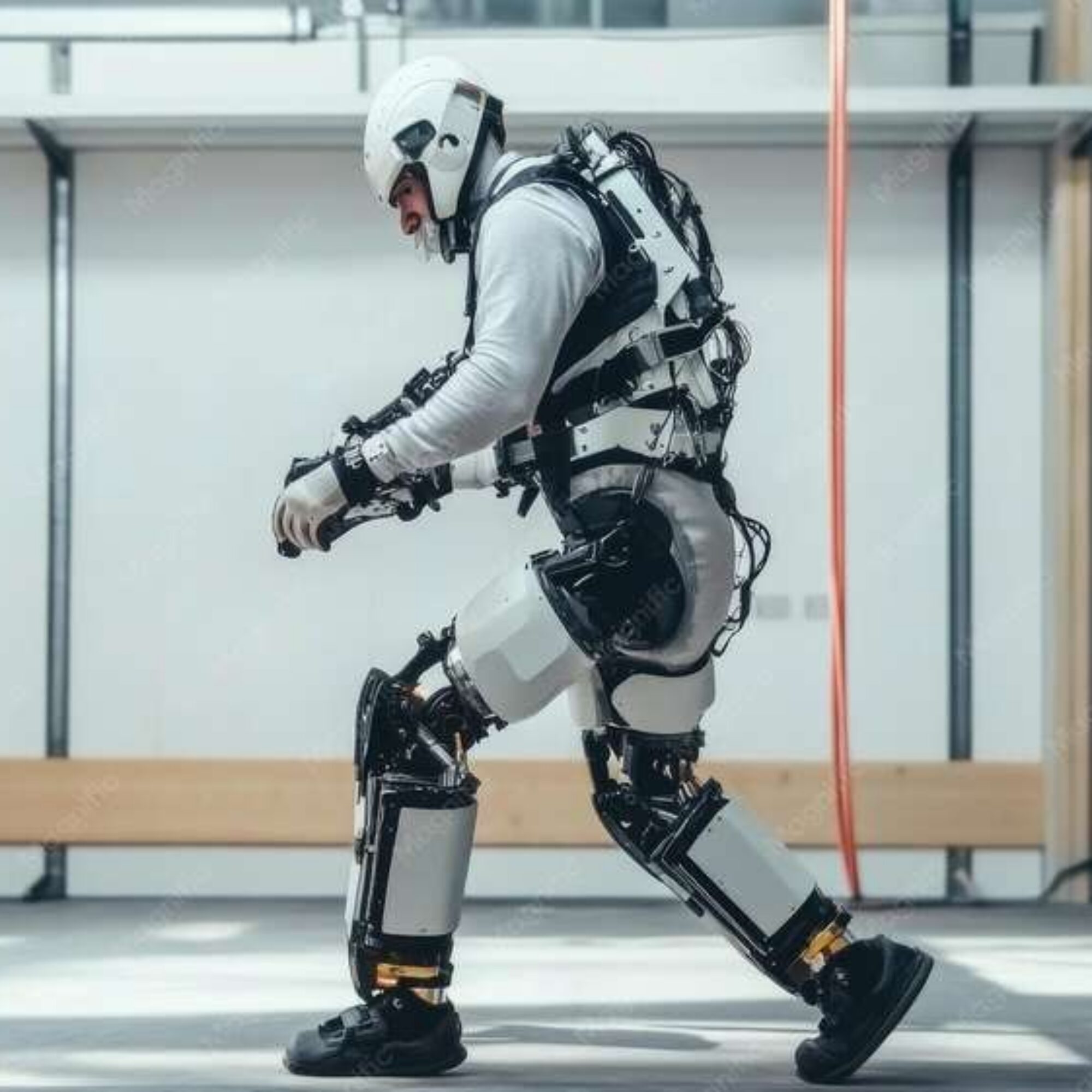
Say you want to run a marathon. Someone says they developed an amazing exoskeleton. They tell you that when you wear it, it can help you run. You'll be able to finish a marathon in one hour. In fact, it helps you so much, you won't even break a sweat. Running a marathon with an exoskeleton doing the work for you achieves the opposite of the point of running a marathon. Crossing the finish line faster isn't the point. Likewise if you used an exoskeleton to lift weights and could bench a thousand pounds or to play tennis so could beat Federer, etc. Using the exoskeleton transforms an activity designed to build coordination, fitness, and strength achieves the opposite. While "lifting" heavier weights, your muscles…

0 Comments

Should I fear posting concerns about artificial intelligence?

I'm posting more about artificial intelligence, maybe enough to make a category for it. I posted that I hesitated to post my last one with this explanation: "I held back on posting it because of the question in the last paragraph. I’m finishing the third volume of The Gulag Archipelago and studying the effects of dominance hierarchy, which artificial intelligence is forming. People who criticized Stalin didn’t fare well. Should we worry about criticizing the people and machines who may be at the top of a steepening dominance hierarchy?" I doubt I have to worry, but reflecting on something thoughtfully and calmly isn't worrying. Besides AI, I also post a lot about dominance hierarchies. They form when there is a necessary resource that can be…

0 Comments

Do people talking about AI understand exponential growth?

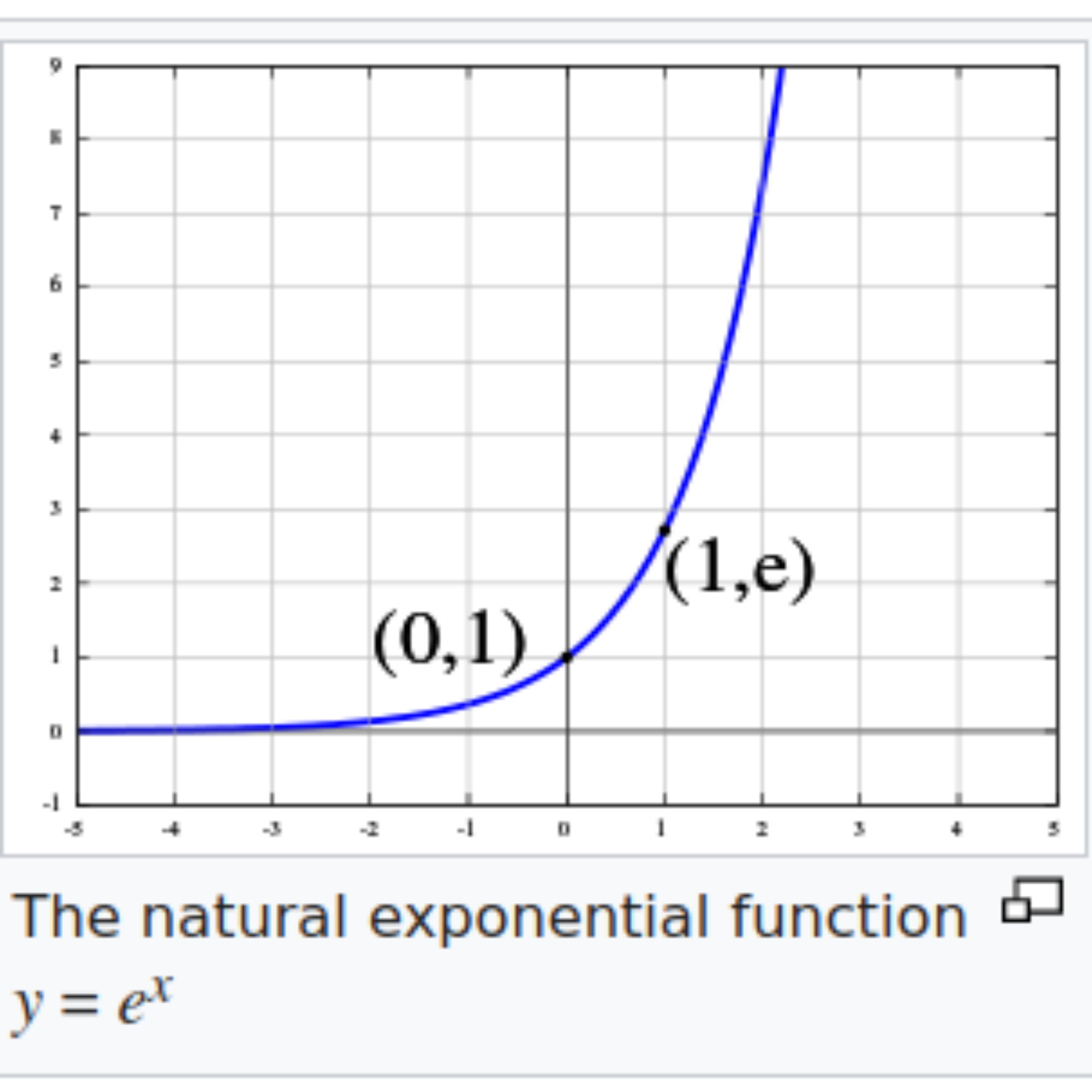
Most speculation I see about what might happen with artificial intelligence anticipates some stable situation where humans and AI reach an equilibrium. Do people not understand exponential growth? Do they not understand that AI drives the development of AI? Even if you don't know differential equations or calculus, which predicts exponential growth, you have to see that that situation means that the faster AI develops, the faster AI develops more AI. In other words, any equilibrium will last less time than the one before. By the time AI creates a robot with human intelligence and physical ability, ten minutes later it will be able to create one with double each. If not exactly ten minutes later, well short of any time for us to adjust.…

0 Comments

Artificial Intelligence isn’t improving people’s lives. It’s helping them fulfill their roles, which rarely improves their lives.

[Note: I wrote the post below before last week's post Artificial Intelligence and atrophy of mental ability like intelligence, self-awareness, emotional regulation, and expression, which it overlaps. I held back on posting it because of the question in the last paragraph. I'm finishing the third volume of The Gulag Archipelago and studying the effects of dominance hierarchy, which artificial intelligence is forming. People who criticized Stalin didn't fare well. Should we worry about criticizing the people and machines who may be at the top of a steepening dominance hierarchy?] There may be some people who can't talk to other humans, maybe because of a birth defect, that artificial intelligence can help directly. Then again, it may not actually help in the long run, but even…

2 Comments

Artificial Intelligence and atrophy of mental ability like intelligence, self-awareness, emotional regulation, and expression

I see more and more ads for artificial intelligence. This evening on the subway one ad promoted how AI could turn the workplace task of creating a slide deck from two weeks of many sub-tasks like compiling data and designing slides into one prompt followed by a complete slide deck. The task would take minutes now. I've heard a lot of uses for artificial intelligence. I haven't heard of one that improves people's lives. I'm sure they exist, but I haven't seen them. Most are like the one above. It's tempting to point out that it saves time and likely improves the quality of output, that it enables the person to focus on what they want to, not low-level mundane work like making sure the…

2 Comments

The futures that futurists imagine are what I envision: Yet more evidence living without polluting or depleting isn’t regression

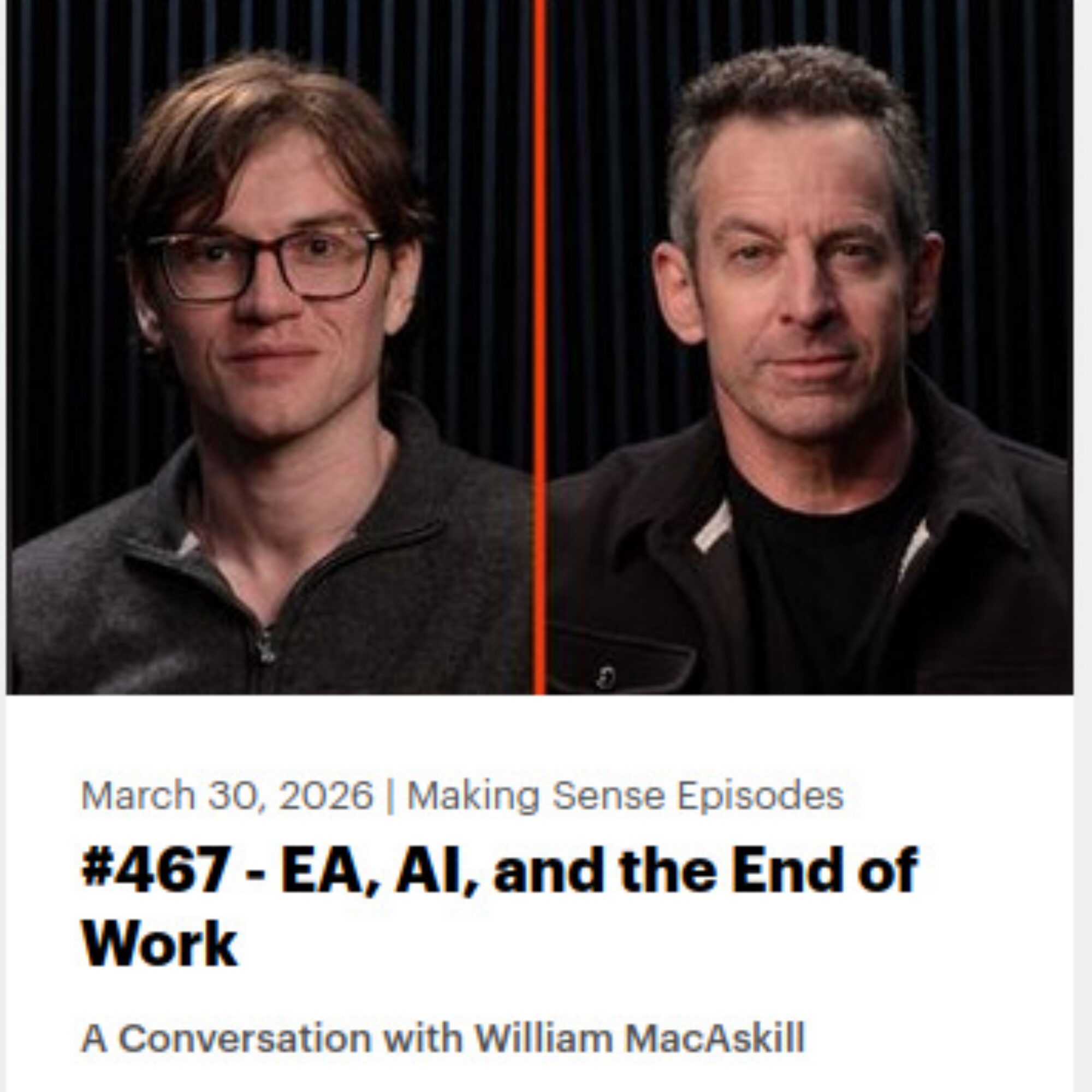
People consistently refer to life without polluting and depleting as returning to the Stone Age. The lack of historical awareness and imagination staggers the mind, or it would mine if I didn't realize that humans fill our minds with lies, or legitimizing myths, when we are induced to act against our values, to mollify our feelings. I was listening to William MacAskill (bio below) on Sam Harris's podcast. I'm not sure they would describe themselves as futurists, but they aren't far from it and in the part of the conversation I quote below, they were exploring what if artificial intelligence worked out. I quote several minutes of the conversation and share the audio, but I'll call attention to a few comments of what they imagine…

0 Comments

Denial like ours

When I talk about pollution and depletion, people keep telling me about their reductions. They are invariably among the greatest polluters and depleters in humanity's existence, but they compost their food scraps, avoid meat, or some feel-good minor act. When they talk, it sounds like they're making a big difference. When you ask about it making a difference, if they see a path to making a difference, or if they are actually trying to avoid hurting people without their consent, they get defensive. They act like they're clutching their pearls: "Oh my goodness! Do you mean to tell me that my plastic cup actually ends up in the ocean? That can't be. My pollution doesn't actually pollute." They act as if ignorant of their complicity…

0 Comments

There will always be something just beyond our grasp we crave. Or we can learn to stop craving.

Artificial intelligence is just the latest instance of a technology that, by polluting and depleting, deprive people of life, liberty, and property without due process of law. People think of the perks it might bring them despite violating the Constitution. So they convince themselves that it will actually benefit those it hurts. They can't say exactly how, but they think if we just use more of it, it will somehow harm less than if we use less of it or not use it. I'm a fan of technology and innovation. I'm a bigger fan of liberty, freedom, equality, and democracy, which I don't see working if we don't enforce the Constitution. If we have to choose between a technology that violates the Constitution and honoring…

0 Comments

One of the most important statements of environmentalism: giving up on changing culture (and what to do instead)

I enjoyed reading Bill McKibben's latest book Here Comes the Sun. I found much of it well researched. Still, I don't think it made clear what I consider its starting point. Before you read the critical stuff I start with about the book, I end on a high note. I've written many times how tools like technology, market incentives, and legislation aren't good or bad. They implement and augment the values of the people and culture wielding them. As long as our culture rewards behaviors that pollute and deplete, it will bend the use of any tool to accelerate itself. Whatever your intent with, say, solar panels, if you don't change culture, however much solar panels decrease emissions in one area, overall, they will enable…

0 Comments

Artificial Intelligence pollutes and depletes. Using it won’t help sustainability.

I read an article, The Costs of the Cloud, by Ashley Dawson in the New York Review of Books and wanted to note for future reference how much artificial intelligence pollutes and depletes. When asked how they think AI will affect the environment, most people seem to respond to a different question: "Can you think of ways AI can help with the environment?" They're doing what I wrote about in my post Nearly everyone misses the danger of artificial intelligence we’re sleepwalking into. They don't ask if people extracting fossil fuels are using AI to further their goals, or their advertisers, lobbyists, scientists, engineers, and politicians. Or people who sell things that lead to more pollution and depletion, like fast fashion, travel, doof, and online…

0 Comments

Artificial Intelligence: The Biggest Result People Miss

People ask what the effects of artificial intelligence will be. In most of the talk I come across, people tend to ask what AI will do for them. Will using it help them? Will others using it lead them to miss out? Sometimes they wonder if it will help them directly, as opposed to helping them do their jobs. They wonder if it help them in their loneliness like a friend or therapist. Sometimes people wonder abstractions like if AI is conscious or can be. I haven't written much about AI. Mostly this piece: I love developing resilience and strength: AI version, part 1. People often wonder about the side effects. What if a terrorist started using it? What if it were used to make…

0 Comments

I love developing resilience and strength: AI version, part 1

A recent article on artificial intelligence in the New Yorker wrote about how people who are suffering from loneliness are finding help from artificial intelligence. Some people can't help loneliness, not out of character defect but circumstance. It gets the reader thinking about the elderly, for example, who outlive everyone they've been close to, or it describes as worse, if those who remain are senile. Sorry to give away the ending but it suggests that for however it helps people who can't escape, it will create dependence in far more. The article is A.I. Is About to Solve Loneliness. That’s a Problem: The discomfort of loneliness shapes us in ways we don’t recognize—and we may not like what we become without it. by academic psychologist…

0 Comments

Is Artificial Intelligence More a Weapon Than a Tool?

There's a pattern in systems called an arms race, where two or more parties get stuck, each compelled to advance its military. When one does, all the others have to follow or risk being attacked or taken over. The pattern happens in other areas, but arms and the military is the prototypical example. We're all familiar with how this systemic pattern played out in the cold war, for example contributing to enough nuclear weapons to destroy all human life many times over, in the process diverting great amounts of wealth from helping people. One can argue if that wealth hadn't been diverted and war began because one nation knew it could defeat the one arming itself less, but that argument doesn't change that humans chose…

0 Comments

Another problem people miss about artificial intelligence

I just read a series of articles in the Economist analyzing the effect they predict artificial intelligence will have on the environment. They started by calculating the costs to build the computers and train the algorithms. They calculated the costs to operate the computers, which was much greater. Then they started writing about how people would use AI to increase efficiencies in grids, factories, transportation, and so on. When people answer if they think AI will help or hurt, they almost always answer how they expect they would use it for their goals. This series of articles didn't look at what seems most likely the greatest impact: how people who pollute and deplete will use AI for their purposes. They aren't trying to pollute any…

0 Comments

Nearly everyone misses the danger of artificial intelligence we’re sleepwalking into

When people predict what artificial intelligence will do, they tend to go in a few directions: how it will change their jobs, if it will become intelligent or conscious, if it will take over the world, or if it will solve some problem they face. Technology is a tool that augments people's and culture's abilities. It will tend to accelerate what its users already do. Whom will artificial intelligence help? It will help those with greatest access, which is Silicon Valley firms. What do Silicon Valley types do? The Silicon Valley firms that dominate got there by creating products and services that create emotions that keep you coming back: craving, outrage, etc. Think Facebook, Amazon, YouTube, Instagram, TikTok, etc. They create barriers to entry for…

0 Comments
What about ambulances, fire trucks, and hospitals? Don’t they help us and require polluting?
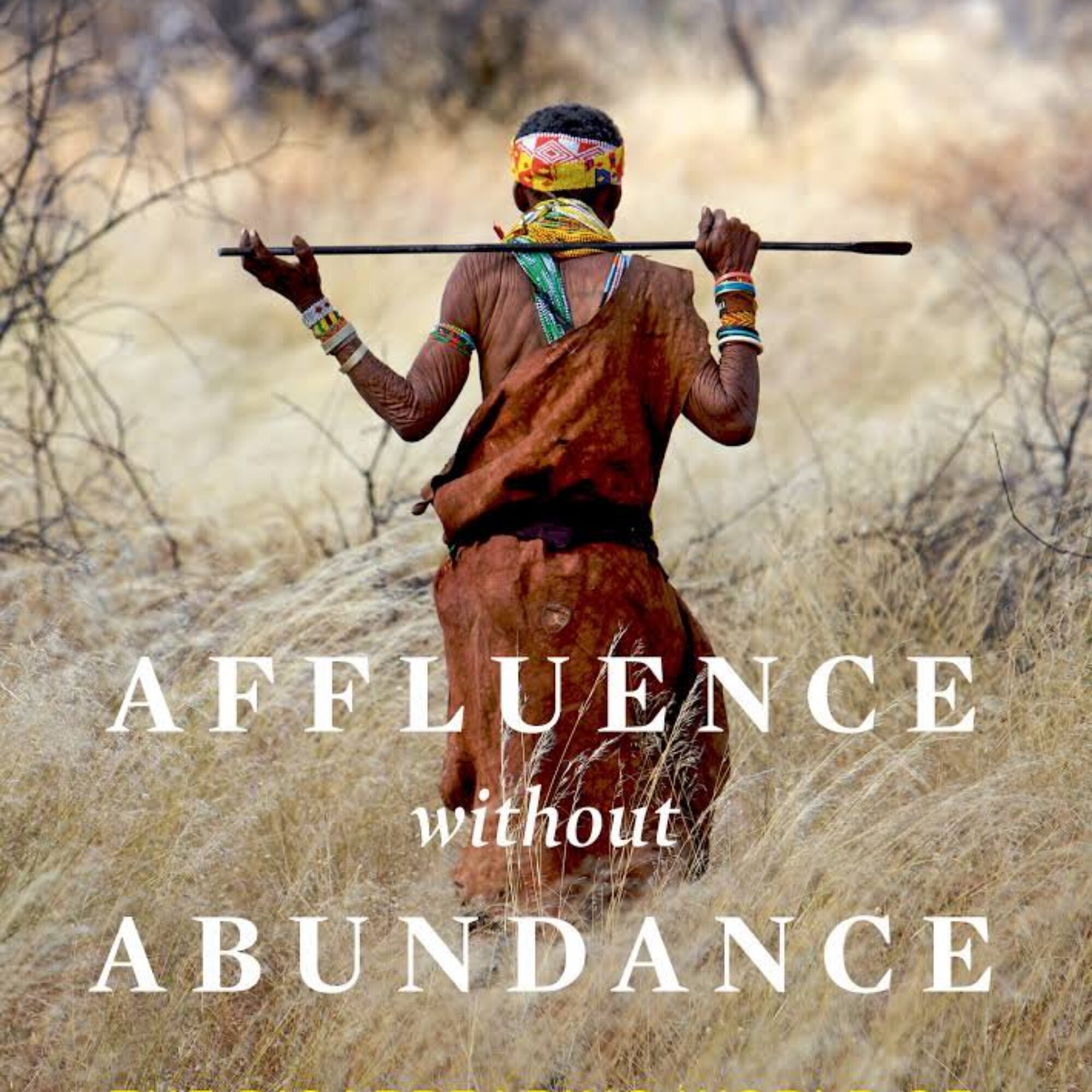
Affluence Without Abundance, by James Suzman

What about ambulances, fire trucks, and hospitals? Don’t they help us and require polluting?

Sustainability doesn't promise you'll live forever or that it will end all suffering. I don't want to shock you or hurt your feelings, but we will all die. People we love will die. We will conflict with neighbors forever. No matter what advances we make in medicine, at some point a doctor will be unable to prevent you from dying. Worse, for all the advances made in extending life, other advances will be made in doof, addiction, and weapons that sicken and decrease life. Indigenous people still exist not because they are ignorant of our culture but because they know about it. There is no appeal to mythology of the noble savage to say that they see that the sacrifice in freedom, equality, mutual support,…

0 Comments

Predictions about Artificial Intelligence that everyone misses

People think about how they could use it and think optimistically, but neglect to think that the people they disagree with and oppose will too. Like fire and sharp knives, technology isn't good or bad. Technology augments the values of the people and culture using it. Technology accelerates the system---that is, it leads to achieving similar outcomes faster. Regarding our political differences, it won't lead one or another position to win. It raises the stakes. It makes our positions more precarious. Technology also accelerates unintended results. Nobody wants more pollution. We want what pollution enables. We suppress, deny, rationalize, and justify the unwanted pollution. When we accelerate the system, we accelerate all its outcomes, not just the ones we want. We're continuing and accelerating the…

2 Comments

What AI does for you it will do more and better for people richer than you

People are asking a lot: will artificial intelligence help or hurt us more. In nearly every answer I hear, the person starts thinking of ways they can use AI to help them achieve their goals. They sometimes temper the desirable results they come up with concerns that it may take away jobs. But the biggest problems in the world aren't lack of jobs. The biggest problems are caused by humans---things like tyranny, fascism, dominance hierarchies, doof, addiction, and things some humans inflict on others. The humans causing those problems aren't likely thinking, "How can I make people's lives worse?" They're more likely acting on values they consider good, right, and natural. Being at the top of a dominance hierarchy means they can control necessary resources…

0 Comments

For every technology you think will help you, remember people who make you miserable will use it too

People keep asking how artificial intelligence (or blockchain, nuclear energy, fusion, or whatever the technology of the day) will help them. People think, "Oh, AI will help me do X or Y" where X and Y are things they want to do. Maybe in sustainability they'll use it to make some process more efficient, thinking it will reduce energy use and therefore depletion. Well, everyone else will use that technology too, including the ones causing what problems you're trying to solve. They'll drill deeper, extract faster, and lower costs do extract more profitably. Most of our problems are caused by other people. For example, earth has plenty of resources, or would if so many people weren't consuming them. Guns, abortion, taxes, migration, etc. . .…

0 Comments

“But Won’t Fusion Create the Energy We Need, Cleanly?”

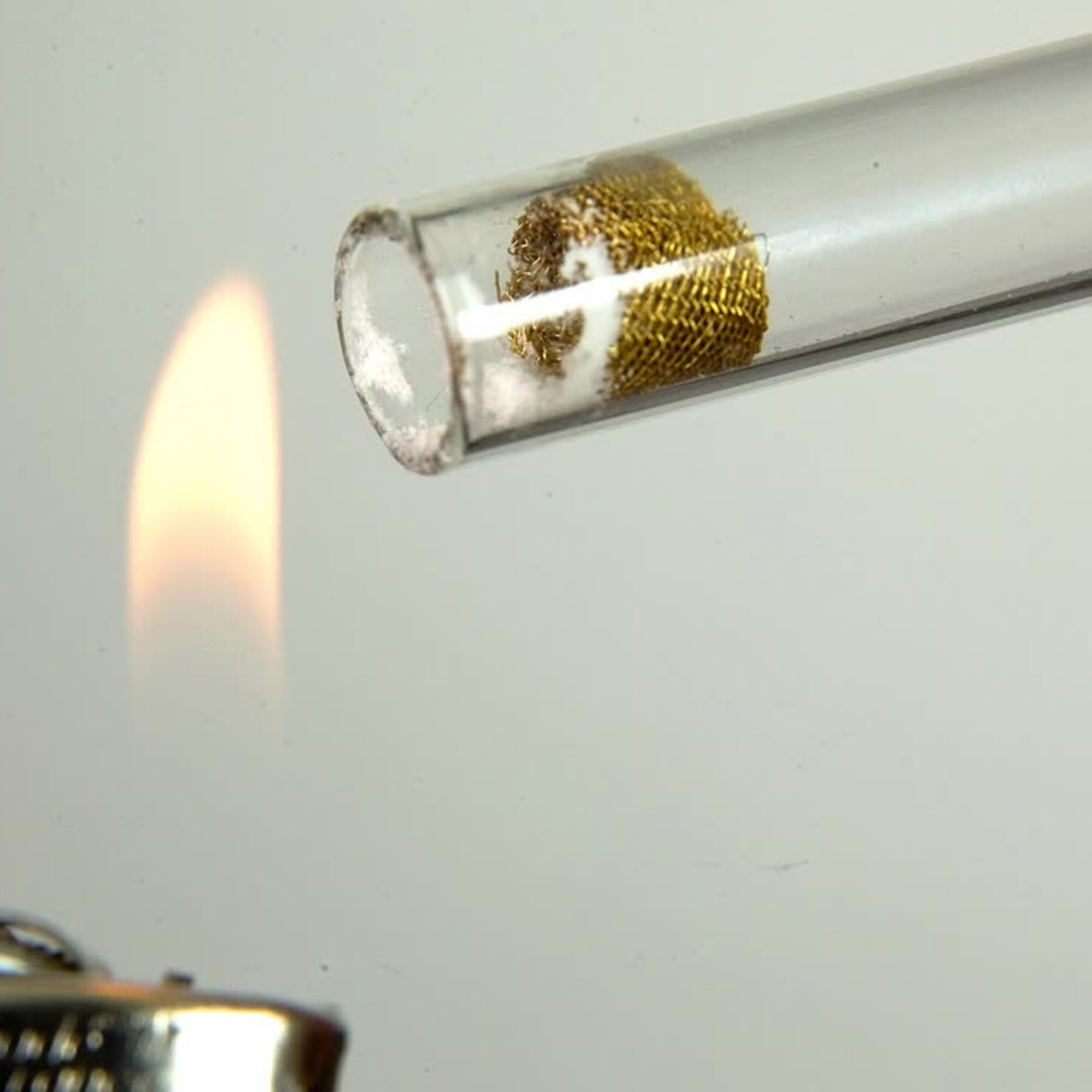
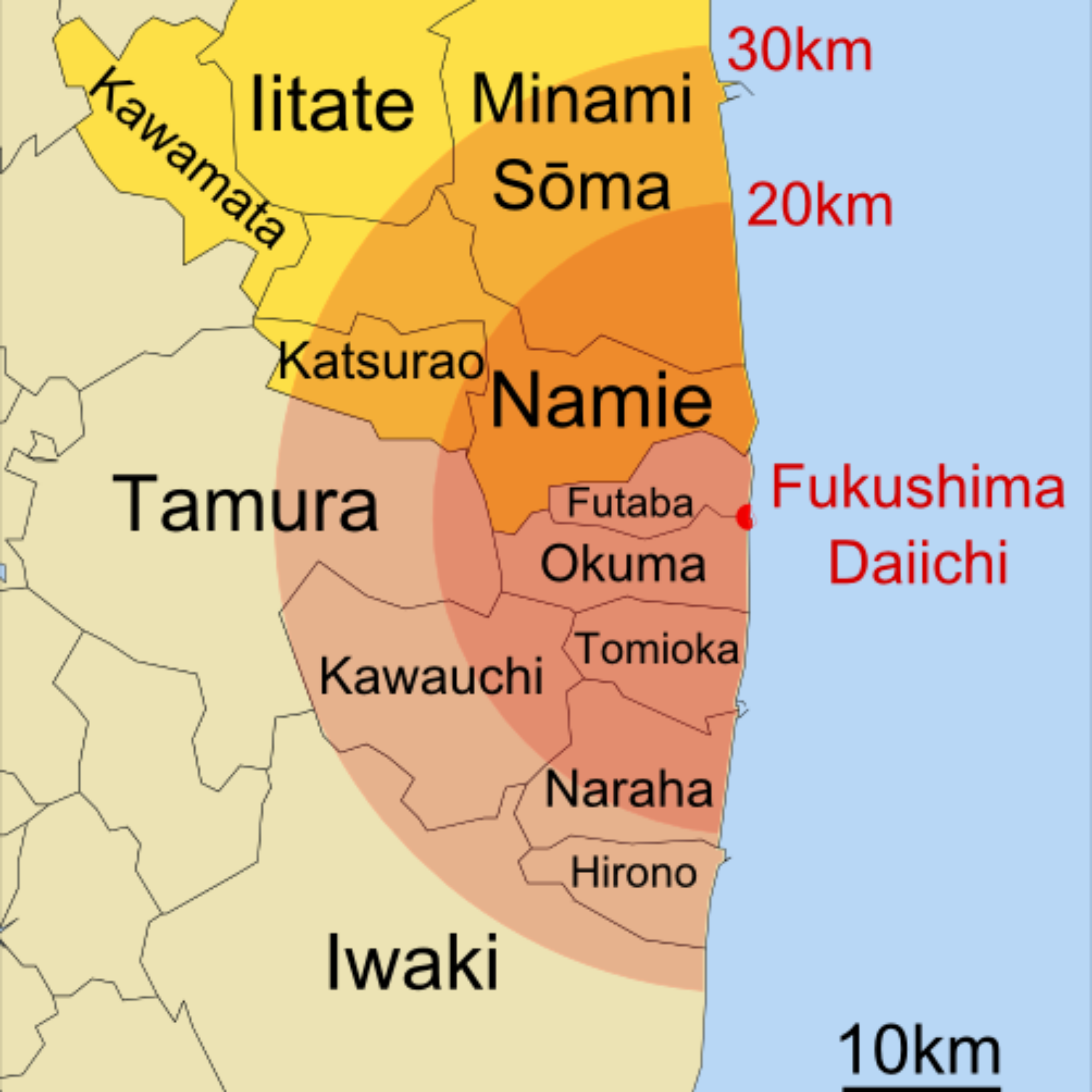
It’s tempting to dream that fusion will save us. It’s the most common power source in the universe, including our Sun’s. Many believe it could produce power without radioactivity or greenhouse emissions and could be made safe. Fukushima is a nuclear fission plant, not fusion, but have you ever wondered why it was built where a tsunami could hit it? The word tsunami comes from Japanese, so they knew it could happen and everyone knows Japanese engineering is world class. The nation of Hiroshima and Nagasaki knows more than any about the dangers of atomic energy. They built it by the ocean for the reason all nuclear power plants are built near water, as are nearly all power plants of any sort and many factories.…

0 Comments

End of content

No more pages to load