The paradox of homelessness and dependence nobody seems to see

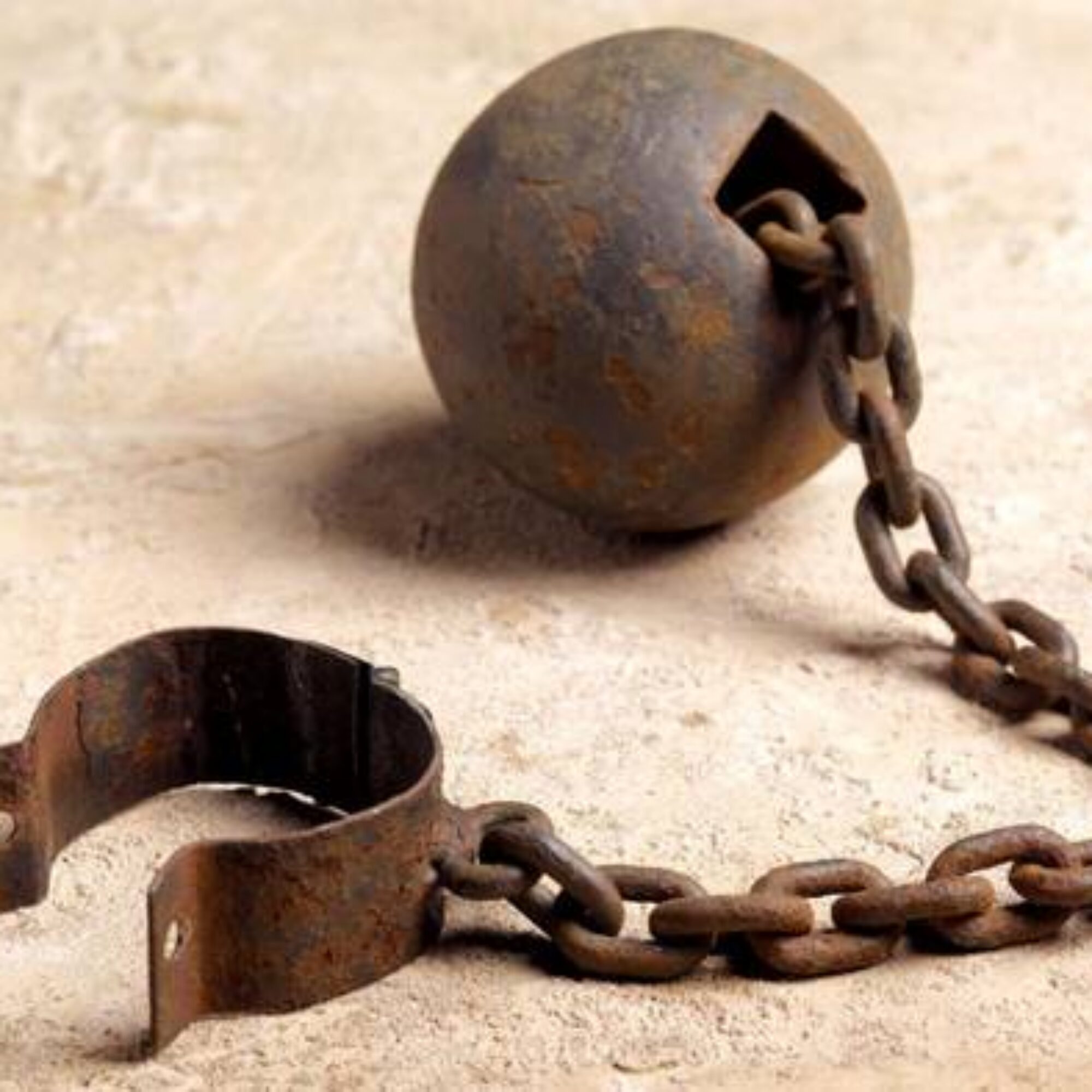
Why are some people homeless? Why does the problem persist throughout time and across cultures? Learning about dominance hierarchies as systems helps see patterns beyond just what the eye sees. Take, for example, the observation that some cities in the US have greater homeless populations than others. People are quick to assign causality to correlation. To understand helplessness and homelessness, it helps to understand freedom. If freedom is ability to walk away without coercion or fear or risk of retribution, then people who lived where food and other resources were evenly distributed and all know how to live off of them, than egalitarian hunter-gatherers had more freedom than we do. That distribution also put personal responsibility on every individual to maintain mutually agreeable relations with…

0 Comments

“Do the reps, you get the results. Don’t do the reps, you don’t get the results.”

I've been saying these words lately. Do the reps, you get the results. Don't do the reps, you don't get the results. I've said them to myself, my teammates, and my coaching clients. As regular readers know from my sidchas and standard procedures, I live them. When I search the web for them as a quote, I don't find them, so maybe I created the quote. They ring true, particularly based on the Martha Graham and Jocko Willink quotes I live by. Graham: The dancer is realistic. His craft teaches him to be. Either the foot is pointed or it is not. No amount of dreaming will point it for you. This requires discipline, not drill, not something imposed from without, but discipline imposed by…

0 Comments

A paradoxical consequence of considering animals, plants, and rivers people

I've been reading an anti-colonialist pro-indigenous book. The author is very critical of colonists and those who do not honor the lands of indigenous people. The book doesn't mention the recent movement to consider animals, plants, and rivers people. I first considered it crazy, but we treat corporations as legal persons. If we do, does their being people mean the first people in an area are colonists, not indigenous? I think the answer seems clear, so I wonder how the author would treat the consideration. It would seem to mean the people the book treats as innocent are less innocent than presented. In this view, where could humans consider themselves non-invasive, if anywhere?

0 Comments

Stop saying the playbook for doubt and deception comes from “big tobacco.” What to say instead.

When people talk about industries sowing doubt to avoid being scrutinized or regulated, people often say that those industries are using the tactics of big tobacco. It happens a lot with businesses the pollute and deplete a lot. I think they're mostly relying on the book Merchants of Doubt, which wrote about how the tobacco industry created uncertainty and other tactics, not to defend themselves so much as to deflect accountability and interest. I agree with the sentiment, but tobacco companies didn't start the practices. It's been a while since I read the book Industrial-Strength Denial: Eight Stories of Corporations Defending the Indefensible, from the Slave Trade to Climate Change, by Barbara Freese, so I might misremember, but it traced them to the slave trade.…

0 Comments

This week’s selected media, September 14, 2025: Common Sense and A Brighter Summer Day

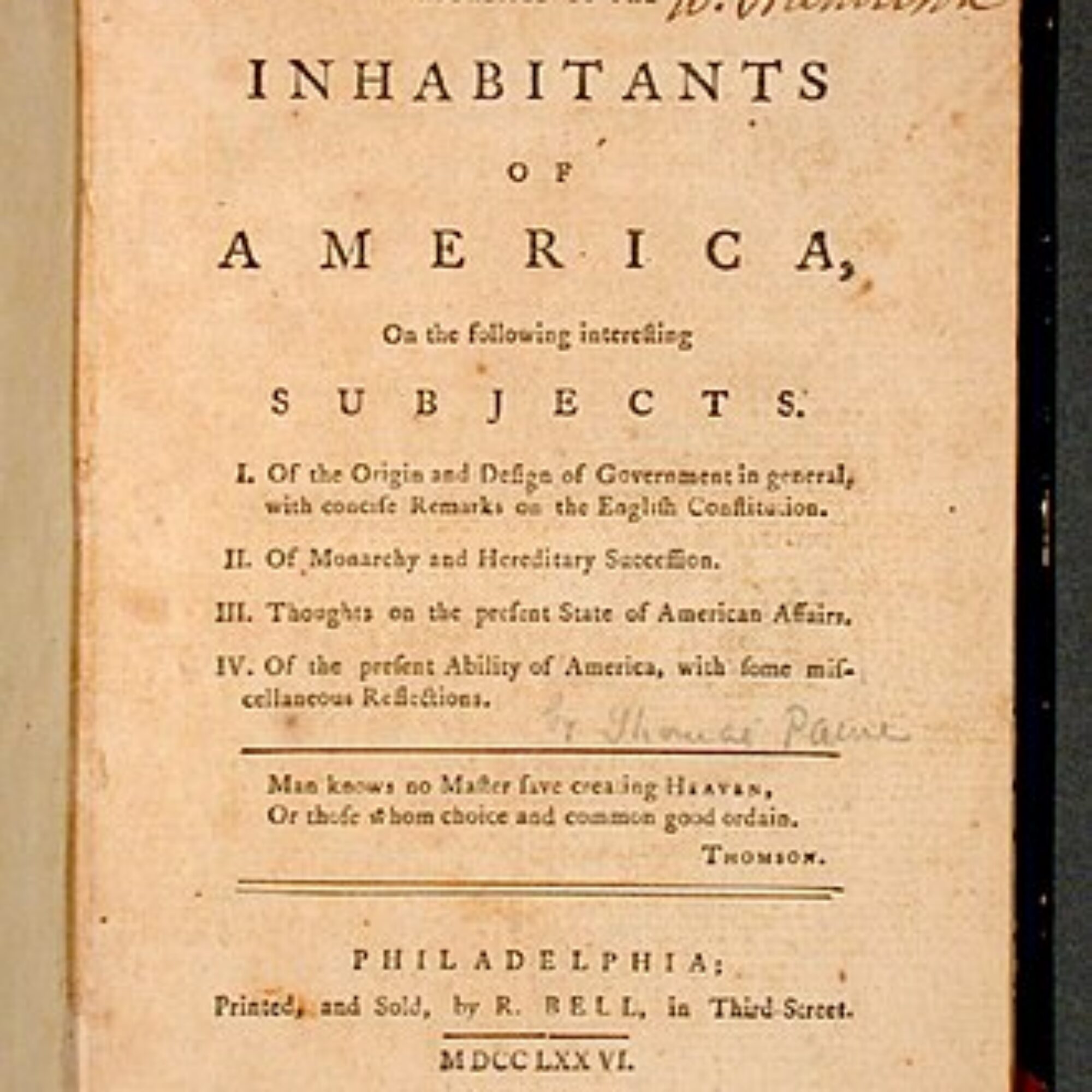
This week I finished: Common Sense, by Thomas Paine: I read this book because the more I read about it, the more my book seemed to be following its legacy, though I want to be careful about flattering myself, given its sales and influence. I was pleasantly surprised at how much of this book made common sense though the language was hard to understand. I didn't realize a book had affected American history so much. I understand about 500,000 copies sold at a time when the number of colonists was about 2,500,000, meaning 20 percent of them bought it, the equivalent of 60 million copies of a book today. Paine railed on monarchy, especially hereditary, how England was helping itself, not the colonies, and was…

0 Comments

My annual bike ride upstate and lunch at the farm providing my CSA, then riding back by the Little Red Lighthouse under the George Washington Bridge

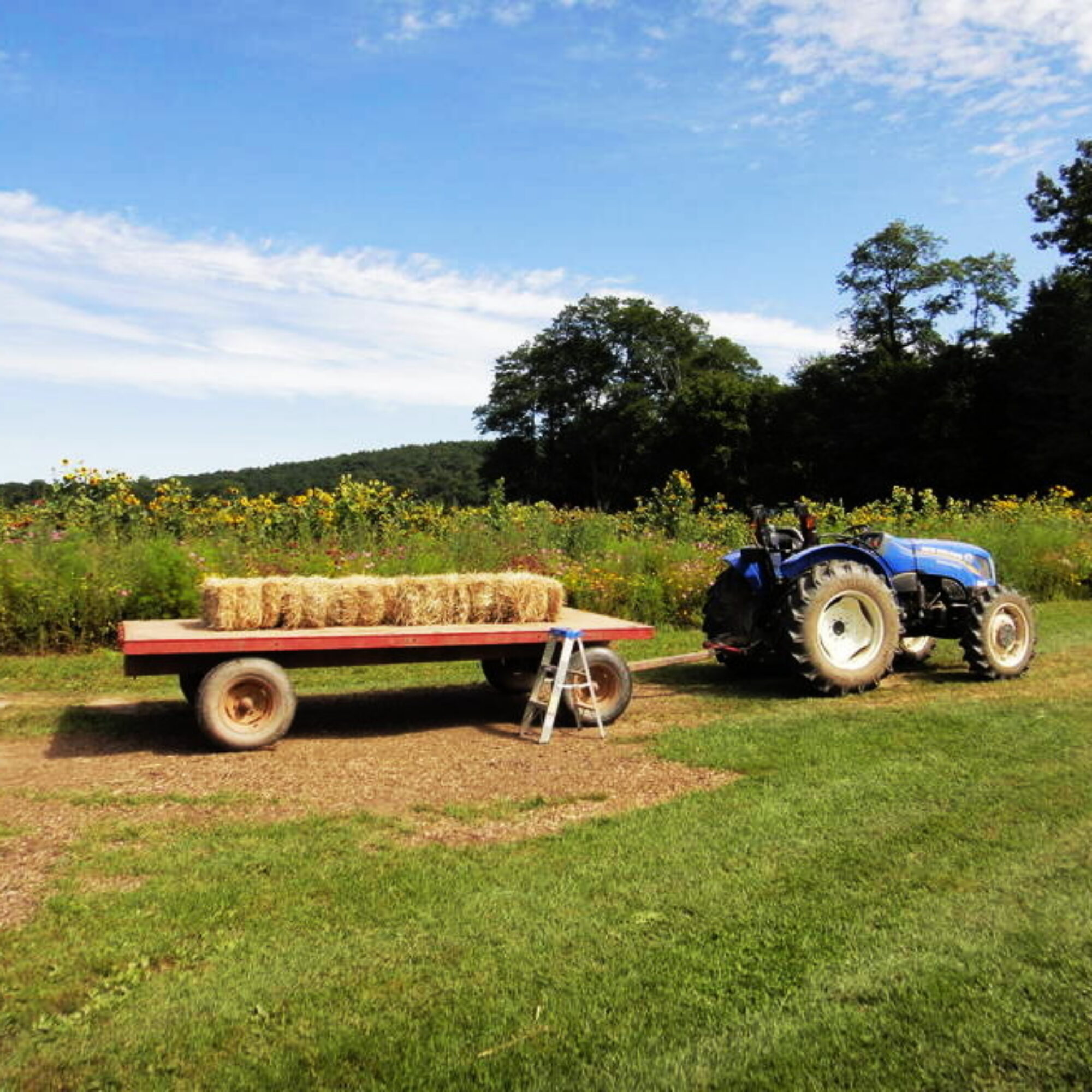
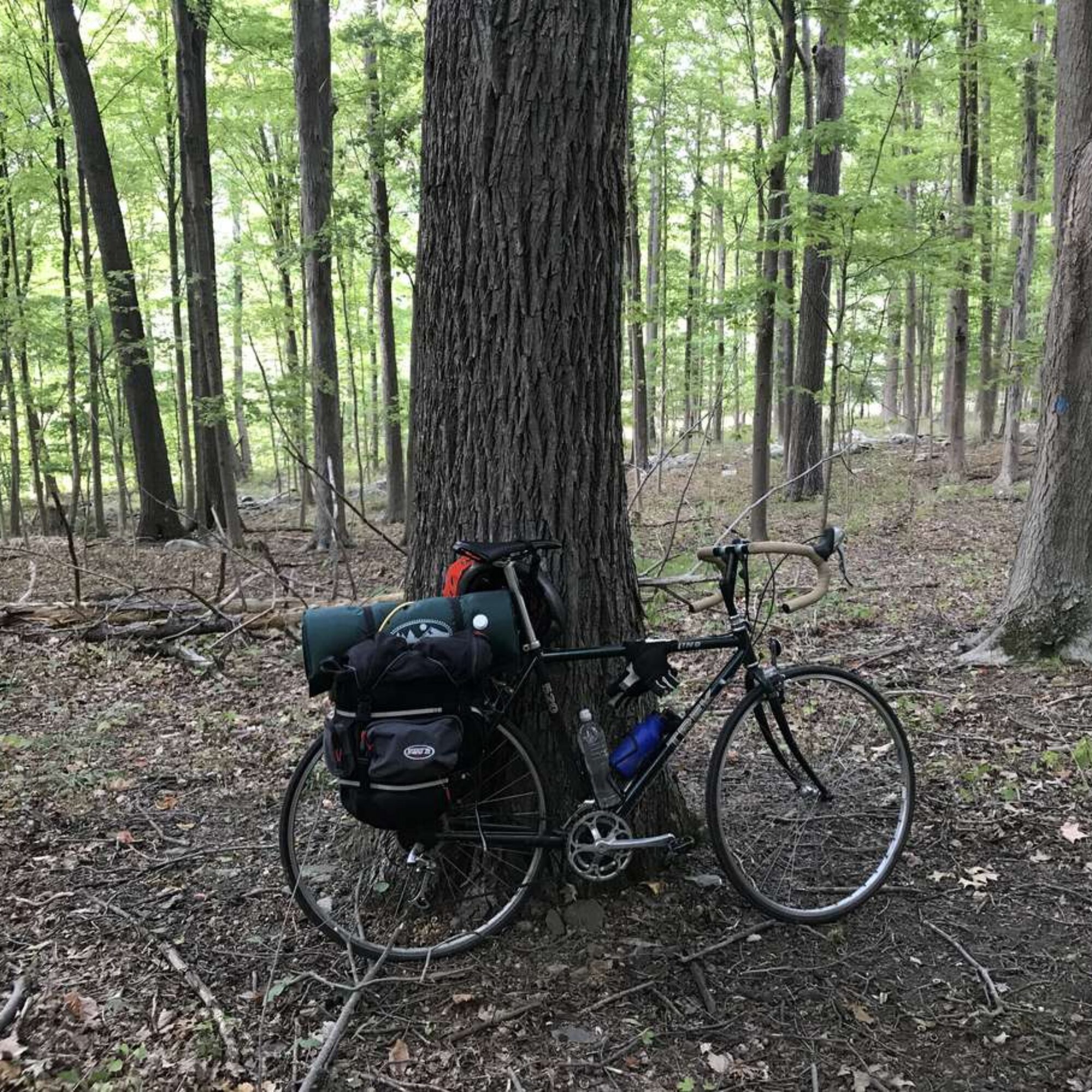
I've written about Where to buy the best food around New York City and praised the system of CSAs and the incredible flavor, value, and convenience of the one I participate in from Stoneledge Farm. Every year they host a lunch and invite all subscribers. I think I've gone every year since I started, though they may have skipped a couple years during the pandemic. I forget. I don't take many pictures since I don't post to Instagram or social media. Here are a couple pictures from the farm: I have to post a picture of their cherry tomatoes: You can't tell from the picture, but their cherry tomatoes are the best I've tasted. They picked most of them to deliver in past weeks and…

0 Comments

A fun quote/pun I stumbled into making

I try to post things of substance or that will make you think and act. Today might be more silly. More self-indulgent. I'm posting a pun I stumbled on---that is, someone was saying something and the pun came to mind. I liked it enough to burn a post on it. Background: Growing up in the 1970s and 1980s, one of the best known commercials began, "I'm not a doctor, but I play one on TV." It was jaded, and I suppose many would claim it brilliant. For most viewers, it probably reached the value of a doctor endorsing the product, despite the person not being a doctor. On the contrary, they got someone more photogenic than most doctors. Someone (sorry, I forgot who) talking to…

0 Comments

835: At last! I can access my roof to charge solar for the first time in 18 months.

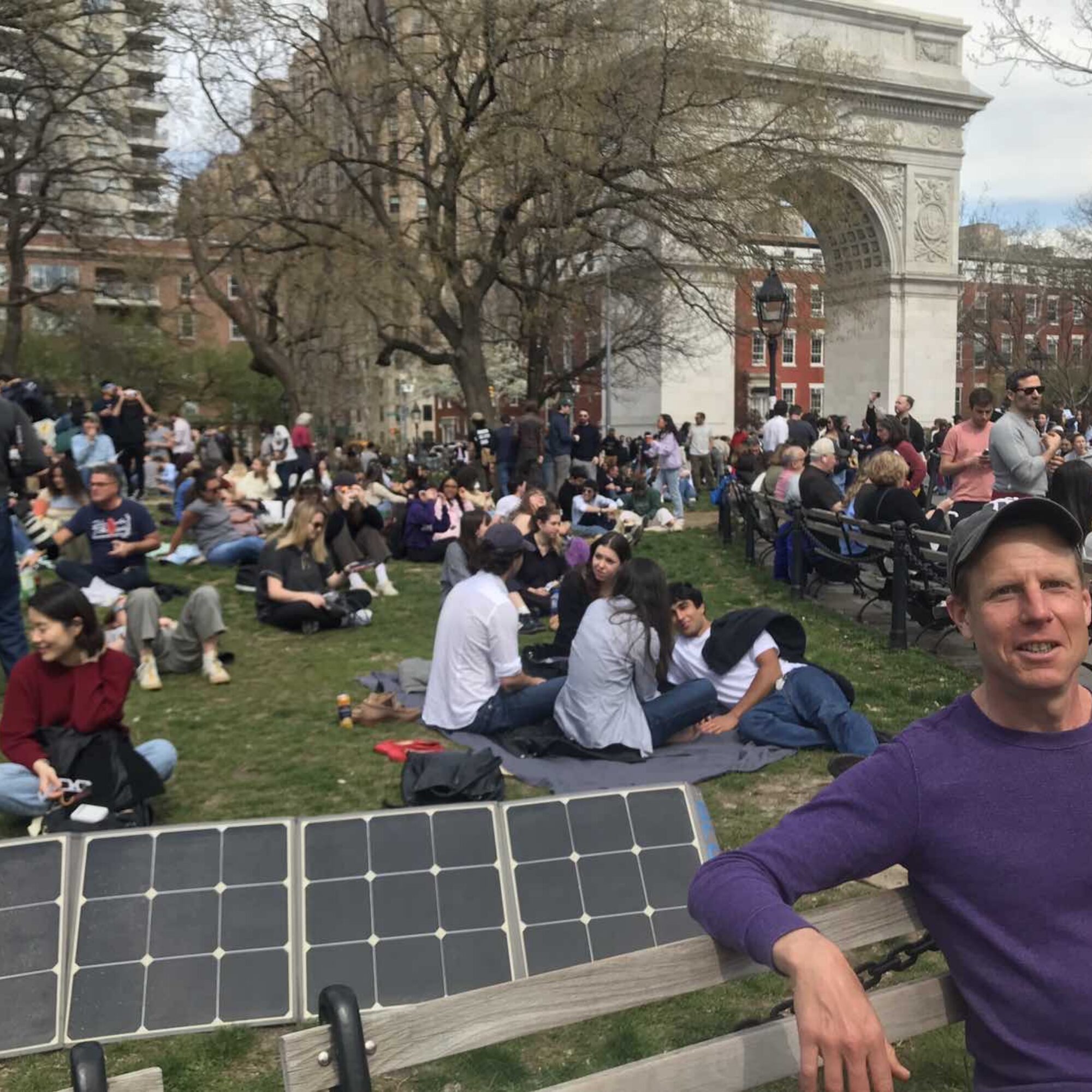
This week, I charged my solar panel and battery on my roof for the first time for over 18 months. My building had to do maintenance during which no residents could access the roof. They told us the job would take 5 months, but it took over 18. They also didn't say exactly when it would start until one day I got an email that said I couldn't access the roof until they finished the job. What a relief! This episode shares some of my experiences. Some I liked, like that it helped me develop resilience, it saved me more money, it led to my food being fresher, and it led me to connect with people ranging from local residents to indigenous people around the…

0 Comments

I reduced my social media use even more.

I avoid Facebook, Instagram, Twitter, and most other social media. I still used LinkedIn more than weekly. Still, I had come to think of it as a place of spam. I don't know what it's like for you, but as best I can tell, the words "coach" or "author" seem to invite people I've never heard of to promote "quality leads," book promotion services, and so on. I wondered if it was worth using. I don't read my feed. I rarely met people there. Yet logging on took time. Also, those tabs seemed to slow my browser most. I had to install a browser add-on to fix tab names. LinkedIn kept making them change as a notification, which distracted me from effective work. I knew…

0 Comments

If you claim to consent for someone else, you’re a tyrant

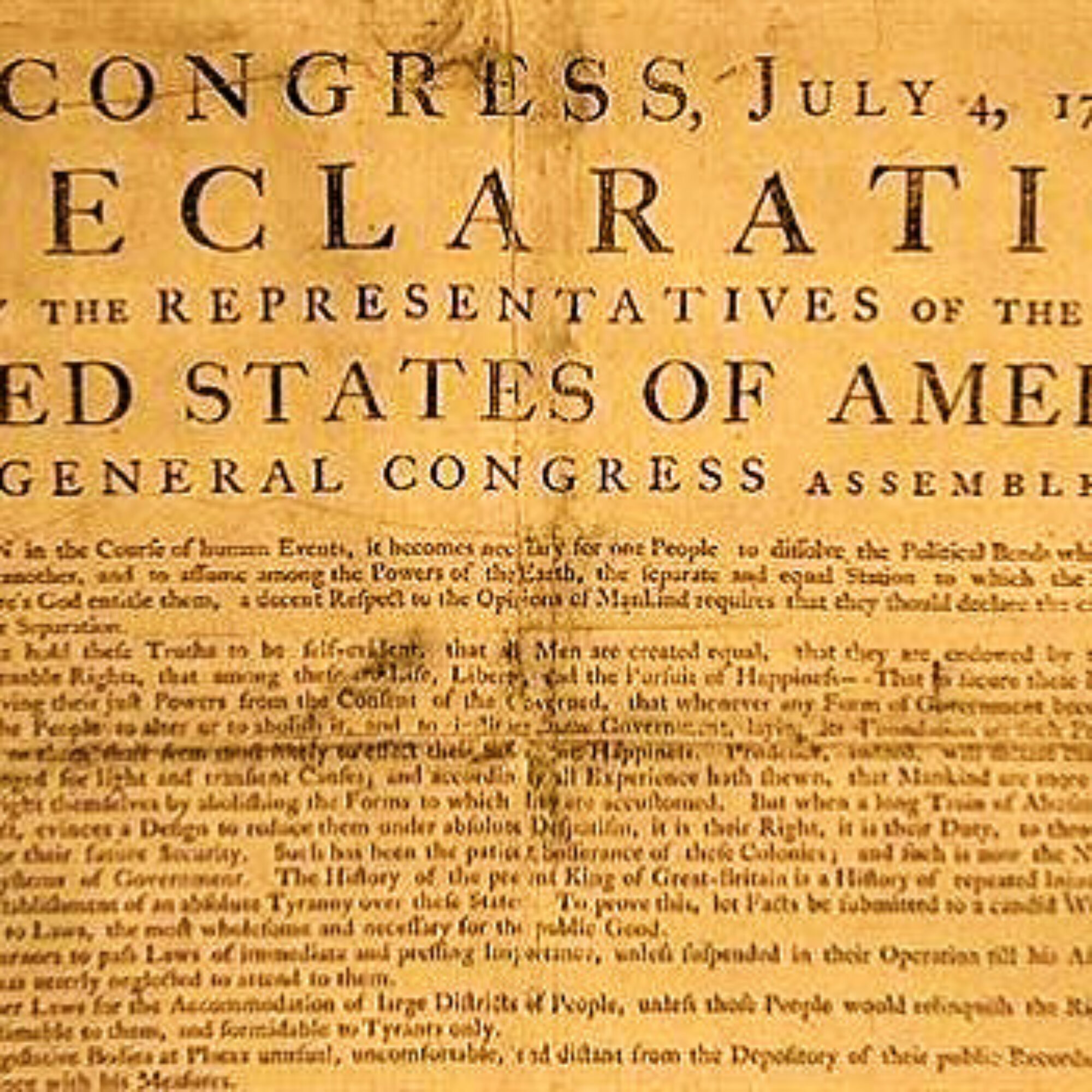
This nation's government says it's just only if based on the consent of the governed. Consider Cancer Alley. Nobody consents to being given cancer. Nobody consents to being born with a birth defect. Yet Cancer Alley and other sacrifice zones are growing. I don't deny that people can benefit from perks that come from activities that pollute and deplete, but as long as they pollute and deplete, they violate what makes government just. You might like the perks, but you can't consent for other people. There is a word for people who "consent" for others. They are tyrants. If you claim to consent for someone else, you're a tyrant. I'm not saying you're good or bad. You have your values. I'm only saying something as…

0 Comments

What does it mean “to own” something?

What does it mean to own something physical, like a book or a plot of land? I grew up knowing people owned things. I owned my shoes. My parents owned their houses. Nobody owned the sky. I had a vague sense that Native Americans found colonists weird for claiming to own land. Other cultures didn't share the sense of ownership my culture did. People seemed to think their system was probably better, but too naive since it lost out. I heard that communists said "private property is theft," which sounded interesting but it didn't suggest what to do about it. What about my shoes? Did owning them imply they were stolen? After I wore them enough, who else would want them? What owning something doesn't…

1 Comment

This week’s selected media, September 7, 2025: Parasite

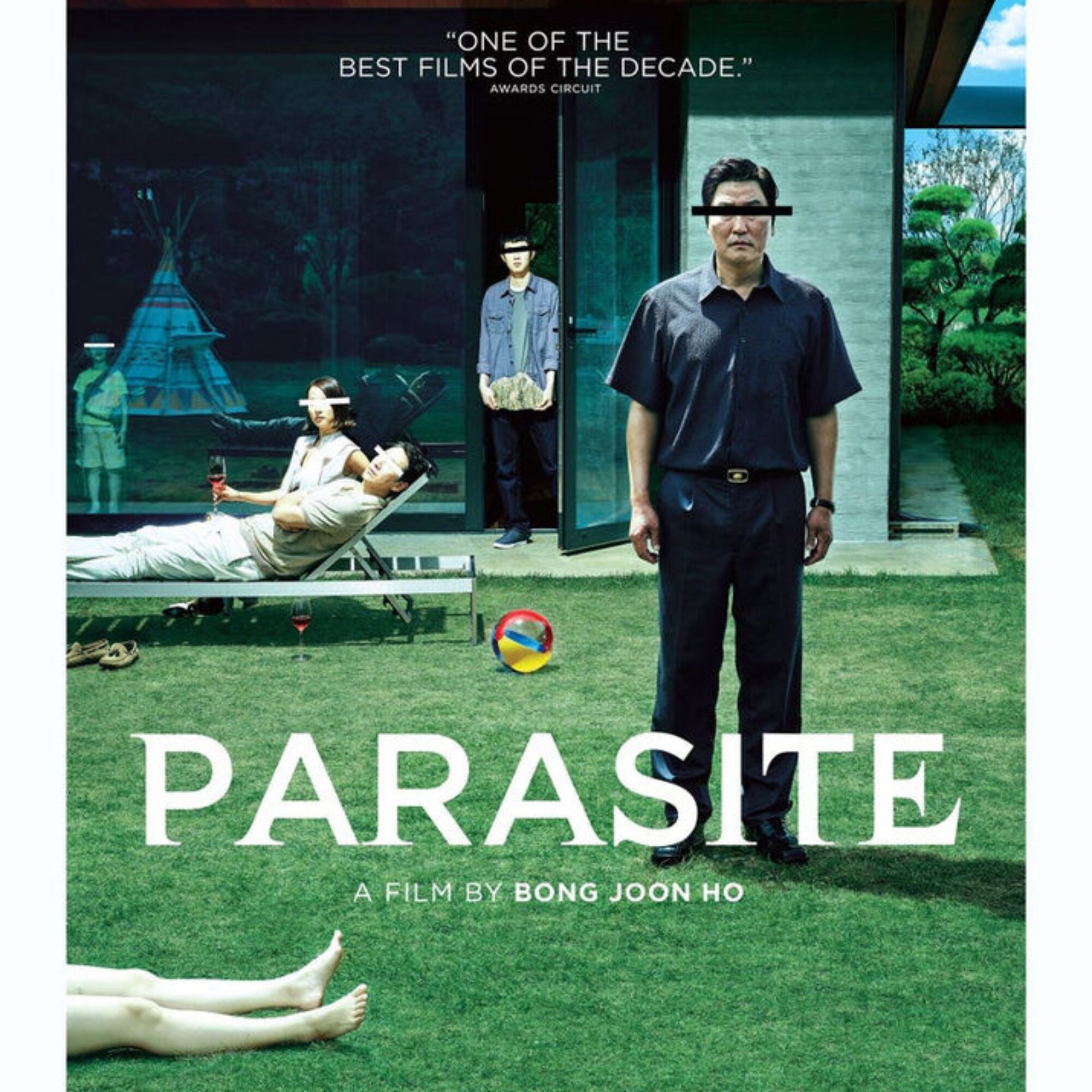
This week I finished: Parasite, directed by Bong Joon-ho: I had heard people and critics liked this movie. I hadn't heard much detail about it. The title didn't sound appealing. While watching it, I didn't find it credible. Too many suspensions of disbelief caused me to pop out of being lost in the story to saying, "Okay, that part wasn't believable, but let's imagine it was and go with it" or "Is the movie trying to be believable or maybe commenting on other movies, because it's too far removed from life." At the end, I felt I understood what it was about, but didn't think much of it. It reminded me of the Christopher Nolan Batman movies the second times I watched them. The first…

0 Comments

What is a right?

When we say someone has a right to something like life, liberty, property, free speech, the pursuit of happiness, and so on, what does "having a right" mean? I grew up thinking the phrase implied something about the person or reality. On the contrary, as best I can tell, it says something about government. I can talk without the "right" to speak. Having the right means that if someone tries to stop me, agents from the government will prevent them from stopping me. Well, it depends where you are and how the place defines free speech. I guess in the US having the right means that agents of the government will not prevent you, and if they do try to prevent you, other agents from…

1 Comment

Data on the two carbon cycles: Not even close

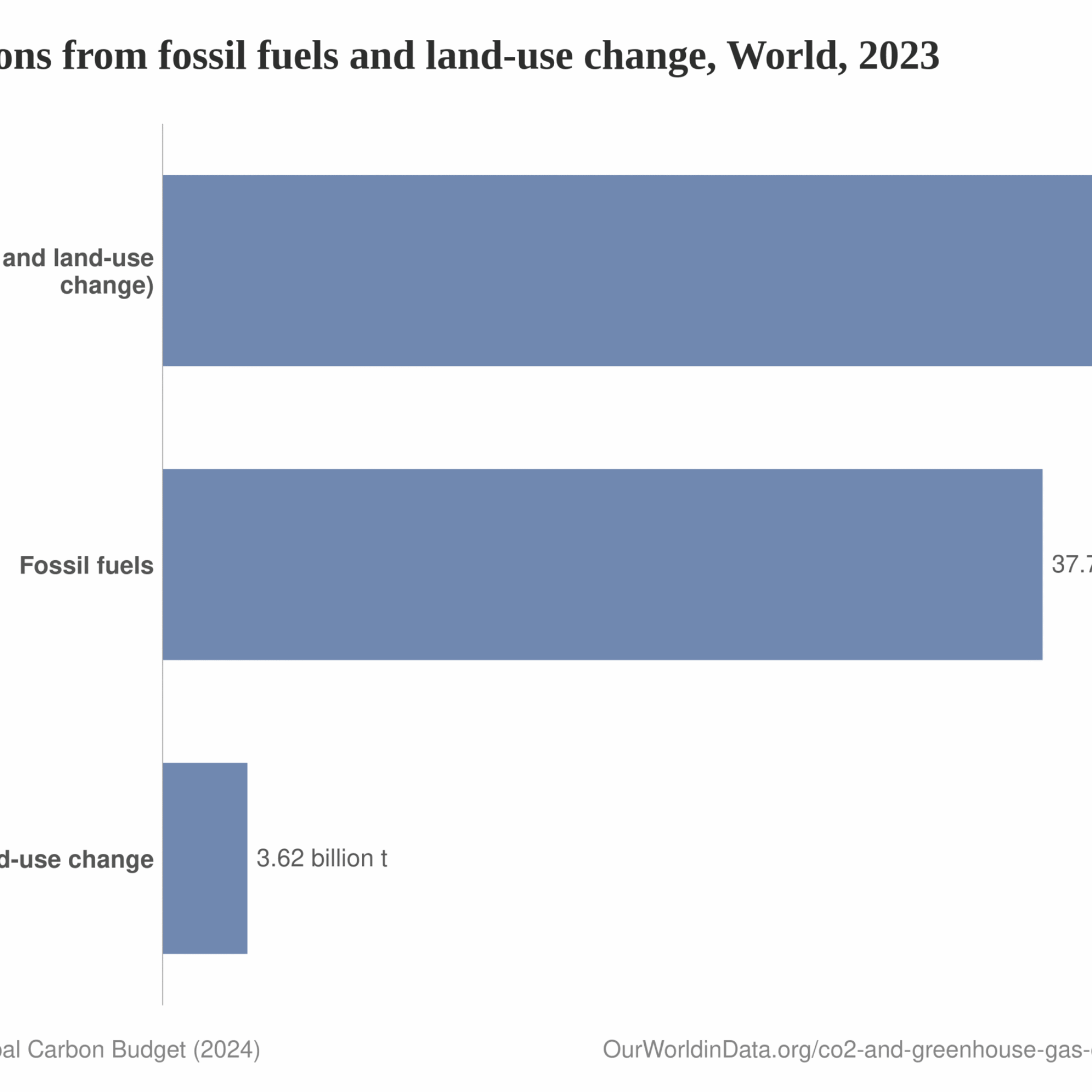
Emissions of greenhouse gases are measured and reported as major indications of environmental problems. Emissions aren't the relevant measure. They distract us from what is relevant to human well-being. They lead people to say, "I exhale and poop. Life requires pollution," and conclude action won't work. To be more precise, they feel like they conclude, they actually just rationalize and justify the preconception they wanted. They miss that fossil fuels' effects are locked in from the moment they enter the biosphere, well before they are burned and emit greenhouse gases. The relevant measure for fossil fuels is extraction. There are two types of pollution and depletion. I've written about the difference between emissions from the two processes in Know the 2 carbon cycles and don’t…

0 Comments

Another summer without air conditioning. What’s the problem?

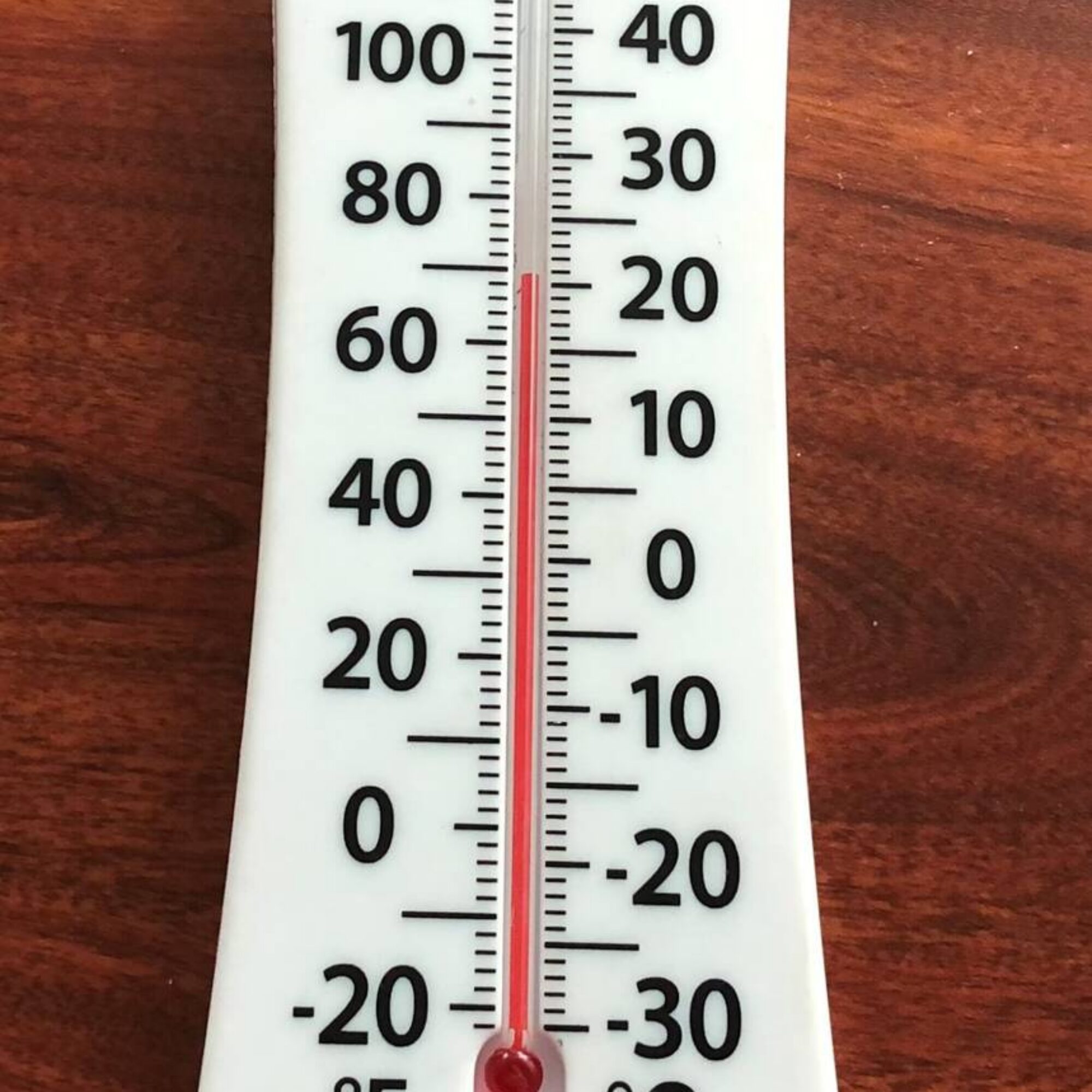
I thought we'd have another day or two hitting 90 F (32 C), but the forecast for the next ten days shows the highest temperature will be 86 F, so I figure it won't hit 90 again this year. I didn't use air conditioning in my apartment for another summer. A few nights I woke up sweating in the middle of the night. I didn't write the number down, but I think it happened six times, maybe five, maybe seven. Whatever the number and however annoying in the moment, I didn't feel I suffered. I think many Americans consider sleeping in heat and humidity a fate worse than death, or nearly so, when the option to use an air conditioner exists. They know Oscar Schindler…

0 Comments

Artificial Intelligence: The Biggest Result People Miss

People ask what the effects of artificial intelligence will be. In most of the talk I come across, people tend to ask what AI will do for them. Will using it help them? Will others using it lead them to miss out? Sometimes they wonder if it will help them directly, as opposed to helping them do their jobs. They wonder if it help them in their loneliness like a friend or therapist. Sometimes people wonder abstractions like if AI is conscious or can be. I haven't written much about AI. Mostly this piece: I love developing resilience and strength: AI version, part 1. People often wonder about the side effects. What if a terrorist started using it? What if it were used to make…

0 Comments

Don’t only “teach children sustainability”. Here’s why and what to do instead.

When people become corrupted---that is, when they act against their values---they come up with what I call cockamamie schemes. They create elaborate plans that a moment's reflection would show are impossible. Before the Civil War, for example, people created schemes to colonize Liberia, Nova Scotia, and other places with freed slaves as a way to solve the problem of slavery. People then also came up with the "Diffusion Argument," which said that by extending slavery over more territory it would become diffuse and end. Is it obvious how self-serving and nonsensical they are? Today we come up with cockamamie schemes that if we use more solar and wind power we will use less fossil fuel power. We come up with schemes that recycling will clean…

0 Comments

Another 70-pound Turkish Get-Up, also more lifting personal bests

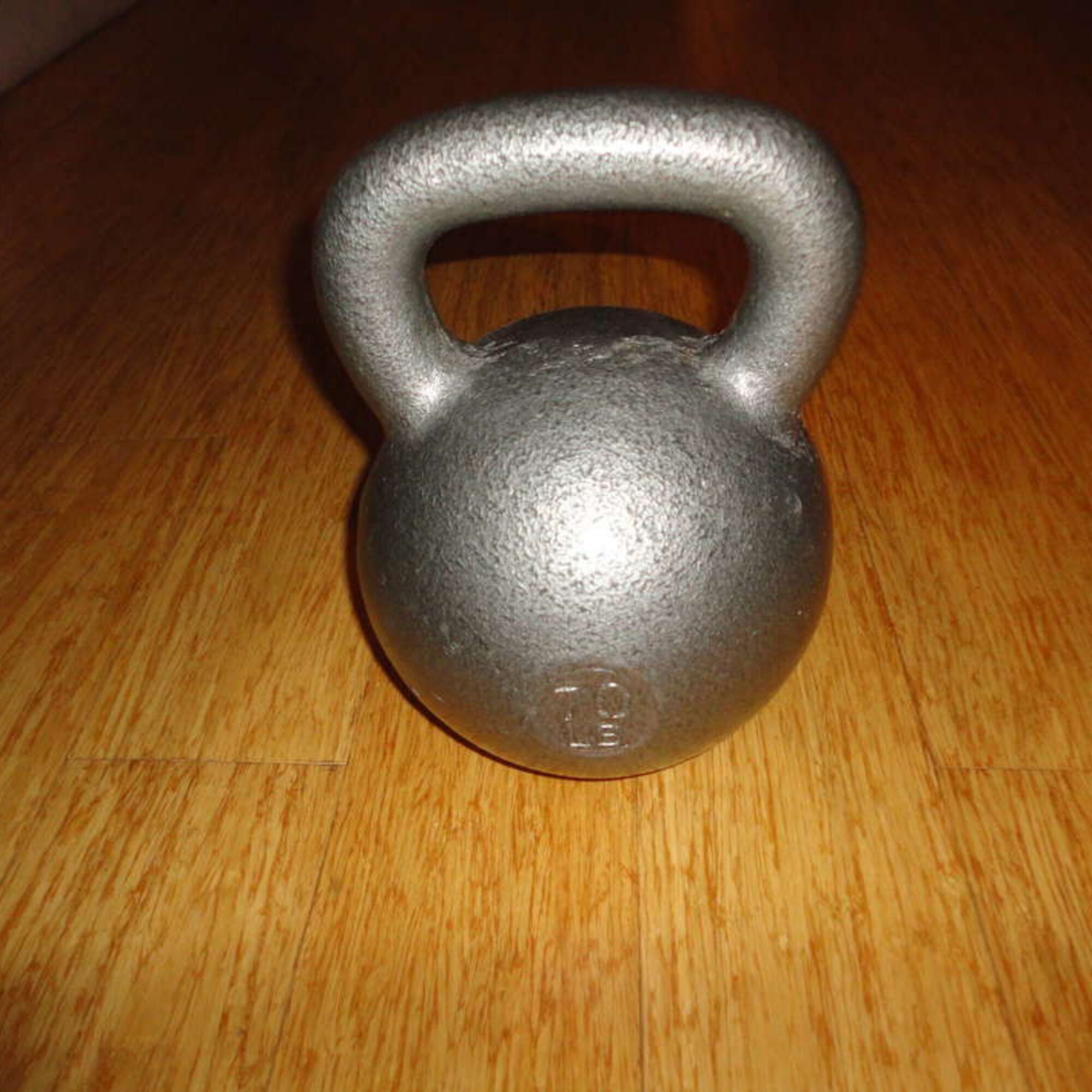
You may remember me posting about Two personal bests in a week: Freedom, in which I jumped 8.4 pounds (3.8 kilograms) in my Turkish get-up to 70 pounds, plus lifted more in my presses. I think I commented that part of why I tried it when I did was because it was the end of a month with 31 days. I do a six-day exercise cycle starting on the first of the month, so several times a year I have days to experiment. Well, last month had 31 days, so I tried my next 70-pound Turkish get-up. I had a few wobbly get-ups in August so even though I had done it before, I treated this attempt with respect. I concentrated on form. I was…

0 Comments
This week’s selected media, August 31, 2025: Getting to Yes, Getting to Yes With Yourself, The Mindful Body
Version 1.0.0

This week’s selected media, August 31, 2025: Getting to Yes, Getting to Yes With Yourself, The Mindful Body

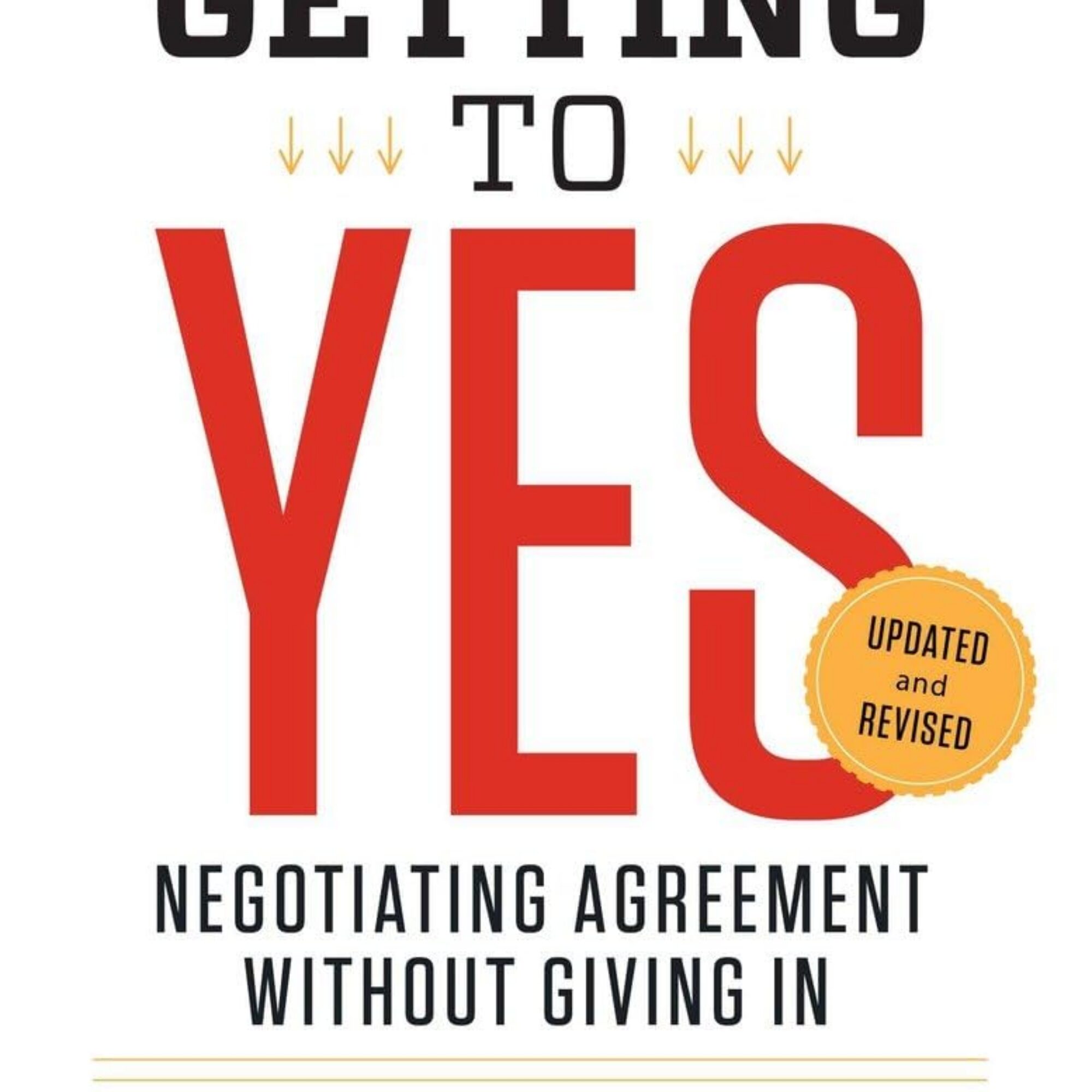
This week I finished: Getting to Yes: Negotiating Agreement Without Giving In, by Roger Fisher, William Ury, and Bruce Patton: I'm sure I've written about this book before. I first read it when I was CEO of Submedia, so over twenty years ago. I've given away more copies of this book than any other that I didn't write. I reread it now because it's the choice for the book club of the alumni community of my workshop. I credit this book for transforming the concept of business in my mind from something mechanical where the goal is to win and if results like the Exxon Valdez happen then so be it to a relationship-based project that when done skillfully mutually benefits all. I took classes…

0 Comments

Why not compare trains to planes

I joined a group trying to find ways to fly less. One of the themes of the group was to show that "taking the train is just as good as flying." I found this approach counterproductive. It set flying as the norm and other ways of traveling as alternatives. I think some people saw flying as the best and other ways of traveling as trying to measure up as best they could though they could never measure up. Does anything tear family and communities apart more than flying? What meaning and value we think flying gives us, it takes away. Sure, it tends to take us farther distance, but does distance traveled deliver meaning and value? Many five-year-olds today have traveled more distance than Marco…

0 Comments

Heirloom tomatoes, a local pear tree, and a local fig tree

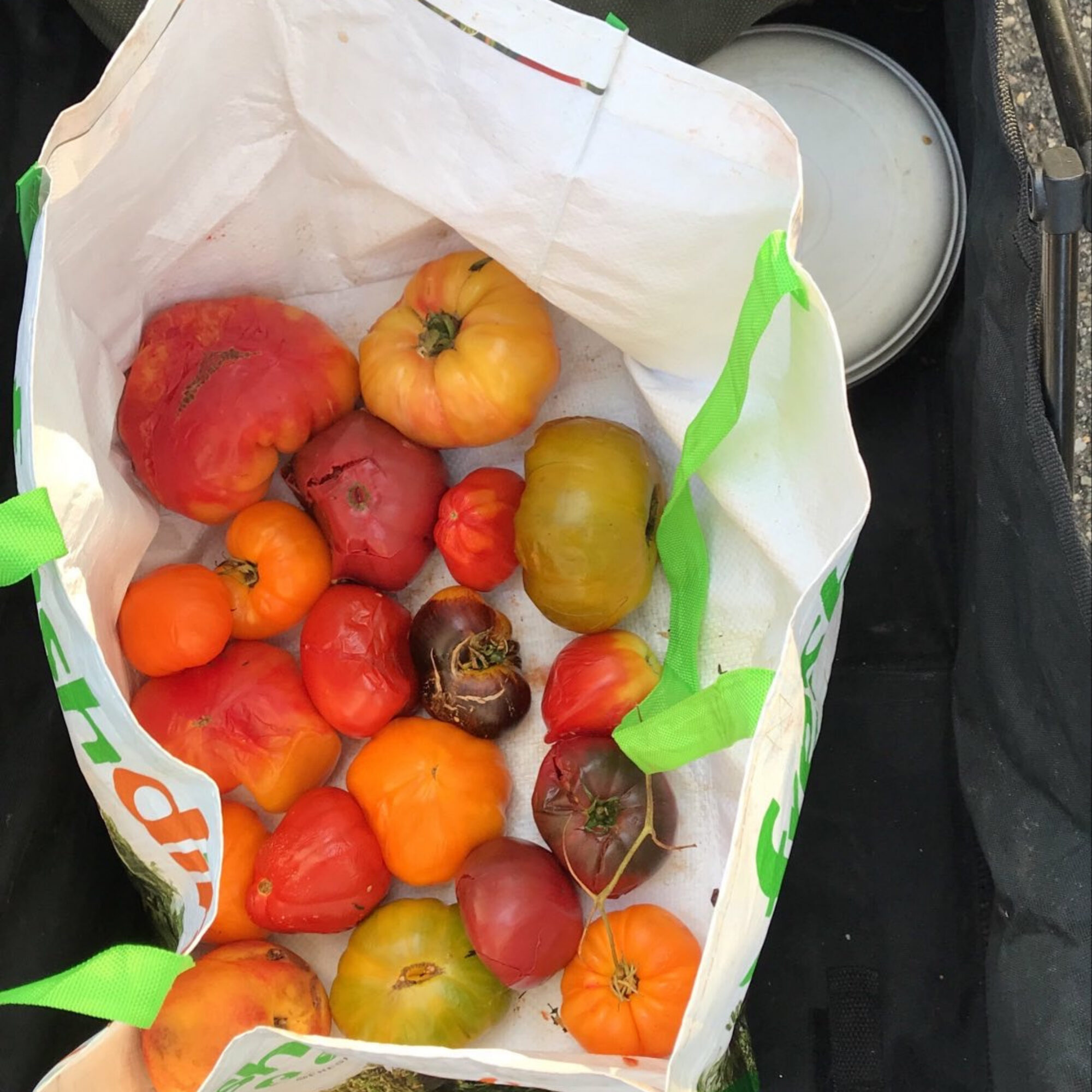
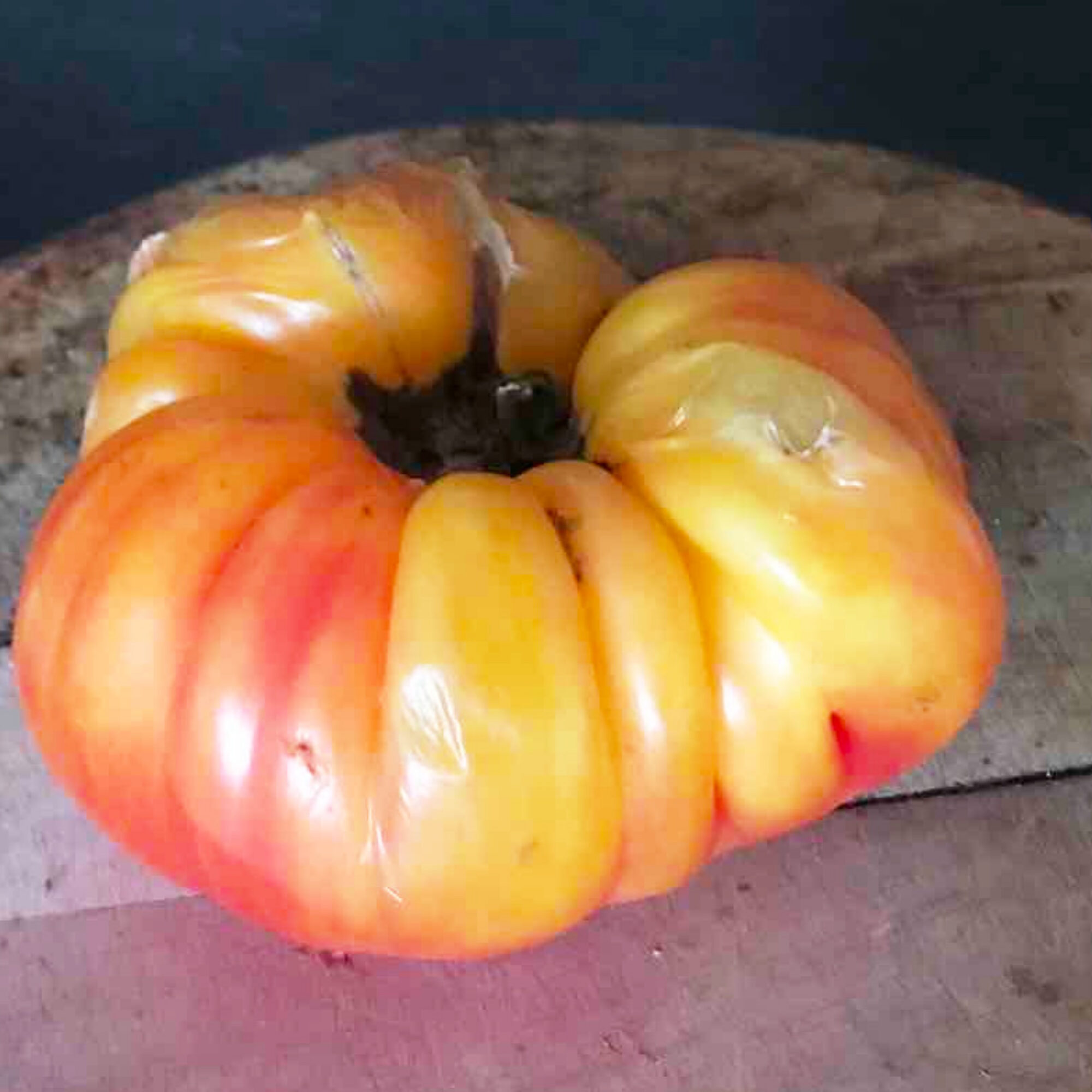
I've written and recorded a bunch lately on the peaches and heirloom tomatoes I've been eating tons of lately because people don't take them. Here are those posts: Podcast episode: 834: Do Americans Know How to Prepare Food From Scratch? Blog post: When did you last prepare a full meal from scratch, not one packaged product? Blog post: More fresh juicy local peaches and heirloom tomatoes than I can handle, saved from waste by rich and poor alike I took a picture of the tomatoes so people could see how some are bruised and the skin broken. Maybe many people would find them unacceptable. In the picture below, the one in the upper left is pretty bruised, but didn't lose any flavor. The purple one…

0 Comments

The Metropolitan Museum of Art without crowds: glorious

I wrote last month about how I love recognition for my work and friendships that others pay for, like going on the field for batting practice. This time I can't help sharing about access to another big New York City institution. A friend works at the Metropolitan Museum of Art. It turns out that since Wednesday is their maintenance day, it's closed to the public but open to staff and guests. She invited me and yesterday was my second time visiting. I wrote yesterday about the ups, downs, ins, and outs of writing a book. That post followed from this visit. The Met without crowds is incredible. I was there at least two hours yesterday and passed maybe ten people. It was quiet. I could…

0 Comments

Some ups, downs, ins, and outs of writing a book

I'm deep into writing my next book. It takes a lot of work, and I don't just mean time and attention. As part of the process, I went to the Metropolitan Museum of Art today. I wanted to see finished great works of art to inspire me, but I also hoped to see something in particular, and I found some examples. I wanted to see sketches and studies. Sometimes a museum will show early practice attempts. I found some such examples today. One was Georges Seurat's A Sunday Afternoon on the Island of La Grande Jatte. The original is almost 7 feet high and over 10 feet wide, but the study I saw at the Met was a few feet tall. You've seen sketches da…

0 Comments

How much pet food comes from factory farms that brutalize animals?

I'd been thinking about pets. When most people lived on farms or hunted, they played a functional role, at least I think. Today, they're more of a self-indulgence. Yes, we love them. We don't know if they have consciousness or can love, but we believe they love us back. They seem to enjoy life, which is an end to itself, even if they don't serve any function for us. Still, I think most people have pets to feel good themselves. Do they have costs beyond the cash we spend on them? I've written before about the countless (probably billions annually) of plastic bags people collect dog poop in. What about their food? Whether vegetarian or not, most people I've talked to about it find factory…

0 Comments

834: Do Americans Know How to Prepare Food From Scratch?

Late summer means produce at peak ripeness, especially peaches and heirloom tomatoes. Regular readers of my blog and subscribers to my newsletter have read of how my volunteering to bring overstock food from stores to places that give it to anyone for free has led to my getting for free amounts I can barely keep up eating that people turn down. This episode shares a saga of my confusion and exasperation at people throwing away and not accepting perfectly good food. I don't want to take it but the alternative is to throw it away. While it's tragic that poor people don't accept this bounty of nature and our broken food system, I'm concluding a bigger picture. I think a large fraction of Americans don't know…

0 Comments

End of content

No more pages to load