The New Yorker profiled my living off the grid

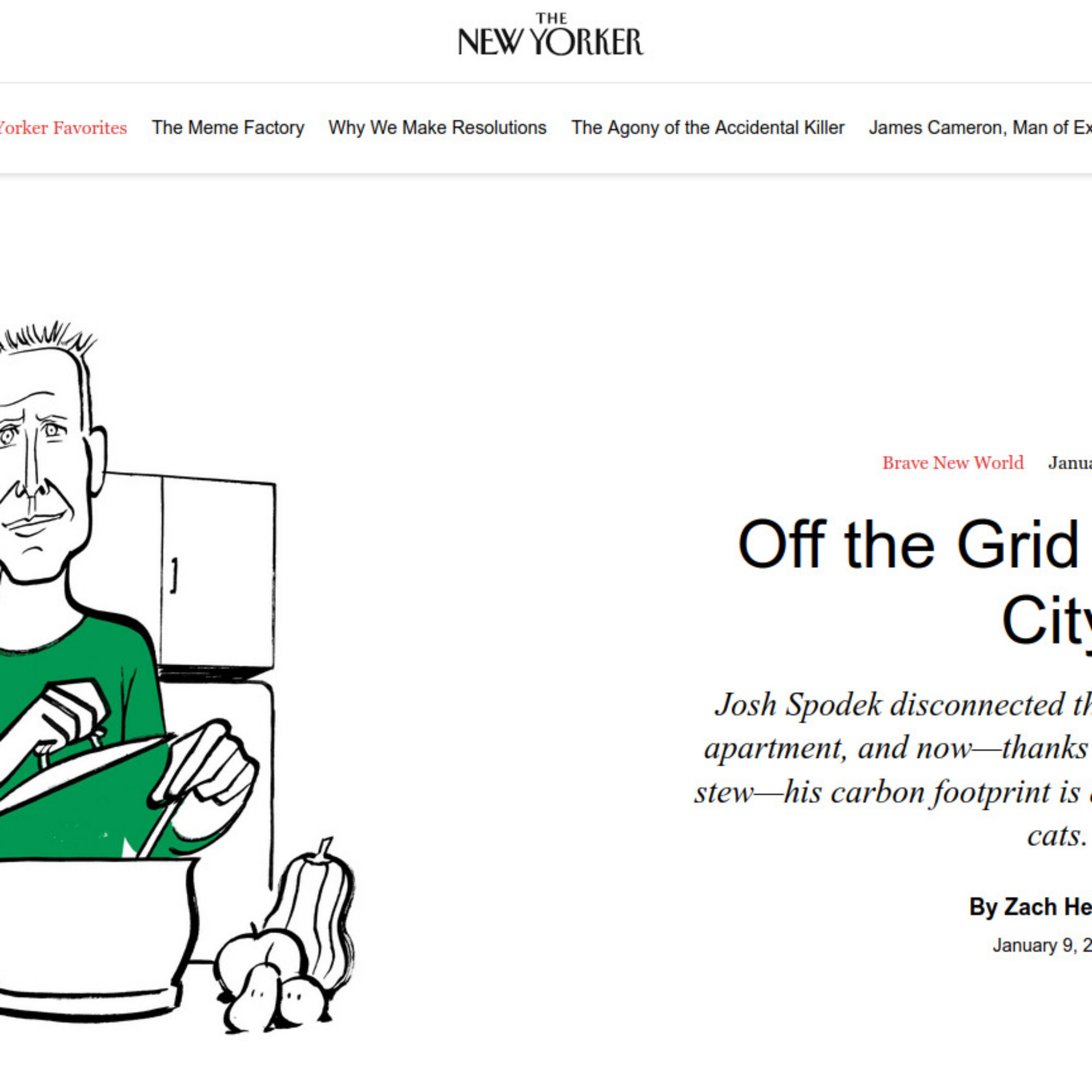
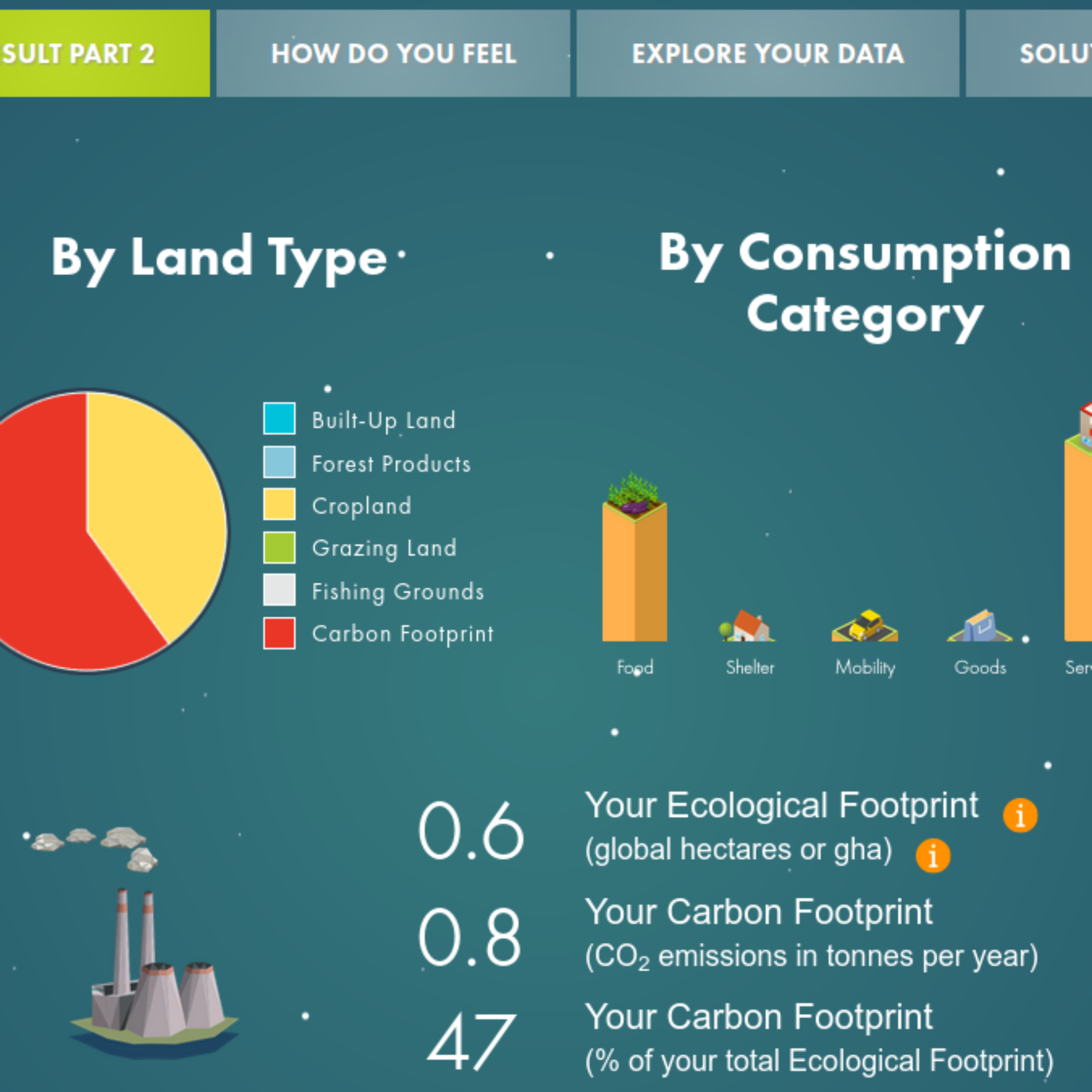
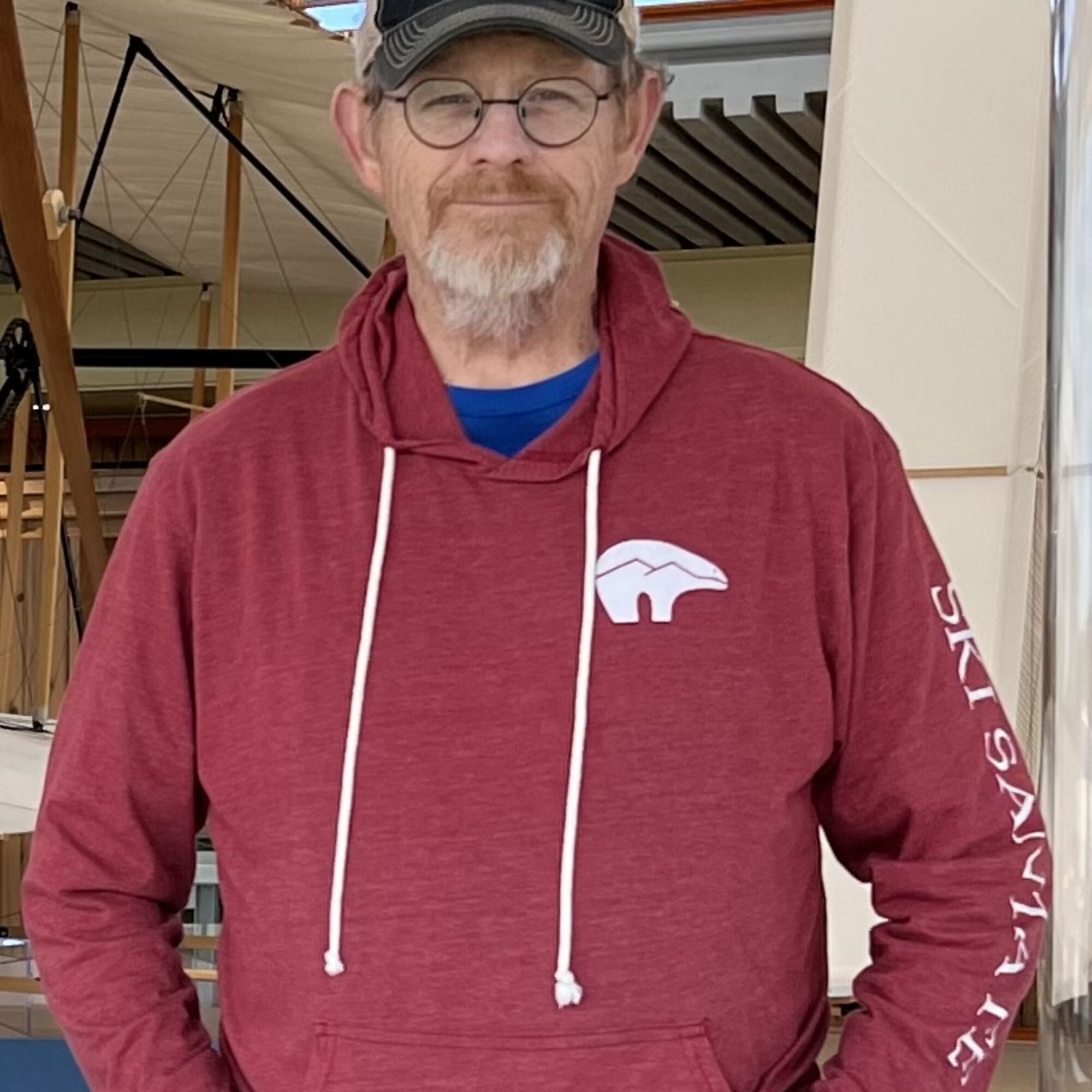
My letter to the New Yorker's editor in September led to a reporter, Zach Helfand, visiting and writing a story on me. They published it today (including spotlighting it, see below): Off the Grid in the Big City: It begins, "Josh Spodek disconnected the circuit breaker in his apartment, and now—thanks to solar-powered vegan stew—his carbon footprint is about that of three house cats." Along with the New Yorker piece, I recommend the pieces I wrote with more detail: In TIME: I've Been Living Off-Grid In Manhattan for Half-a-Year In Ars Technica: I disconnected from the electric grid for 8 months—in Manhattan Zach spent an afternoon and we covered a lot, including his talking to three executives, two from major fossil fuel companies (one ExxonMobil,…

2 Comments

Sustainability actions that end up the opposite you expect. Systems don’t work linearly.

Systems work different than you expect if you don't understand them. People who don't understand systems often push them in ways that produce the opposite outcome they want. Alternatively, people who understand systems see how to achieve intended results through counterintuitive ways. Some examples: Less sugar, more sweet: I used to eat ice cream almost daily. In those days apples tasted bland. Having avoided doof for years, now apples taste sweeter than ice cream did. Vegetables today taste sweeter than fruit used to. I used to consider cauliflower dry and bland. Now it tastes sweet and juicy. At events with food spreads including cauliflower, common for NYU, I often find myself the only one eating the cauliflower. Similar: Less salt, more salt flavor and less…

0 Comments

Waking before the alarm, writing in the dark

I told a friend how sometimes when I wake up before the alarm I get my best ideas. Most of the time I don't write them down, figuring if they're important enough, I'll remember them when I wake up for the day. I learned the habit of not trying to save everything during my first silent meditation retreat. They don't let attendees bring anything to write with. At first I recoiled: "What about all the things I learn?!" Then during the first couple days I tried to keep track of every thought, trying to remember them for the rest of life. I'd write them after the retreat. It didn't take long to realize that I came up with memorable thoughts a dozen times every hour-long…

0 Comments

Getting back at BP by buying their products? Way to teach them a lesson.

Talk about acting sustainably enough and some smarty-pants will tell you that individual action doesn't matter, that BP duped you by creating the personal footprint calculator to distract you from them. If you haven't heard, here are a few articles and posts for reference, but I wouldn't read them: BP popularised “carbon footprint” to greenwash and guilt-trip. Here’s how. Big oil coined ‘carbon footprints’ to blame us for their greed. Keep them on the hook Demystifying the concept of personal carbon footprint Those articles talk about how the companies are the problem. They should change. We're not the problem. They say we need big changes, not little ones one person at a time. People like this then avoid reducing their pollution. Way to teach BP…

0 Comments

656: Kate MacKenzie, part 1: Executive Director of New York City’s Mayor’s Office of Food Policy

Food touches nearly all environmental issues, as well as health, social, economic, political, and cultural. Cities like New York and their governance do too. Regular listeners know I talk about food waste, doof, packaging, and related issues. I celebrate her boss, Eric Adams's dramatic change in his diet, which tells me his motivations to bring healthier food to New York are authentic and genuine. As the top food official in New York City's government, Kate is in the middle of it all. After covering her background, we talk about what New York is doing about food and doof, some initiatives guarded, some bold and visionary. As a New Yorker since the 1980s, you'll hear I want to offer my service. I want to help make…

0 Comments

Imagine a drug where you get the pleasure and others suffer the harmful side effects: that’s polluting activities.

The title says it all, but let's look in more detail. Take heroin and you get euphoria, but you also suffer the addiction and ruination of your life. You cause others to suffer too, but not directly from the drug. They suffer from your degradation, running out of money, isolation, and so on. In principle, you could use heroin and not cause others to suffer. Gamble and you occasionally win, but you suffer losing your life savings, house, and friendships. Take meth, crack, or cocaine and you feel energy and drive, but you suffer the come-down and have less energy or enthusiasm in rest of life, now dull. Smoke cigarettes and you feel calm and relieved, but you suffer the lung disease and increased anxiety…

0 Comments

The Root of Our Environmental Problems: Individuals Refusing to Change Themselves

We were all born into a culture with certain values. When I was a child, flying was an unalloyed good. It meant spreading culture, learning new cultures and cuisine, and so on. In principle we knew something about jet exhaust and that extraction caused people to be displaced from the lands and occasionally spilled. Cars meant freedom. The solution to pollution is dilution. But the world changed and our understanding of it did too. Diluting pollution didn’t solve it. It spread concentrations out, but some didn’t go away. It grew until it passed thresholds to lower Earth’s ability to sustain life. We could put our heads in the sand for a few decades, but by now the changes make it clear what we thought improved…

0 Comments

The 160th Anniversary of the Emancipation Proclamation Is Today

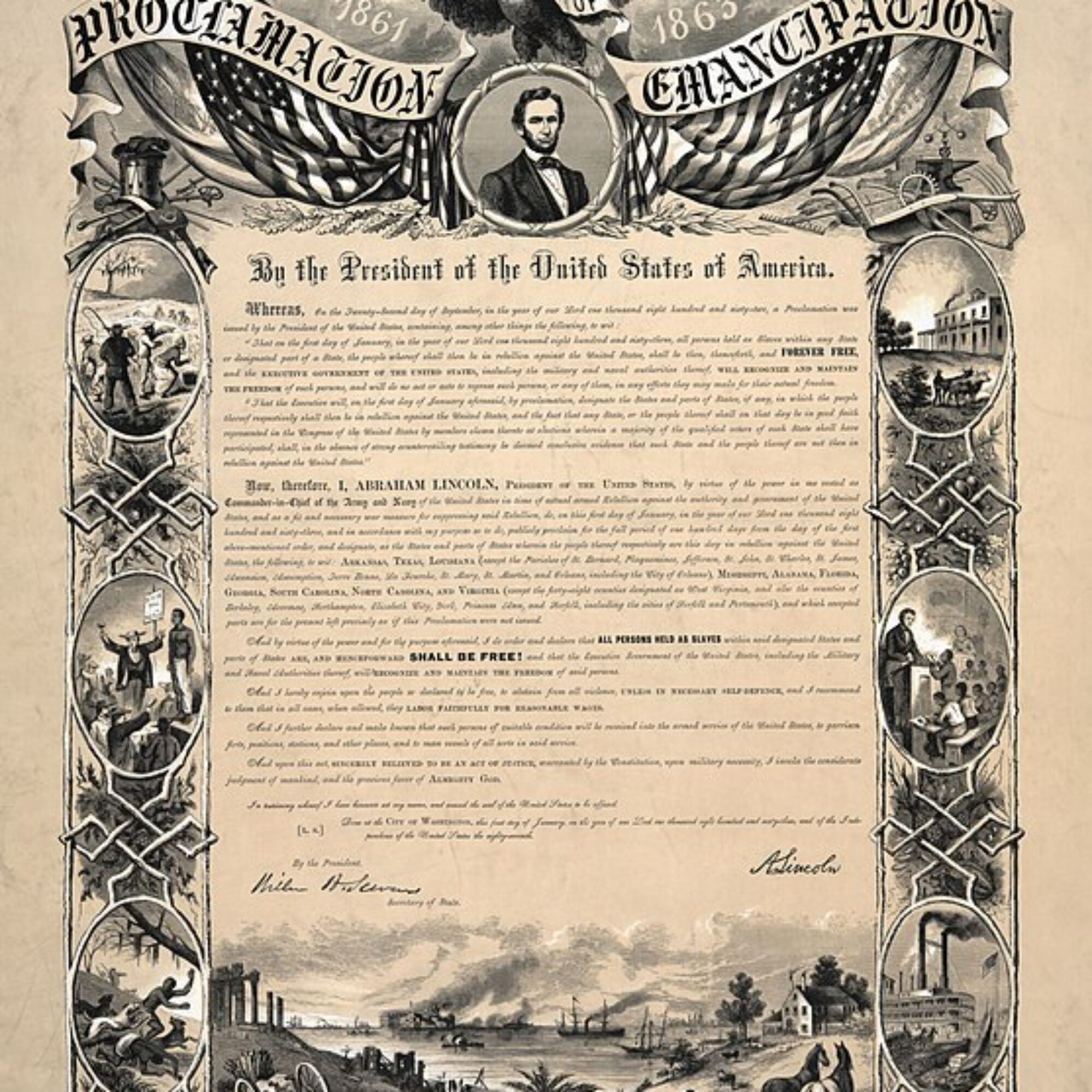
160 years ago today, Abraham Lincoln signed the Emancipation Proclamation. The Union army had been freeing slaves in seceding slave states for over a year and the proclamation didn't free all slaves, nor did it end slavery, so to say, as I've heard, that one stroke of the pen freed all the slaves overstates the case. Still, it was a major step forward. Beside freeing many slaves, it pressured slave states to abolish slavery. Since enough did and became free states, the Thirteenth Amendment became possible. I'll add that it evolved in part from the 1688 Germantown Quaker Petition Against Slavery, which I mention since I grew up in Germantown. From Wikipedia: it "was the first protest against enslavement of Africans made by a religious…

0 Comments

Flying to a sustainability conference is like hitting a piano with a sledgehammer to learn to play music

The title says it all. Hit a piano with a sledgehammer and you'll get some noise. You can call it music if you want, but I prefer to play scales. I start with a mindset shift then follow with a lifelong process of continual improvement, the Spodek Method. We overestimate what we can do in a day and underestimate what we can in a year. That's how you reach Carnegie Hall and it's how we could, as a culture, reach sustainability. I was invited to another conference on sustainability. People were flying from all over the world to attend. Why should anyone listen to you suggest we pollute less if you don't listen to yourself? If you think life is that much worse living sustainably,…

0 Comments

655: Donald Robertson, part 2: Seeking a Wolf

Donald committed to seeking out seeing a wolf. He shares about his experience on this commitment. He shares his deep connection and commitment to nature and how the project affected it. Donald thinks and acts in systems. We know we are a part of nature, but not all of us behave as if we understand what that means. Donald shares what it means to him, given his background in systems based especially in one of my great role models, W. Edwards Deming.

0 Comments

Another reason why an amendment banning pollution will pass and change culture

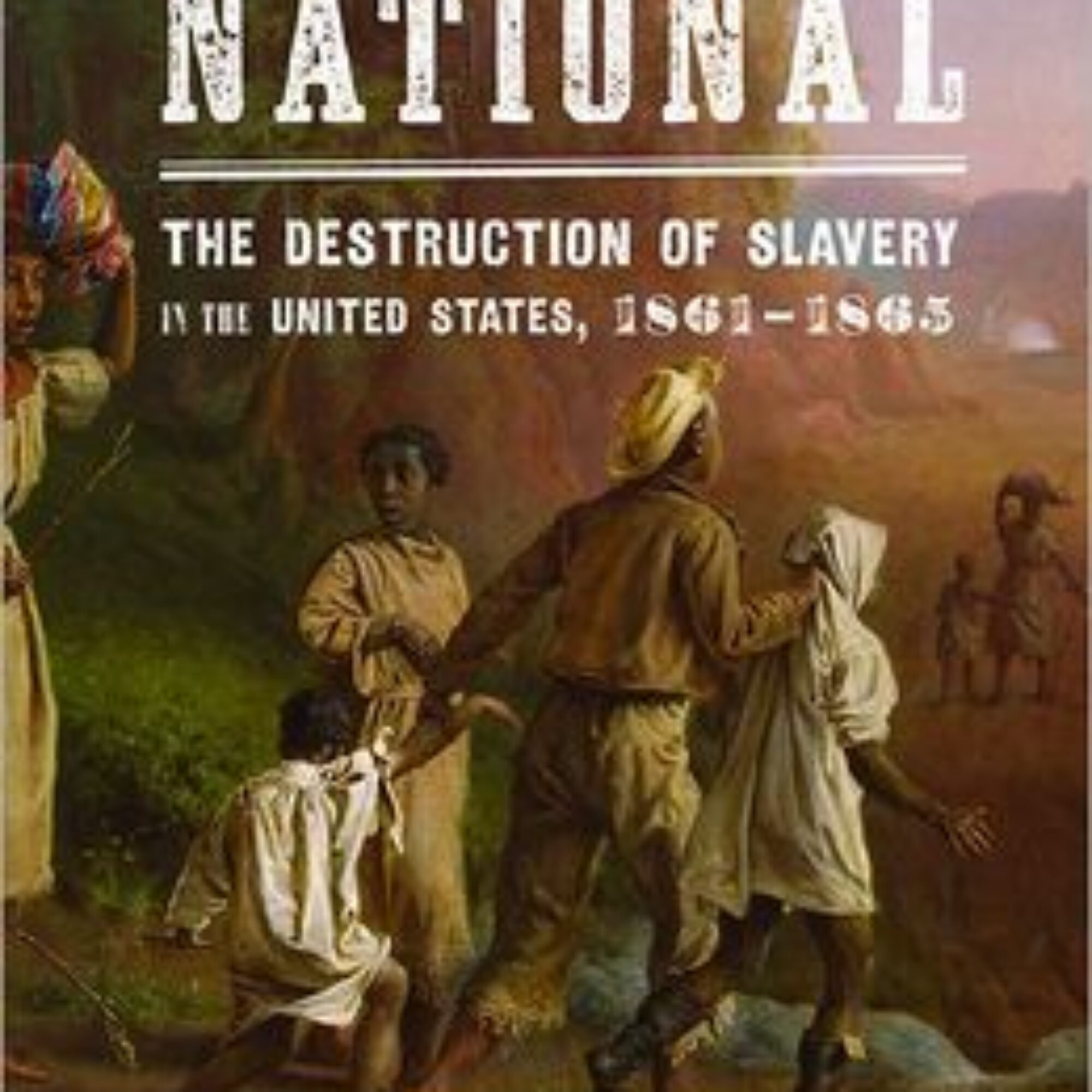
Regular readers know I'm learning about slavery and abolition as models for changing global culture. I'm reading a wonderful book Freedom National, by James Oakes, who gave me a copy after we recorded a podcast episode in person at his office. It's being edited and will go live in January. The book describes an argument against abolition before the Civil War: after blacks were freed they would be able to vote. Today we see the right to vote as a reason to free people, not enslave them. Likewise, one day we will see all the consequences people fear of banning pollution as reasons for it. As long as I'm mentioning the book, which I recommend, I'll share a few words on it: Freedom National won…

0 Comments

654: Mark Mills, part 3: The Cloud Revolution

After I've read his recent book The Cloud Revolution, Mark and I continue our conversation on sustainability and what to do based on qualitative and quantitative understanding. I've also been listening to his podcast. I came to Mark for his thoughtful research on the problems with solar and wind power, which people call clean, green, and renewable but are none of the above. I mainly want to get his views in general, which he shares. Within that frame, and trying as a host, not an investigative journalist, I've tried to focus him on exposing the larger problems with fossil fuels, nuclear, fusion, and other sources. He doesn't seem to consider their problems seriously. I hear him motivated by the view that lower energy prices and…

0 Comments

Doing What It Takes

When I spoke to Tom Szaky, founder of Terracycle, on the podcast, he shared an origin story. He had bought a used industrial composting machine and arranged with Princeton's food services team to take a few barrels of their food scraps. it was summer, the composting machine arrived late, and the barrels of scraps were mostly sealed. When they opened the barrels, the stench was revolting, the maggots everywhere, and at least one person vomited, as I remember. But the company started. I saw him tell that story to an audience at a conference at NYU. Afterward, another attendee remarked on the story: who does that? I responded, "that's why he was on stage and we were in the audience." That story came to mind…

0 Comments

Post-Christmas Christmas Tree Update

As Christmas passed and my neighbors will litter our streets with trees cut down to be used for a couple weeks in a clearly repurposed pagan holiday, we can reflect on traditions and changing them with the times. Traditions don't last forever. They start not as traditions. No one celebrated Jesus's birth with fir trees and north pole imagery before Christianity reached northern Europe. No one has to keep celebrating it in that style. I would think returning to something more middle eastern would get closer to his actual birth. Why not adjust to a time when trees help sustain life more still growing, not chopped down, when extracting resources like fossil fuels or cobalt to drive them around and mulch them poisons life and…

0 Comments

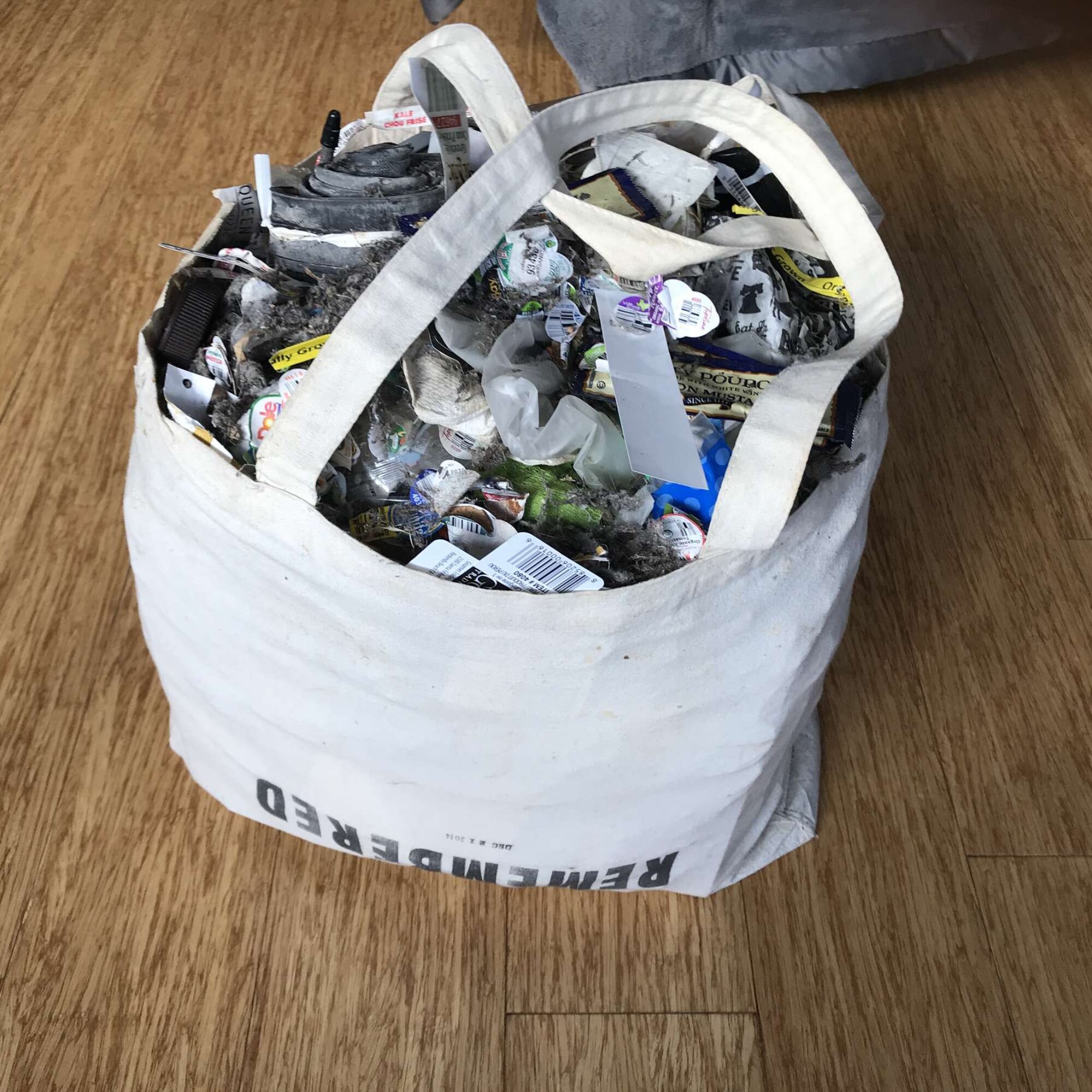
I started my current load of garbage on Christmas 2019 (I used to fill a load a week). Still going.

I last posted a picture of my garbage around 2.5 years in, I think. Yesterday ended the third year on one load. Today begins year 4. Here's the load, in a canvas tote bag I got from a conference, before I knew not to accept them. My skills in avoiding acquiring what will become garbage are increasing, meaning that most of the garbage in that bag came in its first year, not that much in the third year, I'd guess maybe ten percent. I'm starting to wonder if I can keep all my garbage for the rest of my life in my apartment. Since I believe in protecting people's life, liberty, and property and dumping garbage in public land violates all three, I think that…

0 Comments

653: Mark Z. Jacobson: Roadmaps for 100% clean renewable energy

After I shared episodes on the hazards of solar and wind, as well as my experiment disconnecting my apartment from the electric grid in Manhattan (in month 8 as I type these words), a listener pointed me to Mark Jacobs. I can't believe I hadn't found him yet. I dove into Mark's prolific research and writing. He makes plenty free on his site. As a professor of engineering at Stanford with great passion, he researches what he's talking about and makes it all available. He's not just talking or hoping for the best. His research helps form the Green New Deal. He contributed to the IPCC work that won the Nobel Prize. Coincidentally, he criticized podcast guest Mark P. Mills article I linked to in…

0 Comments

OMG this butternut squash was amazing! . . . Why connecting to nature connects to people and motivates saving both

I wish I could put into words how delicious this squash is. Most people seem to think of squash as something you have to cook, but they taste sweet and delicious raw. As you can see, I dice them to put on cereal like any other fruit. One thing making this one so special is that it was given to me from the crew who grew it at Drew Gardens in the Bronx. Everyone tells me people who don't live where I do or look like I do can't do exactly what they're doing. Luckily nobody told them they're powerless. It seems mostly rich, polluting people tell me that nonsense. I don't think even they believe themselves. They just want to sleep better, claiming others…

0 Comments

Beginning month 8 off the grid and *coincidence* year 12 of daily burpees.

Today begins month 8 of my apartment disconnected from the electric grid. I'd wondered what I'd do as the weather got colder and days shortened. Now I passed the winter solstice so days will lengthen. The weather will still cool for another few weeks, but I may have passed the hardest part. It occurred to me I might just have to keep going for the year. We'll see. It can get cold up there. I'm still relying on my cheat of plugging my computer and phone at NYU, where I am now, but I'm also working on installing the panels permanently and finding other long-term solutions to avoid climbing thirty flights several times a week. America can lead if everyone else stops making excuses and…

0 Comments

If no one tried to live more sustainably and I knew I could change no one, I would still do what I’m doing: stopping hurting others.

The reader who asked about my sharing that wind and solar aren't clean, green, or renewable later commented: "the information is quite disturbing". I agree, or rather agreed before realizing how much polluting less isn't the deprivation and sacrifice our culture says, but improves life. I responded: The information may be disturbing, but I'd rather know than not know, especially if the information is that I'm hurting people for my perceived comfort and convenience. I don't see how to consider it anything but cruel to remain ignorant when the information is readily available. Of course, I expect to change culture, but if not one other person tried to live more sustainably and I knew I could change no one but myself, I would do exactly…

0 Comments

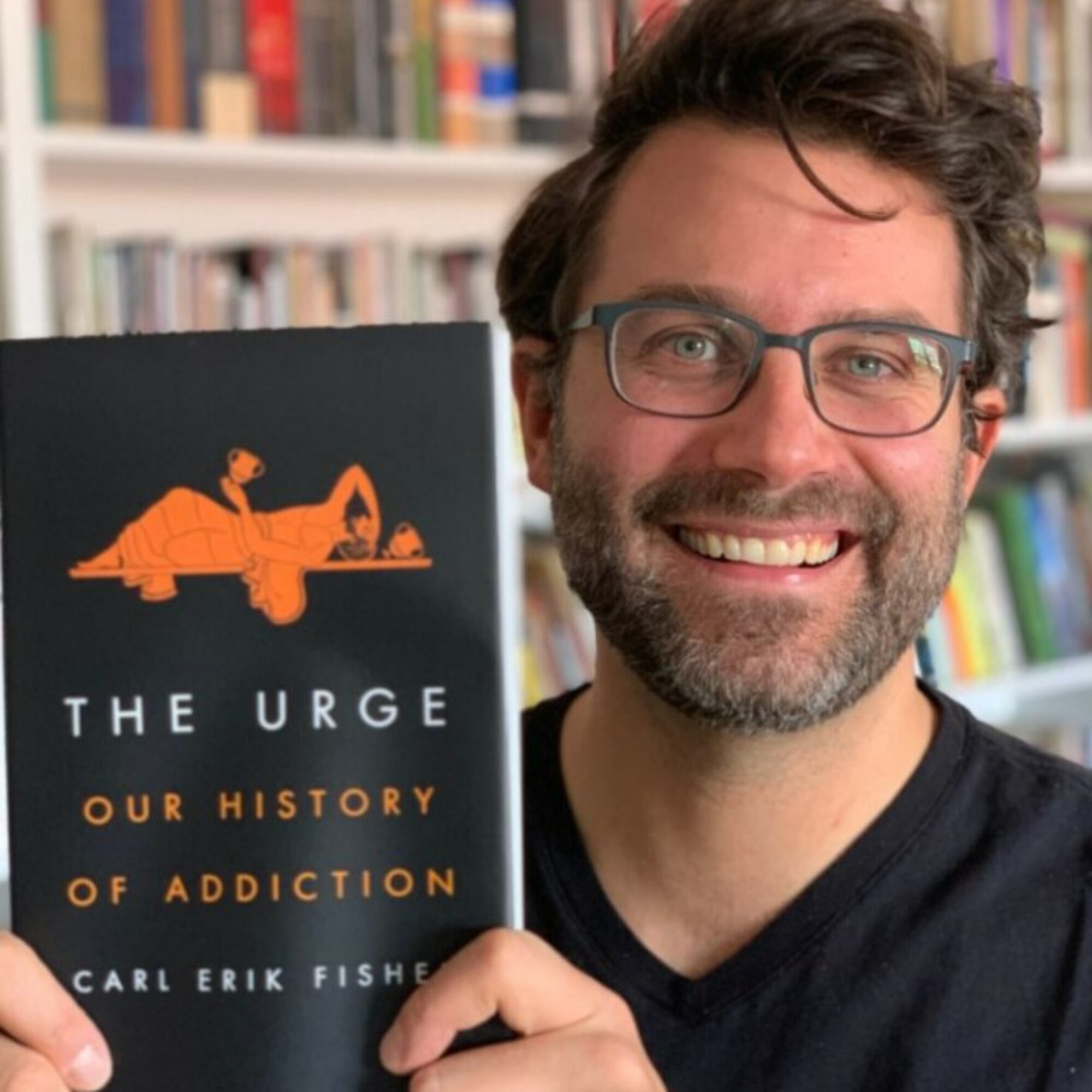
652: Carl Erik Fisher: The Urge: Our History of Addiction

I almost couldn't believe someone could write a book like Carl Erik Fisher's The Urge: Our History of Addiction. It tells the histories of addiction in human society since antiquity and of him, addicted, including in medical school, jail, and recovery. I don't know how many people could have shared such vulnerability or connected his experience to the reader's so we feel empathy. Regular listeners and readers of my blog have witnessed my increasing focus on addiction. We live in a culture of addiction. We see it in alcohol, cigarettes, doof, social media, binge TV, gambling, drugs, and so on. We also see it in what pollution brings, I believe: comfort, convenience, and travel, for instance. Medical professionals may not yet recognize these latter addictions…

0 Comments

Reader question: Why do I say solar and wind aren’t clean, green, or renewable?

A reader wrote: You said that wind and solar " are not clean, green or sustainable". I am surprised, they seem to be better than the alternatives. What is the reason they are not sustainable? The short answer: The mining required will destroy and pollute ecosystems (and displace people from their homes, plus we can't seem to mine without sending children in them, which I consider inhumane) Solar and wind require fossil fuels to manufacture, transport, install, and decommission They need to be replaced every 20 years, so their problems persist Their end-of-life materials pollute The long answer is in articles like these: The Dark Side of Congo’s Cobalt Rush The Hard Math of Minerals by podcast guest Mark Mills. Why mining to make renewables…

0 Comments

Who should decide if public transit should be free? What the answer means for sustainability.

A friend commented that public transportation should be free. I texted back "I concur." I've considered the issue from many angles before. There are many pros and cons and I've concluded the benefits outweigh the costs. Many agree. "Around 100 cities in the world offer free public transit, the vast majority of them in Europe, especially France and Poland," according to the New York Times' piece Should Public Transit Be Free? More Cities Say, Why Not?. "Nearly 100 cities worldwide offer free public transport" agrees Nature's piece last week, Degrowth can work—here’s how science can help. "Countries with area-wide zero-fare transport" is a small but growing section in Wikipedia's Free public transport page. There are tons of articles on the growing trend. Drawbacks Wikipedia first…

0 Comments

End of content

No more pages to load