665: Tony Hiss: Rescuing the Planet: Protecting Half the Land to Heal the Earth

Tony turns out to live a few blocks from me. I met him at his home, where we recorded. He shared his experience knowing E. O. Wilson, who, as Tony described, conceived of the plan to protect half the Earth's land to protect biodiversity and more to sustain Earth's ability to sustain life. I'd heard Wilson describe the plan many years ago and had seen some analysis that it could protect up to ninety percent of biodiversity if implemented effectively, whereas saving less land or implementing ineffectively might save markedly less, which could put humanity at risk, not to discount the value of other species' existence independent of humans (I confess to valuing humans more than others, but still value other life). I hadn't heard…

0 Comments

How I define pollution

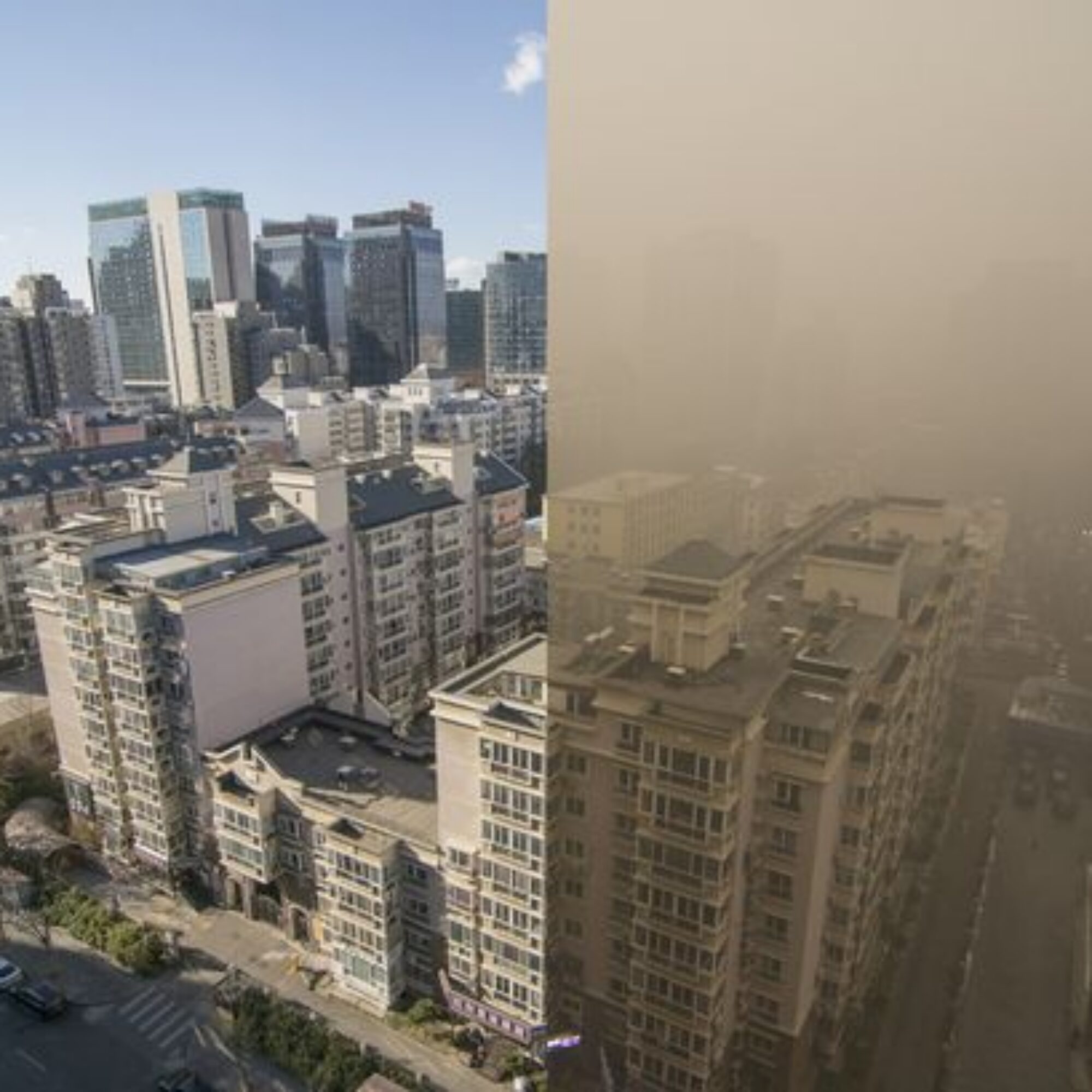
Talking about an amendment banning pollution raises many questions. One of the biggest is how to define pollution. Beijing air pollution I'd expect an actual law would result from democratic processes. Encyclopedia Brittanica's definition isn't bad: Pollution occurs when an amount of any substance or any form of energy is put into the environment at a rate faster than it can be dispersed or safely stored. The term pollution can refer to both artificial and natural materials that are created, consumed, and discarded in an unsustainable manner. Wikipedia's seems too broad: Pollution is the introduction of contaminants into the natural environment that cause adverse change. as does the U.S. Environmental Protection Agency's Any substances in water, soil, or air that degrade the natural quality of…

0 Comments

664: Rodrigo Cámara-Leret: Learning how the Kogi heal the land

Ethno-botonist Rodrigo Cámara-Leret first describes how podcast guest Alan Ereira chose him to live and work with the Kogi, who want to share, in my language, how to stop wrecking the biosphere. He has visited them and seen behind what they show of themselves in the documentaries. Unlike typical scientific research, he will bring his family and learn beyond what they plant. The condition of their environment is the physical manifestation of their culture, as is ours to ours. They aren't living in the Stone Age or as noble savages. They are living appropriate to their environment, sophisticated in their understanding of nature. Rodrigo and the organizations supporting him are approaching the Kogi with humility, as I understand, not trying to teach them or assimilate…

0 Comments

Environment, racism, hierarchy, and dominance

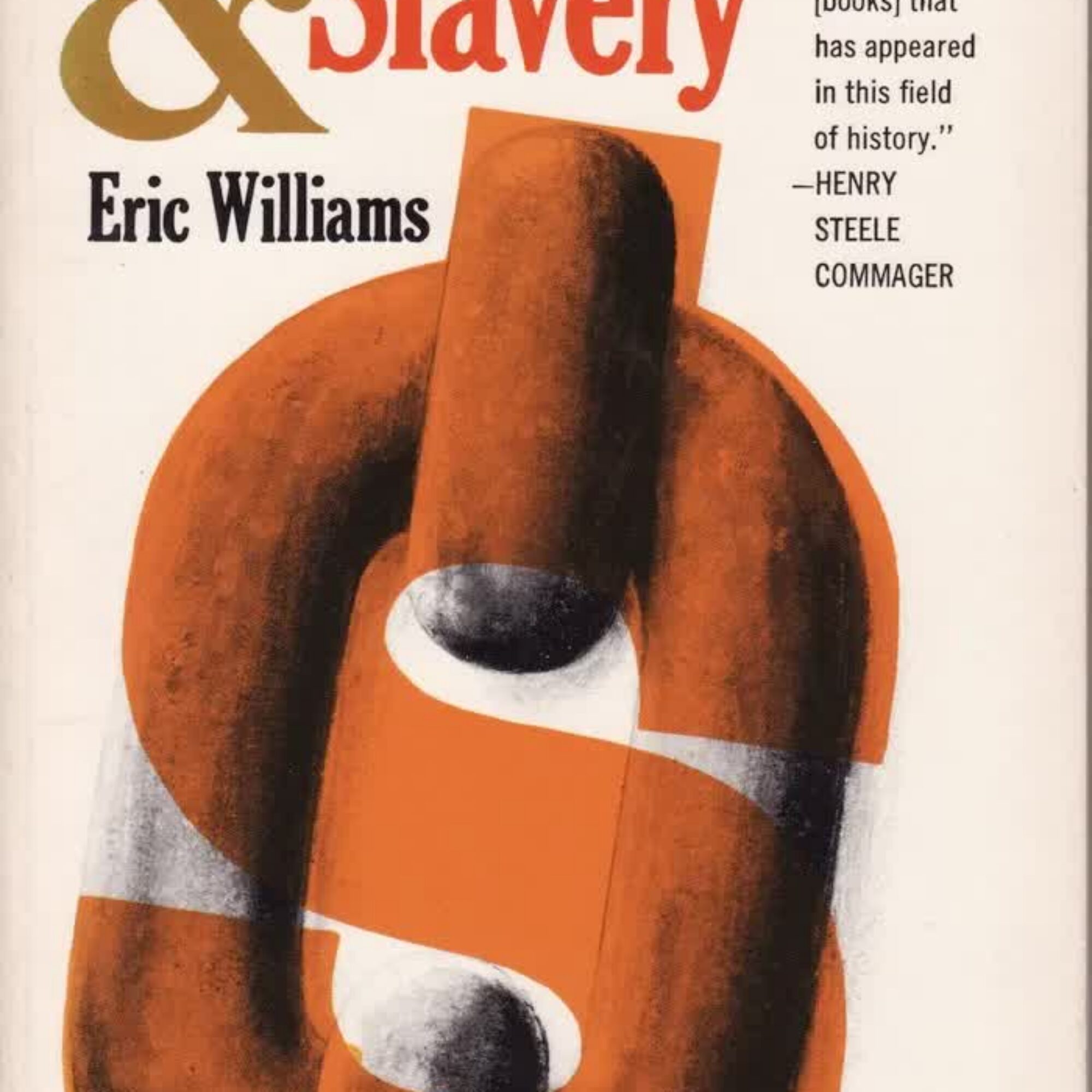
Many people point out how suffering from environmental problems like pollution and sea level rise correlate with skin color and ascribe the cause to racism. You don't have to look hard to see who lives in America's Cancer Alley and Sacrifice Zones and compare their skin colors against the largest shareholders and board members of the companies profiting from creating those areas, or the people displaced from their land to extract resources or dump garbage compared with the people who pay for the plane tickets and SUVs the resources power or buy the cell phones and disposable diapers dumped there. It seems plausible, but I agree with Eric Williams and Ibram Kendi that slavery caused racism, not that racism caused slavery. Hierarchies that allow one…

0 Comments

Abraham Lincoln, sustainability, and the “King’s Solution”: the Thirteenth Amendment

I've been learning more about abolition in the United States. In 1776, thirteen slave states, likely no one could imagine a world or nation without slavery. Yet in 1865, the Thirteenth Amendment made us one free nation comprising thirty-six free states. Today no one would seriously propose repealing the Thirteenth Amendment, what Lincoln called the "king's solution." No law, judicial interpretation, or executive order could achieve what it did. On the contrary, relying on them delayed uniting the U.S. in outlawing what a majority of Americans wanted to outlaw. I am going to propose to you something as bizarre of someone in 1787 proposing a constitutional amendment banning slavery: an amendment banning pollution. To many today, the Thirteenth Amendment sounds so inevitable, we can't imagine…

0 Comments

663: Nadeem Akhtar, part 2: Breaking a Doof Addiction Can Be Harder Than Expected

Nadeem committed to reducing his doof. He bravely shares the challenge. Even in Norway, he's surrounded by messages to keep consuming it. Imagine any other unhealthy addictive substance---cocaine, heroin, etc---was advertised and sold everywhere. On top of extra availability, imagine it was portrayed as like food, which it isn't. Nadeem stopped drinking alcohol long ago despite its prevalence in Norwegian culture, and compares how avoiding doof was harder. If you're struggling with getting clean from doof, you'll appreciate hearing what it's like. He also shares more about living as a Muslim in Norway.

0 Comments

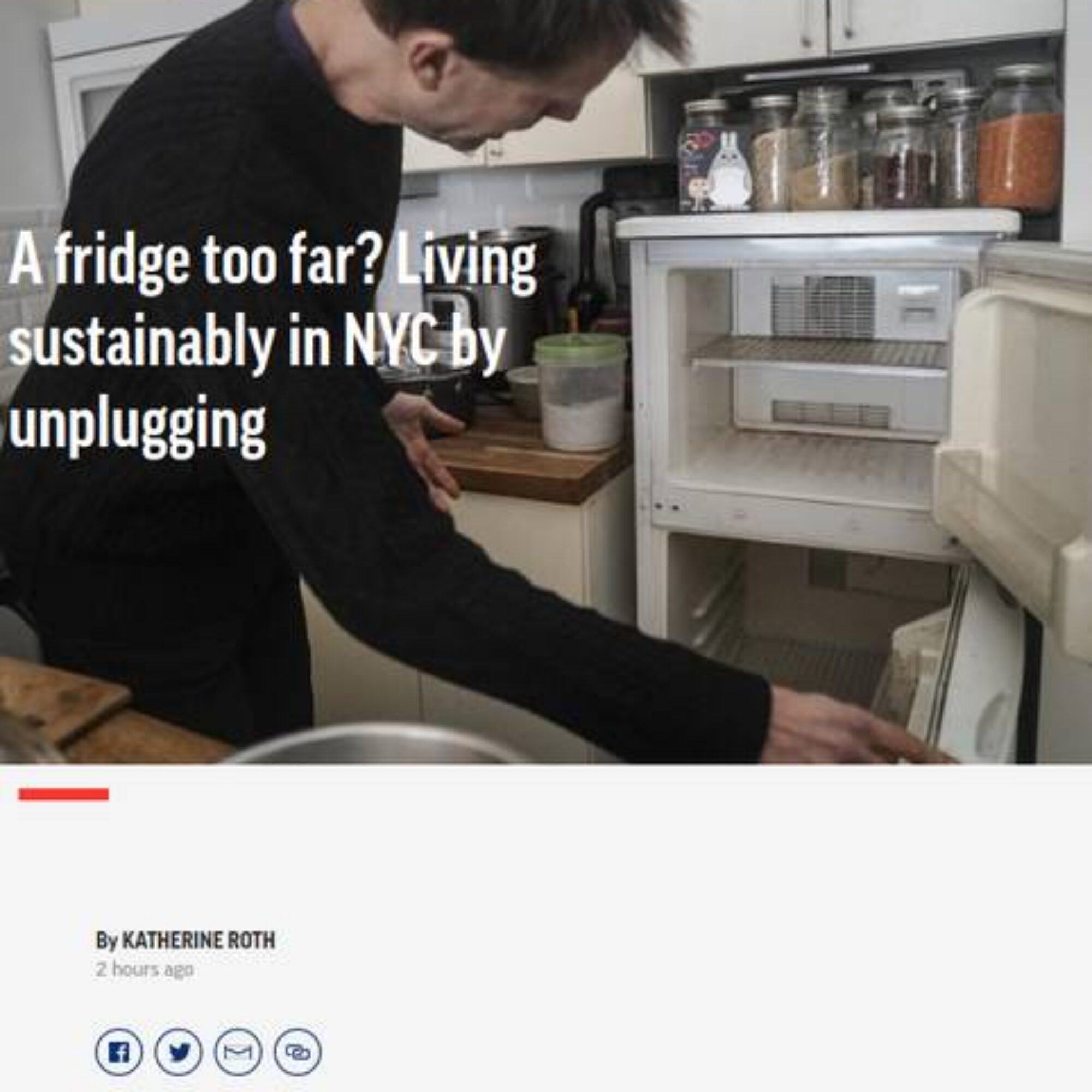
Read the photo-story on me: “A fridge too far? Living sustainably in NYC by unplugging” from the Associated Press

Katherine Roth interviewed me about unplugging my fridge and apartment from the electric grid and Bebeto Matthews photographed me cooking and putting my solar panels on my roof. Read the story and see the pictures at A fridge too far? Living sustainably in NYC by unplugging. I hope it helps achieve one of my main goals for this experiment: for a few people to say "You can do that!? I want to try!" The goal is not for them to copy my results but to apply my process of mindset shift followed by continual improvement to improve their lives for themselves in their lives in their way as I did in mine. If I could change anything about the article, I'd change two things. First,…

0 Comments

The opposite of flying is not less family or business opportunity. It’s more of each and nature too.

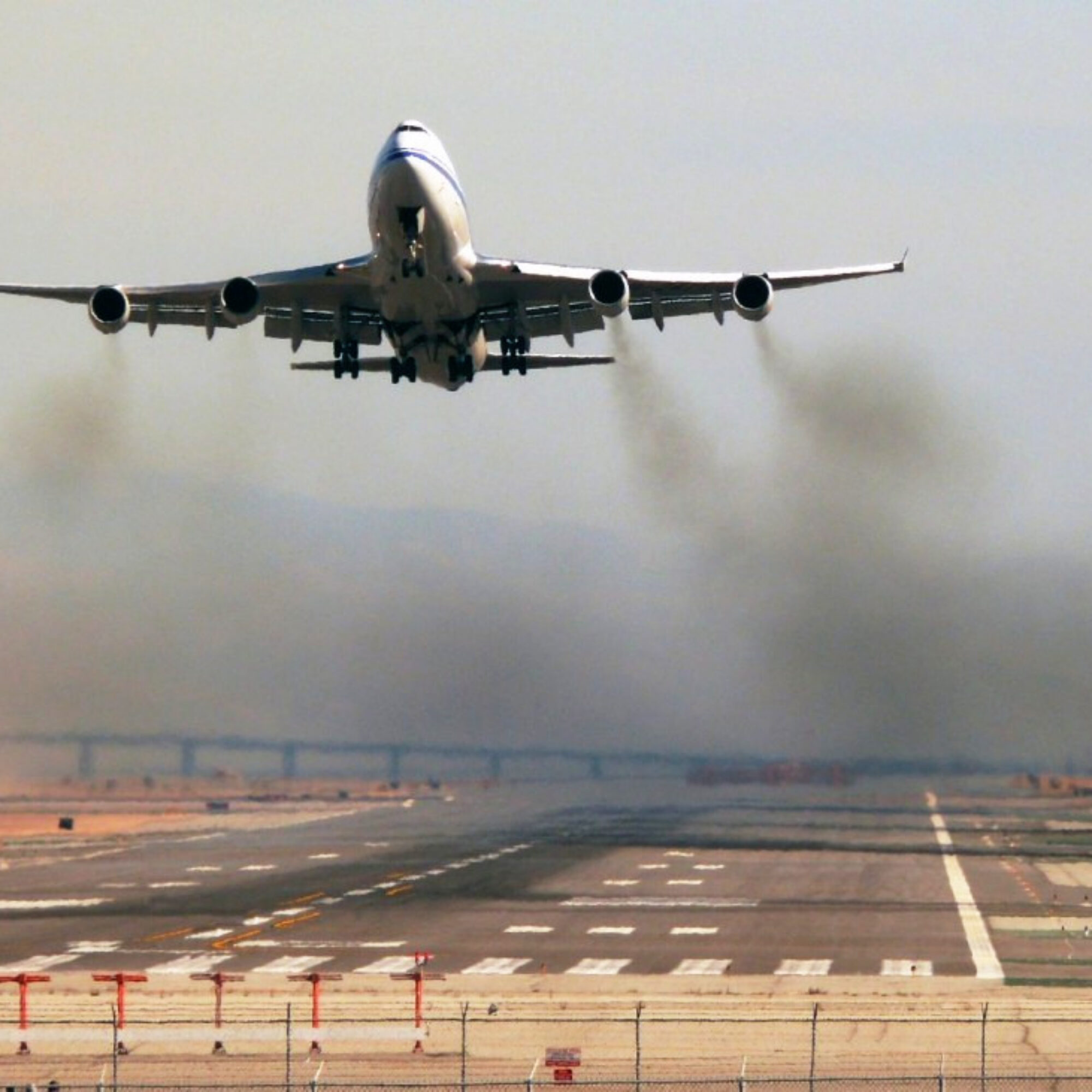
People think if they can't fly, they won't be able to see their family. They think, "if I'm here and my parents or children are flying distance away, if I don't fly, I won't be able to see them." They also think, "if my business can't compete there, I'll lose revenue and go bankrupt." Then they conclude, "I may not want to pollute, but family is more important and I'm no good to anyone if I can't afford to eat or pay rent, so I have to fly." I used to think people wanted to be close to their families all the time. It turns out people like to be far enough from their parents they can't drop in any time, but close enough they…

0 Comments

Do you value family over sustainability?

Over and over people tell me they care about the environment but family comes first. Their parent is sick and they've chosen to live flying distance away, they married a spouse from another country and feel they have to fly there twice a year, and things like that. Okay, say family is important enough to disregard hurting other people. Imagine someone else wanted to see their parent, suddenly hospitalized, but for them to do so, your home would be demolished, you would be put in a refugee camp, and your water sources would be polluted. If they wanted a cell phone to keep track of their child, your child would be put to hard labor, maybe given a birth defect like the child below, from…

0 Comments

662: Mark Mills, part 4: What to Do Next

I've said before and I'll say again that conversations like mine with Mark Mills are what I value and wish we had more of. We do our research, we have strong opinions, we agree on many things, we disagree on some things we care about. Most of all, I believe we learn from each other, respect different opinions, and try to understand the other's view and goals. In this conversation we talk about his book and the challenges of predictions at first, The most interesting parts are challenging each other on our understandings of our environmental problems and what we can do about them. We agree most proposed solutions that humanity is pursuing don't work and people are misguided. We differ on our expectations in…

0 Comments

NYU in 2019: We will stop buying bottled water. NYU in 2023: Here’s some bottled water from us.

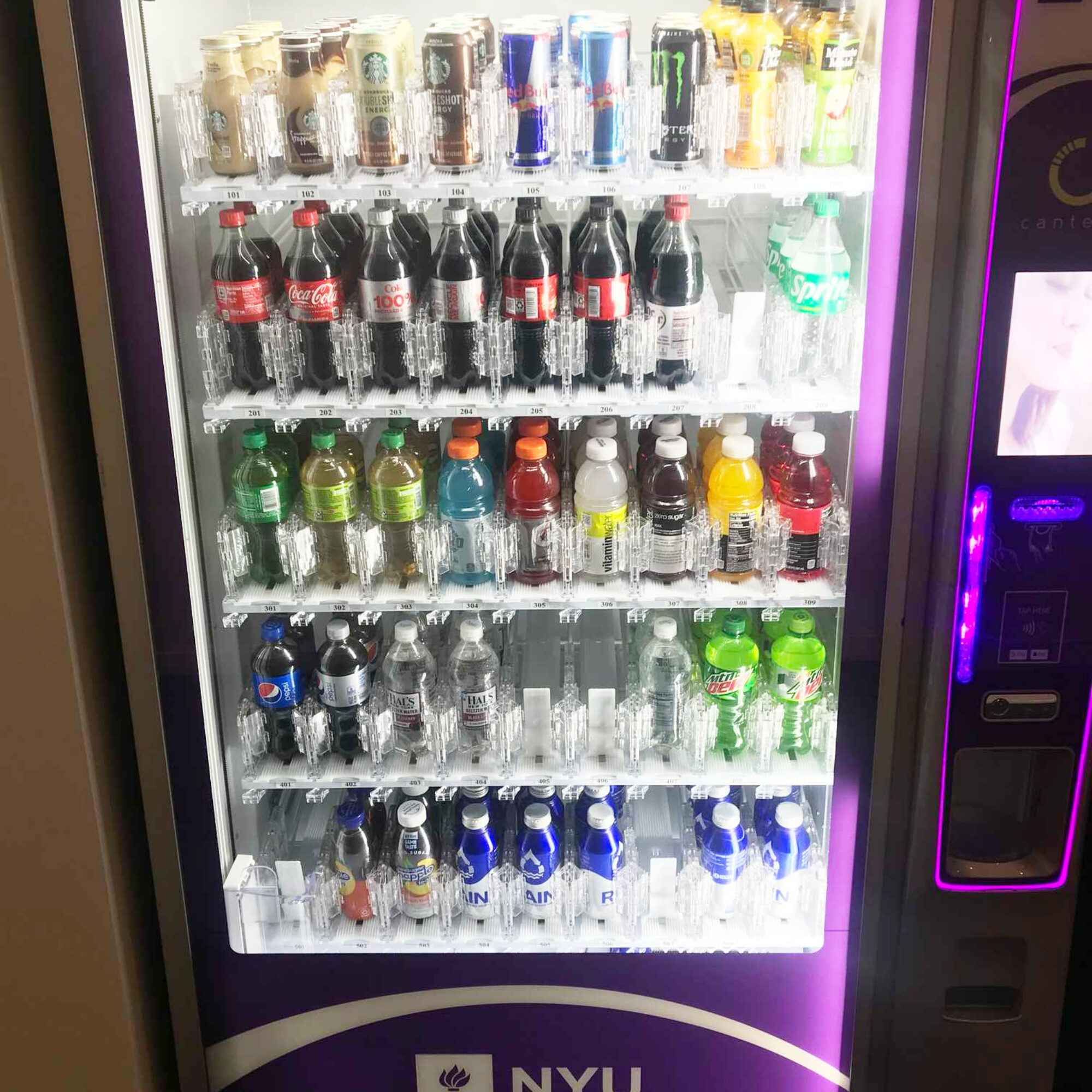
I don't look for this stuff. It's impossible to miss. Where is the leadership in sustainability? Why is everyone so slippery? (I know the answer, of course. Lincoln said it best: "Nothing does more damage to you than to do something you believe is wrong." When you do, you will lie, cheat, deny, and suppress to avoid facing the internal conflict.) I start teaching this semester at NYU tomorrow. The classroom I'll teach in is in a new building so I went today to make sure the technology works and check for any idiosyncrasies. I saw this vending machine selling bottled doof. I suspect NYU isn't selling the products, but note the NYU logo on the machine, which looks like an endorsement to me. Now…

0 Comments

Two unbroken streaks: 8 months off-grid and 12 years daily blogging. Which is more challenging?

Yesterday began month 9 with my apartment disconnect from the electric grid. Today begins year 13 posting daily to my blog. Which seems more challenging? Which has taught me more about myself, humanity, and nature? Tough call. They seem even. I'm continuing both so I'll keep learning from both. The off-grid in Manhattan seems more rare, a bigger disconnect from my ambient culture. Earth also passed a month after the north's winter solstice and I can tell the added sunshine time, though January has been mostly overcast in New York. People ask the questions I would have, like how long a charge lasts, but I'm learning that view starts from what I want. When you rely on fossil fuels and uranium, you can dominate nature.…

0 Comments

Better in every way

How often is an option better in every way? Even quitting cigarettes, which seem better in every way to me in saving money, improving health, decreasing litter, and so on, to a smoker mean losing pleasure. How cereal became better in every way As a kid growing up, the cereal aisle of a supermarket seemed as much a part of nature as trees outside. It just existed, as did all the cereals with their brightly colored boxes, cartoon characters, list of vitamins and ingredients that would have seemed bizarre for not existing elsewhere, like BHT and puffed rice, but I didn't know any different. I think in graduate school I switched to oats. The naive younger me would have thought I reduced variety, but by…

0 Comments

Do you want to leave the world better than you found it, really?

If you want to leave the world better than you found it, which will help you leave your legacy better: To inhale deeply on a cigarette and blow the smoke in a baby's face or To fly somewhere on vacation? Blowing smoke in a baby's face seems worse, doesn't it? I bet none of you would do it. But flying hurts more babies more grievously. It pollutes billions times more. It displaces people (and wildlife) from their land. Funding it will fund more extraction. Flying homogenizes once-diverse world cultures. It separates families and tears communities apart in the name of bringing people together. The list goes on. I picked flying, but I could have said buy an SUV, set the temperature above around 68F (20C)…

0 Comments

In the wild: the Spodek Method practiced by someone else to heartwarming success

Regular listeners heard me on the Carbon Sessions podcast, by the community created by podcast guest Seth Godin that created the bestselling book The Carbon Almanac. You can tell that one host of the Carbon Sessions, Brian, had listened to This Sustainable Life. We kept in touch after recording. He was interested in the Spodek Method. We practiced it and recorded the three videos below of me teaching it, conceiving of using them as a test to create an online course. Neither of us could have predicted that he'd have the chance to practice it in a later Carbon Sessions recording, impromptu. Here is that episode. In a conversation with another host on new year's resolution, he walks her through the Spodek Method. To my…

0 Comments

661: Daniel, host of “What is Politics?”, part 1: Dominance, subjugation, hierarchy, and solutions

I can't tell you how valuable (and entertaining) I found Daniel's video series. Regular listeners and readers may know how important I find anthropology to solving our environmental problems. If we want to change our culture, we have to know why it is this way, how other structures have worked, and how we can change. I started realizing this importance when I noticed that I had read podcast guest Sebastian Junger's book Tribe the day I unplugged my apartment. It showed me what we lack in our culture that others have: freedom, equality, community, connection, and what we value when calm, not bombarded with ads and feeling guilt, shame, helplessness, and hopelessness. It gave me something to look forward to beyond being able to fly…

0 Comments

Video of me volunteering, delivering the food they were going to throw out to a community center

I've talked about my volunteering: Stores throw away perfectly healthy food as part of our broken system. A group of us pick up that food and bring it to a community center called the Chelsea Fridge. Anyone can take it from there for free, usually poor people, though anyone can. I've meant to make a video of me bringing the cart to the store to pick up the food, bringing it to the fridge, unloading it, and walking home. Last night, I hauled a large load. I asked someone there to record unloading. It's dark, though they turned a light on partway through, but you get the idea. Everyone enjoys the free food. You can't see the people at the store I interact with when…

0 Comments

660: Martha Nussbaum: Justice for Animals: Our Collective Responsibility

Martha Nussbaum's new book, Justice for Animals: Our Collective Responsibility, looks like it's about animals, but the more I read it, I found it about us, our values, and our behavior. Regular readers and listeners will see the similarity to how I approach the environment in general. Not having eaten meat since 1990 and no animal products at all about ten years, I don't find new materials on human treatment of animals. Candidly, I thought I'd just browse the book. I also don't read much philosophy, which I find too often hard to read. Instead, I kept reading the book until I finished it. I found her writing style accessible, her material heartfelt, and her motivations genuine. She takes a few controversial points, like predation…

0 Comments

The Ruling Race: Quotes on those who improve their lives on the suffering of others, corrupting them

Podcast guest James Oakes's book The Ruling Race describes the demographics, beliefs, and views of slaveholders in the U.S. south. They are no more or less human than you. The book reveals how being on the dominant side of a dominance hierarchy corrupts one's values. Following the What is Politics? podcast by podcast guest Daniel, I've learned that dominance hierarchies emerge when two conditions apply: one person or group can control access to a needed resource and others have no alternative. When you see a hierarchy giving one group dominance over another, look for the necessary resource that group can control to and how the group subjugated lacks alternatives. Want to remove the hierarchy? Work on that control and lack of alternatives. Today, I see…

0 Comments
The Psychology at the Root of Pollution
Ars Technica Josh Spodek Disconnected In Manhattan

The Psychology at the Root of Pollution

Have you read many of the responses to my Ars Technica article, I disconnected from the electric grid for 8 months—in Manhattan? Many push back about what I shared and I'm learning from them. Not that they differ from many online forums, but I noticed a few trends. Many of the responses object to things I didn't say, even putting in quotation marks things I didn't say. Many assign me intent I didn't imply and don't have. Some said things I did were easier for me so they couldn't do them while others said things I did were hard so they couldn't do them. Nearly no one picked up on my goal to be a role model, ideally to prompt some people to say "You…

0 Comments
Read my piece in Ars Technica: “I disconnected from the electric grid for 8 months—in Manhattan”
Ars Technica Josh Spodek Disconnected In Manhattan

Read my piece in Ars Technica: “I disconnected from the electric grid for 8 months—in Manhattan”

Ars Technica published a piece I wrote on my experiment disconnecting my apartment from the grid, I disconnected from the electric grid for 8 months—in Manhattan. It goes into more depth than my TIME piece I've Been Living Off-Grid In Manhattan for Half-a-Year. It's in my voice, unlike the New Yorker's Off the Grid in the Big City. One of my main points was seeing the experiment like the Wright brothers at Kitty Hawk. Normally when I talk about flying, I'm talking about pollution, displacing people from their land for fuel, and problems like that, but tabling the sustainability perspective, looking at it on the Wright brothers' terms, before anyone could have imagined the problems flying would create in sustainability, tearing communities apart, emptying small…

2 Comments

658: Rebecca and Josh Tickell, part 1: On Sacred Ground and the Dakota Pipeline

Watching environmental documentaries means having seen the Tickells' work, especially Fuel and Kiss the Ground, which they did with podcast guest Bill Benenson. Bill introduced us, though we scheduled this conversation to release the day before their new movie On Sacred Ground, on the Dakota pipeline. In this conversation, they share about the process of choosing the subject, the story and its roots in their lives at the protests, the actors performances, interacting with indigenous cultures, and the emotion the movie evokes. You'll hear some behind-the-scenes stories, but most of all, you'll feel compelled to watch the movie. The movie tells the story of an outsider coming to the protests of the Dakota pipeline and seeing the community there, particularly Native Americans, as a last…

0 Comments

Another month, another zero kilowatt-hour electric bill

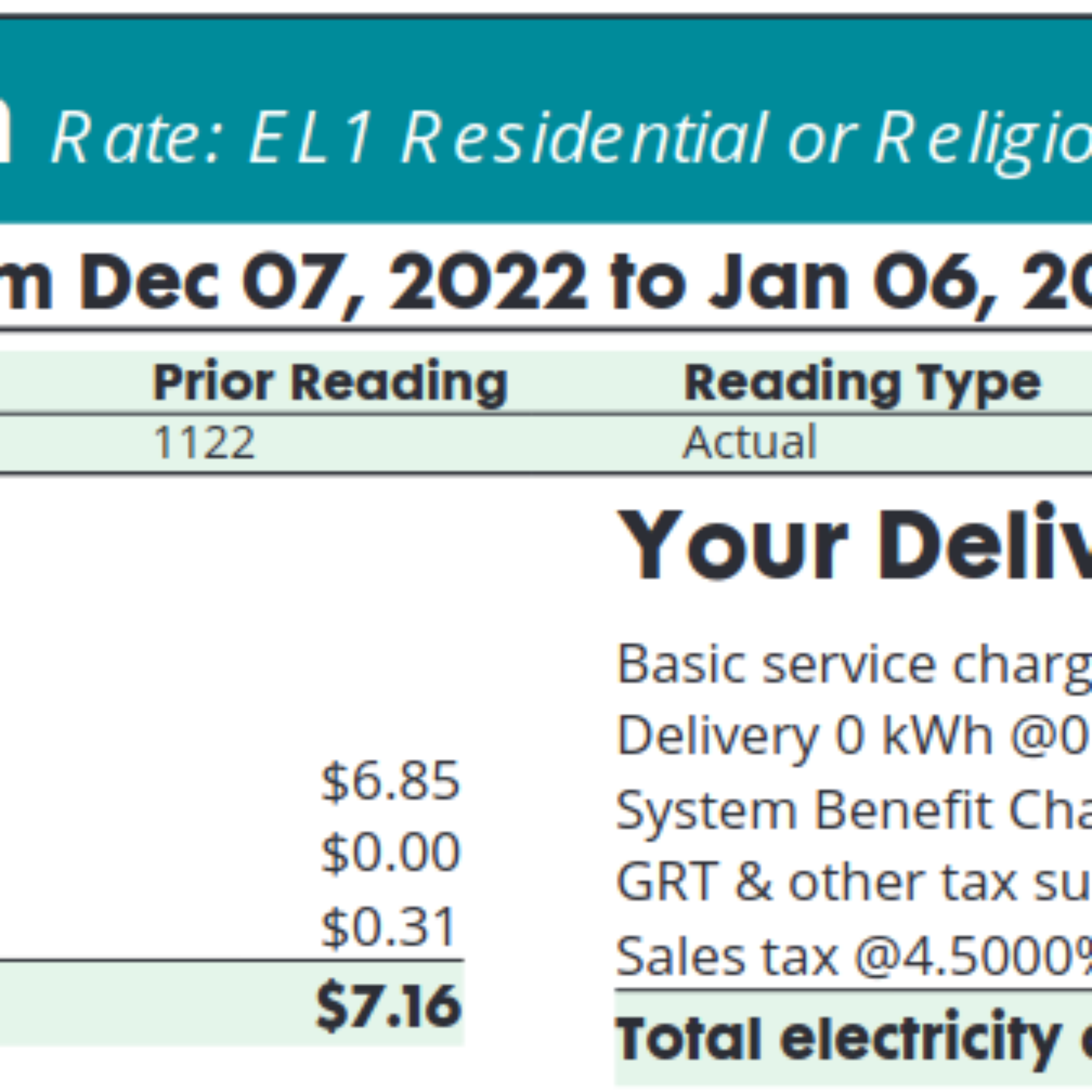
I posted scans of all my 2022 electric bills, showing zero kilowatt-hours since May. Here's my first zero bill for 2023: I talked to a guy last year who told me he regularly paid $1,000 for monthly bills. What do you pay? What would you like to pay? If you'd like to pay and pollute less, thereby hurting other people less, what's holding you back? They also share this annual graph. They probably mean to help you see trends over time or by season. In my case it seems to show my usage is off the chart:

0 Comments

End of content

No more pages to load